 254 m
Sushi Tou254 m
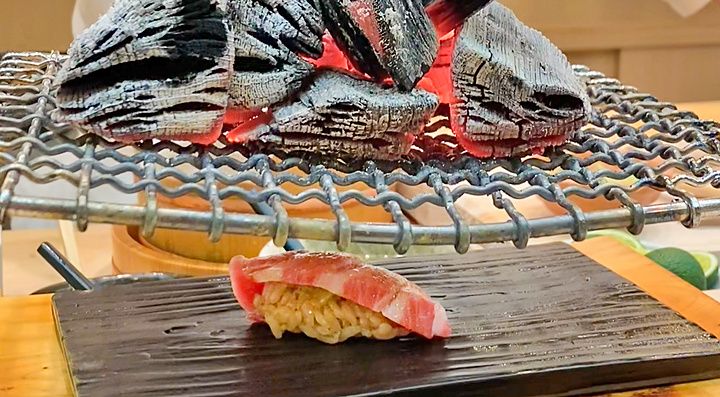
Omakase with charcoal-grilled tuna.

A French restaurant in Tokyo, between Roppongi and Omotesando, where vegetables from small Japanese growers get the three-Michelin-star treatment. L’Effervescence is chef Shinobu Namae’s restaurant. It serves a single tasting menu that changes with the seasons, and its focus on the environment has also earned it a Michelin green star.
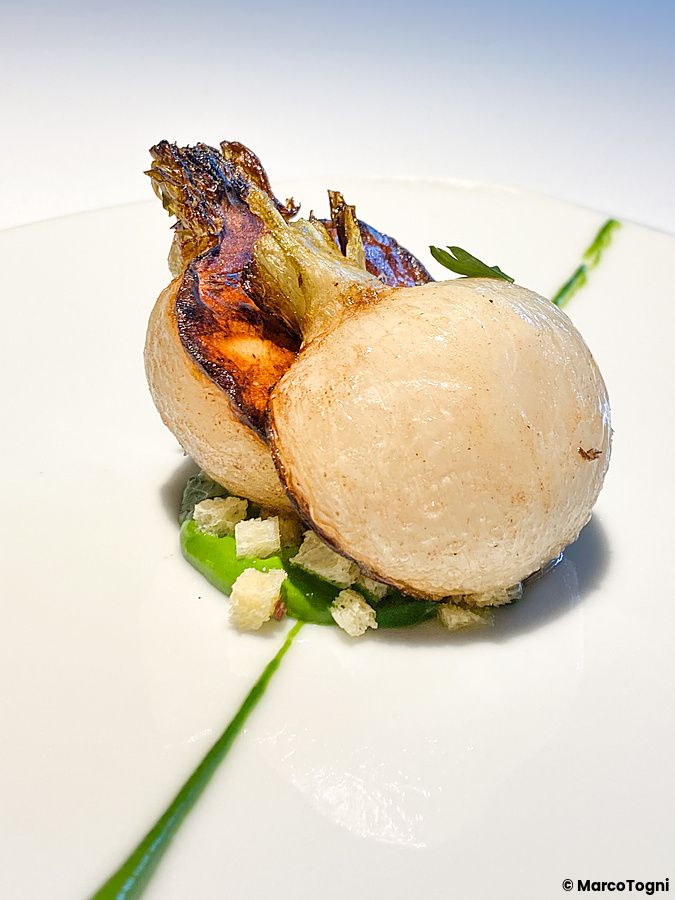
The signature dish is a turnip cooked for hours. This is the place for a special occasion, or for anyone who wants to see how far fine dining can go in Japan.
There’s only one tasting menu, and it changes depending on what the growers send to the kitchen. It opens with a welcome cocktail, which also comes in an alcohol-free version. I go for the non-alcoholic one, and it’s cool, refreshing and packed with herbs. Watching it being made in front of you is a show in itself.
With the cocktail comes a small bundle of crisp raw vegetables to dip in a vegan sour cream made from tofu. After the welcome drink, they bring a list of suppliers to the table so you can see where every ingredient comes from, and you get to pick your knife from several different styles. I pick the red one.
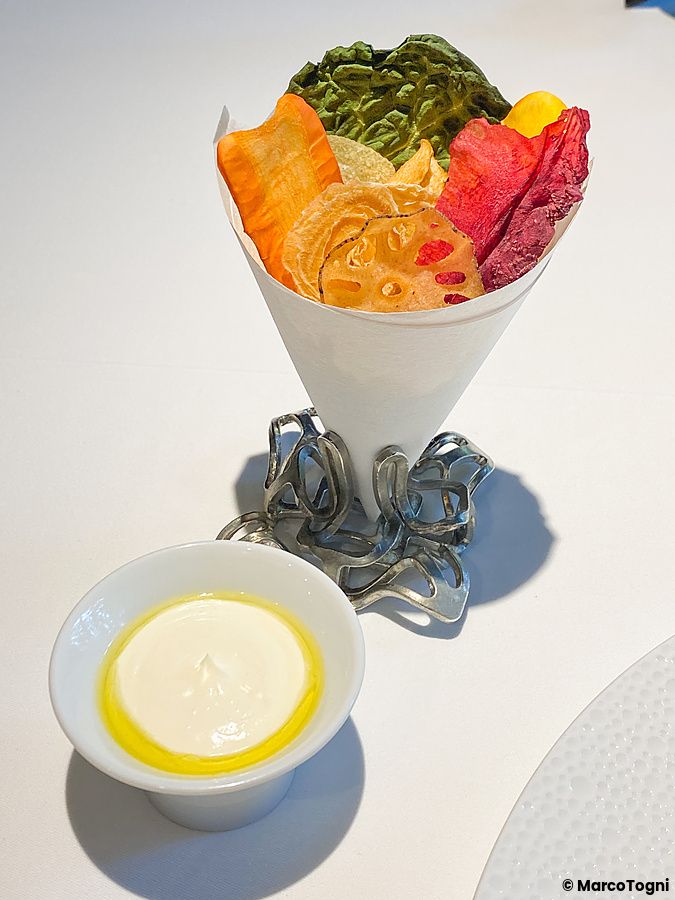
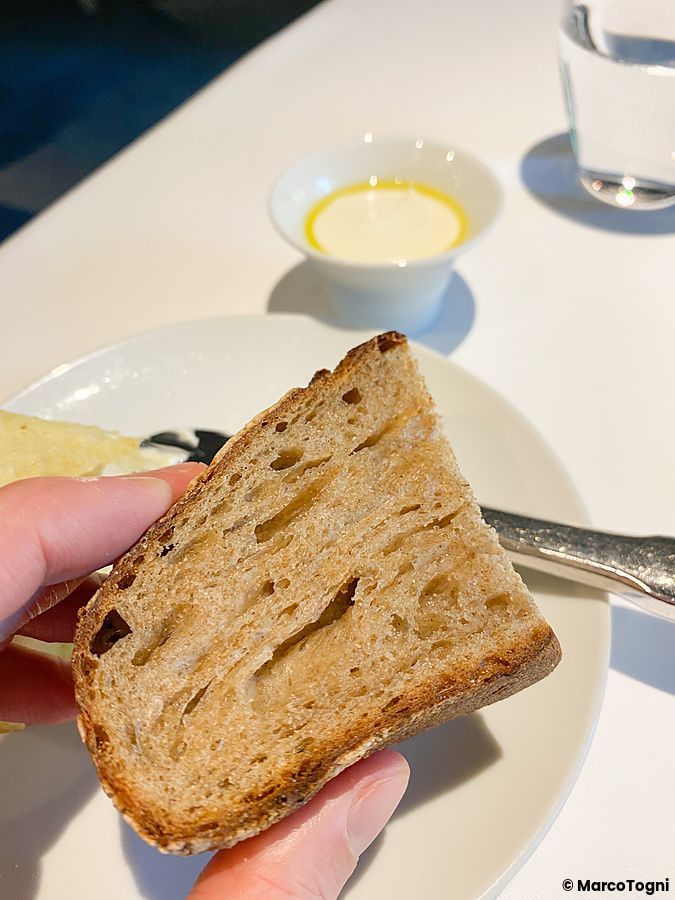
Of all the courses, these are the ones I keep thinking about:

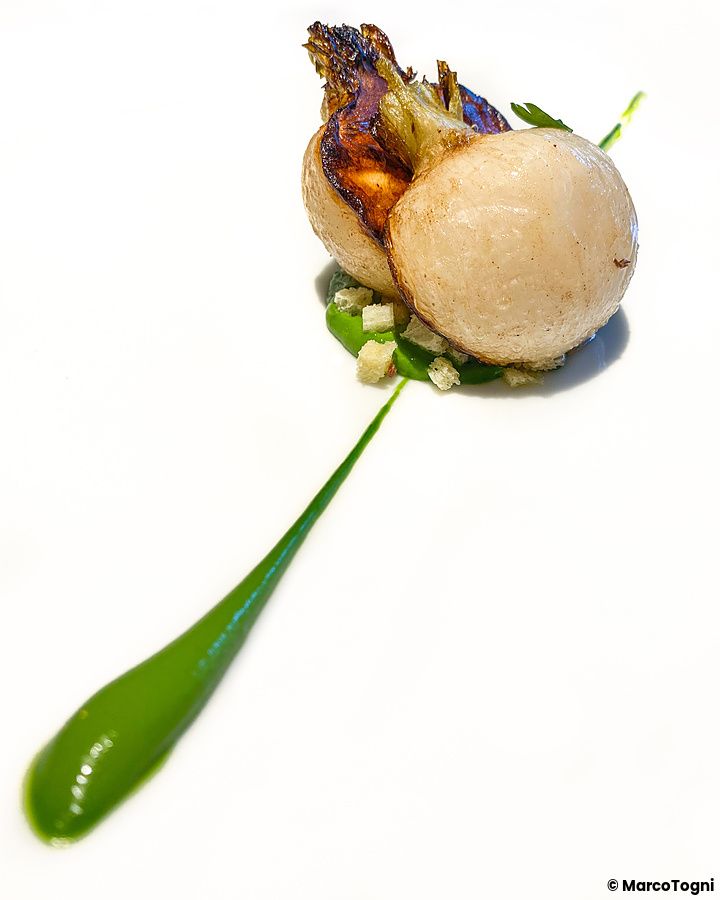
The turnip arrives whole on the plate, with no garnish. If you’re expecting a plate full of components, it may catch you off guard, and you might think it’s too simple. Then you cut into it, and inside it’s juicy and sweet in a way turnips never are, with the butter giving it a light crust and the green sauce keeping each mouthful fresh. To me it’s the best turnip in the world, and I’m not exaggerating for effect.
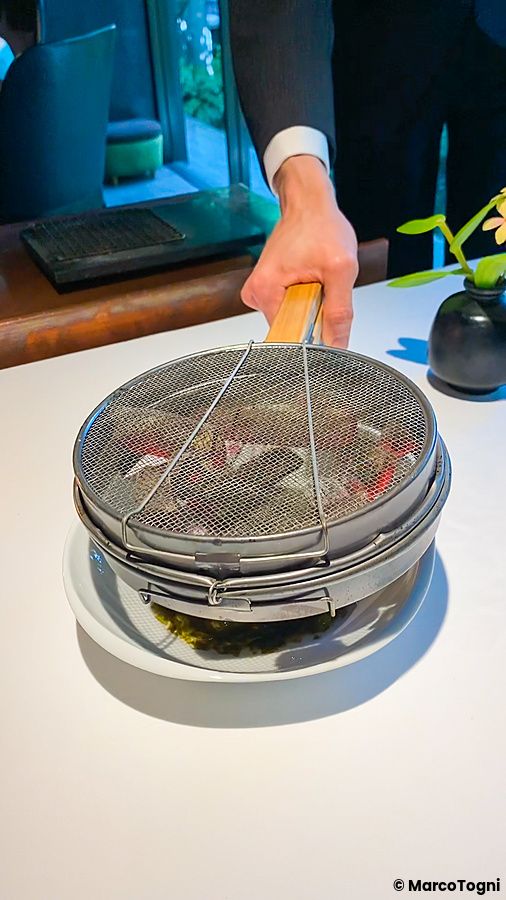
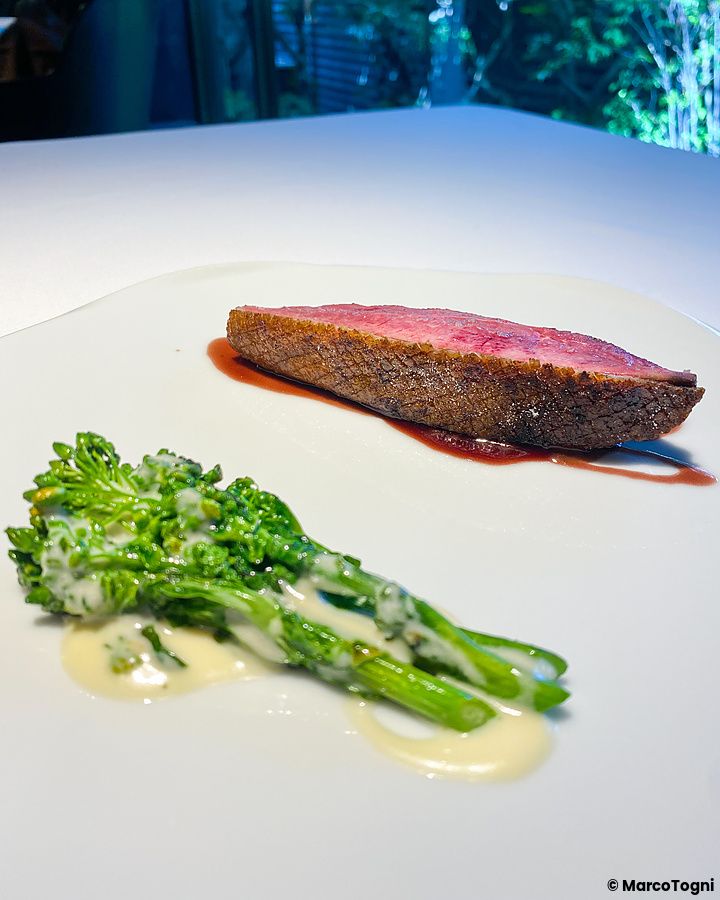
I’d put the duck among the best meat dishes I’ve ever eaten. You get the full flavor of the grill, yet the meat stays moist and tender, and the skin crunches when you bite into it.
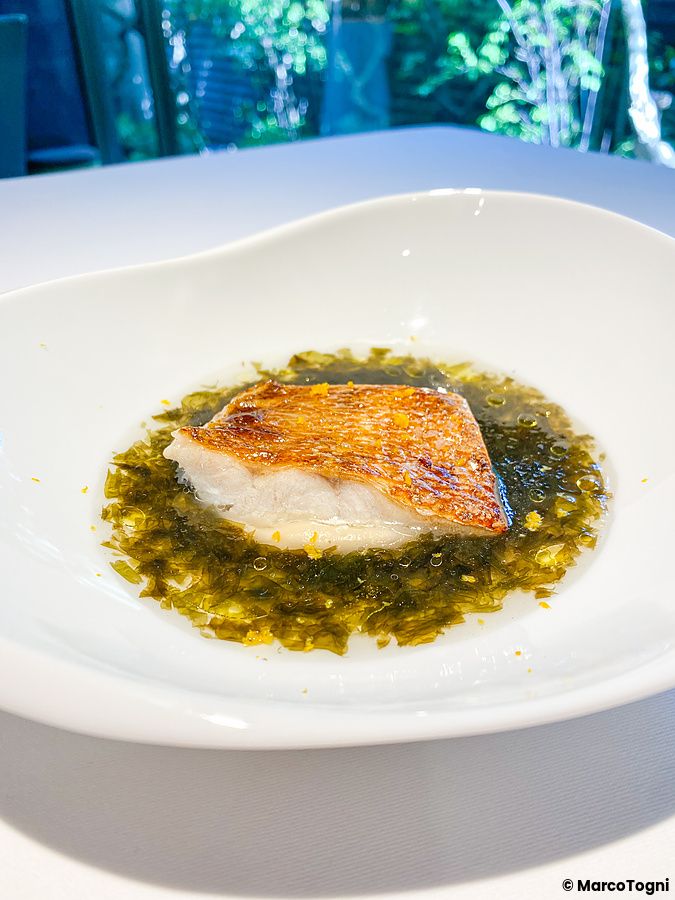
The nodoguro, on the other hand, is more low-key. The fish and nori broth is delicate and the yuzu adds just a hint of acidity, so the sweet potato underneath ends up carrying a lot of the flavor.
The artichoke and black truffle ravioli are the most European dish on the menu, at least until the sansho, the Japanese pepper, arrives and pulls everything toward Asia with its citrusy, slightly sharp aroma. Before dessert, a cart of artisanal Japanese cheeses comes around too, which will surprise anyone who thinks Japan doesn’t make cheese.
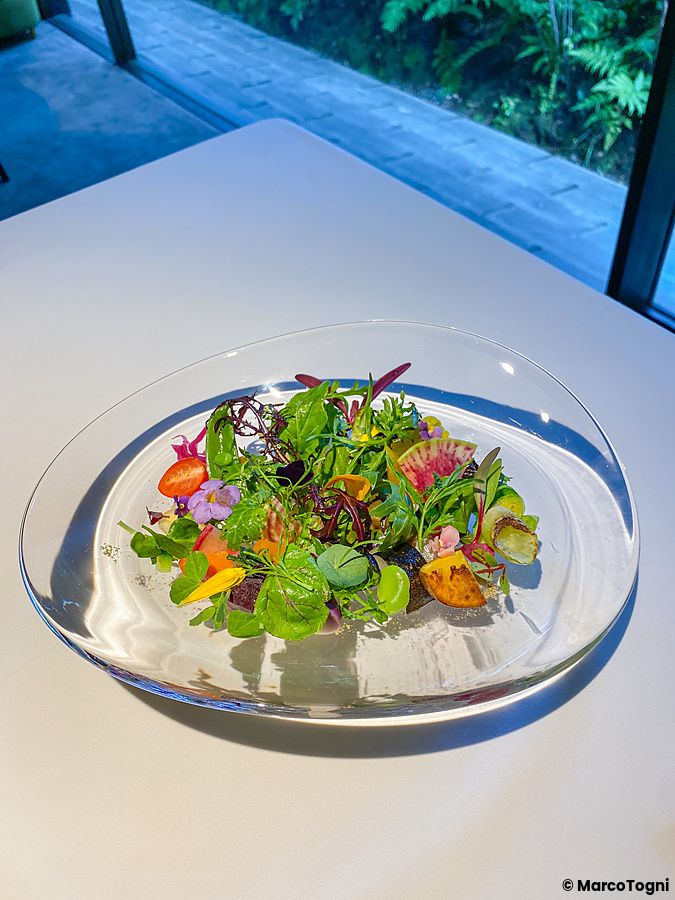
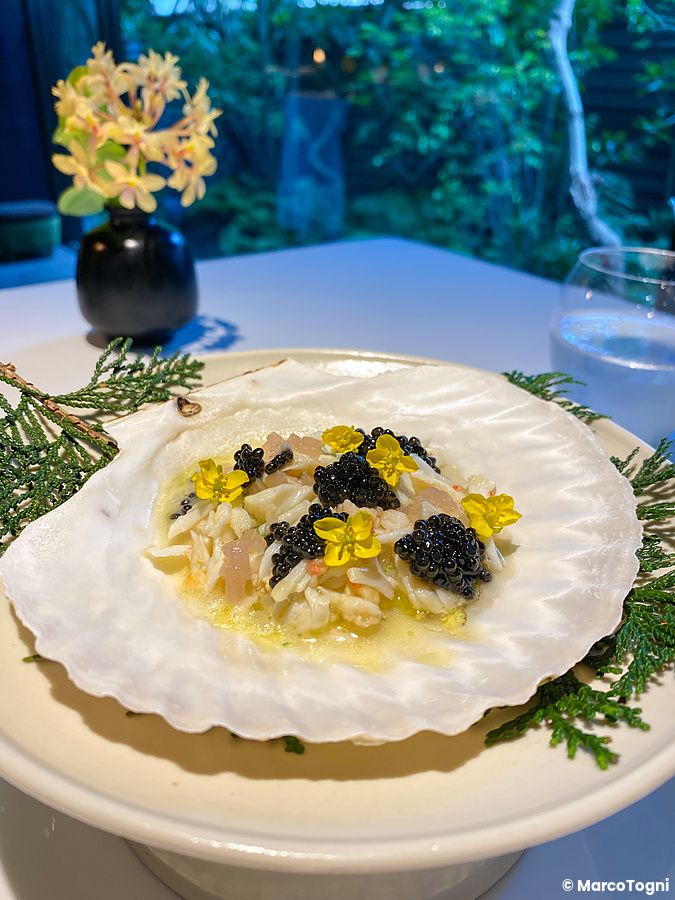
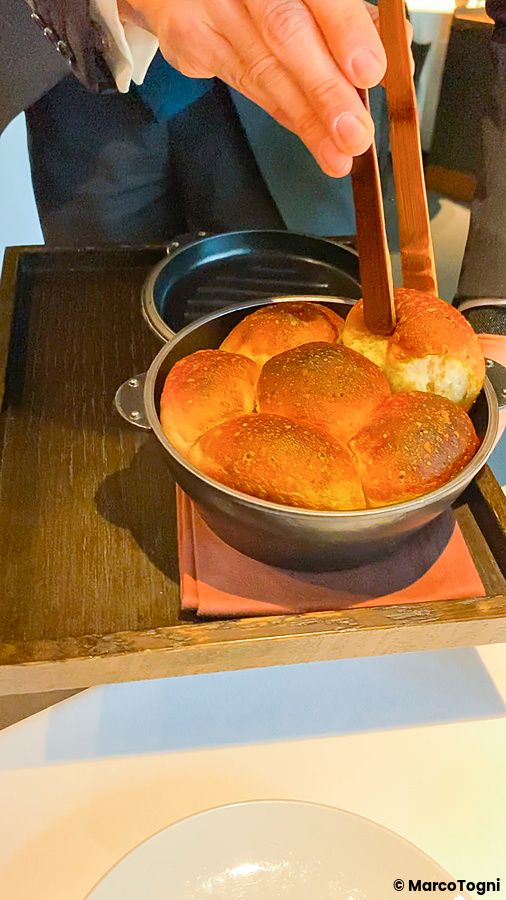
Between courses there’s focaccia, soft and full of flavor. The vegan cream that comes with the vegetables is so good that I ask for a little more to finish with the bread, and they bring it without batting an eye. Even the water has a story: it’s still water from little-known springs in Japan, and they serve it as if it were wine.
The tasting menu costs 49,500 yen per person, plus a 15% service charge and drinks, and the bill easily goes over 60,000 yen. It’s expensive, obviously, and not somewhere you go every day. Compared with Tokyo’s other three-star restaurants, though, it’s fairly priced for the number of courses, the small touches at the table and the gift you take home.
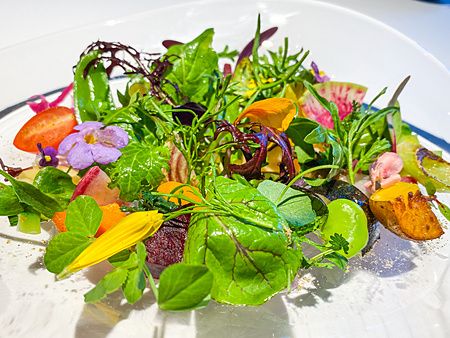
When I want to remind myself what a vegetable can taste like when someone treats it as seriously as a prime cut of meat, this is the first place I think of. I can’t get a turnip like that, or a salad with sixty varieties, anywhere else.
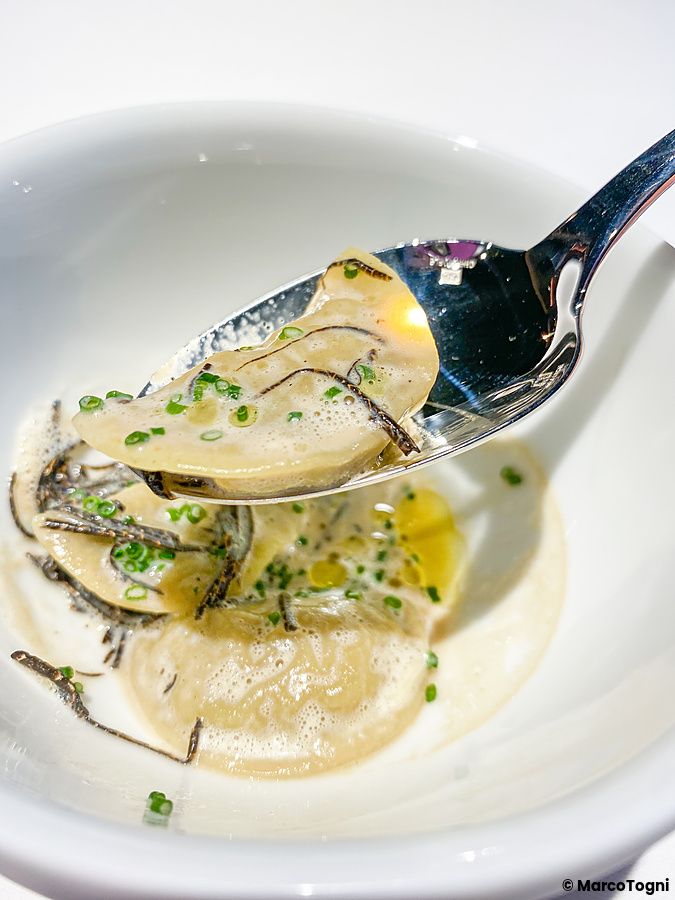
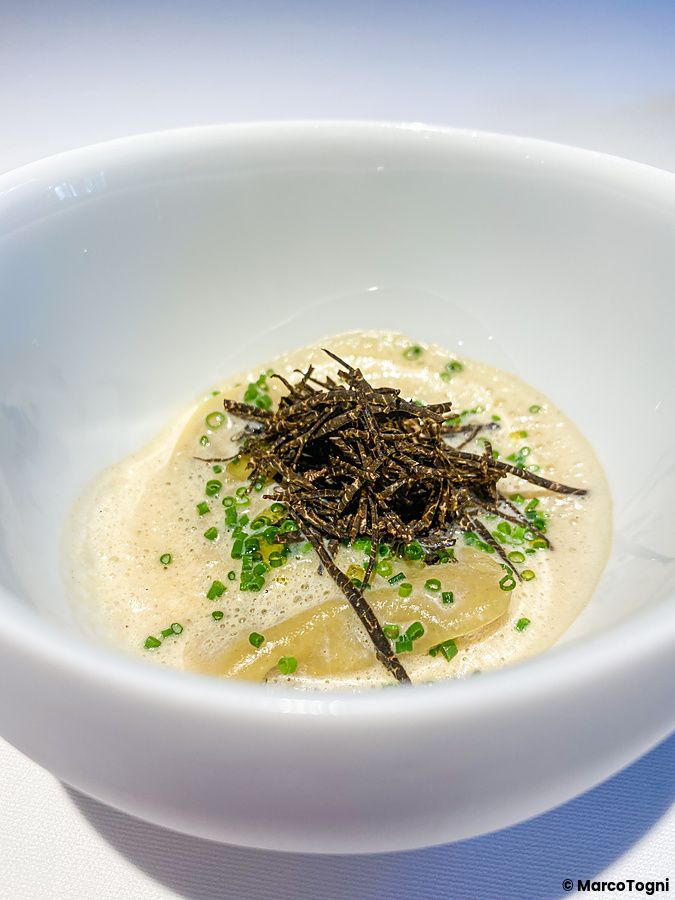
The entrance is tucked away at the back of the ground floor of a building in a residential neighborhood, and you wouldn’t notice it from the street. Inside, the dining room is white, bright and elegant, with well-spaced tables and a big window looking onto a quiet, leafy courtyard garden.
You eat looking out at the plants and the changing light, and even when the room is full, people keep their voices down. Downstairs there are a few private rooms for groups, while the main room is the one facing the garden.
At the tables you see couples celebrating something, small groups of friends taking photos at every course, and food lovers who’ve come from abroad just for this. But nobody’s stuffy. It feels more like being in a beautiful home than in a grand banquet hall, and you relax quickly.
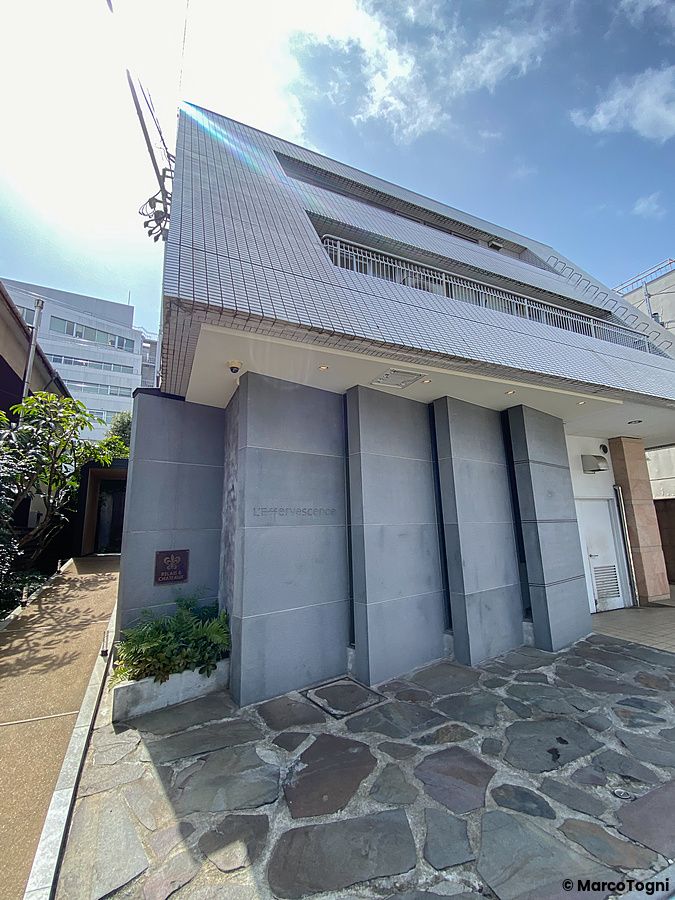
The staff explain each dish calmly, without sounding like they’re reciting a script, and they’re happy to answer if you ask where a vegetable comes from or how the turnip was cooked. Several courses, like the risotto and the nodoguro, are finished right at the table.
It’s the kind of service you notice without it ever feeling intrusive: the dishes arrive at the right pace, and the waiters are there when you need them.
The kitchen’s philosophy extends beyond the plate too. The Michelin green star, which only a few restaurants get, is awarded specifically for commitment to sustainability, and here that means vegetables from small farmers, carefully chosen fish and meat, and very little waste. The restaurant also appears on the list of Asia’s best. Behind it all is chef Shinobu Namae, who trained under Michel Bras and then at Heston Blumenthal’s Fat Duck in England. You can taste it: the technique is French, but the whole idea is to let Japanese vegetables and growers speak for themselves.
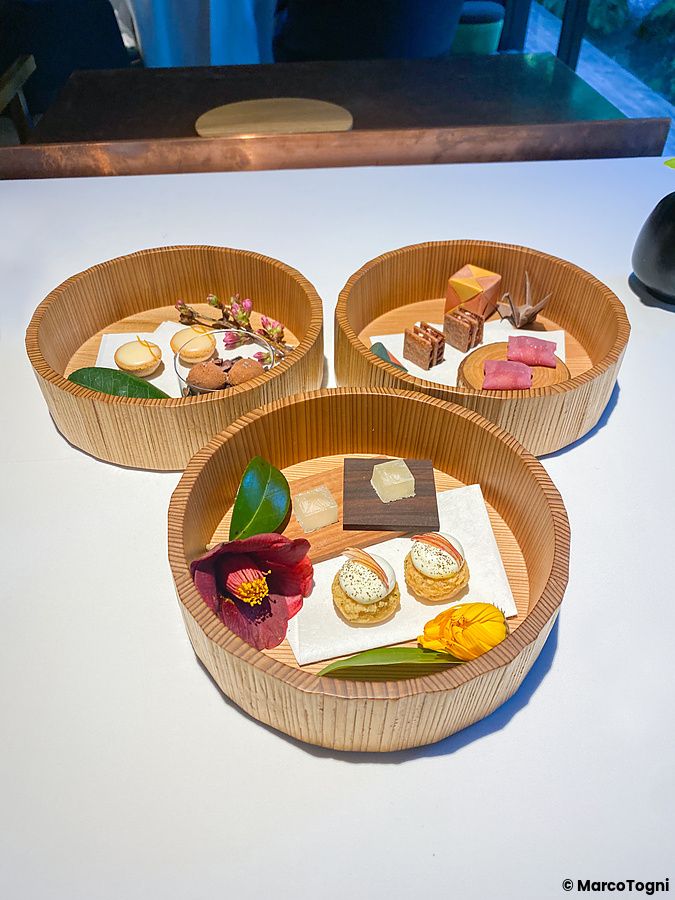
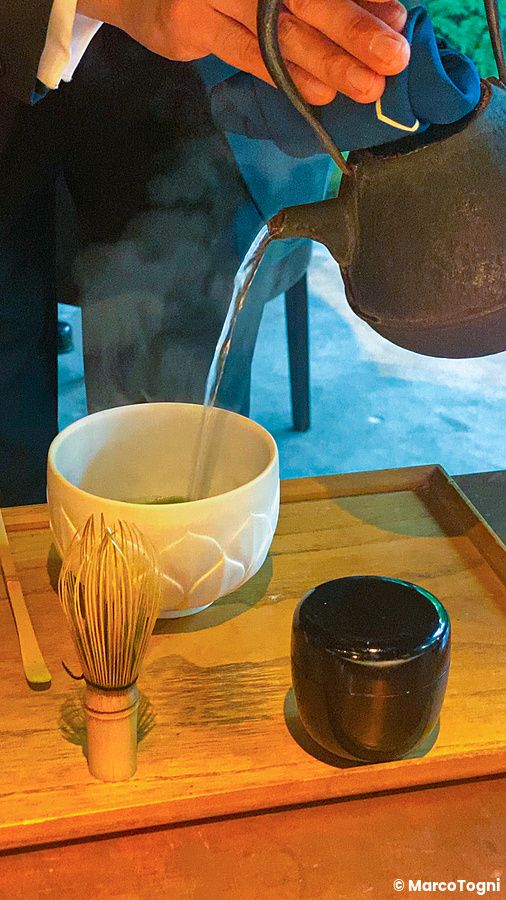
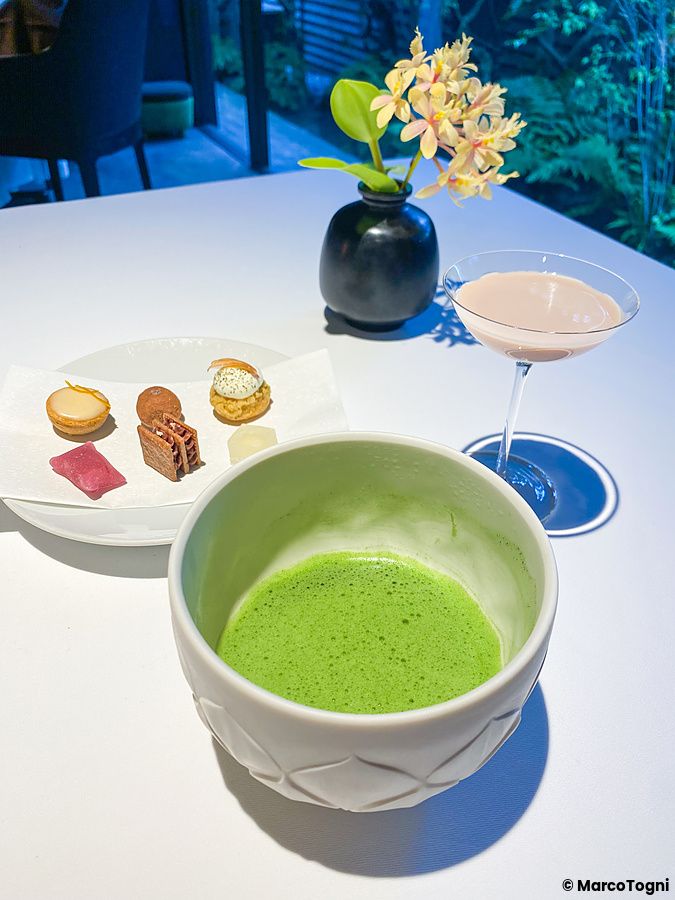
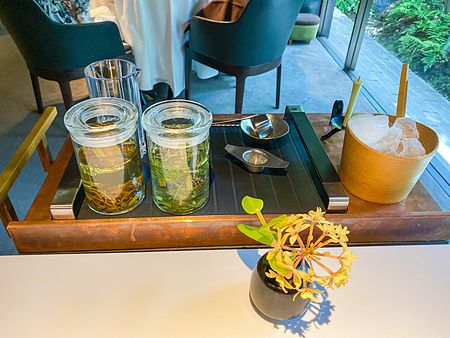
The end of the meal is my favorite part. As the petits fours arrive, a spread of beautiful little sweets, they serve a peanut drink, and the waiter starts making matcha at the table.
It’s a small tea ceremony, done with slow, precise movements. Watching it is relaxing and you feel pampered, and a few moments later the cup is in front of you, to drink with the sweets.
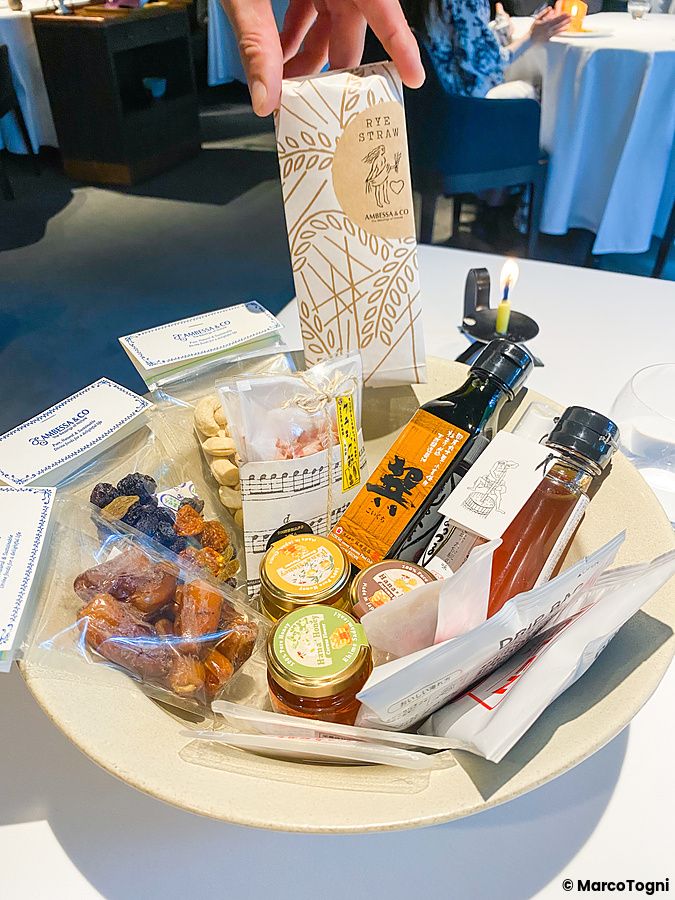
Before you leave, they ask you to pick a souvenir to take home. I choose shottsuru, the fermented fish sauce Akita is known for. And in case you get hungry on the way home, there’s also a wrapped piece of focaccia. I end up eating mine at a train station a few hours later, and there’s something very satisfying about eating three-star bread standing up.
Pros:
Cons:
Best for: an anniversary, a celebration or the special meal of your trip to Japan
Atmosphere: a bright white dining room facing a garden, quiet voices, slow movements
What stays with me as I walk out is the rhythm of the meal, which starts with an herb cocktail and ends with the matcha whisk spinning in the cup, with lots of small surprises in between. If you only go once, take a good look at the turnip when it arrives and taste it before you judge it. It’s the dish that explains everything else.
For me it’s an experience I’ll never forget, the kind worth treating yourself to at least once. Pick the right evening, sit facing the garden and put yourself in their hands from start to finish.
The easiest way is to walk from Omotesando Station. Head south toward Nishiazabu, and in 12-15 minutes you'll reach the residential area where the restaurant is.
From Roppongi it's also about 15-20 minutes on foot. The entrance is at the back of a building's ground floor and you can't really see it from the street, so keep your map open until the very end.
Many guests take a taxi to the door, especially in the evening.
This place is on MarcoMaps
L'Effervescence
My map of Japan: over 4,000 places I've tried myself, each with photos, rating, and hours. Filter by category and rating, find veg-friendly spots and places near you with GPS. No sign-up, right from your phone.


L'Effervescence - nearby you will find:
254 mOmakase with charcoal-grilled tuna.
 498 m
Unusual window design.
 600 m
A beautiful store, one of the best buildings in Tokyo.
 884 m
Known as a city within a city.
 928 m
A work of art.
 930 m
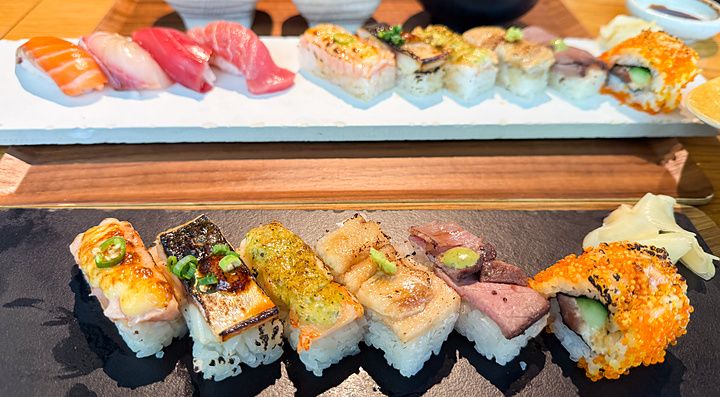
Aburi sushi and izakaya dishes.