Lolita Fashion in Japan
Lolita fashion is one of the nicest ways to see a side of Japan that standard guidebooks don’t cover. It isn’t a cosplay costume, and it isn’t a passing fad either. It’s a style with its own rules, its own long-established brands and its own people, who care about it and wear it out on the street, on the train and to tea parties with friends.
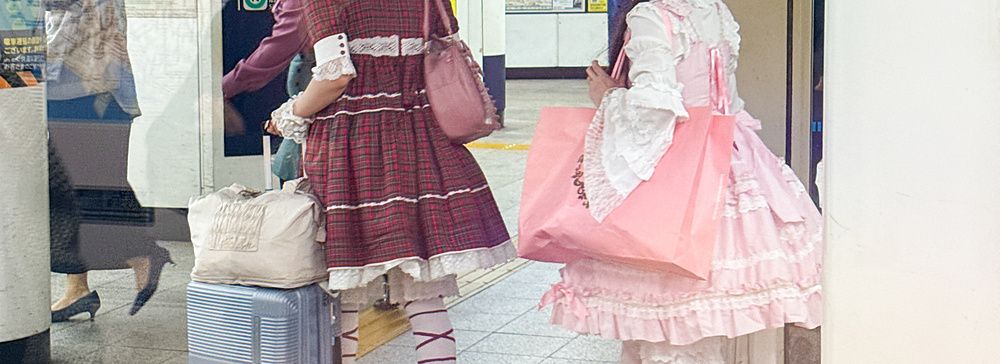
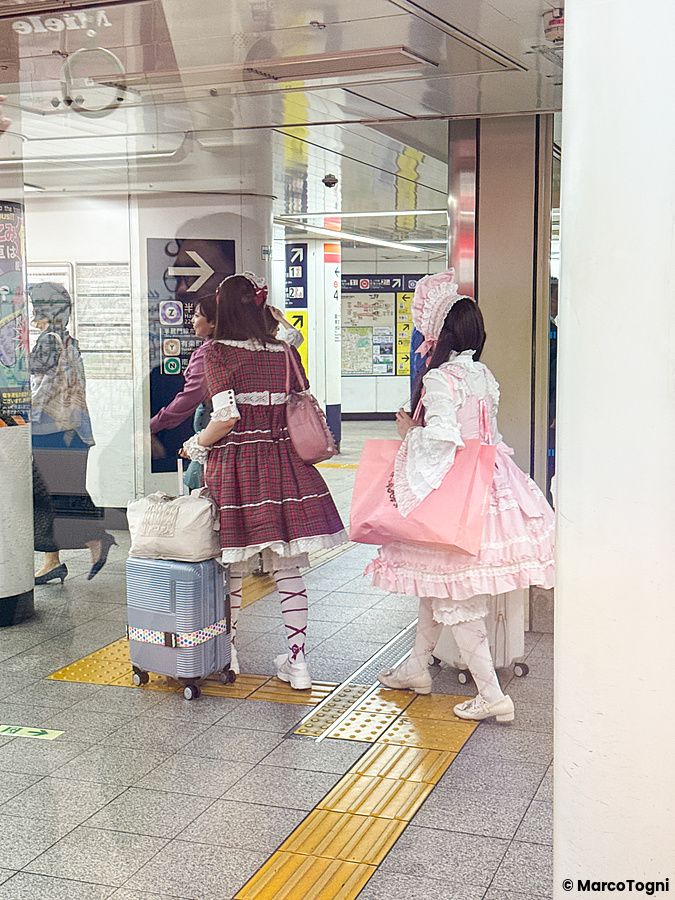
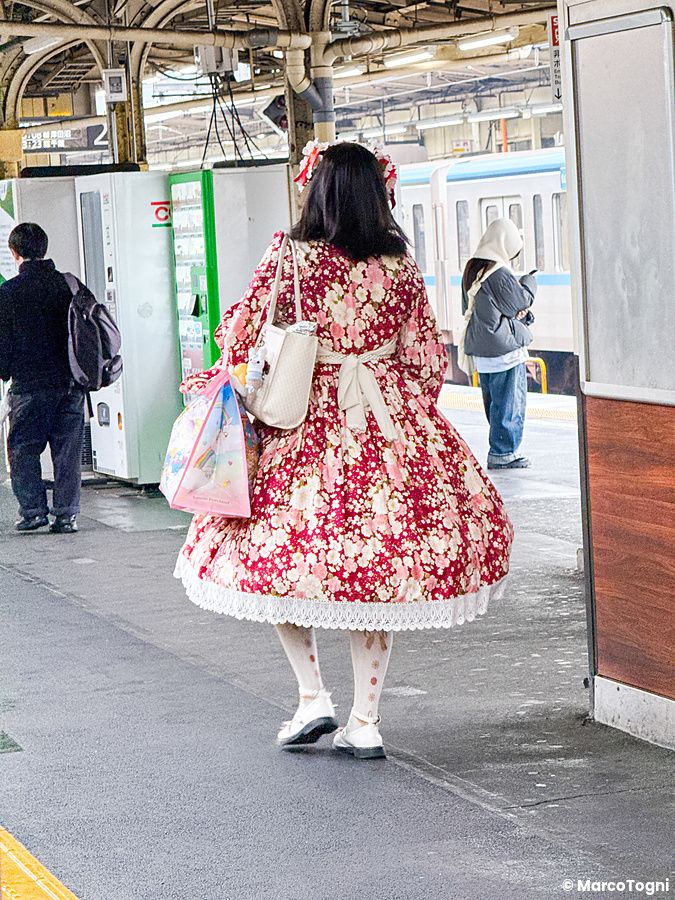
On weekends in Harajuku or Shinjuku I often see girls in bell-shaped skirts, lace and bonnets strolling through the crowds, and hardly anyone notices. The style has a history going back to the 1970s, a handful of brands that are still in business today, and a couple of neighborhoods where you can see it in person or try it on yourself.
Contents
What lolita fashion is
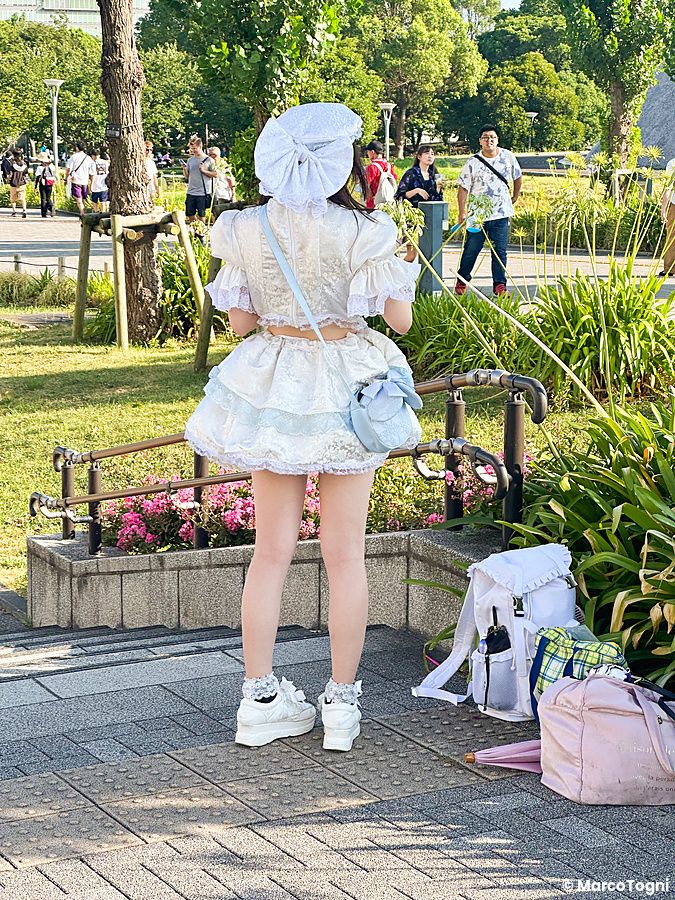
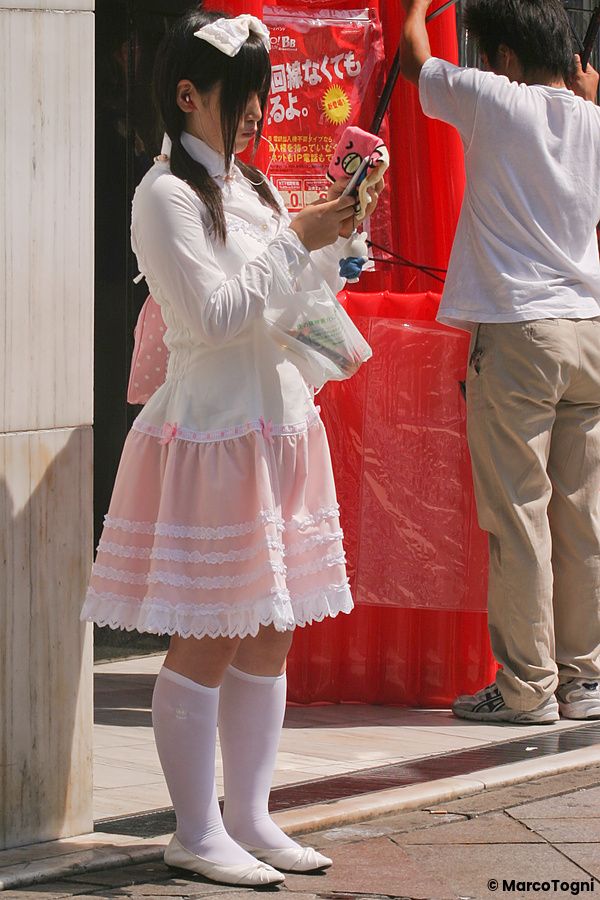
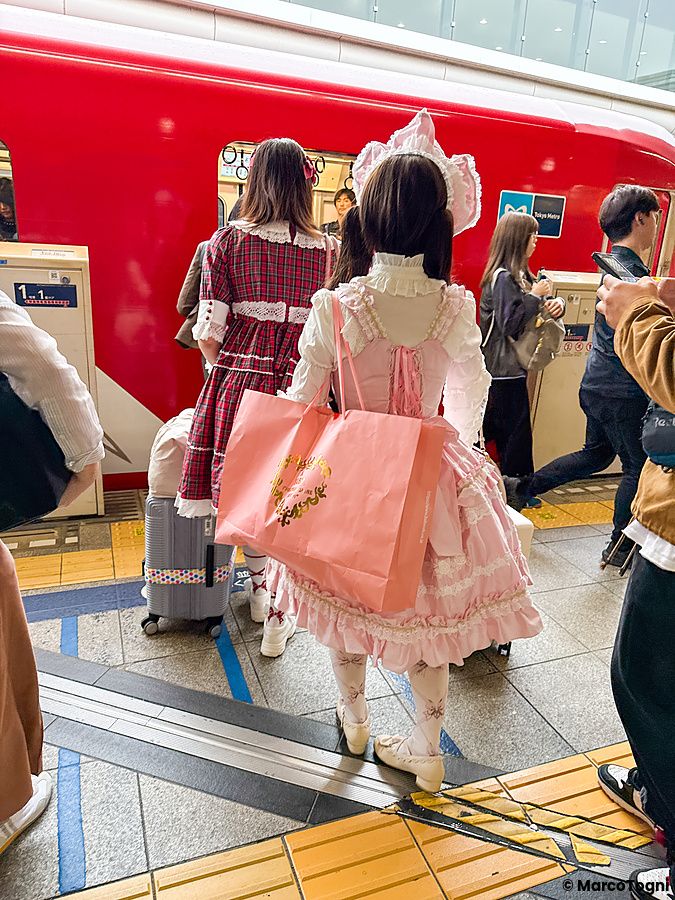
It’s a Japanese clothing style inspired by Victorian-era dress and Rococo, reworked to look cute. The silhouette is what makes it instantly recognizable: a full bell-shaped or A-line skirt that falls roughly to the knee, held out by a tulle underskirt, worn with high-collared blouses, puff sleeves, lace and bows.
The name causes a lot of confusion, but it has nothing to do with Nabokov’s novel. The style is meant to be elegant and modest, almost like an old-fashioned doll, and the women who wear it do so mainly for themselves, not to get attention.
In Japan you’ll also see it written rorita or rolita, and fans use a huge number of shortened terms. If you get into it, these are the first ones you’ll come across:
- OP stands for one piece, a one-piece dress with sleeves that you can also wear without a blouse underneath.
- JSK is the jumper skirt, a sleeveless dress worn over a blouse, and it’s the most common piece of all.
- The pannier, or petticoat, is the tulle underskirt that gives the skirt its volume. Without one, even the most expensive dress looks flat.
- The coordinate, or coorde, is the full outfit from head to toe, accessories included, and it’s what really gets judged.
How it started
The roots are in 1970s Harajuku. Many people see Milk, a brand that opened in 1970, as the starting point: romantic, slightly doll-like clothes that at first were also worn as stage costumes by idols, and that girls then started wearing every day. Around the same time, a small boutique called Pretty opened inside Laforet Harajuku, the big shopping mall at the Omotesando intersection. Much later it became Angelic Pretty.
The 1980s brought Pink House, with its ruffle-heavy style, and Jane Marple. Magazines weren’t using the word lolita yet, but the look was already there. Then in 1988 came Baby, The Stars Shine Bright, which is one of the best-known names in the scene today.
The term lolita started showing up in fashion magazines in the mid-1990s, and the real push came from music. In visual kei, the Japanese rock scene built on heavy makeup and theatrical costumes, Mana, the guitarist of Malice Mizer, brought a gothic, romantic look to the stage, and in the late 1990s he founded the brand Moi-même-Moitié. That’s how gothic lolita, the black, somber version of the style, took off.
Around 2000, dedicated magazines like Kera and Gothic & Lolita Bible came out, and for years they were the go-to reference for outfits and new collections. In 2004 the movie Shimotsuma Monogatari, known abroad as Kamikaze Girls, brought the style to a wide audience, and in 2009 Japan’s Ministry of Foreign Affairs named model Misako Aoki a kawaii ambassador specifically for her lolita image. That’s part of the reason there are communities of fans in so many countries today.
The main styles
There isn’t just one lolita style, and knowing the differences helps a lot once you walk into the shops. Every brand has a clear identity, and people in the scene can tell an Angelic Pretty dress from an Innocent World one even from a distance.
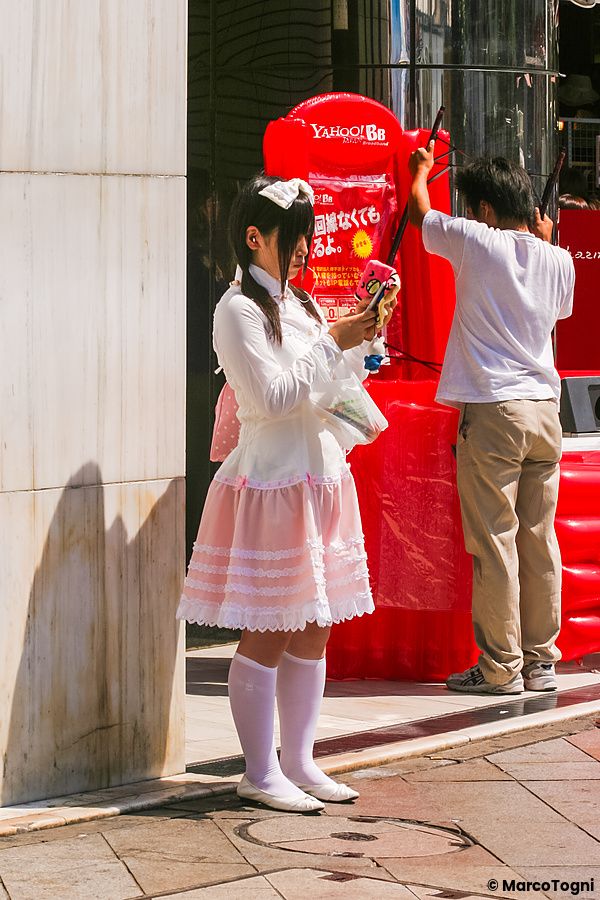
- Sweet lolita, ama-loli in Japanese, is the one best known outside Japan: pink, pale blue and lavender, prints of sweets, little animals and toys, and huge bows on the head. Angelic Pretty is the brand that defines it.
- Classic lolita is the more grown-up, understated version, with colors like burgundy, navy and cream, floral patterns and simpler cuts. Innocent World and Victorian Maiden are the names to know.
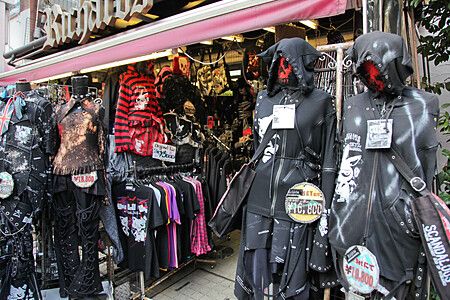
- Gothic lolita, or gosu-loli, uses black, burgundy and dark purple, with crosses and lace, for a look straight out of a gothic novel. Moi-même-Moitié and Atelier Boz are among the brands most closely tied to this style.
- Alice and the Pirates, Baby’s sister line, goes for a more theatrical look inspired by princes, pirates and fairy tales, and it also caters to people who want a more masculine cut.
There are also plenty of smaller sub-styles: wa-loli, which borrows elements from the kimono, punk lolita, and country lolita with its straw hats and gingham. Only the strictest fans will expect you to know them all by heart, but it helps to know they exist when you’re flipping through catalogs.
How it works in practice
The dress alone isn’t enough. What counts is the complete outfit. A lolita plans the whole look around the main piece, then adds a blouse, knee-high or over-the-knee socks, round-toed shoes with a strap, a bag, and a headdress, headband or bonnet on her head.
Many brands release the same print in several colors and on several different pieces, and fans also buy the matching accessories from the same series. That’s why you often see groups of friends wearing the same pattern in different colors, and it’s entirely deliberate.
The community revolves largely around ochakai, tea parties where everyone meets up, often in hotel tea lounges or European-style cafés. People chat and take photos, and sometimes there’s a guest from the brand or a small raffle. From what I’ve seen, it’s usually when people bring out their best outfits.
Then there’s the less romantic side. A full dress with a petticoat can weigh a few kilos. Wearing one all day in Tokyo’s humid summer heat is genuinely hard work, and you have to be careful not to stain an expensive dress while you eat. Many fans would tell you that this effort is exactly what gives the style its value.
Laforet and Harajuku
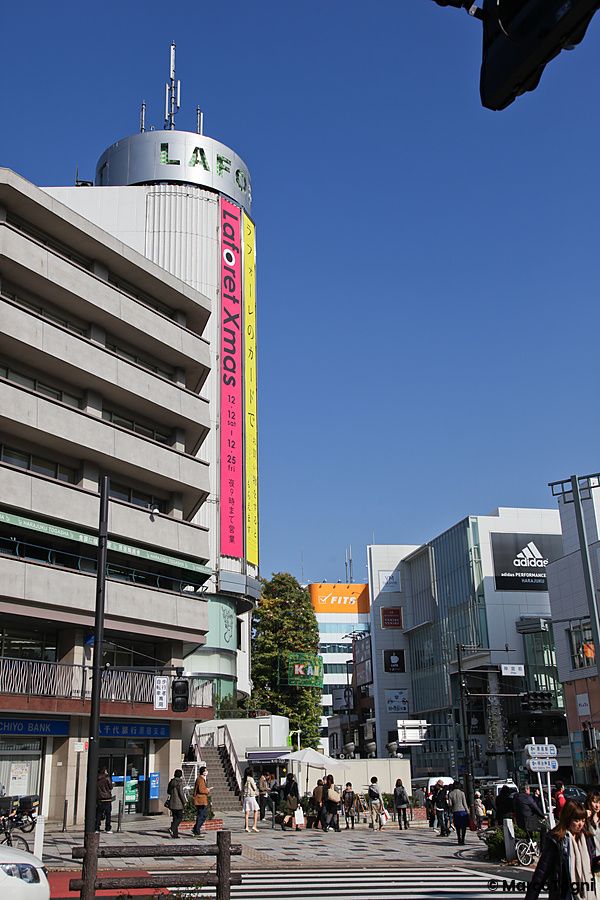
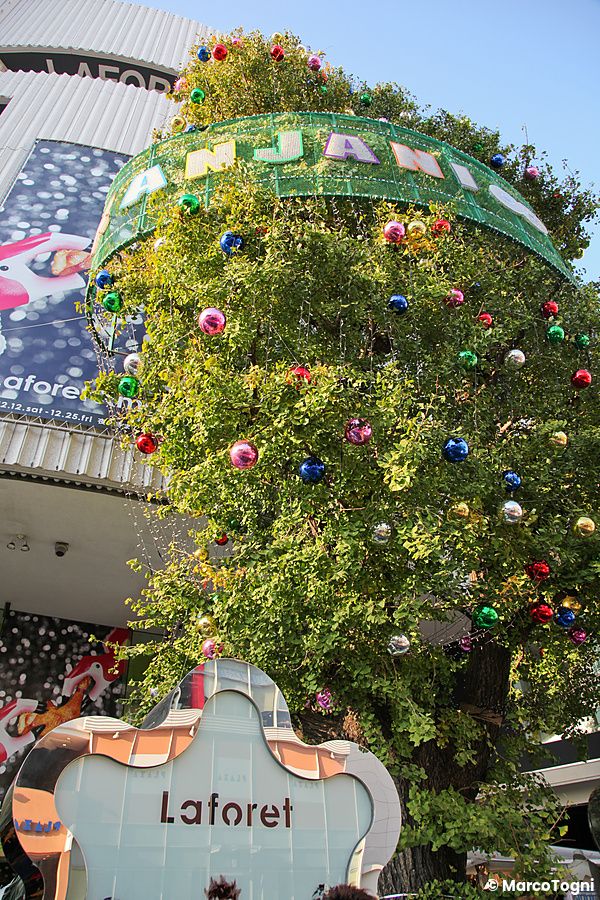
If you’re only going to one place, make it Laforet Harajuku, at the corner of Omotesando and Meiji-dori, a short walk from both Harajuku Station and Meiji-jingumae Station. The B1.5 floor, a half-level below ground, is where the best-known lolita shops are clustered, led by Angelic Pretty and Alice and the Pirates, along with other brands in the same vein.
Honestly, even if you have no plans to buy anything, a walk around that floor is worth the trip. The windows are dressed like stage sets, the sales staff wear the brand’s clothes from head to toe, and among the shoppers you’ll see lots of people who traveled from abroad specifically for this, from China, Korea or the Middle East.
Beyond Laforet, the streets around Takeshita-dori and the backstreets running parallel to it have shops for other lolita brands and secondhand stores, alongside shops selling alternative fashion more broadly. Baby, The Stars Shine Bright has a store in Harajuku, and Metamorphose has a branch in the neighborhood too.
Weekends are when Harajuku is at its best for seeing the style on the street. On weekdays the shops are quieter and you can browse at your own pace, but you’ll see far fewer people dressed in lolita fashion.
Shinjuku and Ikebukuro
Tokyo’s other big go-to area is Shinjuku, and in particular Shinjuku Marui Annex, a building full of fashion shops a few minutes’ walk from Shinjuku-sanchome Station and from the east exit of Shinjuku Station. It has several lolita and gothic fashion shops, including the multibrand boutique Atelier Pierrot, one of the best-stocked places for gothic and classic styles. Baby, The Stars Shine Bright also has a store in Shinjuku.
What I like about it is that there are fewer tourists than at Laforet, so you can look around without the rush, and in a single afternoon you can see both the sweet and the dark side of the style.
Ikebukuro, a neighborhood known for anime and manga aimed at women, is another stop if you’re mostly after secondhand pieces, because the specialty secondhand chains have branches there. If you’re already in the area for the anime shops, combining the two just makes sense.
Secondhand shops
New pieces from the main brands are expensive. A dress or JSK usually runs 30,000–50,000 yen, and a skirt isn’t much less. Add a blouse, petticoat, shoes and accessories and a complete outfit easily adds up to serious money, so it’s a good idea to check current prices on the brands’ websites before your trip.
It’s no surprise that Japan’s secondhand market is huge, and I think it’s the most sensible option for visitors. Pieces are almost always in excellent condition, because owners treat them with great care, and you’ll often find prints from a few seasons back that the brand stores no longer carry.
These are the two main names to know:
- Closet Child has stores in Harajuku, Shinjuku and Ikebukuro, plus one in Osaka, and it specializes in lolita, gothic and punk, with brands like Angelic Pretty and Baby neatly sorted by style.
- Wunderwelt is an online-only shop, so there’s no store to walk into, but its huge catalog is handy for getting a feel for secondhand prints and prices before you go.
Secondhand prices vary a lot depending on how sought-after a print is. Pieces in some famous prints cost almost as much as new ones, while simpler pieces can drop to half price or less. I’d recommend taking your measurements before you leave, because lolita clothes are sized for Japanese body types. Many pieces have shirring, a gathered elastic panel at the back, which gives a little more room but can’t work miracles on the shoulders and sleeves.
Outside Tokyo
Osaka is lolita fashion’s second city. The main area is Shinsaibashi, and in particular Amerikamura, the youth-culture district west of Shinsaibashi Station. It’s packed with shops selling secondhand clothes, alternative fashion, visual kei and lolita, and little Triangle Park is where people meet up.
Angelic Pretty and Baby have stores in Osaka too, and the secondhand chains have branches there. If you’re around Namba and Dotonbori, it’s only a few minutes’ walk.
Nagoya has its own long-standing scene: Angelic Pretty opened its first standalone store there in the early 2000s. Baby also has stores in some smaller cities in eastern Japan. For a trip, though, I’d focus on Tokyo and, if you’re passing through, Osaka. They’re the only two cities where you get a really wide selection in a small area.
Trying it as a tourist
If buying a dress doesn’t appeal to you but you’d still like to try the look, Harajuku has photo studios that offer the full package: a brand-name dress rental, makeup and hair, a wig if you want one, and a photo shoot. Some also include a short walk around the neighborhood all dressed up. Prices vary a lot depending on what you include, but you’ll generally pay about what you’d spend on a nice dinner out.
I mostly recommend this if you’re traveling with friends or with teenage girls and want a different kind of memory from the usual kimono experience in Kyoto. On weekends, book well ahead, and check which sizes they have, because options in larger sizes are limited.
If you’d rather buy your first outfit, start with the main piece and ask the shop staff for help. They’re used to foreign customers, and even if their English isn’t always fluent, they’re happy to help you match a blouse and petticoat to it. Many shops also offer tax-free shopping for tourists, so keep your passport handy and ask at the register.
Rules and etiquette
The most important thing to remember is that the people in lolita outfits you pass on the street aren’t a tourist attraction. They’re girls, and sometimes guys or older women, heading out to shop, to work, or to have tea with friends.
I swear, this is one of the most common mistakes I see in Harajuku: people taking photos from up close without asking, or worse, stopping them for a selfie. If you want a photo, ask politely, and if they say no, don’t push it.
If you decide to wear lolita yourself, keep a few practical things in mind:
- In summer, pick lightweight fabrics and a less voluminous petticoat, because Tokyo’s heat and humidity make even a cotton dress feel heavy.
- A full skirt takes up room on crowded trains, so be mindful of it and, if you can, skip rush hour.
- At restaurants and ochakai, eat slowly and keep a napkin on your lap, since stains are hard to get out of light-colored lace.
- Some more formal places or very busy restaurants may not know what to make of a group in big, full dresses, so if there are several of you, book ahead and let them know.
My advice
If you’re even a little curious, set aside a weekend afternoon and do the loop: Laforet, Takeshita-dori, then a secondhand shop, maybe finishing with tea at a European-style café. You don’t have to be a fan to have fun. Just looking at the details on the dresses and at the people walking by is enough.
If it leaves you wanting to try it for real, I’d start with secondhand pieces if I were you—a classic JSK and a petticoat—and see how it feels to walk around Harajuku dressed like that. Worst case, you go home with a great memory.