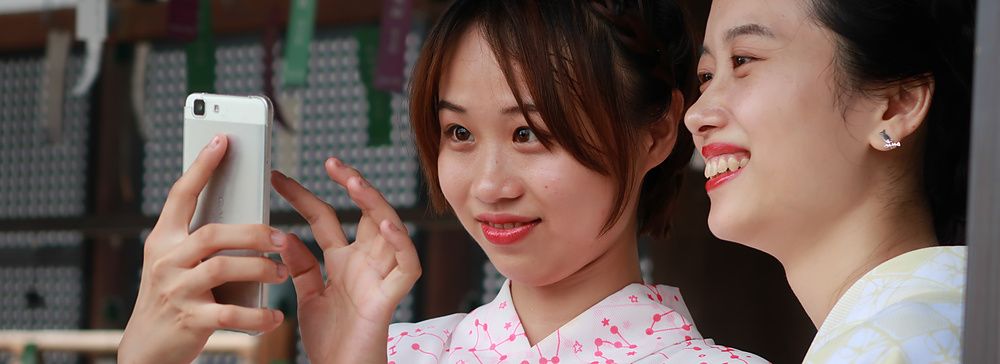
How to Make Friends in Japan
Let me say it up front: you can absolutely make friends in Japan. It’s one of the things people worry about most when they move here, but it’s never been a problem for me. I met tons of people right from my first few years here, and I came to realize it’s not luck.
It comes down to understanding how relationships work here and making good use of the fact that you’re a foreigner. That’s a huge advantage, not a disadvantage. I have lots of Japanese friends, mostly women, and some of those friendships go back almost twenty years.
Friendships don’t happen by accident. They grow when we bring something into other people’s lives and are willing to keep doing it consistently.
Contents
Is it really that hard?

Many Japanese people have lives packed with long hours, commutes and regular commitments. Nobody has unlimited social energy, so it’s natural for them to think twice before investing time in someone they’ve only just met. That doesn’t mean they don’t want friends. It means they need a reason to see you again.
To me, that’s what it all comes down to. Instead of getting stuck on “it’s hard,” try asking yourself “why would this person want to spend time with me again?” It’s not a mean question. It’s the starting point for understanding how they see relationships. Once you become someone who brings lightheartedness, curiosity and a different way of looking at things, you’ll notice invitations start coming your way.
Give and take
Friendship works when there’s give and take, here as anywhere else. I don’t mean money or material favors. I mean time, listening, and experiences you share. If a relationship only runs one way, with one person always asking and the other always giving, sooner or later it breaks.

- a shared situation (school, work, the gym, a club)
- a shared passion (soccer, manga, photography, cooking, music…)
- some small gestures in both directions over time (help, a listening ear, encouragement)
Japan is no different. People meet because they take the same class, end up at the same table in an izakaya or join the same hiking group. At first you talk about light stuff, and then you move on to more personal things, start messaging each other and get invited to things that matter a bit more. That continuity is what turns an acquaintance into a real friend.
I’d suggest asking yourself this often: “What do I bring to this person’s life?” Maybe you’re someone to laugh with after a rough day, someone who takes them to new places, or someone who listens without judging. If the answer is “basically nothing, but I want them to help me with everything,” you need to recalibrate.
When both people feel they’re getting something out of it, whether that’s peace of mind, laughs, new ideas or motivation, the friendship doesn’t just start. It holds up over time.
What foreigners don’t get
This is the delicate part. Foreigners who want “Japanese friends” often don’t realize what they’re asking for. Plenty of people are looking for someone to help them learn the language, make sense of paperwork, find an apartment and enjoy the country. That’s all understandable. The trouble starts when they offer almost nothing in return, not even on a human level.
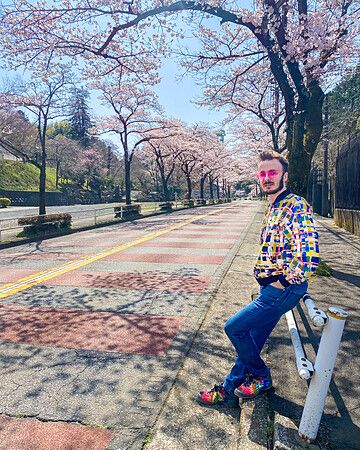
I want to be clear that I’m not criticizing anyone who makes a move on a Japanese woman or man. Quite the opposite. Attraction is a completely normal part of it, and there’s nothing wrong with wanting to flirt or hoping it turns into a relationship. The point is that how you go about it matters, and above all there are settings where pushing it obviously just ruins a potential friendship. If someone comes to a language exchange or a hobby event and you start pursuing them romantically, it’s unlikely to go anywhere.
The real question is whether the other person feels that:
- you care about who they are, not just about what they can do for you?
- you’re not using them as a free teacher or unpaid guide?
- they have a good time with you, regardless of apartments, jobs and paperwork?
If the answer is yes, there’s a good chance the relationship will grow naturally. If the answer is no, sooner or later the other person will quietly drift away. And often that isn’t “Japanese coldness.” It’s just the kindest way they know to get out of a lopsided situation.

Women and men
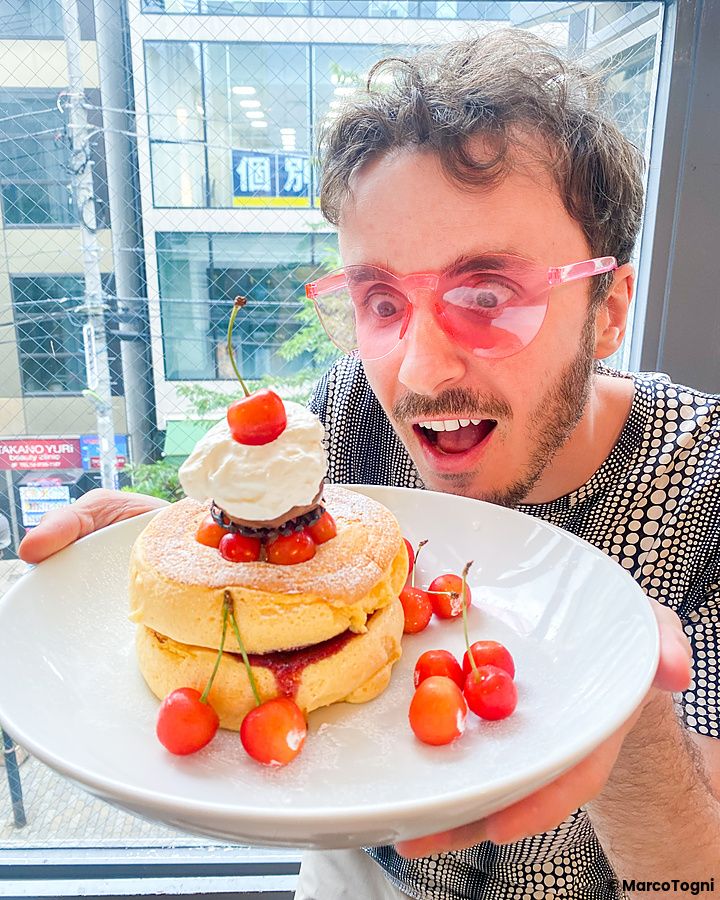
I know a lot of people in Japan and, honestly, I’ve almost always clicked more with women. That’s not because “Japanese women are like this” and “men are like that.” It’s because I enjoy a certain kind of social life: pastry shops, quiet cafés, long conversations, attention to detail. I usually find those things more easily when I go out with female friends. That’s all.
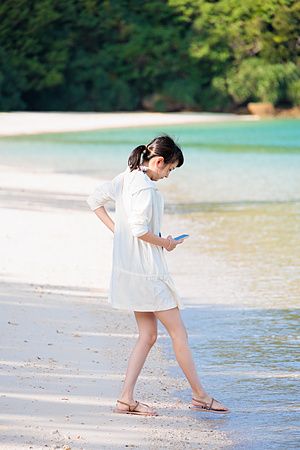
My advice is to stop thinking in terms of “I want a Japanese female friend” or “I want Japanese guy friends” and start thinking in terms of “people I get along with.” If you’re often surrounded by women because you spend your time in cafés and pastry shops, great. If you always end up going out with men because you play the same sport or work together, that’s fine too. What counts is that the relationships are balanced and genuine, not built on some abstract idea of “the Japanese man” or “the Japanese woman.”
Where to meet people
Sooner or later the practical question comes up: where do you actually meet new people? Approaching random strangers on the street rarely works here. You’re much better off looking for settings where talking to people you don’t know is normal.
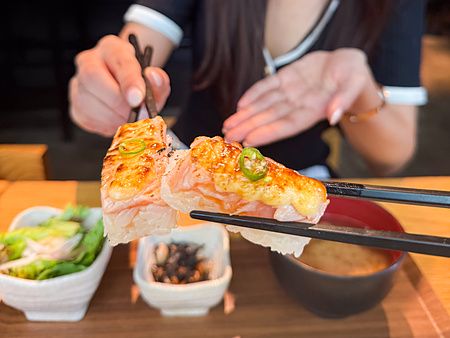
- language schools and language exchange meetups, where everyone is there to talk
- hobby classes and clubs (photography, cooking, dance, sports, music…)
- neighborhood festivals and matsuri, where people eat, drink and chat about what’s going on
- izakaya with a counter or small bars, where you sit close together and conversations start easily
- share houses and coworking spaces, if you’re staying in Japan for longer stretches
What these places have in common is that there’s always something to do together. You’re not two strangers staring at each other. You’ve got a class, an event, a dish or a drink, so the conversation can start with what’s in front of you and then branch out to everything else. When you go out as a group, the bill gets split evenly almost every time, often with everyone chipping in a round amount. Nobody keeps track of who had one more beer and nobody takes offense, so there’s no need to insist on paying for everyone. Here that gesture risks making the other person feel indebted.
If you still want to do something nice, it works much better to pay for the coffee afterward or dessert. It’s small, it’s casual, and it’s easy for them to return the favor next time.
I think signing up for a class in something you genuinely love works far better than piling up generic events “to meet people.” When you’re in your element, your personality comes through better too, and in a friendship that counts for a lot more than any line you’ve rehearsed in advance.
Meeting people online
These days the internet plays a huge part in friendships too. In Japan there are apps and sites for language exchange, groups for specific hobbies, and communities of people who live in the same area and organize get-togethers.
You can use:
- language exchange apps or sites, where the people who sign up want to talk with foreigners
- online groups for specific interests (hiking, photography, manga, cooking, cosplay…)
- communities tied to a city or neighborhood, which organize dinners, outings and group activities
Then there’s the matter of contact details. People who come here often instinctively say right away, “give me your number and I’ll add you on WhatsApp.” In Japan a phone number feels like something very personal, not something you hand out freely. At first it’s much more natural to connect on social media, which feels less personal. You follow each other, see what the other person is up to from a distance, and get used to having each other around.
One approach that works is to take a photo together somewhere nice and then ask, “can I tag you?” If the person feels comfortable, they’ll give you their account, and if they don’t, they can sidestep it gracefully. It’s a respectful way to avoid asking someone you’ve just met for something too private. If the relationship keeps going, the next step is almost always LINE. Practically everyone in Japan uses it, and it replaces both WhatsApp and text messages. You don’t have to ask for anything complicated: just pull up your QR code and let them scan it. Two seconds later you’re connected, without having to give out your phone number.
One tip: set up your name and profile picture before you show it, because that’s your face online. And don’t worry if the first replies are super short or full of stickers. Here stickers count as much as words, and replying with one is a normal way to keep the conversation going.
Making the first move
A lot of the trouble comes less from where you meet people and more from how you go about it. I often see people who seem confident, and then freeze up completely the moment they actually have to talk to someone. They look, they smile from a distance, they wait for the other person to make the first move, and the chance slips away.
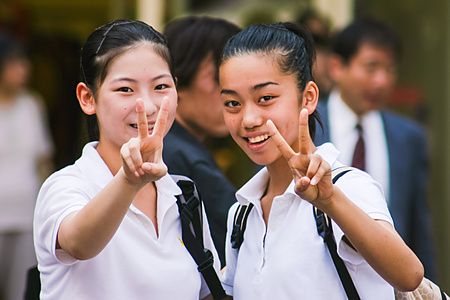
One scene sums this up perfectly. During one of my group tours we were on a ferry, and two young, really cute Japanese girls kept looking over at some of the guys traveling with me. The guys had noticed and were all fired up, but nobody moved. I kept telling them: “Go over there, ask where they’re from, offer to take a photo. Nothing bad is going to happen.”
Nothing. Nobody got up. In the end I went over and talked to them myself. We chatted a bit about the view, I asked a few simple questions, we took a photo and swapped contact info, and to this day we still follow each other on social media. It’s not that I pulled off anything special. I just did what the guys should have done: seize the moment.
To keep from freezing up, I think it helps to have two or three easy openers ready:
- comment on something you’re both experiencing (“The city looks amazing from here, doesn’t it?”)
- ask a specific question (“Is that dish good?”, “Do you come here often?”)
- offer to take their photo, then suggest taking one together
The key is to keep things light and not be pushy. If the other person gives one-word answers or closes off, smile, thank them and go back to what you were doing. The way you wrap up a conversation without putting on any pressure also says a lot about you, and believe me, people here appreciate that enormously.
Language and shyness
Language is the perfect excuse to do nothing: “I don’t speak Japanese,” “My English is terrible,” “I don’t want to embarrass myself.” I’ll be honest with you: my Japanese was awful on my first trips, and I still made connections that last to this day. That wasn’t because I spoke well. It was because I put myself out there.
Many Japanese people are afraid of making mistakes in English. If you come across like a teacher, ready to correct every sentence, they shut down right away. If instead you make it clear that the goal is simply to understand each other somehow, mixing a bit of English, a few words of Japanese, gestures and maybe a translation app when you need it, the walls come down.
I’d recommend learning at least:
- a simple self-introduction (your name, your country, what you like)
- a few basic polite phrases
- one or two sentences about the things you love (sweets, photography, travel…)
You don’t need to speak perfectly. What you need is for the other person to feel that you care about their language and aren’t afraid of getting things wrong. Often it’s the botched sentences, followed by a laugh, that break the ice.
In the end, what people remember isn’t your grammar but how it felt: “I was comfortable with that person, even though we were both making mistakes.”
Making plans
Another thing that matters a lot is how people organize their time. In Japan you rarely hear the classic “Are you free tonight? Want to meet up?” Schedules are packed, the days are often exhausting, and for many people staying home to rest is a deliberate choice, not a sign they have nothing to do.
So when you suggest getting together, it makes a lot more sense to say something like “How about Saturday two weeks from now?” than “Let’s meet up sometime.” People plan outings well in advance, fit them around their other commitments and protect their time to recharge. It isn’t that they don’t want to. It’s how they keep everything in balance.
I’d keep three things in mind:
- planning ahead is normal and doesn’t mean “I don’t want to see you”
- last-minute invitations only work with friends you’re already very close to
- many friendships here are slow but solid: you see each other less often, but you make a point of it
Sometimes a person will postpone meeting up once, twice, three times. Maybe they really are going through a rough patch, or maybe you’re just not one of their priorities yet. Don’t take it personally, but don’t hang on for months either. My advice is to respect their pace but not push when there’s no real interest from the other person. You’re better off putting your energy into the people who show they care about you, even if they move at a different pace than you’re used to.
Long-distance friendships
Many of you don’t live here. You go home, and the question becomes how to keep a friendship going when it started during a two-week trip. I think you can keep it going just fine, as long as you don’t disappear and don’t overdo it. A message now and then, a photo of what you’re up to, New Year’s greetings: small, steady contact works much better than ten messages in three days followed by total silence.
What makes the biggest difference is going back. Let them know a couple of months ahead and suggest a specific date, and almost always they’ll be expecting you, with a place already picked out. Bringing something from home, some sweets or a specialty from your area, is a small gesture that people here understand instantly. The price doesn’t matter. What matters is that you thought of them. That’s how, trip after trip, a contact turns into a real friendship.
Is it worth it?
I really mean this: yes, it’s worth putting in the effort to make friends in Japan. Not so you can say “I have Japanese friends,” but because the country changes completely when it stops being just hotels, temples and restaurants and turns into faces, messages, invitations, shared routines.
You don’t need fifty contacts. A few of the right people are enough: someone to try new sweets with, someone who texts you when something good or bad happens, someone who tells you “Let’s meet up when you’re back.” Years later, those are the things that make Japan feel like a place of your own, not just somewhere you travel to.
My advice is simple: use your advantage as a foreigner respectfully, bring something of your own into your relationships, and remember that friendship always goes both ways. If you like the idea of sitting down with someone over something sweet, talking a bit in English and a bit in Japanese, laughing at your mistakes and heading home feeling you’ve shared a real moment… then, honestly, you’re already on the right track.
