Marine Day in Japan (Umi no Hi)
Marine Day is the national holiday that kicks off summer in Japan. In Japanese it’s called Umi no Hi, and it falls on the third Monday of July. For a lot of families it’s when summer vacation really begins: schools are about to close, the rainy season has usually just ended, and the beaches fill up.
Put that way, it sounds like just another holiday. Behind it, though, there’s a story involving an emperor and a ship that still exists. Around the holiday, ports and cities also hold events that travelers often know nothing about, and if you happen to be in Japan that weekend you can go aboard ships that aren’t open to the public the rest of the year.
Contents
What Umi no Hi is
Umi no Hi is a national holiday, so government offices close, many companies take the day off, and trains run on the holiday schedule. Officially, it’s a day to give thanks to the sea for everything it provides and to wish for Japan’s prosperity as a maritime nation. According to the government, no other country in the world has a national holiday dedicated to the sea.
That makes sense, because here the sea is everywhere. The country is made up of islands, a large part of the population lives on the coast, and Japanese food relies completely on fish.
It’s been a national holiday since 1996, and at first it had a fixed date, July 20. In 2003 it moved to the third Monday of July under the Happy Monday system, which shifted several holidays to Mondays to create long weekends. That’s why the date changes every year, always landing somewhere between July 15 and 21.
Every so often there’s talk in Japan of moving it back to July 20 to restore its historical meaning. Tourism associations are against the idea, though, because that three-day weekend brings in far more travel and spending than an ordinary weekend in July.
The Meiji Maru story
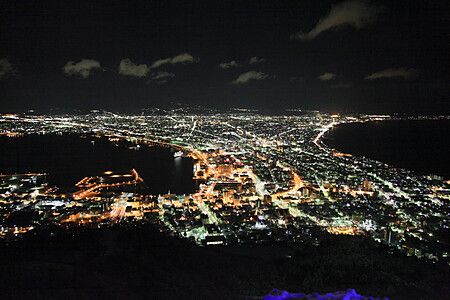
The holiday goes back to a journey by Emperor Meiji in 1876. That summer the emperor had been on a long tour of the Tohoku region in northern Japan. To get home he boarded the Meiji Maru at Aomori. The ship, a steam-and-sail vessel used to inspect lighthouses, stopped at Hakodate in Hokkaido and reached the port of Yokohama safely on July 20.
In 1941 that date became Marine Memorial Day, an observance that didn’t come with a day off. It took more than fifty years for it to become a full holiday.
What I like about this holiday is that the Meiji Maru isn’t just something in the history books. The ship still exists. It’s preserved on the Etchujima campus of Tokyo University of Marine Science and Technology, in Koto Ward between Tsukishima and Monzen-Nakacho. It’s the only iron ship from that era left in Japan, and in 1978 it became the first ship ever designated a national Important Cultural Property.
Seeing it in person is quite something: a white hull with three masts, sitting on dry land among the university buildings, just off the canal. Around Marine Day the university usually opens the ship and its small museums to visitors on special days. If you’re interested, check the dates on the university’s website before you go.
How people actually spend the day
Ask someone in Japan what they do on Umi no Hi and hardly anyone will bring up Emperor Meiji. For most people it’s simply the first long weekend of summer, and they spend it in a handful of very specific ways.
Here’s what you’ll see that weekend:
- Beaches near the big cities fill up, especially the ones you can reach by train, like Kamakura, Enoshima, and Zushi from Tokyo, or Suma if you’re based in Kobe or Osaka.
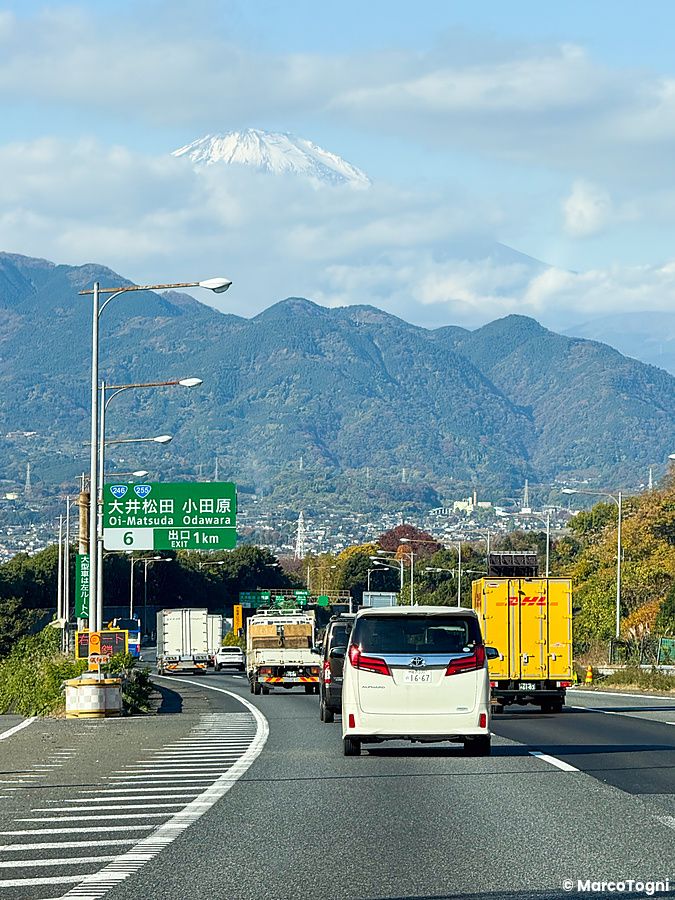
- Lots of families head off on their first trip of the summer, to the mountains, to hot springs, or to Okinawa, and trains and expressways out of the cities are packed from Saturday morning on.
- Plenty of cities hold their first summer festivals and a few fireworks shows, although the biggest ones come between late July and August.
- People who stay in town go to shopping malls or aquariums, which on those days are as crowded as the beaches.
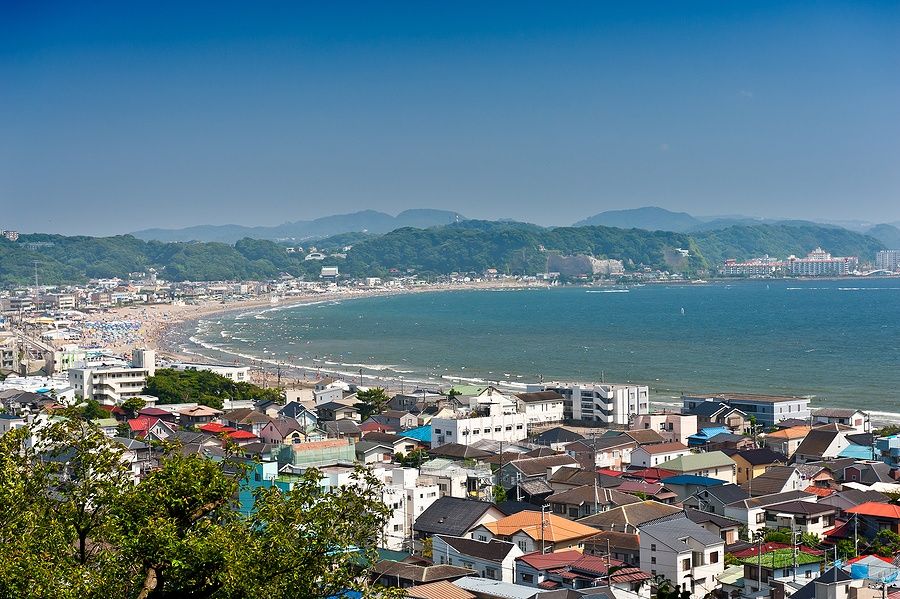
Elementary and junior high schools usually break for summer right around then, or a few days later at most. So the Marine Day long weekend effectively marks the start of family travel season: you see kids everywhere and parents loading up the car.
Ships open to the public
In Japan, July is also the month of the sea. Throughout the month, ports, the transport ministry, the coast guard, and cities put on events to introduce people to the world of ships, and the holiday weekend is the high point.
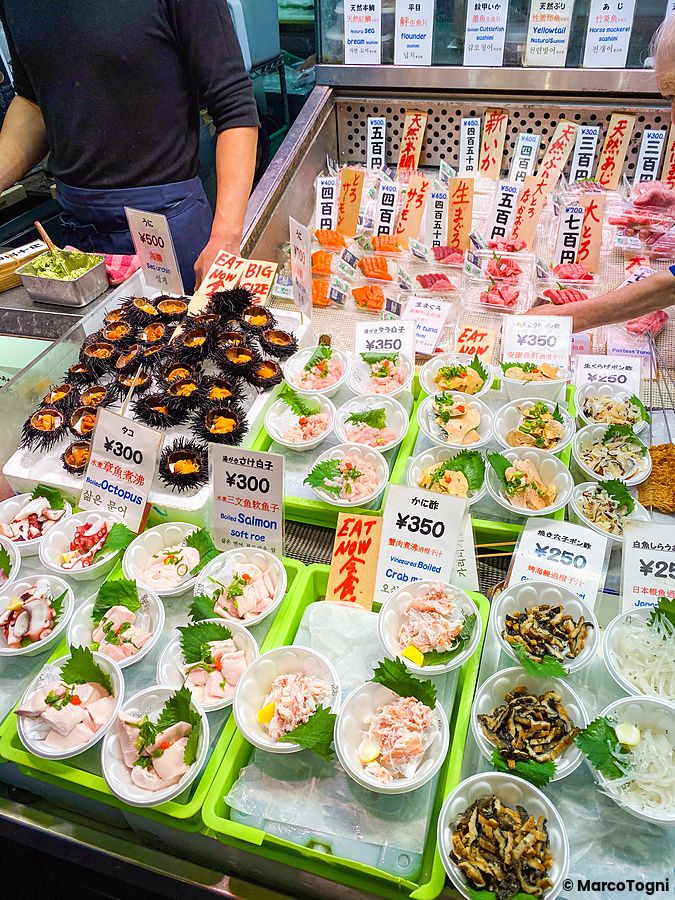
Few tourists know about these events. I think they’re among the most interesting things to do that day, though, because you get to board ships that are normally off-limits.
The events vary from port to port, but they’re always the same kind of thing:
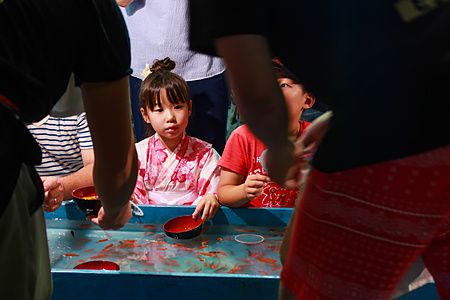
- Coast guard ships open their decks to visitors, and in some ports they run short demonstration cruises around the bay that you can join for free or close to it.
- Military and government ships are decorated with strings of colorful flags running from bow to stern over the masts, and they look great lined up in port.
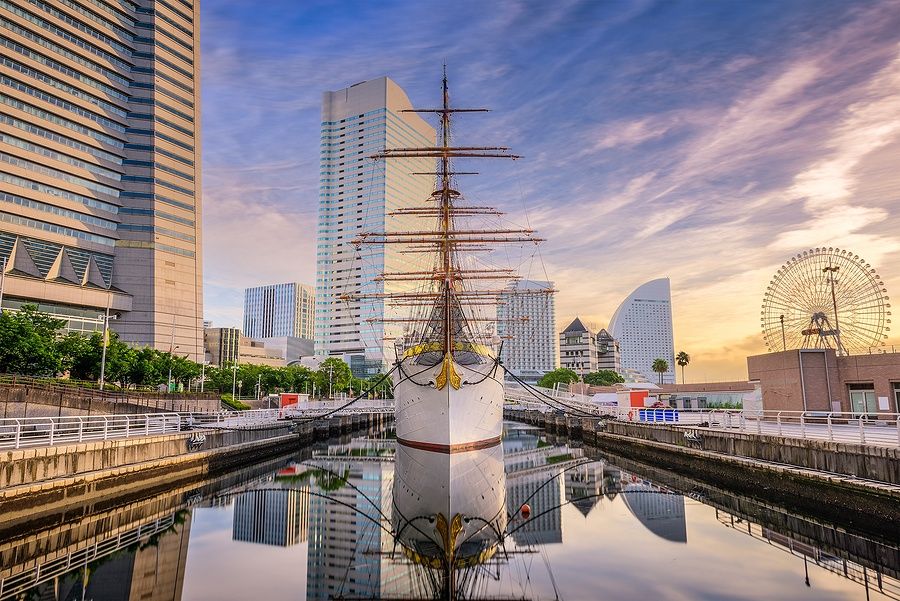
- In Yokohama, the Nippon Maru, an old sail training ship permanently moored at Minato Mirai, unfurls all its sails on certain days of the year, and summer is one of the most popular times to see it.
- Smaller port towns hold harbor festivals with food stalls, music, and boat rides for families.
If you’re in Tokyo, my pick is the Meiji Maru in the morning, if it’s open to visitors that day, and Yokohama in the afternoon for the Nippon Maru and the harbor area. These two ships tell the story of Japan’s seafaring past, and they’re less than an hour apart by train.
You can see the Nippon Maru from outside for free, while going aboard means buying an inexpensive ticket for a few hundred yen. The days it unfurls all its sails change every year, so check the calendar on the official website. Just don’t expect to see the sails out on the holiday itself. For Umi no Hi, the Nippon Maru is usually dressed overall, which means it strings its signal flags from bow to stern over the masts, like the other ships in port. The full sail display is scheduled for other weekends during the year, and seeing every sail set at once is a sight all its own.
Mid-July weather
Marine Day almost always falls right around the end of the rainy season, or tsuyu. In the Tokyo area the rains end on average around July 19, right around the holiday. Some years Umi no Hi is the first truly sunny day after weeks of gray skies. Other years it’s still raining and the beaches stay half empty.
The heat, on the other hand, is a given. In mid-July temperatures often go above 30°C and the humidity is sky-high, so even a half-hour walk around the city wears you out more than you’d expect.
Have an indoor plan B. If the sky is clear, go to the beach or the harbor. If it rains, switch to an aquarium or a museum.
Farther south, the rainy season ends earlier. In Okinawa, for example, it’s already over by late June, so people who want reliable beach weather that weekend look there, and you can tell right away from flight and hotel prices.
Going to the beach
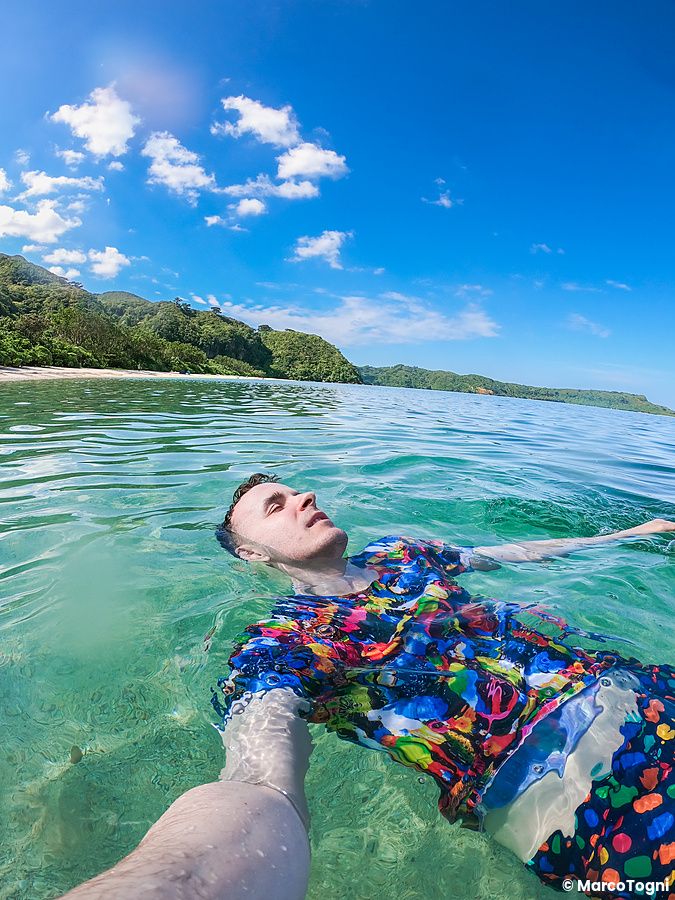
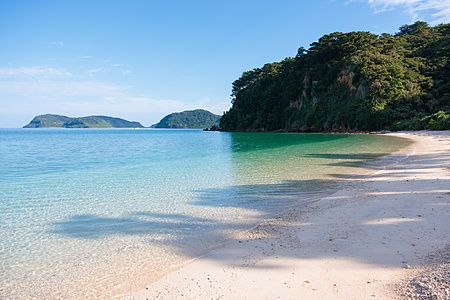
Japan’s swimming beaches officially open with the umibiraki ceremony, the opening of the sea. In the Tokyo area it usually happens in early July, so by Marine Day the season is already underway. From opening day on, there are lifeguards, marked-off swimming areas and, most of all, umi no ie.
Umi no ie, literally sea houses, are wooden structures put up on the sand just for the summer. Inside you’ll find changing rooms, showers, lockers, tables for eating and drinking, and beach umbrellas and lounge chairs for rent.
To use the changing room, the showers, and a spot in the shade, you pay an entry fee that’s usually around 1,000–2,000 yen per person. Beach umbrellas and lounge chairs cost extra, and at the best-known Shonan beaches an umbrella for the day can run around 2,000 yen.
That’s not cheap, but keep in mind that many beaches have no public showers and the July sun is fierce. That weekend, you really notice the difference between having a spot in the shade and not having one.
Visitors are sometimes surprised by the rules at some Japanese beaches. I’ll tell you up front so you don’t run into trouble:
- At several beaches, Zushi for example, you can’t drink alcohol on the sand. Drinking is only allowed inside the umi no ie.
- Barbecues, fires, and speakers playing loud music are banned at many swimming beaches.
- Some beaches don’t allow visible tattoos that could make other people uncomfortable, so if you have large ones, bring a rash guard or a tattoo cover.
- You can only swim inside the area marked by buoys, and the lifeguards enforce it.
The rules change from town to town, so it’s a good idea to check the website of the beach you’ve picked before you go. Either way, they’re rules designed for families, and sure enough, on that long weekend the beach is full of kids.
Crowds and getting around
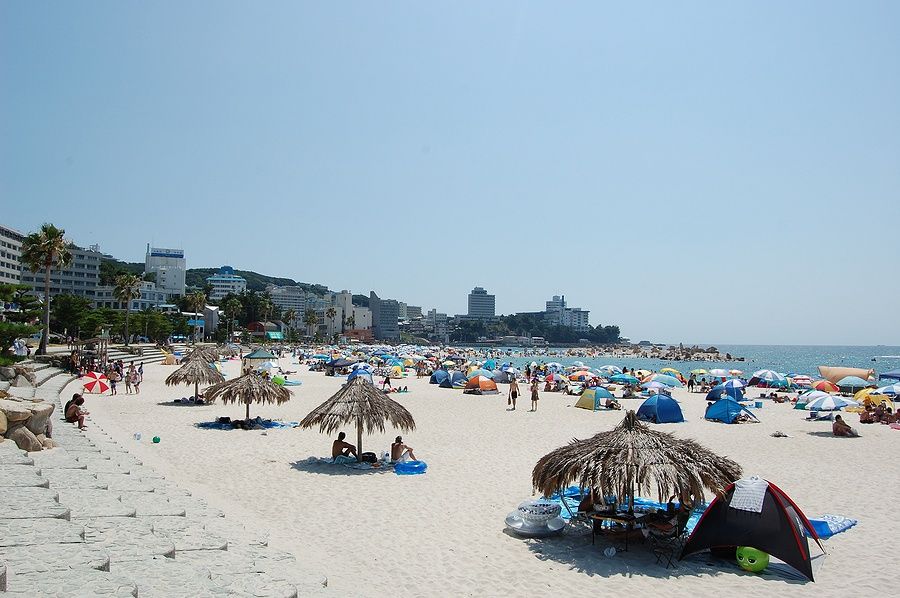
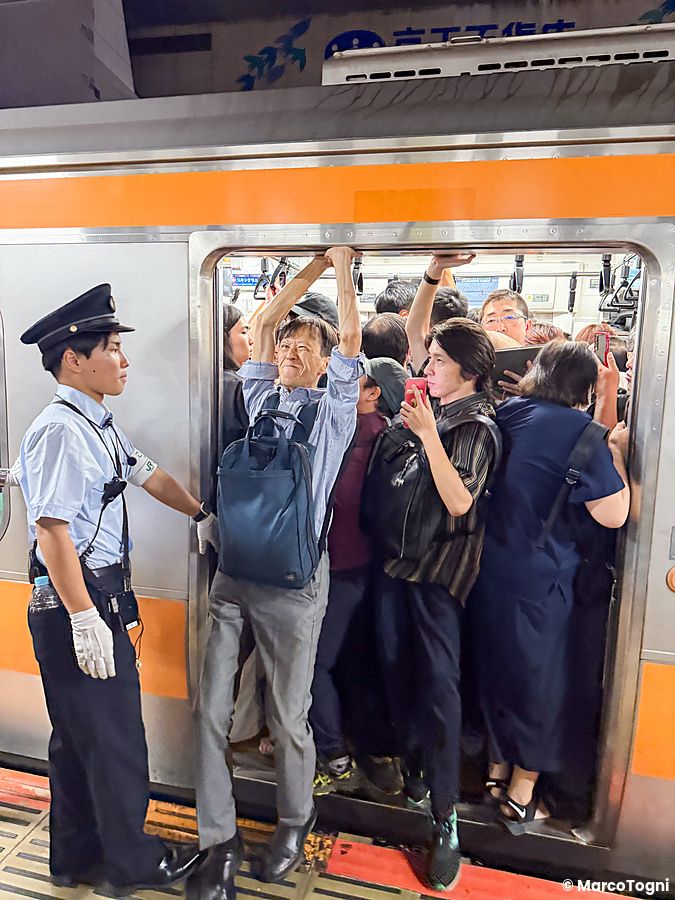
Honestly, the Marine Day long weekend isn’t the quietest time to travel in Japan. Beaches near the cities fill up first thing in the morning, weekend trains to Kamakura and Enoshima are packed, and in the evening, when everyone heads home, the stations are overwhelmed.
Hotels in beach towns and hot spring areas also cost more and book up early. When people ask me, I often tell them not to wait until the last minute to book for those three days.
If your trip falls on that weekend, a few things will make your life easier:
- Get to the beach early in the morning, when the water is calmer and nobody has taken the shady spots yet, and leave before late afternoon.
- Save your beach trip for Monday. Sunday is the busiest day, while on Monday the beach starts to clear out a little earlier than usual because people are heading home.
- If you want a reserved seat on a train out of the city, book it as soon as you can, because seats sell out on those days.
- Do the opposite of everyone else: while the crowds leave town, museums and central Tokyo neighborhoods are easier to enjoy than usual on the holiday itself.
Monday is a public holiday, but shops, restaurants and tourist sites are open as usual. Government offices and banks stay closed, and so do some of the museums that normally close on Mondays, but many others open anyway when Monday is a holiday and close the following day instead.
When to swim, and where
Every kid in Japan hears the same saying from their parents: once Obon, the mid-August festival of the dead, is over, you don’t swim in the sea. There’s a very practical reason for this. From late August there are more jellyfish, and the first typhoons bring bigger waves.
That puts Marine Day right in the best stretch for swimming, with the water already warm and the season just getting started. The beaches are clean and the umi no ie have only just gone up.
If you want fewer people, Kamakura and Shonan aren’t the right pick that weekend. The Izu Peninsula, the Boso area in Chiba and the beaches on the Sea of Japan coast are farther from Tokyo, but the water is clearer and there’s more room to lay down a towel.
Getting there takes longer, at least a couple of hours, and you’ll often need a car or a local train. In return, your day at the beach is a whole different experience from one spent on the crowded beaches along the coast near the capital.
Is it worth it?
I wouldn’t plan a trip to Japan around Marine Day. There’s no big parade, and it isn’t a traditional celebration like the summer matsuri. But if you happen to be here in mid-July, it’s a nice way to see what summer in Japan is like: people spend it at the beach with their families, and the trains fill up with young people carrying surfboards.
A lot of people overlook the history behind the holiday, but I think it’s worth paying attention to. Going aboard a sailing ship in the port of Yokohama, or seeing the ship that brought Emperor Meiji home up close, helps you understand how much the sea matters to this country.
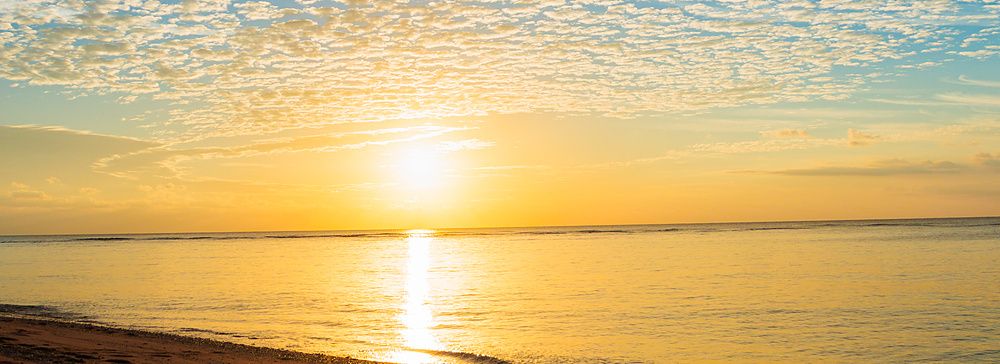
If I were you, I’d do it like this: board a ship in the morning, spend some time on the beach in the afternoon if the sky is clear, and have a beer at an umi no ie in the evening while you watch the sunset. If it rains, go to an aquarium and watch the sea through the glass.