 184 m
Paul184 m
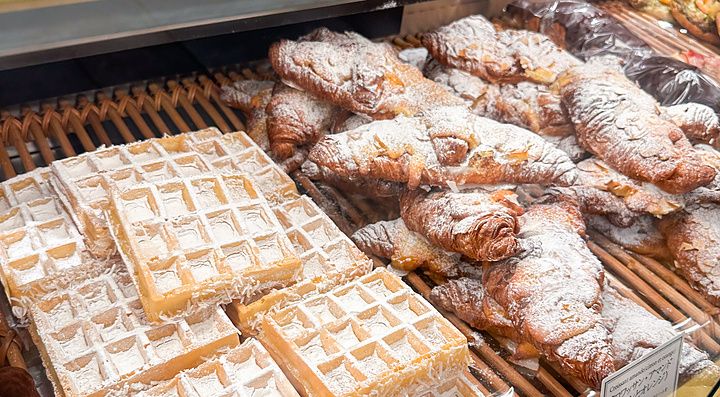
Bakery with sweet and savory croissants.
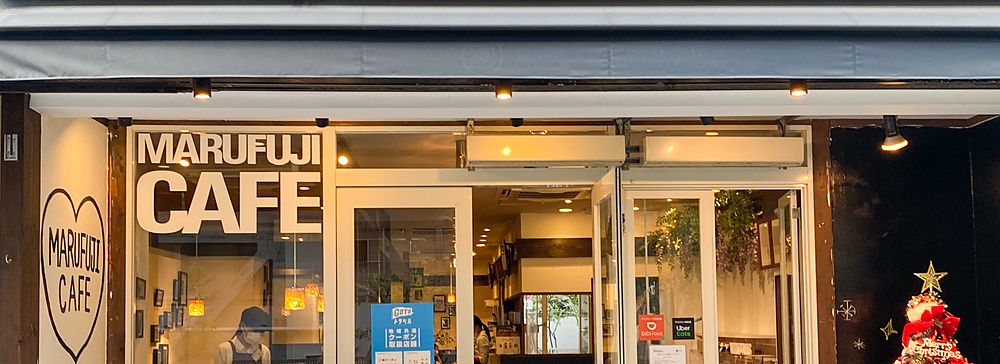
A Japanese sweets cafe in Tennoji, Osaka, where dango are the specialty. They make the rice-flour dough in-house and put the skewers on the griddle to order.
Marufuji Cafe is tucked into a side street, with a lit-up window and a white wall covered in drawings. Inside, they take their matcha seriously and don’t just use it for the color.
People come by for an afternoon snack, for a long break over tea, or for something sweet after wandering around the area. There are some savory things on the menu too, but the sweets are the real reason to go in.
Expect to spend around 1,200–2,000 yen per person for a sweet and a drink. That’s mid-range for Osaka, given what you get: rice-flour dough made in-house, Uji matcha, and nothing factory-made pulled out of a freezer.
If you only stop for a plate of dango and a tea, you’ll pay less. If you go for the fondue, you’ll end up at the top of that range.
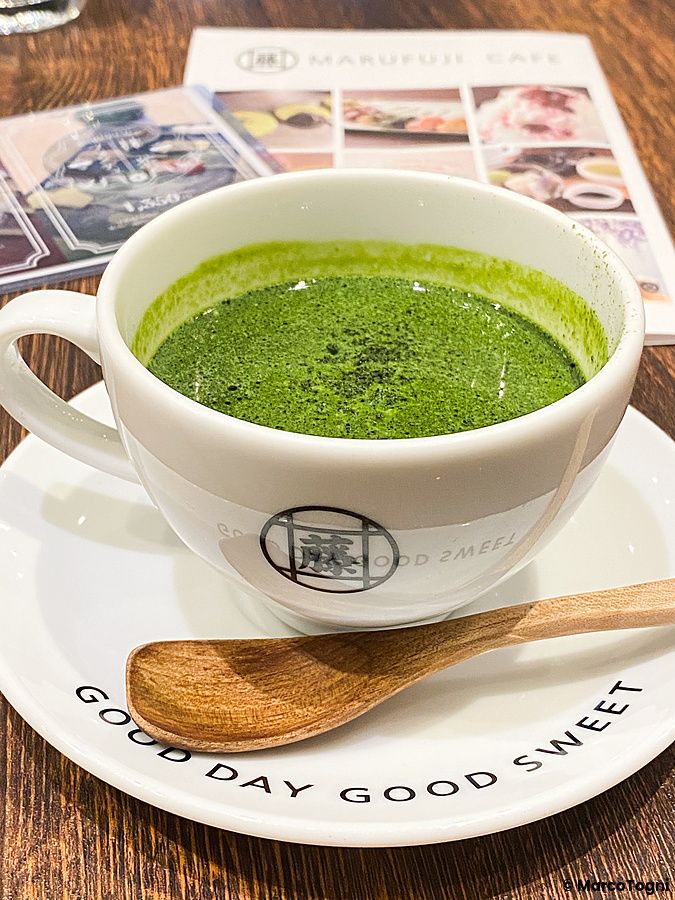
These dango aren’t the chewy, bland balls you get at festival stalls. The outside gets a light crust from the griddle while the inside stays soft with a little bite, and the mitarashi sauce is thick and tastes of soy, not just sugar.
Fair warning about the matcha cream: it’s sweet. This isn’t the bitter, austere matcha of the tea ceremony but a rich, sugary cream, so if you want clean bitterness you’re better off ordering the matcha cappuccino or a loose-leaf green tea.
The pancakes go the other way. They’re dry and light, with no butter, which makes them a good pick if you can’t have gluten, but if you’re expecting a rich, puffy American pancake they’ll catch you off guard.
When I’m in Osaka and want Japanese sweets made in-house, without ending up at the usual chain inside a mall, I come back here. For just over 1,000 yen I get dango fresh off the griddle and a matcha you can actually taste.
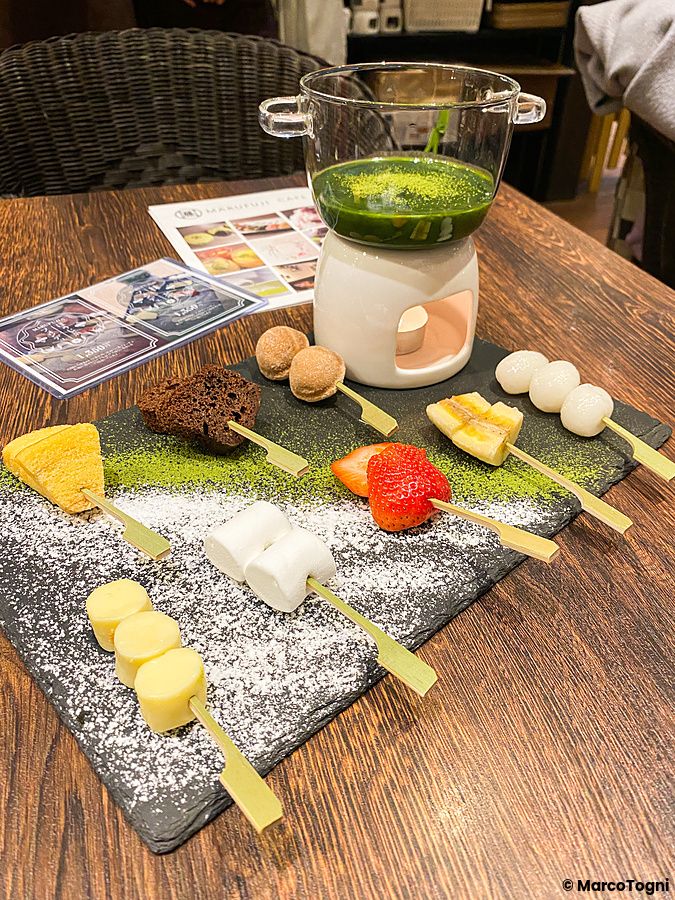
It’s the dish everybody photographs, and for once it tastes as good as it looks. The slate tray arrives with the skewers ready and the glass bowl over the flame, and from then on you take it from there, dipping one piece at a time while the cream stays hot.
Banana and strawberry are the obvious picks and they work really well, and the marshmallow melts a little in the cream. The piece that changes everything, though, is the cheese. It’s salty and dense, and with matcha on top it stands out from everything else on the tray.
What happens at the end is worth knowing before you go. When you’ve finished the skewers, there’s still a good amount of cream in the bowl, and the staff pour hot milk into it to make a sort of matcha latte you drink at the end.
You don’t pay extra for it, it’s part of the deal, and it changes the whole thing: the dessert doesn’t end with the skewers, and it becomes something you settle in for.
It’s easy to share between two. Keep in mind, too, that the sweetness here adds up fast. Sweet cream, little sweets, marshmallows: everything pulls in the same direction, and if you’re coming from a big lunch you’ll feel it.
The version with hojicha cream instead of matcha is for people who find green tea too grassy. It’s toastier and rounder, and less sharp.
There are about forty seats between the counter and the tables, with some seating set up for pairs. The room stretches toward the back, and the tables are wider than in most Osaka cafes, so you won’t have your neighbor’s elbow on your plate.
The walls are covered in illustrations, the chairs are brightly colored and the lighting is low and warm. If you want to photograph what you order you’ll need a steady hand, because not much natural light gets in.
On one side they sell loose tea and teapots, and the menu has pictures of every dish, which saves you if you can’t read Japanese: you just point, no explanations needed.
The staff wear 1920s-style uniforms with berets. They smile, show anyone who’s never seen a fondue how it works, and come by to pour the milk at the right moment without you having to call them.
The place feels like a Japanese sweet shop reimagined by a younger generation. There’s no tatami and none of the dark wood of a teahouse, just a bright, slightly storybook room on a street where hardly anyone walks by.
You only hear the street when the door is left open. The rest of the time, the place is about as loud as a quiet conversation between two friends.
At busy times you’ll wait, and not briefly. The fondue has made the rounds on social media, and on weekend afternoons you can spend more than an hour in line outside, because people who sit down with the fondue don’t get up fast.
On weekdays in mid-afternoon, though, you just walk in, and that’s when to go if your day is packed.
The staff take your order quickly and then slow down in the right way: nobody rushes you while you dip, and you can linger over your matcha without feeling the people in line staring at you.
It’s worth the detour even if you’re staying on the other side of Osaka. Dango this good, with the dough made in-house, the crust from the griddle and twenty flavors to choose from, would cost you more in Tokyo, and you’d get half the variety.
Pros:
Cons:
Best for: a long afternoon snack for two, or a sweet break in the middle of the day when you’re out around Tennoji
Atmosphere: a bright room with drawings on the walls and colorful chairs, warm light, a young crowd and quiet voices
When to go: mid-afternoon on weekdays, when tables free up
What sticks with you when you leave isn’t the fondue and all its theater. It’s the first bite of dango: you feel the crust from the griddle under your teeth before you even get the flavor, and after that the ones from festival stalls won’t do it for you anymore. If you’re only going once, get three mitarashi skewers and a matcha cappuccino, so you can taste the sweet-savory soy against the bitter foam.
If there are two of you, get the fondue too and save the cheese for last, because that’s the bite you’ll remember. There are very few places like this in Osaka. Go, and stop at Marufuji Cafe for your afternoon break when you’re exploring Tennoji.
From JR Tennoji Station, take the north exit. The cafe is on a side street toward Hidenin-cho, a couple of minutes on foot.
If you come on the Kintetsu line to Osaka Abenobashi Station or by subway, allow about 5 minutes on foot, walking past the JR station.
This place is on MarcoMaps
Marufuji Cafe
My map of Japan: over 4,000 places I've tried myself, each with photos, rating, and hours. Filter by category and rating, find veg-friendly spots and places near you with GPS. No sign-up, right from your phone.


Marufuji Cafe - nearby you will find: