Midoriya
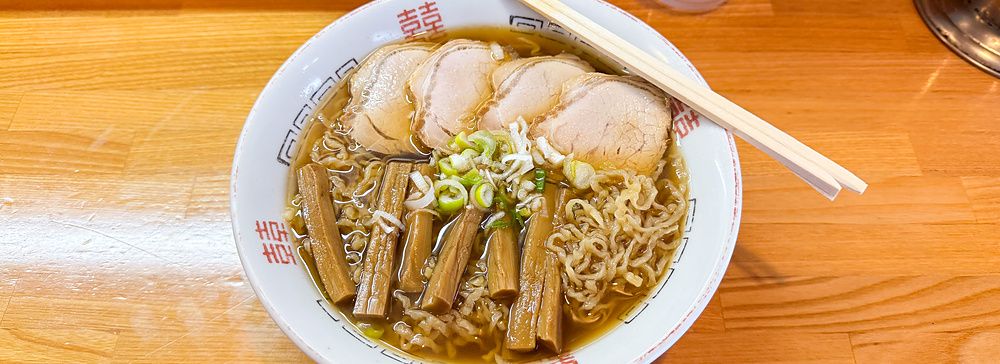
A ramen shop in Hirosaki, up in Aomori, that’s still one of my all-time favorites. The broth is clean and light and made the old-fashioned way, nothing like the rich, fatty ramen that’s trendy right now.
Midoriya is a bit outside the city center, and it’s where I go for classic chuka soba with noodles made in-house. This is the ramen to pick if you want to leave full without feeling weighed down. Take my word for it and go straight for the bowl with extra meat.
Menu and prices
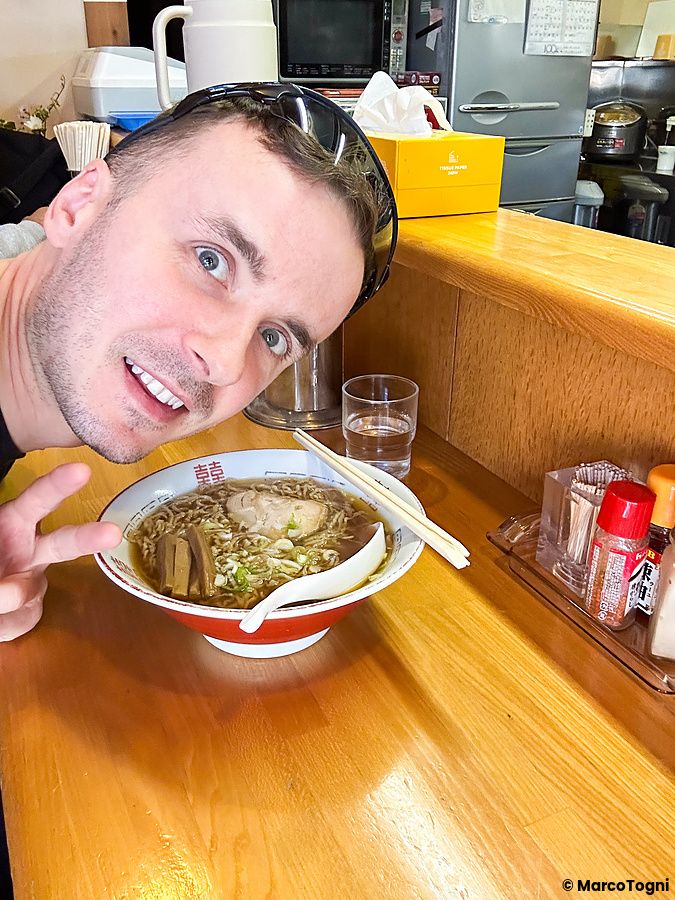
The dish to get is the chuka soba, the old-school ramen they’ve been making here for decades.
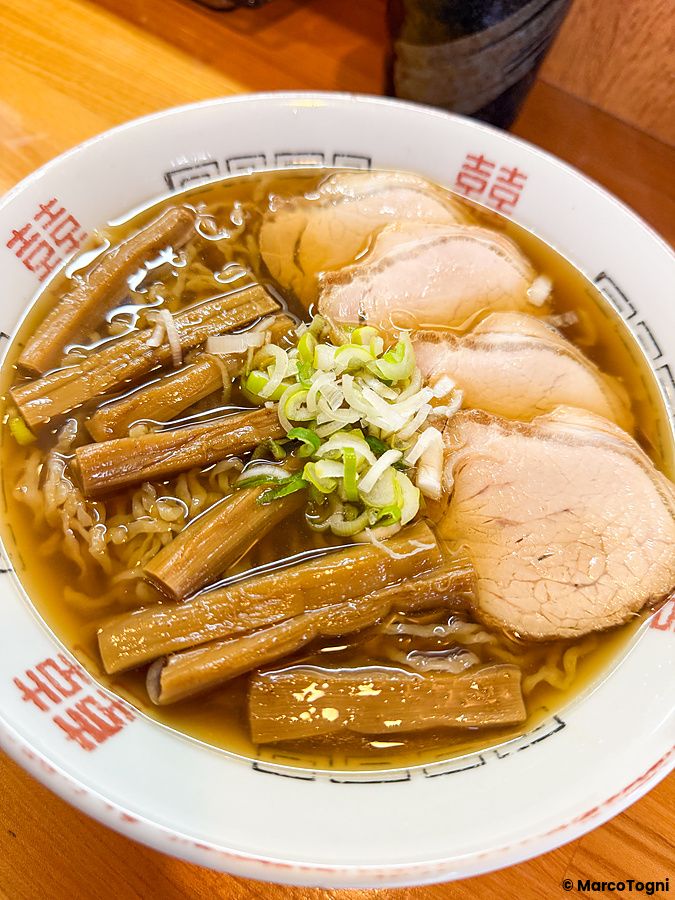
- Shoyu chuka soba: a clear dried-fish and chicken broth, thin wavy noodles made in-house, chashu, green onion and menma.
- With extra meat: you get twice as many slices of chashu, and that’s the version I recommend ordering.
- Shio ramen: same base, but seasoned with salt instead of soy sauce, so it tastes even more delicate.
- Onigiri: order one on the side to go with your bowl.
The broth comes out clear enough that you can see the bottom of the bowl. You can taste the dried fish, but it doesn’t drown out everything else, so if you’re expecting the strong, bitter niboshi some places in Aomori serve, you’ll find something different here. The two versions taste less alike than you’d think. The shoyu is the one that really tastes like old-school chuka soba, with the taste of the sea up front, while the shio lets the chicken come through. If there are two of you, order one of each and try each other’s bowls.
The noodles are slightly plump and soft, a texture not everyone expects from ramen. If you’re after thick, fatty tonkotsu, though, this isn’t the place.
Expect to pay 900–1,300 yen per person for a bowl, or closer to 1,300–1,500 with extra meat and an onigiri. That’s about average for ramen, so not expensive.
Whenever I’m in Hirosaki and want ramen that won’t knock me out for the rest of the day, this is the first place I think of. For just over 1,000 yen I get a bowl that fills me up and still leaves me feeling light, and I always get the extra meat.
Inside
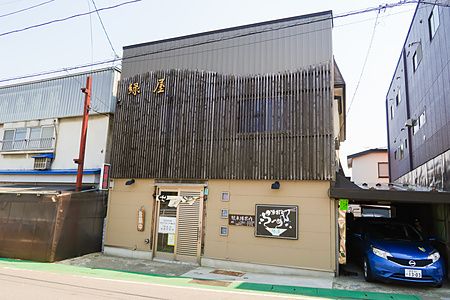
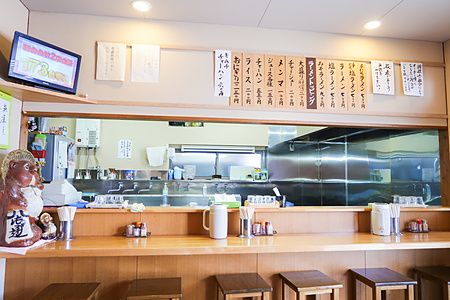
It’s a small place, with six stools at the counter and a few tables, and you just tell them your order as soon as you sit down.
The owner is lovely, the kind of person who puts you at ease even if you don’t speak a word of Japanese. At lunchtime you may have to wait, since there aren’t many seats and locals know the place well. If you’re in a hurry, try coming later.
Unlike a lot of ramen-ya, there’s no ticket machine. You pay at the end, and it’s cash only: cards and mobile payments aren’t accepted here, so keep a few bills handy before you sit down.
Quick take
Pros:
- Clear broth: made from dried fish and chicken, full of flavor but not heavy
- Noodles made in-house: soft and slightly plump
- Friendly owner: you’ll feel comfortable even if you don’t speak Japanese
Cons:
- Few seats: there’s a line at lunch
- Delicate style: if you want thick, fatty broth, you’ll be disappointed
Best for: anyone who wants ramen that fills you up without leaving you bloated, as a break from wandering around Hirosaki
Atmosphere: a small room with a counter and a few tables, locals coming and going, simple, friendly service
Final thoughts
What stays with me from this ramen is the first spoonful of broth, when the dried fish comes through slowly with the chicken right behind it. Get the shoyu chuka soba with extra meat, give the noodles a good stir as soon as the bowl arrives and eat them right away, because noodles this thin don’t hold up for long.
Sit at the counter if you can get a seat. From there you can watch them make each bowl and give the owner a nod, and she’ll respond even if it’s just with a gesture. A bowl like this, made the same way for decades, is getting harder and harder to find in Japan, and Hirosaki still has one. When you’re in the area, go.
Getting There
Midoriya is in the Toyoda neighborhood, east of Hirosaki Station. From the east exit it's a good 20 minutes on foot, all on flat ground, or six minutes by car.
To cut the walk short, take the Konan Line one stop to Hirosaki Higashiko-mae, then walk about 10 minutes.
Driving is still the easiest option, and there's a small parking lot about 100 meters from the entrance, across the street.
Useful Info
- Hirosaki Station (JR Ou Line, Konan Line): east exit, about 20 minutes on foot
- Hirosaki Higashiko-mae (Konan Line): one stop from Hirosaki, then about 10 minutes on foot
Map
This place is on MarcoMaps
Midoriya
My map of Japan: over 4,000 places I've tried myself, each with photos, rating, and hours. Filter by category and rating, find veg-friendly spots and places near you with GPS. No sign-up, right from your phone.
- 4,000+ places
- Rating, photos, and hours
- Veg friendly
- Near me (GPS)
- Favorites without login
- Works offline

