
 67 m
Ume no Hana67 m
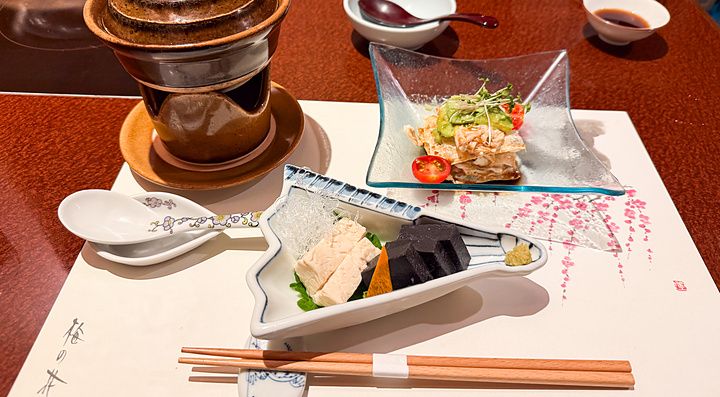
Tofu and yuba kaiseki.
Mikimoto came up with the method for culturing pearls, and it made him extremely rich.
Today the Mikimoto Company has many stores in Japan and around the world. In Ginza it has two buildings: the main store in Ginza 4-chome, which was torn down and rebuilt in 2017, and the building in Ginza 2-chome.
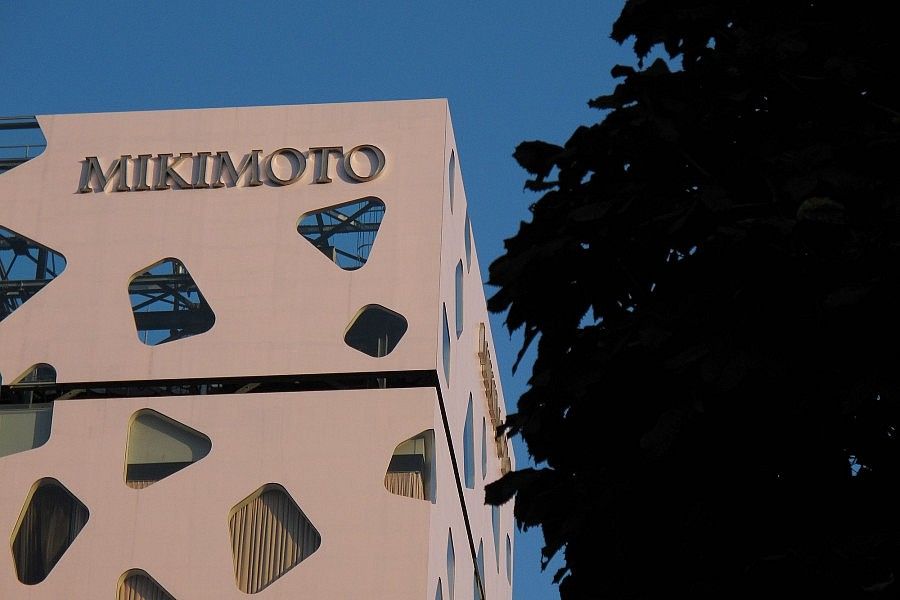
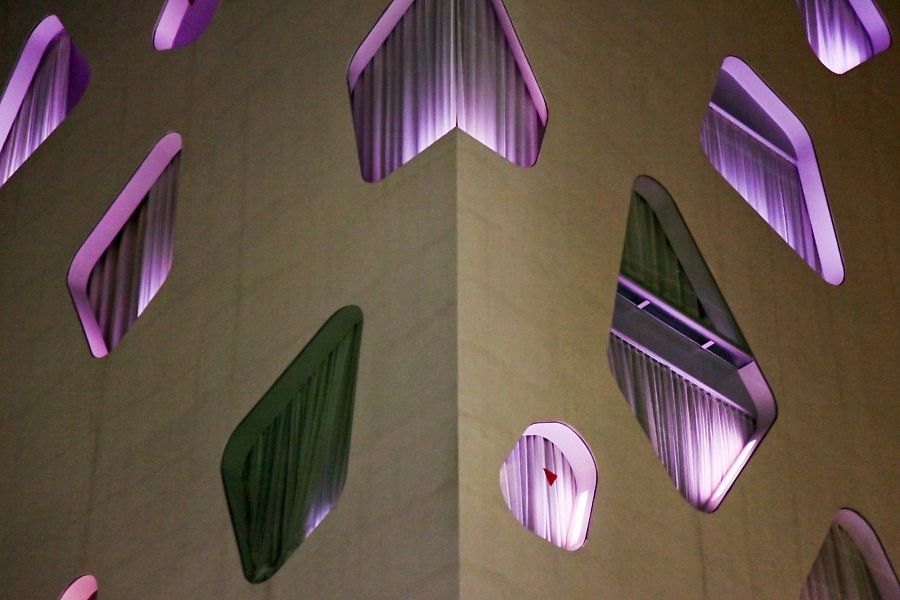
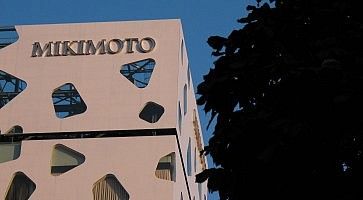
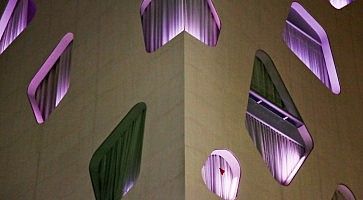
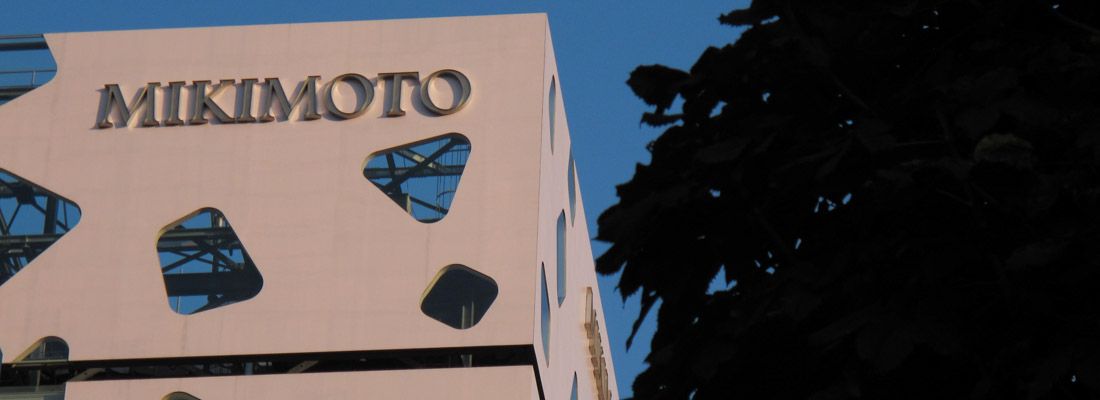
The Ginza 2-chome building is the pink one designed by Toyo Ito, and it’s very photogenic. Its windows come in different shapes and are scattered across the walls in what looks like a random pattern, so the whole thing looks a bit like a big wheel of Swiss cheese.
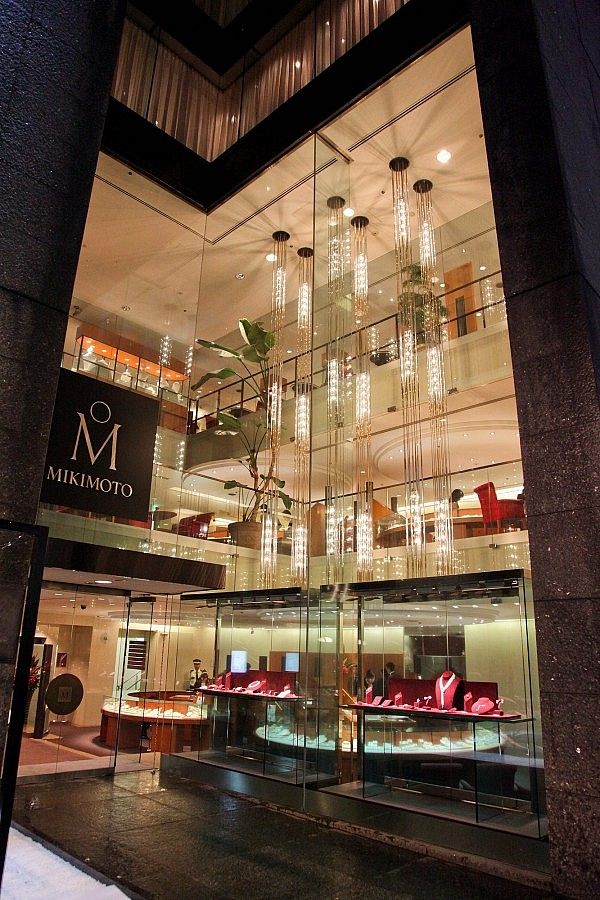
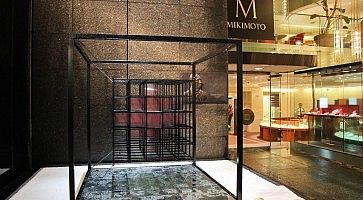
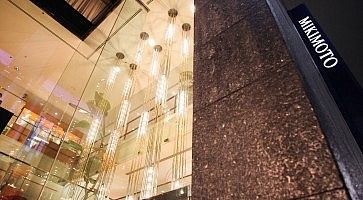
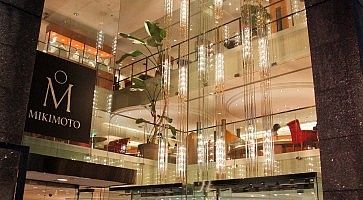
Mikimoto’s historic store is at Ginza’s main intersection, where the company has been selling pearls since the late 1800s. The old building was torn down, and in its place now stands a 12-story tower designed by Hiroshi Naito.
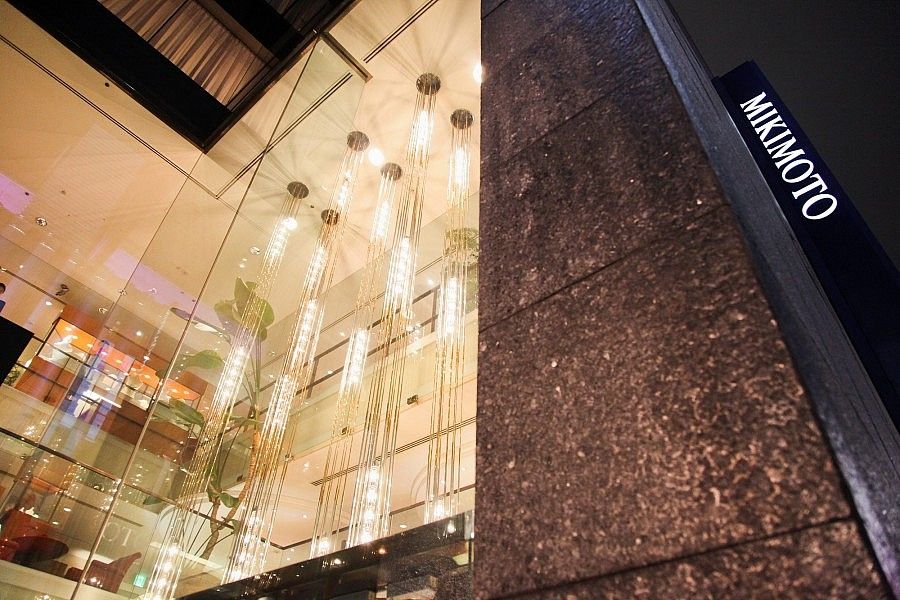
About 40,000 pieces of glass cover the facade. They’re meant to evoke the sea shimmering in spring, which is why the building looks different depending on the light.
The store takes up the first through sixth floors, making it one of the largest jewelry stores in the world. Even if you’re not planning to buy anything, go in and take a look at the display cases.
Everyone calls the Ginza 2-chome building Mikimoto Ginza 2. It’s the work of Toyo Ito, one of Japan’s leading architects, and its irregular windows were inspired by the foam on pearl oyster shells.
The windows aren’t just decoration. The outer walls are made of steel and concrete and hold up the entire building on their own, so there are no columns inside. That leaves all 9 floors open, and from the inside the windows look like bubbles opening onto the city.
The Mikimoto store takes up the lower floors, and the upper ones are offices.
Until a few years ago there was a tea room inside, the Mikimoto Lounge. It has since closed, but I hope it reopens someday, because it was a beautiful, elegant place.
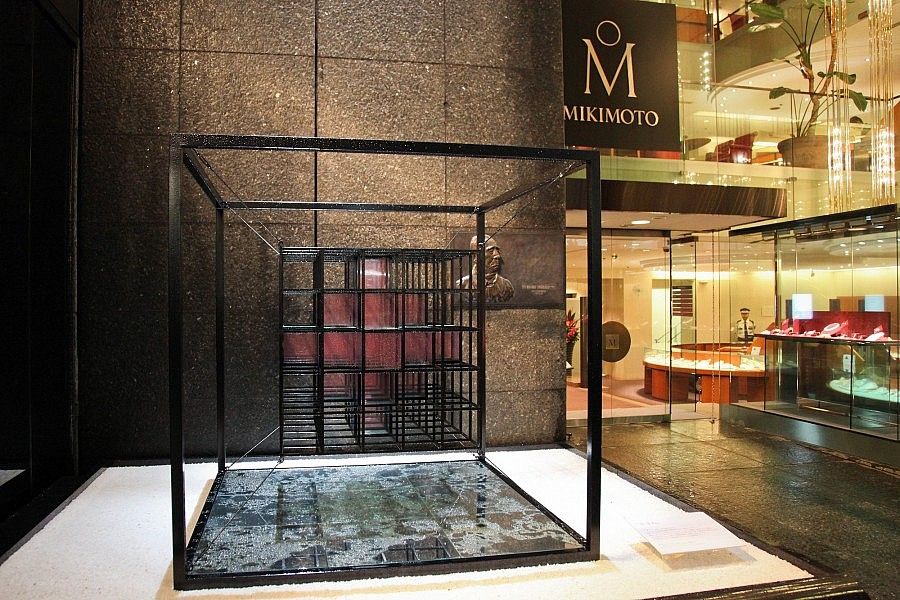
The photos in the gallery show both the pink building and the old main store before it was torn down and rebuilt.
I shot this video at the Mikimoto Lounge, which is now closed. I ordered a dessert meant to reflect the way Mikimoto sees pearls. It was white and glossy, with ice cream and shavings of white chocolate and a touch of exotic fruit like passion fruit and lychee.
The pink building is on Namiki-dori, in the northern part of Ginza. It's just a couple of minutes' walk from Ginza-itchome subway station, or about 5 minutes north on foot from Ginza Station.
If you're coming by JR, get off at Yurakucho and walk under the tracks, and you'll reach the building in under 10 minutes.
The main store in Ginza 4-chome is right on Ginza's main intersection, next to the Ginza Station exits.
This place is on MarcoMaps
Mikimoto
My map of Japan: over 4,000 places I've tried myself, each with photos, rating, and hours. Filter by category and rating, find veg-friendly spots and places near you with GPS. No sign-up, right from your phone.


Kokichi Mikimoto was the son of an udon seller from Toba, in Mie Prefecture. After years of trying, he produced the first hemispherical cultured pearl in Ago Bay in 1893.
That was the start of an empire. Japanese pearls, which until then had been rare and extremely expensive, made their way into jewelry stores all over the world. The very first Mikimoto store opened right here in Ginza in 1899.
If you’re curious about his story, Toba is home to Mikimoto Pearl Island, an island museum devoted to him and to pearls.
Mikimoto - nearby you will find: