Miyajima Island
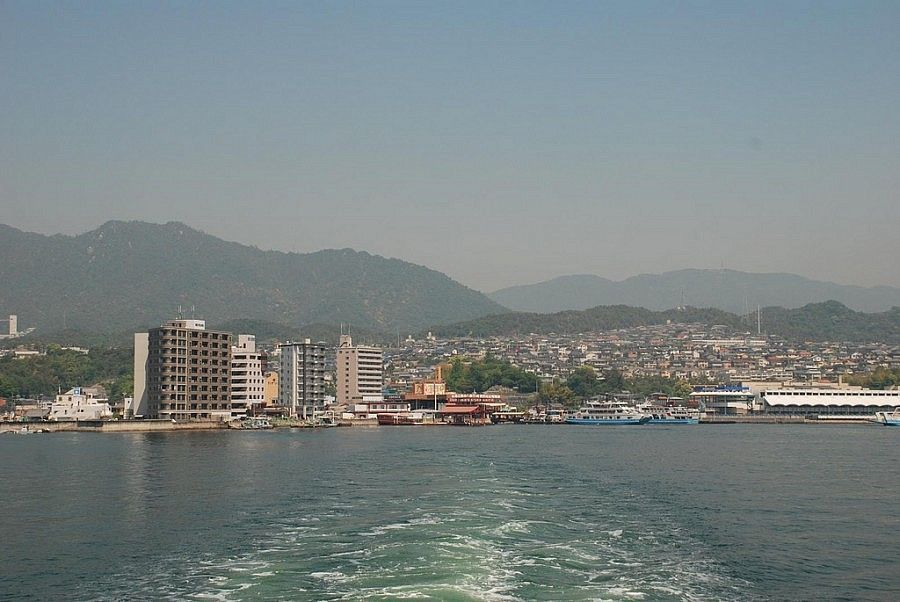
If you want a relaxing day out in nature, away from the chaos of the city center, take the ferry from Hiroshima over to Miyajima Island. This green oasis is also a sacred place, where people have lived alongside the gods since ancient times. Monks and ordinary people alike have always been drawn to its densely forested mountains and unspoiled nature. To them the island is a true spiritual retreat, somewhere to get away from it all, meditate and enjoy the quiet. All this helped make Miyajima popular, and today it’s a famous tourist attraction that draws pilgrims and visitors from all over the world.
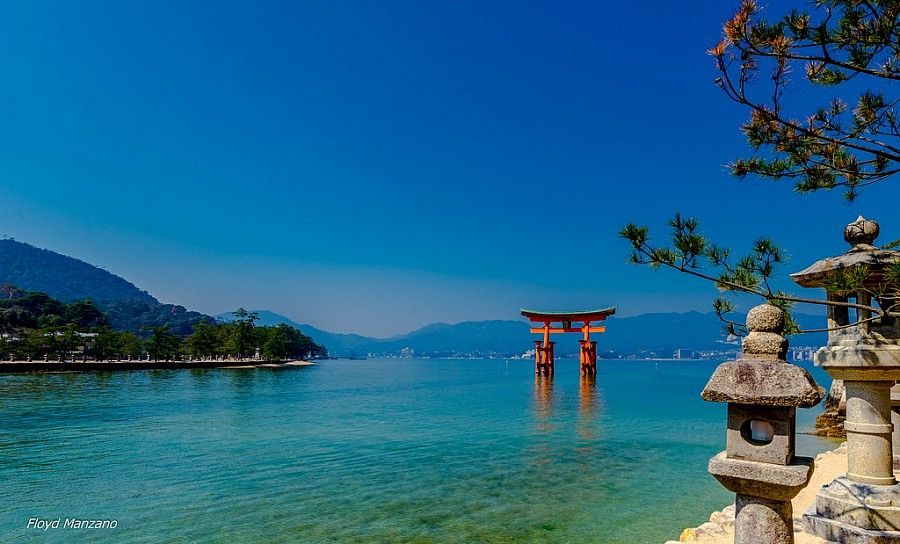
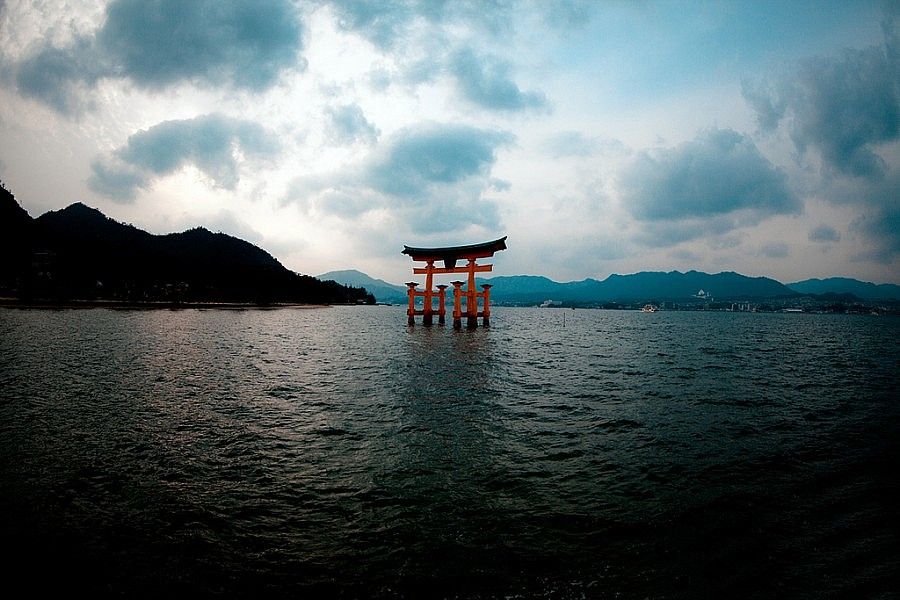
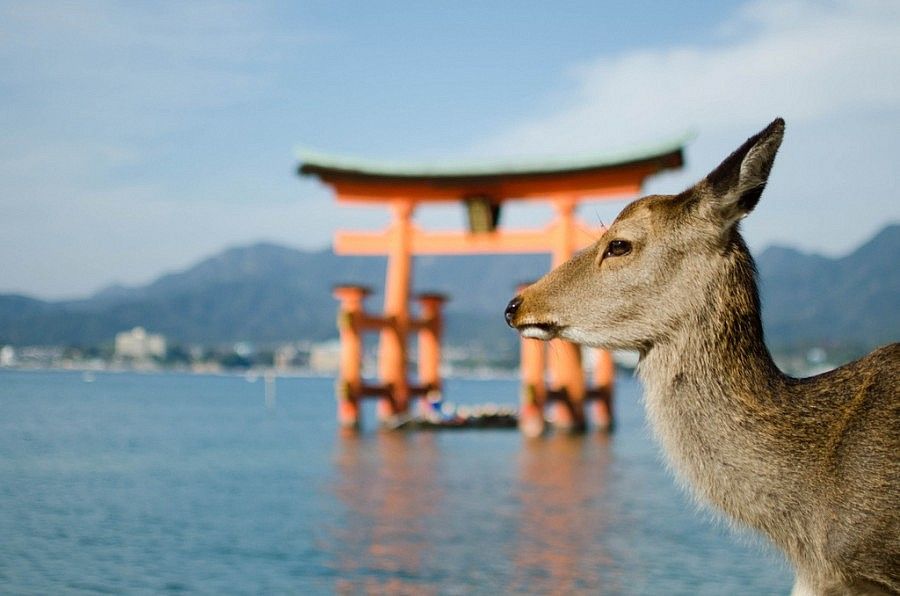
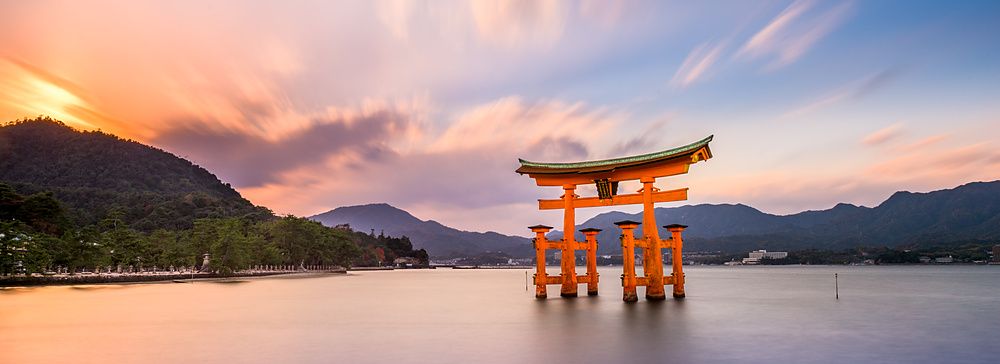
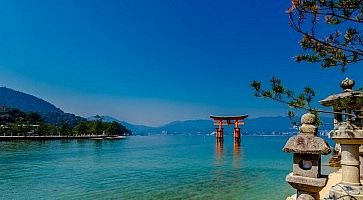
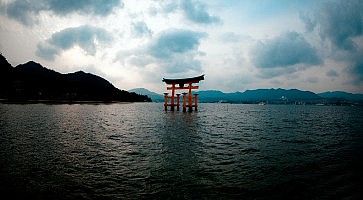
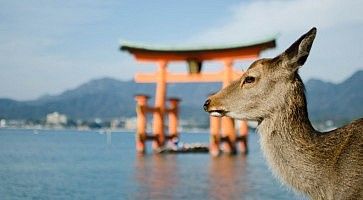
The first thing you notice when you arrive is a big red torii, which marks the way to Itsukushima, the island’s most famous shrine.
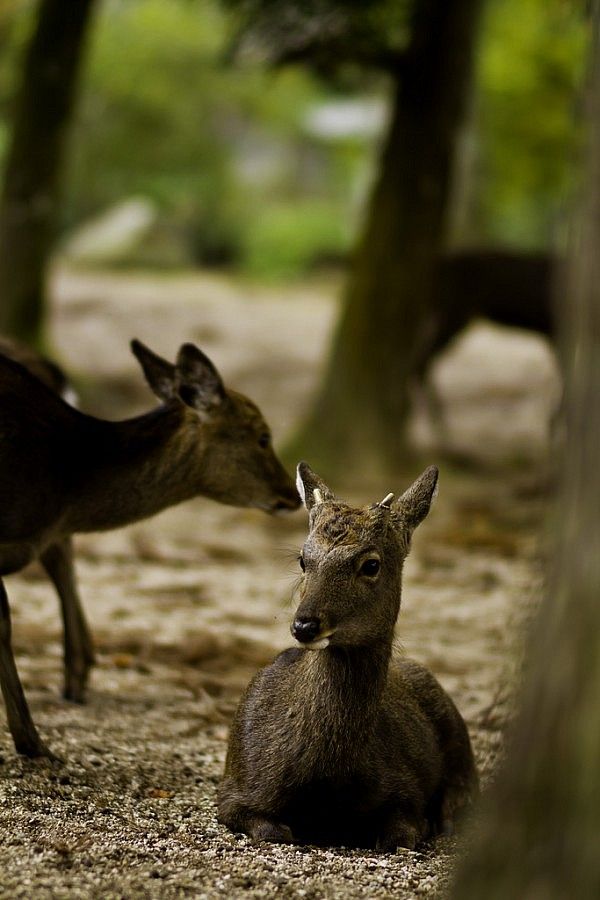
The deer here are really hungry, so don’t feed them and keep an eye on your things: they snatched the only map I had right out of my hands and ate it!
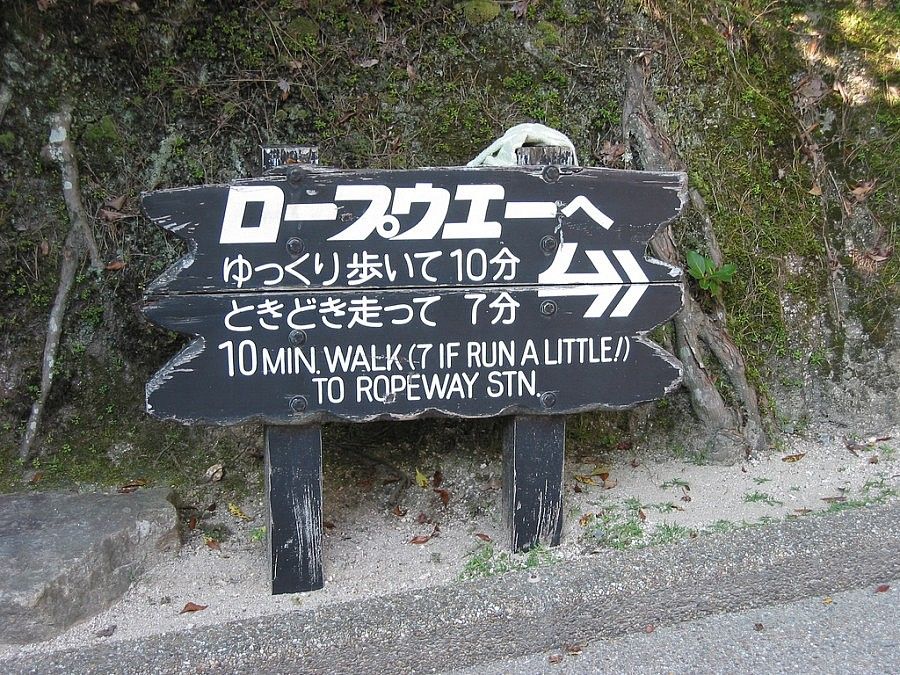
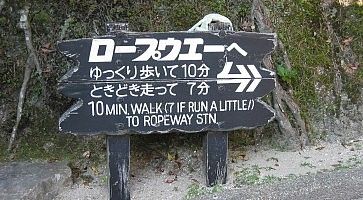
If you feel like walking a bit, look for the ropeway up the mountain. From there it’s about 40 minutes on foot to the highest point, the summit of Mount Misen, where you can take in the view and grab a drink at a tiny kiosk.
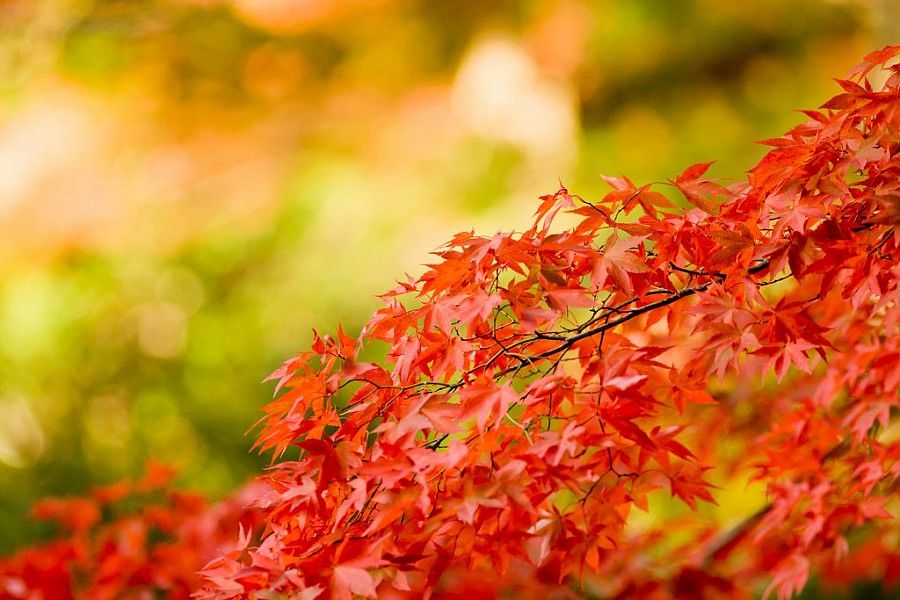
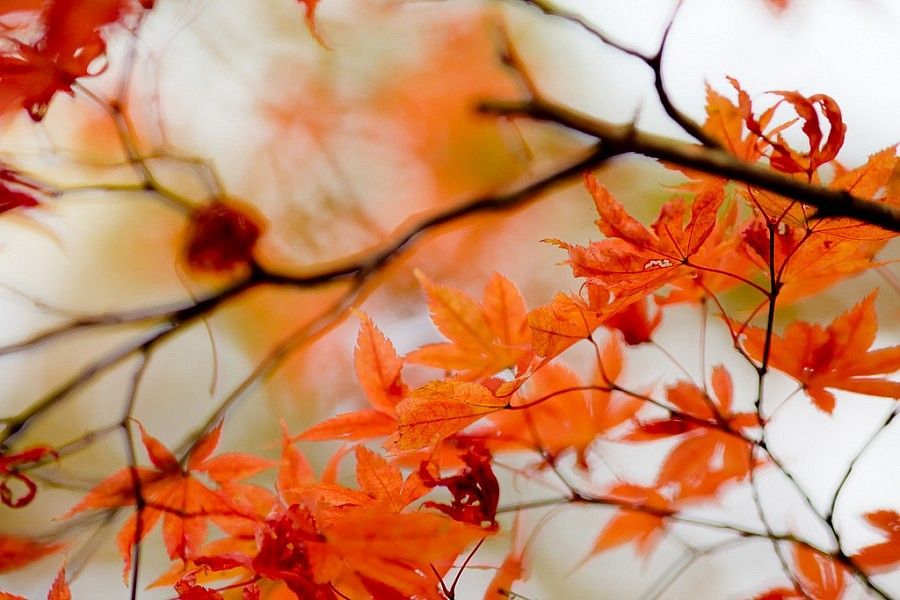
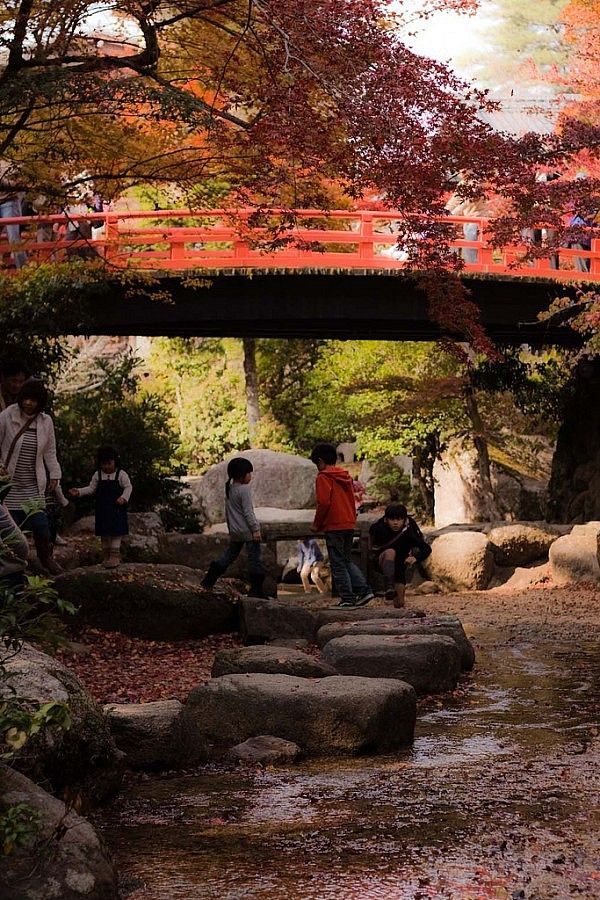
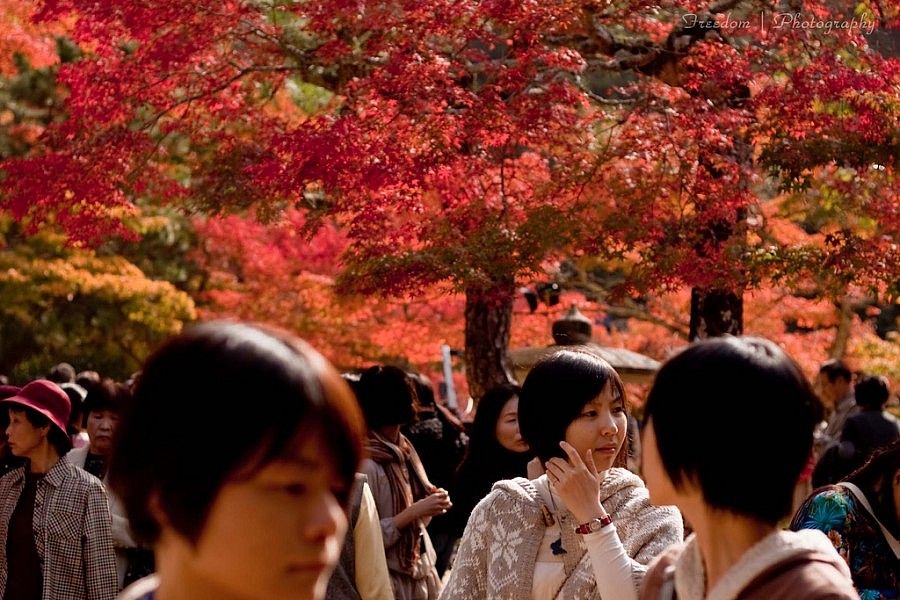
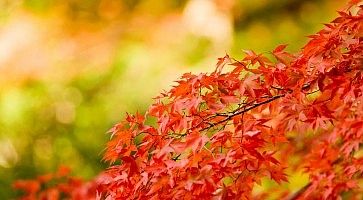
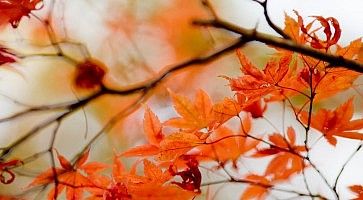
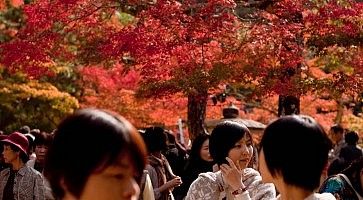
In fall, don’t miss the lovely momiji-dani, a park full of beautiful maple trees.
The island has lots of really good restaurants, and spending the night here is something you won’t forget. The best ryokan is easily Iwaso, where even the emperor has stayed!
Contents
Island specialties
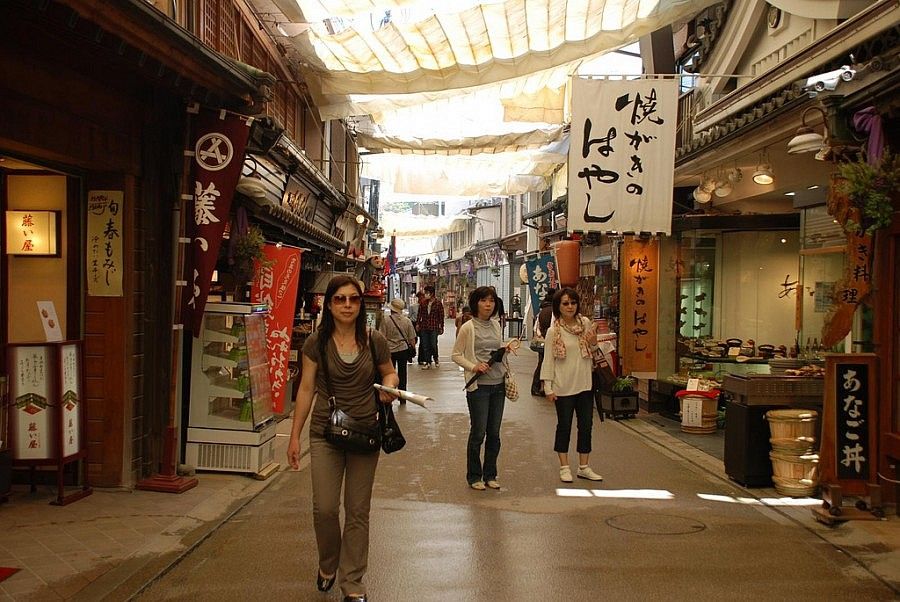
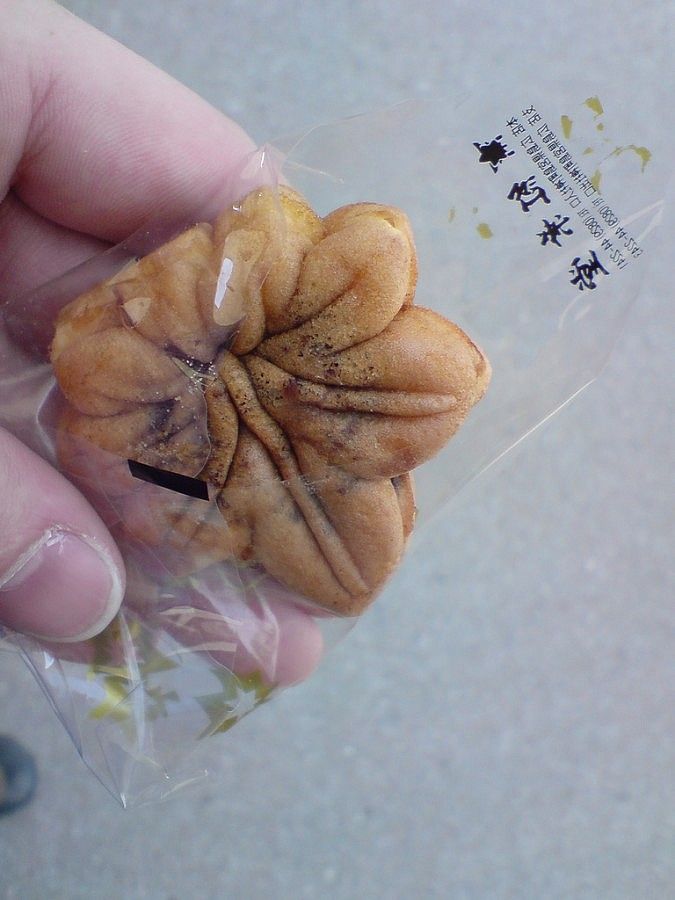
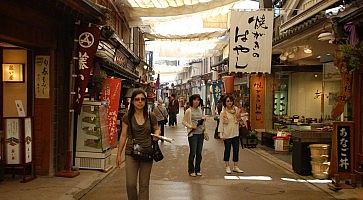
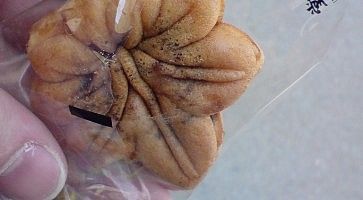
On the shopping street that leads to the shrine you end up snacking the whole way. Momiji manju originated here. It’s a little maple-leaf-shaped cake filled with red bean paste, and on the island you can still get it warm, straight out of the oven, or deep-fried on a stick as age-momiji.
The other big local specialty is anago meshi, grilled conger eel served over a bowl of rice. It’s Miyajima’s traditional dish, and at the best-known places you’ll have to wait in line. In winter especially, the stalls fill the air with smoke from grilled oysters, which you eat standing up with a squeeze of lemon.
History
Miyajima’s history goes back a very long way. In the Daido era (806), the monk Kukai stopped here on his way back to Kyoto. Walking through the island’s forests, he felt such strong spiritual energy that he decided to build a hall (hondo) on Mount Misen, the island’s highest peak.
With Itsukushima Shrine, the island became a major religious center, drawing emperors, monks and worshippers who came here on pilgrimage to pray.
The first villages appeared on Miyajima toward the end of the Kamakura period, when monks, and then ordinary people, started living on the island for good. Over the centuries the shrine was rebuilt several times after damage from wars and from natural disasters like typhoons and fires. Through it all, it remained a very important place of worship, especially for sailors, merchants and powerful figures who came here to pray and ask the gods for protection. Today the island and its treasures are an important part of the cultural and historical heritage of Japan and the whole world, which is why the island has been designated a UNESCO World Heritage Site.
The shrine was built over the water instead of on land for a specific reason: the island itself is sacred, and for centuries people did everything they could to keep it from being defiled. Here the Shinto rules on ritual purity were taken to the extreme, to the point that no one was allowed to be born or die on the island. Women about to give birth and people who were seriously ill were taken to the mainland. Much of this tradition still holds today, since burials take place off the island.
Shrines and temples
Miyajima Island has plenty to see whether you love nature or you’re more into history and culture.
A lot of the sights are temples and shrines, including:
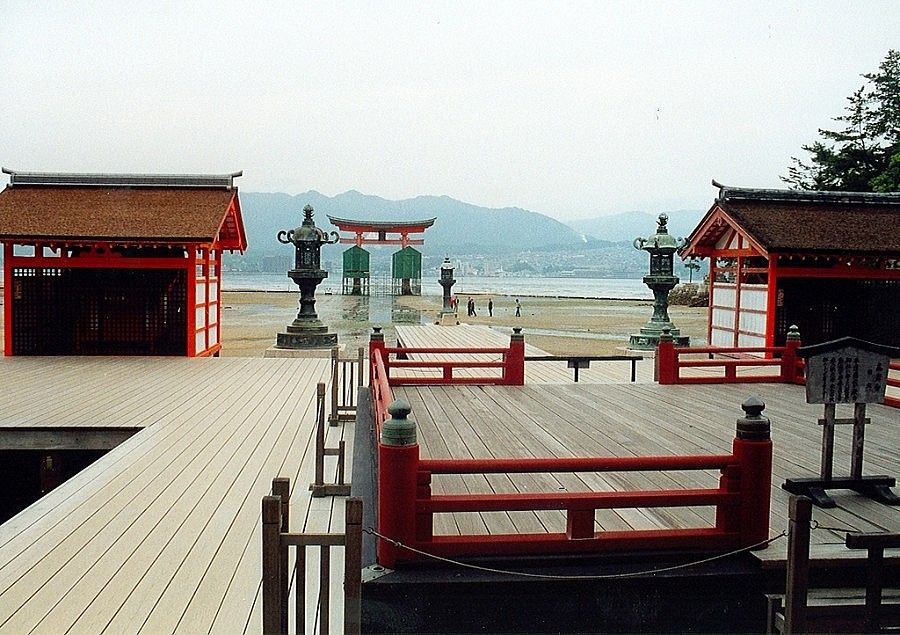
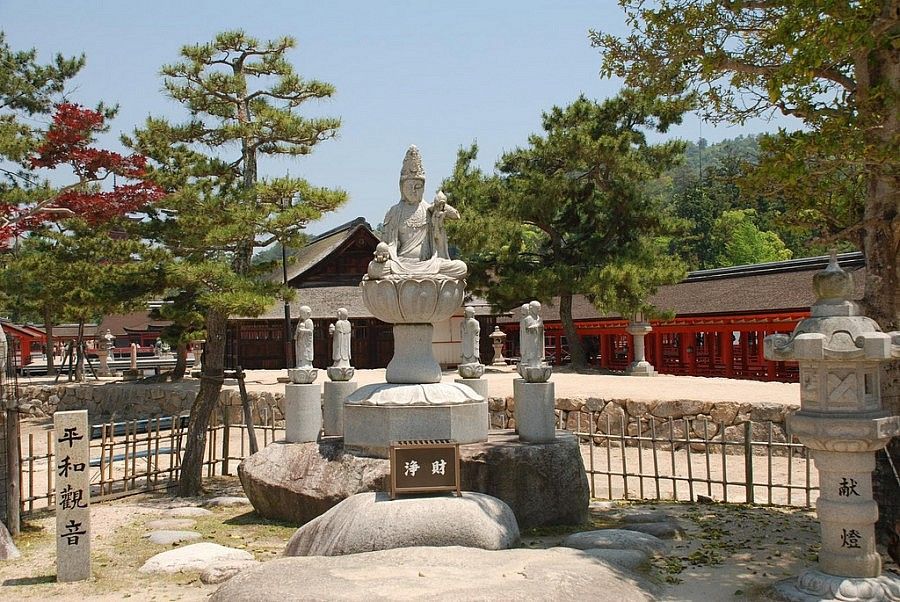
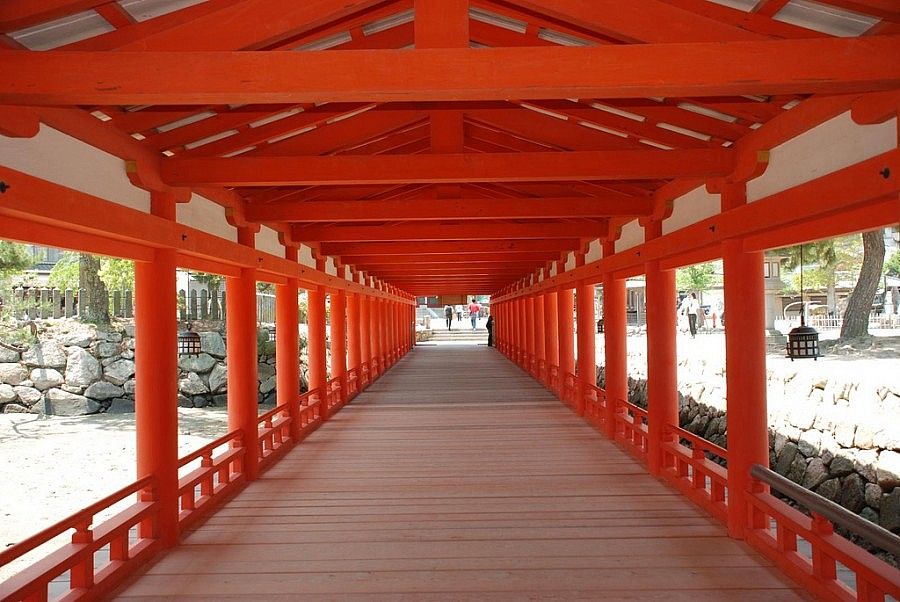
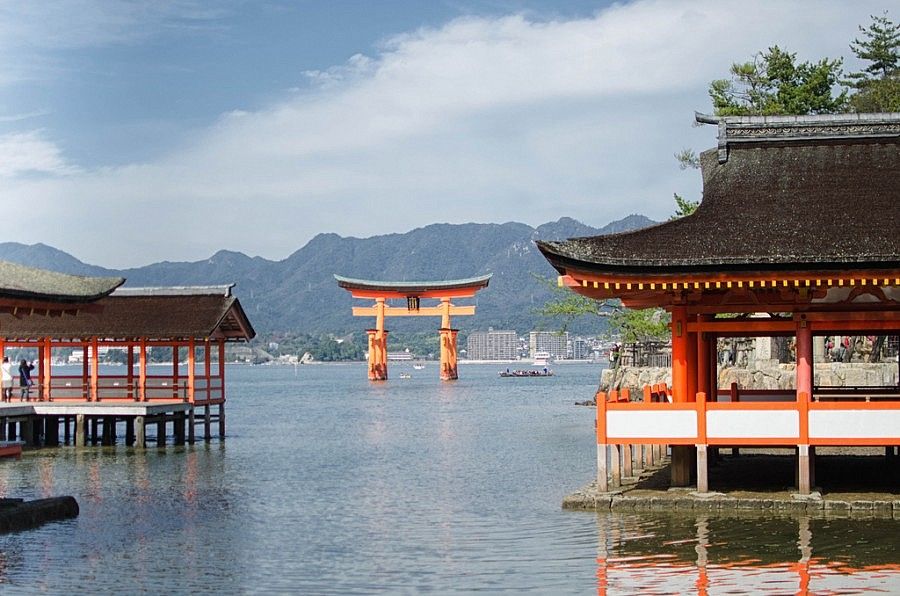
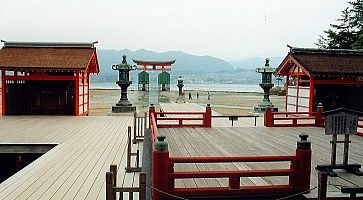
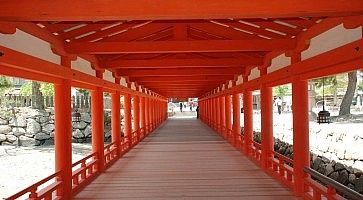
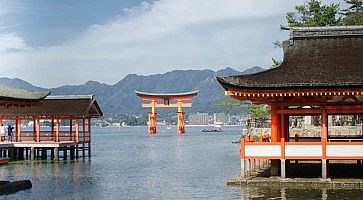
- Itsukushima Shrine. The island’s main sight, this shrine is made up of several buildings linked by corridors decorated with beautiful old lanterns. It’s one of the most elegant and grand examples of Shinden-style architecture in Japan, and every change made over the years was designed to stay in perfect harmony with the original style. The shrine was built out into the sea on a complex system of piles, so at high tide it looks as if it’s floating on the water, which makes the place even more magical. Its buildings include a hall for purification and prayer (Marodo), a hall for Shinto ceremonies (Asazaya), the main sanctuary and an open-air stage that hosts various performances.
- O-torii gate. The symbol of Miyajima, this massive red gate rises out of the water to a height of about 17 meters. It stands offshore, around 200 meters from the shrine, and welcomes visitors as they arrive on the island.
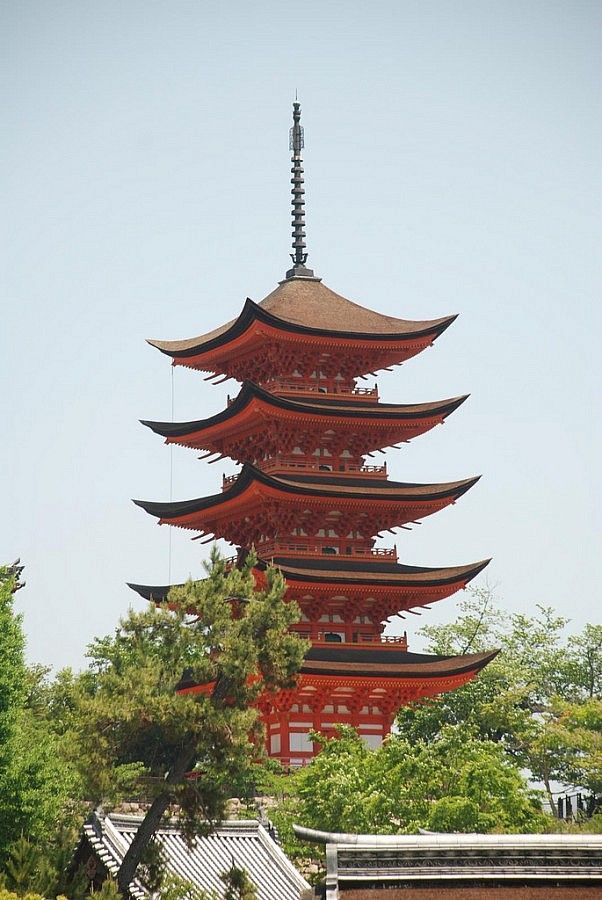
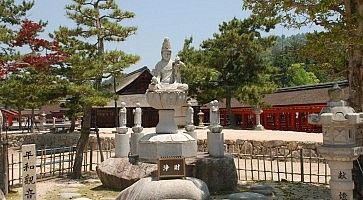
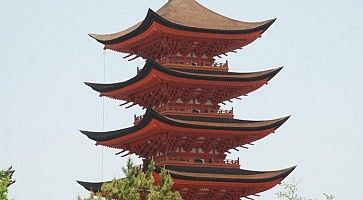
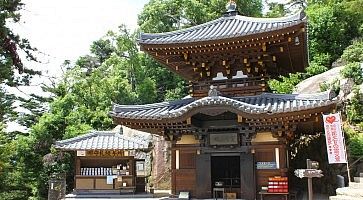
- Other shrines. Besides Itsukushima, Miyajima has a number of other shrines that are also considered cultural properties of enormous value. They include Senjokaku Shrine, dedicated to Toyotomi Hideyoshi; a five-story pagoda, whose Buddhist statues are now kept at Daiganji Temple; a two-story pagoda (Tahoto); Kiyomori Shrine, built in memory of Taira-no-Kiyomori; and Omoto Shrine, where several deities are worshipped.
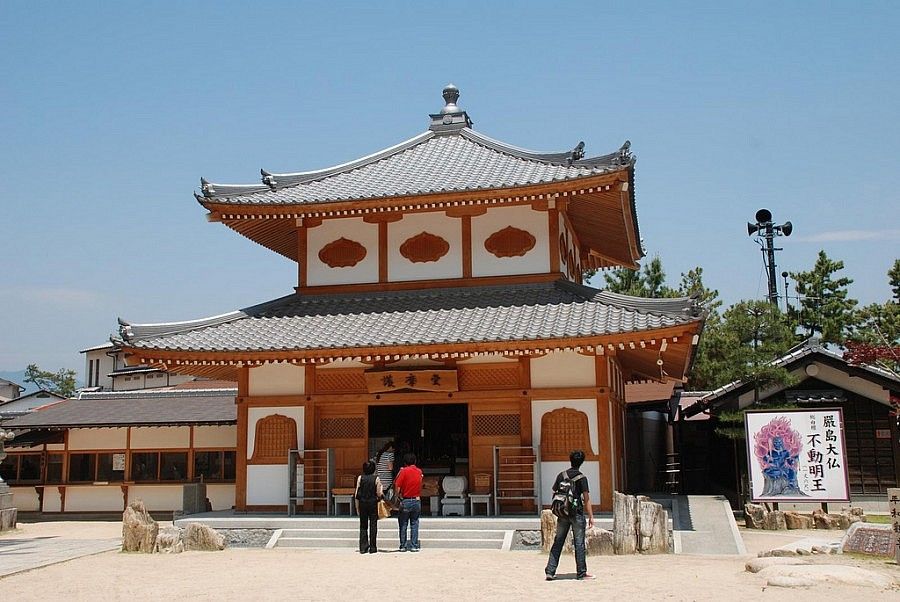
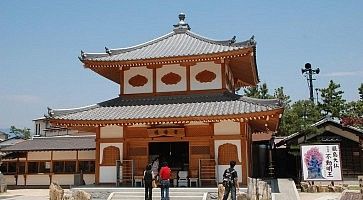
- Daiganji Temple. This is one of Japan’s three most famous temples dedicated to the goddess Benzaiten, the deity of wisdom, prosperity and music.
- Daishoin Temple. One of the most prestigious Shingon temples, it once had close ties to the imperial family, and one of its prayer halls was built by Emperor Toba.
Tides and the torii
On Miyajima, the tides decide what you’ll see. At high tide the water fills the bay, the shrine seems to float and the big red torii stands alone out in the sea. That’s the classic postcard view of the island. At low tide the water drains away and you can walk out to the torii, stand right under its camphor-wood pillars and get a close look at the crabs and at the coins visitors leave wedged into the cracks in the wood.
They’re two completely different experiences, and you can’t go wrong with either. If you spend several hours on the island you’ll most likely see both, because the water level changes a lot over the course of the day. If you only have a few hours, though, check the tide table before you go, since it’s the one thing that really decides which photos you take home.
Art and culture
Besides the places of worship, Miyajima has a number of buildings where you can learn about local art and culture. Their old artifacts and handicrafts show you some interesting and perhaps little-known sides of life on the island, from ancient times to today. If art and culture are your thing, stop by these places:
- Treasure Hall. The hall holds about 3,500 items of every kind, including works of art, everyday objects, weapons, musical instruments, masks used in Noh theater and more.
- Miyajima History and Folklore Museum. This old 19th-century house, once home to the Egami family, is now a wonderful museum with about 3,000 items, including works of art and wooden crafts that tell the story of the island’s history and traditions.
- Miyajima Traditional Crafts Center. In this three-story building you can do more than admire the beautiful objects made on the island: you can also have fun learning a few techniques, with local craftspeople showing you how!
Nature and views
Miyajima has a lot of natural beauty and amazing views that bring in thousands of tourists every year. If you love nature and animals, the island is a real paradise, with virgin forest covering its mountains, white beaches along crystal-clear water, and its own wildlife. There are lots of sights and activities that let you enjoy the island at its best. Here are a few of them:
- Miyajima Ropeway. This ropeway runs up to the top of Mount Misen, with spectacular views over the whole island and the sea.
- Aquarium. If you love underwater life, you can see about 350 species of marine creatures here, including fish, penguins and sea lions.
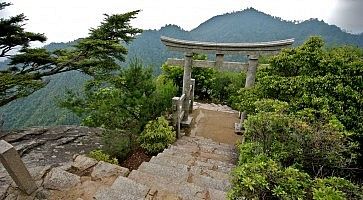
- Mount Misen. This mountain rises in the middle of the island and gives visitors spectacular views. Along the trail to the summit you’ll pass many sacred buildings, each one marking an important chapter in the history of Buddhism and of the island.
- Momijidani Park. The maple trees that fill this park put on one of the best-loved shows for anyone who enjoys fall scenery. The red of the leaves stands out against the green of the surrounding forest.
- O-Shakushi. Inside the Miyajima Omotesando shopping arcade you’ll find one of the island’s symbols, a giant wooden spoon. It stands for the importance of crafts on the island and was made to be handed down to future generations.
- Sunset on Miyajima. If you’re the romantic type, watch the sunset from the beach facing the O-torii as the sun slips down behind the mountains. It’s a moving sight.
- Illuminations. As evening falls, the island shows its most magical side. When all the buildings light up, all you have to do is enjoy it, with the soft sound of the waves in the background.
What’s at the top of Mount Misen
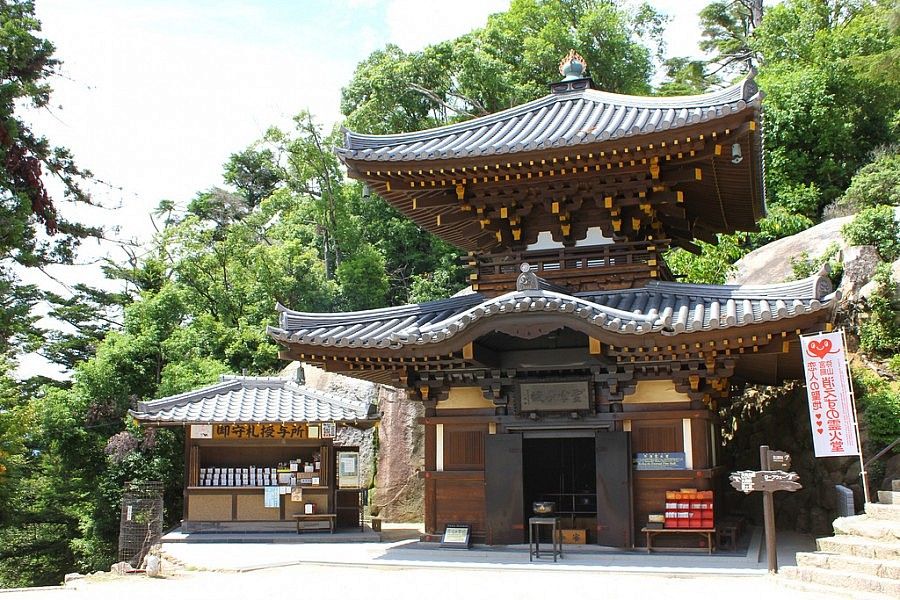
The climb up Misen isn’t just about the view. On the last stretch of trail, just below the summit, you come to Misen Hondo and Reikado, the hall of the sacred flame. Inside, a fire has been burning ever since Kobo Daishi lit it, according to tradition, and it has never gone out. The Peace Flame in Hiroshima’s Peace Park was lit from this same fire, which is probably the most moving detail on the whole island.
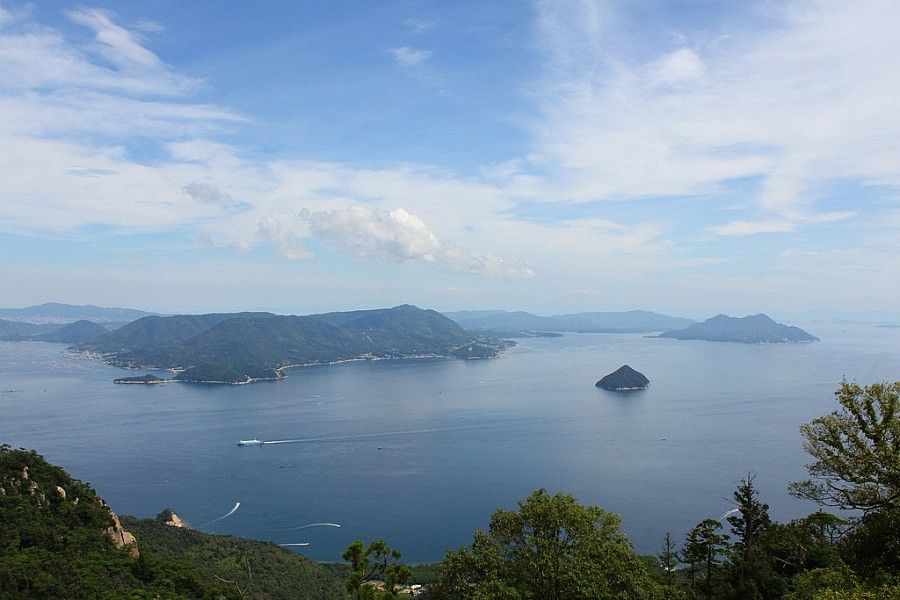
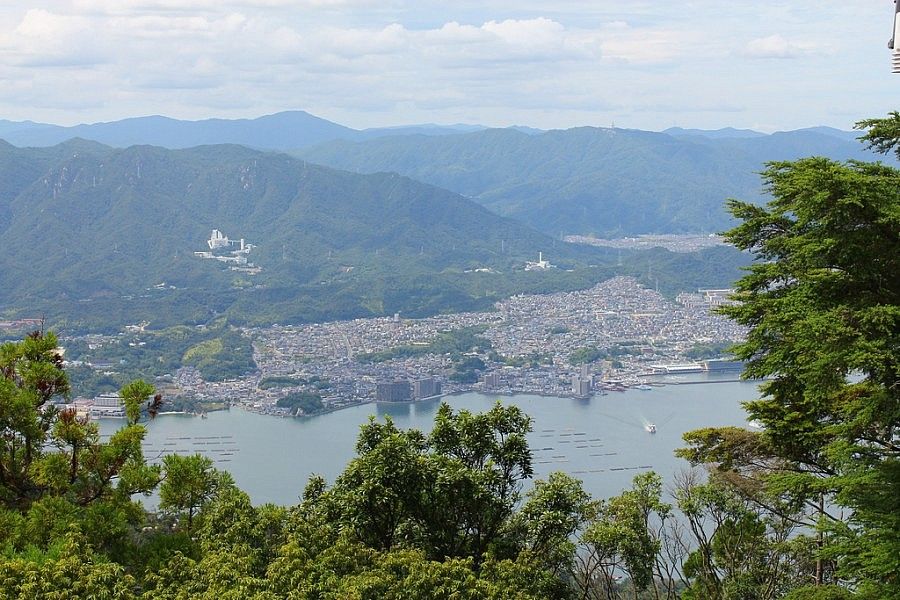
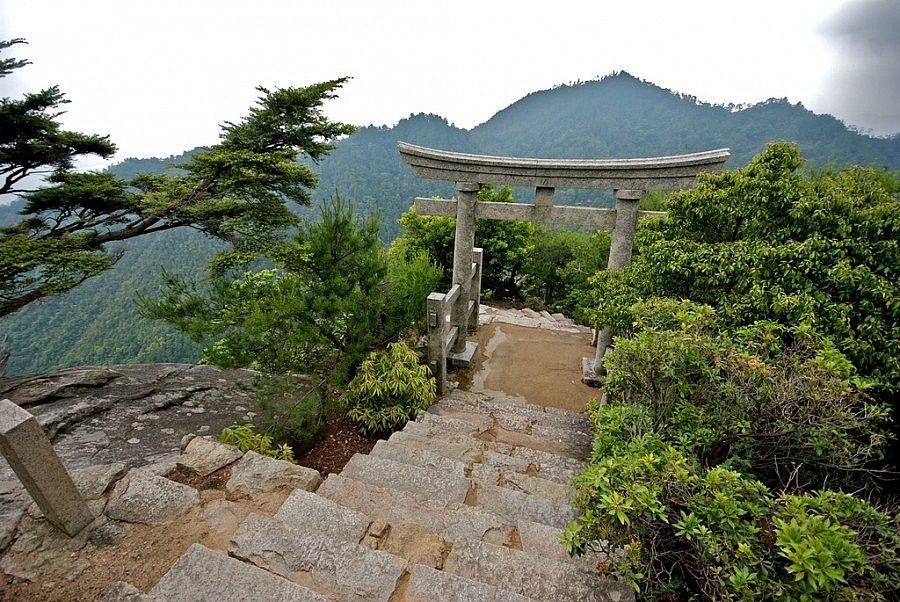
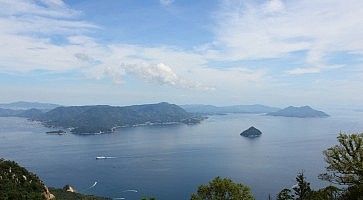
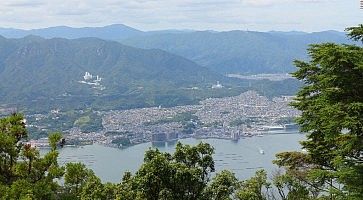
Higher up you’ll find huge boulders that look as if they were dropped there at random, including Kuguri-iwa, a rock you pass under on the way to the top. At the summit there’s an observation deck, and on clear days you can see across the whole Seto Inland Sea and its islands, all the way to Hiroshima.
Photo Gallery



Getting There
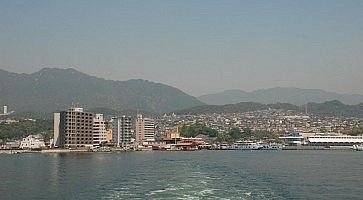
You can only reach Miyajima by sea, from the Miyajimaguchi pier on the mainland. From Hiroshima you'll get there in under half an hour on the JR Sanyo Line, or by streetcar number 2, which is slower but handy if you're starting from the city center. The pier is a 2-minute walk from the station, and the ferry crossing takes about ten minutes.
If you're at Peace Park, you can take the direct boat, which gets you to the island in about 45 minutes with no changes.
Once you're off the boat, Itsukushima Shrine is a 10-minute walk along the waterfront, with deer keeping you company the whole way.
Useful Info
- Miyajimaguchi Station (JR Sanyo Line): the ferry pier is a 2-minute walk away
- Hiroden-Miyajimaguchi stop (streetcar line 2): end of the line, next to the JR station
- Peace Park pier: the direct boat to the island leaves from here
Map
This place is on MarcoMaps
Miyajima Island
My map of Japan: over 4,000 places I've tried myself, each with photos, rating, and hours. Filter by category and rating, find veg-friendly spots and places near you with GPS. No sign-up, right from your phone.
- 4,000+ places
- Rating, photos, and hours
- Veg friendly
- Near me (GPS)
- Favorites without login
- Works offline