 420 m
Tokyo Metropolitan Gymnasium420 m
Futuristic complex built in 1954.
 ©Ned Snowman - Shutterstock
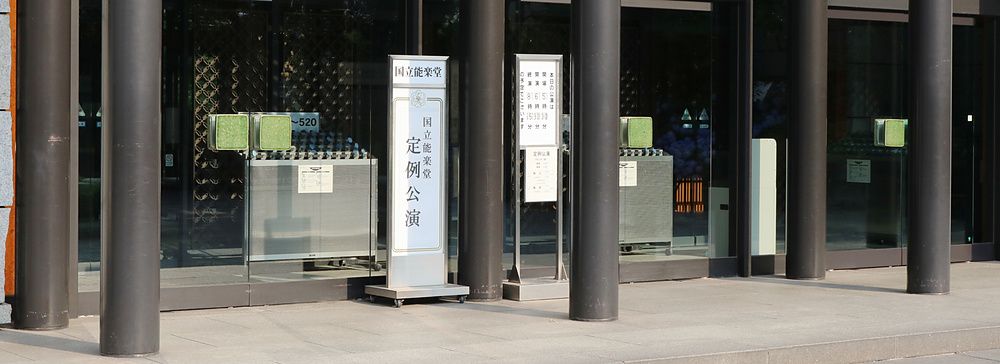
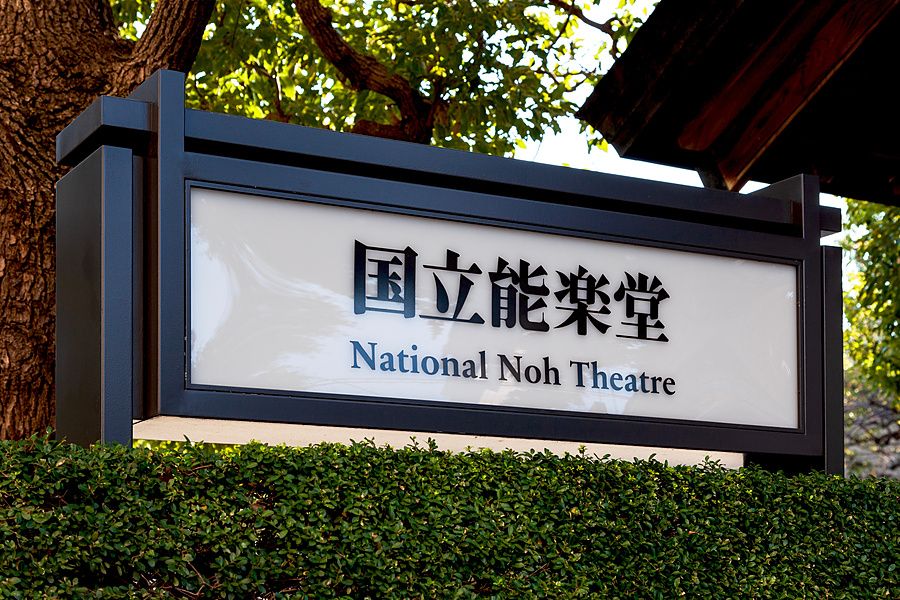
A theater built specifically for noh in Sendagaya, the part of Tokyo right next to Shinjuku Gyoen. The National Noh Theatre is one of the few places where you’ll see a cypress stage with its own roof inside an enclosed hall, an old pine painted on the back wall, and the side walkway the actors use to come onstage.
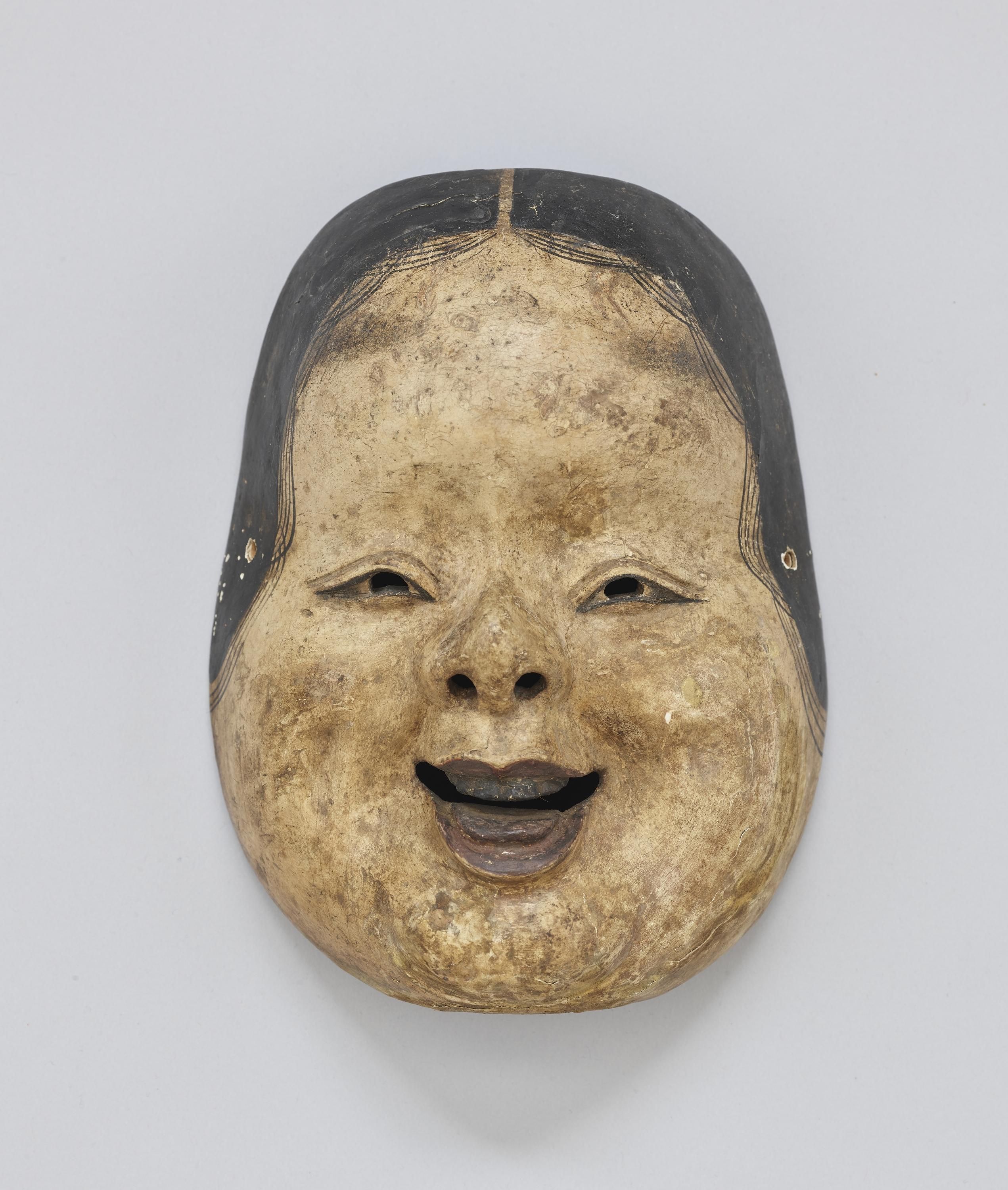
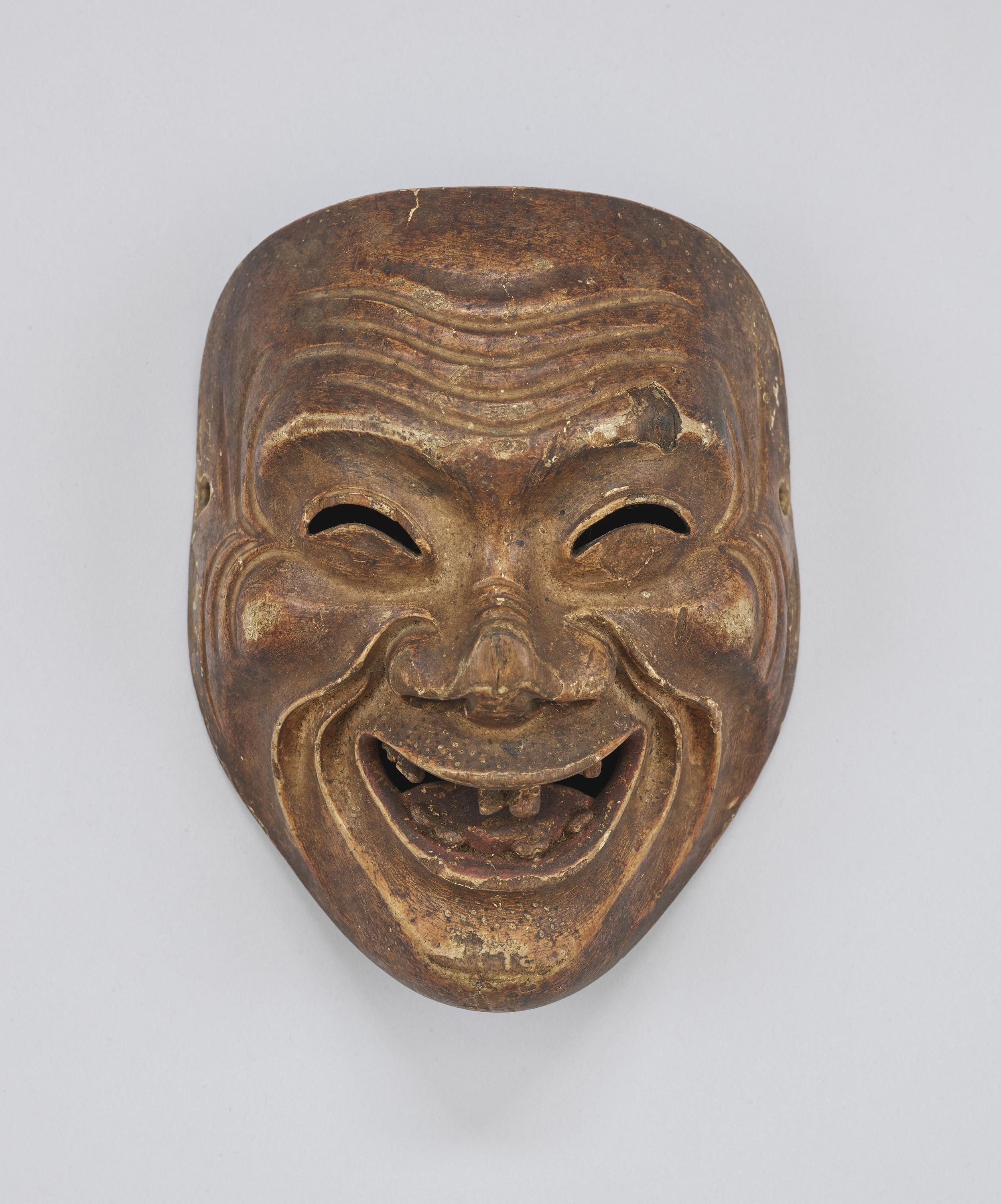
There’s also a room of masks and costumes, an inner garden, and a low-ceilinged entrance corridor that makes everyone slow down. You come here to watch a performance you can actually follow, because the subtitles are on the seat back in front of you. You can also come just to get a close look at how a stage like this is built.
The stage is why you come. It’s a freestanding structure in pale cypress, set up inside the building as if it were still outdoors, and when the actors stamp on the boards, the sound carries to the very last row.
The seats are split into three sections: the front section, the one alongside the walkway, and the center section, which is set at a diagonal. The front rows of the center section put you very close to the action, but one of the stage pillars will block part of your view at some point. If it’s your first time and you want to follow everything without leaning, stick to the front section.
From the side section, on the other hand, you can see the whole length of the walkway and watch the actors approach from far off, which you miss from the center.
Don’t get your hopes up about the mask room. It’s just a room, not a museum. You take your time, look around and leave, and if you go in expecting one gallery after another, you’ll be disappointed. From the outside the building gives nothing away. With its gray walls and dark roof, it looks like a neighborhood community center, and everything that matters is inside.
And if you’re picturing something like kabuki, with all the color, scene changes and dramatic twists, forget it. Here the set never changes, the lighting stays the same from start to finish, and a single gesture can hold the stage for a long time.
I keep coming back because all I have to do is sit in front of that painted pine, with the hall silent and the boards creaking, to leave the rest of the week behind. When someone visits me from Italy and asks for something they can’t find back home, I bring them here.
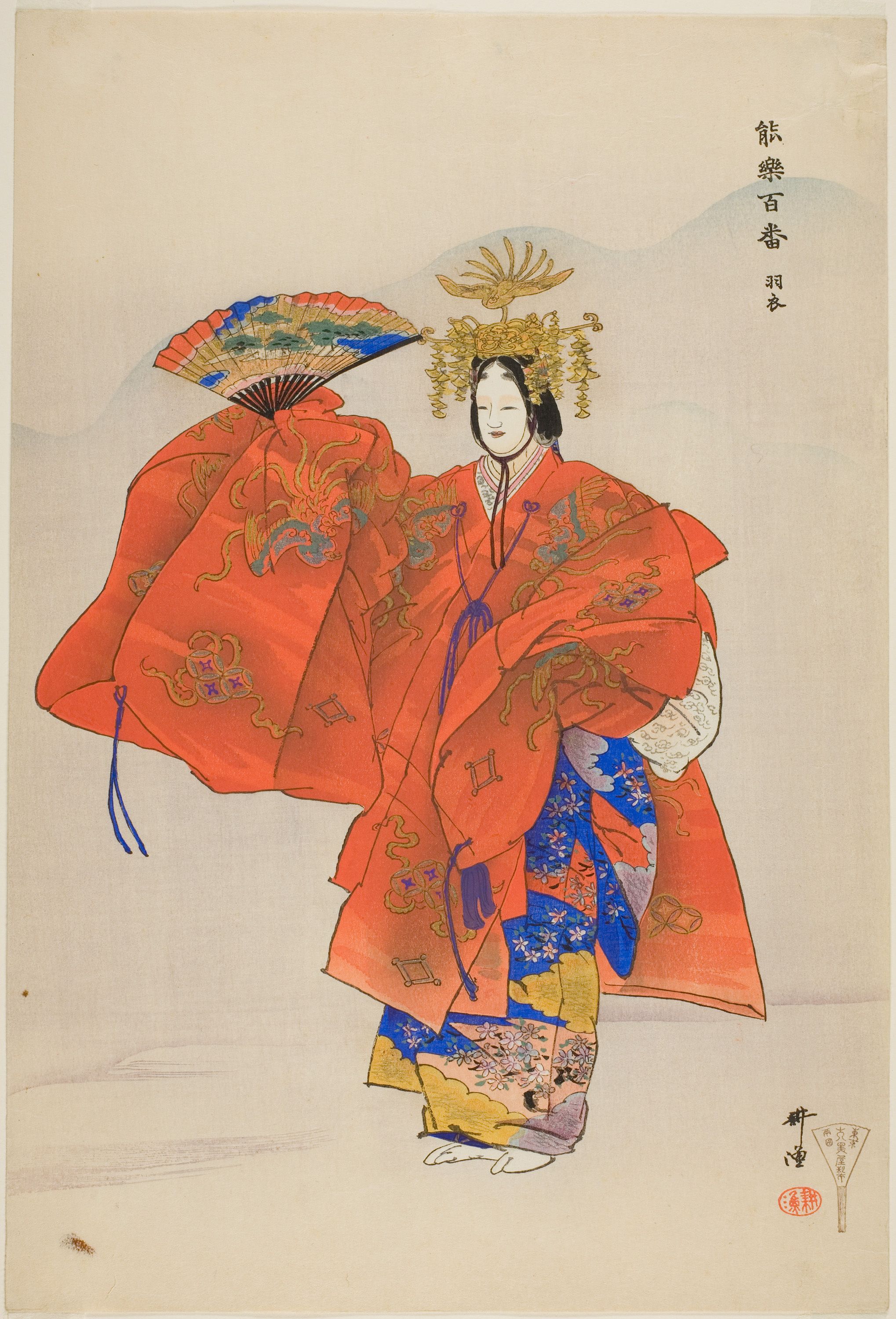
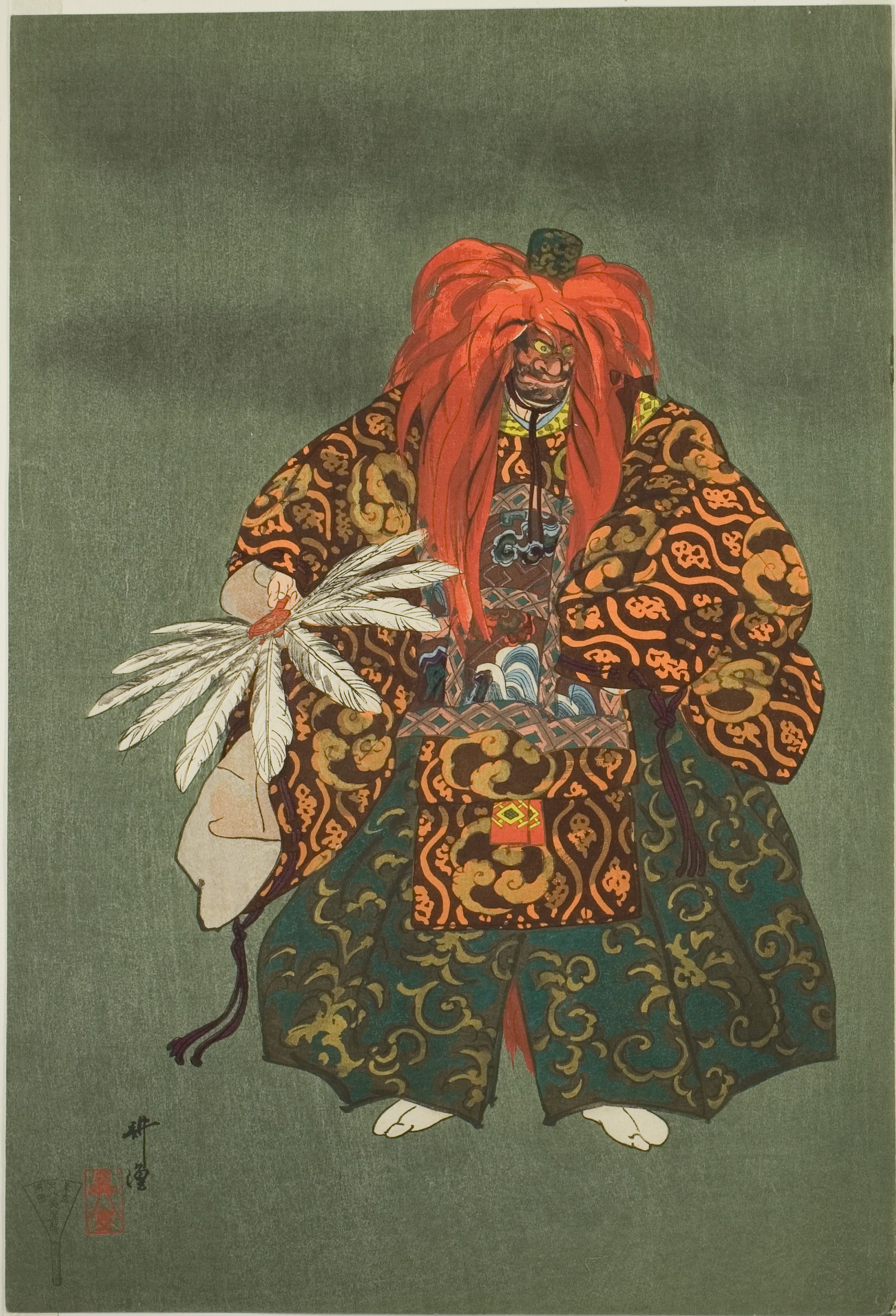
Weekdays are relaxed. People drift in, find their seats, chat quietly, and that’s about it. On weekends the hall fills up, and during the intermission people crowd around the theater’s little shop and into the mask room. So see the masks first, as soon as you arrive, while there’s hardly anyone around.
The seasons don’t matter much here, because everything is indoors and the stage looks exactly the same in January and August. What does change is the inner garden, which you can see through the windows and from the restaurant upstairs. The crowd changes too. Evening shows draw more people coming straight from work, while in the afternoon you see more women in kimono and more season ticket holders greeting each other by name.
The wrong time to go is when you’re already worn out from a day of walking. With that slow pace, the dim light and the flute, your eyes will close within ten minutes.
Rain is no problem. This is one of the few places in Tokyo where bad weather won’t wreck your plans.
From the entrance you walk through a low-ceilinged corridor and come out into the tall lobby, and that sudden jump in height makes you lower your voice without anyone having to ask. The seats are genuinely wide and comfortable, not the cramped kind you get in old theaters.
There’s a small screen on the seat back in front of you, like the ones on planes. Choose Japanese or English and it scrolls through the lines along with a summary of what’s going on. You can also switch it off, and toward the end I almost always do, because at some point it’s easier to follow by watching.
The sound is what throws people who’ve never seen this kind of performance. There are no string instruments, only a flute and three drums, and every so often the drummers let out a sharp cry that makes you jump for the first few minutes. Between the cries, the hall goes completely silent except for feet sliding across the boards.
Physically it’s not tiring at all. You’re sitting down, and getting from floor to floor doesn’t involve any steep stairs. There are ramps and accessible restrooms, and you can borrow a wheelchair. There are lockers for backpacks and coats, which helps a lot if you show up carrying half your luggage.
The restaurant overlooking the garden serves bento, meat dishes and a few bowls of hot noodles, and downstairs there’s a reading room with books and materials on noh if you want to dig deeper. Inside the auditorium, cameras stay in your bag, so take your photos in the lobby and out toward the garden.
The most useful advice I can give you is to pick a program that pairs a kyogen with a noh instead of a noh on its own. Kyogen is the comic part. You can follow almost all of it from the gestures, and the audience really laughs out loud. It’s the best way to ease into the whole thing without hitting the language barrier.
By the time the noh starts, you’re already in the right rhythm. The theater also puts on Showcase performances, designed specifically for first-timers and foreign visitors. You get a short introduction, a kyogen and a noh, and the whole program is more compact than usual. If there’s one during your trip, it’s the easiest way to start.
Nobody cares what you’re wearing. Some people come in kimono and others in jeans and sneakers, and either is fine.
If you doze off for five minutes, it’s no big deal, and it isn’t disrespectful as long as you don’t snore. People here know this perfectly well, and even the theater staff say so openly. The music is slow on purpose, your body relaxes, and it happens.
Whether you get bored or stay glued to the stage comes down almost entirely to two minutes of prep beforehand. Read what the play is about, who the main character is and what happened to them. With that half page in mind and the subtitles in front of you, even a mask turning its face three centimeters starts to make sense.
This isn’t a place to drop by for a quick look. Either you sit down and watch a performance, or all you’ve seen is a nice lobby and a room of masks. It asks for your attention and gives you something in return that no temple or observation deck can: a living art performed the way it used to be, in a hall built for it, with the lines translated right in front of you.
That’s why it’s worth going out of your way, and I’d put it ahead of plenty of attractions with a line out the door. But if you’re rushing around, traveling with small kids, or with someone who starts checking their phone soon after sitting down, skip it with no regrets. This isn’t somewhere to fill a gap in your schedule.
From JR Sendagaya Station, cross the intersection in front of the station and take the road toward Kita-Sando. After about a 5-minute walk you'll see the theater on your left.
By subway, the easiest option is the Oedo Line to Kokuritsu-Kyogijo. From Exit A4 it's another 5 minutes.
Driving isn't worth it because the theater has no parking.
This place is on MarcoMaps
National Noh Theatre
My map of Japan: over 4,000 places I've tried myself, each with photos, rating, and hours. Filter by category and rating, find veg-friendly spots and places near you with GPS. No sign-up, right from your phone.


National Noh Theatre - nearby you will find:
420 mFuturistic complex built in 1954.
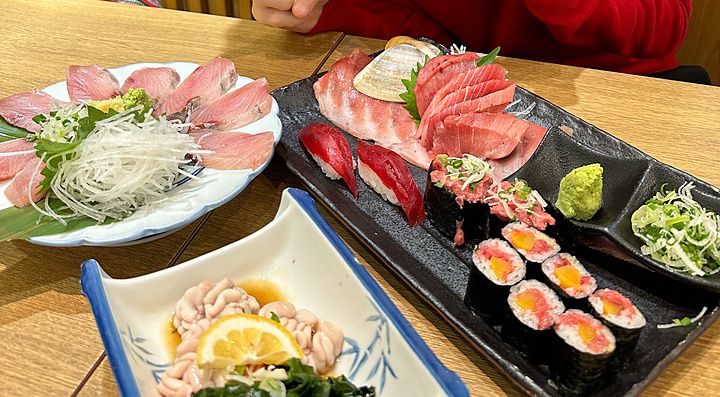 519 m
Raw fish and sushi.
 723 m
Roasts its own coffee and makes its own pies.
 877 m
A store that sells everything. Great.
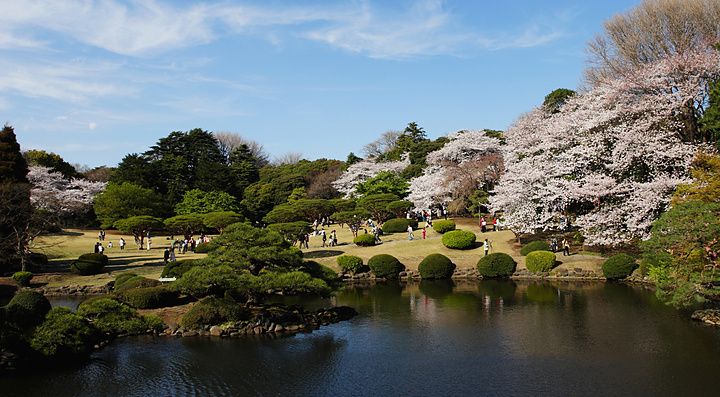 888 m
Beautiful, relaxing park.
 893 m
Surrounded by a large forest.