Nezu
When I feel like taking a slow walk, Nezu is one of the parts of Tokyo I head for. It sits north of the center, squeezed between Ueno and the old lanes of Yanaka, and it’s one of the few corners of the city that came through the 1923 earthquake and the wartime bombing almost untouched.
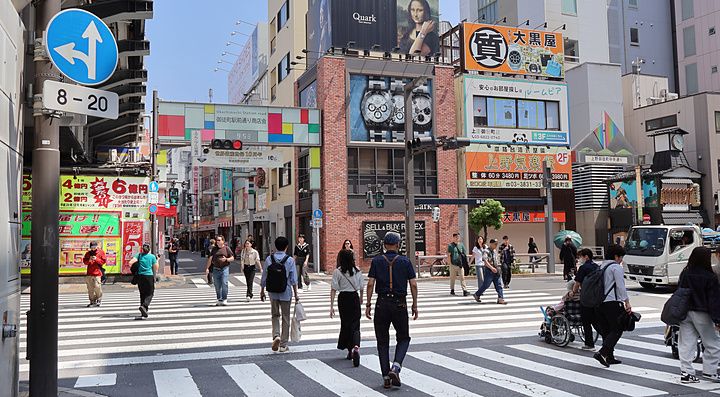
You won’t find skyscrapers or crowded crossings here. What you get instead are low wooden houses, little shops that make just one thing, and a huge shrine half hidden in the backstreets. If you’ve already seen the Tokyo of bright billboards and want to get a sense of what the city was like long before that, this is the place.
Contents
Nearby neighborhoods
Uguisudani
Hongo
The azalea hill
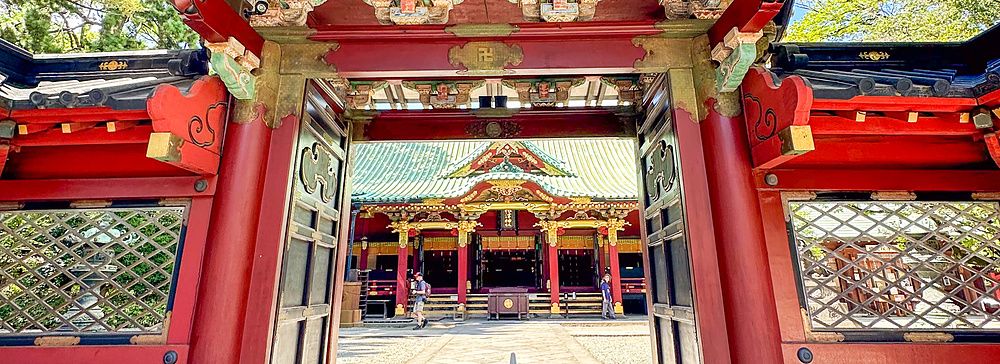
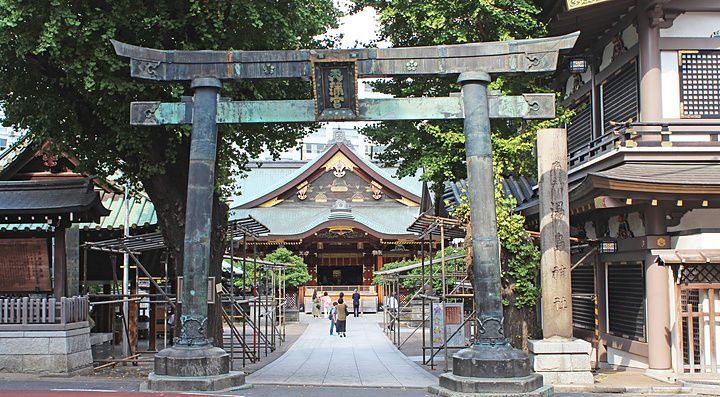
Nezu Shrine is the reason most people make it up here, and it’s worth the trip for a couple of specific reasons. The main buildings have stood since the early 1700s. The shogun Tokugawa Tsunayoshi had them built in the gongen style, the same as Nikko’s Toshogu: wood lacquered in red and gold, with the worship hall and the inner hall joined under a single roof.
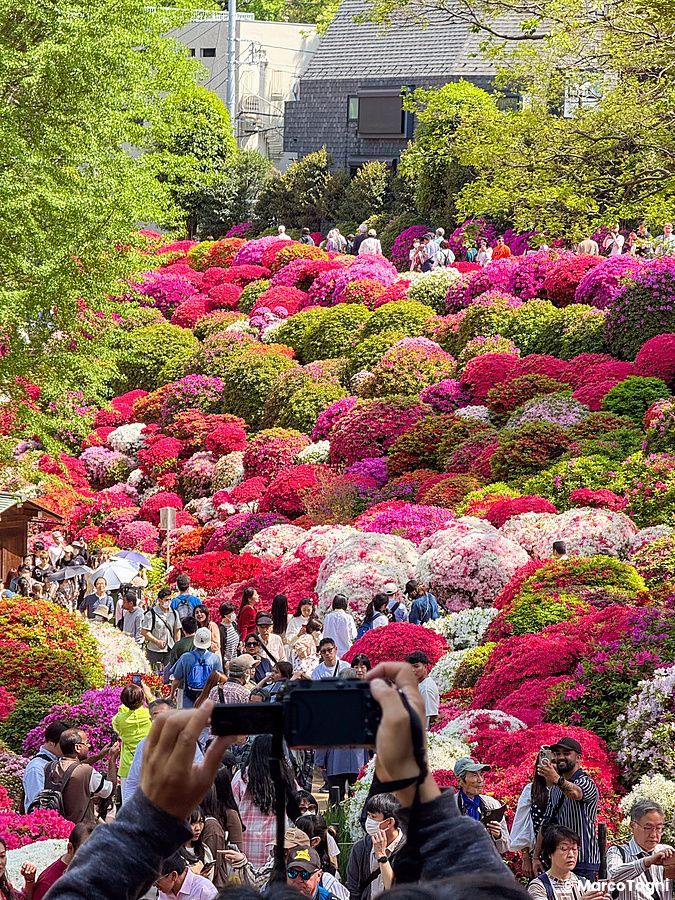
On the side of the hill there’s an azalea garden with thousands of plants in a huge range of varieties, and in April it turns pink, white and purple.
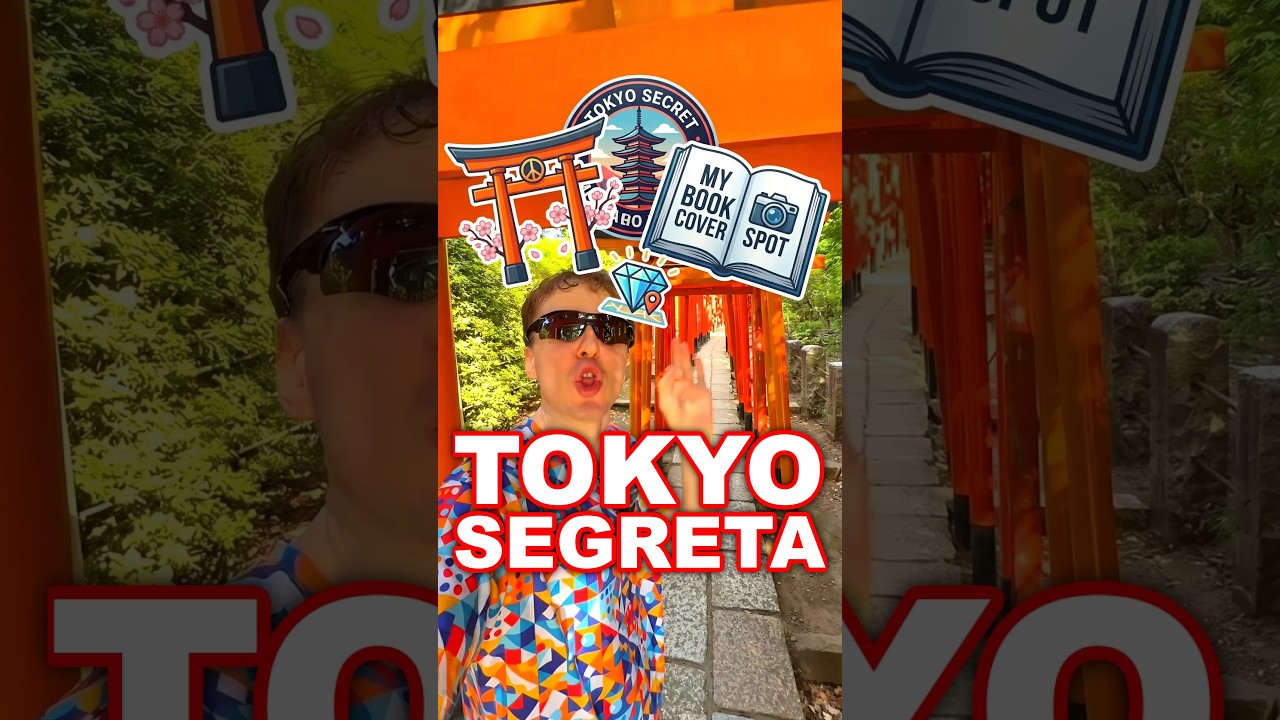
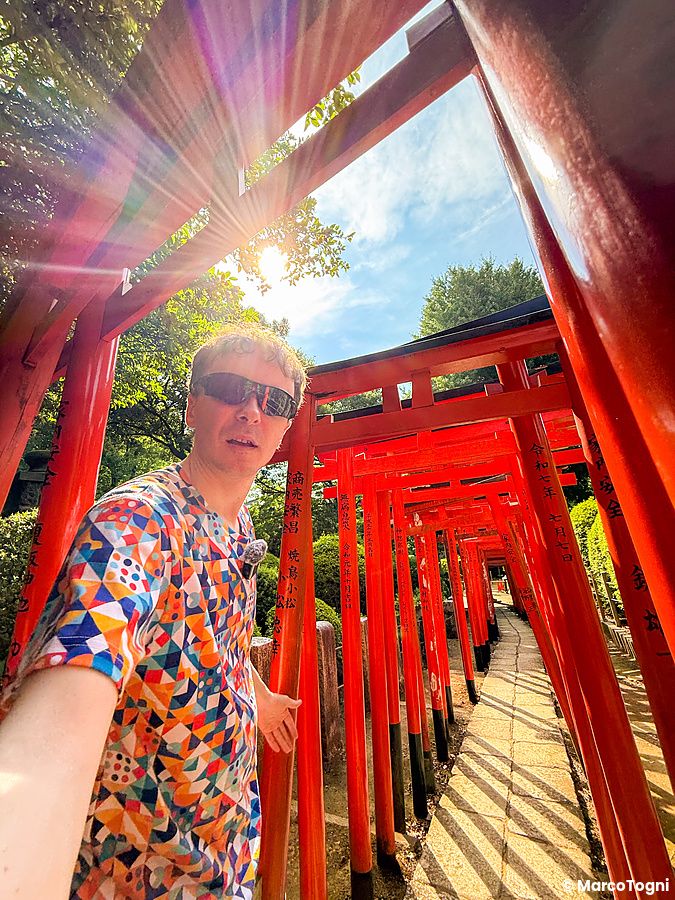
That’s when the azalea festival takes place. You need a ticket to get into the garden, but you can wander freely around the rest of the shrine. Then there’s the Otome Inari, a corridor of small red torii lined up one after another. It’s like a miniature Fushimi Inari in Kyoto, without the crowds. Honestly, it’s one of the places in Tokyo where you’ll get the best photos with fewer people around. Look up at what surrounds you, too. The lacquered gate, the long openwork fence and the monumental main gate all date from 1706, and they’re among the shrine’s seven national cultural properties. Between the earthquake and the bombing, very few Edo-period buildings are left in Tokyo, and here you have them side by side.
On the same hill, a little past the torii tunnel, there’s also the small Komagome Inari shrine, which was already here when Nezu Shrine was rebuilt.
The September festival
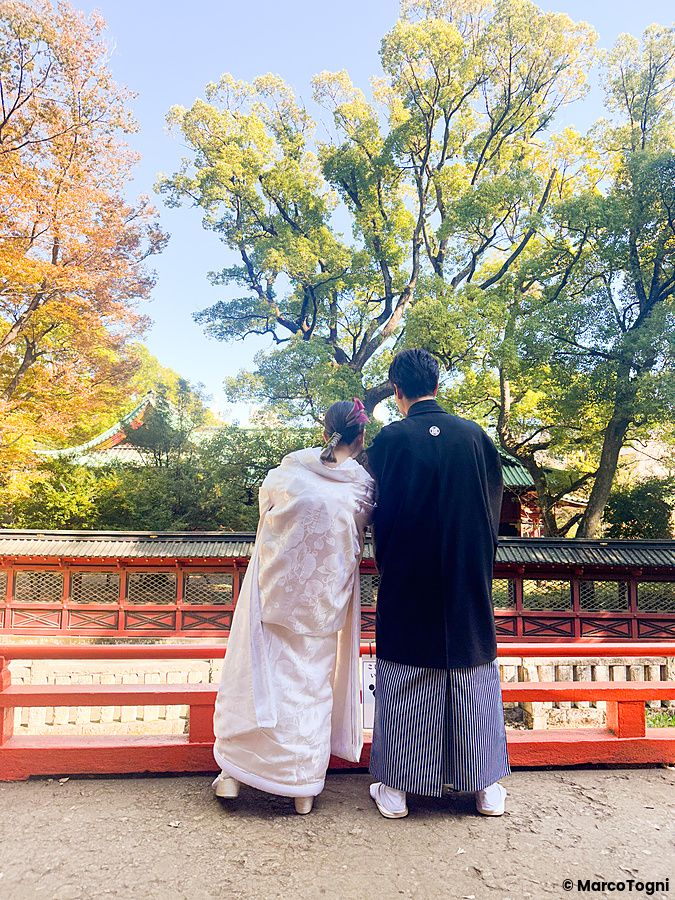
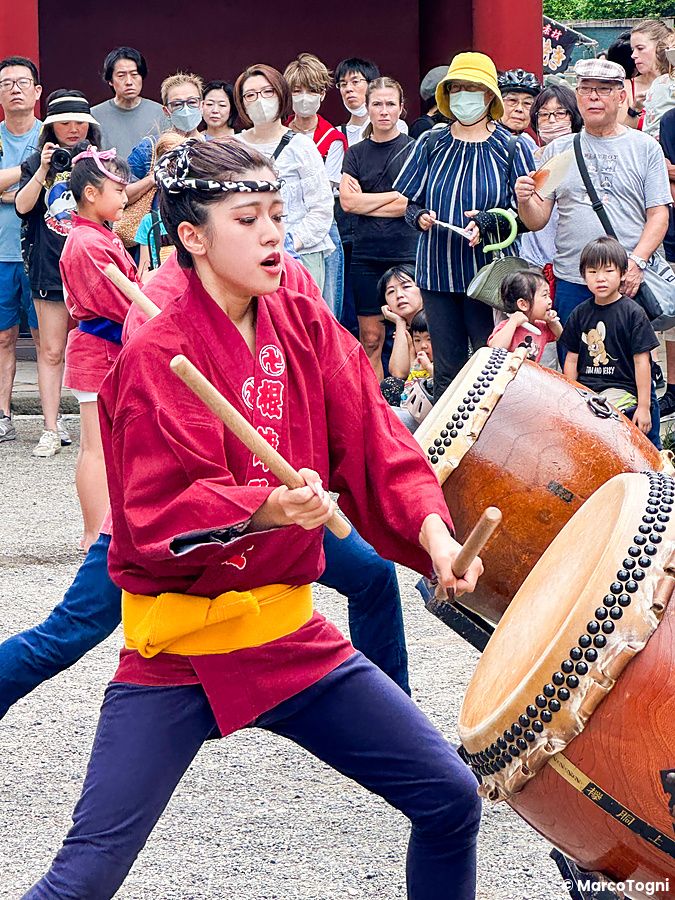
If you’re in Nezu toward the end of September, you’ll catch the shrine at its liveliest. Its annual festival is one of the great Edo-period matsuri. From the 1700s on, its procession was allowed inside Edo Castle, a privilege only a handful of shrines in the city had.
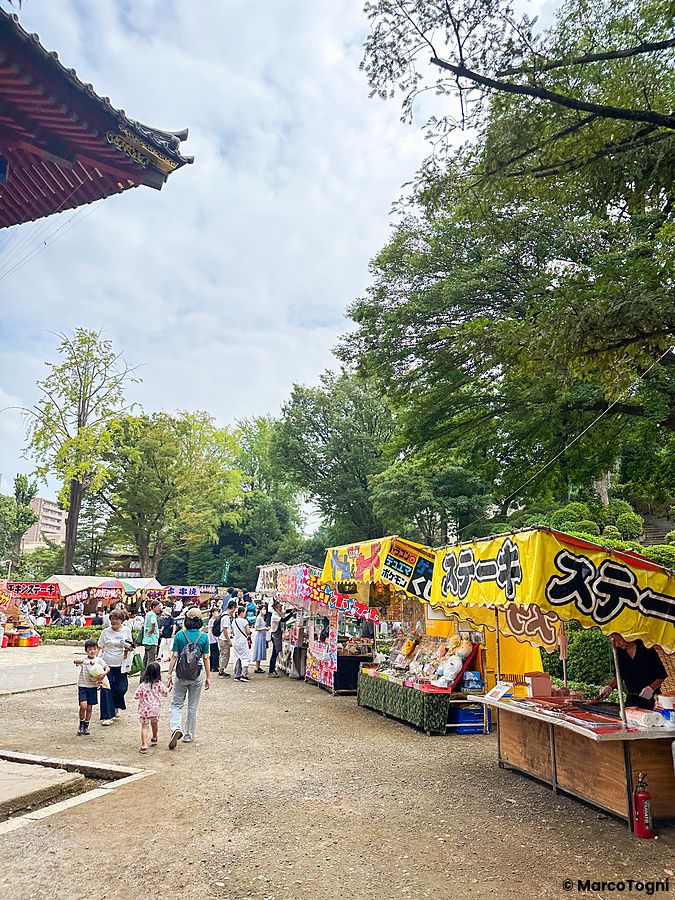
Every four years the three mikoshi donated by the shogun Tokugawa Ienobu come out and are carried through the streets of the neighborhood. In the other years the festival is more low-key, with stalls along the approach and a stage for the dances.
The highlight is the sanza no mai, a three-part dance that has been handed down here for centuries. It doesn’t last long, but if you’re in the area on those days, it’s the thing to see.
Walking to Yanaka
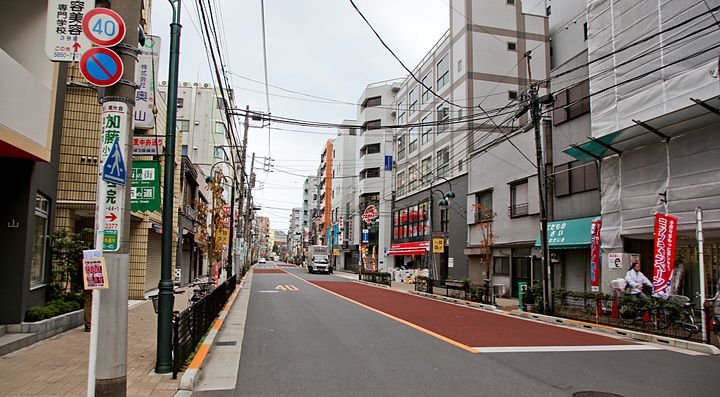
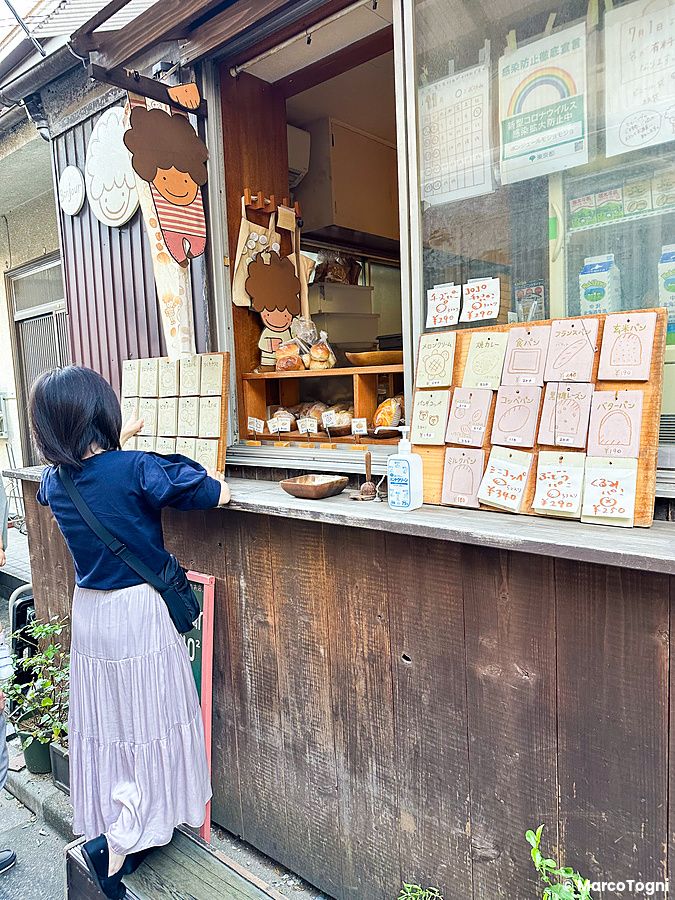
In Nezu, don’t stop at the shrine. The part I like best is getting lost in the backstreets around it, the narrow ones lined with wooden houses. In fifteen minutes they take you straight into Yanaka, with its sweet shops, cats sitting on low walls and the market street at the bottom of the sunset stairs.
Nezu on its own takes just under an hour. If you combine it with Yanaka and then walk down to Ueno, plan on a full half day, all on foot and at an easy pace.
Not much changes in the evening. There are a few cafés in old wooden houses and some tiny izakaya where most of the customers are people who live here. Don’t come looking for nightlife, because you won’t find any.
Staying here only makes sense if you want quiet and don’t mind taking the subway for everything else. On a first trip to Tokyo, I’d stay somewhere more central and come to Nezu for the day, ideally in the morning, when the lanes are still half empty.
Getting There
From Nezu Station on the Chiyoda Line, take Exit 1 and walk five minutes up a gentle slope, mostly straight ahead, to the shrine's south entrance. It's the easiest way.
If you come from Sendagi, also on the Chiyoda Line, you enter from the north side instead, which is handy if you want to continue on to Yanaka afterward.
If you're on the Namboku Line, get off at Todaimae. It's also five minutes, but with a few more turns, so keep a map handy.
Useful Info
Name: Nezu
Cost per person: Shrine: free - Azalea garden (April only): 500 to 1,000 yen, depending on the bloom
Time needed: About an hour for the shrine and Nezu's backstreets; half a day if you add Yanaka and the walk down to Ueno
Closed: The azalea garden is open only in April, during the festival; it's closed the rest of the year
Tips: In the Otome Inari torii tunnel, stand to one side and wait a few seconds. The path clears quickly, and you'll get the shot with nobody in it. Then keep going all the way up the hill, where you can look down on the shrine.
Getting there:
- Nezu Station (Tokyo Metro Chiyoda Line): Exit 1, the most convenient
- Sendagi Station (Tokyo Metro Chiyoda Line): for the north entrance
- Todaimae Station (Tokyo Metro Namboku Line): five minutes on foot
Map
MarcoMaps100% free
This place is on MarcoMaps
Nezu
My map of Japan: over 4,000 places I've tried myself, each with photos, rating, and hours. Filter by category and rating, find veg-friendly spots and places near you with GPS. No sign-up, right from your phone.
- 4,000+ places
- Rating, photos, and hours
- Veg friendly
- Near me (GPS)
- Favorites without login
- Works offline