
Niigata
Niigata Prefecture stretches along the Sea of Japan coast in the Chubu region. For a long time its capital was one of the country’s most important ports. Today it’s a modern city of skyscrapers, museums, and shopping complexes, but the old traditions live on in its gardens and historic residences, its markets full of local food specialties, its shrines, and its onsen.
The whole region is also known for its high-quality food and drink, including rice, sake, and fresh fish. Niigata is an ideal stop if you’re planning a different kind of itinerary, one that shows you a lesser-known side of Japan full of natural wonders.
Contents
Restaurants
Mountains and beaches
Niigata Prefecture has beautiful coastal and mountain scenery, and you can enjoy sports and outdoor activities there at any time of year. The Yuzawa ski area draws winter sports fans, while the inland forests and the rice terraces of Echigo-Tsumari are a green setting where you can walk, breathe in the scents of nature, and come across some incredible art installations. The Echigo-Tsumari area around Tokamachi is really an open-air museum. Much of the work from its art triennale stays in place all year, scattered among rice paddies, abandoned schools, and woods. Not far away, Kiyotsu Gorge is worth a detour for the pedestrian tunnel that runs through it. At the far end, a thin sheet of water reflects the rock and the sky like a perfect mirror.
For a taste of old Japanese traditions, stop at one of the prefecture’s hot spring villages. Or relax on one of the beaches along the coast, then catch a boat to Sado Island, where you can dig deeper into the region’s past.
Niigata city
To see the modern side of the prefecture, head to its lively, cosmopolitan capital, Niigata. In spring you can go to the cherry blossom festivals, and in summer you can watch the fireworks.
Niigata is known as the “city on the water” because it faces the Sea of Japan, and its best-known landmark is Bandai Bridge. The bridge crosses the Shinano River, which splits the city in two, with the historic district on one side and the modern one on the other. At night its six arches light up, and the romantic view, with its European charm, takes visitors by surprise. A short walk away, the Niigata Nippo Media Ship tower has an observation deck on the 20th floor, where you can look out over the river and the city all the way to the sea. It’s the ideal place to start exploring Niigata. A little farther on toward the port, the Toki Messe tower also has an observation room, and on the clearest days you can spot Sado Island from there.
Life on the coast
Life in the prefecture is split between farming traditions and an unbreakable bond with the sea. You feel that bond most along the coast, where the pace is relaxed, the waves draw surfers, and fresh fish is the star of the local cuisine. North of Niigata city lies the Sasagawanagare coast, the favorite summer spot for beachgoers and surfers. To learn more about the region’s marine life, visit the Marinepia Nihonkai aquarium. It’s very popular with families and has a large section devoted to the species and habitats of the local coastline.
Rice, the local star
Niigata is proud of its food, especially its fish and rice, and the rice is what goes into its famous sake. At Niigata Station, stop by Ponshukan, a kind of small theme park devoted to sake, where you can taste more than 100 different sakes poured from a row of vending machines.
If you’re in Niigata in March, don’t miss Sake no Jin, the prefecture’s big sake fair, where you can taste sake from lots of craft brewers. You have to buy tickets online in advance, though, because the sessions sell out fast and there’s also a lottery.
Cherry blossoms
Every season in Niigata brings something special, from the snow to the wistful fall colors that cover the region’s mountains and countryside. Spring is the favorite, though, when the cherry trees burst into bloom at Hakusan Park and Hakusan Shrine in Niigata city.
History and culture
If you’re into art, history, and culture, Niigata city has plenty of museums that might suit you. One of the most popular is Minatopia, the Niigata history museum. It’s in the old part of the city, spread across a group of historic buildings: the former Niigata Customs House, the Daishi Bank building, and the City Hall.
For a genuinely Japanese experience, visit the Northern Culture Museum. It’s housed in a traditional residence, and you can walk through its tea rooms and beautiful gardens.
What to eat in Niigata
Besides the fish from the Sea of Japan, Niigata has a few local dishes you’ll have a hard time finding anywhere else. The most distinctive is hegi soba. The dough is made with seaweed, which gives the noodles a firm, springy texture, and they’re served in neat little bundles on a wooden tray.
Tarekatsudon is another local favorite. Unlike classic katsudon, it has no egg or onion, just thin cutlets dipped in a sweet soy sauce and laid over rice. If you’re curious about local street food, try Italian, yakisoba topped with meat sauce and sold at stands around the city. It sounds odd on paper, but everyone here grew up on it.
At home, people eat noppe, a velvety stew of vegetables and taro. As for sweets, the classic souvenir is sasadango, an anko-filled rice dumpling wrapped in bamboo leaves.
Getting There
From Tokyo, the easiest option is the Joetsu Shinkansen, which takes about two hours and goes straight to Niigata Station. Take the Bandai exit, and you're a ten-minute walk from the big shopping complexes and fifteen minutes from Bandai Bridge.
If you're heading for the snow, get off earlier at Echigo-Yuzawa, just over an hour from Tokyo.
There are no direct trains from Osaka, Kyoto, or Nagoya. You either go through Tokyo or take the Hokuriku Shinkansen to Joetsumyoko and change to the Shirayuki limited express. On these routes it's worth considering a flight, since Niigata Airport has connections to Japan's major cities, or a long-distance night bus.
Useful Info
Name: Niigata
Time needed: 2-3 days for the city and the mountains, 4-5 if you add Sado Island
Tips: Inside Niigata Station, stop by Ponshukan. For 500 yen you get five tokens to drop into the sake machines. Pick five sakes in different styles and compare them. It's the quickest way to figure out what you like before you buy a bottle.
Getting there:
- Niigata Station (Joetsu Shinkansen, JR Shinetsu, JR Hakushin): Bandai exit for downtown
- Echigo-Yuzawa Station (Joetsu Shinkansen): for the ski resorts and hot spring villages
- The sightseeing loop bus to the museums and the port also leaves from Niigata Station, and so do the airport buses
Map
MarcoMaps100% free
This place is on MarcoMaps
Niigata
My map of Japan: over 4,000 places I've tried myself, each with photos, rating, and hours. Filter by category and rating, find veg-friendly spots and places near you with GPS. No sign-up, right from your phone.
- 4,000+ places
- Rating, photos, and hours
- Veg friendly
- Near me (GPS)
- Favorites without login
- Works offline


Sado Island
Off the coast, Sado shows the oldest side of the prefecture. For four centuries it was the island of gold. Its mines stayed open until 1989 and are now a UNESCO World Heritage Site. You visit them by walking through the hand-dug tunnels beneath Doyu no Warito, the mountain split in two by mining.
Sado is also where emperors and monks who fell out of favor were sent into exile. That isolated past left the island with a Noh theater tradition that’s still very much alive, and with the drums of Kodo, Japan’s most famous taiko group. Along the southern coast, look for the tarai bune, the funny tub boats local women still use to gather shellfish and seaweed.
Also in this section
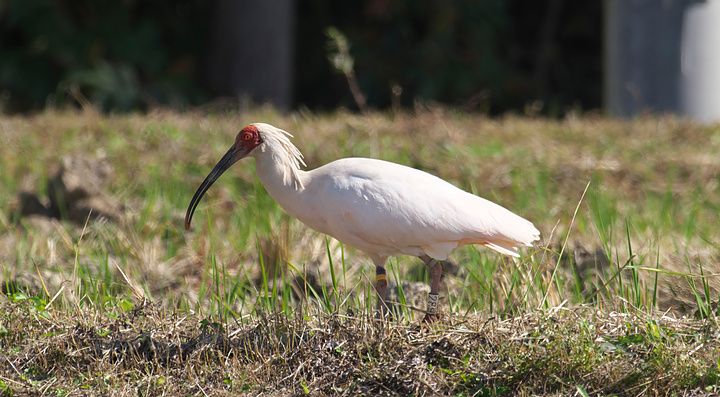
Toki Forest Park
Ibis museum and aviary.