Where to Eat in Nikko
The best places.
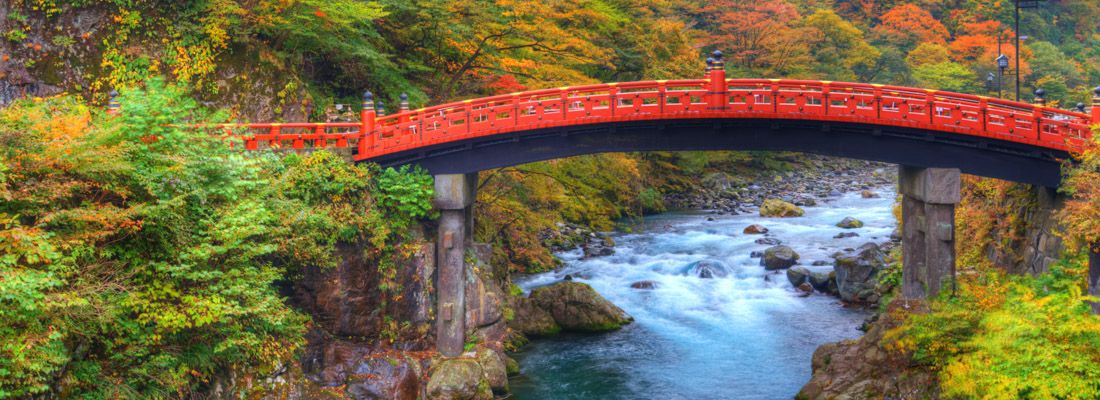
Just over a hundred kilometers north of Tokyo is Nikko, a historic place rich in culture.
Like Kamakura, which is also in my recommended itineraries, Nikko is a place you can see in a single day.
The best places.


If you’re torn between the two, read “Which is better, Nikko or Kamakura?” to help you decide where to go.
From Tokyo you leave from Asakusa Station, the Tobu terminus. The limited express trains reach Tobu-Nikko in under two hours with no changes, while regular trains take about three hours with two changes, at Minami-Kurihashi and Shimo-Imaichi.
If you have a Japan Rail Pass, you can take the Tohoku Shinkansen to Utsunomiya instead and continue on the JR Nikko Line.
Nikko's two stations are one minute apart. From there, Toshogu is about a 30-minute walk, slightly uphill, or about ten minutes by bus, getting off at the Shinkyo Bridge stop.
This place is on MarcoMaps
Nikko
My map of Japan: over 4,000 places I've tried myself, each with photos, rating, and hours. Filter by category and rating, find veg-friendly spots and places near you with GPS. No sign-up, right from your phone.


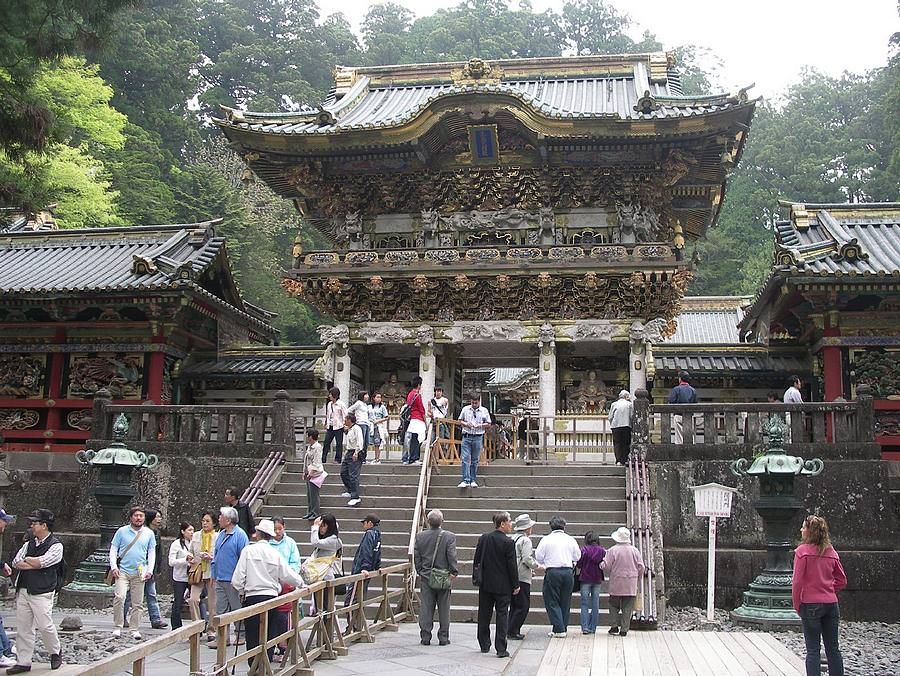
Creative Commons Shadowgate
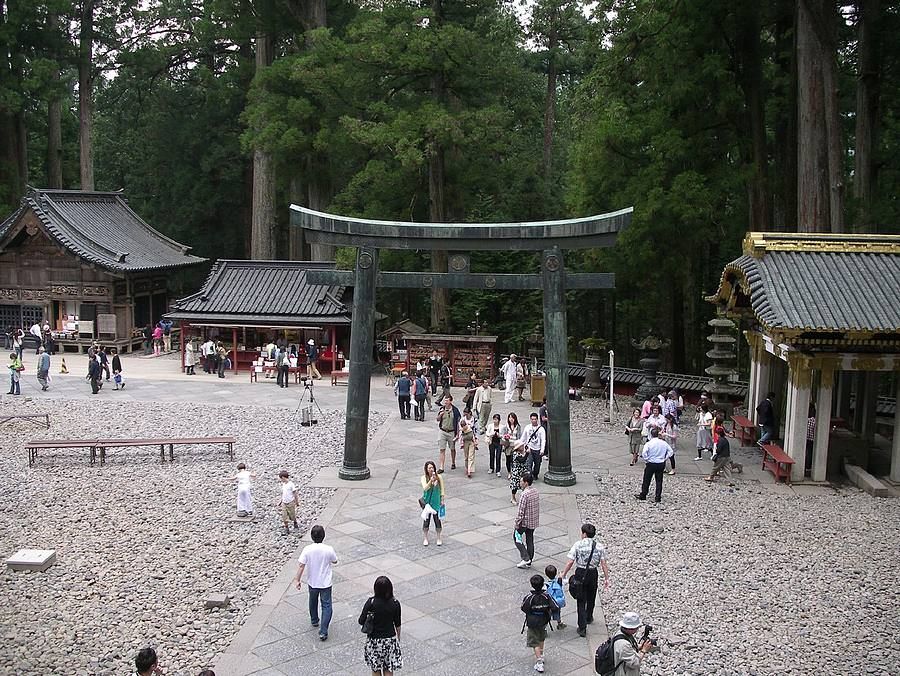
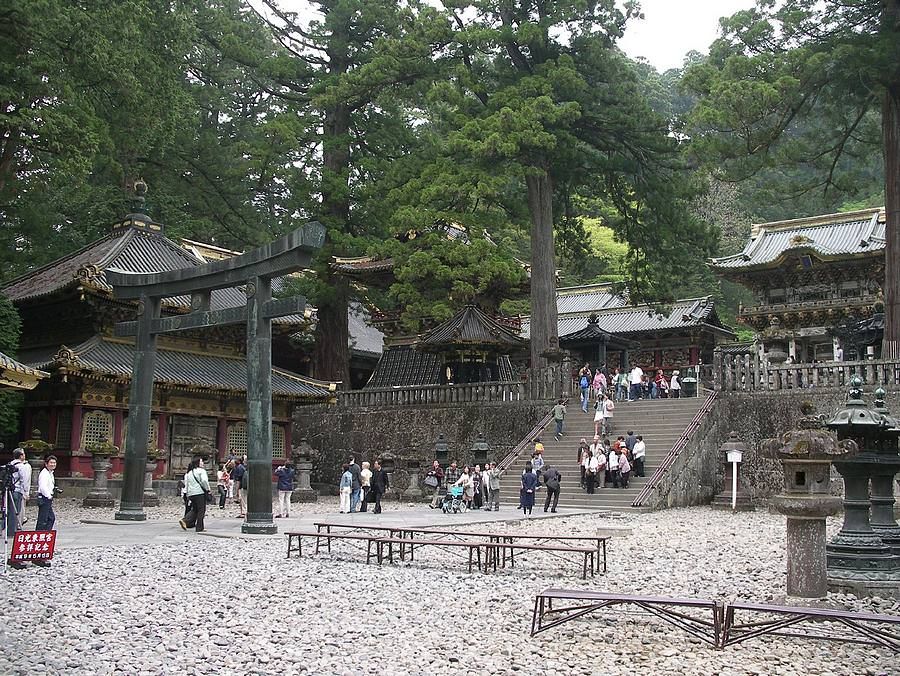
Toshogu is probably Nikko’s best-known and most important sight. It’s an enormous shrine, built in the seventeenth century by around 15,000 people.
Size and cultural significance aside, the most curious thing here is probably the three monkeys: see no evil, hear no evil, speak no evil.
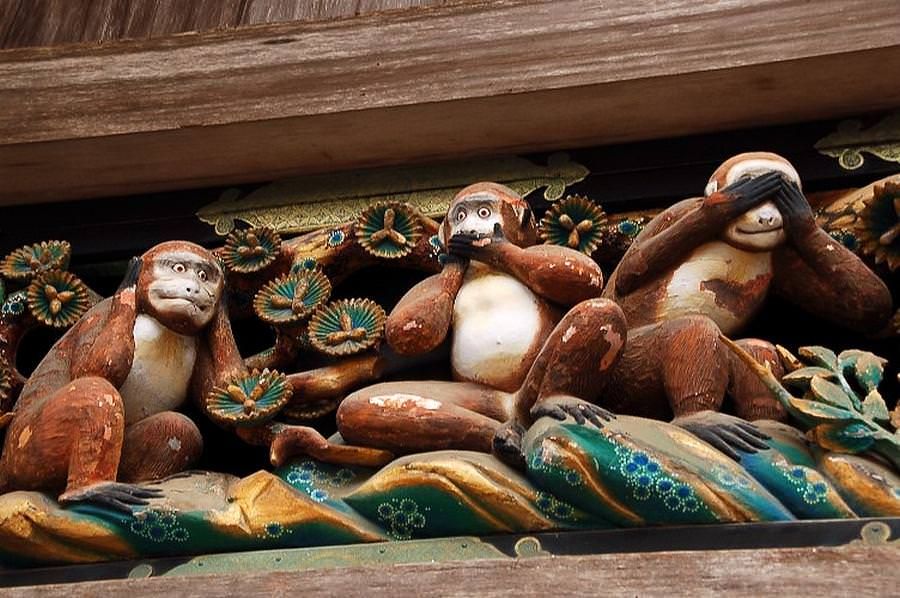
Creative Commons *SuiKa*
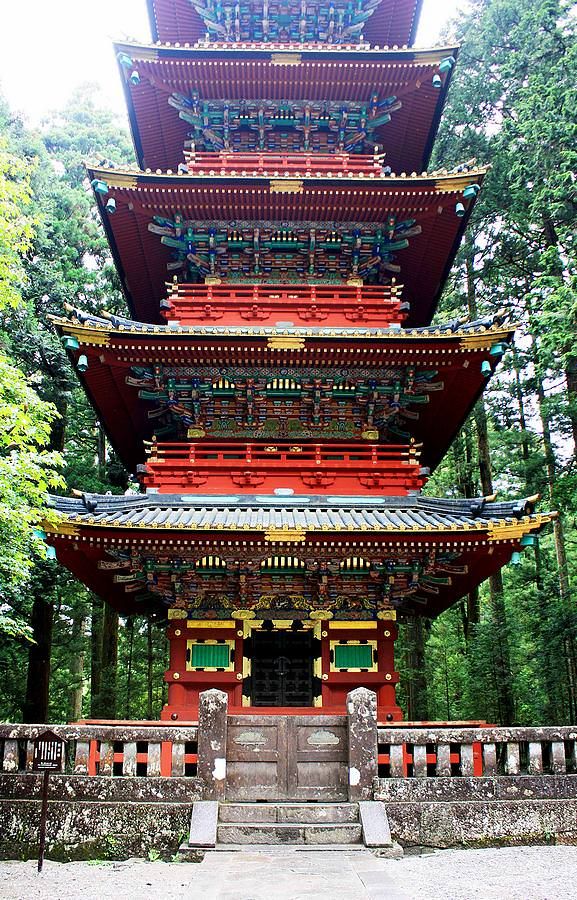
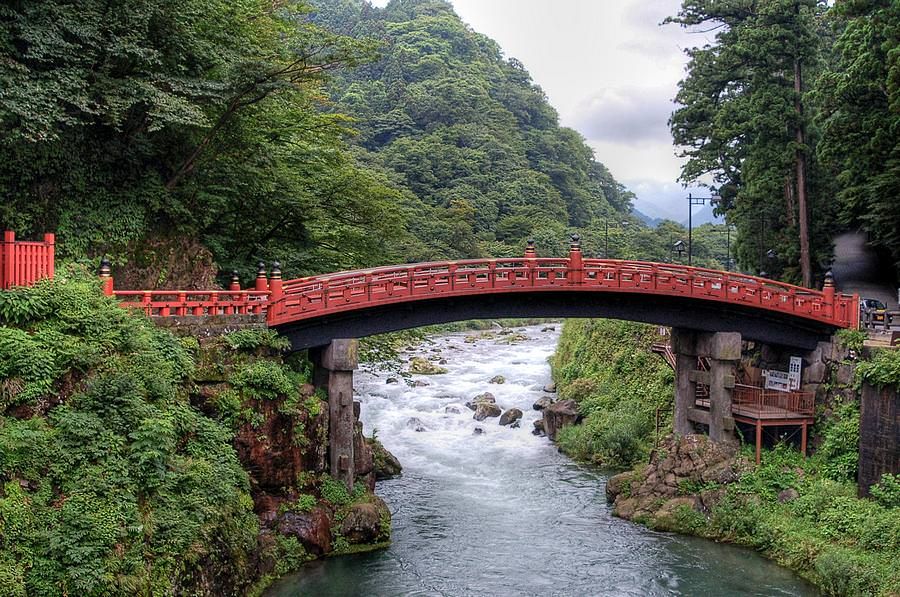
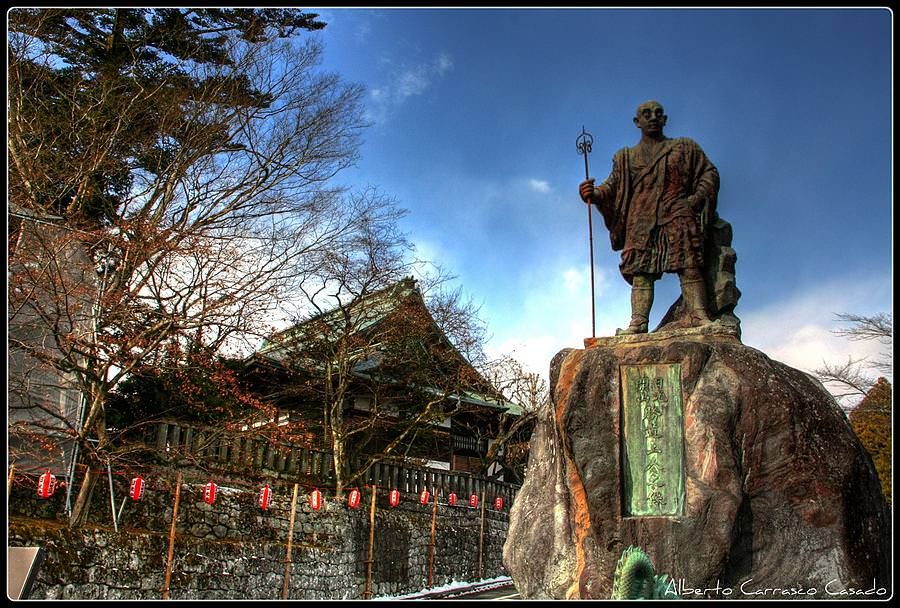
There’s plenty more to see in Nikko, like the sacred Shin-Kyo Bridge, Rinno-ji Temple with its gilded statues inside, the gorgeous Yomeimon (the Sun Gate), Futarasan-jinja Shrine and Taiyuin.
The photos below should help you pick the sights you’d like most, though they’re all close enough to each other that you could see every one of them in a fairly short time.
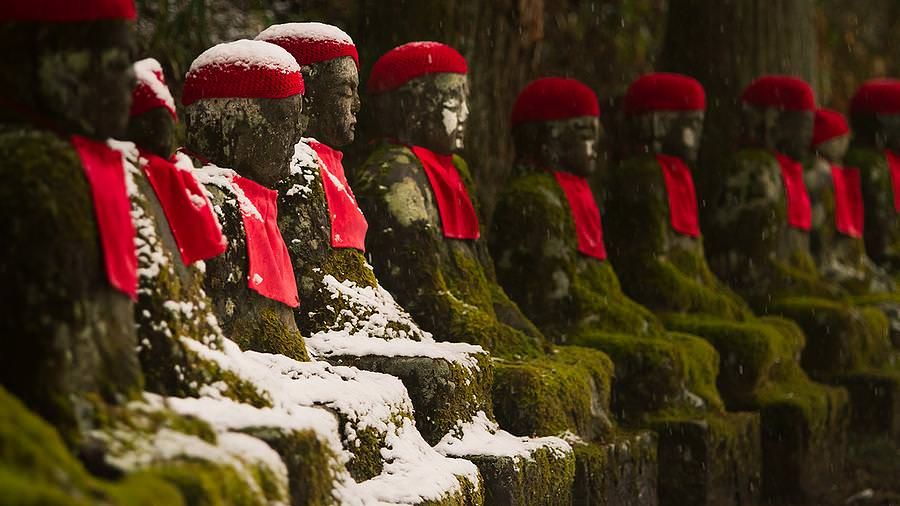
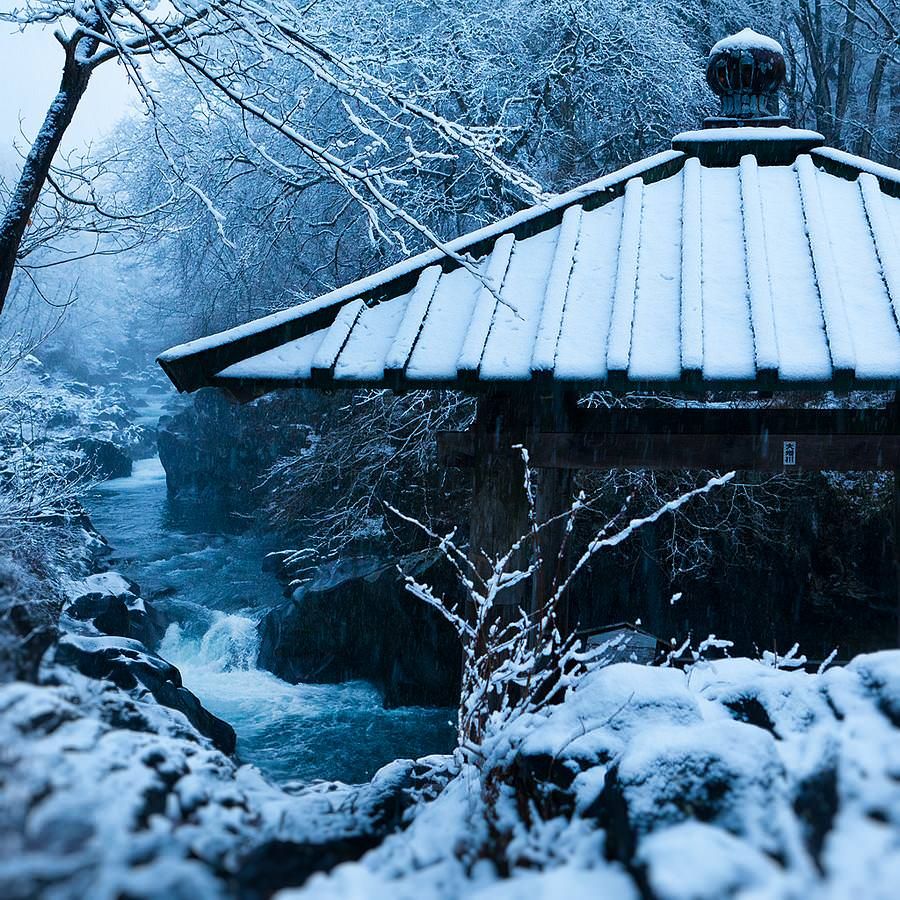
Just outside the center, Kanmangafuchi Gorge runs along the Daiya River. It’s a quiet trail between lava rock and green water, a world away from the crowds at the shrines. The reason to come out here is the row of stone Jizo statues lined up one after another under the trees, each wearing a little red cap.
They’re known as bake-jizo, the “ghost jizo,” because if you count them on the way out and again on the way back, you supposedly never get the same number. It’s the quietest corner of Nikko, and in autumn it’s also one of the most photogenic spots.
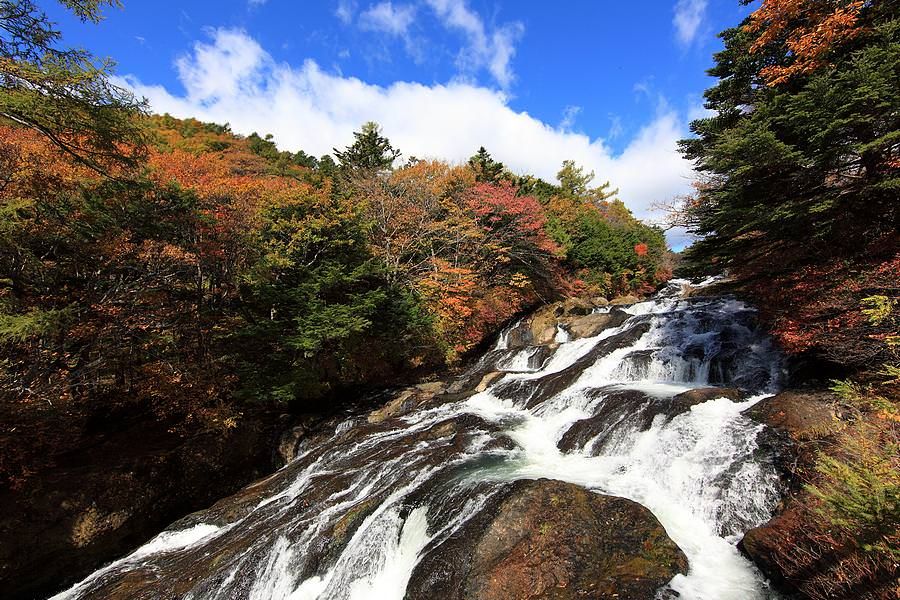
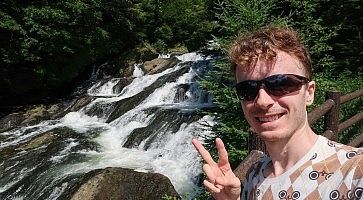
Nikko National Park has some beautiful waterfalls. In autumn especially, usually toward the end of October, the leaves turn every color imaginable, which makes for some great photos.
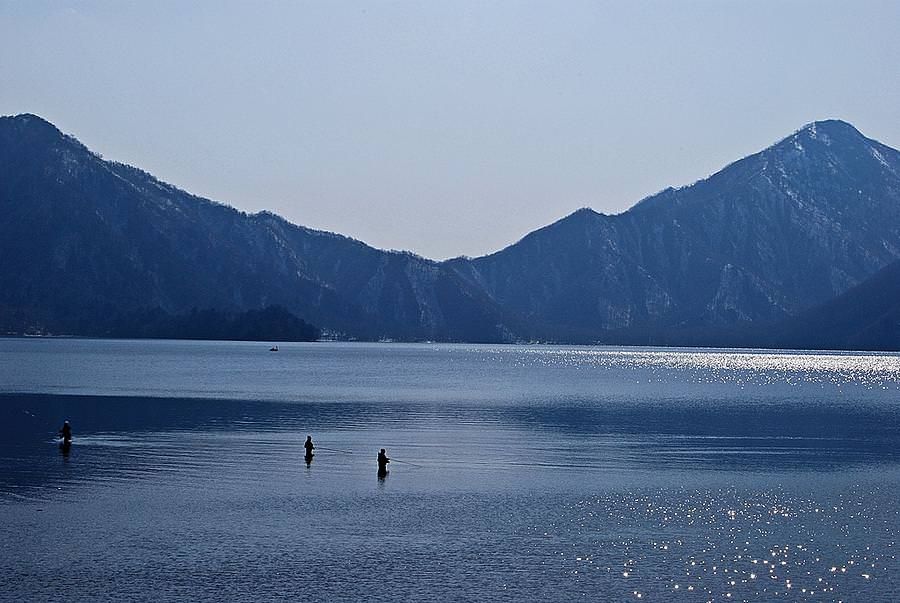
Up the switchbacks of the Irohazaka, the winding road to the upper part of Nikko, you come to Lake Chuzenji, which formed when lava from Mount Nantai blocked the valley. Kegon Falls is close by and drops almost a hundred meters. An elevator takes you down to a platform at the base, and the view from down there is far more impressive than from the lookout up top.
If you have time, it’s worth pushing on to the Senjogahara Plateau, where level trails run through marshland and birch woods, and to Ryuzu Falls, one of the most photographed spots in the whole area once the leaves change color.
© Lost in Japan, by Miguel Michán
Creative Commons aschaf
Creative Commons Shadowgate
Creative Commons Freakland - ???????
Creative Commons Alberto Carrasco Casado
Creative Commons scion_cho
Creative Commons Shadowgate
Creative Commons TANAKA Juuyoh (????)
Creative Commons Lost in Japan, by Miguel Michán
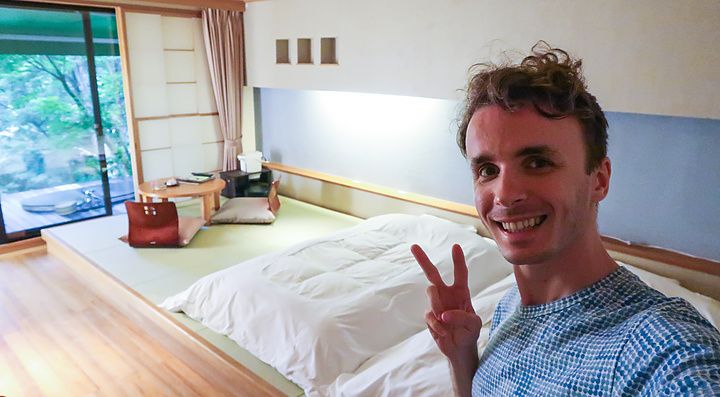
Ryokan, private baths, and kaiseki dinner.