Oimachi
One of the handiest rail hubs in southern Tokyo, and a place I like precisely because it brings together two sides that usually don’t sit next to each other.
Oimachi has department stores, the Shinagawa City Office, office towers, and shopping malls connected to the station. Right next to all that are narrow alleys full of red lanterns where people eat shoulder to shoulder.
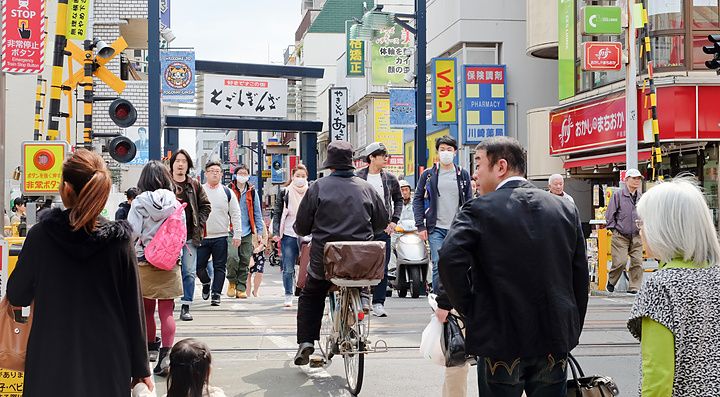
I change trains here on my way back from Odaiba or when I’m coming in from Jiyugaoka, and every time I end up staying longer than I planned. It’s not a picture-postcard kind of place, but if you want to see what everyday Tokyo is like, it’s worth the time you spend there.
Contents
Restaurants
Nearby neighborhoods

Shinagawa
Meguro
Three train lines
Oimachi is served by three different lines, and that’s what makes it so easy to get around in any direction from here.
Each one takes you to a completely different part of the city.
- The JR Keihin-Tohoku gets you to Shinagawa in no time and then straight up to Akihabara and Ueno, handy if you’re catching the shinkansen.
- The Tokyu Oimachi Line is the one I take to the residential neighborhoods to the west. Jiyugaoka is about nine minutes away on the express.
- The Rinkai Line takes you to Odaiba without changing trains, and if you transfer at Shin-Kiba you can also reach Maihama, the station for Tokyo Disney.
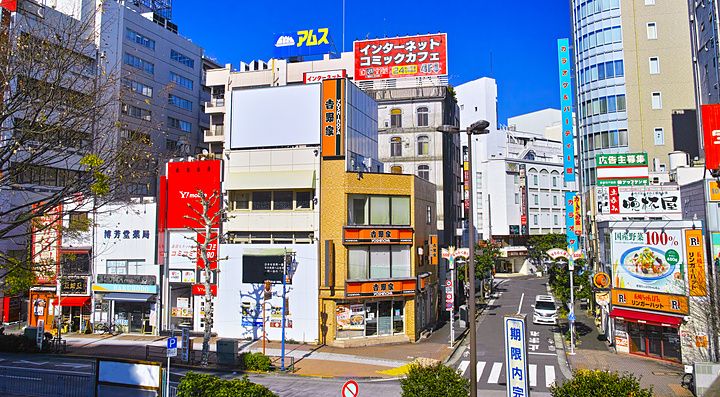
On the west side, above and around the station, you’ll find almost everything you need.
There are big shopping centers like Atre Oimachi, Hankyu Oimachi Garden, Yamada Denki, and Ito-Yokado, plus a supermarket open late into the night if you’ve run out of something.
The east side is a different story, and that’s where I’d send you for the liveliest part of the neighborhood.
Drinking in the alleys
Higashi-Koji begins right outside the east exit, a maze of lanes so narrow you have to walk through them single file.
It grew out of the postwar black market, and its Showa-era feel is still intact, with tiny places packed in side by side. You’ll find every kind of place to eat, from old-school izakaya to ramen shops with lines out the door, and these days some more modern bars and bistros have popped up among the old counters. And Higashi-Koji isn’t the only one. Go past Suzuran-dori and the Zeems-zaka slope and you reach a second alley of tiny bars and eateries, Heiwa Koji, which is even narrower.
Put end to end, the two don’t even add up to a hundred meters, yet they squeeze in snack bars, Chinese restaurants, old-fashioned Western-style places, and tiny izakaya. There’s really no such thing as the wrong alley here.
I come here when I want a drink without spending much. Sen-bero, the idea of having a few drinks for about 1,000 yen, is right at home here, and for a few thousand yen per person you walk out full and a little tipsy.
If you want to get the smell of fried food and smoke off you afterward, there’s a big public bath above the Hankyu with different kinds of tubs. You pay once and stay as long as you like.
Day drinking
One thing that has always struck me about Oimachi is that you don’t have to wait for evening.
Lots of small bars and tachinomi pull up their shutters in the early afternoon, and even earlier on weekends, so you end up with a glass in your hand while the sun is still out. It’s a very Japanese scene and not very touristy: people just off work, local retirees, people who’ve finished their shopping.
If you’ve got a free afternoon and don’t know what to do with it, that’s the time to come. You’ll get a seat at the counter without waiting, and you pay what you always pay here, which isn’t much.
I sometimes stop in before heading into central Tokyo and end up staying a lot longer than I meant to.
The train depot
The Tokyo General Vehicle Center runs along the tracks on the south side of the station, and it’s one of the biggest rail depots in Tokyo.
All the Yamanote Line trains, the ones that loop around the city all day long, are stored and serviced here. From the pedestrian bridge over the tracks you can see dozens of them parked in rows, and if you’re traveling with kids or love trains, it’s a free show that can keep you there for a good while.
Once a year the depot opens to the public for a festival day, with driver’s cabs you can try out and trains on display. It’s very popular with local families, so check the dates before your trip.
Beyond that, Oimachi isn’t somewhere you spend half a day sightseeing. It’s somewhere you use.
It’s a good place to stay, because it’s full of reasonably priced business hotels, and from here you can get to central Tokyo, the airport, and the bay without going the long way around. The way I see it, an hour in the alleys one evening and a quick stop before heading on to Odaiba are enough to leave you feeling you’ve seen a side of Tokyo that rarely makes it into photos.
Getting There
It's just one stop from Shinagawa on the Keihin-Tohoku Line, so you can get here in a few minutes even from Tokyo, Akihabara, or Ueno.
From Odaiba, the Rinkai Line brings you straight back here without changing trains. From the residential neighborhoods to the west, the best known of which is Jiyugaoka, you come in on the Tokyu Oimachi Line.
Once you're at the station, you have two very different sides to choose from. Take the west exit for shopping malls and department stores, or the east exit for the lantern-lit alleys, which start right outside the ticket gates.
Useful Info
Name: Oimachi
Time needed: One or two hours, ideally in the evening
Tips: In the Higashi-Koji alleys, don't settle into the first place you find. People here go bar-hopping, with one drink and one dish at each spot before moving on. The counters have only a few stools and fill up fast in the evening, so be flexible and squeeze in wherever there's room.
Getting there:
- Oimachi Station (JR Keihin-Tohoku, Tokyu Oimachi Line): from here you can cover the whole neighborhood on foot
- Oimachi Station (Rinkai Line): underground platforms, connected to the JR station
- Shinagawa Station (JR, Keikyu, shinkansen): one stop away, handy for long-distance connections
Map
MarcoMaps100% free
This place is on MarcoMaps
Oimachi
My map of Japan: over 4,000 places I've tried myself, each with photos, rating, and hours. Filter by category and rating, find veg-friendly spots and places near you with GPS. No sign-up, right from your phone.
- 4,000+ places
- Rating, photos, and hours
- Veg friendly
- Near me (GPS)
- Favorites without login
- Works offline

