

 110 m
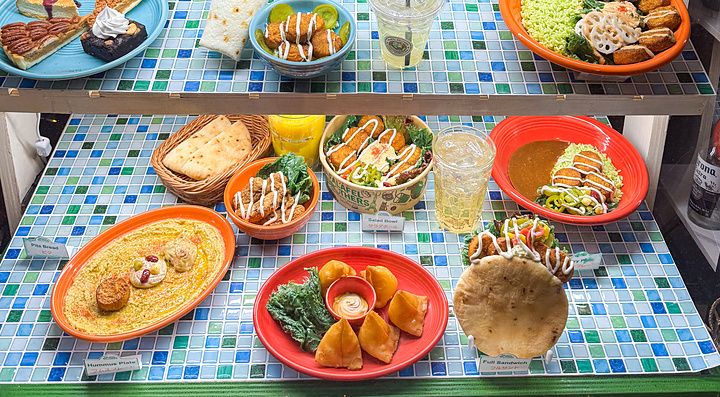
Falafel Brothers110 m
Pita, hummus and vegan food.
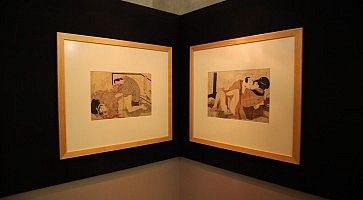
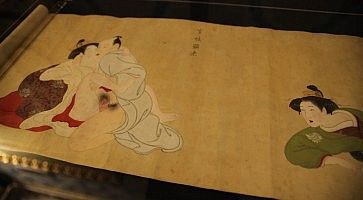
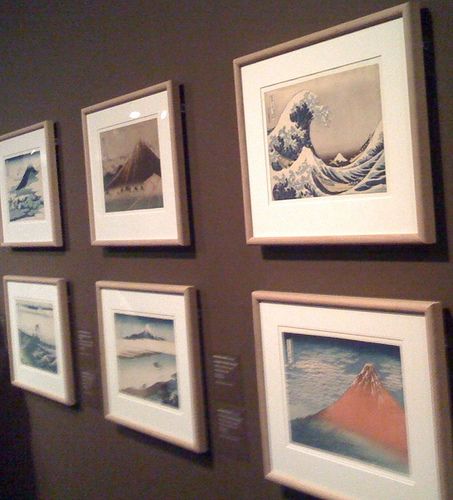
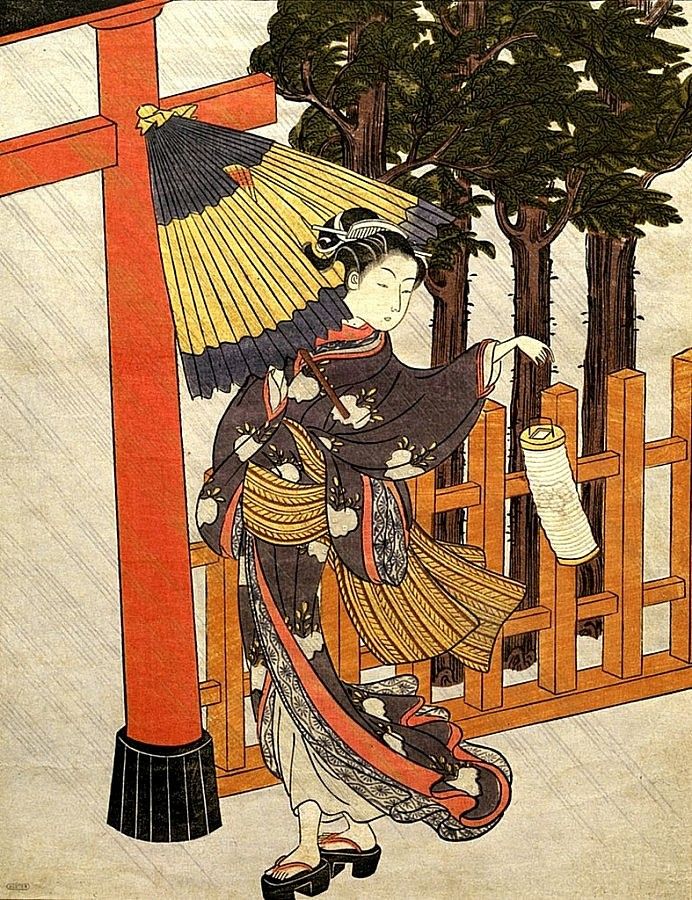
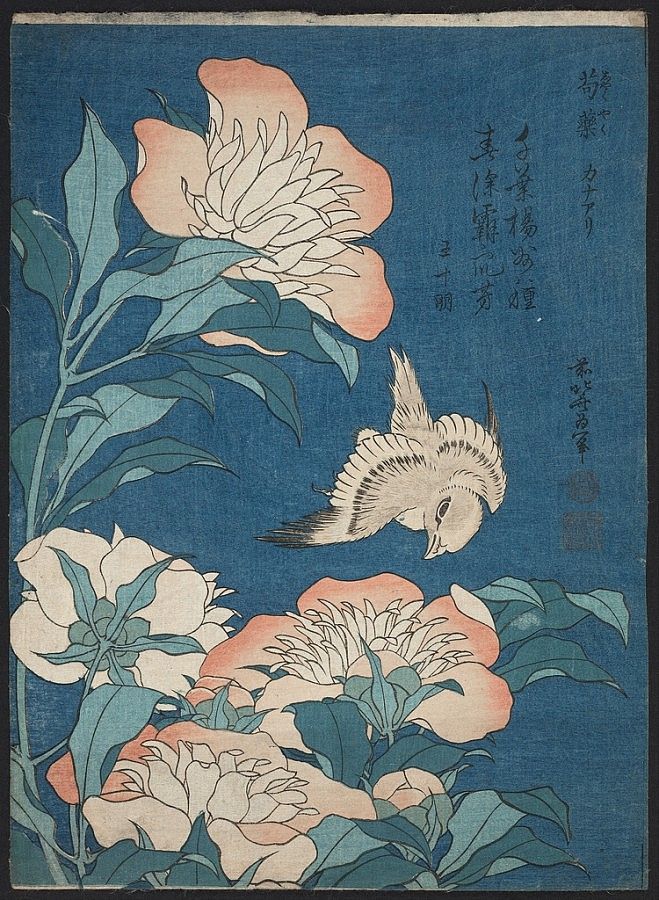
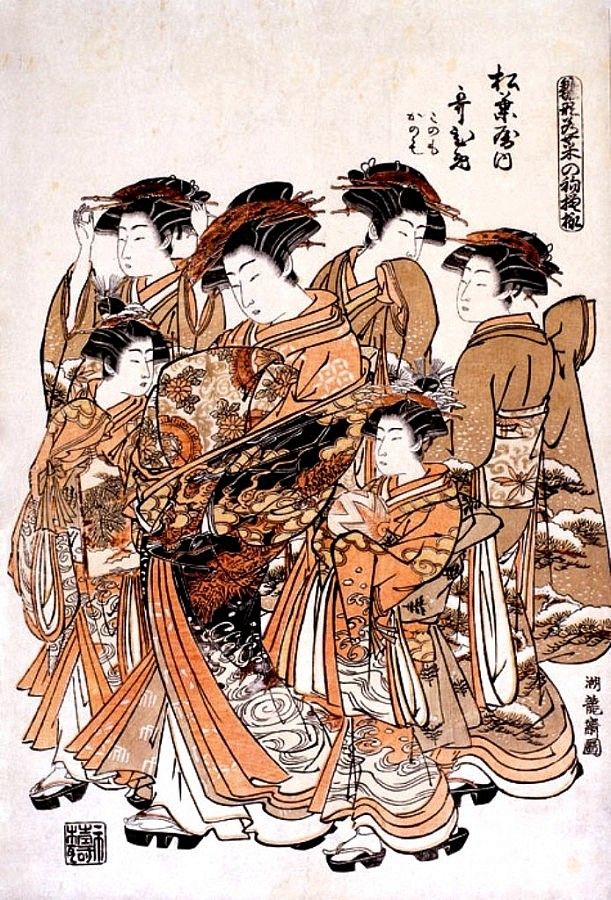
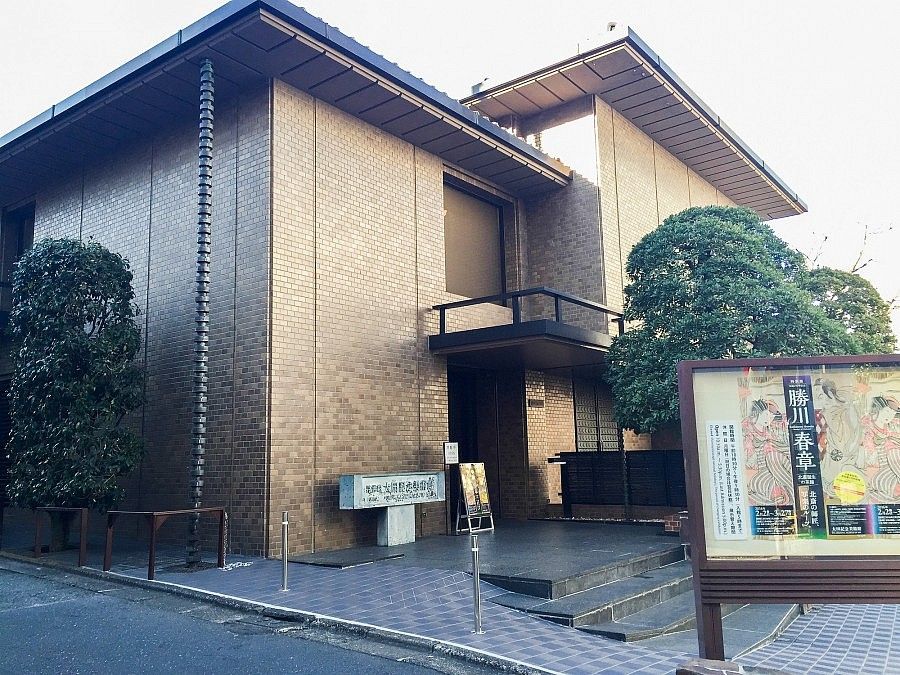
Leave the Omotesando shopping street behind and you’ll stumble on the small Ota Museum, a temple of Japanese art that holds a one-of-a-kind collection of ukiyo-e, the famous woodblock prints of the Edo period.
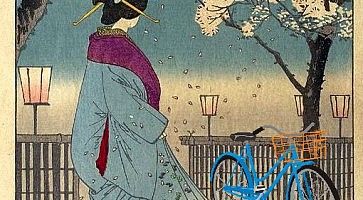
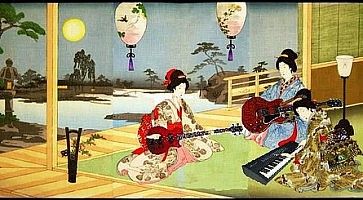
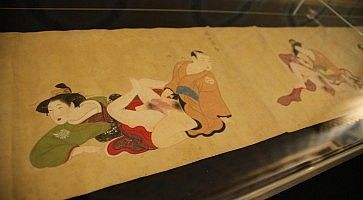
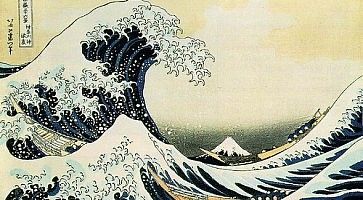
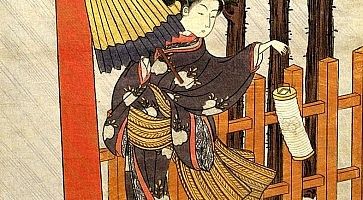
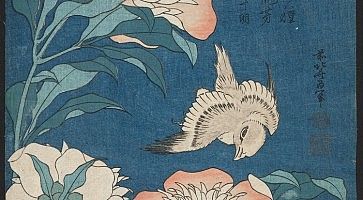
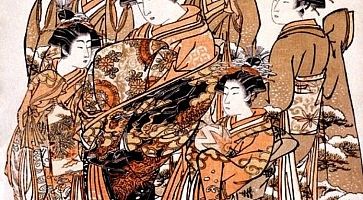
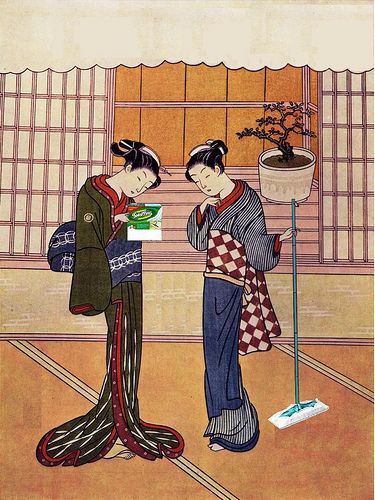
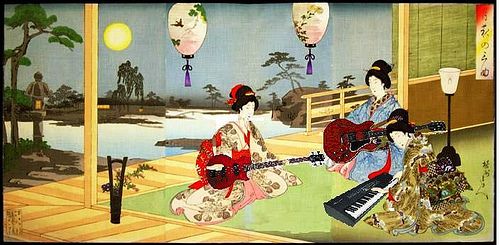
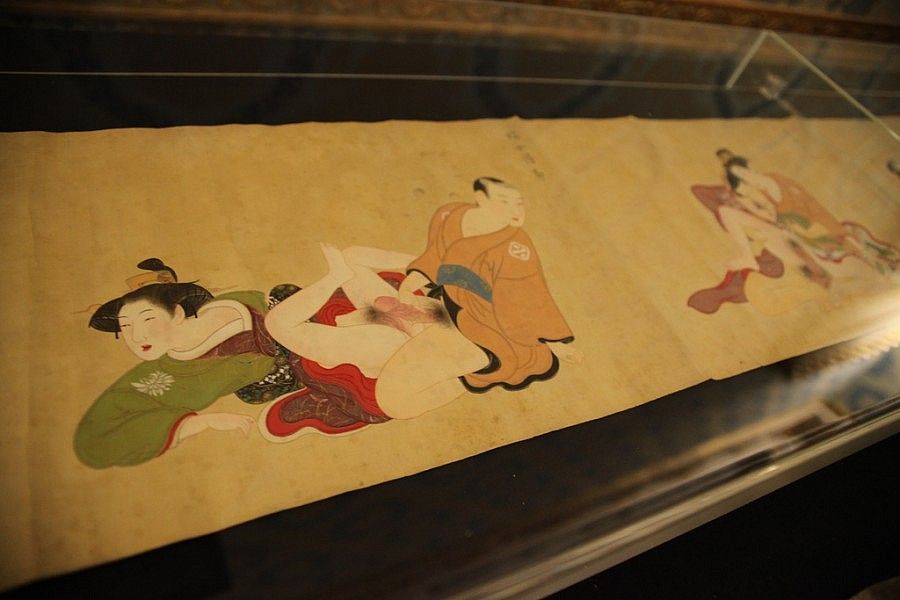
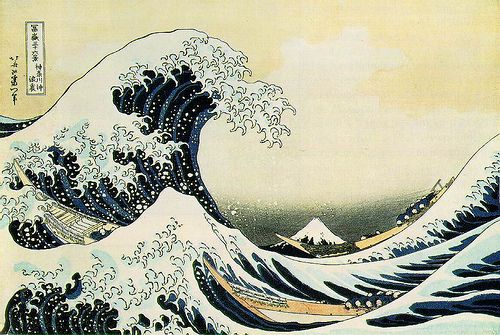
Ukiyo-e depicted the “floating world,” meaning everyday life at the time: theaters, teahouses, geisha and cherry blossoms. The prints caught on first in Japan and then in the West, where they ended up influencing Van Gogh and Toulouse-Lautrec.
As you look at one of Japan’s loveliest collections, you learn about the customs and way of life of old Tokyo and let your imagination take you back to how people lived then.
At the start of the Meiji period, many ukiyo-e masterpieces were taken out of the country, particularly to Europe and the United States, and Japan lost an important part of its artistic heritage. Ota Seizo V, a company president and philanthropist, wanted to protect and preserve this old art form, so he started buying ukiyo-e. In the end he collected more than 14,000 works.
After Ota Seizo died, his family decided to carry on his work promoting and protecting Japanese art, and began organizing exhibitions so people could see how beautiful these works are. The result was the Ota Museum, which opened in 1980 a short walk from Omotesando. Its official name, Ota Memorial Museum of Art, is a tribute to its founder, a way to remember the man who brought home an important part of Japanese art.
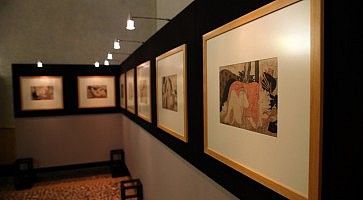
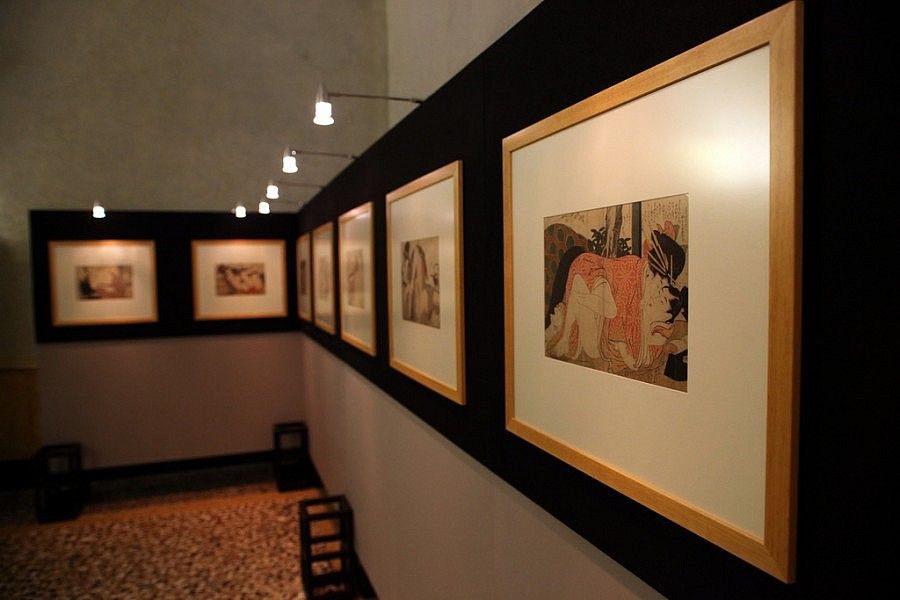
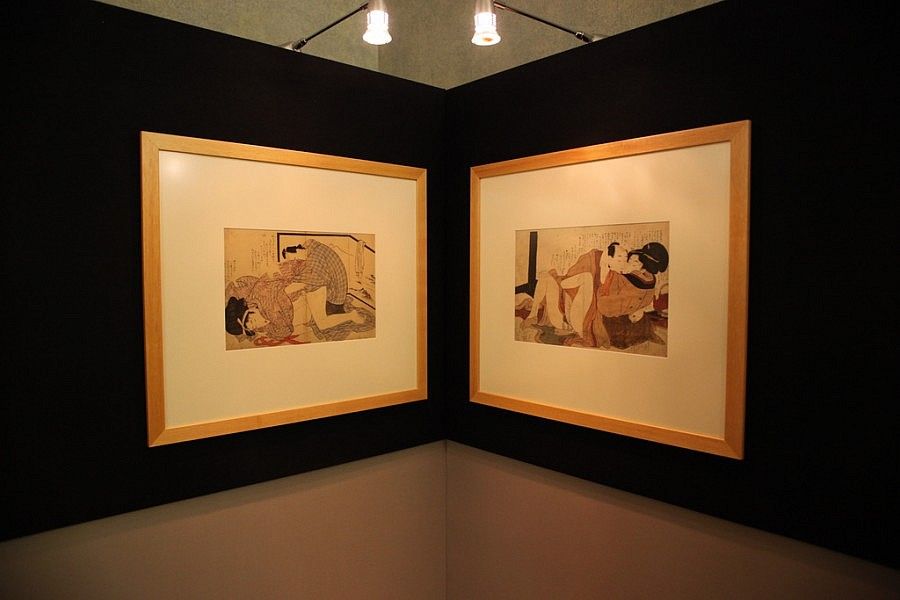
At the entrance you take off your shoes as a sign of respect. Once you’re inside, you’re surrounded by a calm, relaxing atmosphere. The soft lighting, the bamboo details and the lanterns scattered around the rooms make it a quiet space, perfect for pausing in silence to take in the wonders in front of you. Only about a hundred works are on display at a time, partly because the building is small and partly because the works are delicate and could get damaged if they were on view all the time. Every month the museum closes for a few days to swap the works on display, so visitors always have new, beautiful pieces to see. Many of the ukiyo-e are signed by very famous artists like Hokusai and Hiroshige, and next to each masterpiece you’ll find an explanation in English.
Even though these works are hundreds of years old, you’ll notice that the colors are still bright. They stand out in the dim light and catch your eye right away. That’s thanks to the great care Ota Seizo and his family have always taken to preserve them as an important legacy for future generations.
Since the museum can only show a small part of the collection, it puts on themed exhibitions that change almost every month. One month is all landscapes, another is portraits of kabuki actors, another is monsters and animals from Japanese legends.
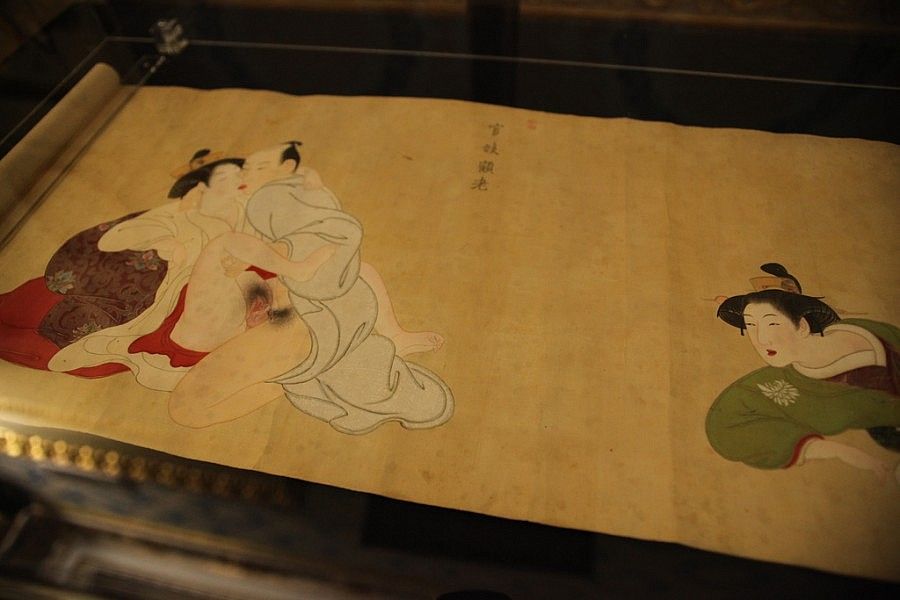
Besides Hokusai and Hiroshige, the collection includes great masters like Utamaro and Kuniyoshi. And it’s not just prints: some of the most valuable pieces are hand-painted works, each one unique.
One of the museum’s real treasures is a night scene of Yoshiwara by Katsushika Oi, Hokusai’s daughter and one of the very few women who worked as ukiyo-e artists. It’s a play of light and shadow, and it rarely goes on display. If you happen to be there at the right time, don’t miss it.
From JR Harajuku Station, take the Omotesando exit and walk down the avenue to the big intersection with Meiji-dori. The museum is on a quiet side street right behind the Laforet shopping center, about 5 minutes on foot.
If you're coming by subway, take exit 5 at Meiji-jingumae Station and you'll be at the entrance in 3 minutes.
This place is on MarcoMaps
Ota Museum Ukiyo-e
My map of Japan: over 4,000 places I've tried myself, each with photos, rating, and hours. Filter by category and rating, find veg-friendly spots and places near you with GPS. No sign-up, right from your phone.


Ota Museum Ukiyo-e - nearby you will find:
110 mPita, hummus and vegan food.
 174 m
Great ramen chain.
 179 m
The mini pig cafés.
 181 m
Dog cafes with miniature shiba.
 182 m
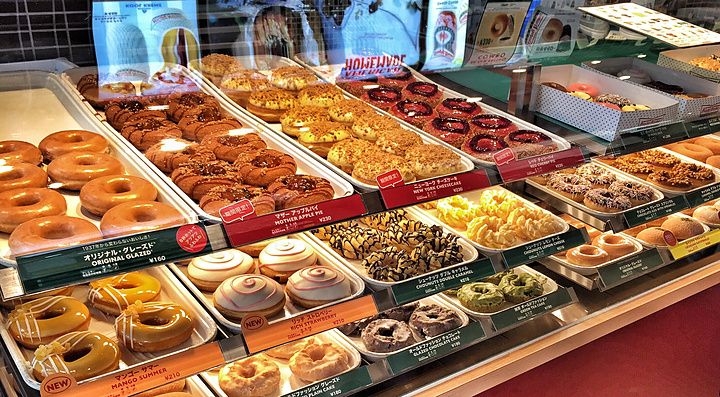
American glazed doughnut chain.
 236 m
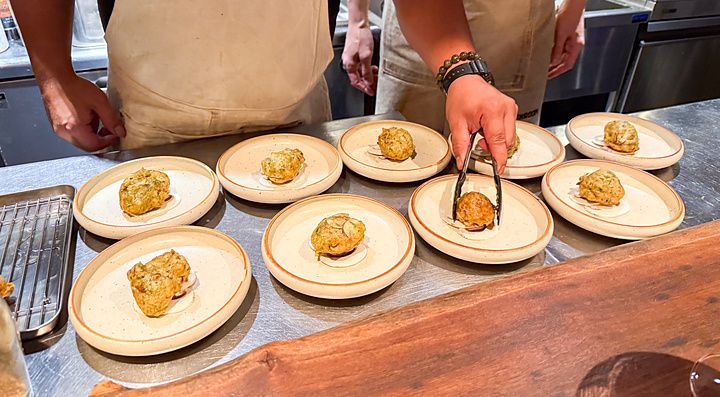
Tasting menu made entirely with mushrooms.