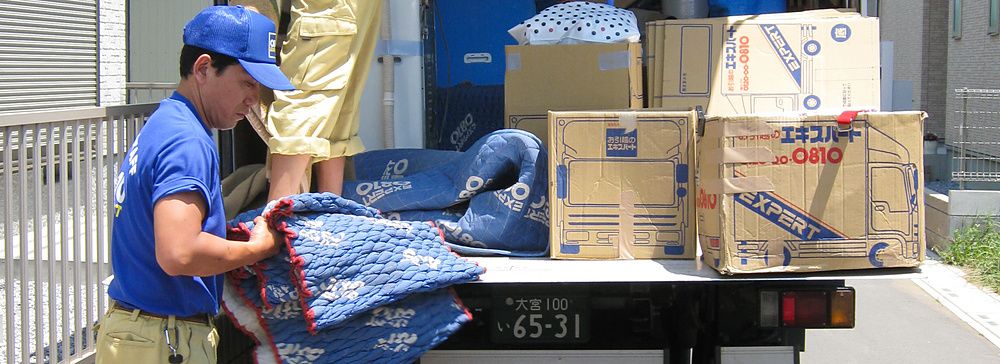
Part-Time Jobs in Japan
Finding part-time jobs in Japan can be surprisingly simple, as long as you have the right visa and know where to look. With a couple of practical pointers, it stops being a vague “maybe” and becomes something you can actually do. It often changes your trip, too, and not just because of the money: a job pulls you into everyday life in a much more concrete way.
I’ll tell you how it really works: which permits you need, where to look, what to expect in terms of hours and pay, and why Tokyo is the easy choice, though not the only one.
Contents
Visa rules
This part is simple and a bit harsh. Without a residence status that allows you to work, it’s not just “hard.” It’s a non-starter. Paperwork matters a lot in Japan, and many companies check your zairyu card (residence card) right away, because for them it’s also a way to protect themselves.

Keep one thing in mind from the start. In a lot of part-time jobs, especially the hands-on ones, being reliable counts for more than a nice résumé: showing up on time, keeping up with the pace, not vanishing after two weeks. If you come across well and you’re clear about your availability and which days you can work, they’ll often take you seriously right away.
Students and the 28-hour cap
For anyone who wants to make Japan their base, the most straightforward route is often a student visa. It isn’t magic, but it’s a very common path: you enroll in a school, and that lets you apply for permission to work part-time.
The key term is shikakugai katsudo kyoka, the permit to do activities outside the ones your visa covers. For students it usually means something very concrete: 28 hours a week at most, with more allowed during the school’s long breaks (normally up to 8 hours a day). The permit doesn’t come automatically, though. You have to apply for it. If you enter Japan with student status, you can request it right at the airport when you get your zairyu card, and that’s by far the easiest way. Otherwise you do it later at your local immigration office, with the form, your passport and your residence card. It’s free, but don’t start working until you actually have it in hand.
One last thing a lot of people forget: the permit is tied to your status, so when you extend your period of stay, you have to apply for it again.
There’s another point I’d clear up right away, because every year I see people get confused about it. Even with the permit, some industries are off-limits to students, especially anything that falls under adult entertainment. Don’t ignore this, and don’t rely on “but someone told me it’s fine.” It’s not worth the risk.
If this is your situation, do yourself a favor and keep a simple tally of your hours, especially if you have two jobs or your shifts change a lot. It’s very easy to go over the limit without noticing when someone asks you to help out a bit more, pick up an extra shift or cover for a coworker.
Working holiday visa
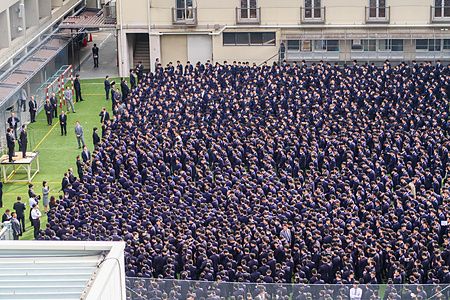
Depending on your citizenship, if you’re between 18 and 30 there may be one more option: the working holiday visa. It lets you stay in Japan for up to twelve months and work to support yourself during your stay, without going through a school.
You apply from your home country, at the Japanese embassy or consulate, and you’re usually called in for an interview as well. One detail matters a lot here: you can only apply for it once in your life, so it makes sense to use it when you really plan to stay for a while.
Compared with students, you have more freedom with your hours, since the 28-hour cap doesn’t apply to you. The off-limits industries are still off-limits, though, starting with adult entertainment, and you’re still expected to respect what the visa is for: the work is there to fund your trip, not to become the only thing you do all year.
Where to look
Job hunting here is less romantic and more down-to-earth: signs, apps, websites, and plenty of local demand. In my opinion, these are the fastest ways in:
- job listing platforms and apps (like the ones everyone in Japan uses for baito): great for seeing what employers want and where
- “now hiring” signs outside restaurants, bars, conbini and shops: it sounds obvious, but it’s often the quickest way
- school bulletin boards and channels (if you’re a student): many schools have contacts with local businesses
- word of mouth: especially for kitchen, cleaning, warehouse, delivery and hotel jobs

There’s also a simple trick that often works: go for places with high turnover and “standardized” training, like conbini, chains, some coffee shops and certain warehouses. It’s not necessarily the most exciting choice, but it’s an easy way to get started.
How to apply
Once you’ve found a listing, the part that scares people most is the first contact. In practice, the process is almost always the same: a phone call or an online form, then a short interview at the workplace itself. If you call, avoid mealtimes. Mid-afternoon, they’ll be much more willing to listen.
For the interview, bring your rirekisho, the Japanese-style résumé, neatly filled out and with an ID photo attached. Bring your zairyu card and work permit too: they’re the first things you’ll be asked for, before anyone even checks your Japanese.
There are only a few questions, and they’re always the same: when you can start, how many days a week you can work, how long it takes you to get there, how long you plan to stay. Giving clear, realistic answers matters more than a polished presentation, because what counts here is availability and staying power. And be careful: if you say yes to everything just to get hired, you’ll actually end up with all those shifts on your schedule.
Tokyo or the rest of Japan
If you want the best odds in the shortest time, Tokyo is the simplest choice. Not because it’s Tokyo, but because there’s a huge amount of business going on: more restaurants, more shops, more events, more hotels, more deliveries, more of everything. With all that volume, you’ll also find more places where imperfect Japanese is still manageable.
The downside is obvious: higher rents, commutes that can get long, and jobs where the competition (or just the pace) is more intense. If you live far away and spend over an hour getting there and back, that part-time job starts to feel a lot heavier.
Life outside Tokyo isn’t bad at all, though. In many mid-sized cities, life is calmer and you often have more time and less stress. The one thing to factor in is that in more rural areas the hourly wage tends to be lower, but the cost of living drops too: rent, groceries, the pace of life. That’s exactly why I like it. It lets you live with less day-to-day friction, especially if your goal is to study or get some experience without burning out.
When it comes to money, keep one important fact in mind: the minimum wage varies by prefecture. Tokyo, for example, is among the highest (over 1,200 yen an hour), while other areas sit closer to the bottom of the national range. You don’t need to memorize the figure. What matters is understanding that for the same number of hours, the city you’re in can make a big difference in what you earn by the end of the month. It often changes how much you have left after rent and transportation, too.


The most common jobs
When people ask me what jobs are actually out there, I always give the same answer: the ones that keep the city running. That means:
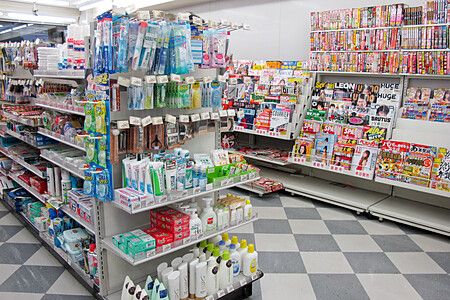
- conbini and retail: set shifts, clear procedures, a steady pace; good for getting started, but it takes focus and often some Japanese
- restaurants: front of house or kitchen; in the kitchen you sometimes need less Japanese, but the work can be physical and fast; out front, communication matters a lot
- hotels: cleaning, back office, helping out at breakfast; often a more “orderly” workplace, but with high standards
- warehouses and logistics: repetitive work, often easier if your Japanese isn’t great; you have to be able to handle the pace and the hours
- events and trade shows: interesting because they show you a different side of Japan, but they’re less steady and depend on the season
- language teaching / tutoring: can pay well, but usually requires a more specific background and complete reliability
Also, be aware that some workplaces are supportive and teach you a lot, while others are just tough. If after the first few weeks you realize the environment is toxic or they’re squeezing you dry, I wouldn’t try to tough it out. Switching baito here is no big deal, and it’s often completely normal. If you decide to leave, though, do it properly, because Japan is formal about this. Talk to your manager in person and give at least a couple of weeks’ notice, so they have time to adjust the schedule. Return your uniform, badge and keys, and before you go, ask for your gensen choshuhyo, the withholding tax certificate. If you need to sort something out with your taxes or you start another job, you’ll be missing the figures you need without it.
How much Japanese you need
There’s an annoying myth about Japanese skills: either “you don’t need any” or “you have to be fluent.” The truth is more practical. It depends on the job and the setting.
For many part-time jobs, functional Japanese is enough, meaning you can:
- understand simple instructions
- handle the same phrases that come up over and over
- ask for clarification without feeling embarrassed
- read the basics (menus, labels, product names, signs around the workplace)

Honestly, this is the strategy I’d recommend. If your Japanese is weak, start with roles where the language is more “scripted”: procedures, clear tasks, less improvising. In the meantime, put real effort into learning the phrases you need for your job. It’s one of the few cases where studying by topic pays off hugely: learning 30 phrases you use every day will move you forward faster than a thousand random words.
Pay in practice
The question I always get is how much you’ll actually make. The honest answer is that it depends on the city and the industry, but a lot of baito pay the minimum hourly wage or a little more. You might make a bit extra if you work inconvenient hours or night shifts, or if you’re in an area where staff are in high demand.
A lot of people overlook this, but employers often cover at least part of your transportation costs. Not always and not everywhere, but it happens. In big cities, “they pay for my train” versus “I pay for it myself” makes a real difference in what you end up with.
You usually get paid once a month. At the start there can be a short lag, depending on when you begin and when the company’s pay period ends. Don’t panic if your first paycheck looks small. Check which period it actually covers.
Then there’s the unglamorous part that can save you a lot of grief: keep your pay stubs and look at what’s being deducted. Even if you earn very little, there’s often something taken out for income tax or other contributions, depending on your situation. You don’t need to become an accountant, but it helps to understand why your paycheck is lighter than you expected, especially if you change jobs or have more than one contract.
Taxes and paperwork
Here’s how I’d handle it: do the bare minimum you need for peace of mind. That means:
- keep your zairyu card up to date (current address, correct details)
- get your MyNumber and handle it carefully when your job needs it
- hold on to contracts, pay stubs and any important messages
- if you’re a student, remember that studying is still your main purpose, and the job has to fit around it
I won’t give you hard numbers on taxes, because they change depending on your residency, the type of contract, how long it lasts and other factors. One thing is true almost every time, though: if you’re working on the books, there may be some deductions, and the following year you might also have to pay resident tax (it depends on your situation). In practice, you just talk it through calmly with your employer or your school when the time comes, instead of pretending it doesn’t exist.
If you’re trying to get the bigger picture on visas and moving here, my site has three articles that fit together well: Japan Visa, Moving to Japan and Working in Japan. I wrote them to lay out these steps in order without driving you crazy with a thousand exceptions.
Common mistakes
The mistakes I see most often aren’t about failing to find a job. They’re these:
- starting work without a permit
- working more hours than students are allowed because “who’s going to check anyway?” (terrible idea)
- taking shifts really far away, then quitting because life turns into nothing but trains and exhaustion
- picking a job with too much customer contact while your Japanese is still too shaky
- ending up in weird workplaces because you said yes to everything, especially at the beginning
Honestly, the difference between a good experience and one that leaves you with nothing but stress often comes down to a really simple choice: distance from home and sustainable hours. If you need to study or just want a decent life, your baito should be one part of your week, not a black hole that swallows everything else.
If you feel you’re getting pulled into something that doesn’t seem quite right, or someone’s pitching you something borderline, I’d end the conversation right there. Japan isn’t the Wild West. Working legally pays off, and it’s often simpler than people fear.
My advice
If you have the right visa, my take is simple: give it a try. Not because it’s “a life-changing experience,” but because it’s a concrete way to understand the country from the inside, with real routines and real people. It often gives you a sense of independence you just don’t have when you’re traveling.
Start with an easy job nearby, with clear shifts. Do it for a month or two, then decide whether to aim higher. Tokyo makes sense if you want endless options, but don’t rule out other cities on principle. Sometimes the easiest place to live in Japan is the one where you get home in ten minutes and still have the energy for a quiet dinner.
In the end, the scene I like to picture is this one: your shift’s over, you’ve got a bag with two onigiri you grabbed on the go, and you have that simple feeling of “OK, I’m building something.” Even if it’s just a part-time job.