139 m
Maisen139 m
Unbeatable tonkatsu.
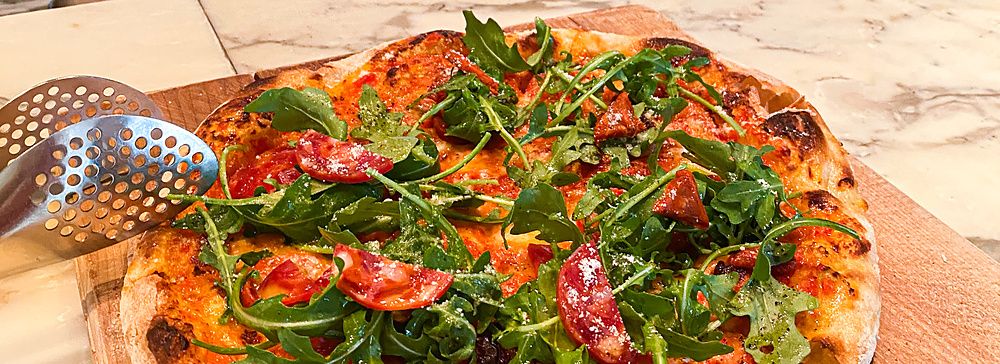
A fine-dining pizzeria inside the Mandarin Oriental Hotel in Nihonbashi, where the pizza chefs work right in front of you while you eat. The Pizza Bar on 38th serves a set menu chosen by the kitchen: a starter, a run of pizzas one after another and a dessert. The dough is long-fermented, and the ingredients are Japanese and seasonal.
This is where you go for a special-occasion dinner, or for the meal you’ll still be thinking about once you’re back home. It isn’t a casual pizza night with friends, and it isn’t a lunch you squeeze in between sights.
There’s only one menu and the chef sets it, an idea borrowed from sushi counters. The meal opens with a starter, then six to eight pizzas arrive one after another, and a dessert wraps things up. The pizzas change with the seasons, so the lineup is never exactly the same, but a few keep coming back, and those are the ones that made the place famous.
The dough matters more than any topping. They use organic Italian flour, very little yeast and a lot of water, then let it rise for two days. What you get is a thin, soft base that folds without cracking, and even after eight pizzas you don’t get that heavy feeling you have after a night at a pizzeria.
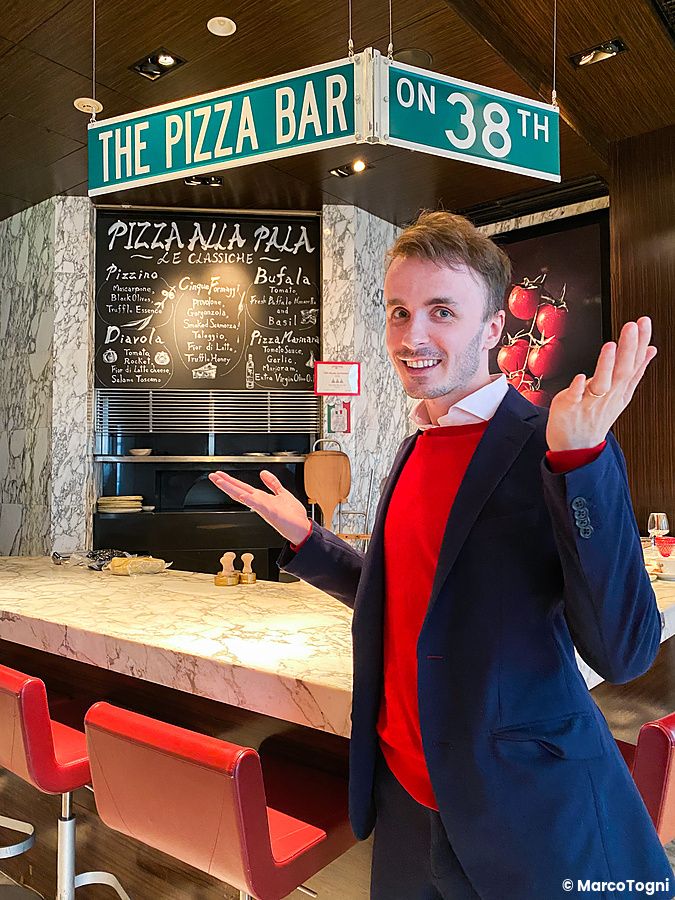
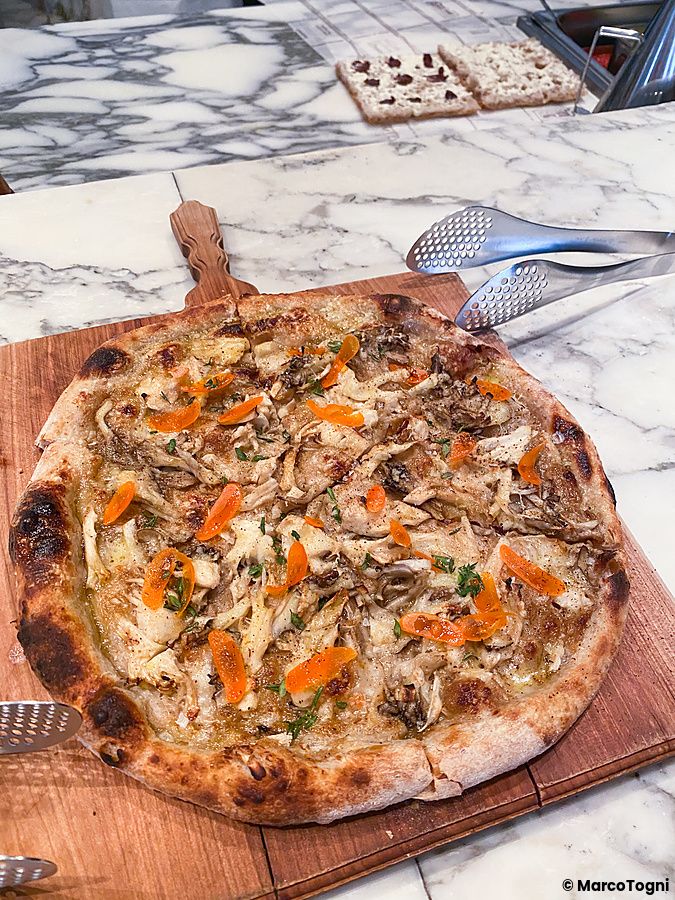
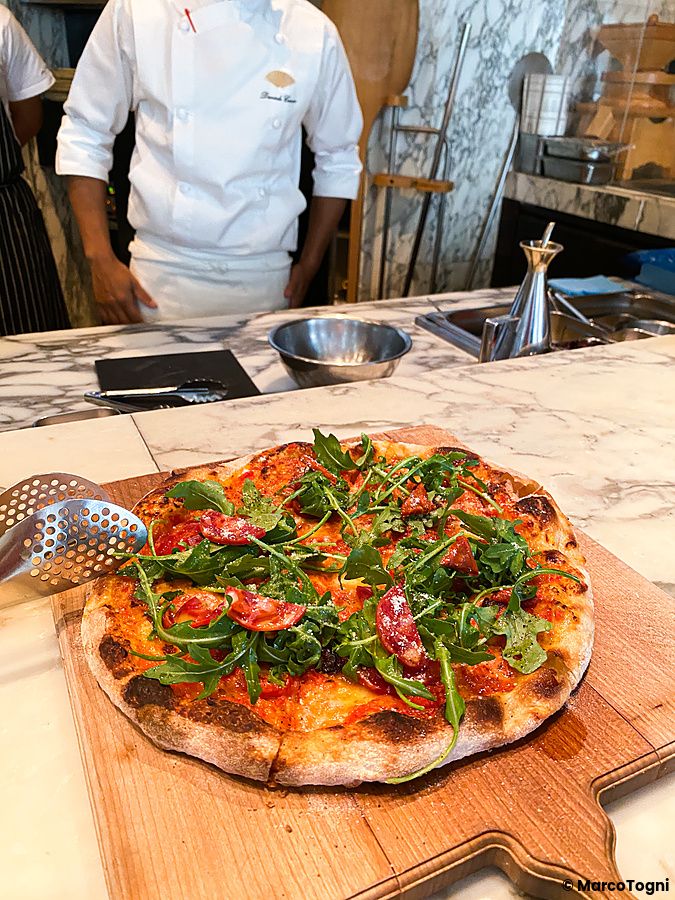
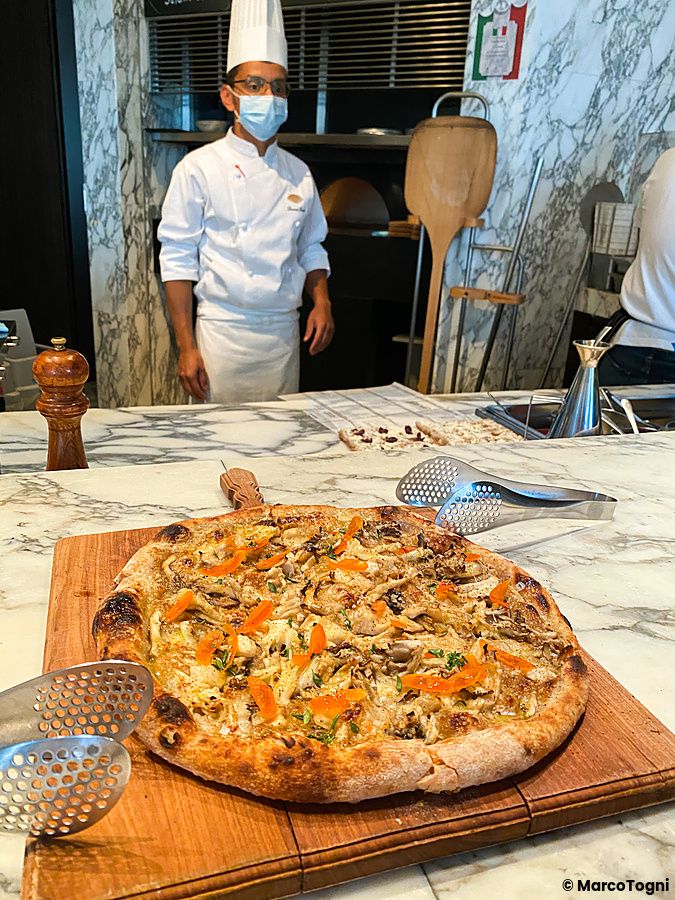
The pizzas arrive sliced on a wooden board, and everyone gets their share, one or two slices each depending on the size. If you’re expecting the puffy, charred crust of a Neapolitan pizza, you won’t find it here. These are thin discs you finish in three bites, and all the flavor is in the toppings and the dough.
The pizzino is in a different league from everything else. The warm, melting mascarpone against the saltiness of the olives, with the truffle on top, is one of the best things I’ve ever eaten, in Japan or anywhere else.
The pace is fast, though. The pizzas come out one after another and you don’t get much time to linger over each one. If you like to eat slowly and chat between courses, you’ll feel a little rushed.
I’ll be straight about the prices. Lunch runs about 15,000–18,000 yen per person, and at dinner you can easily reach 20,000–25,000 if you order something to drink. It’s expensive, period, and these are fine-dining prices rather than pizzeria prices.
Whether it’s good value depends entirely on what you compare it to. Next to an ordinary pizza, the price is completely out of proportion, no argument there. Put it next to dinner at a Michelin-starred restaurant in Tokyo, though, with the same number of courses, the same hand-picked ingredients and two chefs cooking for just eight people, and the price starts to make sense.
When I want to show someone that pizza can be as serious as any chef’s signature dish, this is the first place that comes to mind, and I keep going back mostly for that pizzino.
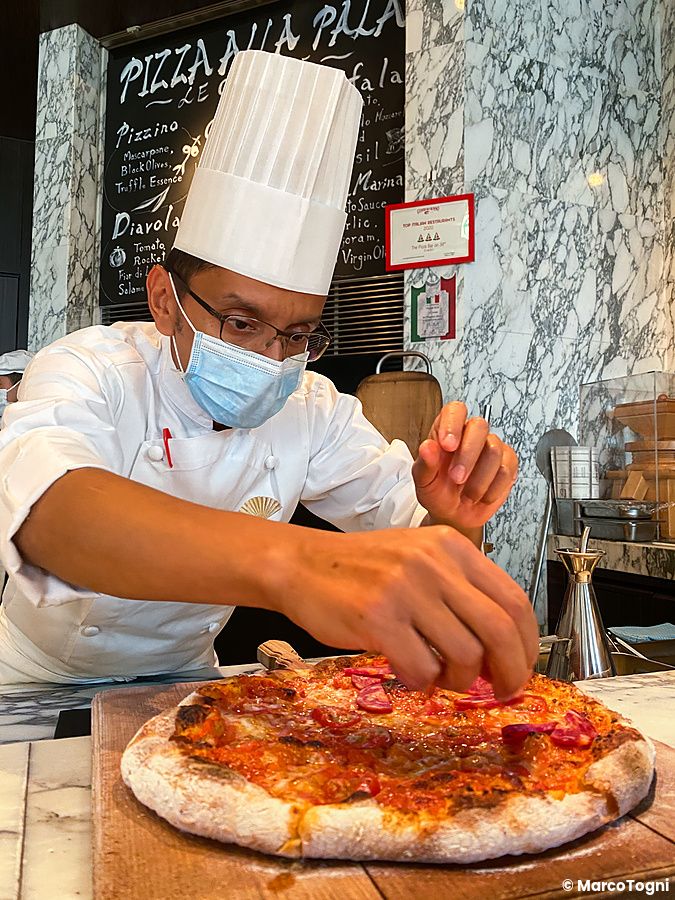
The room is small and built tightly around an L-shaped marble counter, with the stools facing the oven and the work surface. There’s nothing to look at except the food: no waiters rushing around, no noisy tables, just the pizza chefs’ hands and the sound of the peel sliding in and out of the oven.
Behind the counter there’s a chalkboard with a handwritten list of the pizzas, and on the marble you’ll see trays of dough balls waiting their turn, a bottle of Italian balsamic vinegar and bowls with whatever toppings they’re using that day.
With only eight seats, you’re right next to the other diners. You hear their conversations, and the meal becomes a bit of a group experience whether you like it or not. I like it that way, because you end up talking about the pizzas with the strangers sitting next to you.
The dress code is smart casual. Leave the tank top, cap and flip-flops behind, since you’re still in a luxury hotel.
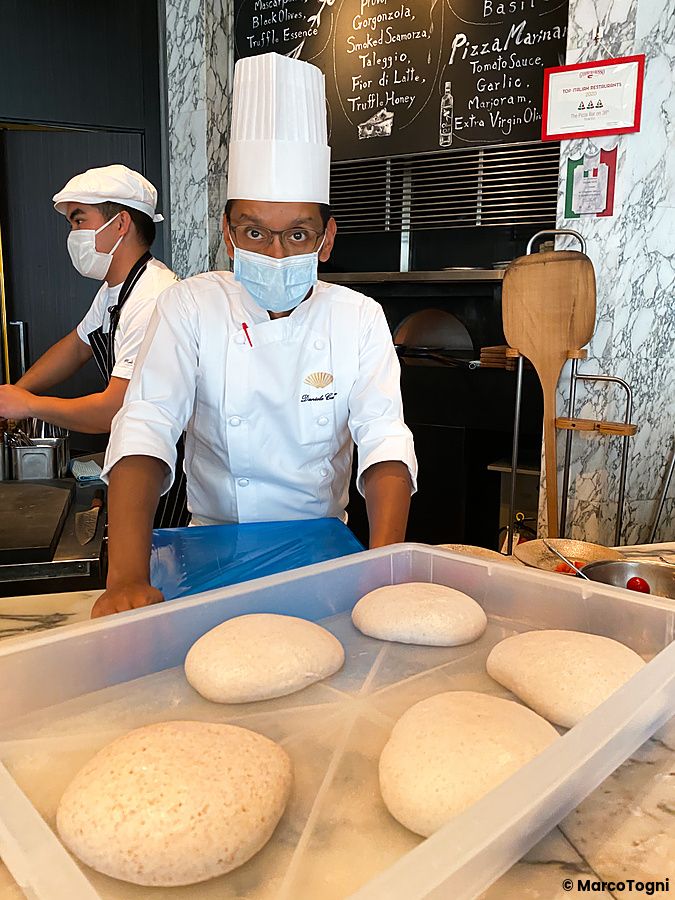
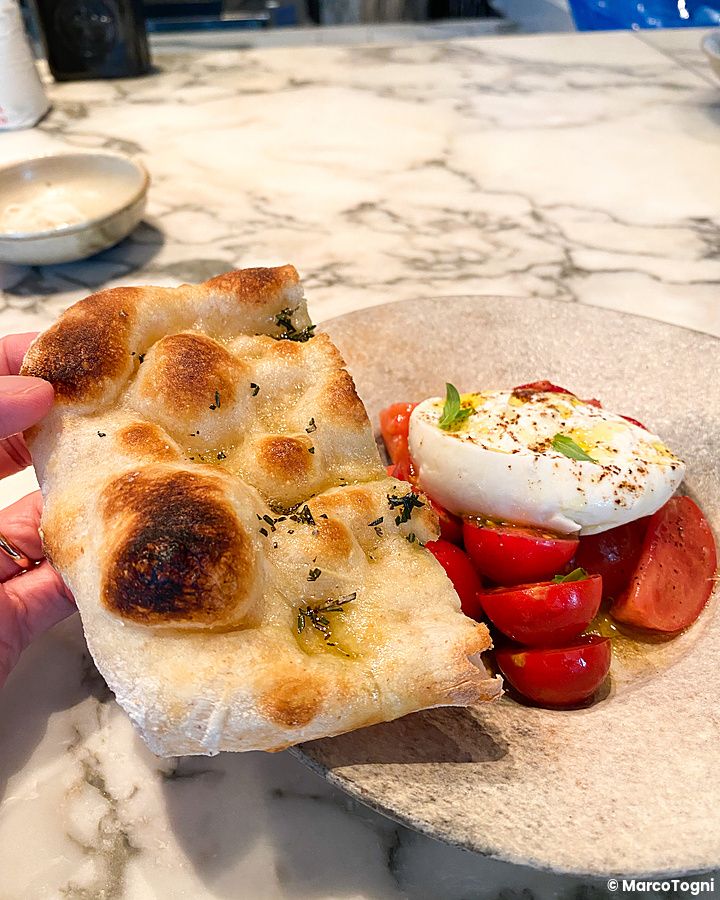
The pizza chefs stretch, top and bake the pizzas in front of you, and they speak both English and Japanese. They introduce each pizza by name and ingredients, with no long speeches, but they do tell you where what’s on your plate comes from. They’re used to having eight people watch them work and they don’t get flustered; if anything, they’re happy to joke around.
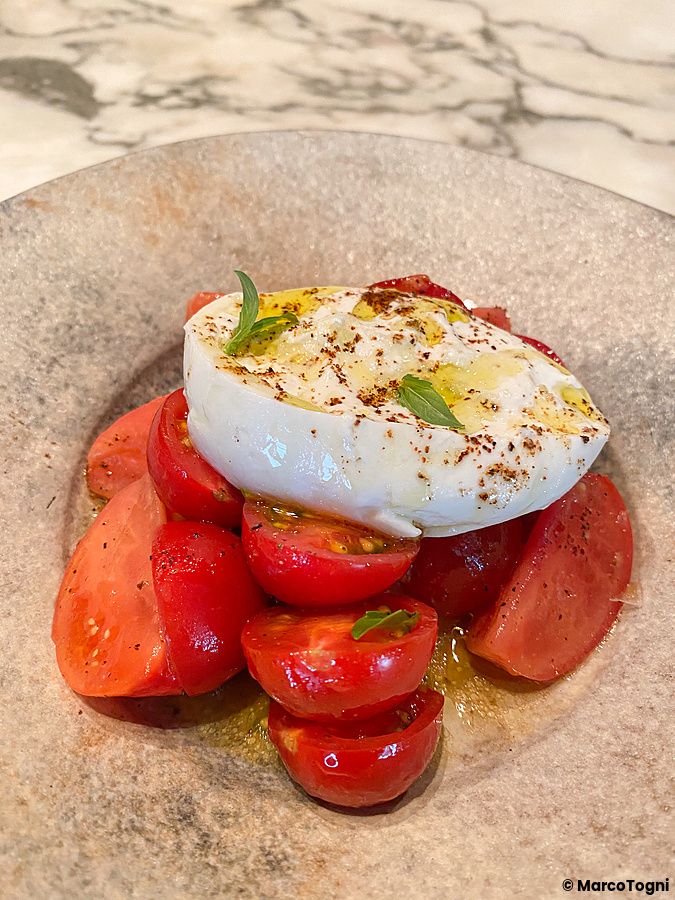
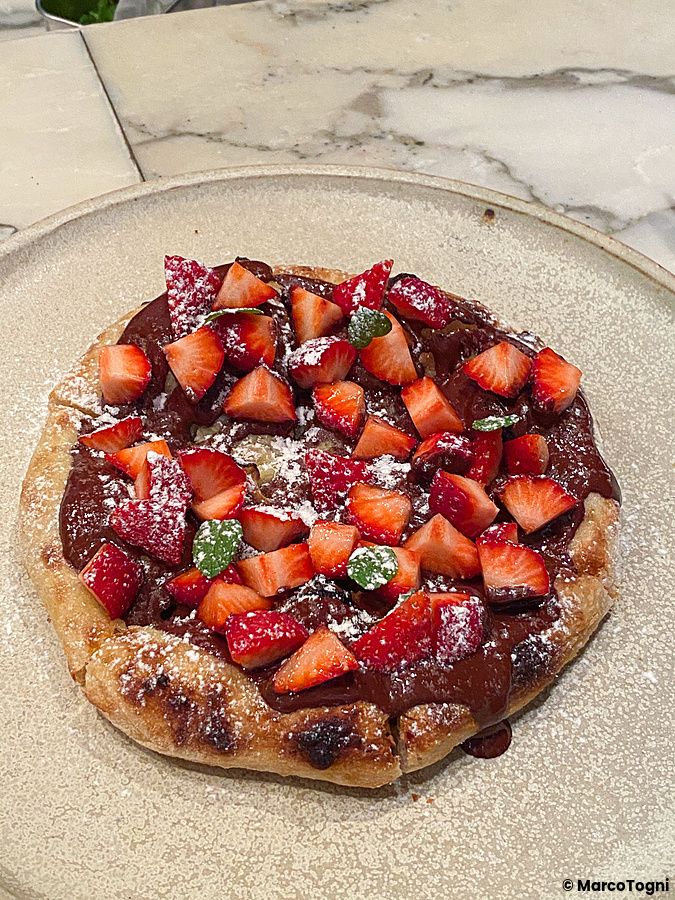
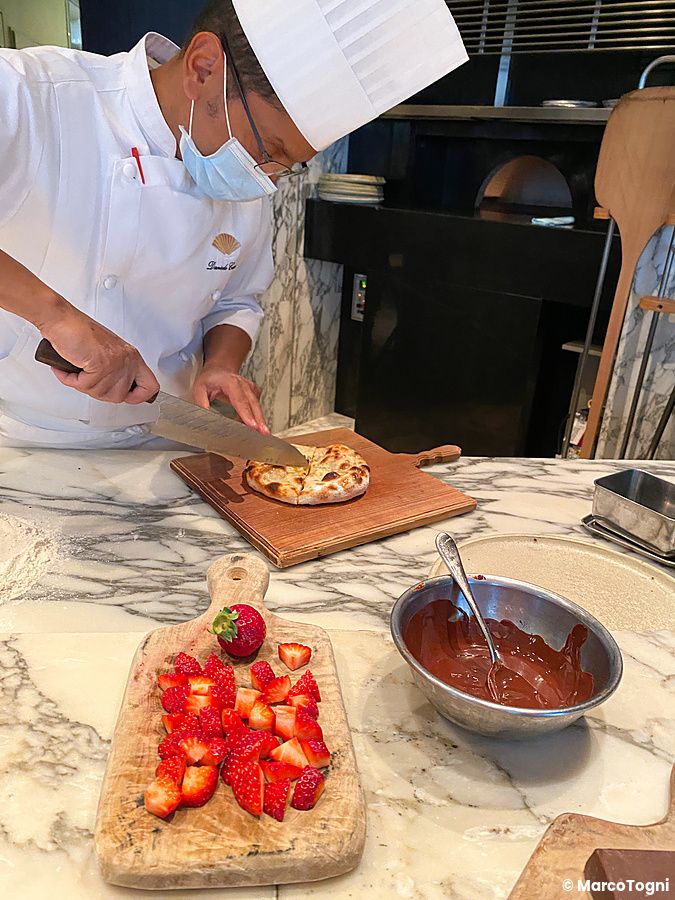
The counter is run by chef Daniele Cason, who’s Italian, and you can tell from the approach: more Roman than Neapolitan, with very high-hydration doughs and quick bakes. Watching the burrata get dressed an arm’s length away, or the strawberries being cut and the chocolate poured over the dessert base, changes the way you eat what comes next. For me, this part is half of what you pay for.
The service is what you’d expect from a top-tier hotel, attentive but not stiff. Nobody hovers, your glass stays full, and if you ask for something different to drink, they’ll find it for you. The wine list is largely Italian, and the drinks bill climbs fast if you get carried away.
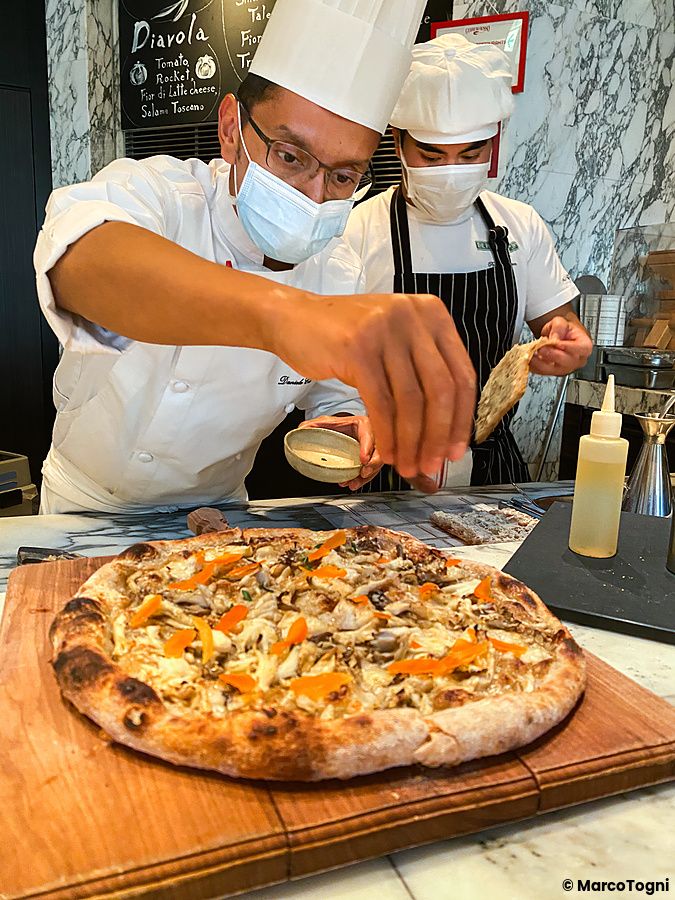
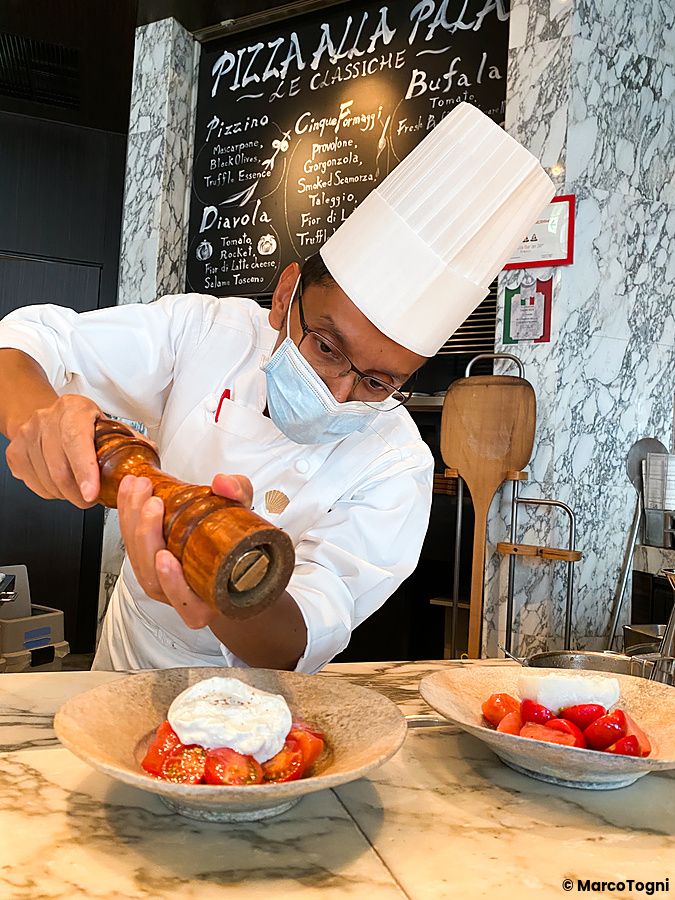
If a 20,000-yen dinner won’t force you to cut back elsewhere, it’s worth the detour and you don’t need to think twice, because you won’t find dough and a pizzino this good anywhere else. If it’s a cost that weighs on your travel budget, think it over, because for a lot of people a good ordinary pizzeria at a tenth of the price is just as satisfying.
On the same floor of the hotel there’s Tapas Molecular Bar, which is something else entirely: twenty small experimental bites, also at a counter and also with only a few seats. If you can only pick one expensive meal and you want to be amazed, that’s the more surprising one. If you want to eat extremely well and go home with one specific flavor stuck in your head, stick with the pizza.
It’s not the right place if you’re after classic Neapolitan pizza or traveling with small kids. I can see it working for two people celebrating something, for solo travelers who enjoy eating at a counter, and for anyone with a real passion for dough.
Pros:
Cons:
Best for: a special dinner in Tokyo, or anyone who wants to see how far pizza can go when someone takes it seriously
Setting: L-shaped marble counter, eight stools, a handwritten chalkboard with the pizza names, and the oven fired up right in front of you
What stays with you when you leave isn’t a whole pizza, it’s one bite: the still-warm mascarpone cream inside the pizzino, the olives, and then the scent of truffle coming through last. Order the pizzino even if you think you’ve had something like it before, because nowhere else does pizza dough turn into anything like it.
Then there’s the part that’s hard to put into words: the oven in front of you, and the pizza chefs’ hands working right next to your plate. You end up watching more than talking, and halfway through the pizzas you realize you’ve lost track of time. Go hungry and let them bring everything in the order they’ve chosen. You only come across a handful of places like this in a lifetime.
The restaurant is on the 38th floor of the Mandarin Oriental in Nihonbashi. Mitsukoshimae subway station is practically under the hotel: you come out of the station and you're there in a minute. From the hotel entrance, take the lobby elevators up to the 38th floor, which is also where the restaurant is.
From Tokyo Station it's just under 15 minutes on foot, heading north toward Nihonbashi, or you can ride JR one stop to Shin-Nihombashi.
This place is on MarcoMaps
The Pizza Bar on 38th
My map of Japan: over 4,000 places I've tried myself, each with photos, rating, and hours. Filter by category and rating, find veg-friendly spots and places near you with GPS. No sign-up, right from your phone.