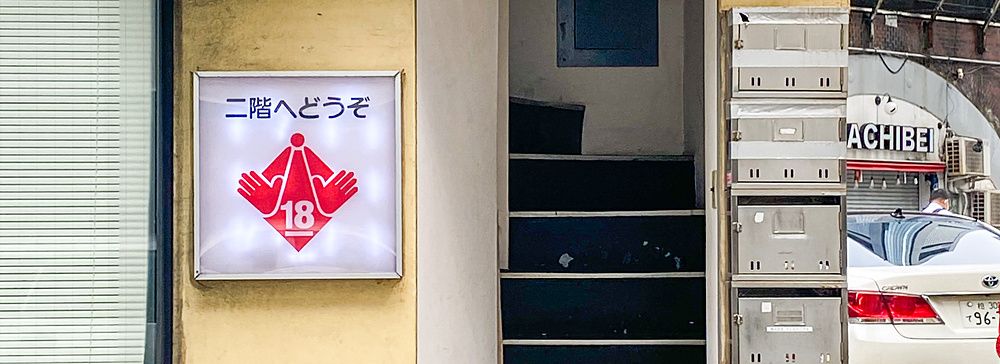
Prostitution in Japan
People are endlessly curious about prostitution in Japan, and the way it gets described is almost always distorted. Not all of it is legal, but it isn’t banned across the board either, as many people assume. What you end up with is a system of gray areas, written and unwritten rules, and venues with confusing names.
The key point is that the law only bans vaginal penetration for money. Everything else falls somewhere between regulated and tolerated. Below I’ll explain how it really works, without moralizing: what goes on in the soaplands everyone talks about, why foreigners are often turned away, and how I know so much about it (no, my cousin didn’t tell me).
Contents
- The exploitation question
- Sex restaurants
- How much it costs
- Extras
- Venues for women
- What the law says
- How it got this way
- The gray area
- Types of venues
- Where it all happens
- Becoming an expert
- Soaplands and the law
- Rules and limits
- No foreigners allowed
- Street prostitution
- The social side
- If you're just looking
- Final thoughts
- Video: Are geisha prostitutes?
The exploitation question
Most sex workers here aren’t career “professionals.” They’re young women with otherwise ordinary lives: students, part-time office workers, people who want to make extra money fast without putting in endless hours at one of the low-paid jobs Japan has plenty of. The fuzoku system attracts exactly this kind of person, with the promise of good money in a short time and, above all, the chance to set clear limits.
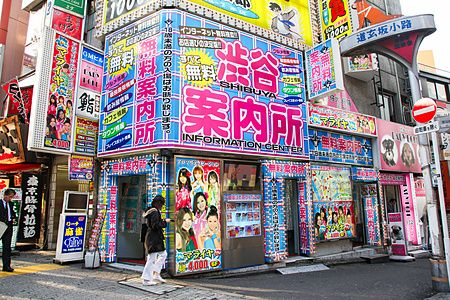
Japan has a huge range of venue types, each with its own level of nudity, physical contact and “script.” In other parts of the world, the stock image of a prostitute is someone who has to “do everything” with anyone. Here the logic is almost the reverse: if a woman doesn’t want to do something, she simply picks a type of venue where it isn’t on offer. Say she decides on principle that she doesn’t want to be touched below the waist. She’ll work somewhere where clients get access to her body only “from the waist up,” maybe in a setting closer to cabaret, cosplay or “soft” massage. At serious venues, that choice is respected by clients and backed by very precise house rules.
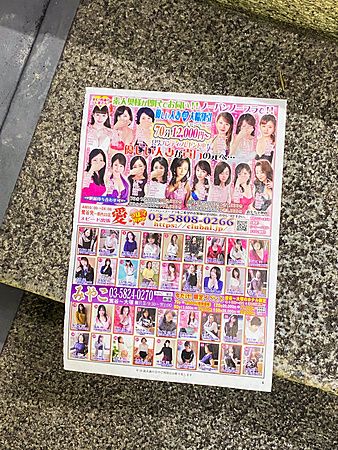
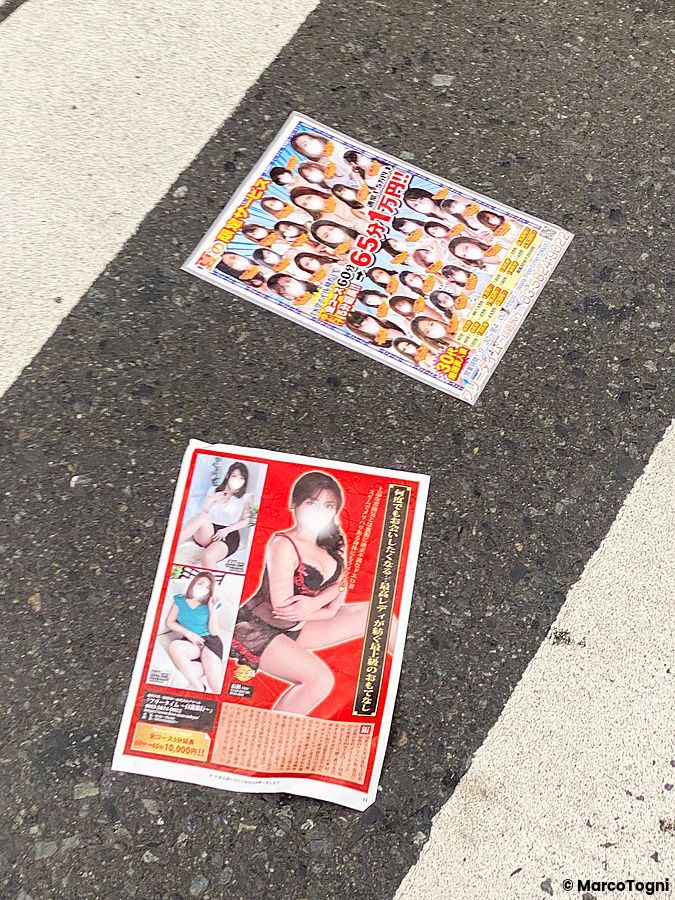
Because there’s so much variety, a lot of young women are drawn in by “kawaii” advertising all over the big cities: colorful flyers, ads in train stations, websites with cute illustrations explaining that “everyone can work within her own limits.” The message is clear: you don’t have to do everything, only what you’re OK with. It’s a reassuring story that makes the whole thing seem lighter and more manageable, and in many cases it really does let the women keep some control over what happens in the room.
Of course, it’s not all rosy. There are also women who do it out of necessity, coming from very vulnerable situations: alcohol or gambling addiction, mental health problems, trouble holding down “normal” jobs, difficult family histories. For them the choice isn’t always that free or that informed. Still, compared with what people imagine happens in other countries, it’s relatively rare for a woman to be kidnapped, beaten or held prisoner in a brothel. That isn’t the dominant model. In fact, at many places the owners treat the women almost like “princesses,” because they see them as golden geese to pamper and hold on to for as long as possible. None of this makes the problems go away, but it explains why “exploitation” in Japan takes different, less obvious forms than people usually picture.
Even in a system with no “exploitation,” though, anyone who pays for sex still has to face moral issues and a real risk of sexually transmitted diseases and infections, which spread even when people use condoms or stick to forms of sex that stop short of intercourse.
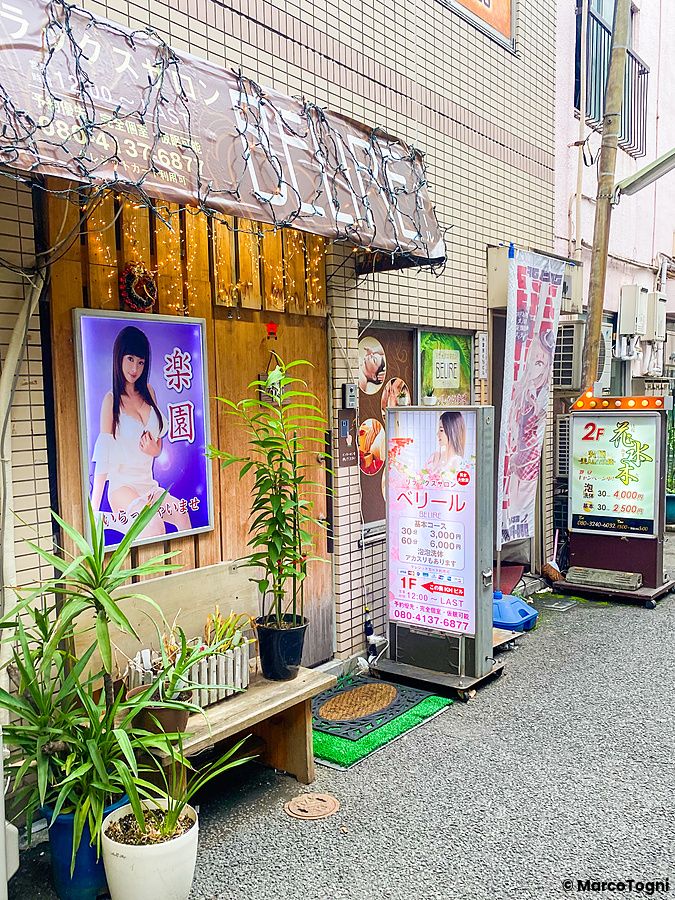
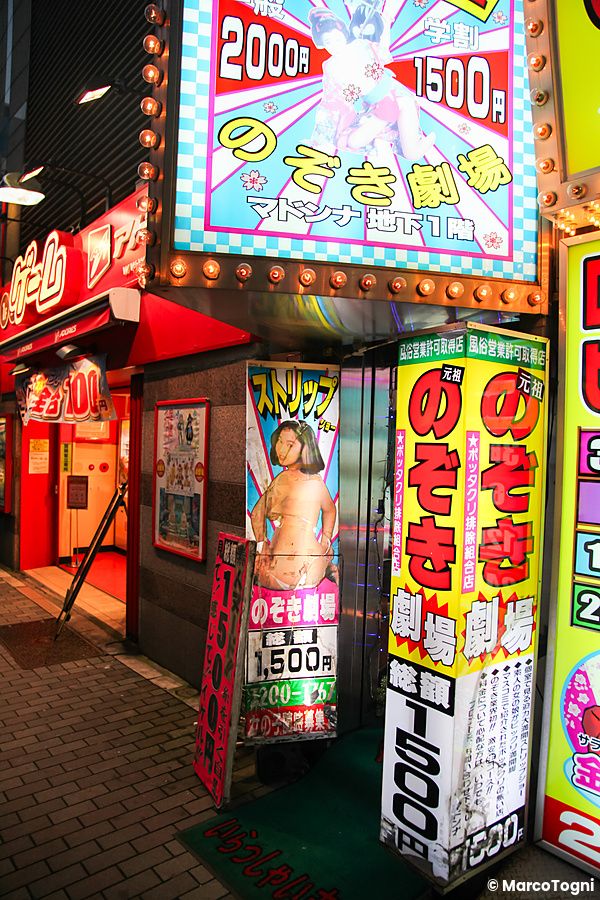
Sex restaurants
As I said, vaginal penetration is illegal in these settings. Even so, some areas of Japan have what are effectively brothels disguised as restaurants. On paper they’re eating places, but anyone who spends time in the neighborhood knows exactly what they are. Once you walk in, it works nothing like a normal restaurant: the customer chooses a woman at the entrance and is then shown to a small private room upstairs.
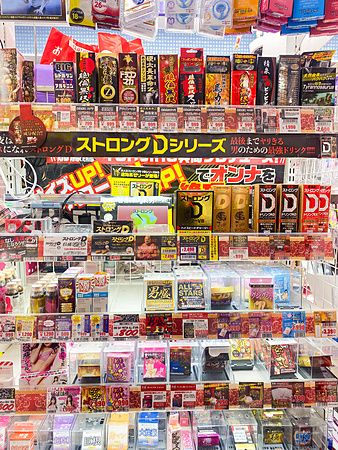
This setup lets certain neighborhoods keep up an appearance of normalcy. It all rests on a delicate balance: a front that’s technically above board, and what goes on behind it, where the line between restaurant and brothel gets very thin.
How much it costs
People ask me this a lot, and surprisingly it’s not so much “horny travelers” as women travelers who are curious to know more.
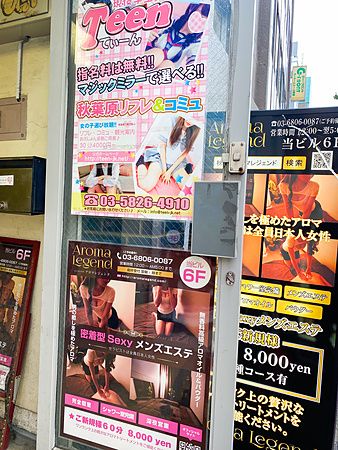
At the bottom end, a man who only wants oral sex can go to one of the many small specialized “bars” and spend under €20 for about 30 minutes. In a big Japanese city, where the cost of living is high, that’s a surprisingly small amount, cheap enough to be an impulse buy. In return, the woman often won’t be especially young or striking, but the service is fast and standardized, and for many clients it’s practically part of their routine.
Move up a level and everything changes. At classier places, where younger women considered “prettier” work, prices can climb steeply even for limited services. Instead of €20 for 30 minutes of oral sex with a woman who isn’t that young, you might pay €100 just for a hand job from a younger one, with no intercourse at all. What you’re paying for is the combination of youth, looks, exclusivity and the venue itself: well-kept furnishings and more privacy.
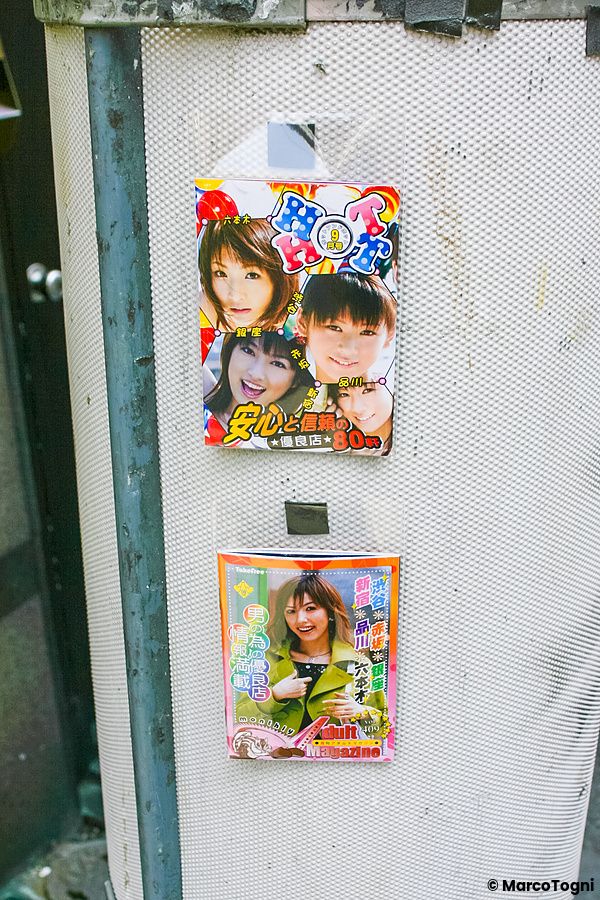
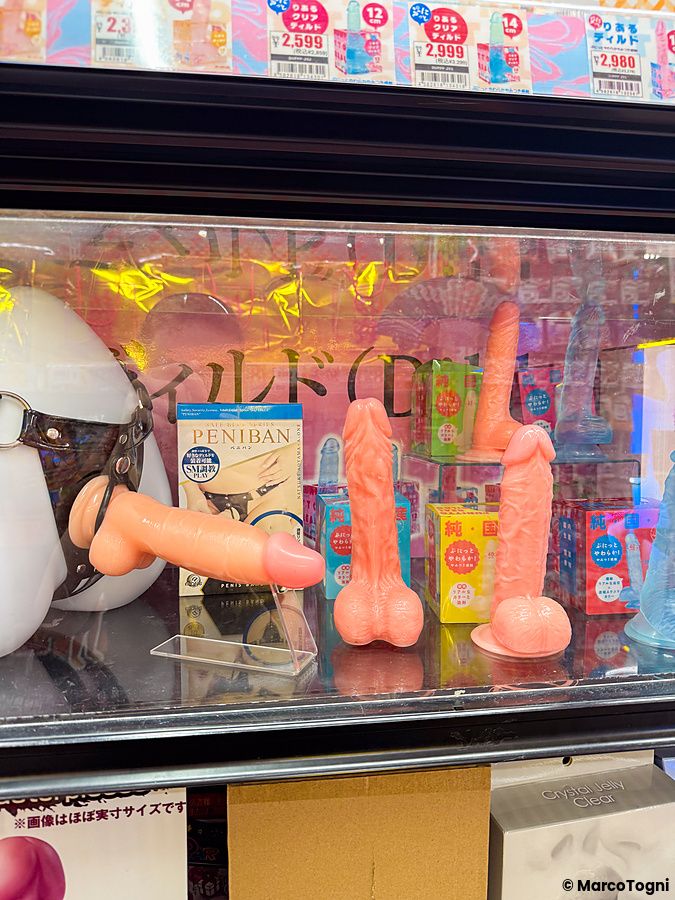
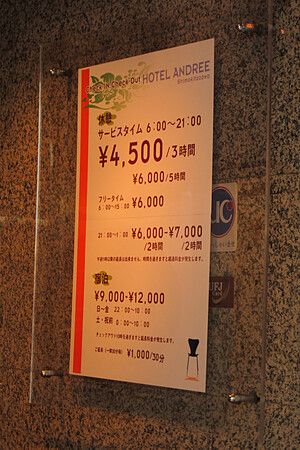
Above that, you’ll find every level imaginable, all the way up to high-end venues where just getting in is a status symbol. At these places it’s not unusual for an hour of sex to cost €600–700 or even more, especially with women who have a certain “name” on the scene or at places that deliberately sell a luxury image. The service may come with carefully designed rooms, longer sessions and an obsessive focus on discretion, but in the end what you’re mostly paying for is access and exclusivity, not just the act itself.
So when it comes to prices, the bottom line is simple: the range is enormous. It goes from very quick services at almost “bargain” prices to experiences that cost as much as a night in a luxury hotel or a trip within Japan. Talking about “standard rates” makes little sense. There are only different market segments, each with its own rules, its own clientele and its own idea of what a person’s body and time are “worth.”
Extras
At many venues the base rate looks almost cheap, especially next to average salaries in Japan. What not everyone realizes at first is that, for more demanding clients, there’s often a whole “menu” of add-ons designed for specific fantasies and preferences. The management doesn’t decide what goes on this menu: the woman herself decides which services she’s willing to offer and on what terms.
Here’s a simple example. If a man getting a regular hand job also wants to kiss the woman, at some venues he can pick that option from the menu, pay extra and go ahead. Elsewhere there may be special add-ons, little “extras” that change the level of intimacy or how the encounter is staged. The crucial point, though, is that the women decide case by case what’s possible. If a client shows up with terrible breath and she doesn’t feel like kissing him, she can just tell him politely that “that service isn’t available.” In practice the menu isn’t a fixed list of obligations but a set of possibilities that shifts every day, balancing what clients want against the limits of the women working there.
Venues for women
When people talk about prostitution in Japan, they often forget there’s also a whole world designed for women. The best-known venues are host clubs: places where very well-groomed men, dressed elegantly or flashily, spend the evening drinking, chatting and fussing over the customers as if they were princesses in the spotlight. Getting in can look affordable at first. There are often deals for first-timers, a discounted package that includes a seat at a table and a few drinks. It feels almost like a game, something to try once with your friends out of curiosity.
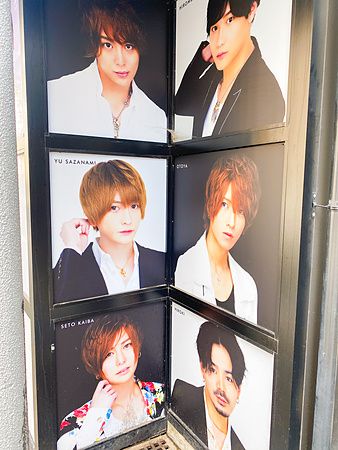
There are also other venues for women where you can pay for sex, a sort of women’s equivalent of certain services for men. But they’re much rarer, usually less visible, and nowhere near as widespread as host clubs. Today the most common form of “entertainment for women” is still paying for company, attention, flirting and alcohol rather than for explicit sex. But host clubs have another side worth talking about, because it’s the industry’s real problem: the “drink now, pay later” system. The host fronts the bill himself, the customer agrees, and the debt grows to amounts no young woman can pay back on a normal salary. That’s where the ugliest part begins: many end up working in fuzoku specifically to pay off the tab, and the Tokyo police have had to step in several times, shutting down clubs and tightening the rules, to break this cycle. Put simply, host clubs don’t sell sex, but they’re still one of the main routes into fuzoku for young women.
What the law says
Everything starts with the Prostitution Prevention Act, which came into force in the 1950s. Legally, “prostitution” doesn’t cover every kind of paid sex. It covers only vaginal intercourse with an unspecified person in exchange for money.
That detail changes everything. It means that:
- paid vaginal penetration with any client is prohibited
- everything else (oral sex, masturbation, other sexual acts) falls outside the strict definition of prostitution
- the law mainly goes after the people who organize, facilitate, run or finance the business, much more than the individual client or the individual worker.
In practice, the law doesn’t directly punish whoever “sells” or “buys” the act itself. It punishes everything around it: brothel operators, middlemen, people who rent out space for prostitution, people who recruit or coerce. The official goal is to “prevent” and “rehabilitate,” not to fill the prisons.
The legal definition also talks about an “unspecified” person, which is another interesting detail. It means that paid sex between people who already know each other technically doesn’t fall into the same category. For a traveler this makes almost no difference in practice, but it shows how precisely the law was drafted, leaving room for an entire industry built “around” the one banned act.
How it got this way
Knowing where the system comes from helps explain why it works the way it does. For centuries Japan had licensed pleasure quarters, the yukaku, which were enclosed and guarded, often with a single entrance and extremely strict rules. Yoshiwara was founded in 1617 and moved north of Asakusa after the great fire in the mid-1600s. Kyoto had Shimabara, Osaka had Shinmachi, and the highest-ranking courtesans were real celebrities, with prints and novels devoted to them.
The licensed system was abolished after World War II under American pressure, and the old quarters lived on as tolerated zones, the so-called “red lines” drawn on police maps. Then, when the Prostitution Prevention Act actually took effect in the late 1950s, the most Japanese thing imaginable happened: the businesses didn’t shut down. They reinvented themselves. Some became restaurants, some became bathhouses, whatever each one could manage. Today’s gray area started right there.
The gray area
Once paid vaginal intercourse was banned, everything else moved into what’s called the world of fuzoku, meaning “adult entertainment services.” That’s where a second law comes in, the one covering entertainment and sex-related businesses, often called “fueiho” for short. It regulates opening hours, the areas where these businesses can open, the ban on minors, how venues are lit, and so on.
In practice:
- a huge number of sexual services are legal but regulated
- the official red line is still paid vaginal intercourse
- everything else lives in a gray area, where what’s allowed depends on how the business is registered, what it declares and how far it pushes the limits.
I’ll be blunt: talking about prostitution in Japan as if it were either all illegal or all legal makes no sense. There’s an enormous market in “almost prostitution.” Formally it doesn’t break the strict legal definition, but in practice it offers services that, in many people’s eyes, are indistinguishable from those of a full-blown prostitution system.
The result is a world where:
- some businesses are registered and monitored
- others get by on the margins, counting on how hard they are to police
- the workers, both men and women, are often stuck in an ambivalent position: tolerated but stigmatized, regulated but poorly protected.
Types of venues
A lot of services today happen not in a classic “brothel” but through outcalls to hotels or in small rented rooms, precisely because the law makes it hard to open and run physical venues openly dedicated to sex. Officially, clubs can only offer entertainment and company, and the more explicit part gets moved elsewhere, into private spaces. At the same time, there are plenty of exceptions and legal loopholes. Some older venues that held a license before certain rules came in, for example, can keep operating (with various restrictions), and in some areas a “tolerated” balance has emerged between what’s on paper and what really happens in the rooms.
In the language of Japan’s red-light districts you’ll hear about countless categories. I won’t go through an endless list, but these are the main types:
- soapland: private baths where a woman washes and pampers you (more on these shortly)
- delivery health (deriheru): “outcall” services to hotels or homes, with no fixed premises open to the public
- fashion health: venues offering sexual services that stop short of intercourse
- pink salon: bars where the focus is often on oral sex
- image club: themed services (office, school, clinic) where the staging matters almost as much as the act itself.
Then there are hostess clubs and host clubs, where officially there’s no sex, just company, drinks, conversation and seduction. In many cases the line between “entertainment” and paid sex is thin, but legally the club is mostly selling time, alcohol and attention, not specific sexual acts.
Honestly, I find this distinction useful, because to understand prostitution in Japan you have to look at how the service is defined on paper. The exact same thing happening behind a closed door can be legally tolerated or legally risky, depending only on how it’s described in the business registration.
Where it all happens
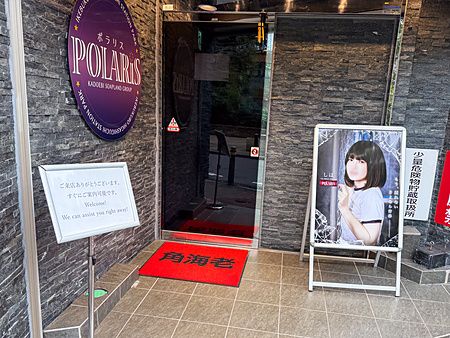
People often ask me where all this actually goes on. Every big city has its own area, almost always a small, easy-to-recognize neighborhood. Tokyo has two main hubs. One is Kabukicho in Shinjuku, where host clubs, hostess clubs and deriheru signs sit side by side. The other is Yoshiwara in Taito, where about 150 soaplands are packed into a few blocks that look almost residential from the outside. The name Yoshiwara, by the way, doesn’t appear on maps: the official address is Senzoku 4-chome.
In Osaka the best-known area is Tobita Shinchi, which is exactly the “restaurant” district I told you about. In Sapporo everything revolves around Susukino, and in Fukuoka around Nakasu. One thing holds true for all of them: they’re places to walk through, not to visit, and hardly any venue has a sign that explains what really goes on inside.
Becoming an expert
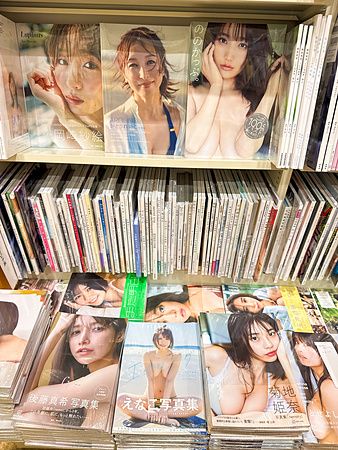
If you really want to understand how the world of paid sex in Japan works, one of the most interesting places to start is “Pink Box: Inside Japan’s Sex Clubs” by Joan Sinclair. It’s a photo book published in 2006. Sinclair, an American photographer, managed with a lot of effort to get inside a number of fuzoku clubs and document them from within: themed rooms, costumes, kawaii staging, all the things that are normally off-limits to non-Japanese customers. The photos come with commentary by sociologist James Farrer, who tries to place these clubs within contemporary Japanese culture, somewhere between consumerism, fantasy and legal limits.
I wouldn’t recommend this book as a “list of places to try” (many of the clubs in it have closed anyway). I’d recommend it as a window into how creative, codified and at the same time contradictory this world is. It helps you see the clubs not just as places where people spend money, but as spaces where kawaii aesthetics, desire, social norms and the law come together in a way that’s hard to even imagine outside Japan.
The other way to learn more is simply to stay curious as you walk around. From my very first trip, more than 20 years ago, I’d see a sign and wonder, “what on earth do they do in there?” You don’t need to go in, bother anyone or draw attention to yourself. Just note down a few details, look them up online when you get home, and you’ll figure it all out in no time.
Soaplands and the law
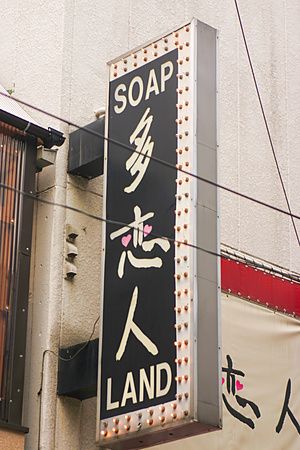
For people who’ve only heard about them from afar, soaplands are probably the classic image of prostitution in Japan. In the “official” version, a soapland is a private bath: the client comes in, showers, and gets soaped up and massaged in a tub by a woman, in a very intimate setting. The name has a backstory that I find pretty funny. These places used to be called toruko-buro, “Turkish baths,” until the 1980s, when a Turkish student in Tokyo got fed up with seeing his country linked to that world and wrote to the Minister of Health asking for the name to be changed. The industry association then held a public contest to come up with a new one. “Soapland” won, and the name stuck. It’s a small detail, but it says a lot about how much this industry cares about keeping up a respectable front.
Legally, the trick is that on paper, what’s being sold is a bath and massage service. Anything beyond that, if it happens, is never advertised and in theory should never include the one thing the law defines as prostitution, paid vaginal intercourse.
- what actually happens in the room is negotiated between the two people
- there’s the well-known term honban, used for actual intercourse, which officially isn’t supposed to happen
- some places stick rigidly to the limit, while others cross it systematically, counting on inspections that aren’t always strict.
To understand soaplands, keep two things in mind:
- the building and the license are registered under the “bath + adult entertainment” category
- if the police uncover an organized operation selling intercourse to any client, they can bring charges under the Prostitution Prevention Act, going mainly after operators and middlemen.
It’s not a system where everything happens out in the open. It’s more of a permanent balancing act: a huge market that straddles what’s written in the law and what really happens in the rooms.
Rules and limits
One thing that often surprises people looking in from the outside is how many internal rules a lot of these places have. I don’t just mean national laws, but actual house rules: what’s allowed, what isn’t, and lists of “NG” (no good) things the worker can refuse even if the customer insists.
Every now and then I hear travelers laughing and saying something like, “Eh, I’d just check random boxes even if I didn’t understand them, what’s the worst that could happen?” I always joke back with something like, “I know a guy who did that. He checked the wrong box in the extreme play section and the girl stuck a banana somewhere he wasn’t expecting.” It gets a laugh, but the point is serious: signing things you don’t understand in this kind of setting is a terrible idea.
- many of these services run on precise rules and scripts
- the worker often sticks to what’s been written down, because that’s how she protects herself and the place
- anyone who doesn’t read, doesn’t understand or underestimates the questionnaire risks awkward or unpleasant situations, and can get the worker in trouble too.
Let’s be honest: if a SIM contract or a lease in a foreign language is already hard to follow, imagine a form full of ambiguous sexual terms. That’s one of the reasons many places would rather avoid customers who don’t speak Japanese altogether, so they don’t have to take on that risk.
No foreigners allowed
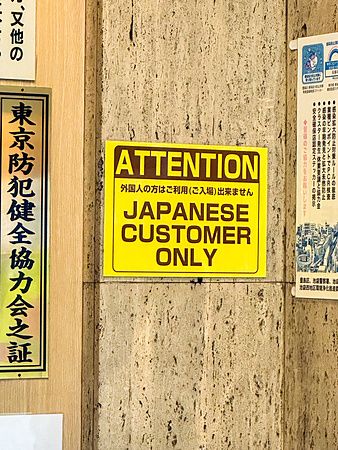
The “no foreigners” thing isn’t just an urban legend. In several red-light districts, especially where there are soaplands and tightly regulated places, you’ll find signs making it clear that foreign customers aren’t accepted.
- language barrier: explaining all the rules, limits and conditions to someone who doesn’t speak Japanese is hard
- legal risk: if a customer complains, says he didn’t understand or accuses the place of something, things can get risky for the manager
- different rules about sex: many establishments have very strict internal rules (no kissing, no photos, no intercourse), which some foreign customers struggle to take seriously
There’s another key point: a worker has the right to refuse customers she doesn’t want. In Japan it’s socially accepted that a woman in the industry chooses to avoid anyone who makes her anxious, doesn’t understand the rules or looks likely to cause trouble. It isn’t only about “racism,” which is what it often gets reduced to online. It’s also a mix of self-protection, fear of trouble and the need for a shared language.
In many cases:
- some places only accept Japanese customers or residents who speak the language well
- others accept foreigners only under certain conditions, for example if they come with an interpreter
- others still are aimed specifically at foreigners, but with simplified rules and often higher prices.
The way I see it, if a sign clearly says no foreigners, it makes sense to respect that choice. Trying to force your way in, arguing or giving it a shot anyway doesn’t make you a “free spirit.” It just means ignoring how much Japanese culture values following the rules.
Street prostitution
Alongside the world of regulated venues there’s also street prostitution, more hidden but still present in some parts of the big cities. Here the girls wait for customers outdoors and offer paid sex in nearby hotels or small by-the-hour places. Unlike the women who work in clubs or for organized “delivery” services, though, they often have mental health problems, addictions or very precarious personal circumstances. If a girl is doing relatively well, can come across as “reliable” and doesn’t cause trouble, she usually ends up working in one of the many places nearby, where she may earn a bit less per encounter but has more protection, more rules and an environment that’s at least minimally controlled.
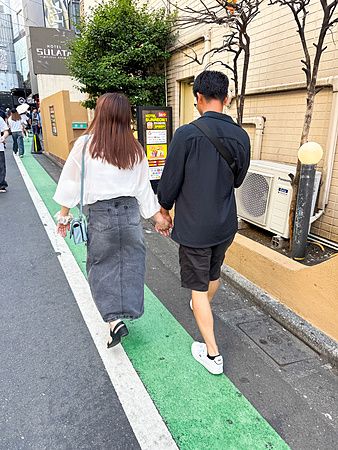
Other girls advertise on apps and specialized sites instead, working for themselves, usually in their spare time.
From the outside it may look like “the same job” the club workers do, but the gap is huge. On one side there’s an organized system, with rules and screening for who gets hired; on the other, a survival network where the people who couldn’t find a place anywhere else end up. In Japanese these girls are called tachinbo, literally “the ones who stand,” because that’s exactly the job: standing still on the sidewalk and waiting. In Tokyo the best-known area is the streets around Okubo Park in Kabukicho, where the police run checks in waves without ever making it go away completely. It’s also the part of the system that’s riskiest for everyone: no venue behind you, no written rules, nobody checking who goes up to the room.
The social side
Socially, prostitution in Japan is caught in a sharp contradiction. On one hand there’s a huge network of sex services, hostess clubs, soaplands and delivery health that brings in staggering sums of money and employs hundreds of thousands of people. On the other, the people who work in it are often seen with a mix of curiosity, moral judgment and stigma.
Many of the women and men in the industry:
- never use their real name in public
- hide the job from family and friends
- get into the business for financial reasons, debt or a lack of alternatives, rather than because it’s their calling.
There are also broader issues of trafficking, exploitation and violence. Not every setting is the same and it makes no sense to lump everything together, but there’s no denying that in some cases workers’ vulnerability gets exploited, especially when it comes to migrants or people who don’t know the language and the laws well.
Honestly, I think it’s important to remember that behind every lit-up sign there’s a real person, often with a more complicated story than it seems. Looking at all this only from the point of view of someone “out for some fun” wipes that away, and makes it hard to talk seriously about rights, protections and abuse.
If you’re just looking
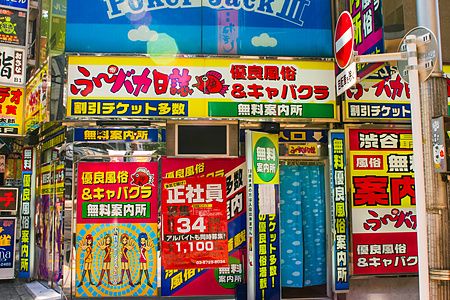
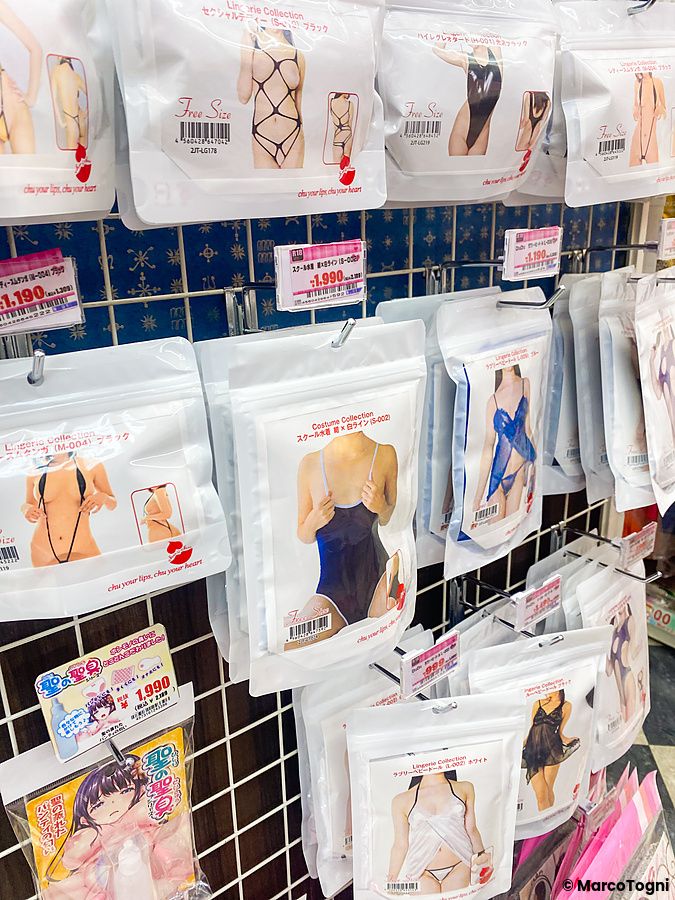
Plenty of people walking through red-light districts stop to look at the colorful signs, soapland parking lots, price boards and girls walking with customers. That’s understandable, since it’s part of the city landscape and a side of Japan nobody mentions in the brochures.
Still, I think it’s worth keeping a few things in mind:
- don’t take photos of the people working there or of the customers: it can be dangerous for them
- avoid laughing loudly or making crude comments, especially in a group, as if you were watching a show
- remember that many of these places are strictly regulated, often tied to powerful financial interests, and they aren’t theme parks you wander into out of curiosity.
I often say that understanding prostitution in Japan also helps you understand the rest of the country: how the laws get written, how people get around them, how willing people are to turn a blind eye to keep things in balance. But that doesn’t mean you have to go into these places or try them to “understand Japan.”
If you’re curious, looking from the outside can be enough, along with reading up and hearing different points of view, including those of the workers themselves when they get the chance to tell their own story.
Final thoughts
Prostitution in Japan is an uncomfortable but interesting subject, because it shows a side of the country that usually stays behind the scenes. I’ll say it up front: this isn’t an invitation to try it, and it isn’t a way to turn these neighborhoods into tourist attractions to check off during your trip. My advice is to use this information as a way to find your bearings, so you don’t do any harm (even just by being disrespectful) and don’t judge everything in overly simple terms. After that, everyone’s free to steer clear of this world or watch it from a distance, without needing to set foot inside anywhere.
Personally, I’m interested in this topic because it shows how much more complex Japan is than the glossy image of nothing but cherry blossoms and punctual trains. Behind the neon signs and kawaii ads there are individual choices, limits and compromises, and a fragile balance between law, morality and the market.
If you take one thing away from this article, I hope it’s this: a clearer, more respectful way of looking, even at things that by definition happen out of everyone’s sight.
