 0 m
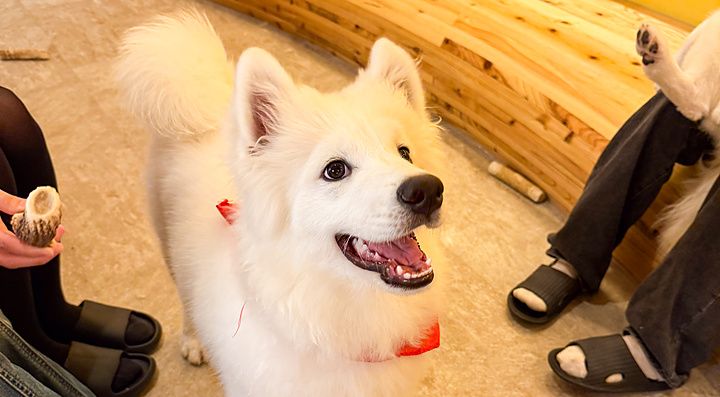
Samoedos0 m
Samoyed cafe.
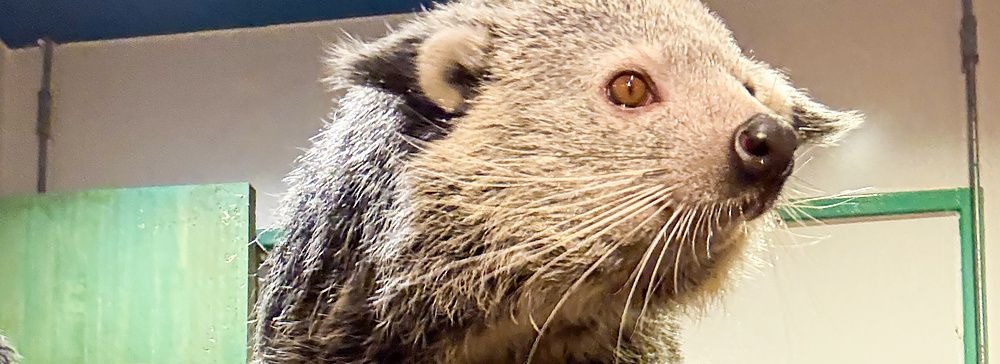
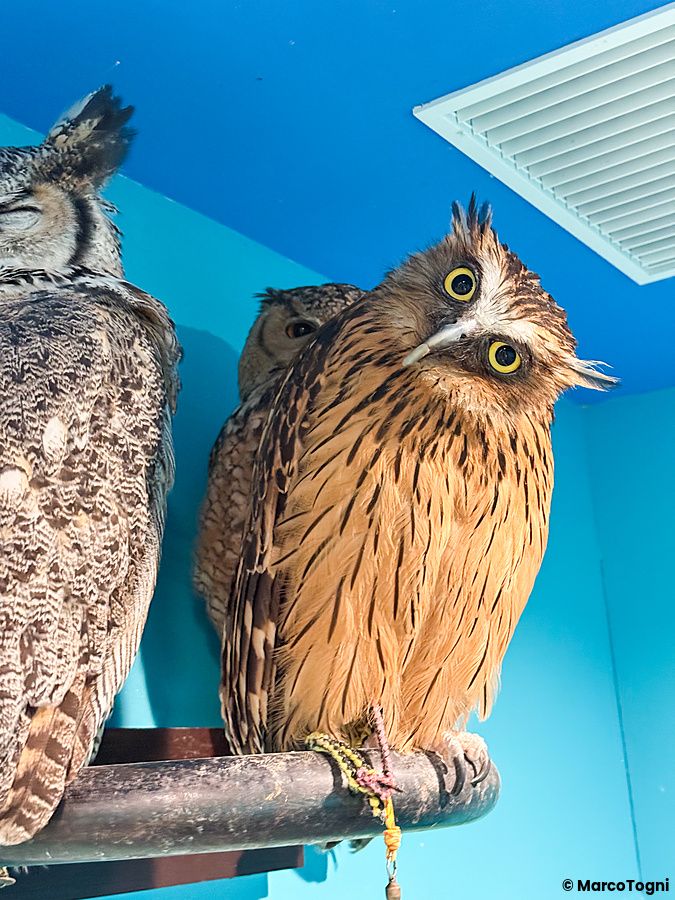
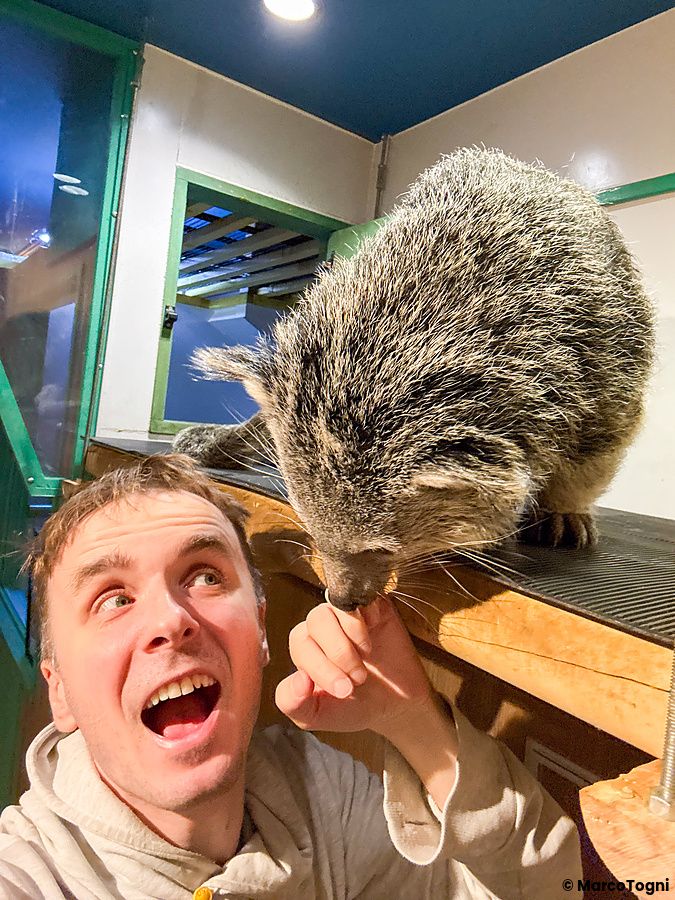
A small indoor zoo in Shinsaibashi’s Amerikamura area, where you walk into rooms full of owls out of their cages and feed all kinds of exotic animals with your own hands. It’s called Rare Zoo, and the animal everybody remembers afterward is the binturong.
I think it’s the right place if you have kids, if it’s raining and you’re in Osaka with no plan, or if you’d rather touch strange animals than look at them through glass.
You walk in, sanitize your hands and pick your food set for the animals, then wander from room to room with a little bowl in your hand. There’s no set route. The staff tell you what to feed them, and then you’re free to go where you like.
Here’s what there is to do:
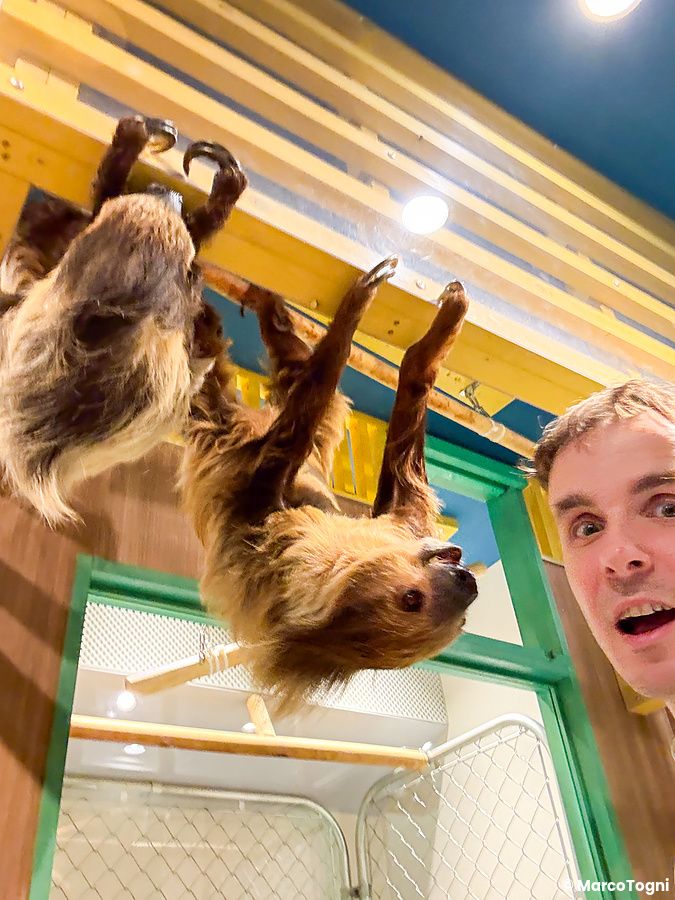
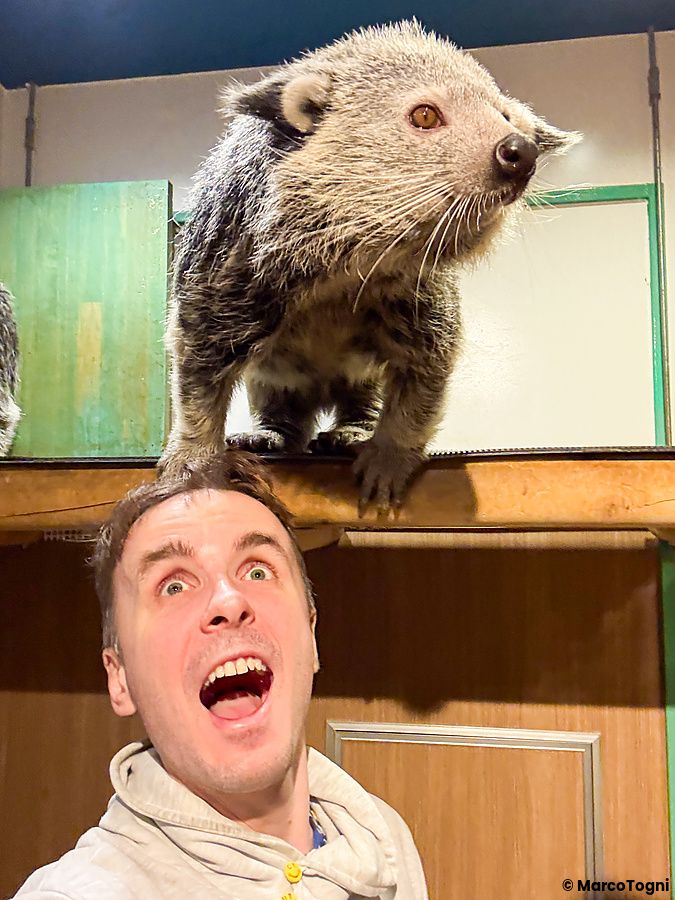
The standard ticket gives you one hour and already includes one food set of your choice, plus food for the sloth and binturong. Having the owl on your arm costs extra, and so do the other hands-on experiences.
There’s also a 30-minute ticket that includes the same things and costs a little less. Add a couple of extras and you’ll walk out having spent 4,000 to 4,500 yen per person.
The half hour is a trap. With so many animals, it’s over while you’re still deciding where to start, and you can’t always add more time. Get the full hour so you can enjoy the binturong without rushing.
As for the food sets, here’s the tip you’ll find most useful: if there are two of you, get one A and one B, so you see all the animals without buying the extra set. If you’re here to pet the animals, the first one is better (fennecs and rabbits). If you want a show, go for the second, because you won’t forget the toucan snatching a piece of fruit from your fingers.
The space is small. It’s inside an ordinary building and has none of the open-air feel of a real zoo. The place started out as an exotic pet shop, and some of the animals are also for sale, along with food and accessories. If the idea of keeping an owl or a little monkey at home makes you uncomfortable, keep that in mind.
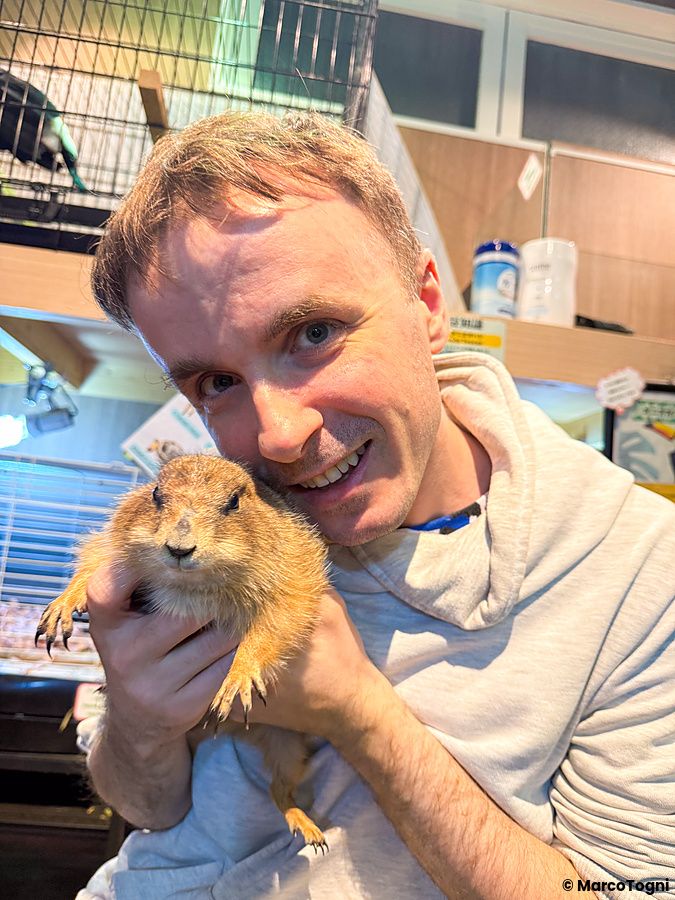
For what you pay, though, you get to do a lot. You touch and feed about ten different species, and the animals look healthy and are kept clean.
When people come to see me and their trip takes them through Osaka, I bring them here, because in one hour they get to feed a binturong and hold an eagle owl on their arm.
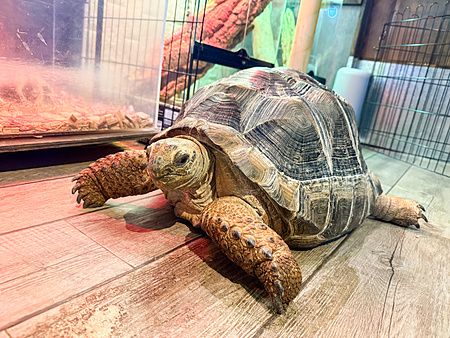
The time of day doesn’t matter much, even for the nocturnal animals, and the owls will be there staring at you no matter what. What makes the difference is the day of the week.
On Saturdays and Sundays Amerikamura fills up with young people and families, and here people with reservations get in first. If you go on a weekend without a reservation, you might be told it’s full and have to come back later.
On weekdays in the early afternoon there’s plenty of room, and the staff have time to tell you about each animal and let you keep the owl on your arm a few seconds longer. If you only have one chance, aim for that.
On rainy days or in the sticky summer heat, it’s one of the easiest things to do in the area, since it’s all indoors. On those days book ahead even on weekdays; a few days’ notice is enough.
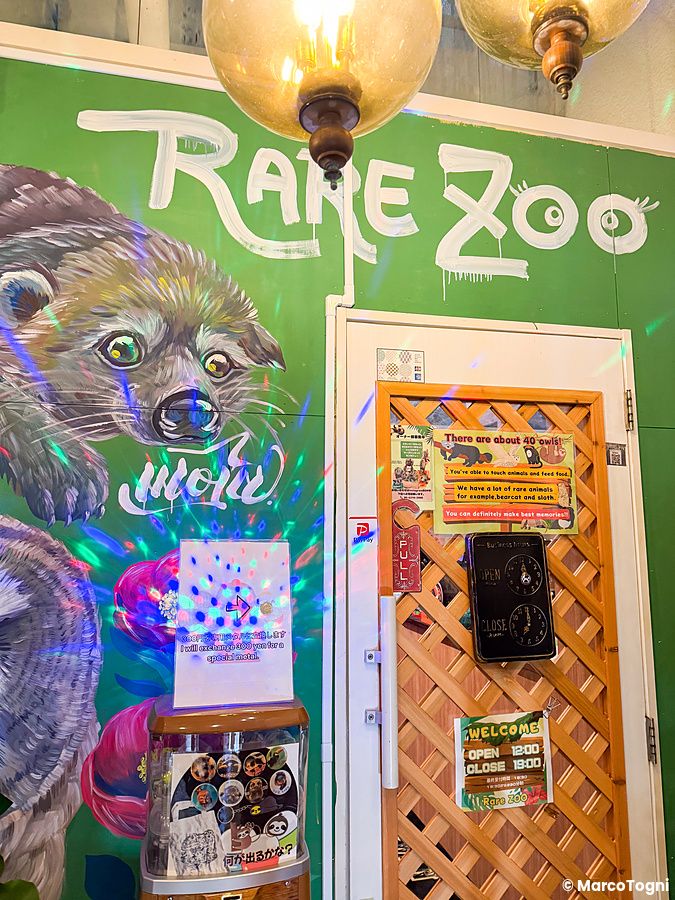
There aren’t many rules, but they enforce them, so if you have kids, go over them before you go in. No hands inside cages or pens, no running or shouting, no banging on the glass, and flash photography is completely banned.
Kids can’t go in alone, and an adult always has to be with them. Anyone with a cough or a fever stays out, and the same goes for anyone who’s been drinking or walks in eating something. The area is full of food stalls and people walking around with a beer, so finish your snack outside.
The animals are real, and they make that clear at the entrance: if you get pecked or scratched, it’s at your own risk, and once you’re in, there are no refunds. In practice the staff put your hand in the right spot and show you how to hold your arm with the owl on it, so even kids under ten do just fine.
For photos, the best light is in the owl rooms, where you can get really close. In the night room your photos barely come out without flash, if at all, so you’re better off putting your phone away in there.
Pros:
Cons:
Ideal for: families with kids, rainy days in Osaka, anyone who wants to touch animals they’ve never seen in person
Atmosphere: indoor rooms, owls everywhere, low light in the night section, kids laughing in front of the sloth
How long: one hour; half an hour isn’t enough
Reservations: yes on weekends; on weekdays you can just show up, unless it’s raining
You’re not paying for a real zoo here but for an hour of hands-on contact with animals you’d only see from a distance anywhere else, and for that it’s worth every yen. With the basic ticket and one extra, you go from a toucan taking fruit from your fingers to a binturong climbing up to reach the bowl, just steps from the Shinsaibashi shops.
If you’re after big spaces and animals in natural settings, or you’re against the exotic animal trade, skip it. But if you’re traveling with kids or just want to see a binturong’s face up close, it’s the best way I know to spend an hour in Osaka.
The zoo is on the second floor of a building right in the middle of Amerikamura, almost across from the Big Step shopping mall. From Shinsaibashi Station, cross Midosuji Avenue heading west and walk into the neighborhood's side streets. You'll be there in about 6 minutes.
From Namba it's about a 10-minute walk north, which is handy if you're arriving on Kintetsu or Hanshin trains.
This place is on MarcoMaps
Rare Zoo
My map of Japan: over 4,000 places I've tried myself, each with photos, rating, and hours. Filter by category and rating, find veg-friendly spots and places near you with GPS. No sign-up, right from your phone.


Rare Zoo - nearby you will find:
0 mSamoyed cafe.
 10 m
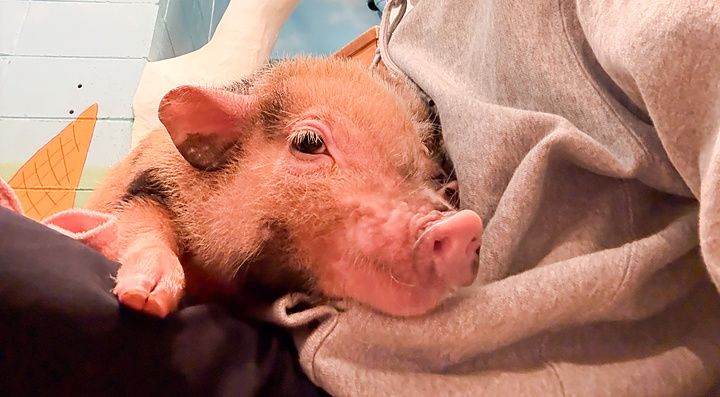
The mini pig cafés.
 55 m
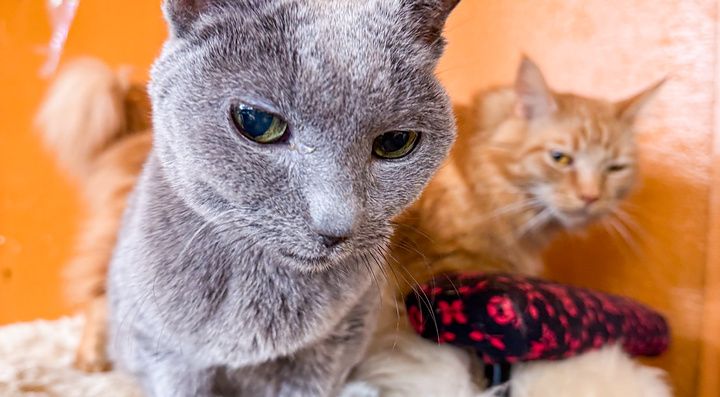
Cats on your lap and Asian drinks.
 116 m
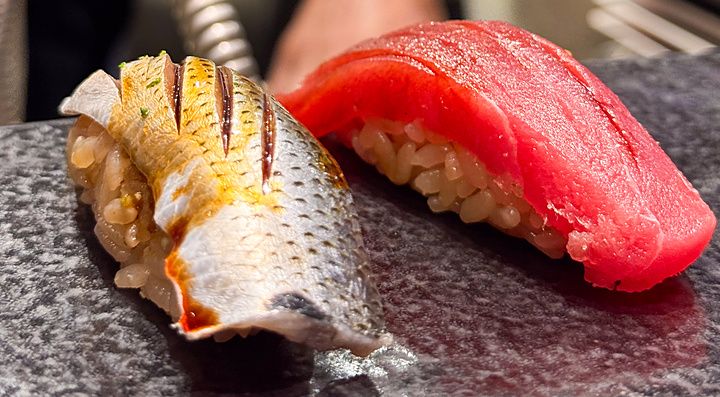
Chain with excellent sushi.
 139 m
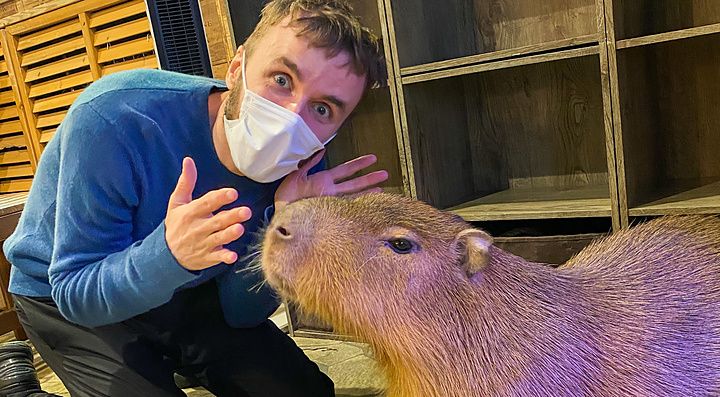
Capybaras, meerkats, and owls with no cages.
 186 m
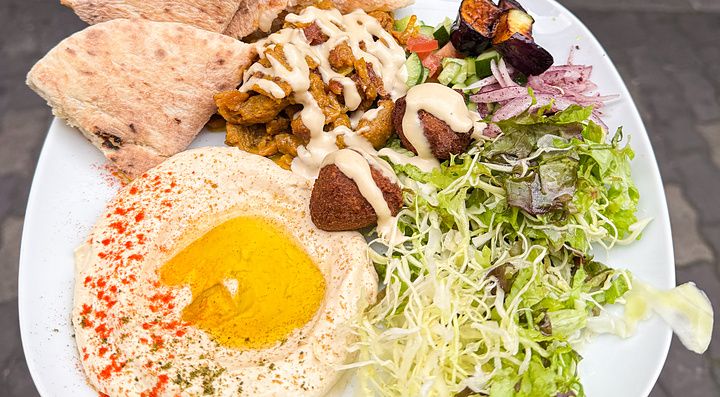
Middle Eastern stand with vegan options.