How to Retire in Japan
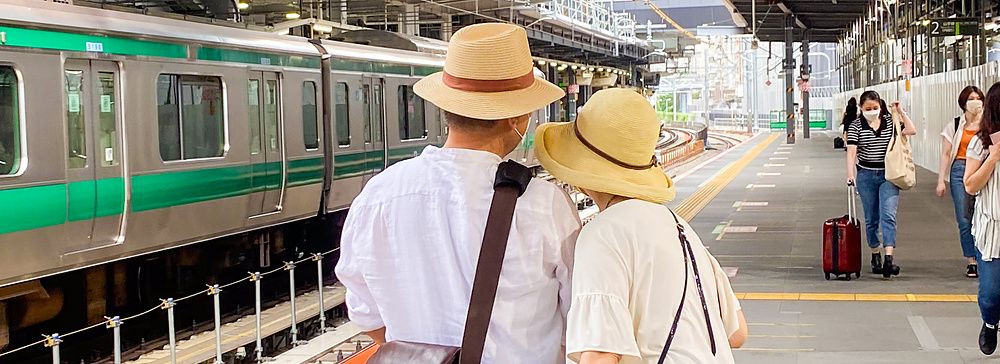
You can retire in Japan. If you’re seriously thinking about it, though, read up on the paperwork before you start dreaming about a little house in the countryside. Japan is safe and clean, with solid public health care and public transportation that lets you get around without a car. Past a certain age, those things matter a lot.
I often hear from people in two very different situations. Some have been living here, sometimes for many years, and want to know what happens when they stop working.
Others live in Europe and want to move to Japan once they retire. The rules for the two groups are completely different, and if you’re coming from abroad, it’s an uphill battle from the start.
Contents
No retirement visa
Japan doesn’t have a visa for retirees. In countries like Thailand, the Philippines or Portugal, you show that you have a pension or savings and you get permission to stay. Japan has nothing like that, and the government has never wanted to create one.
Every Japanese residence permit is tied to something you do, such as working, studying or being married to someone who lives here. Having an income isn’t enough, even a high one. Collecting a pension every month doesn’t count as a reason to stay, and neither does buying a home. You can own an apartment in Kyoto and still only be allowed to stay there as a tourist.
If your country is visa-exempt, you can stay in Japan for up to 90 days without a visa. That’s a tourist stay, meant for traveling, and you can’t use it to live here by going back and forth for years. If you spend month after month in Japan on repeated tourist entries, you risk some awkward questions at passport control.

If you already live here
If you’ve been living in Japan for a while, you’re in a much easier position, but it all depends on which permit you hold. If you have permanent residency or a visa as the spouse of a Japanese citizen, retiring changes nothing. You stay, you live as before and you keep using public health care.
The people with a real problem are the ones here on a work visa. That permit exists because you work, and once you stop, you can’t renew it. That’s why I’d tell you to start thinking about permanent residency long before you retire, not the year before.
As a general rule, you need to have lived in Japan for at least 10 years to apply, with at least 5 of them on a work visa or a family-based permit. Your track record matters enormously. Taxes, pension contributions and health insurance premiums all have to be paid, and paid on time. A late payment counts against your application even if you settled it afterward, and the requirements are applied strictly.
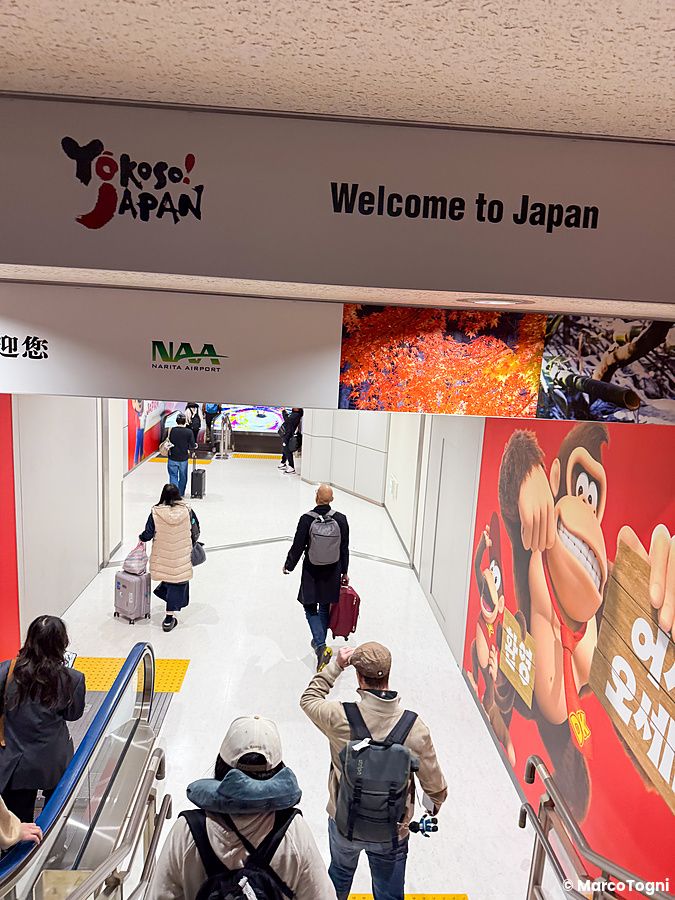
Once you have permanent residency, there’s a rule that a lot of retirees don’t take seriously enough. If you leave Japan on the special re-entry permit, the one you select at passport control at the airport, you have to come back within a year.
If you plan to spend long stretches in Europe, maybe to be near your grandkids or to look after a parent, you need to get a regular re-entry permit from the immigration office before you go. It can last up to 5 years. If you forget and stay away too long, you lose your permanent residency, and that happens more often than you’d think.

Your Japanese pension
If you’ve worked in Japan, you’ve paid into the Japanese pension system, and that money isn’t lost. To qualify for an old-age pension you generally need at least 10 years of contributions, counting both what you paid as an employee and what you paid on your own.
If you leave Japan before reaching 10 years, you can claim a partial refund as a lump sum, based on only a limited number of years. It’s a welcome sum, but far less than what you paid in. Run the numbers before you apply, because taking the refund wipes out those years of contributions.
Many people who’ve lived here a long time end up with two pensions, one Japanese and one from their home country, neither of them very large. Put together, they’re often enough to live decently, especially outside the big cities.
If you’re moving from abroad
If you’ve never lived in Japan, the closest thing to a retirement visa is the long-stay permit for sightseeing and recreation. In Japanese it’s called tokutei katsudo, meaning designated activities, and it’s meant for well-off people from countries whose citizens can enter Japan without a visa.
The requirements are few but steep. You have to be 18 or older and have at least 30 million yen in the bank. A married couple can combine their savings, but if your spouse wants a separate permit to travel on their own, the threshold goes up to 60 million. You also need private health insurance that covers illness, injury and death for the whole stay, plus your bank statements for the last six months to show the money really is yours.
The permit lasts six months and can be renewed once, so a year is the most you can get. After that you have to leave Japan. You can’t work, you don’t get a residence card and you’re not covered by public health insurance.
The time you spend here on this permit doesn’t count toward permanent residency either. I’ll be honest with you: it’s less a move than a long luxury vacation. I see it as a good fit if you want to try living in Japan for a year before making any decisions, not if you want to settle here.
Other ways to stay
If you want to stay for years, you have to fit into one of the categories Japan already has. None of them were designed for retirees, and some are realistic only in specific situations.
- A spouse visa is the simplest route if you’re married to a Japanese citizen or to a foreigner with permanent residency, and after a few years it lets you apply for permanent residency.
- A student visa for a Japanese language school has no official age limit, but it lasts about two years at most, you have to attend classes every day, and you need to prove you can support yourself. Schools take a hard look at anyone enrolling at 65, because they worry you’re not a real student.
- There’s a visa for starting a business, but it requires a lot of capital, around 30 million yen, plus at least one full-time employee who’s Japanese or a long-term resident. You need a real company, not an empty shell set up to get the permit.
- Bringing an elderly parent over to join a child who lives in Japan is possible only in exceptional cases. Typically the parent has to be over 70, have no spouse and no other children who can look after them, and have serious health problems.
- A proper work visa, with a full-time job rather than part-time work, is still possible if you have skills that are in demand and find a company willing to hire you, but it gets hard past a certain age.
If I were you, I wouldn’t trust anyone selling shortcuts for a fee. Every so often agencies pop up talking about retirement visas for Japan. If you don’t fit one of these categories, there’s no long-term permit for you.

Health care and elder care
Anyone with a residence permit for more than three months has to join National Health Insurance, which is run by the city or town where you live. You pay a yearly premium based on your income, and in return most of your medical costs are covered.
What you pay out of pocket changes with age. Up to age 69 you pay 30% of the cost of doctor’s visits, tests and medicine, and between 70 and 74 that normally drops to 20%. At 75 you move to a separate system for older people, where you generally pay 10%, rising to 20% or 30% if your income is higher.
From age 40 you also pay into long-term care insurance, which covers home care workers, adult day care centers and nursing homes once you can no longer look after yourself. For a retiree it’s one of the most valuable parts of the Japanese system.
All of this applies only to residents. On the long-stay tourist permit I described above you’re not covered, and private insurance for an older person costs a lot.
Language is another real limit. In the big cities you can find doctors who speak English, but in the countryside it’s rare, and describing a symptom or understanding a diagnosis in Japanese at 75 is no easy task.
Your pension from home and taxes
If you move here and receive a pension from your home country, you can normally have it paid straight into a bank account abroad. Expect to have to prove every year that you’re still alive, with a form you sign in front of an authorized witness, usually your consulate or a recognized local office.
Taxes are trickier, because it all depends on the treaty to avoid double taxation between your country and Japan, if there is one.
On top of that, in Japan you have to file a tax return every year.
A mistake at any of these steps can cost you dearly, so I’d recommend getting help from an accountant who specializes in international tax, at least for the first year.
Housing and costs
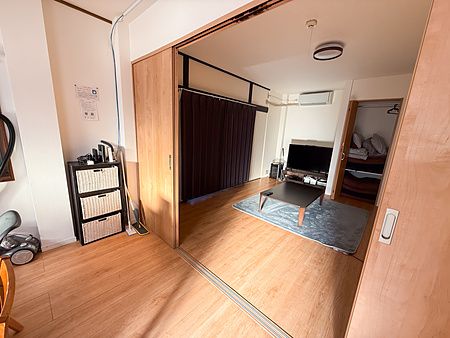
Finding a place to rent as a retiree is the hardest part, and that’s true for plenty of Japanese people too. About half of real estate agencies admit they’ve turned down tenants because of their age. What landlords fear most is that the tenant will die alone at home and not be found for a while, with all the trouble that follows.
If you’re an older foreigner, you’ll also need a guarantor. In almost every case that means going through a guarantor company, which checks your income and sometimes asks for an emergency contact who lives in Japan. Some agencies offer rental agreements with regular check-ins or sensors in the home specifically so they can accept older tenants, and they’re worth asking about.
Buying is a different story. Foreigners can buy property with no restrictions, and outside the big cities houses are cheap. As I said, though, owning a home doesn’t give you any right to live here.
As for living costs, a retired Japanese couple spends around 250,000 yen a month on average, and someone living alone about 150,000. Those figures are mostly for people who already own their homes. If you’re renting, add the rent on top, and how much that adds depends heavily on the city. Either way, check current prices before you do the final math.
City or countryside
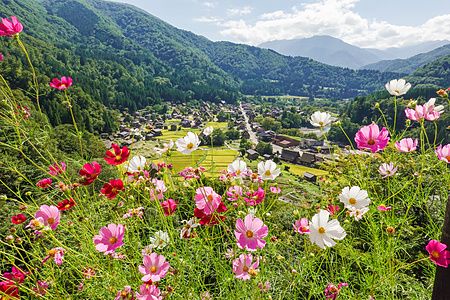
A lot of people love the idea of an old house in the mountains overlooking rice paddies, and at 65 it can be wonderful. The trouble starts later, when you actually get old.
Without a car you can’t get around in the countryside, and in Japan many older people turn in their driver’s licenses for safety reasons. Seeing a specialist can sometimes mean half a day of travel, and there aren’t many home care agencies, which are often fully booked.
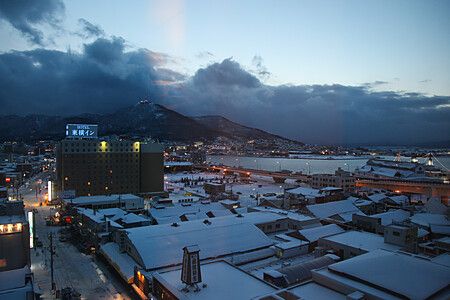
In some areas you also have winter to think about. In Hokkaido or anywhere with heavy snow, heating eats up a good chunk of what you save on housing.
That’s why, when people ask me for advice, I almost always suggest a mid-sized city. These are the things I’d look for:
- A major hospital you can reach by bus or train, not just a neighborhood clinic.
- A supermarket, a pharmacy, and a bus or train stop within walking distance, so you don’t depend on a car.
- Stations with elevators and low-floor buses, because stairs become a problem sooner than you’d think.
- A few doctors or clinics that accept foreign patients, which you can look up on the prefectures’ official lists.
- A bearable winter and, if possible, a few other foreigners nearby to chat with.
Plenty of cities this size check all those boxes and cost less than the big cities. Before deciding, I’d honestly spend at least a few weeks in the area in different seasons.
My advice
If you already live in Japan, retiring here is something you prepare for years in advance: getting permanent residency, paying your pension contributions on time, and keeping an eye on your re-entry permit. Once that’s taken care of, staying is fairly simple.
If you’re coming from Europe with no Japanese spouse and without several million in the bank, the truth is you can’t move here full time. What you can do is come for long stays as a tourist, once or twice a year, renting an apartment for a few months.
If I were you, I’d start with a couple of long trips to the city you like, then maybe the one-year tourist visa, if your savings allow it. Only then would I decide whether it’s worth it. What would you choose?