


 86 m
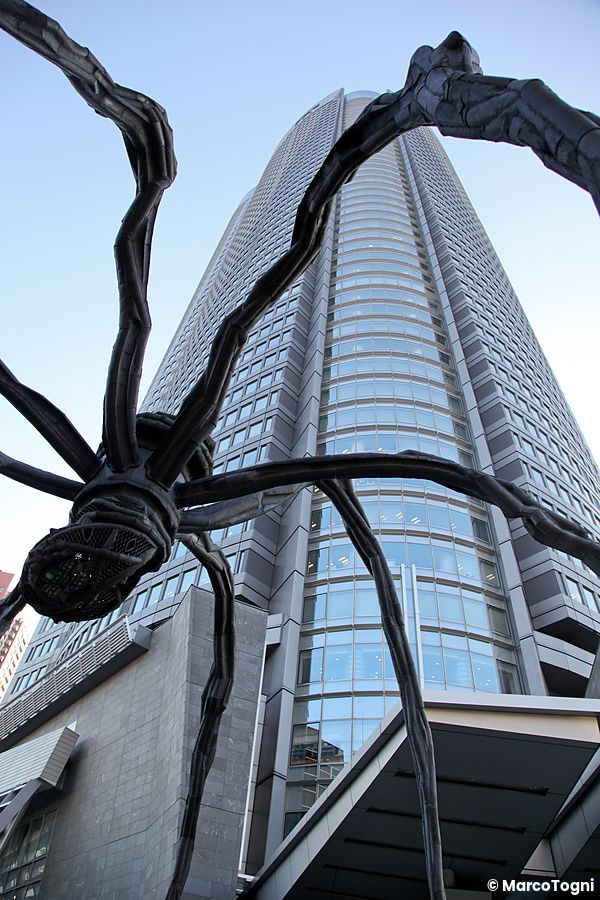
Roppongi Spider (Maman)86 m
A work of art.
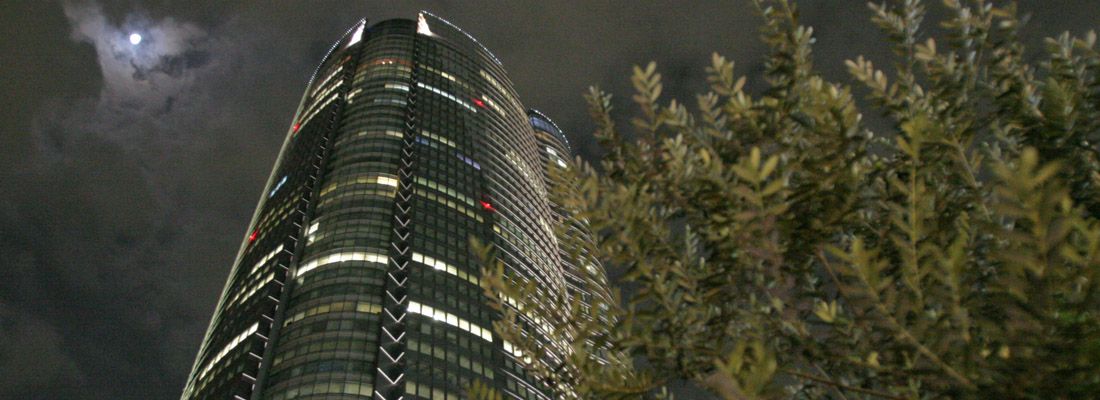
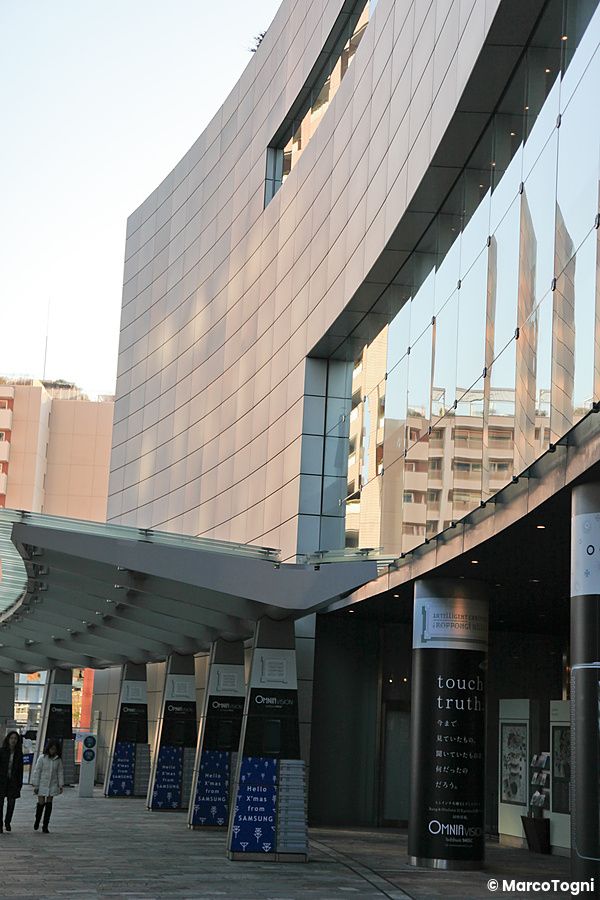
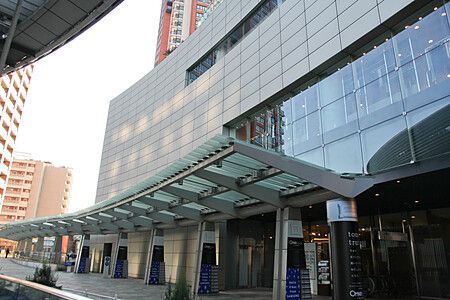
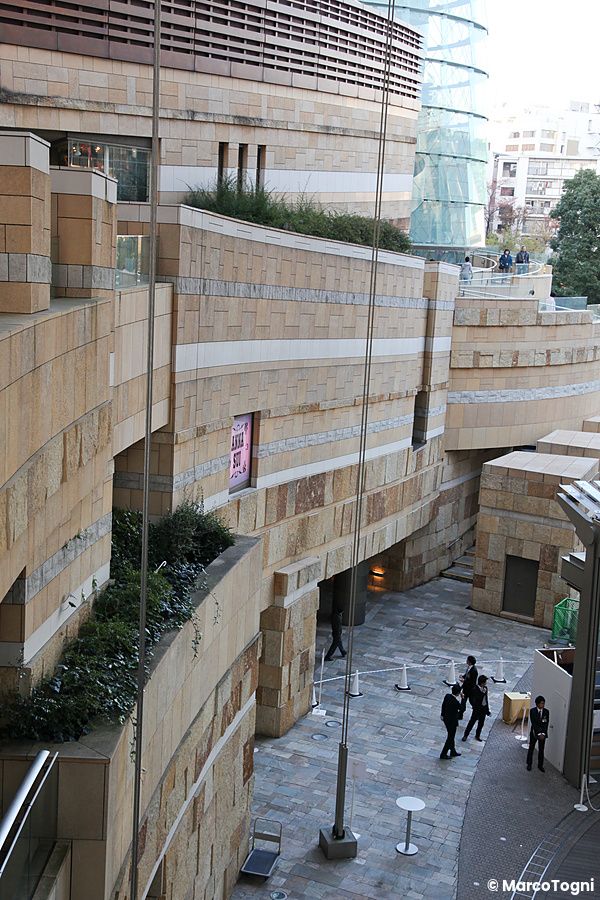
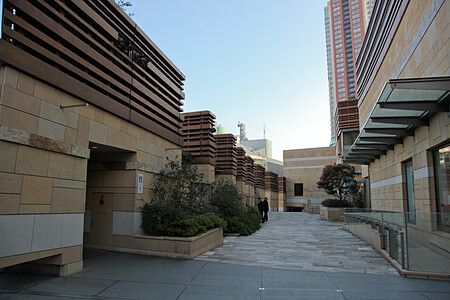
Calling Roppongi Hills a neighborhood doesn’t quite cover it. It’s a vertical city where a few steps take you from a design gallery to a contemporary art museum, and from a quiet Japanese garden to an observation deck with views across all of Tokyo. The whole place embodies Minoru Mori’s vision: pack different functions into a compact space to save time (which in Tokyo, as we know, often just ends up being spent on work). The architecture here is as much about show as it is about function, with international offices, carefully chosen boutiques, restaurants, a movie theater, plazas for events and a work of art everyone photographs, the giant “Maman.” My advice is to come with an open mind. Either Roppongi Hills wins you over with its energy and variety, or it intrigues you with the way it brings luxury, culture and everyday life together.
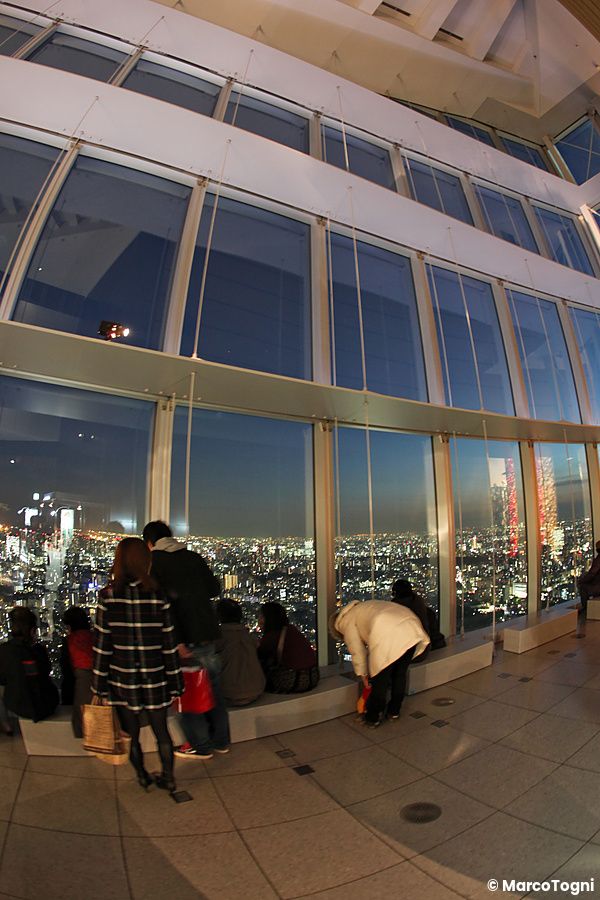
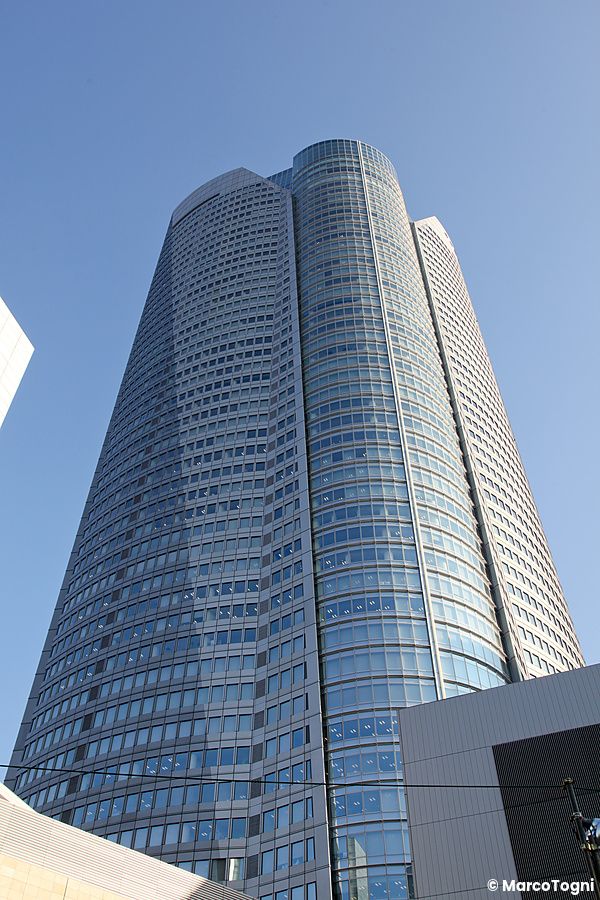
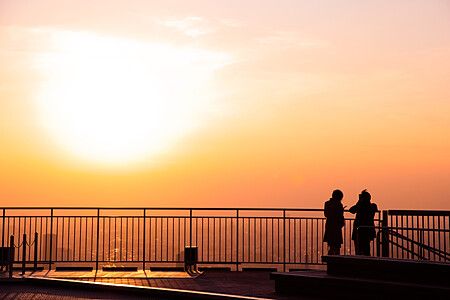
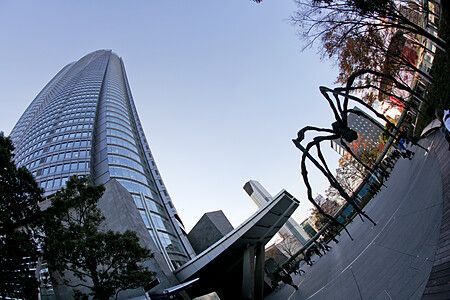
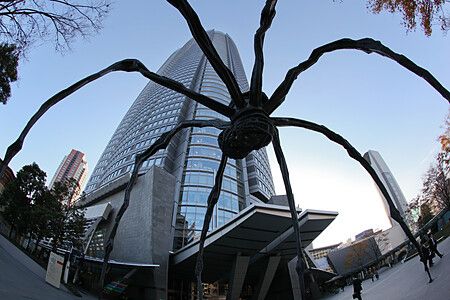
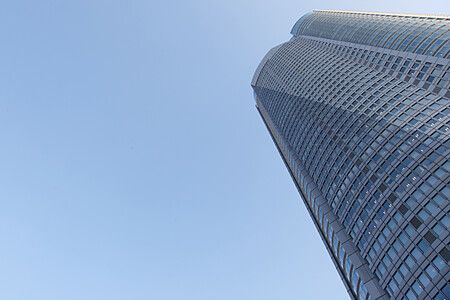
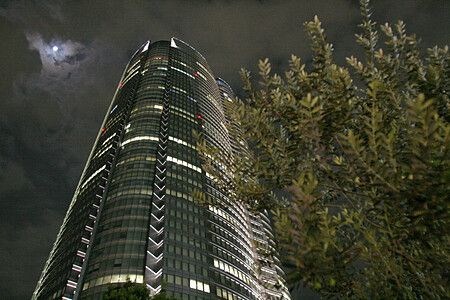
The centerpiece of the complex is the Mori Tower, a 54-story, 238-meter landmark designed by Kohn Pedersen Fox with The Jerde Partnership. On the 52nd floor you’ll find Tokyo City View, an indoor observation deck where a band of windows runs all the way around the tower about 250 meters up. The Sky Deck, the open-air terrace on the roof, is no longer open to the public, so these days you only see Tokyo from inside, where the weather is never a problem.
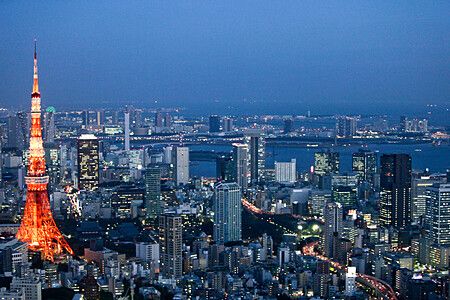
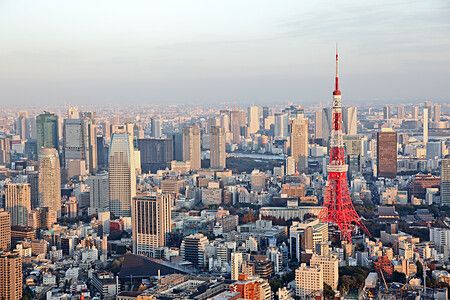
What I like about Tokyo City View is that the windows wrap all the way around the floor. There’s no good side and no side to skip: you keep walking and the view keeps changing. In one direction Tokyo Tower fills the foreground, so close it feels like you could reach out and touch it, with the bay, the Rainbow Bridge and Odaiba opening up behind it.
Turn the other way and you get the Shinjuku skyscrapers and, farther off, the slender spire of the Skytree. This is the view that shows you, better than any map, that this city is enormous and has no center.
On clear days, especially in winter when the air is crisp, you can also pick out the outline of Mount Fuji beyond the skyline. It happens less often than people think, but when it does, you understand why everyone comes up here.
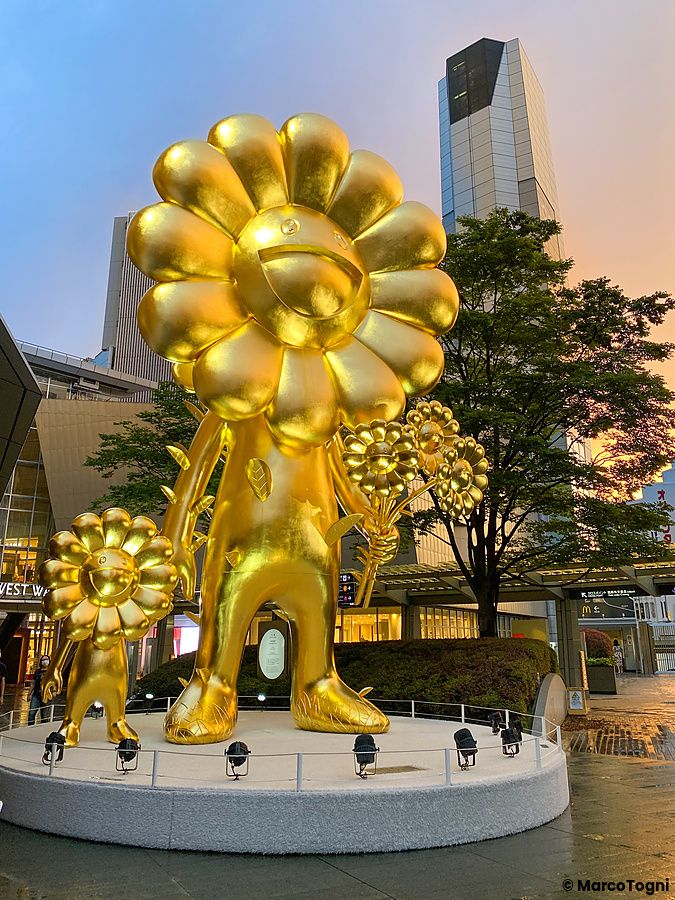
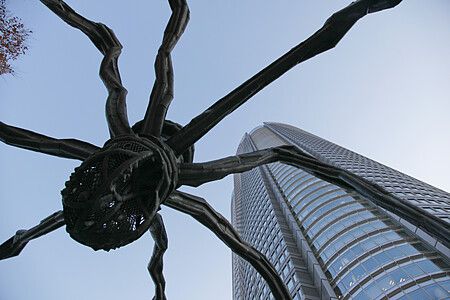
In 66 Plaza, right in front of the tower, you’re greeted by Louise Bourgeois’s “Maman,” a giant spider that has become the area’s go-to photo spot. It’s one of those works that divides people: some love it, some find it frightening, but everyone stops to look. Fun fact: here in Tokyo the sculpture wears special “shoes” to protect it from earthquakes. Maman is only the start, though. The whole complex was conceived as an open-air museum, with around twenty sculptures and installations spread across the plazas, entrances and covered walkways. Even the benches, signs and handrails are signature pieces by a number of different designers, and if you keep your eyes low you’ll recognize quite a few of them without even realizing it. Once a year the area keeps going all night for Roppongi Art Night, when museums, galleries and plazas fill with artworks until dawn.
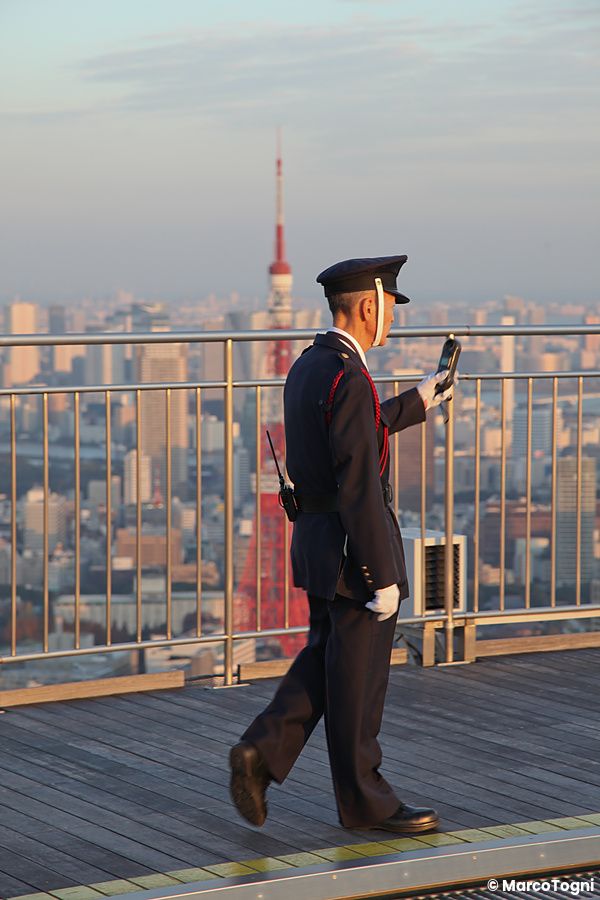
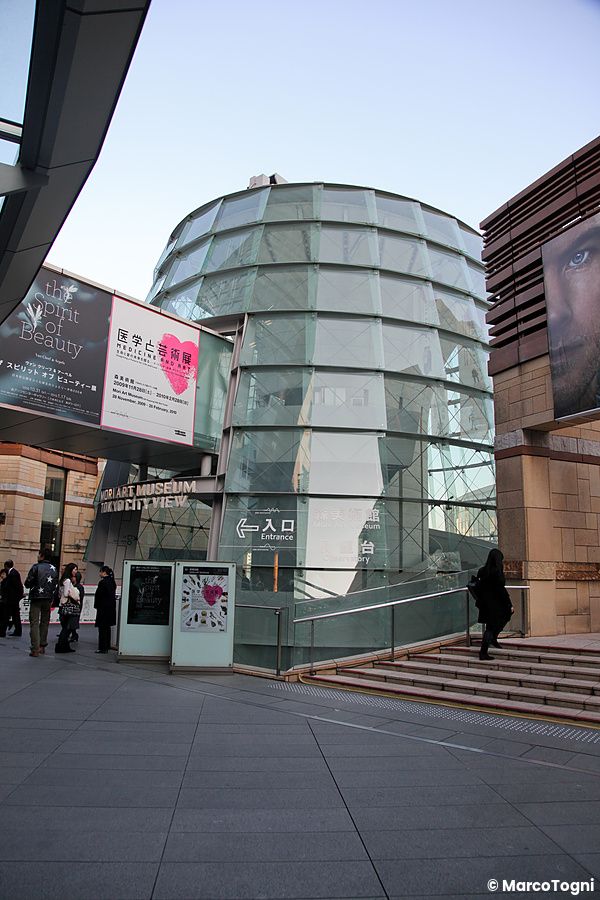
The Mori Art Museum occupies the 53rd floor and focuses mainly on contemporary forms like architecture, design, photography and video. It has no permanent collection, so what you’ll find are ambitious temporary exhibitions, often international ones. The program changes several times a year, alternating solo shows by international artists with big architecture and design exhibitions, often with spectacular exhibition design built around the tower’s spaces. I’d pair the museum and City View in the same visit for an “art + skyline” afternoon.
Back at ground level, a glass corridor leads you to the Mori Garden, with a pond, small waterfalls, cherry trees and Japanese maples. It’s the green oasis you don’t expect in the middle of an office district. Entry is free and you don’t need a ticket, which makes it a perfect spot for a coffee break or for photos during hanami or koyo season. There’s also a story almost nobody knows. The name doesn’t come from Mori Building but from the Mori clan, the feudal lords of Chofu, who had their Edo residence here. It was in this very garden, in 1703, that ten of the 47 ronin of Ako committed seppuku, and a plaque right by the pond still marks it today. Look for it: it’s strange to think about one of the best-known stories of feudal Japan with a glass skyscraper behind you.
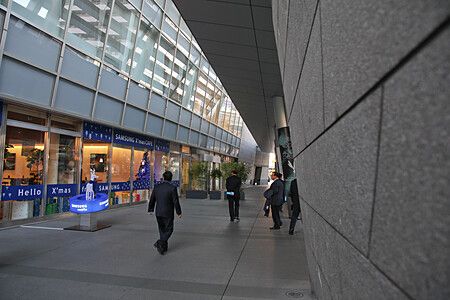
Roppongi Hills is also a shopping destination, with more than 200 shops, cafés and restaurants ranging from casual spots to fine dining. If you want an easy option, the Grand Hyatt Tokyo has ten very different places to eat: a steakhouse, an Edo-mae sushi restaurant, a French bistro, a contemporary Chinese restaurant and a lounge with live music. Book ahead for peak times, and wander through the corridors of West Walk, which are a living catalog of Japanese brands and lifestyle.
Inside the complex you’ll find Toho Cinemas Roppongi Hills, a multiplex with a wide range of films (including some in their original language) and evening showings. It’s handy if you want to end the day with a movie without leaving the area. Showtimes change depending on what’s playing.
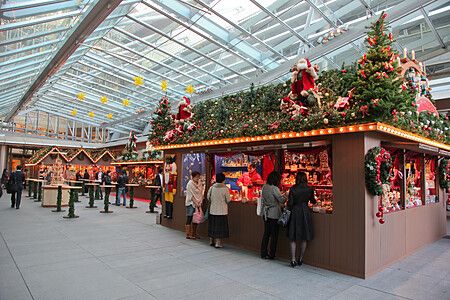
Roppongi Hills Arena is an outdoor space with a retractable roof, used for concerts, food festivals, talks and red-carpet events. If you’re here in November or December, Keyakizaka-dori lights up with Christmas lights, with a perfect view down the street toward Tokyo Tower and an atmosphere straight out of a Christmas movie. In spring and summer the area often hosts event series and themed weekends.
Roppongi Hills covers about 11 hectares and sums up Mori Building’s idea of a “city within a city,” with offices, residences, a hotel, cultural spaces and retail all linked by plazas and pedestrian walkways. It’s a testing ground for private urban planning, with clear advantages in services and upkeep, and a case study in how Tokyo blends different functions vertically. The whole project grew out of an extremely long negotiation. To assemble the block, Mori Building spent about 17 years winning over the more than 400 families who owned the land, one by one, before the complex could open in 2003. That’s why Roppongi Hills looks like it was designed as one piece, with a consistency you almost never find anywhere else in Tokyo, and it’s also why people point to it as an extreme case of how much weight private developers carry in reshaping the city.
If you like the idea of a neighborhood that works as its own ecosystem, where art meets shopping and you can go from matcha to a rooftop without leaving the block, this is contemporary Tokyo packed into one place. Give it a good half day: the museum and the observation deck, a walk in the garden, a stop under Maman, drinks overlooking Keyakizaka and, if you’re up for it, a movie or dinner at the Grand Hyatt.
One last personal suggestion: keep Roppongi Hills on your list not just for the skyline, but to see how Tokyo is reshaping itself through design, services and big private projects, and to decide whether that direction feels right to you. If you want to dig deeper, my site has more articles on Tokyo at night, museums and nearby neighborhoods to help you plan your itinerary without wasting time.
If you're coming on the Hibiya Line, get off at Roppongi and look for Exit 1C. A covered passage takes you into the complex in two or three minutes, so you don't have to step outside even if it's raining.
On the Oedo Line, take Exit 3 and walk five minutes above ground along Roppongi-dori.
There's also a more scenic option: get off at Nogizaka on the Chiyoda Line and walk about ten minutes past the National Art Center, so you can fit two museums into the same afternoon.
This place is on MarcoMaps
Roppongi Hills Mori Tower
My map of Japan: over 4,000 places I've tried myself, each with photos, rating, and hours. Filter by category and rating, find veg-friendly spots and places near you with GPS. No sign-up, right from your phone.


Roppongi Hills Mori Tower - nearby you will find:
86 mA work of art.
 245 m
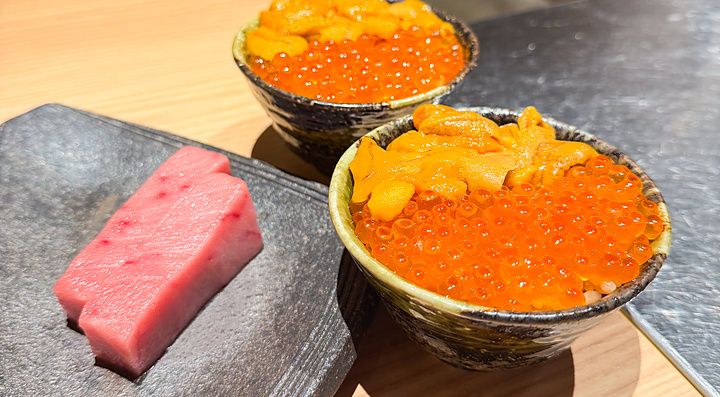
Grilled sashimi, yakiniku style.
 399 m
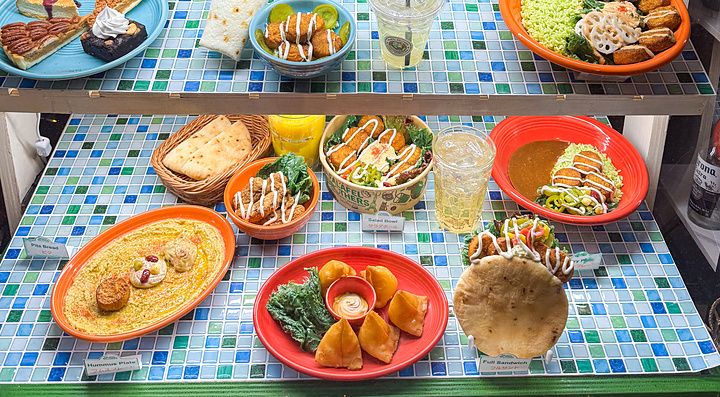
Pita, hummus and vegan food.
 498 m
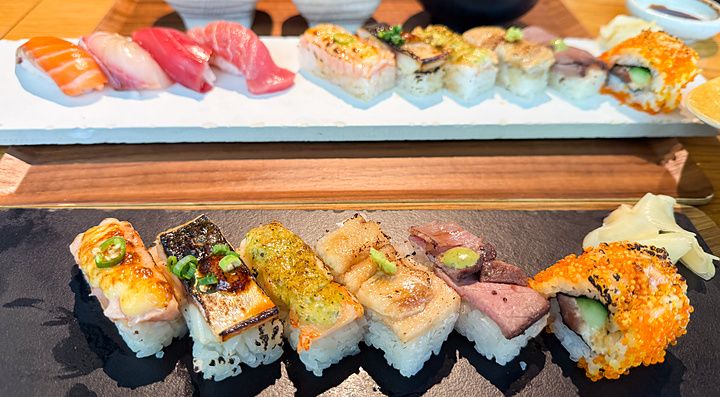
Aburi sushi and izakaya dishes.
 547 m
Open 24 hours, and you can find anything.
 651 m
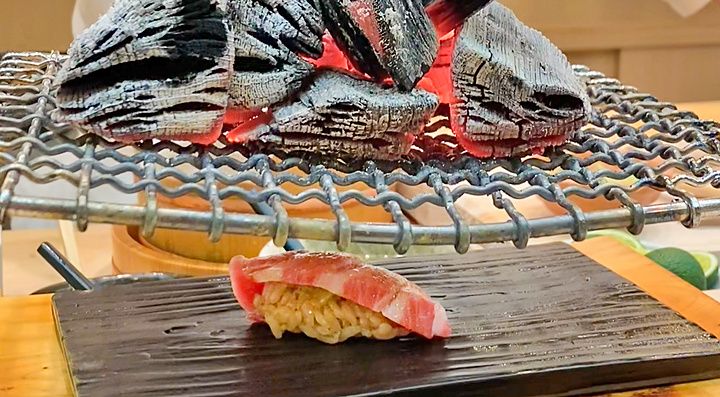
Omakase with charcoal-grilled tuna.