
 132 m
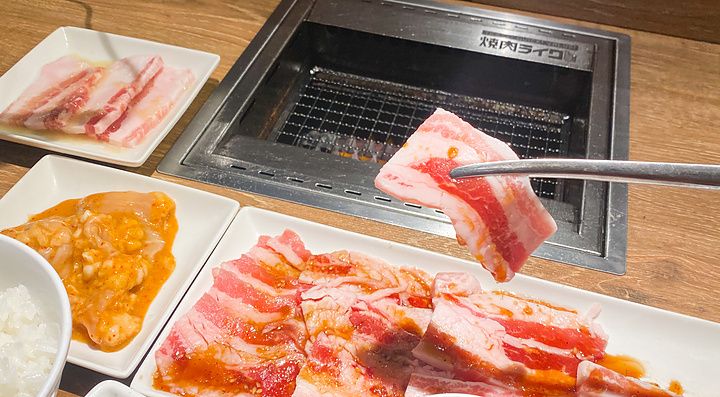
Yakiniku Like132 m
Quick grilling at solo seats.
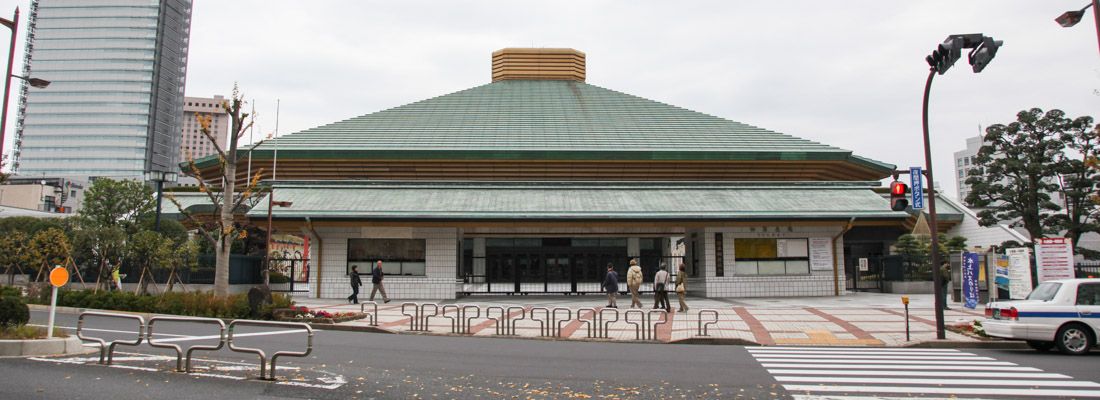
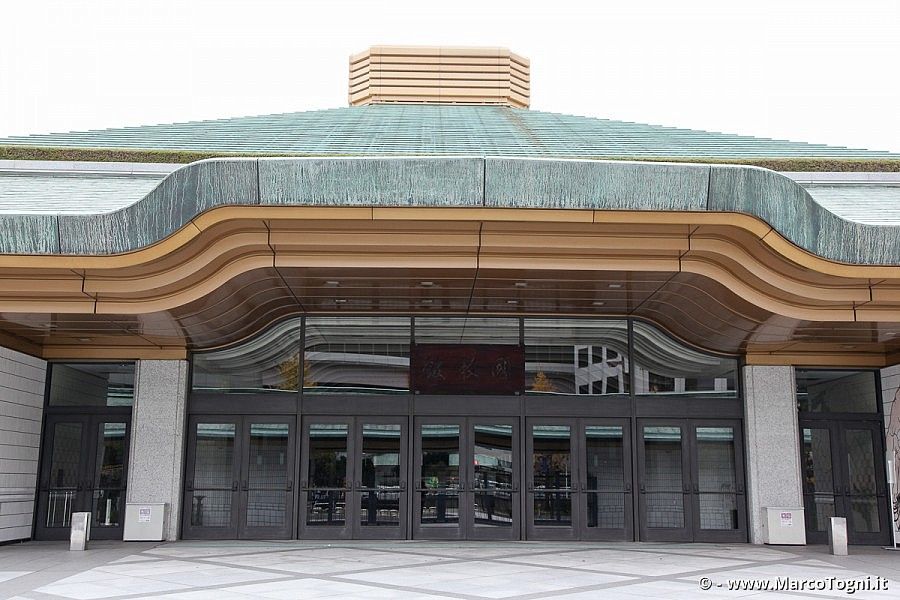
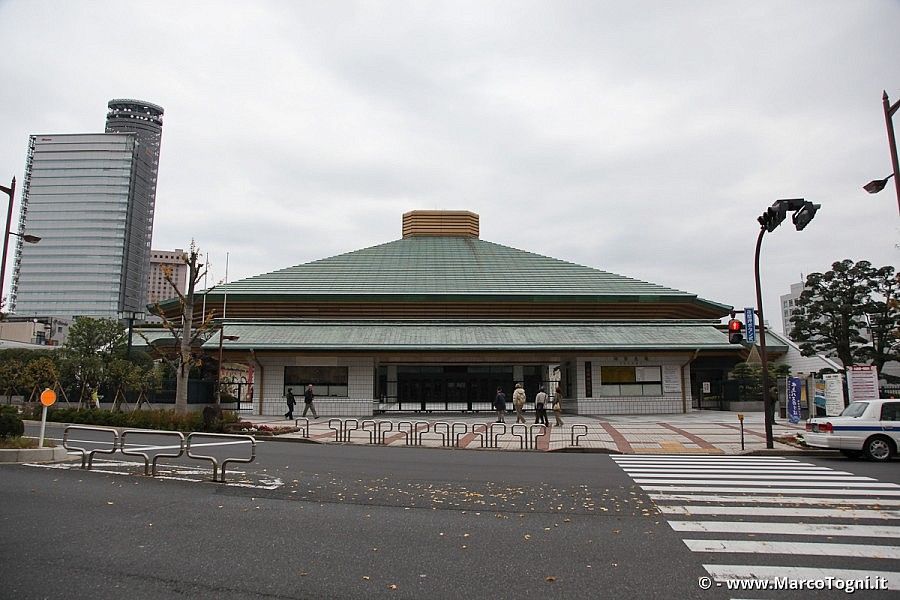
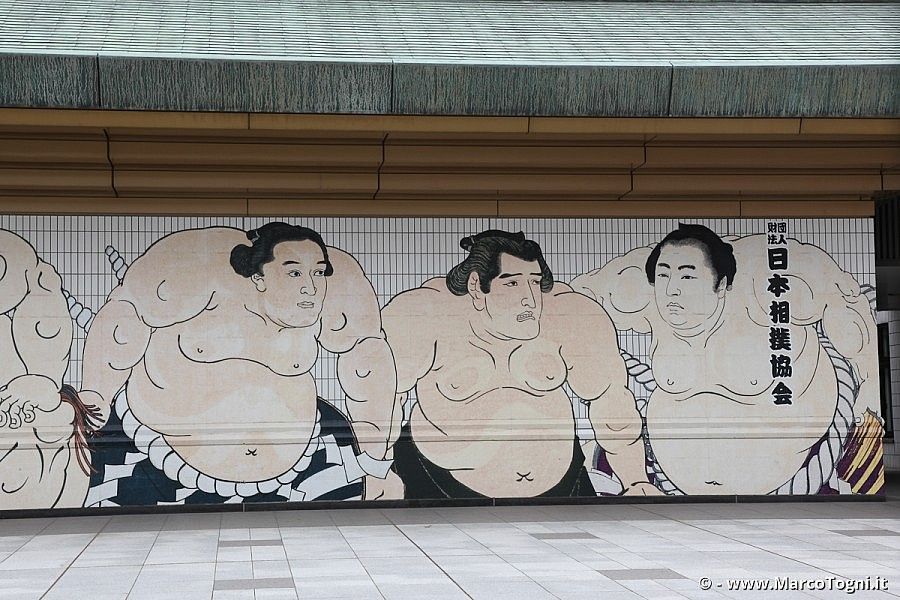
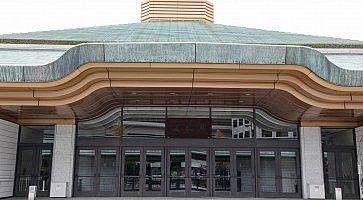
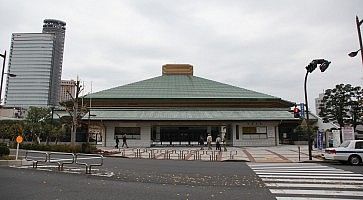
The Ryogoku Kokugikan is the most important sumo arena in Japan, and plenty of tournaments are held here. It’s in Ryogoku, not far from Akihabara, and three times a year it becomes the center of the sumo world: eleven thousand people pack the arena, and the bouts go on from morning until evening. It’s worth a visit outside tournament season too, with the sumo museum on the ground floor and an arena that also hosts concerts and other events.
Take a look at my article on where to see sumo in Tokyo.
The Kokugikan is next to Ryogoku Station. Take the exit on the west side of the JR station and in a couple of minutes it's right in front of you. You can't miss it.
If you come on the Toei Oedo subway line, the stop is also called Ryogoku, but it's further south, so you have a five-minute walk north.
Akihabara is two stops away on the Chuo-Sobu Line, so you can easily fit both areas into the same day.
This place is on MarcoMaps
Ryogoku-Kokugikan
My map of Japan: over 4,000 places I've tried myself, each with photos, rating, and hours. Filter by category and rating, find veg-friendly spots and places near you with GPS. No sign-up, right from your phone.


The Kokugikan holds tournaments three times a year, in January, May and September, and each one runs for fifteen days straight.
In the morning the arena is almost empty. The wrestlers from the lower divisions take to the dohyo, very young guys fighting in front of a few dozen people. It’s the quietest part of the day, and if you want to watch their technique up close it’s also the most interesting. By the afternoon the place has filled up and the pace changes completely. First comes the dohyo-iri, when the top-division wrestlers make their entrance in embroidered ceremonial aprons, and after that come the bouts that decide the tournament.
Every day ends with the yumitori-shiki, the bow dance, and if a yokozuna loses you’ll see the crowd’s cushions flying through the air.
A masu-seki, the tatami box, is meant for four people. You sit on cushions on the floor and leave your shoes at the entrance to the box, so it’s comfortable for two and really cramped for four.
The seats on the upper levels are regular chairs. If you’re not used to sitting cross-legged for hours, they’re the sensible choice, even though you’re farther from the ring.
The ringside seats, the tamari-seki, are the most sought-after and also have the strictest rules: no cameras, no food and no drinks. And every now and then a 150-kilo wrestler literally lands on top of you.
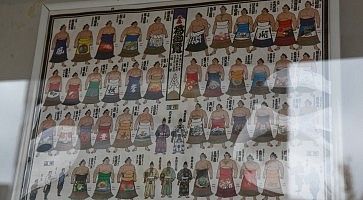
The sumo museum, on the Kokugikan’s ground floor, takes up two small rooms that almost everyone misses.
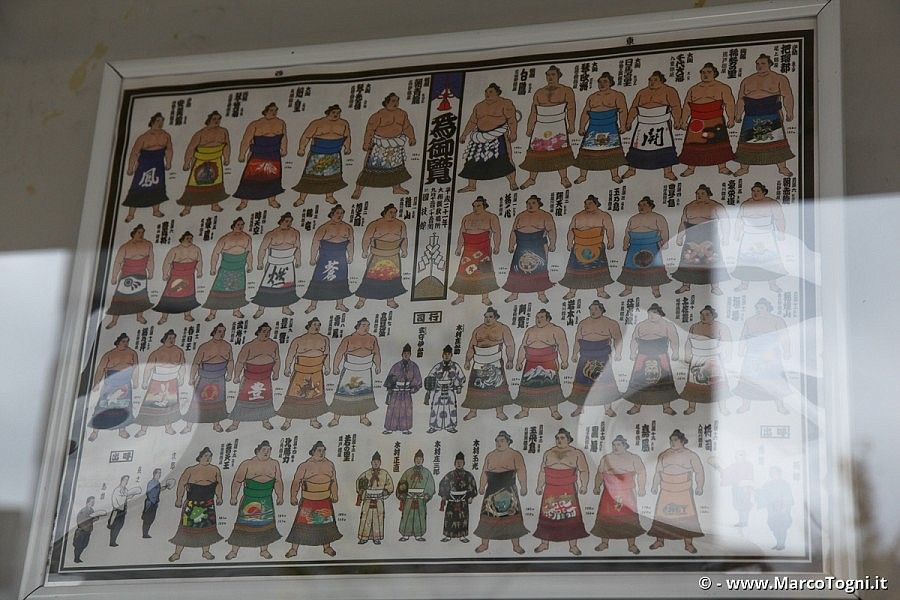
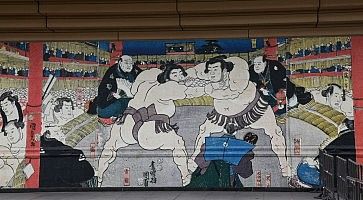
Inside you’ll find banzuke, the official wrestler rankings written with a brush, the embroidered kesho-mawashi of great champions from the past, prints and photographs that show what sumo was like two centuries ago, and portraits of the yokozuna. The exhibitions change several times a year, so even if you’ve been before you’ll find something different.
The current Kokugikan opened in 1985 and holds just over 11,000 spectators, with every seat arranged in a ring around the dohyo. You get a good view even from the back rows, because the arena is compact and nothing blocks your line of sight.
Above the ring hangs the tsuriyane, a suspended roof modeled on the roof of a Shinto shrine, with colored tassels at the four corners representing the seasons. High up all around the arena hang huge framed portraits of the winners of recent tournaments.
When there’s no sumo, the building doesn’t sit empty. It has hosted concerts, boxing and pro wrestling, and in the evening the same arena where the wrestlers fight can turn into a stage.
Ryogoku-Kokugikan - nearby you will find: