Sapporo Snow Festival
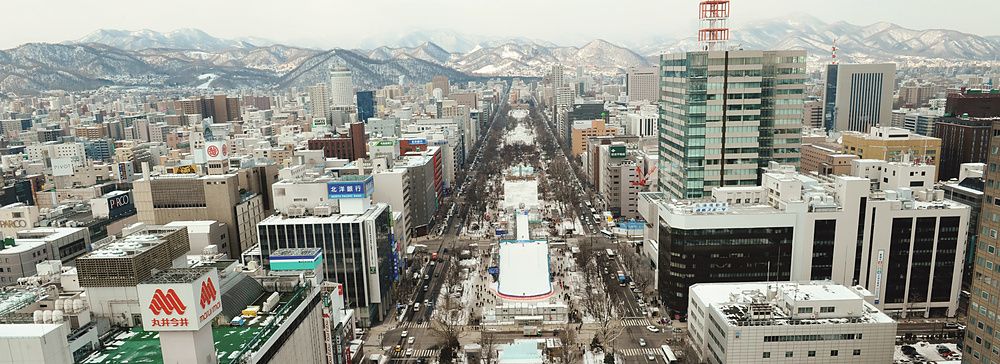
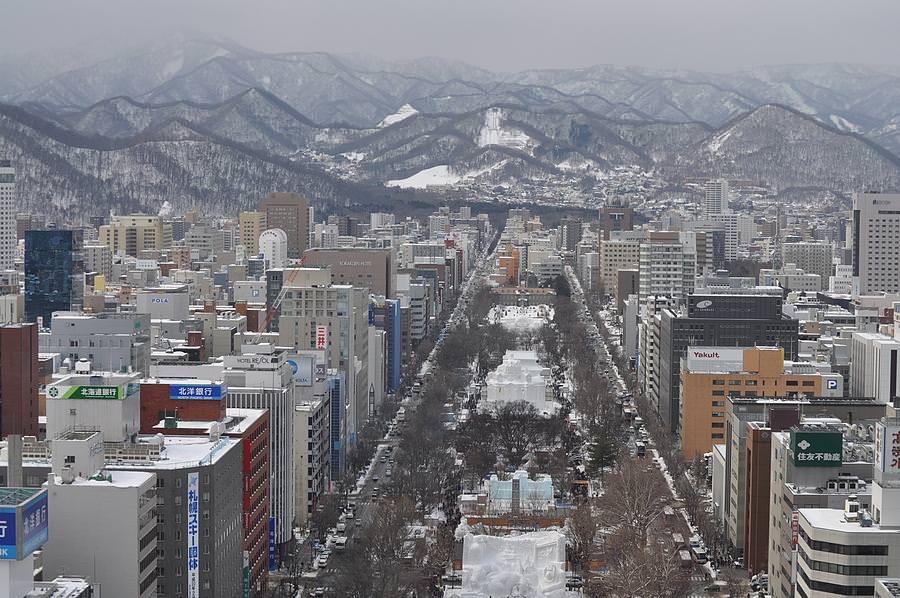
The Sapporo Snow Festival is a well-known annual event built around snow and ice sculptures. It runs for about a week, usually in early February, and most of it takes place in Odori Park, at the Sapporo Community Dome and in the Susukino district.
Every year the festival brings millions of tourists and visitors to Sapporo, and over time it has become one of Japan’s major winter events.
Contents
Sculptures and volunteers
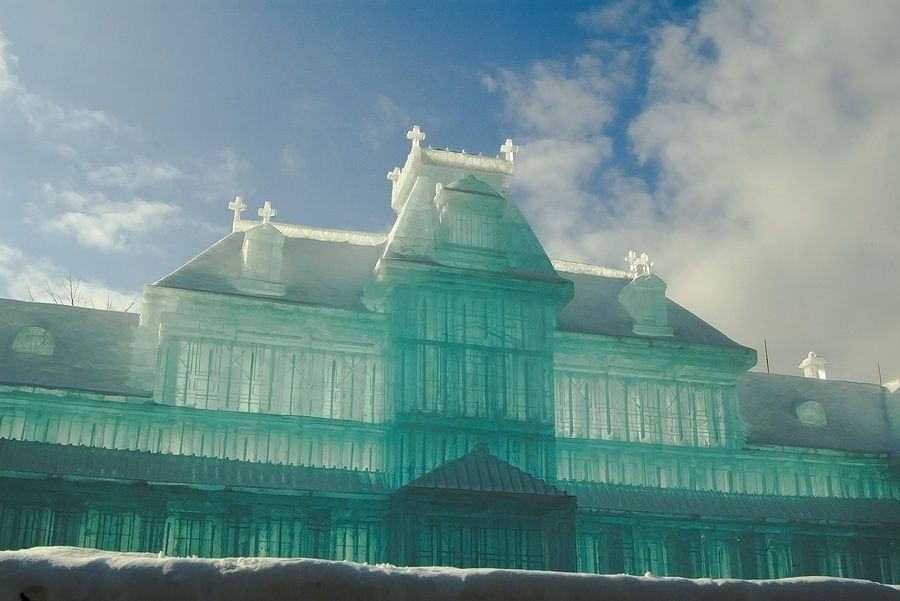
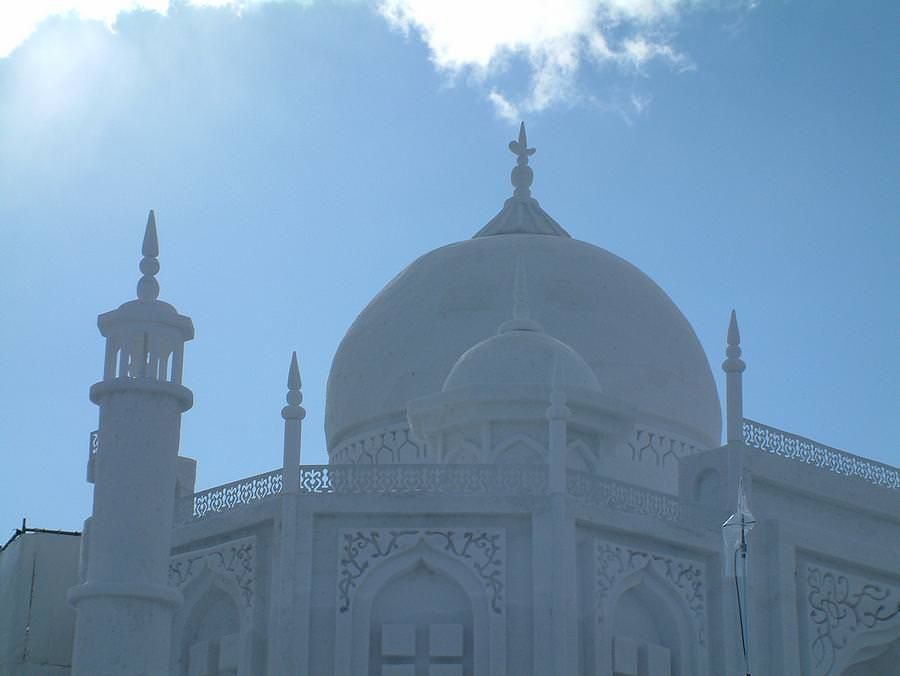
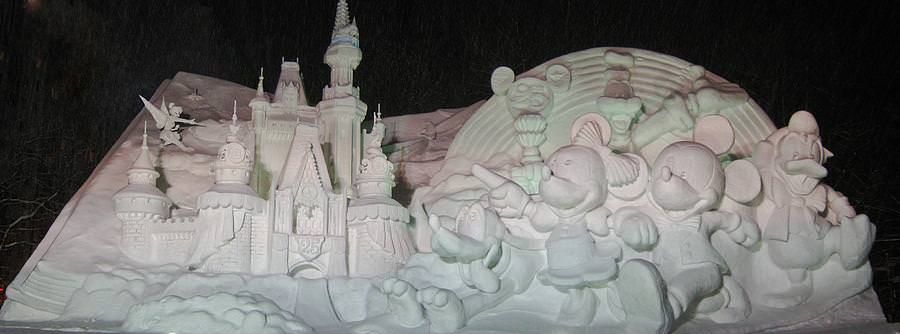
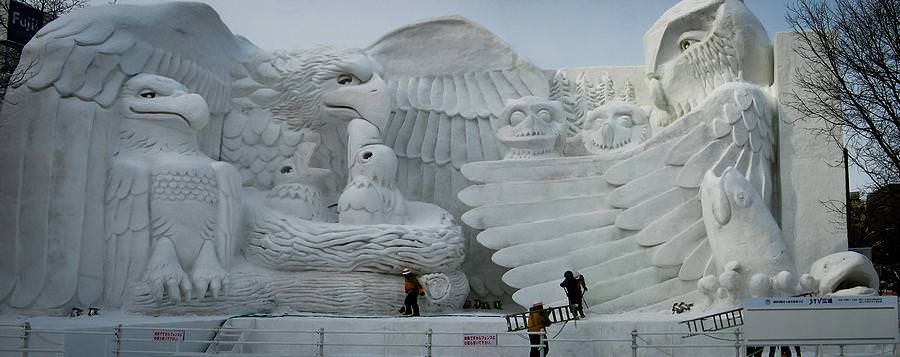
The festival is all about its many snow and ice sculptures, which can reach up to 15 meters in height. Some show imaginary subjects, while others take on current events.
It’s not just artisans and artists who take part. Ordinary residents volunteer too, handing out tourist information, helping visitors with disabilities and offering to show foreign visitors around.
How the festival started
The Snow Festival goes back to 1950, when six students built a few snow sculptures in one of the city’s parks, Odori Park. Locals loved them so much that the authorities decided to make it a proper annual event.
In 1955 soldiers from the Japan Self-Defense Forces got involved, and that’s when the kind of sculptures the festival is famous for started to appear. In 1972 Sapporo hosted the Winter Olympics, and the festival became known around the world.
Since 1974 there’s been a yearly sculpture contest. In 1997, 21 teams from 19 countries and regions took part, including Hawaii and a few places in Southeast Asia where it never snows. Their team members were actually skilled chefs with a particular talent for making table decorations.
How the big sculptures are made
The giant sculptures in Odori Park aren’t thrown together overnight. Preparation starts months ahead, and work on site begins in January, when trucks haul snow into the city. Thousands of people help move around 30,000 tons of it in total.
For the largest pieces, crews first put up a scaffolding frame and cranes fill it with snow. The snow is packed into very dense blocks, the scaffolding comes down, and only then does the carving by hand begin.
Two of the main sculptures are built by Self-Defense Forces troops. Groups of residents led by retired soldiers make the others, which shows how much the festival means to the city.
If the weather turns and a warm spell hits, the teams work late into the night to repair the damage before visitors show up.
Festival venues
Odori Park is the heart of the festival, and it’s where most of the giant ice and snow sculptures stand. You’ll find more attractions at the Sapporo Community Dome (Tsudome), a huge indoor arena covering more than 17,000 square meters.
Susukino, Tsudome and evenings in Odori Park
Odori Park stretches for about a kilometer and a half through central Sapporo, and it’s at its best after dark. The sculptures are lit up in the evening, and some of the biggest ones turn into giant screens for video and light projections.
In Susukino, Sapporo’s nightlife district, snow gives way to carved ice. Clear ice sculptures line the main street, and when they’re lit up at night the place has a completely different feel.
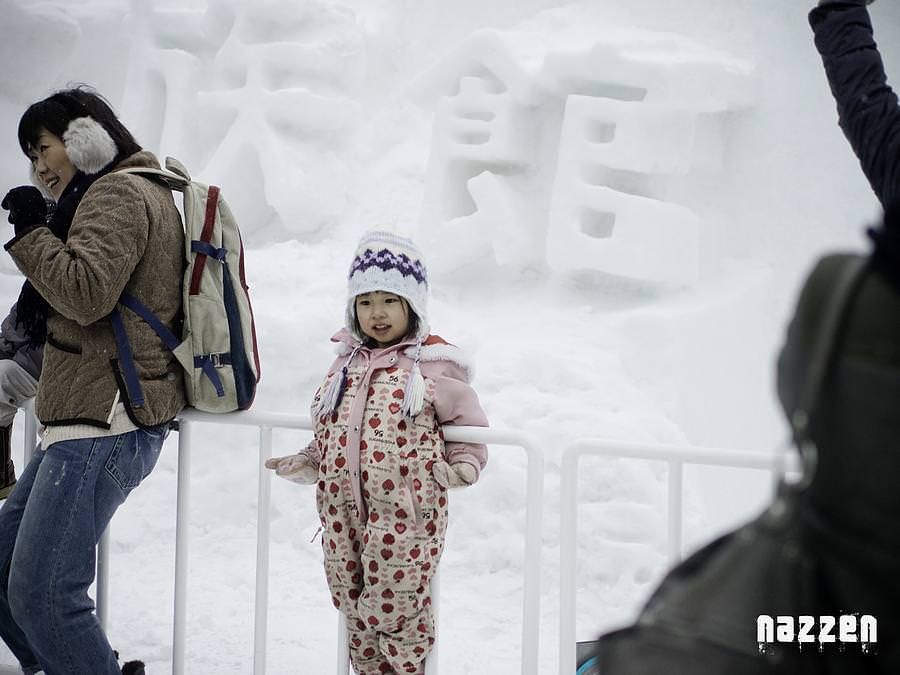
Tsudome is the venue aimed at families and kids, with snow slides and other games both outdoors and indoors. If you’re traveling with little ones, that’s the one to pick.
Photos
Creative Commons Jennifer
Creative Commons David McKelvey
Creative Commons SteFou!
Creative Commons SteFou!
Creative Commons nazmi hamidi
Creative Commons nazmi hamidi
Creative Commons nazmi hamidi