Where to See Geisha in Kyoto
You’ve probably read travel stories online from people who went to Gion, in Kyoto, hoping to see a geisha, and never found one.
The most ridiculous, though, are the people who brag about seeing one and then post a photo of someone who’s neither a geisha nor a maiko.
I take travelers to Gion often, and with a bit of luck I’ve managed to see a geisha, or at least a maiko, most of the time. Here are a few of my secrets.
Contents
Getting to Gion
From Kyoto Station, take bus 206 and get off at the Gion stop, which is roughly between Yasaka Shrine and Hanamikoji Dori. On weekends and holidays the EX100 sightseeing express also stops at Gion.
If you’d rather take the train, get off at Gion Shijo Station on the Keihan Line. If you’re on the Hankyu Line, you can get off at Kawaramachi instead, but you’ll have to walk a few extra minutes. Once you’re out of the station, cross the bridge over the river and follow the main street, Shijo Dori.
Where to see geisha in Gion
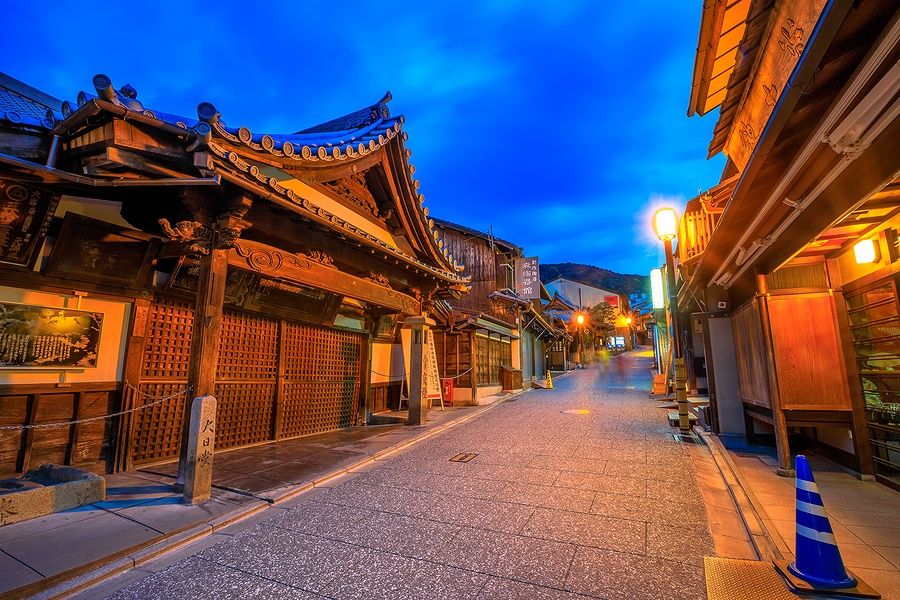
Gion has several spots where you can see a geisha. The most popular is Hanamikoji Dori, where you’ll find several geisha houses. Head for these coordinates: 35.002835, 135.774852
Keep in mind, though, that the maiko in particular often set off from Hanamikoji Dori, walk a short stretch of Shijo Dori and then turn north, scattering into the streets between Shijo Dori and Shirakawa-minami Dori.
If you’re patient, you have a very good chance of crossing paths with a geisha around here.
Kyoto’s other geisha districts
Gion isn’t the only place to try your luck. Kyoto has five hanamachi, the districts where geisha and maiko live and work. Hanamikoji is in Gion Kobu, the best known, but if you haven’t seen anything there, the others are worth a try too.
- Gion Higashi: tiny and a little farther north, with very few geisha but very few people too.
- Pontocho: the narrow lane along the Kamo River, where you’ll often see them disappear through a doorway.
- Miyagawacho: just south of Shijo, and the least touristy of them all.
- Kamishichiken: the oldest one, on the other side of the city near Kitano Tenmangu.
Pontocho and Miyagawacho are a short walk from Hanamikoji, so in one evening you can easily cover several areas instead of standing in the same corner all night.
The best time
Your best chance of seeing a geisha on the street is between 17:45 and 21:00. That said, I’ve also seen geisha much later, even around midnight. As a rule, when the streets are crowded and full of tourists, a geisha is unlikely to come out.
Fake geisha
Not every woman dressed as a geisha or maiko actually is one. If you see a “geisha” around Kyoto during the day, she’s 100% not the real thing. No geisha gets ready and then spends the afternoon wandering around Kiyomizudera, for example. The ones you see at those times are just ordinary Japanese girls who enjoy getting dressed up, or sometimes Asian or even Western tourists.
Feel free to take their picture, but don’t pass it off as a photo of a real geisha, or you’ll embarrass yourself. They’re easier to spot than you’d think. Women in a rental kimono walk slowly, in small groups, stop every few steps, have their phones out and strike a pose the moment they see a lens pointed at them.
Often there’s no white makeup at all, or it’s only on the face. The hairstyle is a wig with the hairline in plain view, and the kimono has been tied in a hurry, without the obsessive care you’d see in a real maiko’s kimono.
How to spot a real geisha
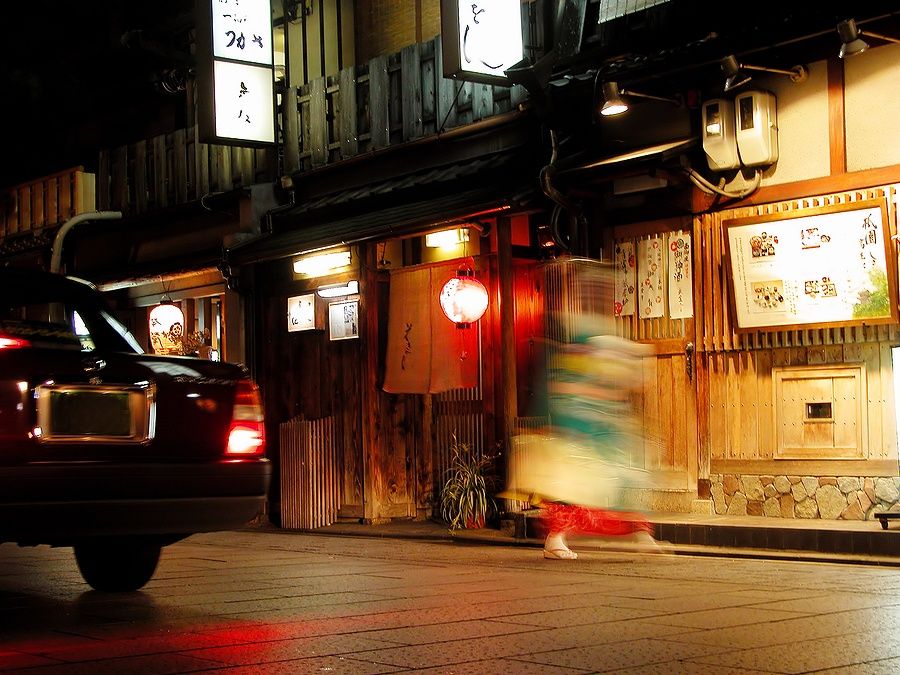
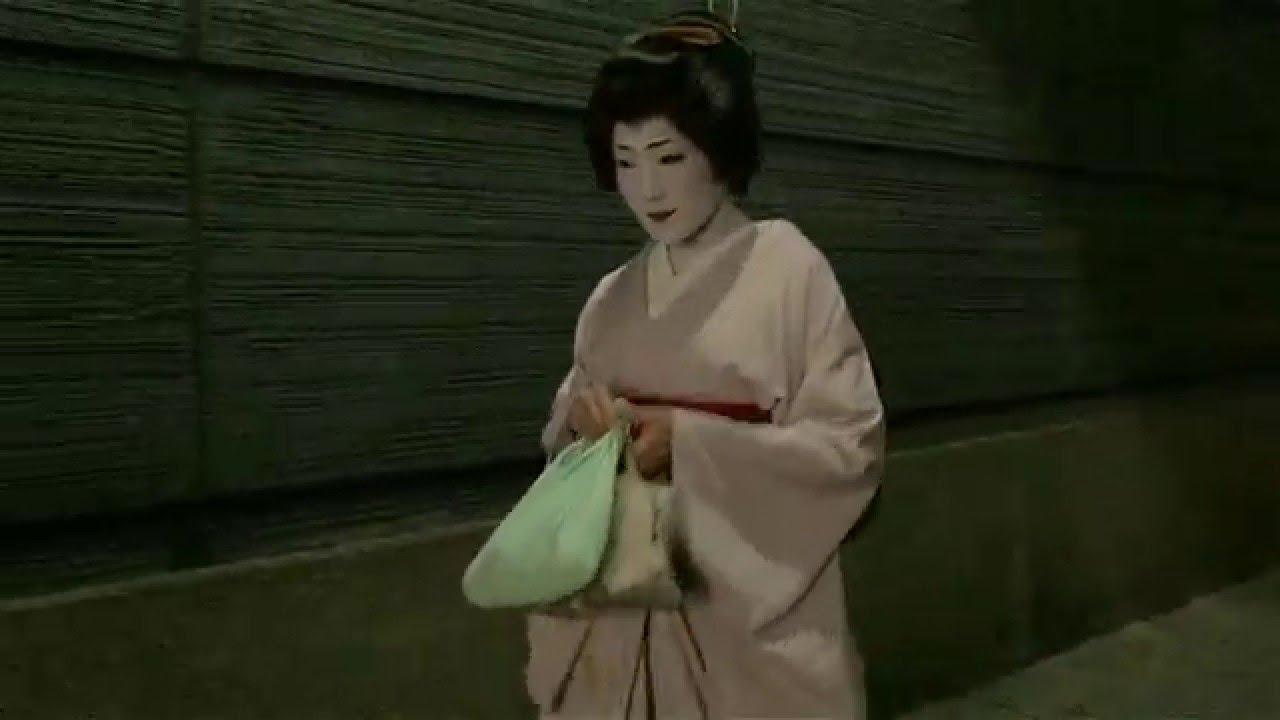
They’re usually in a hurry, going from point A to point B without stopping, without talking to anyone and without posing. Out of courtesy, don’t ask a geisha to stop for a photo.
Once you’ve seen them many times, you don’t need to look at the details. You just pick up on the mood when a geisha arrives. Everything stops. Sometimes she’s in a taxi or about to get into one, and there are maiko helping her, an older woman thanking the customers, and so on.
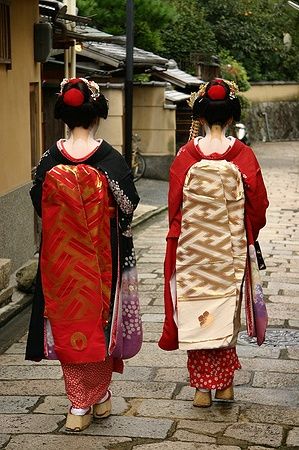
As for the details, maiko usually wear floral ornaments in their hair, while geisha don’t. Seen from behind, a maiko’s kimono “belt” (called the obi) is long and reaches almost to the ground, while a geisha’s is compact and square.
Maiko also wear very tall wooden shoes called okobo, while geisha wear flat shoes called zori. And a maiko’s kimono “collar” is red.
Keep quiet!
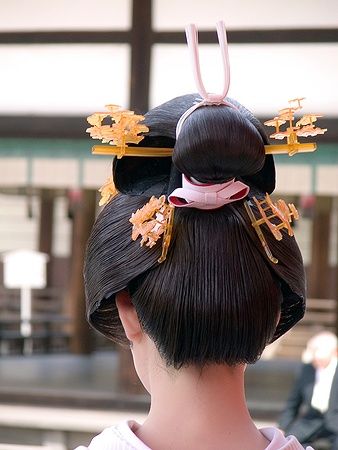
When I take people on a “geisha hunt,” I tell them to behave as if they were stalking a frightened fawn. You have to stay quiet, both out of respect and so she’ll actually come out. If it’s noisy, with lots of people lying in wait, the geisha most likely won’t show up.
Where you can’t go
Not all streets in Gion are the same. Hanamikoji and the main streets are public roads and you can walk them freely, but the side lanes branching off them belong to the neighborhood. Only customers and residents are allowed in those lanes, and taking photos there is prohibited. The signs say so clearly, in English too, and if you’re caught you could be fined 10,000 yen.
These rules don’t come from any dislike of tourists. They came after years of people camping outside the teahouses, chasing maiko or stopping them for a photo. If you behave, nobody will say anything, and you’ll see that the whole mood changes: where it’s calm, the geisha come out, and where it’s chaotic, they stay out of sight.
Taking a good photo
It’ll probably be fairly dark, and none of the streets there are very well lit, so with a compact camera you may have a hard time getting a good shot.
If you have a DSLR, set it to aperture priority (usually marked A or Av), choose a fairly high ISO, such as ISO 3200, and use exposure compensation to underexpose by ⅓ stop. Set the drive mode to continuous shooting, so you fire off a burst as long as you hold the shutter button, and set autofocus to AI Servo. If you don’t know how AI Servo works, I suggest reading your camera’s manual and practicing on cars to get used to it.
With all these settings in place, the perfect shot is almost guaranteed. One thing you should never do, though, is use the flash. It’s blinding, it can be seen from far away, it’s the quickest way to ruin the scene for everyone, and it’s really rude.
If you can, bring a fast lens: in those dark little streets, a 35mm or 50mm f/1.8 is worth more than any kit zoom. And shoot from off to the side instead of planting yourself in the middle of the street to get ahead of her. The best photo is almost always the one where you’re not blocking her way.
A geisha says hello to me
In this video I shot in Kyoto, you can see a geisha giving a small bow as a greeting.
Miyako Odori
In April you can watch the Miyako Odori, a fantastic traditional dance festival in Gion featuring the maiko and geisha of Gion Kobu.
You can buy tickets on the official website.
Sara talks about the Miyako Odori in this interview:


Photos

By: Bermi Ferrer

By: NH53

By: Bermi Ferrer