
Shinagawa
Shinagawa is, above all, a major station, and that alone means you’ll almost certainly pass through it at some point. Westbound shinkansen depart from here, which makes it one of the main gateways in and out of Tokyo for anyone traveling by shinkansen.
As a neighborhood to walk around, though, I’ll say it up front: it doesn’t offer much. There are a few skyscrapers, hotels, offices and a couple of spots that are worth the detour, but nothing that will keep you there for a whole day. Still, there are a couple of good reasons to fit it into your trip anyway, and I’ll go through them below.
Contents
Restaurants


Shops

Nightlife & fun
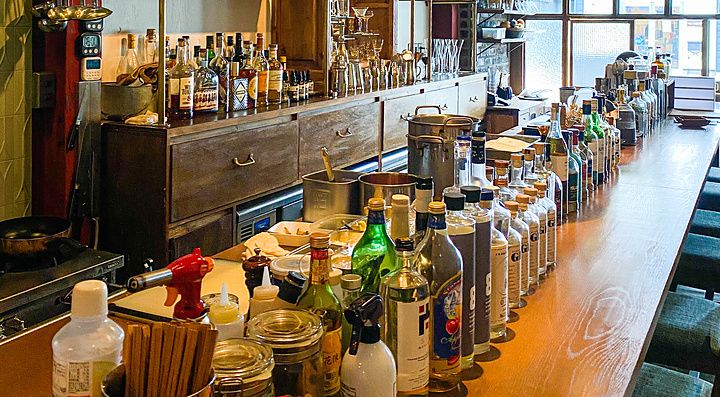
Cocktail Works
Mixology, gin, and Italian food.
Nearby neighborhoods
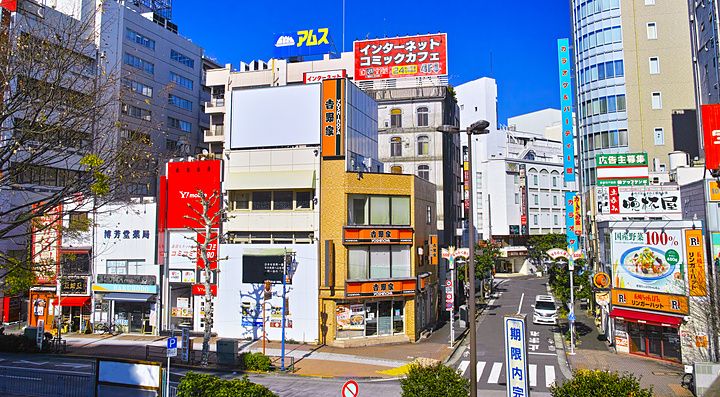
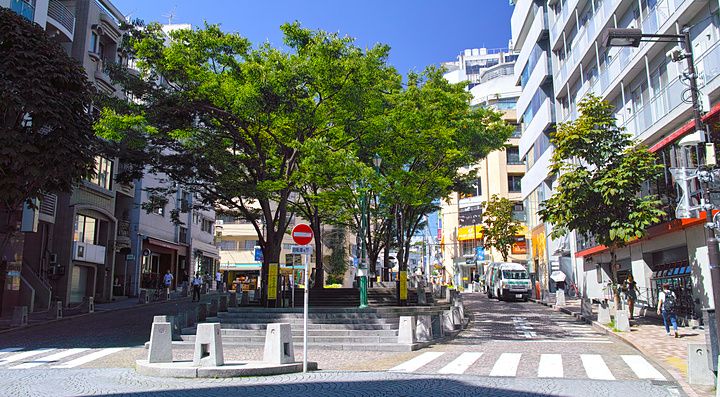
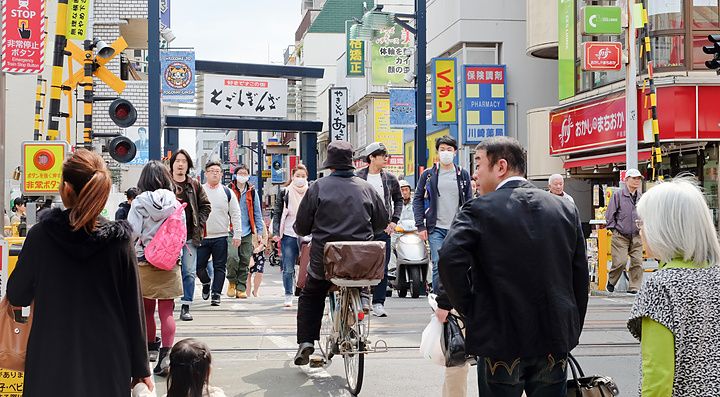
Meguro
Osaki
Staying in the area
A lot of people stay in Shinagawa because the shinkansen leave from here, and they assume it’s the most convenient base for the day they leave Tokyo. That’s partly true, but it matters less than it seems. JR, Keikyu and the shinkansen all stop at the station, and the Yamanote line connects it to the rest of the city, so getting there in the morning with your bags is easy from any central neighborhood.
My real reason for recommending it is different. Because the area is a bit out of the way and has little to see, hotels here cost less than in Shinjuku or Ginza. For the same money you’ll often get bigger rooms than you’d find elsewhere in Tokyo, and room size is usually the weak spot of Tokyo hotels.
Who I’d recommend it to:
- If you’re heading on to Kyoto or Osaka by shinkansen, you wake up a short walk from the platform and don’t have to drag your suitcases across half the city.
- If you’re traveling as a couple or with your family and need space, your budget goes further here than elsewhere.
- If you’d rather be out and about in the evenings, keep in mind that once the offices close, almost everything shuts down around here.
The two exits
Shinagawa Station has two exits, Takanawa on the west side and Konan on the east side. Taking the wrong one wastes your time, because the two sides have nothing in common.
Takanawa is the quieter side of the area. This is where you’ll find the hotels, mostly from the Prince group, along with the hill behind them and their shopping centers. From here you walk uphill to Happoen garden, one of the few spots that redeem Shinagawa, with its pond, its carp and an old teahouse. The aquarium is on this side too, inside the Prince complex. It’s handy if you’re traveling with kids, or if it’s raining and you need somewhere to get out of the rain.
Step out on the Konan side, to the east, and you’re surrounded by office towers. It’s all glass and concrete, and apart from the restaurants on the lower floors of the buildings, there’s not much here for travelers. If you only need to change trains, you’ll find plenty to eat and just about anything to buy inside the station, so you often don’t even need to leave it. Inside the ticket gates there’s ecute, two floors of shops that are worth a visit in their own right, not just a fallback. You’ll find sweets to take home as gifts, a small supermarket and, best of all, a row of ekiben counters selling train bento. If you’re leaving by shinkansen, grab one before you board and have dinner on the train. It’s one of the most Japanese things you’ll ever do.
The 47 ronin
Sengakuji temple is a few minutes from Shinagawa, and if I could send someone to see just one thing in the area, that’s where I’d send them. It’s the resting place of the 47 ronin, samurai who had lost their master, and their story is still a big part of Japanese culture.
In 1701, Lord Asano was forced to commit ritual suicide after wounding an official inside the shogun’s castle. That set off the story of the 47 samurai who avenged their lord’s death. For doing so, they were sentenced to take their own lives in turn, and they’re buried here, side by side.
People still leave incense sticks on their graves, and on some days the air is heavy with incense. Knowing the story changes how you see a neighborhood that at first glance looks like nothing but offices and train tracks. If you’re in Tokyo in mid-December, the temple holds the Ako Gishisai on the 14th, the day honoring the 47 ronin. There’s a procession of people dressed as the ronin, a ceremony at the graves and stalls in front of the entrance. It’s the only day of the year when this quiet place fills up with people.
The temple grounds also have a small museum with letters, armor and other belongings of the ronin. You’ll be through it in under half an hour, but after seeing what they left behind, the graves outside feel different.
Old Shinagawa
Here’s something that confuses almost everyone: Shinagawa Station isn’t actually in Shinagawa ward but in Minato. The real Shinagawa, the historic one, lies further south, and it’s another story entirely.
It was the first post town on the Tokaido, the road between Edo and Kyoto. Anyone leaving the shogun’s capital stopped here to eat and sleep before continuing on their way. That old road is still there, as narrow as it was back then, lined with low houses, family-run shops and temples squeezed in between the buildings.
There’s no monument to take pictures of, but if you like wandering with no plan, this is the part of Shinagawa that tells you the most, far more than the towers around the station.
Getting There
Shinagawa is a stop on the Yamanote line, so you can get here in a few minutes from Tokyo, Shibuya or Shinjuku without changing trains.
From Haneda it's even easier. The Keikyu line brings you here directly in about fifteen minutes, which is why so many people pick this area for their first or last night.
Once you're off the train, make sure you take the right side. The hotels, the aquarium and the walk up to Happoen garden start from the Takanawa exit, on the west side. The Konan exit, on the east side, leads only to office towers. Sengakuji temple is a fifteen-minute walk from the Takanawa side, or you can ride one stop on the Toei Asakusa line to the station of the same name.
Useful Info
Name: Shinagawa
Time needed: A couple of hours for Sengakuji and a short walk around the area; half a day if you add the aquarium or Happoen garden.
Tips: Pick the right side before you even get off the train. The hotels, the aquarium and the walk up to Happoen are to the west, through the Takanawa exit; to the east, through the Konan exit, there are only offices. If you get it wrong you'll have to cross the whole station again, and with suitcases that's no fun.
Getting there:
- Shinagawa Station (JR Yamanote, Keihin-Tohoku, Tokaido, Yokosuka, Tokaido Shinkansen, Keikyu): Takanawa exit on the west side, Konan exit on the east side
- Sengakuji Station (Toei Asakusa, Keikyu): one minute from the temple of the 47 ronin
Map
MarcoMaps100% free
This place is on MarcoMaps
Shinagawa
My map of Japan: over 4,000 places I've tried myself, each with photos, rating, and hours. Filter by category and rating, find veg-friendly spots and places near you with GPS. No sign-up, right from your phone.
- 4,000+ places
- Rating, photos, and hours
- Veg friendly
- Near me (GPS)
- Favorites without login
- Works offline

