
Shinjuku
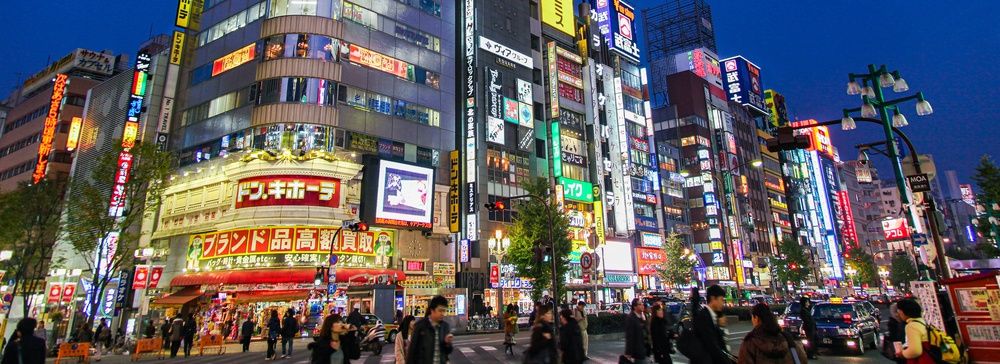
Shinjuku is the neighborhood that sums up Tokyo better than any other. It never sleeps, and you can find just about anything there.
It’s my favorite neighborhood, and it’s where I recommend staying if you’re on vacation. It’s well connected to every other part of Tokyo, and you could spend years here without ever getting bored. I’ve wandered around Shinjuku on my own, with no plan at all, more times than I can count.
Figuring out what Shinjuku is like can be tricky at first, but these tips will make exploring this part of Tokyo a lot easier!
Contents
What to see
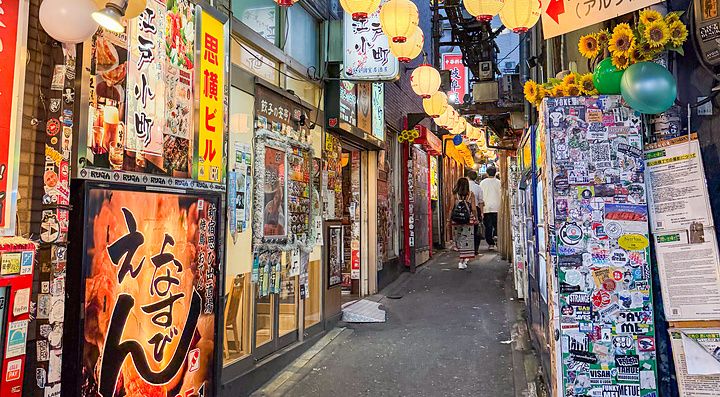
The best part of the neighborhood is the east side. If you wander around Shinjuku with no plan, you’ll get lost, but don’t worry too much about it, because there’s something unusual to see every few steps.



Restaurants
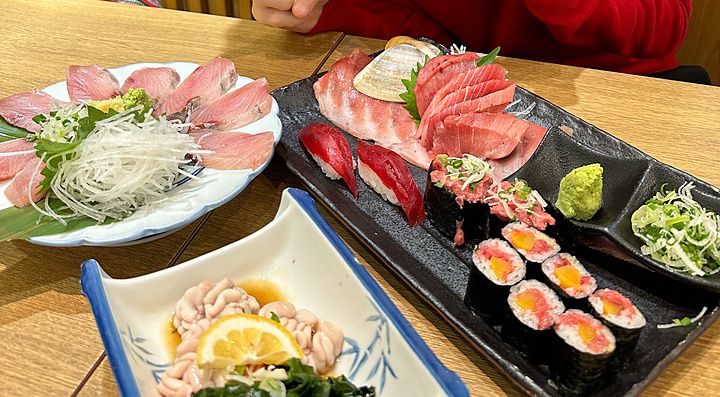
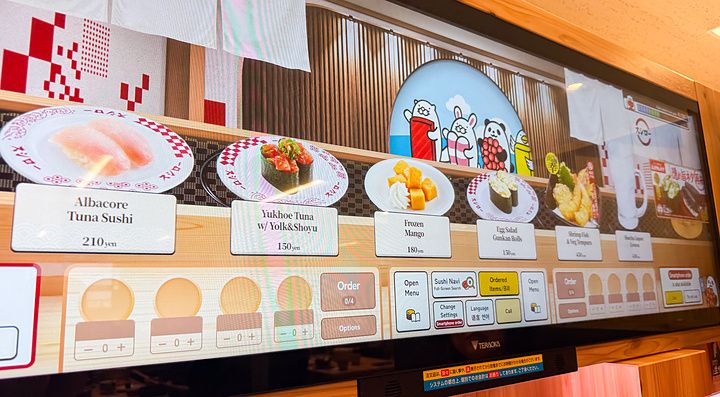
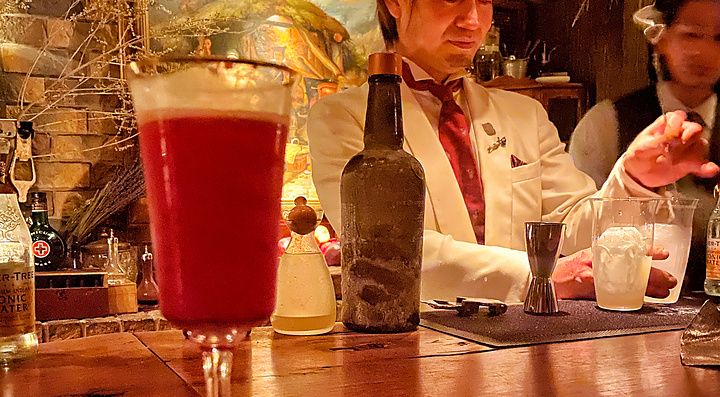
Shinjuku has thousands of restaurants spread across every part of the neighborhood. Take a look at my page listing all my recommended restaurants in Shinjuku!
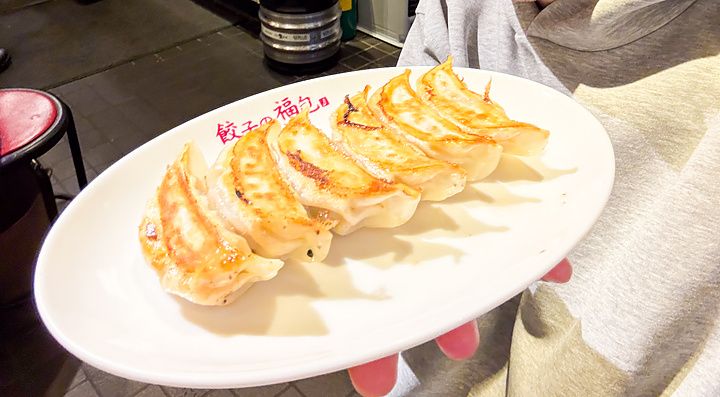
Gyoza no Fukuho
Thin-skinned gyoza, also available without garlic.


Altri ristoranti a Shinjuku
La lista completa
Shops


Nightlife & fun
Nearby neighborhoods

Aoyama
Takadanobaba
The skyscraper district
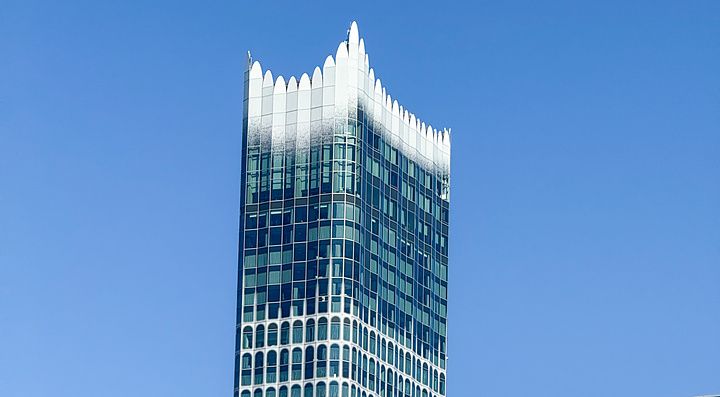
This area is boring during the day and eerily empty at night. West Shinjuku has lots of nice restaurants and shops, so to be clear, the “skyscraper district” I’m talking about is the area around the Keio Plaza. There’s a wide, busy road, and at night especially, there aren’t many people around.
I’m not saying it’s absolutely worth the trip. But if you’re in Shinjuku and have some free time after dark, I’d recommend walking over to look at the skyscrapers. You feel like a ghost staring up at these buildings that each hold thousands of people. I think it’s the place where, more than anywhere else, you get a sense of the frantic pace of human life, and you start to wonder whether the whole world will look like this one day.
The best way to enjoy Shinjuku is to walk around for a few hours without worrying too much about what you’re looking at.
Shinjuku’s east and west sides
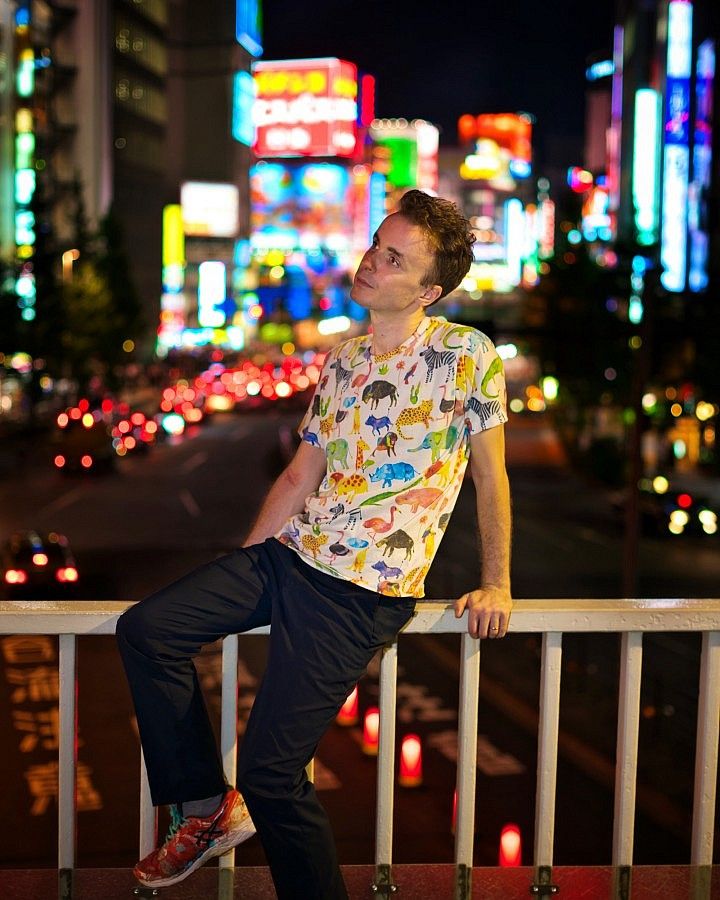
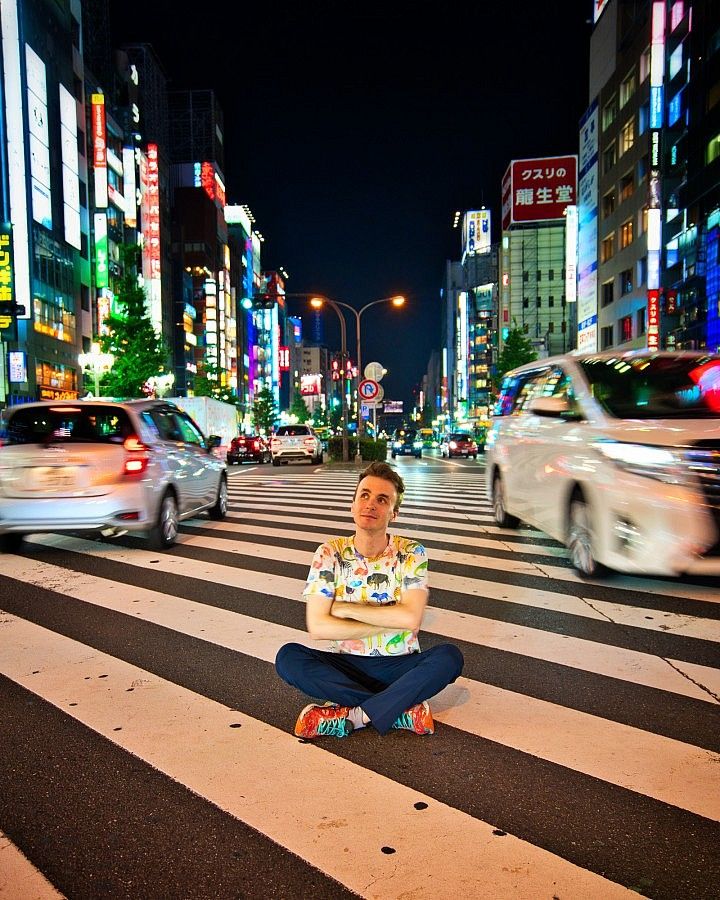
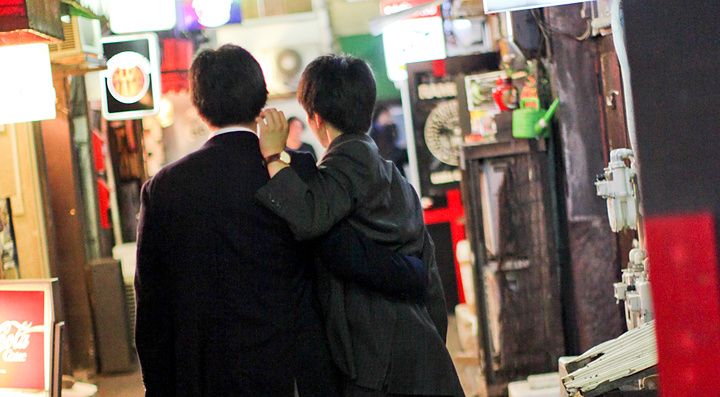
Shinjuku makes a lot more sense if you split it in two, with the station in the middle as the dividing line. The east side is the part of Shinjuku everyone pictures when they think of Tokyo. You’ve got Kabukicho with all its signs, narrow alleys packed with tiny bars and restaurants, the department stores around Shinjuku-sanchome and the shopping streets that are always crowded. This is the side that’s alive at any hour, and it’s where I suggest getting lost.
The west side has a completely different pace, with offices and huge hotels and the row of skyscrapers you can see from half of Tokyo. During the day it belongs to the people who work there, and plenty of restaurants and shops are tucked away on the lower floors of the buildings. In the evening it empties out fast.
The south side, around the station, has the newer shopping malls and the bus terminals. It’s the tidiest part and has the least character, but it’s handy if you want to shop indoors.
If you’re short on time, start on the east side and save the west side for the evening, when the lit-up skyscrapers make the walk worth it.
Also in this section
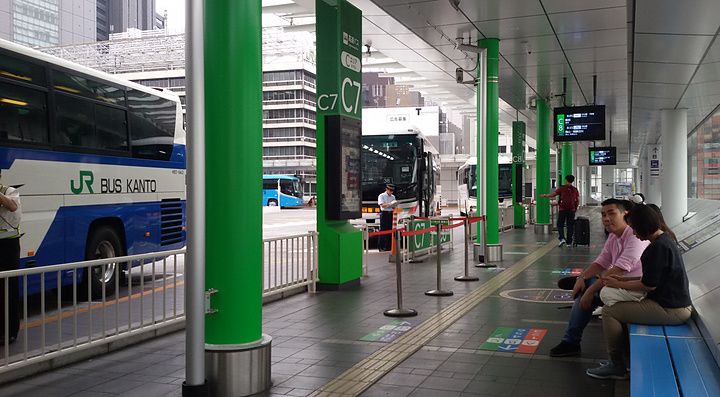
Busta Shinjuku
Buses, departure bays and overnight buses.
Getting There
From Tokyo Station, the fastest option is the JR Chuo Rapid line, which takes just over fifteen minutes. From Shibuya, Harajuku or Ikebukuro, the Yamanote line gets you there in five or six minutes.
If you're coming from Narita, you can take the Narita Express, which goes straight to Shinjuku in about an hour and a half with no transfers.
Once you get off the train, picking the right exit matters more than anything, because the station is enormous. Take the East Exit for Kabukicho, the backstreets full of bars and restaurants, and the department stores. Take the West Exit for the skyscrapers and the hotels. If you're mainly here for the neighborhood at night, it often makes sense to skip the JR station altogether and take the subway to Shinjuku-sanchome, which puts you right in the middle of the restaurant streets.
Useful Info
Name: Shinjuku
Time needed: Half a day is enough for a first look around the east and west sides, but the neighborhood is at its best after sunset. If you can, set aside a full day and end it in the evening.
Tips: Come back to the same spots in the evening. Once the signs light up, Shinjuku feels like a different neighborhood. If you still have an hour after dark, head over to the skyscrapers behind the Keio Plaza, where the roads are huge and almost empty. Nobody takes pictures of this side of Tokyo.
Getting there:
- Shinjuku Station (JR Yamanote, Chuo, Sobu, Saikyo, Shonan-Shinjuku, Narita Express; Odakyu, Keio; Marunouchi, Toei Shinjuku and Toei Oedo subway lines)
- Shinjuku-sanchome (Marunouchi, Fukutoshin and Toei Shinjuku subway lines): the easiest station for the east side
- Seibu-Shinjuku and Shinjuku-nishiguchi stations are also in the area
Map
MarcoMaps100% free
This place is on MarcoMaps
Shinjuku
My map of Japan: over 4,000 places I've tried myself, each with photos, rating, and hours. Filter by category and rating, find veg-friendly spots and places near you with GPS. No sign-up, right from your phone.
- 4,000+ places
- Rating, photos, and hours
- Veg friendly
- Near me (GPS)
- Favorites without login
- Works offline

