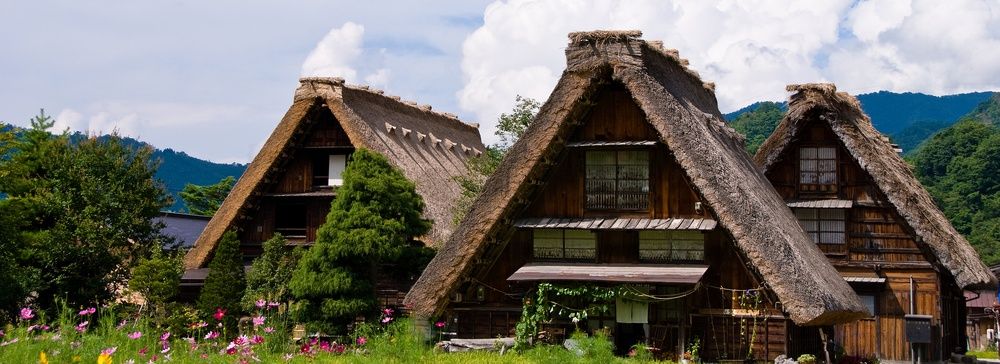
Shirakawa Go and Gokayama
Shirakawa Go and nearby Gokayama are two historic villages in the mountains of central Honshu. They have about a hundred houses that are roughly two centuries old and matter a great deal to the culture and history of the people who lived in this area, and that’s why the villages are a UNESCO World Heritage Site.
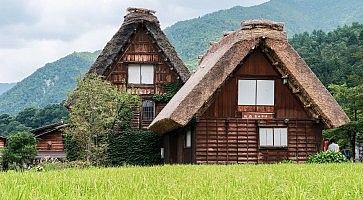
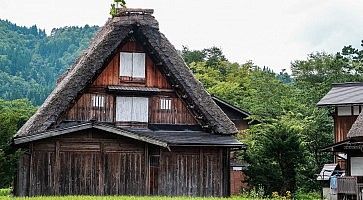
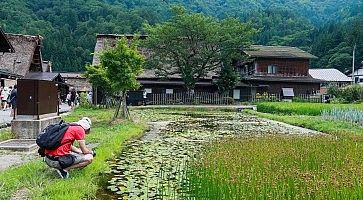
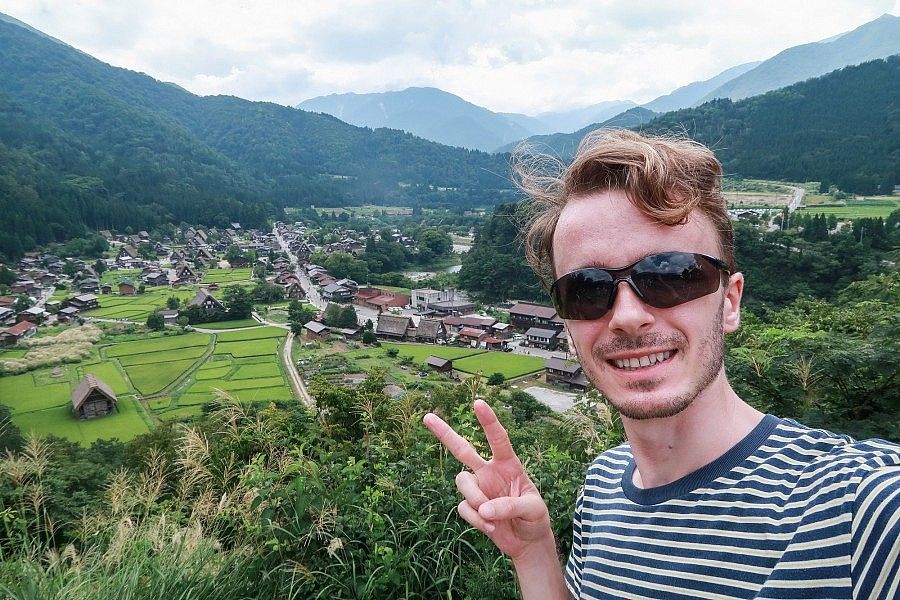
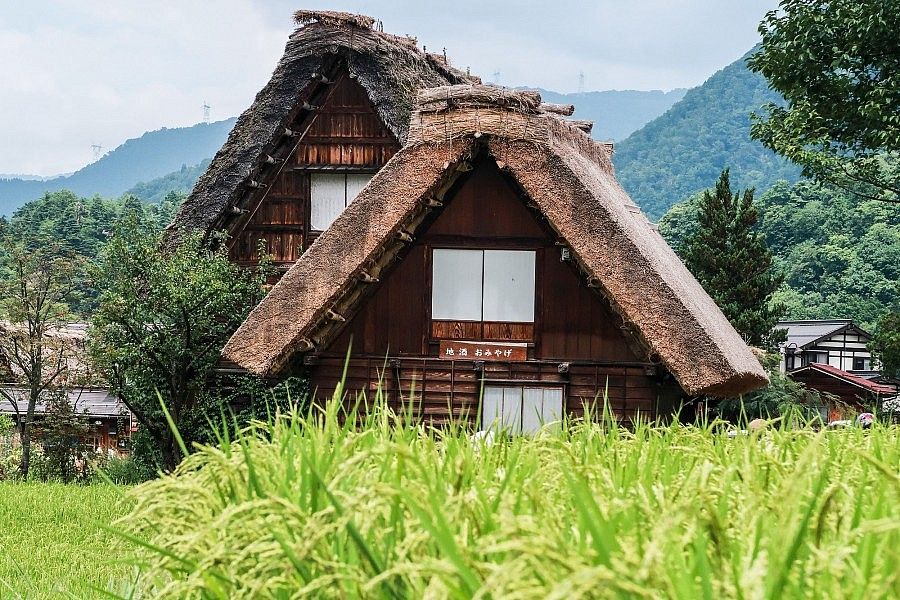
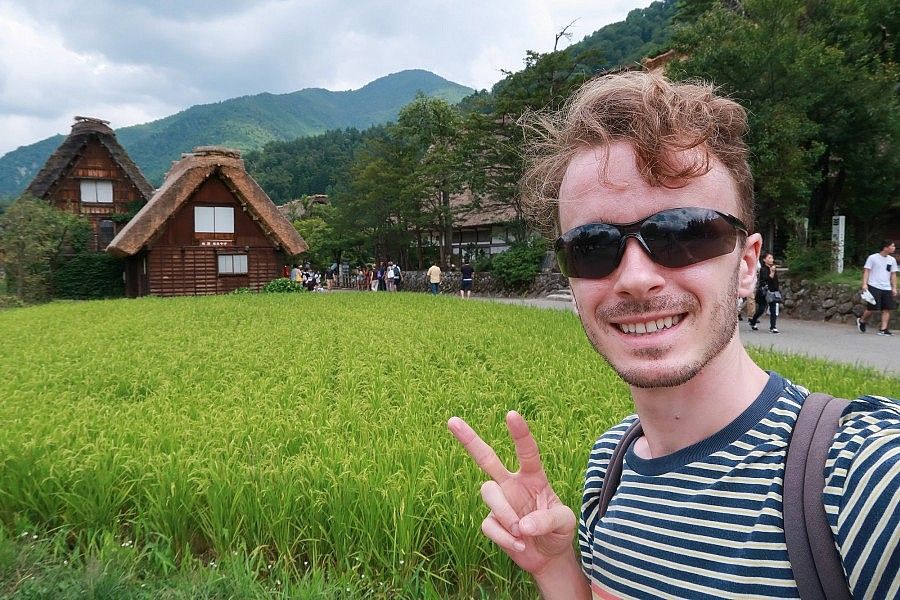
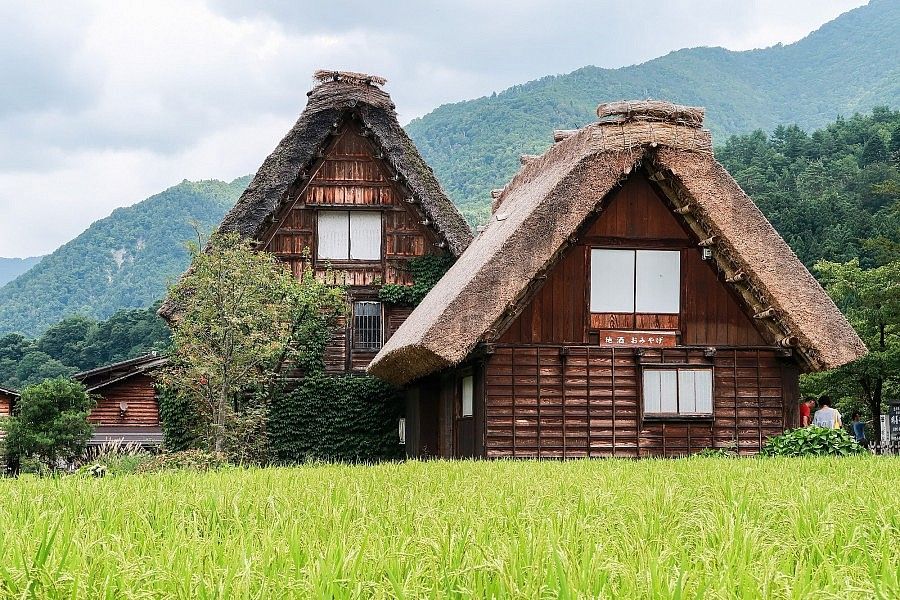
The main place to see the houses is Ogimachi, and you can go inside many of them. The photos on this page should tell you right away whether this is your kind of place. If it’s your first trip to Japan, I wouldn’t come all the way out here. But if you’ve already been to Tokyo, Kyoto and somewhere a bit more traditional like Takayama, you could have a really good time in Shirakawa Go.
Contents
Ainokura and Suganuma in Gokayama
Gokayama is the valley just north of Shirakawa Go, over the border in Toyama Prefecture, and it’s home to the other two villages on the UNESCO list: Ainokura and Suganuma. Both are much smaller than Ogimachi, with about twenty houses in Ainokura and fewer than ten in Suganuma, and that’s exactly why they’ve kept a quieter, more intimate feel. Tour buses only trickle in, and you can end up walking among the thatched-roof houses almost on your own.
Ainokura is the larger of the two. It sits on a natural terrace, with a small lookout behind the houses. Suganuma is a handful of homes on the bank of the Shogawa River, and you can see it in under half an hour. If you only have time for one stop besides Shirakawa Go, make it Ainokura.
Video

Staying in one of the houses
Many of these houses double as bed and breakfasts, known in Japanese as minshuku. I’d really recommend staying in one. It’s a truly unique experience. You can sleep on tatami, use the hearth to cook a few snacks and spend a romantic night. Just don’t expect the luxury and comforts of a hotel, even though the stay isn’t cheap: prices usually run from 10,000 to 20,000 yen per person, with dinner and breakfast included.
Getting There
The easiest way in is by bus from Takayama. The ride takes about 50 minutes and drops you at the Shirakawa-go Bus Terminal, and from there you can see all of Ogimachi village on foot.
From Kanazawa it takes about an hour and a half, from Toyama just over an hour, and from Nagoya almost three hours on the direct bus. No trains come up this far.
For Gokayama, the stop you want is Ainokura-guchi, about thirty minutes north of Shirakawa Go on the same bus line. From there it's a 15-minute walk uphill to Ainokura village, while Suganuma is a few stops earlier. You can also come up from Takaoka or Shin-Takaoka on the World Heritage Bus.
Useful Info
- Shirakawa-go Bus Terminal (Nohi Bus, Hokutetsu, Gifu Bus, Kaetsuno): last stop for every bus, a short walk from Ogimachi
- Ainokura-guchi (Kaetsuno Bus): the stop for Ainokura village, in Gokayama
- You can also get here from Takaoka and Shin-Takaoka on the World Heritage Bus
Map
This place is on MarcoMaps
Shirakawa Go and Gokayama
My map of Japan: over 4,000 places I've tried myself, each with photos, rating, and hours. Filter by category and rating, find veg-friendly spots and places near you with GPS. No sign-up, right from your phone.
- 4,000+ places
- Rating, photos, and hours
- Veg friendly
- Near me (GPS)
- Favorites without login
- Works offline


Video: Shirakawa-go village in Japan

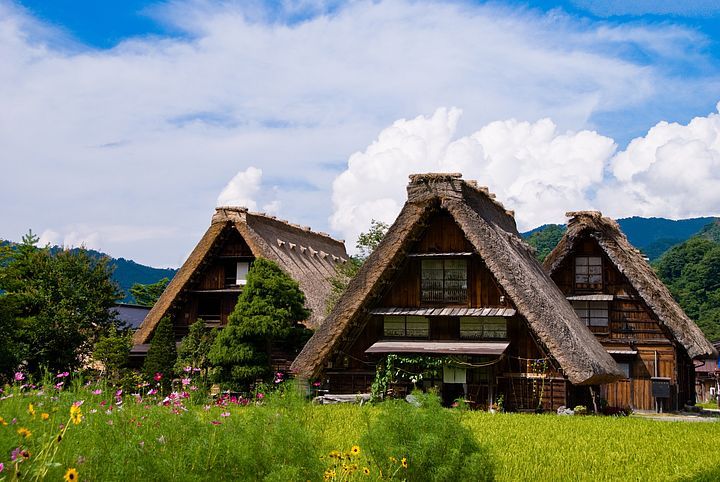
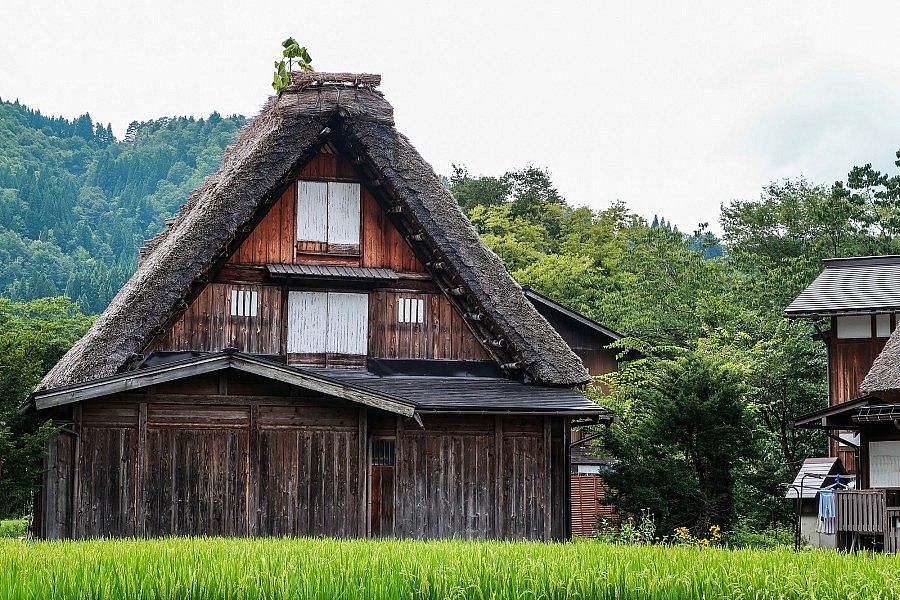
A house in Shirakawa Go. Photo: © Takeshi Nishio/Dreamstime
Photo Gallery
When to go
Shirakawa Go looks different every season, and the time of year you pick matters more here than in most places. The classic image is the village in winter, under snow, with the thatched roofs buried a meter deep. That’s also the coldest and most crowded time of year.
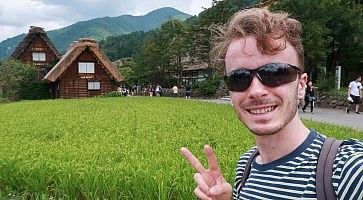
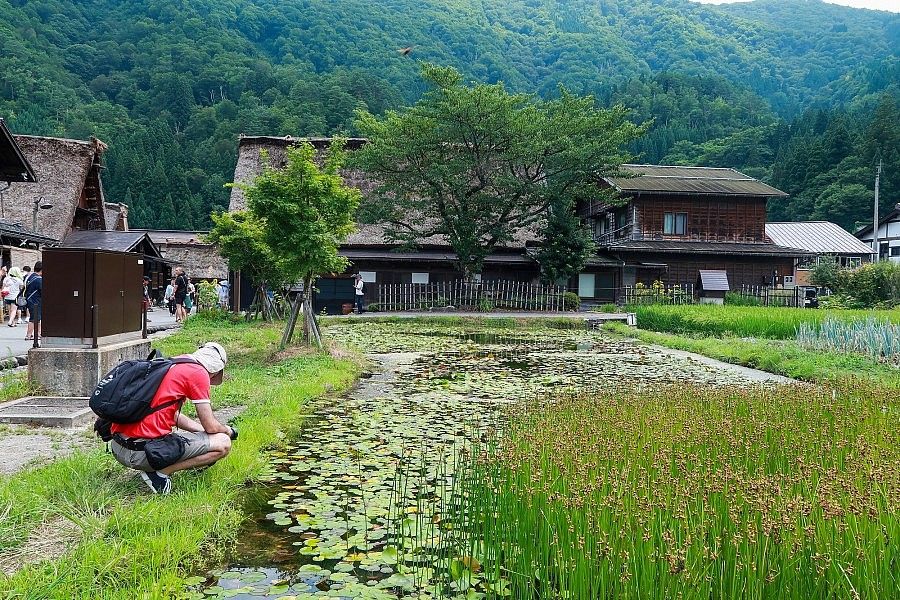
In fall the mountains around the valley turn red and orange, and the villages are much quieter again. In spring and summer, with green rice paddies below the houses, you see a more rural, gentler side of the place.
If you’re set on winter, keep in mind that the evening illuminations are held on only a few nights in January and February, and that’s when the village is most crowded.