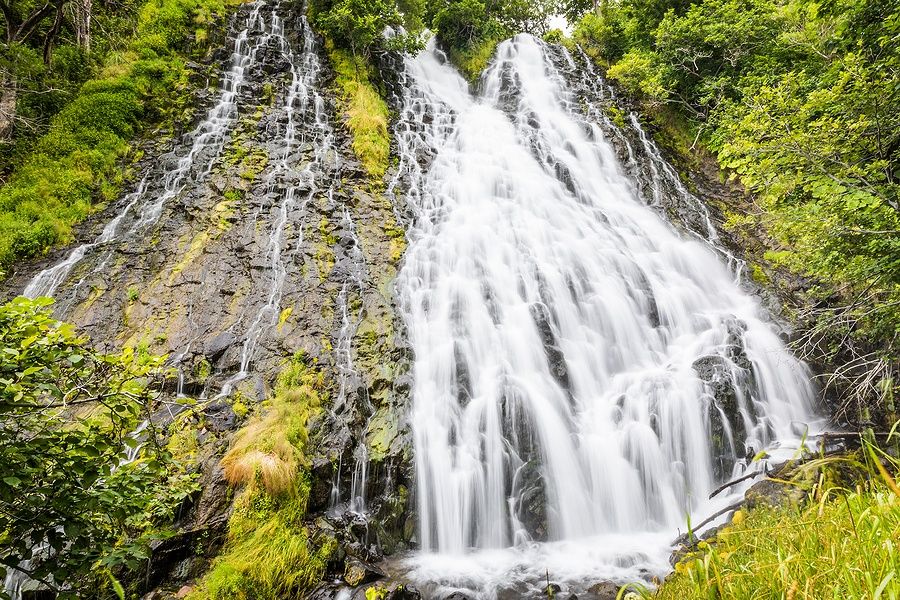
Oshinkoshin Falls
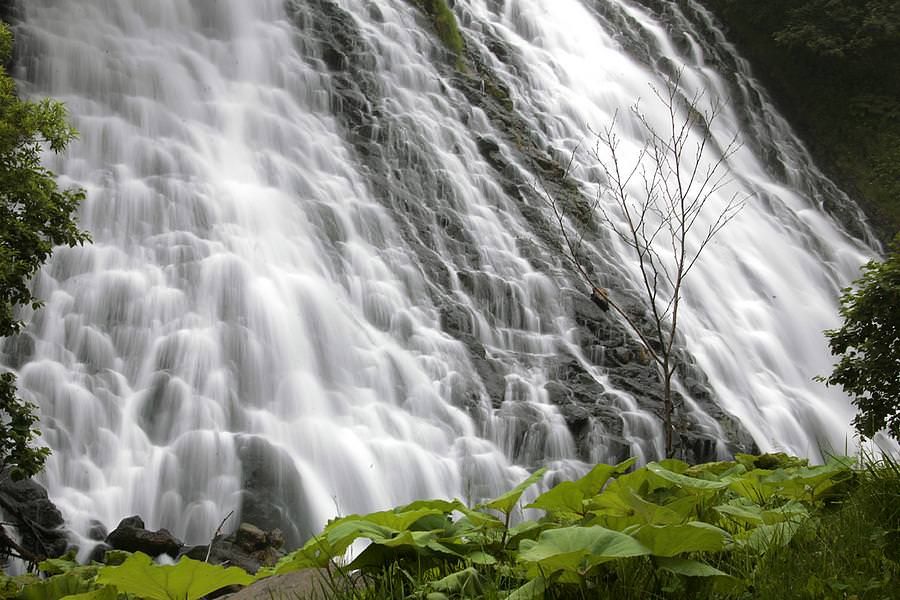
It splits into two falls.
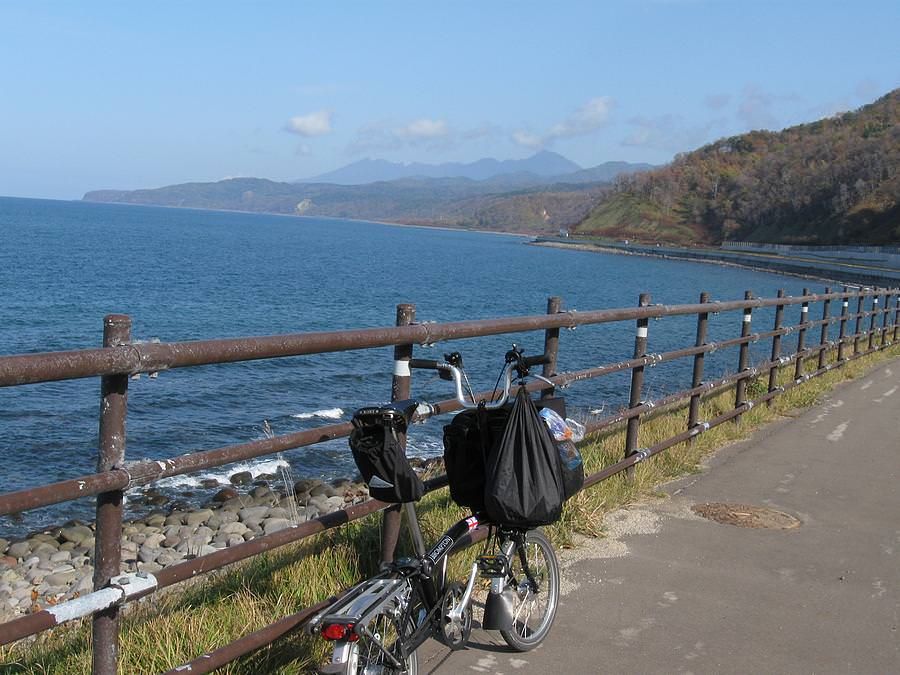
The Shiretoko Peninsula juts out into the Sea of Okhotsk from the northeastern corner of Hokkaido, Japan’s northernmost island.
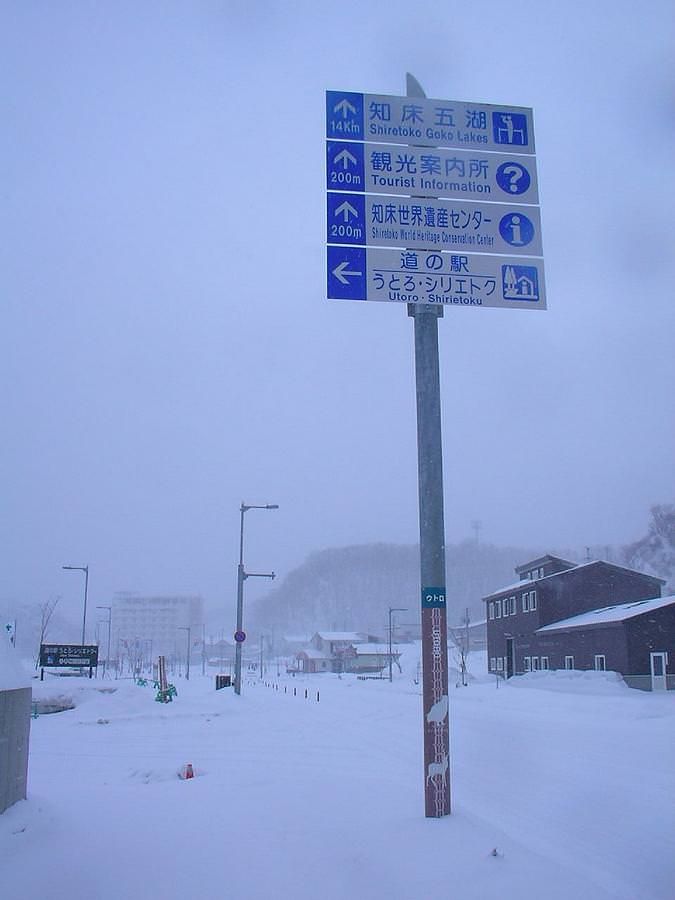
It’s said to be Japan’s last unexplored region, and its steep peaks are covered in virgin forest. The whole area is now a national park, where sea eagles and cormorants fly undisturbed. Every year a lot of visitors make the trip to this remote corner of the planet to see nature that’s almost entirely untouched, and two towns make ideal bases: Utoro, which faces the Sea of Okhotsk, and Rausu, on the other side of the peninsula. The Shiretoko-Odan Road connects them, and both are known for a particular seaweed, Rausu konbu, and for hot springs that well up right in the sea.
It splits into two falls.
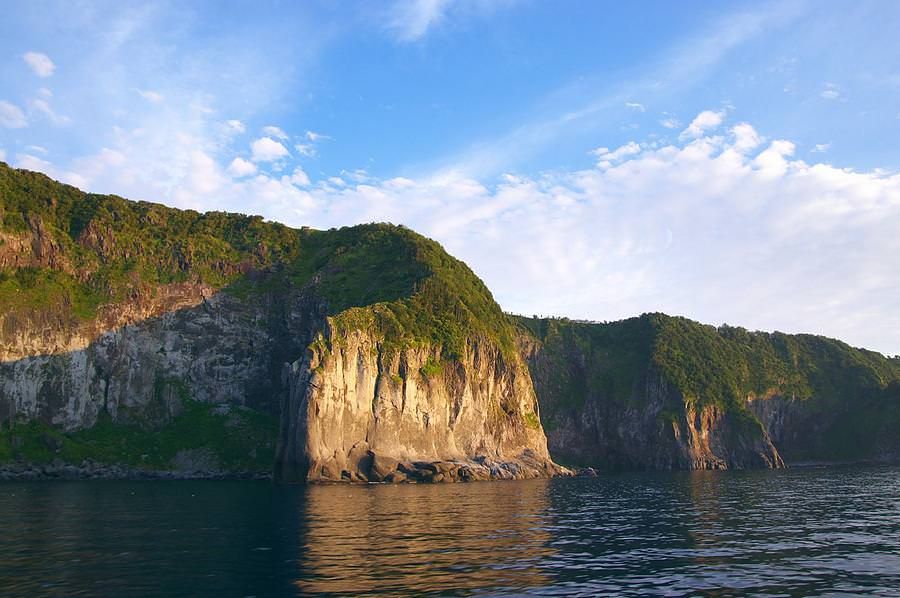
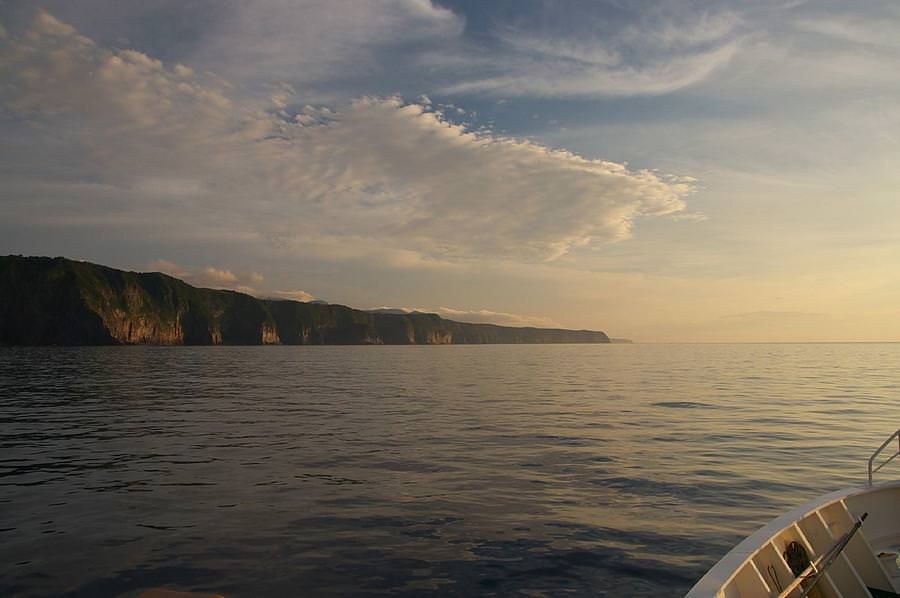
Hopping on one of the many sightseeing boats that leave from Utoro is a nice way to take in the scenery.
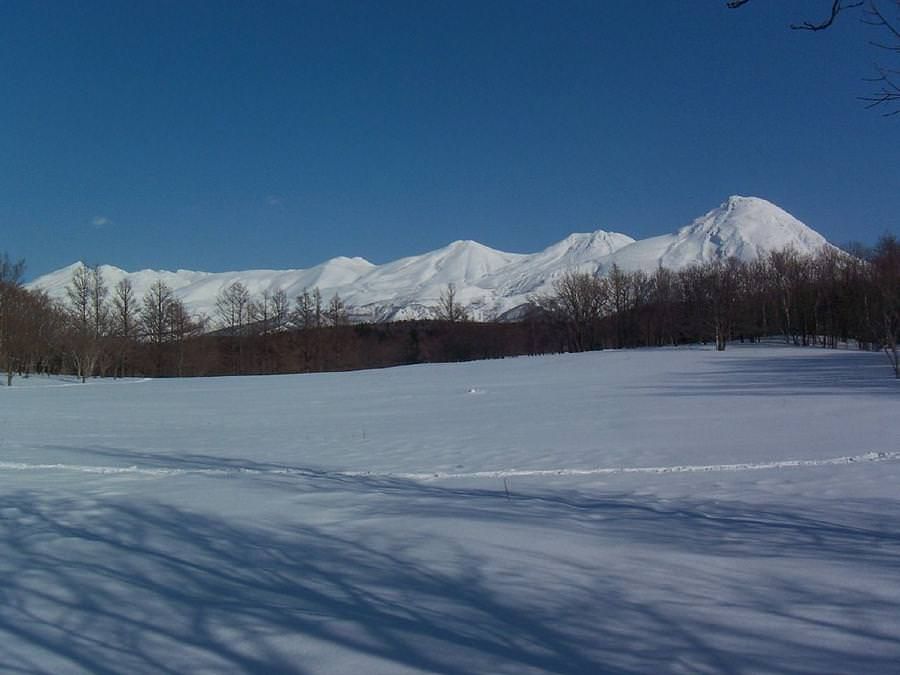
Shiretoko National Park is one of the most beautiful and unspoiled national parks in Japan. More than three quarters of it has no paved roads, and many areas can only be seen from a boat or reached on trails through the wilderness.
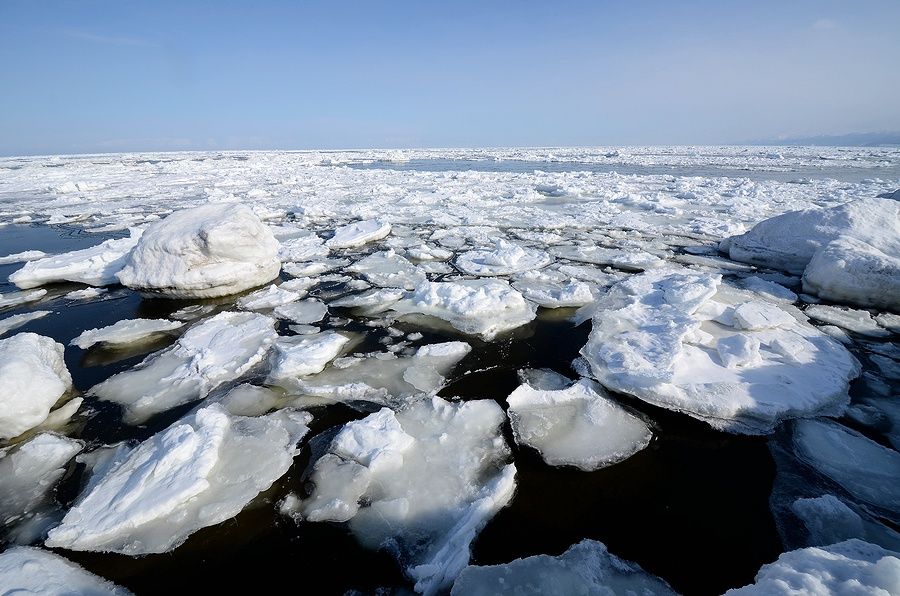
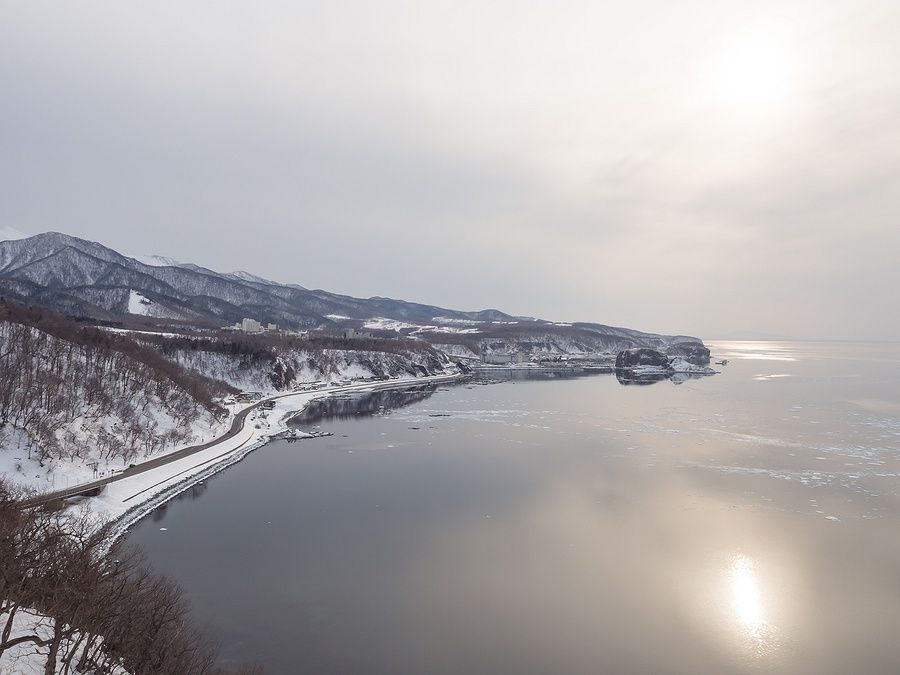
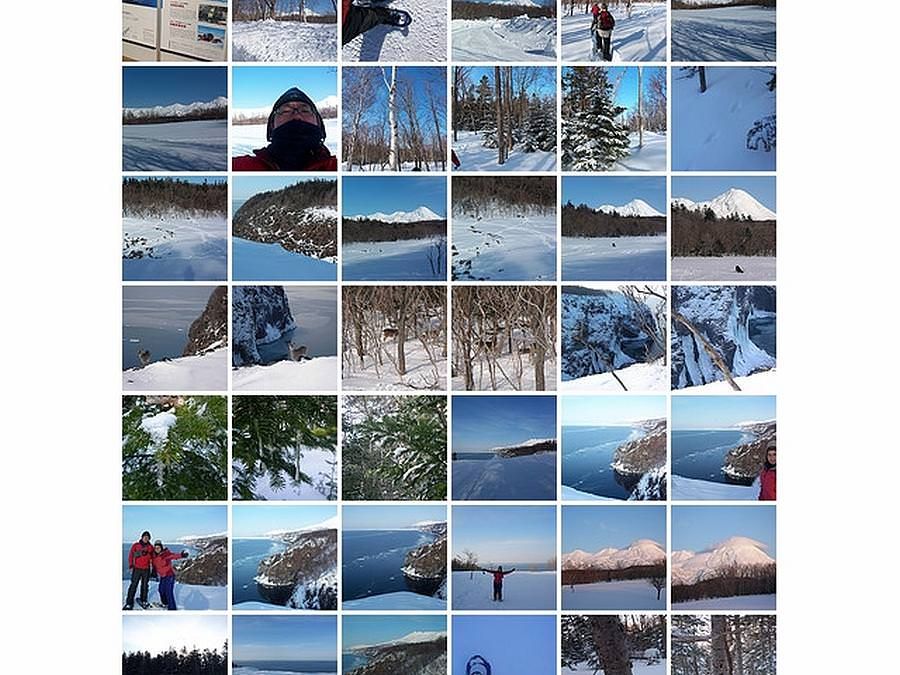
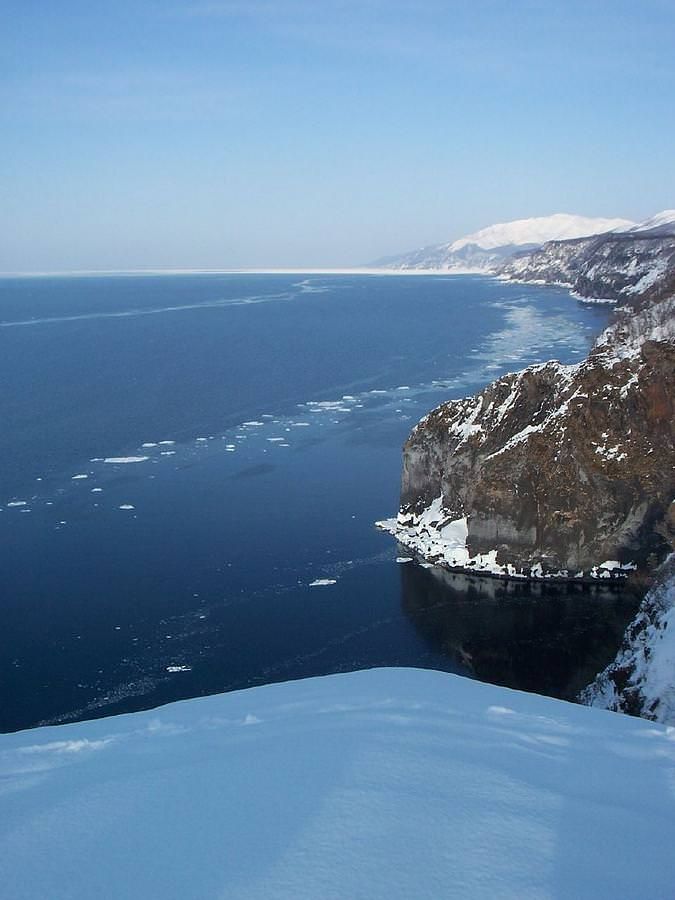
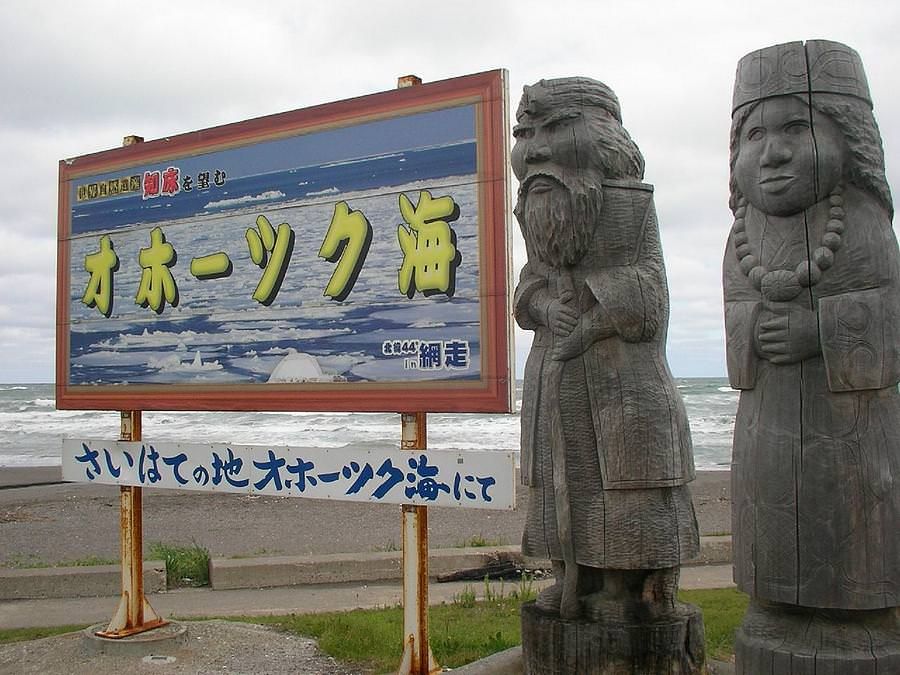
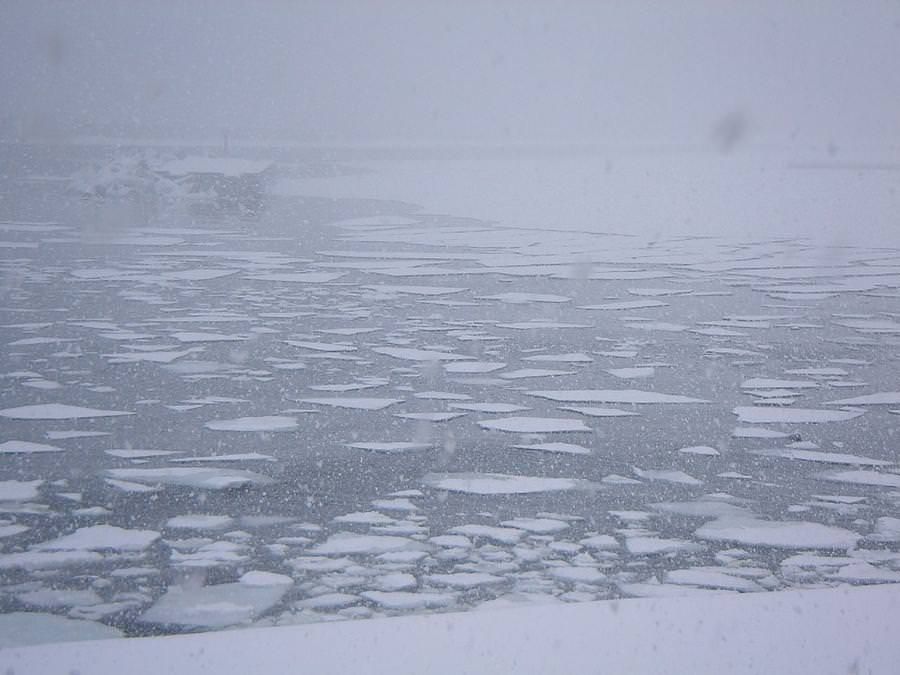
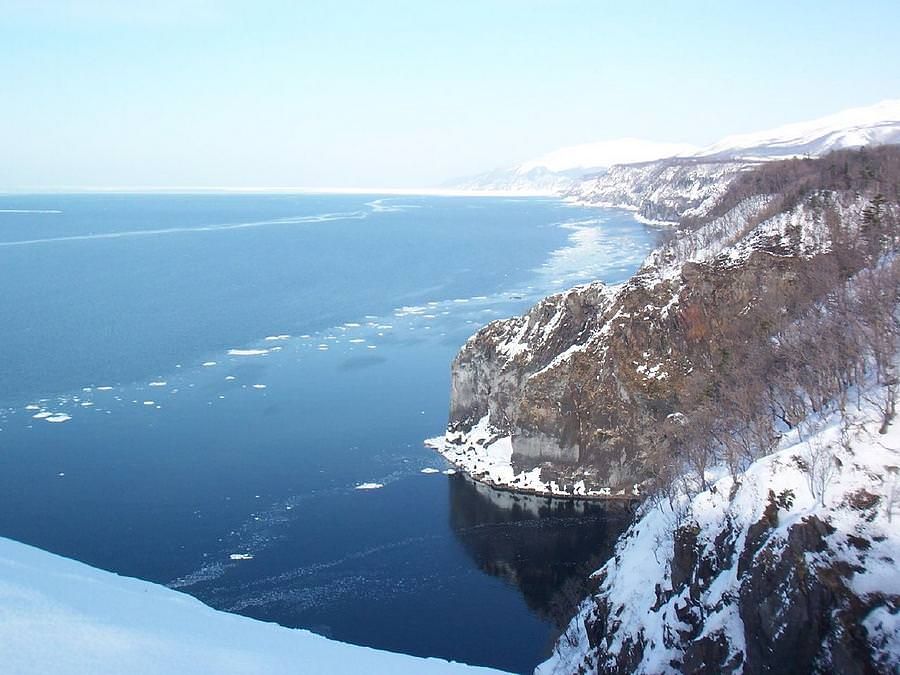
In winter, ice floes fill the water along the Sea of Okhotsk coast, and the shoreline becomes the ideal place to watch the ice drift across the sea. In 2005, Shiretoko was added to the list of UNESCO World Heritage Sites for the immense value of its ecosystem and its biodiversity.
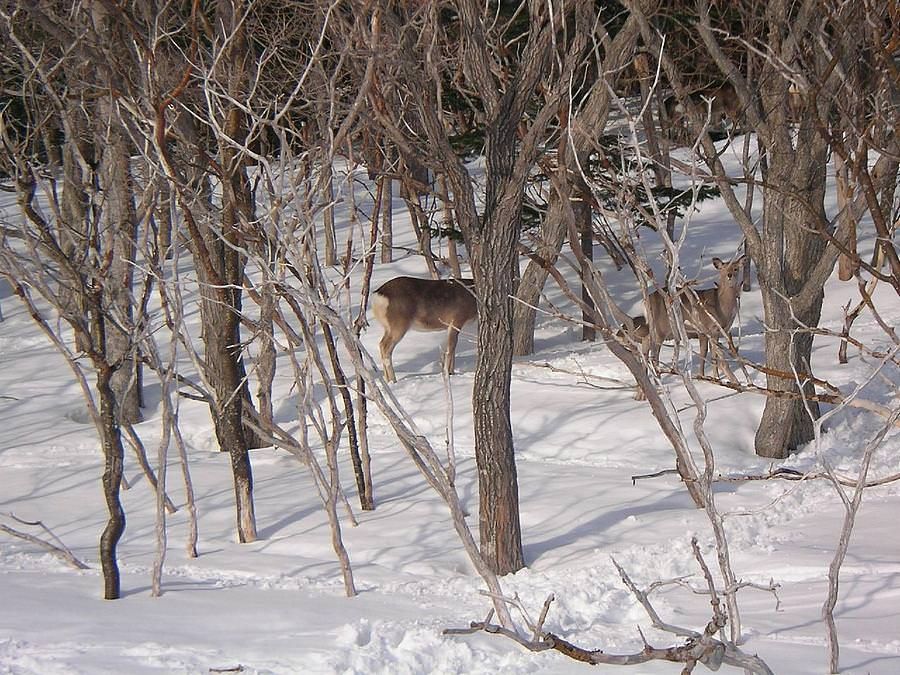
Shiretoko is an excellent example of how marine and land ecosystems interact. It’s home to an incredible variety of wildlife, including brown bears and foxes, and to some unusual species such as Blakiston’s fish owl and the plant Viola kitamiana.
The site is globally important above all for its seabirds and migratory birds, its many species of salmonids and its marine mammals, including cetaceans and sea lions.
Shiretoko has one of the highest bear densities in Japan, and that changes the way you visit the peninsula. From the boats you’ll often spot them on the beach or nosing around the rocks at the water’s edge. It’s also the most relaxed way to watch them: you’re on a boat, they’re on land, and they barely notice you.
On land it’s a different story. The trails are closed or restricted when the bears are most active, and in some seasons you can only walk them with a guide. Don’t see it as a nuisance. This is the bears’ home, and Shiretoko is one of the few corners of Japan where the wildlife sets the rules.
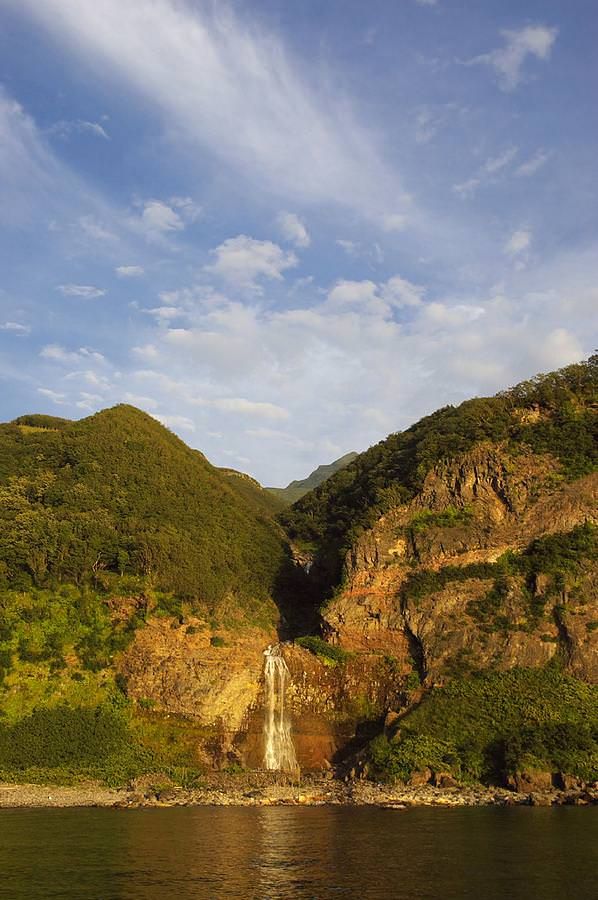
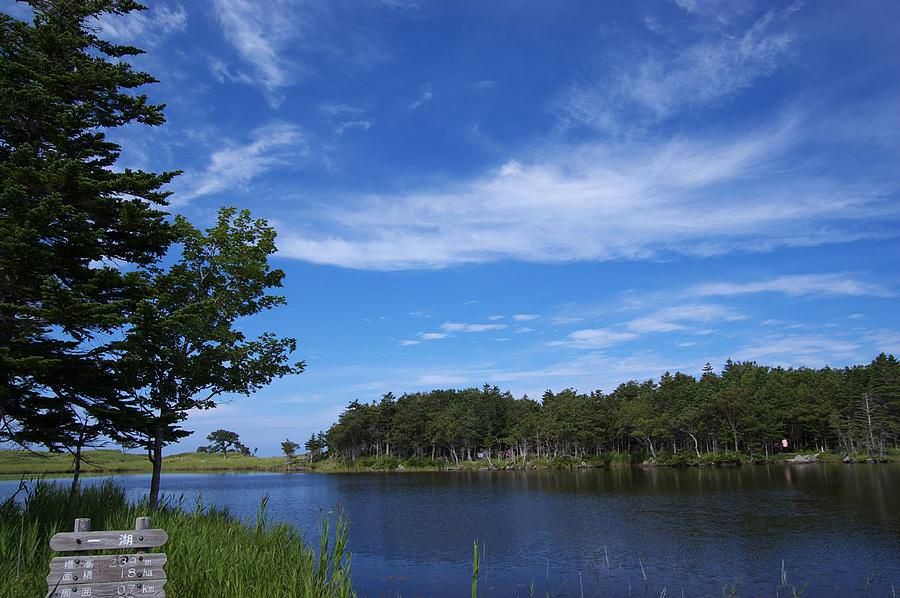
Shiretoko is also known as the “kingdom of waterfalls,” and you can see many of them from the boats that sail around the peninsula. Highlights include Kamuiwakka Falls, with its steaming hot water, Furepe Falls, whose beauty is genuinely moving, and Oshinkoshin Falls, which spill dramatically down toward the sea. The Shiretoko-Goko lakes are lovely too: small, quiet lakes surrounded by virgin forest, also known as the “five jewels.”
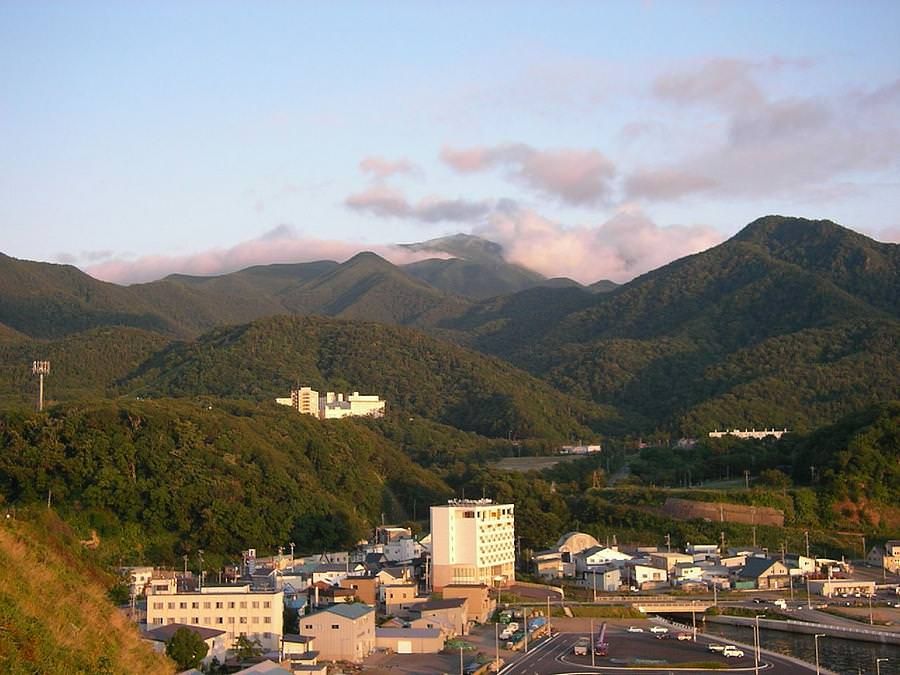
Utoro is a hot spring town with 25 places to stay. It’s the ideal base for trips out to the hot springs, especially Kamuiwakka, where the water rises from the heart of Mount Iou and the pool it fills has been turned into an open-air bath.
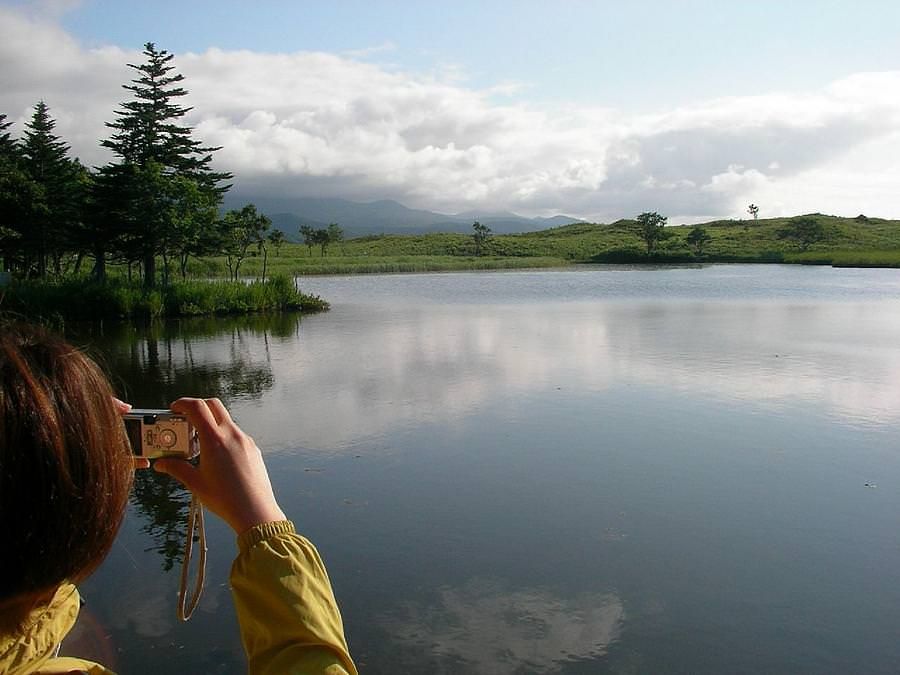
Also known as the “five jewels,” the lakes sit deep in untouched virgin forest, with pleasant hiking trails around them and scenery that changes color with the seasons. The easiest route is the elevated boardwalk, about 800 meters long, which takes you to the first lake. From there you can see the Shiretoko mountain range reflected in the water, and an electric fence runs along both sides of the boardwalk to keep the bears away. To see all five lakes, you have to go down to the forest trail, a loop of about three kilometers that goes from one lakeshore to the next. That’s where you find out what virgin forest really means.
This seaside town is famous for its seaweed, its seafood and its king crab. Aidomari and Seseki, two hot spring spots with big outdoor baths, are a short trip away. The main reason people head out to sea from Rausu, though, is whale watching: the Nemuro Strait is one of the best places in Japan for it. Orcas pass through between spring and early summer, often in family groups, and later in the season sperm whales and dolphins show up, against a backdrop of mountains still covered in snow.
In winter the same boats switch to a different job and take you out among the ice to see the sea eagles. Hundreds of them spend the winter here, perched on the floes and waiting for fish.
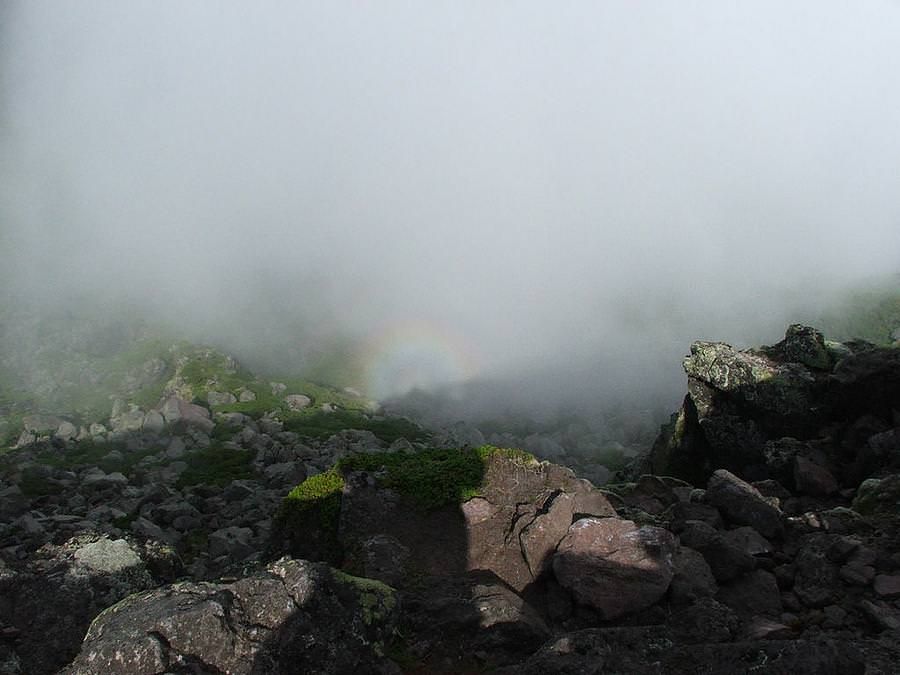
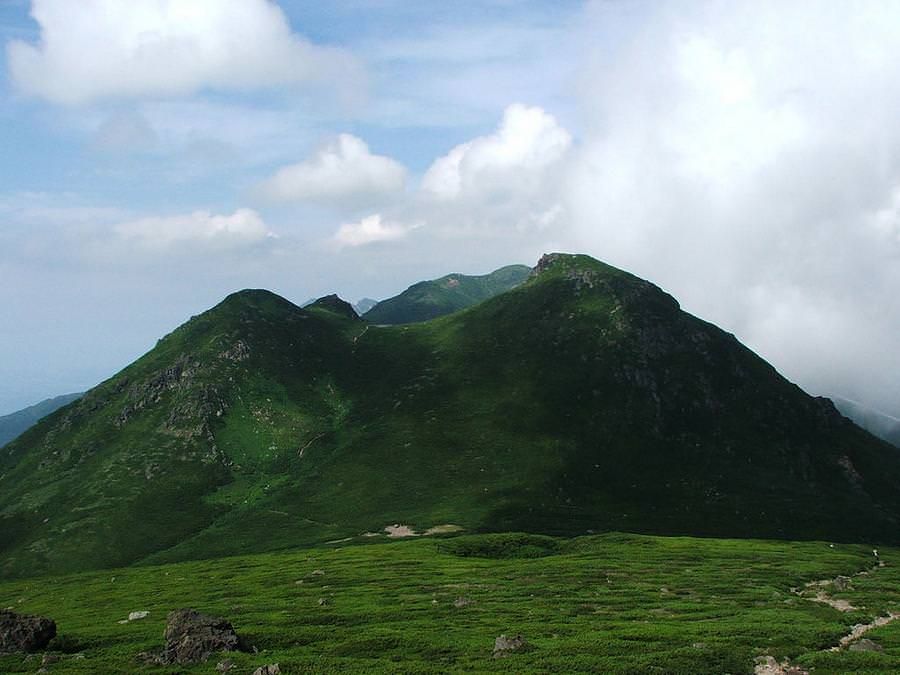
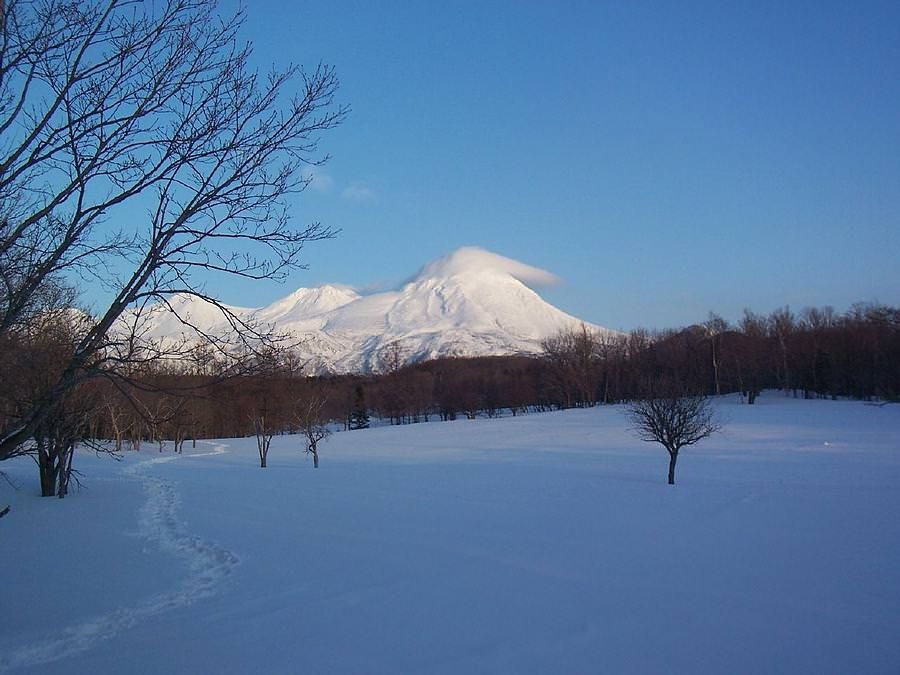
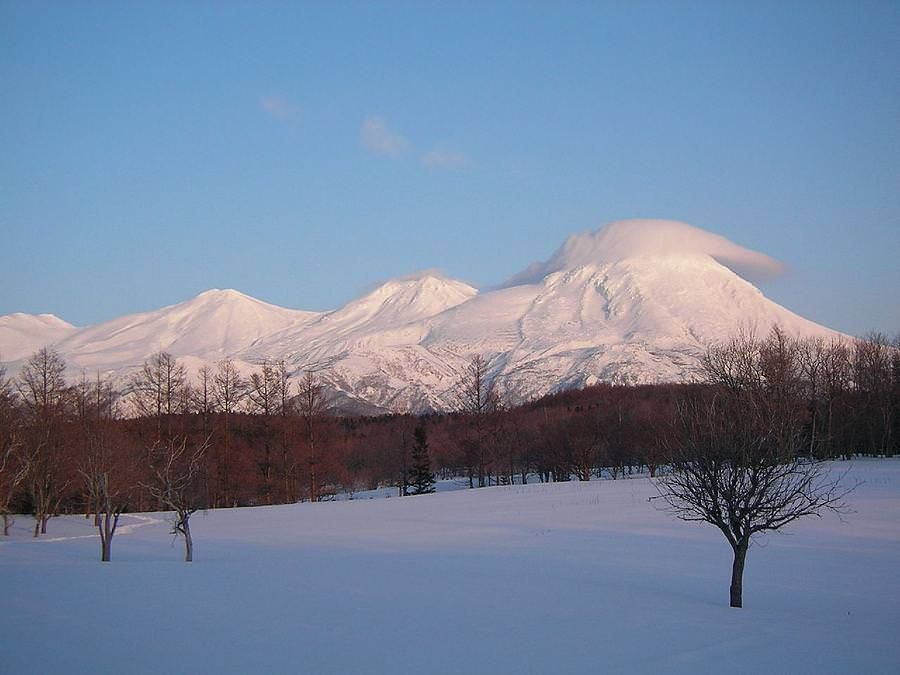
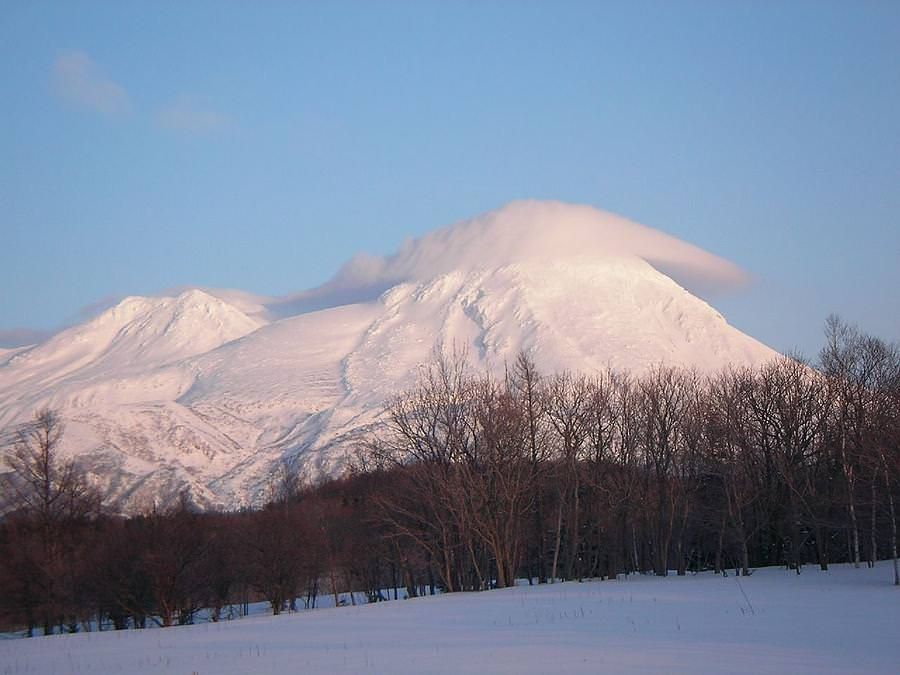
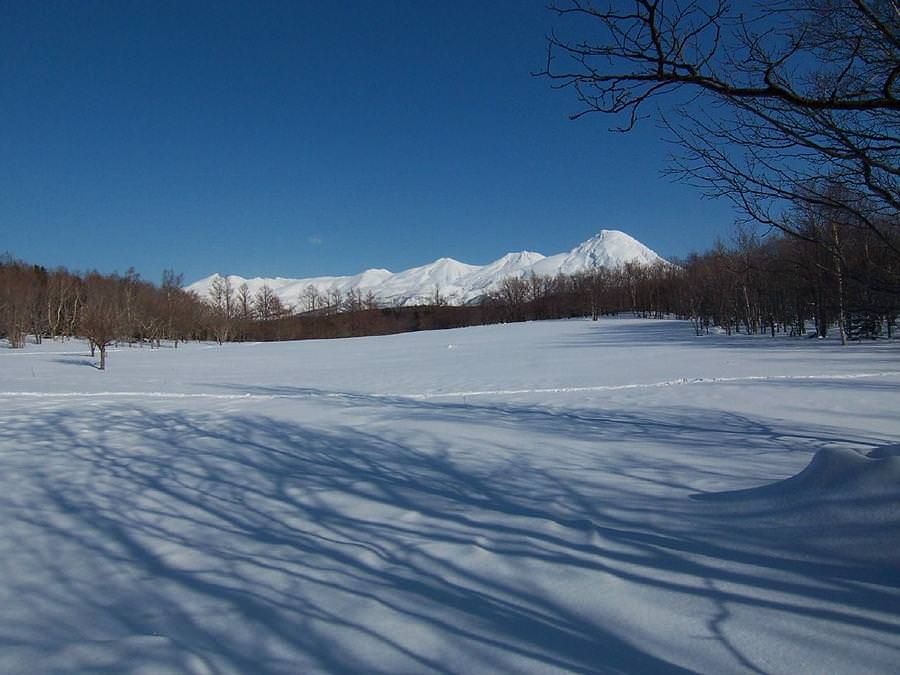
At 1,661 meters, Mount Rausu is the highest mountain on the Shiretoko Peninsula. From the summit you get a fantastic view that stretches all the way to Kunashiri Island.
These are the peninsula’s main waterfalls, and they’re on the list of Japan’s 100 most beautiful waterfalls. They’re about 80 meters high.
The Aurora is a sightseeing boat that cruises from Utoro to Cape Shiretoko, with gorgeous views you could never get from land.
Drift ice arrives from the Sea of Okhotsk, usually in late January or February, and for a few weeks the peninsula looks like a different place. The sea disappears under a white expanse that shifts with the wind and the currents. This is the sea ice that forms at the lowest latitude anywhere on the planet, and you’ll find it just a few meters from the shore, with the snowy mountains behind you.
With a guide you can even walk on it. You put on a dry suit that keeps you warm and afloat, step from one floe to the next, and if you feel like it, slip into the water between the blocks. It’s completely silent, except for the ice creaking under your feet.
Creative Commons jetalone

Creative Commons jetalone
Creative Commons shirokazan
Creative Commons nakae
Creative Commons hogeasdf
Creative Commons Boccaccio1
Creative Commons jetalone
Creative Commons Boccaccio1
Creative Commons hogeasdf
Creative Commons hogeasdf
Creative Commons jetalone
Creative Commons jetalone
Creative Commons hogeasdf

Creative Commons 8og
Creative Commons jetalone
Creative Commons jetalone
Creative Commons jetalone
Creative Commons jetalone
Creative Commons jetalone
Creative Commons jetalone
Creative Commons jetalone
Creative Commons jetalone
Creative Commons jetalone
Creative Commons jetalone
Creative Commons jetalone
Creative Commons jetalone

Creative Commons jetalone
Creative Commons jetalone
Creative Commons jetalone
Creative Commons jetalone