794 m
Ichiran794 m
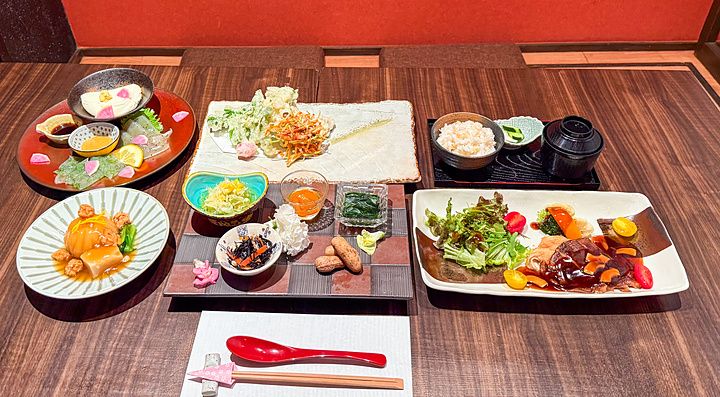
Great ramen chain.
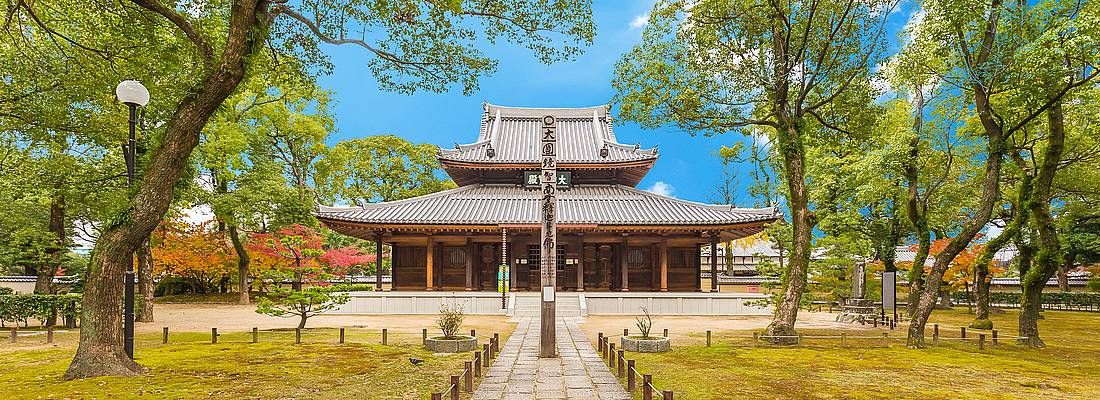
Shofukuji Temple marks the beginnings of Zen in Japan. It was the first Zen temple complex ever built in the country, founded in 1195 by the monk Eisai, who brought the teachings of the Rinzai school of Chinese Zen Buddhism to Japan.
You can’t go inside the temple buildings, only see them from outside, but you can stroll through Shofukuji’s lovely gardens and take in the architectural details while you enjoy the peaceful, solemn setting.
When Shofukuji Temple was built, Buddhism already had a long history in Japan, going back more than six centuries. Zen was something new. Eisai had learned it during his travels in China, and its teachings promoted meditation and discipline as a path to enlightenment. They became very popular, especially among the samurai class, which held political power through the Kamakura shogunate.
Many Japanese traditions and arts are tied to Zen: the tea ceremony, dry landscape gardens, calligraphy, and more.
This temple can claim another first. Eisai came back from China with more than Zen teachings: he also brought tea seeds, and had them planted here and in the Sefuri Mountains, between Fukuoka and Saga. The whole history of Japanese tea effectively starts with those first plants, so much so that Eisai is remembered as the father of tea in Japan. He also wrote the first Japanese treatise on tea and its health benefits.
And it isn’t just something you read about. Shofukuji still preserves the yotsugashira chakai, an ancient tea ceremony in the Zen tradition with four guests of honor. Once you know Japanese tea started here, you look at this quiet courtyard quite differently.
Shofukuji Temple has many of the features of a typical Zen temple, with plenty of Chinese influences and, of course, a rock garden whose symbolism invites contemplation. Repeated destruction and rebuilding have left it much smaller than the original complex, but it’s still a designated national historic site because it’s such a wonderful example of a classic Zen temple.
The complex includes several imposing buildings, among them a Korean-style bell and bell tower, and the huge Sanmon Gate, the most important of the temple’s gates. High up on the gate you’ll see a plaque donated by Emperor Gotoba, proclaiming Shofukuji the first Zen temple in Japan.
The green space in front of the Sanmon Gate has a small pond at its center with a bridge across it, and here you can see the remains of a wall built in Toyotomi Hideyoshi’s time. That wall is a hakatabei, and on its own it tells part of the city’s history. When Hideyoshi had Hakata rebuilt after wars had razed it to the ground, the stones and burnt roof tiles left in the rubble were mixed into clay and reused to build the walls around temples and houses. Look at it up close and you’ll spot the blackened fragments set one on top of another.
Behind the Sanmon Gate, a quiet tree-lined path leads to the Butsuden Hall, which holds a small wooden statue of the historical Buddha, flanked on both sides by giant golden statues of other Buddhas. The ceiling is decorated with a beautiful painting of a cloud dragon, and although you can’t go inside, you can peek in from outside.
All around Shofukuji Temple, lots of smaller temples are tucked away along narrow, atmospheric lanes that are worth a slow, quiet walk, with glimpses of more interesting architecture and gardens. Several of those small temples aren’t independent temples at all. They’re Shofukuji’s subtemples, which grew up around the main complex over the centuries and are still home to monks who look after them.
That’s also why you can only go in so far. Shofukuji is still an active training monastery, and the innermost area is reserved for the community’s practice. Walking along the outer walls, you may hear nothing but your own footsteps, and that’s when you understand what kind of place this is.
The easiest way is the subway. From Hakata Station it's just one stop on the Kuko Line to Gion, and from there the temple is only a five-minute walk north, through the narrow streets of the temple district.
If you'd rather walk, you can also get there from Hakata entirely on foot in 15-20 minutes, passing other temples in the area along the way.
This place is on MarcoMaps
Shofukuji Temple
My map of Japan: over 4,000 places I've tried myself, each with photos, rating, and hours. Filter by category and rating, find veg-friendly spots and places near you with GPS. No sign-up, right from your phone.