Spring in Japan
Spring in Japan is the season when the whole country seems to tell you to get moving. Trains fill up with students in brand-new uniforms, parks slowly get busier, and the streets shake off winter as the evenings stay light longer. It’s not just cherry blossom season. It’s the time of year when it’s easiest to fit in lots of different kinds of trips, from big cities to small towns, from easy walks to onsen.
For travelers, spring runs from early March to late May, and the nice part is that you can pick the kind of spring that suits you best. If you want to experience Japan by getting out and about, I think it’s one of the best times to go.
Contents
Why spring
Compared with other seasons, spring makes a trip easier to manage. You don’t get summer’s heavy, humid heat, and you don’t get winter’s short days and real cold. Instead you get milder temperatures and plenty of daylight, and you can watch nature change before your eyes as you move from one area to the next.

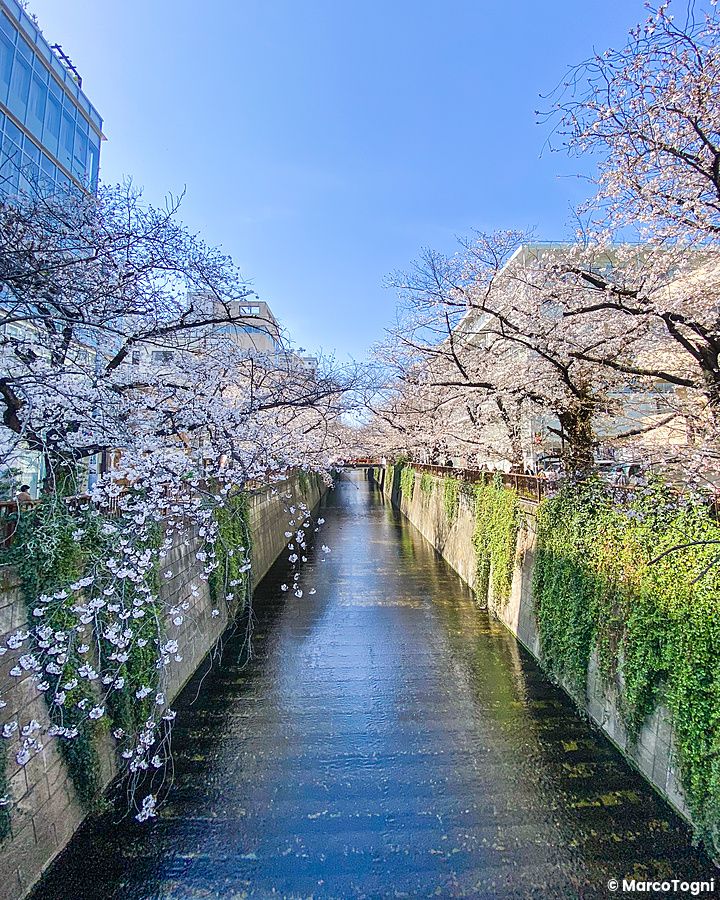
If you want to visit several cities, change hotels and move around a lot, spring makes that easy. You can walk all day without being wiped out by noon, stop in a park for a break, and eat out in the evening without having to rush back because of freezing cold or stifling heat. I’d say it’s the ideal time if you like active itineraries, with lots of short hops and the occasional unplanned detour.
Another reason I recommend it is that everyday life in Japan is in full swing. Schools are in session and offices are open, and on the trains you’ll see commuters, tourists, school groups on field trips and families all mixed together. There’s no off-season feel and no cities emptied out for the holidays. You see Japan at its normal pace, just with softer light and that urge to be outdoors that hits everyone each spring. I’ll be honest: if you want to understand how the country really works, that helps a lot.
When to go
To keep it simple, for travelers spring in Japan runs from early March to late May. Within that window, though, there are three fairly different phases, both in how they feel and in how you plan your trip around them.
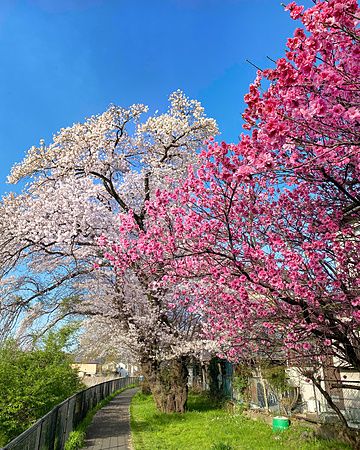
- Early season (early March to around mid-March): still cool, days getting longer, a few early blooms, fewer foreign tourists than at the peak.
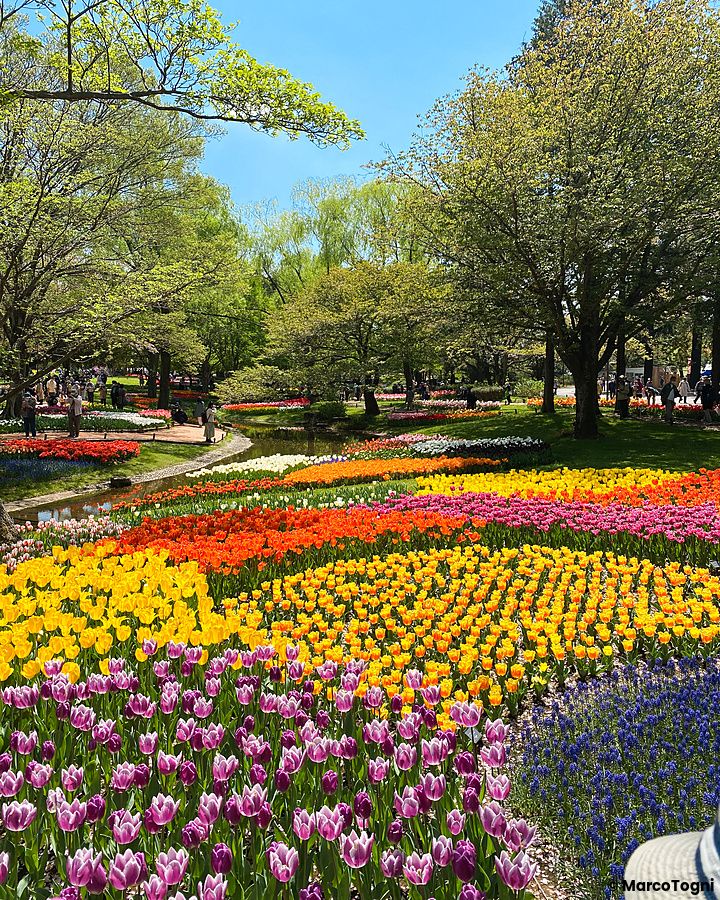
- Mid-spring (late March to mid-April): the busiest period, lots of people traveling, usually mild weather, cities full of life and parks full of people.
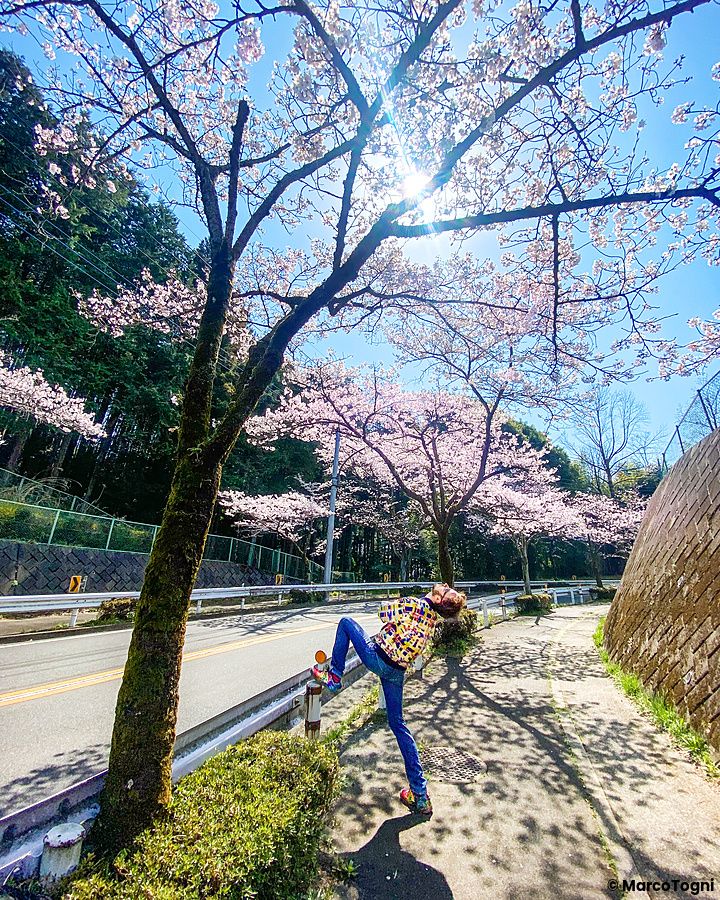
- Late spring (mid or late April to late May): long, bright days, daytime temperatures that often feel almost like summer, lush greenery, and Golden Week right in the middle.
The middle stretch, from late March to mid-April, is the most crowded and usually also the most expensive for flights and hotels, but it’s what a lot of people picture when they think of spring in Japan. Early March and the second half of May are a bit quieter. You might find fewer cherry trees at their peak, but you get more space, lower prices and more peace and quiet.
Golden Week also falls in this window. It’s a run of public holidays bunched together between late April and early May, and during those days Japanese people travel a lot themselves: packed trains, busier highways than usual, hotels booked up long in advance. If you can, I’d suggest going just before or just after that week. Otherwise, lock in your accommodation and transportation well ahead of time, knowing that the whole country is on the move those days.
March to May temperatures in Japan
See data for all cities
| City | March | April | May |
|---|---|---|---|
| Abashiri | -5 – 2 °C | 1 – 9 °C | 6 – 15 °C |
| Aomori | -1 – 7 °C | 4 – 14 °C | 9 – 19 °C |
| Asahikawa | -6 – 3 °C | 0 – 11 °C | 6 – 19 °C |
| Atami (Ajiro Station) | 7 – 14 °C | 11 – 19 °C | 15 – 23 °C |
| Fukuoka | 7 – 15 °C | 12 – 20 °C | 16 – 24 °C |
| Hakodate | -2 – 6 °C | 3 – 12 °C | 8 – 17 °C |
| Himeji | 3 – 14 °C | 8 – 19 °C | 14 – 24 °C |
| Hiroshima | 5 – 15 °C | 10 – 20 °C | 15 – 24 °C |
| Ishigaki | 19 – 24 °C | 21 – 26 °C | 24 – 29 °C |
| Kagoshima | 9 – 18 °C | 13 – 22 °C | 17 – 26 °C |
| Kanazawa | 3 – 12 °C | 8 – 17 °C | 14 – 22 °C |
| Karuizawa | -5 – 8 °C | 1 – 14 °C | 6 – 19 °C |
| Kawaguchiko (Mount Fuji) | -1 – 11 °C | 4 – 16 °C | 9 – 21 °C |
| Kobe | 6 – 14 °C | 11 – 19 °C | 17 – 24 °C |
| Kochi | 6 – 16 °C | 11 – 21 °C | 16 – 25 °C |
| Kumamoto | 6 – 16 °C | 11 – 21 °C | 16 – 26 °C |
| Kushiro | -4 – 3 °C | 1 – 8 °C | 5 – 13 °C |
| Kyoto | 4 – 14 °C | 9 – 20 °C | 15 – 25 °C |
| Matsue | 4 – 13 °C | 8 – 19 °C | 14 – 23 °C |
| Matsumoto | -1 – 11 °C | 4 – 18 °C | 10 – 24 °C |
| Matsuyama | 6 – 14 °C | 10 – 20 °C | 15 – 24 °C |
| Nagano | -1 – 10 °C | 5 – 17 °C | 11 – 23 °C |
| Nagasaki | 8 – 15 °C | 12 – 20 °C | 16 – 24 °C |
| Nagoya | 5 – 15 °C | 10 – 20 °C | 15 – 25 °C |
| Nara | 4 – 14 °C | 9 – 20 °C | 14 – 25 °C |
| Niigata | 2 – 10 °C | 7 – 16 °C | 13 – 21 °C |
| Oita (Beppu) | 6 – 15 °C | 10 – 20 °C | 15 – 24 °C |
| Okayama | 4 – 15 °C | 9 – 20 °C | 15 – 25 °C |
| Okinawa (Naha) | 17 – 22 °C | 19 – 24 °C | 22 – 27 °C |
| Osaka | 6 – 14 °C | 11 – 20 °C | 16 – 25 °C |
| Sapporo | -2 – 5 °C | 3 – 12 °C | 9 – 18 °C |
| Sendai | 1 – 10 °C | 6 – 16 °C | 12 – 20 °C |
| Shizuoka | 6 – 16 °C | 11 – 20 °C | 15 – 24 °C |
| Takamatsu | 5 – 14 °C | 10 – 20 °C | 15 – 25 °C |
| Takayama | -2 – 10 °C | 3 – 17 °C | 9 – 23 °C |
| Tokyo | 5 – 14 °C | 10 – 19 °C | 15 – 24 °C |
| Tottori | 3 – 13 °C | 8 – 19 °C | 13 – 24 °C |
| Utsunomiya | 2 – 13 °C | 7 – 19 °C | 13 – 23 °C |
| Yakushima | 11 – 18 °C | 14 – 21 °C | 18 – 25 °C |
| Yokohama | 6 – 14 °C | 11 – 19 °C | 16 – 23 °C |
Source: based on data from the Japan Meteorological Agency (JMA)
March to May rain and snow in Japan
See data for all cities
| City | March | April | May |
|---|---|---|---|
| Abashiri | 9 days, 39 mm | 8 days, 51 mm | 10 days, 64 mm |
| Aomori | 14 days, 75 mm | 11 days, 69 mm | 10 days, 77 mm |
| Asahikawa | 13 days, 55 mm | 10 days, 49 mm | 10 days, 67 mm |
| Atami (Ajiro Station) | 11 days, 158 mm | 10 days, 168 mm | 10 days, 173 mm |
| Fukuoka | 10 days, 104 mm | 10 days, 118 mm | 9 days, 134 mm |
| Hakodate | 12 days, 64 mm | 10 days, 72 mm | 10 days, 89 mm |
| Himeji | 9 days, 92 mm | 9 days, 105 mm | 9 days, 127 mm |
| Hiroshima | 9 days, 118 mm | 9 days, 141 mm | 9 days, 170 mm |
| Ishigaki | 10 days, 134 mm | 9 days, 147 mm | 9 days, 191 mm |
| Kagoshima | 12 days, 161 mm | 10 days, 195 mm | 9 days, 205 mm |
| Kanazawa | 16 days, 157 mm | 12 days, 144 mm | 10 days, 138 mm |
| Karuizawa | 8 days, 68 mm | 9 days, 81 mm | 10 days, 109 mm |
| Kawaguchiko (Mount Fuji) | 9 days, 108 mm | 9 days, 106 mm | 9 days, 123 mm |
| Kobe | 9 days, 94 mm | 9 days, 101 mm | 9 days, 135 mm |
| Kochi | 10 days, 175 mm | 10 days, 225 mm | 10 days, 280 mm |
| Kumamoto | 10 days, 125 mm | 9 days, 145 mm | 9 days, 161 mm |
| Kushiro | 6 days, 56 mm | 8 days, 79 mm | 9 days, 116 mm |
| Kyoto | 10 days, 106 mm | 9 days, 117 mm | 10 days, 151 mm |
| Matsue | 13 days, 134 mm | 10 days, 113 mm | 9 days, 130 mm |
| Matsumoto | 8 days, 78 mm | 8 days, 81 mm | 8 days, 95 mm |
| Matsuyama | 10 days, 105 mm | 9 days, 107 mm | 9 days, 130 mm |
| Nagano | 10 days, 60 mm | 8 days, 57 mm | 8 days, 69 mm |
| Nagasaki | 10 days, 123 mm | 9 days, 153 mm | 9 days, 161 mm |
| Nagoya | 9 days, 116 mm | 9 days, 128 mm | 10 days, 150 mm |
| Nara | 10 days, 105 mm | 10 days, 99 mm | 10 days, 139 mm |
| Niigata | 16 days, 112 mm | 12 days, 97 mm | 10 days, 94 mm |
| Oita (Beppu) | 9 days, 99 mm | 9 days, 120 mm | 9 days, 134 mm |
| Okayama | 8 days, 83 mm | 9 days, 90 mm | 8 days, 113 mm |
| Okinawa (Naha) | 11 days, 143 mm | 10 days, 161 mm | 11 days, 245 mm |
| Osaka | 9 days, 103 mm | 9 days, 102 mm | 10 days, 137 mm |
| Sapporo | 14 days, 78 mm | 10 days, 55 mm | 9 days, 56 mm |
| Sendai | 7 days, 74 mm | 8 days, 90 mm | 9 days, 110 mm |
| Shizuoka | 9 days, 207 mm | 10 days, 222 mm | 10 days, 215 mm |
| Takamatsu | 9 days, 81 mm | 9 days, 75 mm | 8 days, 101 mm |
| Takayama | 13 days, 123 mm | 11 days, 124 mm | 11 days, 125 mm |
| Tokyo | 9 days, 116 mm | 10 days, 134 mm | 10 days, 140 mm |
| Tottori | 14 days, 144 mm | 11 days, 102 mm | 10 days, 123 mm |
| Utsunomiya | 8 days, 88 mm | 10 days, 122 mm | 11 days, 149 mm |
| Yakushima | 15 days, 387 mm | 13 days, 406 mm | 13 days, 444 mm |
| Yokohama | 10 days, 140 mm | 10 days, 143 mm | 10 days, 153 mm |
Source: based on data from the Japan Meteorological Agency (JMA)
Flowers and hanami
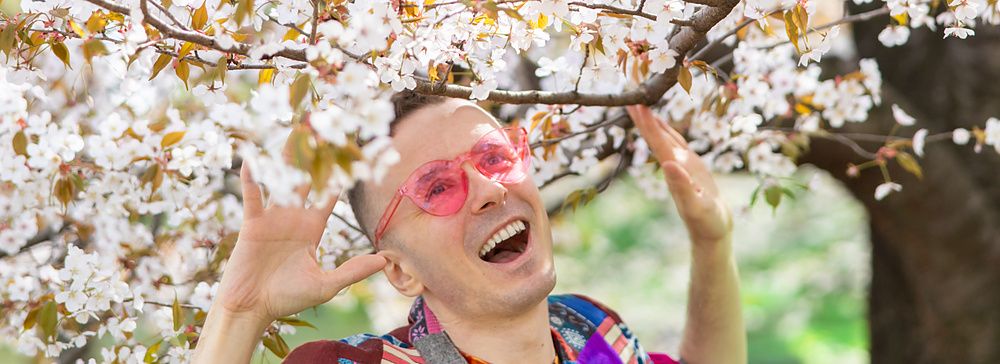
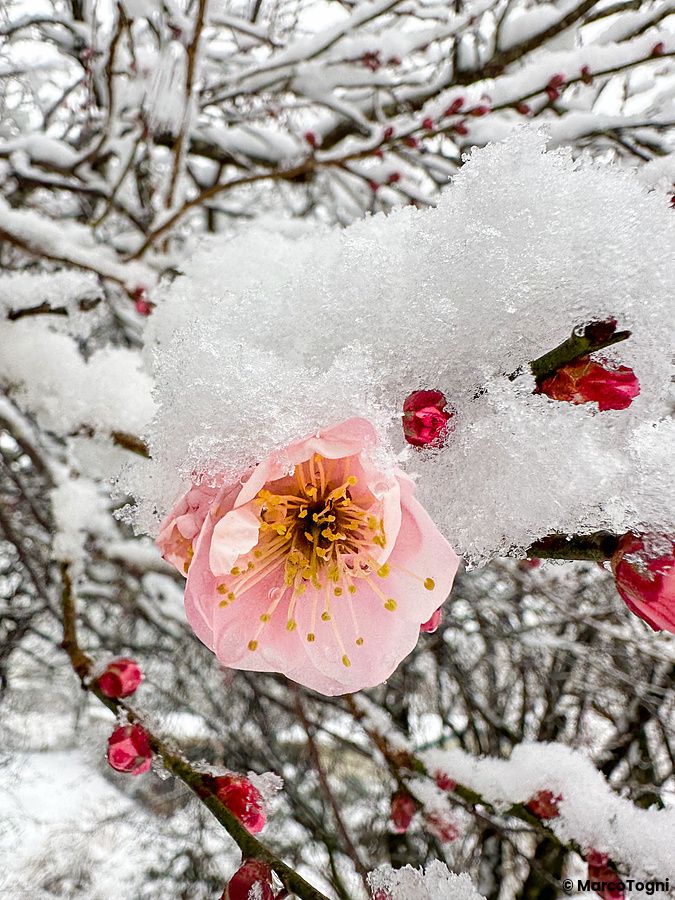
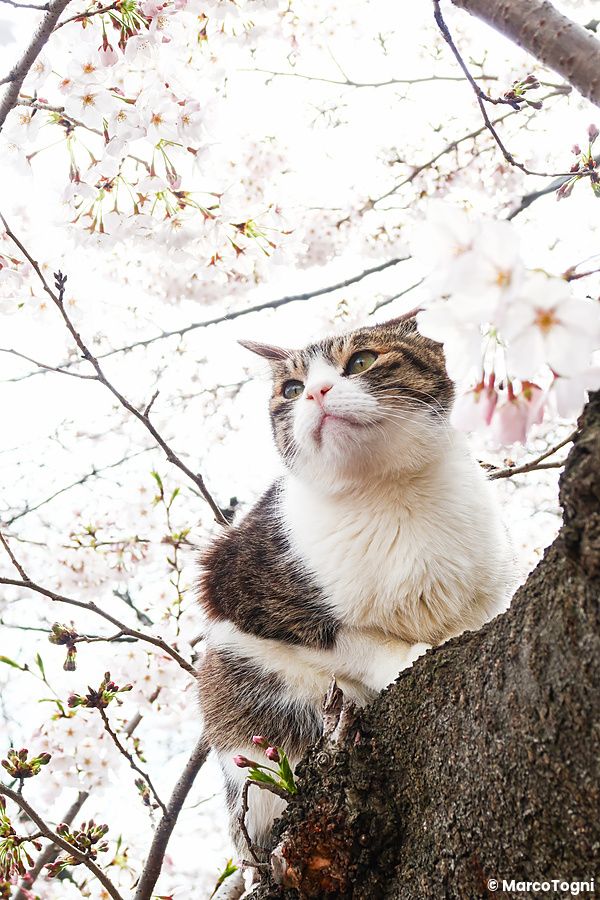
I’m mostly talking about spring as a time to travel, but there’s no ignoring that this is flower season, and above all the season when ume and sakura follow one another. Put simply, Japanese plum trees (ume) are often the first to bloom, in colors ranging from white to deep pink, and they kick off the season in gardens and in the more sheltered temples. To an untrained eye they can look like cherry trees, but they’re something else.
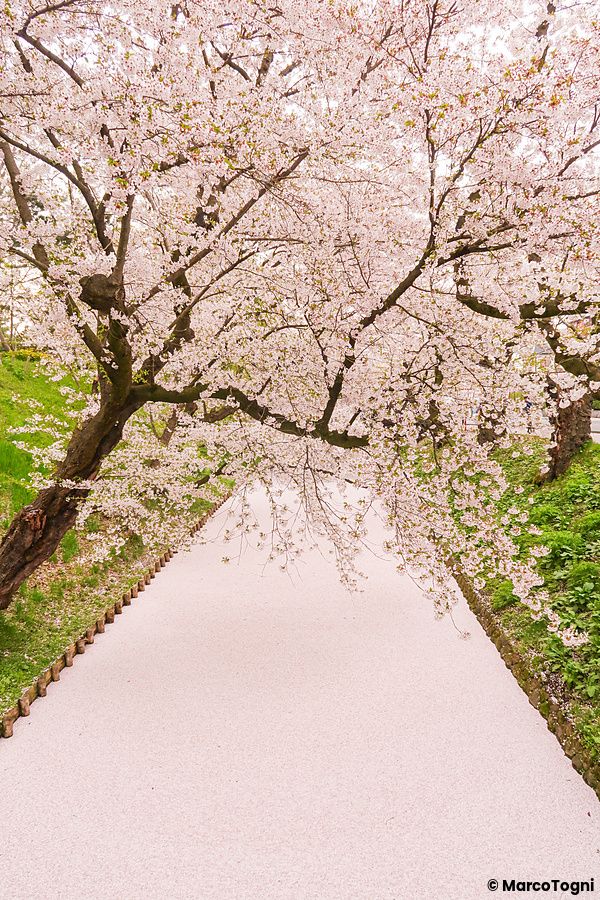
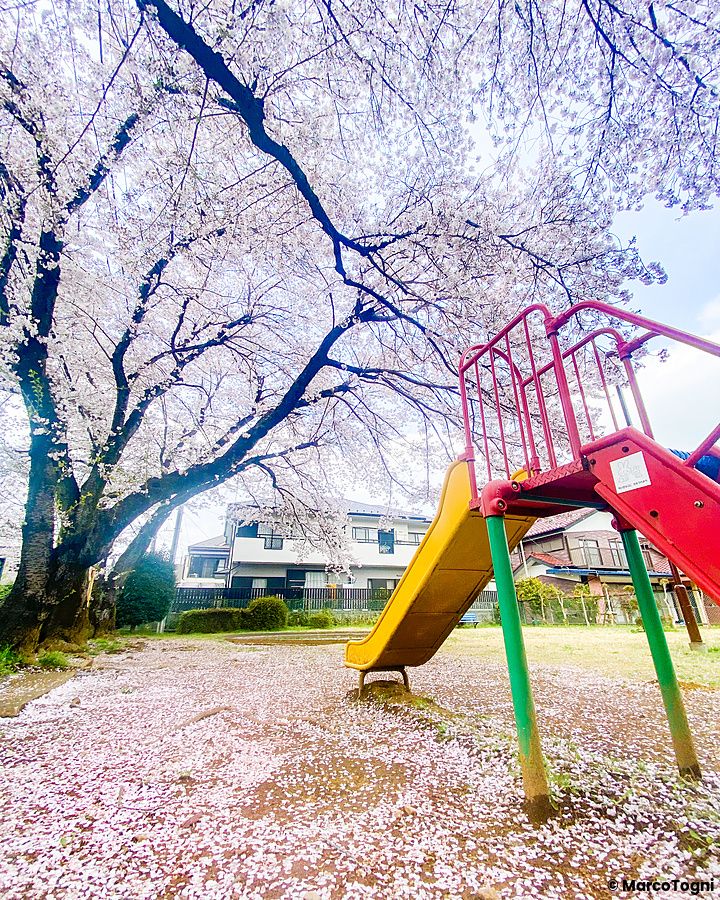
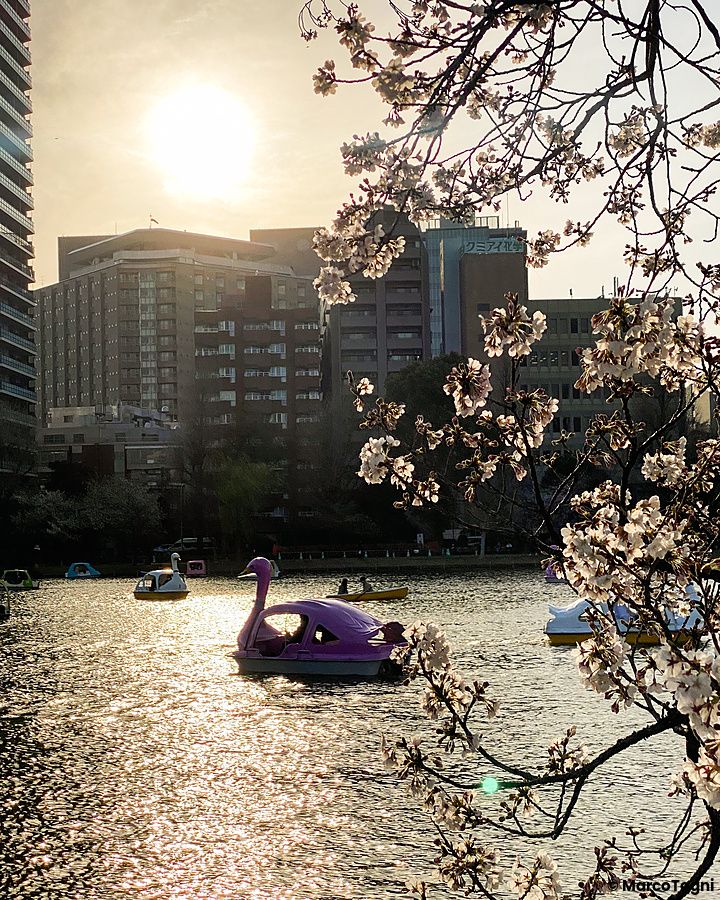
The cherry trees (sakura) come later, with that famous pink-cloud look you see in photos. The key thing to understand is that even though each area’s peak only lasts a few days, the overall window for seeing trees in bloom is long. In the main cities you’ll have something to look at for a good chunk of spring: buds opening, trees in full bloom, petals falling and pink carpets on the ground. Keep geography in mind too, because the blossoms move up the country from south to north. In Tokyo and Kyoto the best time is usually between late March and early April, in Tohoku they arrive around mid to late April, and in Hokkaido often in early May. So if you’re traveling later, you can chase the cherry blossoms by heading north.
My advice is not to turn your trip into a race for the perfect date. It makes much more sense to pick a good period for the kind of itinerary you have in mind and then, once you’re in Japan, adapt to the weather and to whatever you find. A neighborhood street covered in petals can stay with you longer than a super-famous park packed with people.
After the cherry blossoms
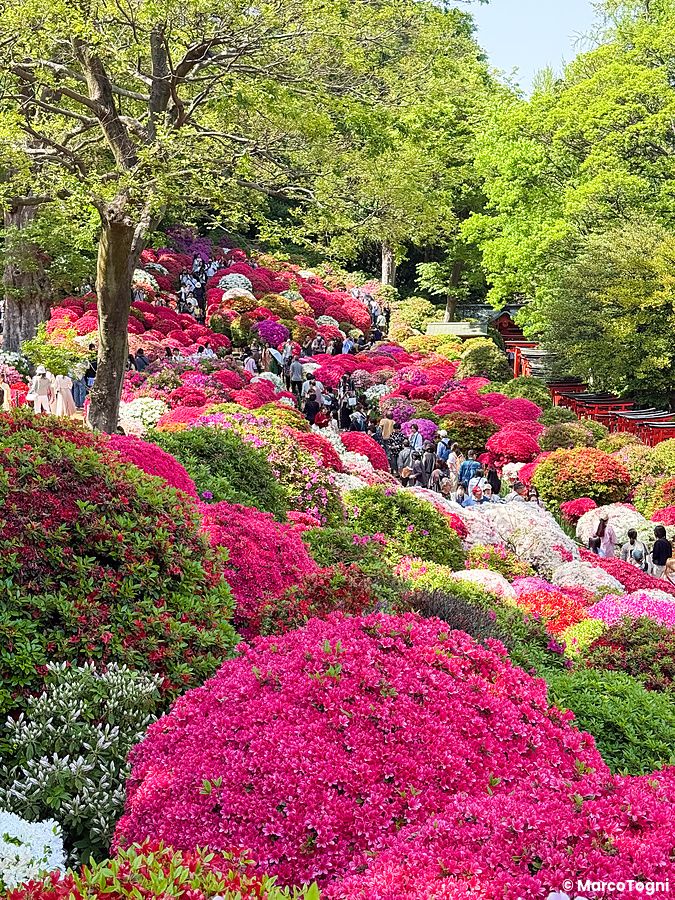
If you’re going in late April or May, don’t think you’ve missed the flowers. Once the cherry blossoms are over, the season passes the baton to other blooms, often with smaller crowds. Between late April and early May you get wisteria (fuji), with purple clusters hanging from the trellises of parks and shrines, and azaleas covering whole hillsides in color.
Around the same time there are carpets of shibazakura, tiny pink and purple flowers that cover the ground, and the blue hills of nemophila at Hitachi Seaside Park. I’d count them as one more reason to choose late spring. They’re less famous than sakura, but seeing them in person often surprises people more.
Festivals and events
Spring is full of events and traditions that you’ll run into almost without trying. I don’t just mean the big, famous festivals, but lots of small things that change the feel of cities and towns.
In early March there’s Hinamatsuri, the Doll Festival. In many homes and in various public places, the classic dolls in traditional dress go on display on tiered red stands. The festival is mostly about girls and their families, but for travelers it’s a chance to see the interiors of temples, schools and community centers decorated differently than usual.
In April, a number of Buddhist temples celebrate Hanamatsuri, the “flower festival” tied to the Buddha’s birthday. You’ll see small decorated altars, ceremonies, and worshippers coming and going with offerings. It isn’t necessarily a spectacular event for photos, but it helps you understand how religion and the season are woven together.
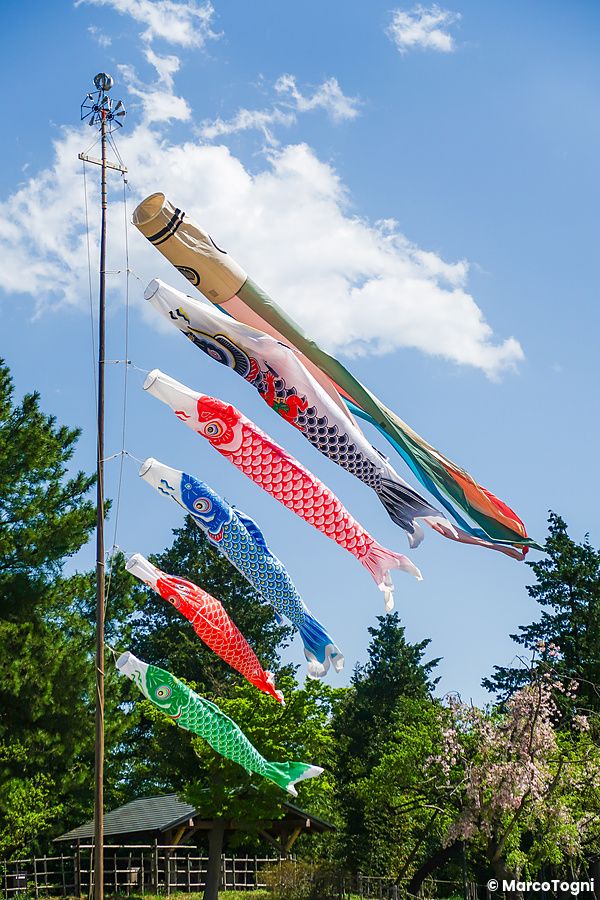
Between late April and the first days of May, alongside Golden Week, you’ll see koinobori, colorful fabric carp flying from poles and balconies to celebrate children. When you see a long line of them over a river or a park, you instantly get the sense of a spring full of families out and about, picnics and whole days outdoors.
If you’d like to fit a festival into your trip, the best thing is to ask once you’re there. Tourist offices or your hotel can often point you to neighborhood matsuri happening while you’re in town. A festival doesn’t have to be one of Japan’s three most famous to be interesting. In fact, a mid-sized one with stalls and local people lets you experience spring in Japan very directly.
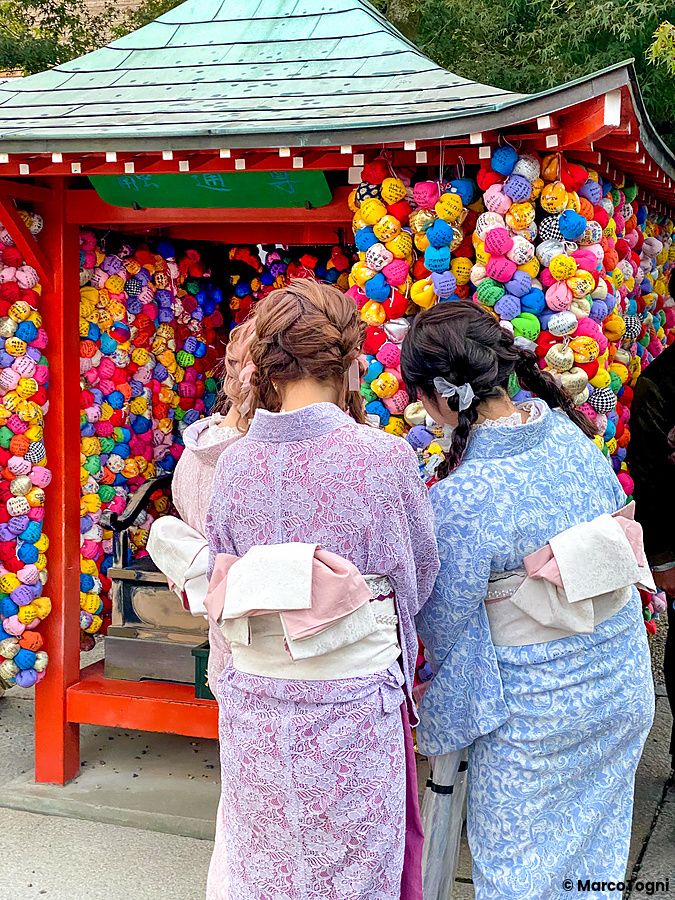
Big cities
In spring the big cities are perfect for walking. In Tokyo, for example, you can easily walk between neighborhoods that look far apart on the map, along a river, down a tree-lined avenue or through a city park. When the temperature’s right, sitting on a bench with an onigiri or a conbini coffee just becomes part of the day.
I recommend setting aside at least one full day for just walking. No tight schedule, just a general area and the freedom to wander off every time you see a little park, a shrine or a staircase climbing between the houses. In spring, these detours are what make a trip feel alive: kids playing in their uniforms, women tending their plants, students taking photos for the start of the school year.
In Kyoto, spring means hills of fresh green, streams running full and temples peeking out from the trees. Here too, rather than squeezing in too many places you supposedly can’t miss, I think it makes sense to pick 2–3 areas a day and enjoy the time in between. Spring light, especially early in the morning and late in the afternoon, makes the well-known spots look softer and less like a postcard.
Osaka, Nagoya, Fukuoka and the other cities let you pair full days out with long evenings spent in bars and restaurants and out on lit-up streets. The oppressive summer heat hasn’t arrived yet, so it’s nice to keep walking around after dinner, without worrying about getting back to the hotel to escape the weather.
Nature and onsen
Spring is a great time to work nature and scenery into your trip without having to face extreme conditions. The highest mountains may still have snow or bitter cold, but plenty of hilly areas and scenic trails are already doable with a light jacket and the right shoes.
If you like the idea of a more varied trip, I’d suggest adding some countryside or mountains to the cities: a village with rice paddies getting ready for the season, a valley with onsen, a quiet stretch of coast. In spring you can clearly see the shift from winter to something more alive, with fields being worked, busy school sports fields and people fixing up their gardens.
The winning combo this time of year is often an easy walk + a ryokan with onsen. You take a scenic walk during the day, maybe along a river or on a trail that isn’t too demanding, and in the evening you soak in the hot baths while the air outside is still cool. Honestly, I find it’s one of the times when you can feel spring in Japan on your skin, literally.
What to pack
In practical terms, spring calls for layers rather than heavy clothes. Instead of one jacket meant to handle everything, it makes more sense to bring pieces you can mix and match depending on the day. For a basic set, I’d pack:
- a few light long- or short-sleeved tops for layering
- a fleece or a medium-weight sweater
- a light waterproof or windproof jacket
- comfortable pants for walking, not too heavy but not fully summer-weight either

There are also a few small things that take up very little space and come in really handy in spring:
- a folding umbrella or a compact rain poncho
- a light scarf or neck gaiter for the evenings
- a cap or lightweight hat for the sun
- a small pouch in your backpack with basic medication, Band-Aids, and wipes
With these on hand, you won’t waste time hunting for a store right when all you want is to enjoy your day.
Costs and crowds
Spring is high season in Japan, especially for visitors from abroad. Flights tend to cost more than at other times of year, hotels in the most popular areas fill up earlier, and some of the best-known spots can get seriously crowded at the peak of the season.
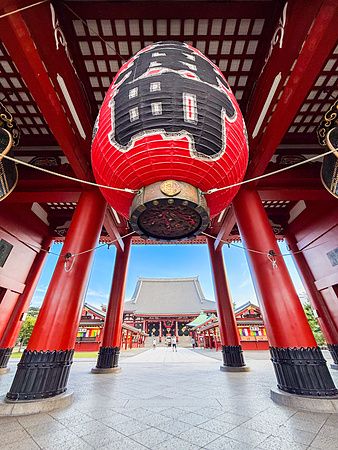
- book your accommodation early in the busiest cities (Tokyo, Kyoto, Osaka), especially for late March and early April
- during Golden Week, if you’re getting around by train, go for reserved seats and pick your departure times well in advance
- on the busiest days, it can pay to go against the flow: get up very early, see the famous places first thing in the morning, and save the neighborhood walks for the afternoon
There’s no set figure for your budget, since a lot depends on the kind of accommodation, restaurants, and transportation you choose. Still, it’s good to know from the start that spring and fall are generally the most expensive times to go. If you’re traveling as a couple or with your family, deciding on your dates and stops early keeps you from getting caught in a cycle of last-minute bookings, which often drives costs up.
Is spring worth it?
If I had to pick one season for someone who wants a well-balanced first trip to Japan, with a bit of everything and nothing extreme, spring would be near the top of my list. It isn’t perfect. You might get a few rainy days, prices aren’t at their lowest, and at certain times you really feel the crowds. But it brings a lot together: weather that’s easy to deal with, lively cities, events, scenery that changes as you travel, and days when you head out in the morning, get back in the evening, and feel like you’ve made the most of every hour.
Honestly, this is how I see it. If you like the idea of Japan on the move, of catching trains almost out of curiosity, of evenings out with a light jacket over your shoulders, of small festivals you stumble on by chance and residential neighborhoods full of life, spring is very much your season. You may not come home with the perfect photo of the cherry blossoms right at full bloom, but you’ll take home something that matters more: the feeling that you arrived just as the country was coming back to life, and that your trip moved along with it. And trust me, that feeling stays with you much longer than any single postcard shot.
