
 793 m
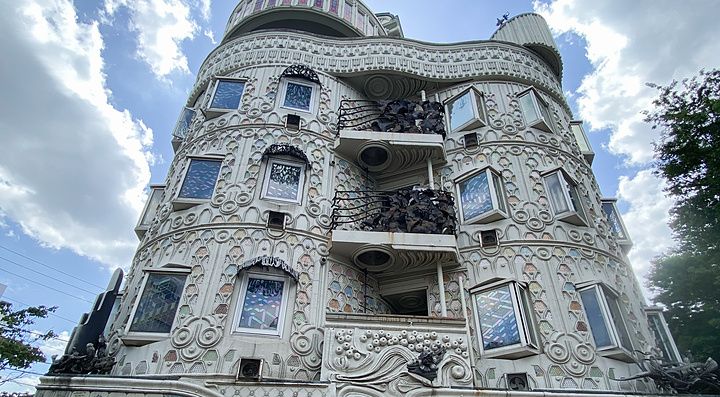
Waseda El Dorado793 m
Apartment building with outlandish architecture.
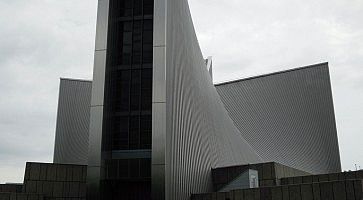
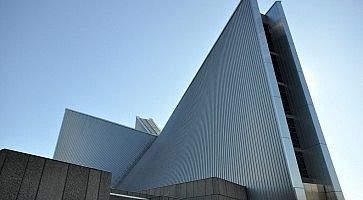
St. Mary’s Cathedral stands tall in Bunkyo, a quiet Tokyo neighborhood, and it’s the seat of the Catholic Archdiocese of Tokyo. As the heart of the Catholic community, it draws plenty of worshippers, but its groundbreaking design pulls in architecture fans too.
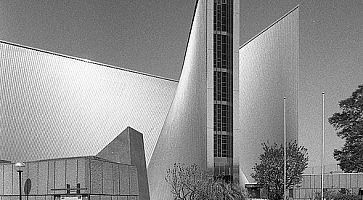
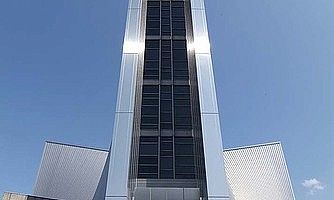
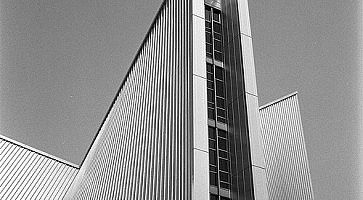
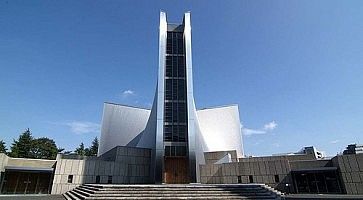
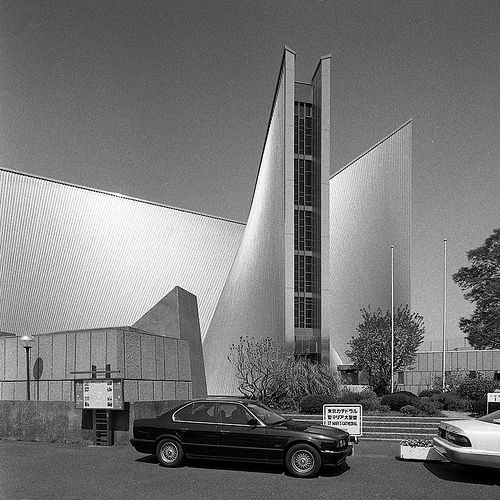
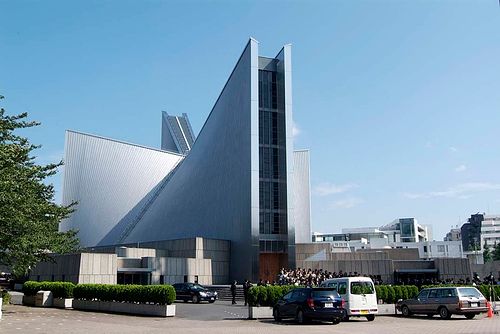
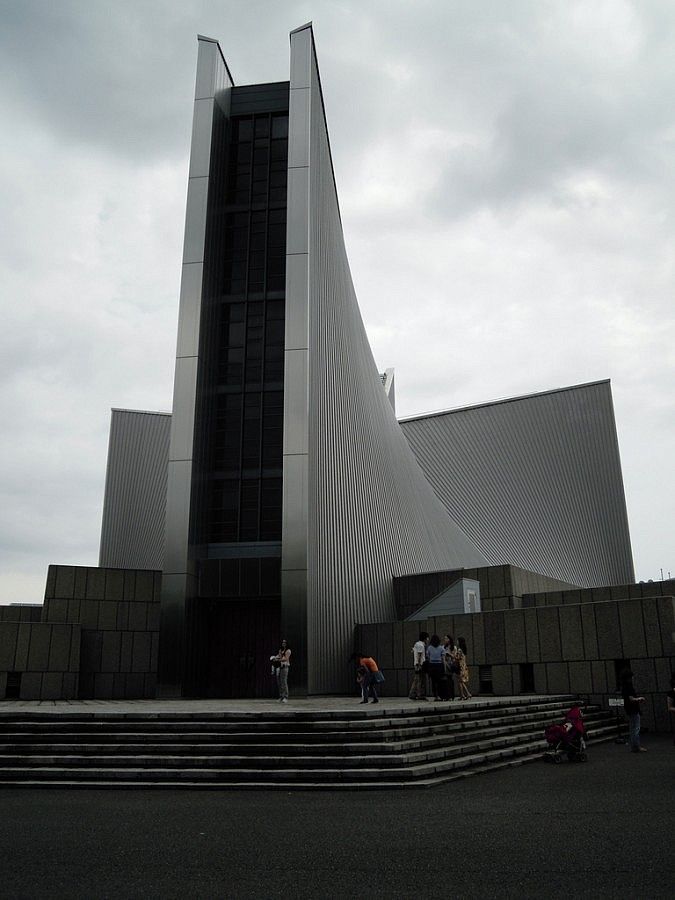
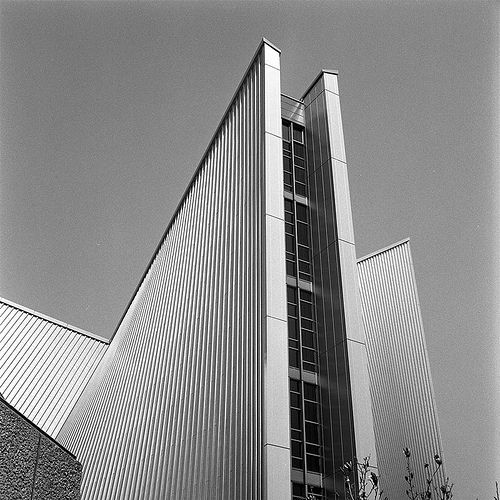
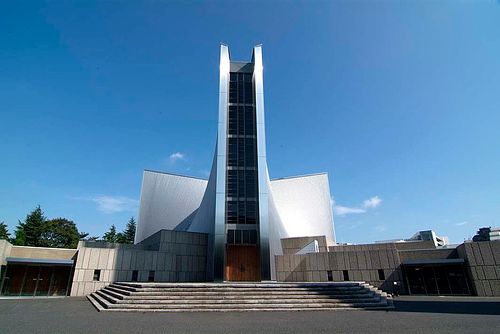
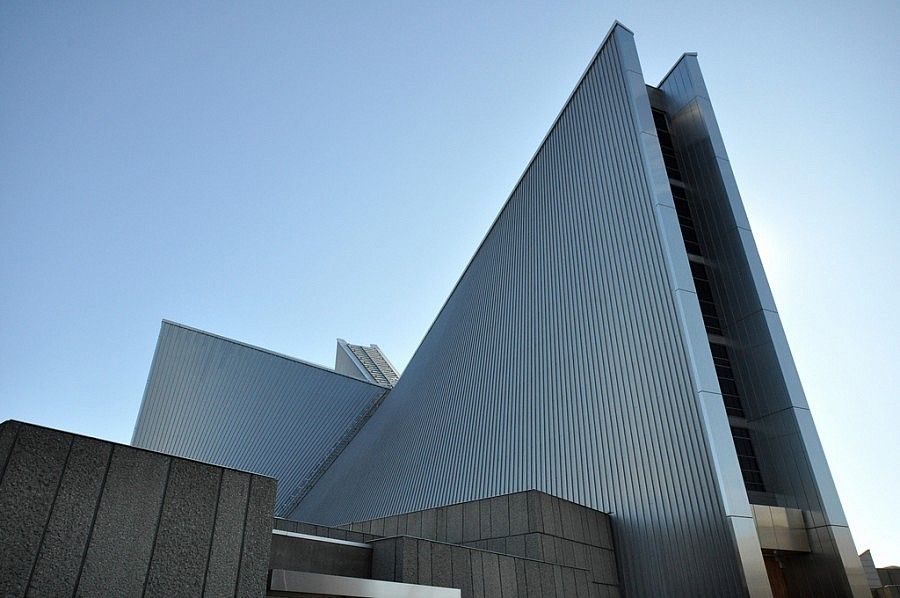
It was designed by the great Kenzo Tange, and with its steel walls sweeping up toward the sky, it’s one of the best-known buildings of 20th-century Japan. Inside, it feels calm and intimate, and full of light.
The church you see today is fairly recent. It was finished in 1964, after the original cathedral was destroyed by bombing in World War II. That earlier church, built in 1899, was a wooden Gothic Revival building that looked nothing like the current one. The rebuilding was made possible mainly by financial support from the Archdiocese of Cologne in Germany, and Kenzo Tange won the architecture competition held to choose the design.
The building’s modern, rectangular shape grabs your attention the moment you see it.
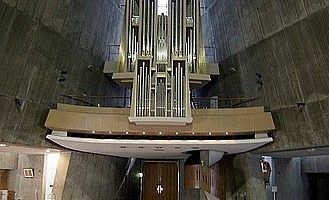
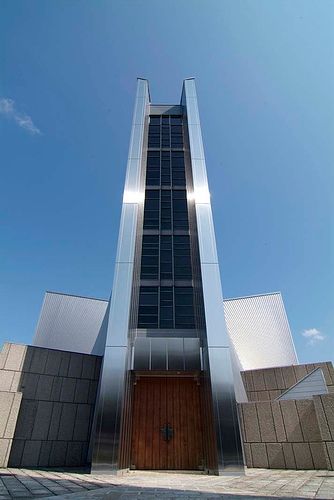
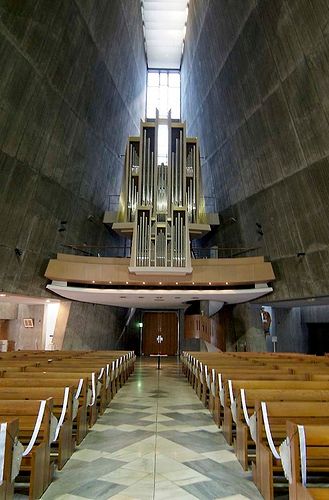
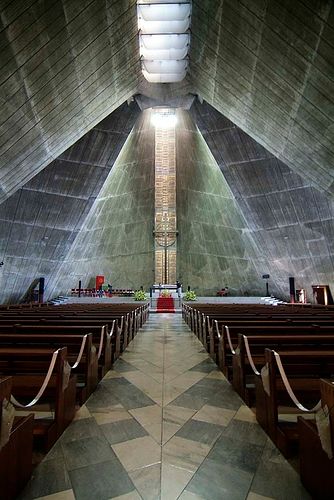
If you’ve been to the cathedral in San Francisco, you’ll notice the similarities right away. Here too the floor plan is a cross, and eight parabolic forms rise from it to create a cross of light. The angular, “rigid” lines of the design contrast with the solemn, warm religious atmosphere that greets you inside. St. Mary’s Cathedral is the work of the great architect Kenzo Tange, while the organ inside was added in 2004 and built by Mascioni, an Italian firm. Because the acoustics are excellent, the cathedral often hosts organ concerts and sacred music concerts, and hearing that sound fill the space between the concrete walls is an experience all its own.
Just a short walk from the church stands the cathedral’s bell tower, which is about 60 meters tall.
Tange completed the cathedral in 1964, the same year as the Yoyogi National Gymnasium he designed for the Tokyo Olympics. Look at both buildings and you can see what they share: curved surfaces, structural tension and a strong upward thrust.
Tange’s bond with this building lasted to the end. His funeral was held here in 2005, in the church many people consider his masterpiece of religious architecture.
In the cathedral garden there’s a replica of the Grotto of Lourdes, built in 1911 by a French missionary when the old wooden church still stood here.
It’s one of the few things that survived the war, and it tells the story of the French roots of the Sekiguchi Catholic community. Many worshippers still stop here to pray in silence or light a candle, so be respectful when you approach.
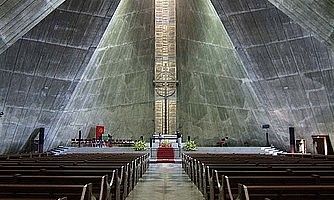
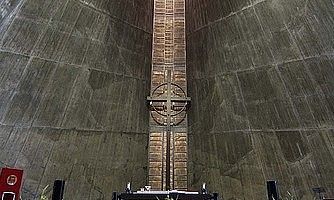
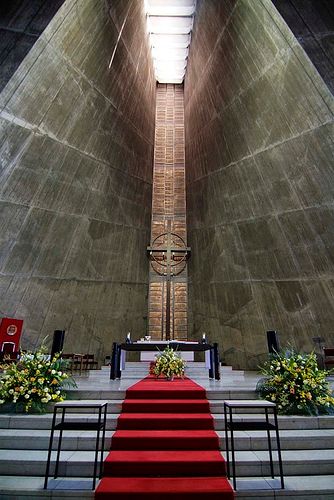
Once you step inside, everything is the opposite of what you saw outside. There’s no shiny steel, just bare concrete walls that rise almost 40 meters and meet above your head.
Light comes in from above, through long windows that form a cross along the top of the building and reach all the way down to the floor at the ends of the arms. It’s this cross of light that gives the interior its hushed, suspended feel.
The nave seats about 600 people, with room for up to 2,000 standing, and for major celebrations it fills up completely.
The easiest option is the Toei bus Shira 61, which leaves from Mejiro Station (JR Yamanote Line) and from Shinjuku. Get off at the Hotel Chinzanso Tokyo-mae stop, and the cathedral is a one-minute walk away.
By subway, get off at Gokokuji (Yurakucho Line), take Exit 6 and walk for about 10 minutes. From Exit 1a at Edogawabashi it takes about 15 minutes, and the last stretch is uphill.
This place is on MarcoMaps
St. Mary's Cathedral
My map of Japan: over 4,000 places I've tried myself, each with photos, rating, and hours. Filter by category and rating, find veg-friendly spots and places near you with GPS. No sign-up, right from your phone.


St. Mary's Cathedral - nearby you will find: