
Study Abroad in Japan
Doing an “Erasmus” in Japan is one of those ideas that gets your head buzzing: classrooms with views of skyscrapers, university clubs full of life, weekend trips by train, and the clear sense that you’re learning something that goes beyond the language.
I often call it “Erasmus” myself when I talk to people, because that’s the word everyone uses as shorthand. Technically, though, it’s not quite the right word. Erasmus is a European program, and coming to Japan means taking other routes. The good news is that there are real alternatives, and once you understand them you can plan without stress and without wasting months.
Contents
- About the word Erasmus
- Your options
- University exchanges
- Tutors and the international office
- Classes in English
- Language schools
- Choosing the right school
- Scholarships
- Timing
- Visas and paperwork
- The academic calendar
- Language level
- What it really costs
- Housing
- Working part-time
- Health insurance
- Daily life
- Choosing a city
- Credits and exams
- Common mistakes
- When it's over
- My advice
- Video: Is Living in Japan Really That Expensive?
About the word Erasmus
When you read “Erasmus in Japan,” it almost always just means “study abroad in Japan,” not the Erasmus program itself. Erasmus+ is a European Union program built around European countries and countries “associated” with the program.
So don’t get hung up on the name. What you should be asking yourself is whether you want to come through your own university, whether a language school works for you, or whether you’re going for a scholarship. Everything follows from that: timing, paperwork, how much money to budget and even the kind of life you’ll have here.
Your options
In practice, there are two common routes.
- University exchange: you leave while you’re enrolled at your home university, go to a partner university in Japan, take classes and exams, and then go back.
- Language school: you sign up at a Japanese language school, study every day, and build your life around that, with more freedom to choose the city, how long you stay and your pace.
I usually tell people to settle this first, because these are two very different experiences. A university exchange boxes you in more, with a set calendar and specific academic rules. A language school is more flexible: you can pick the city for the life you want to live there, not just for the university’s name.

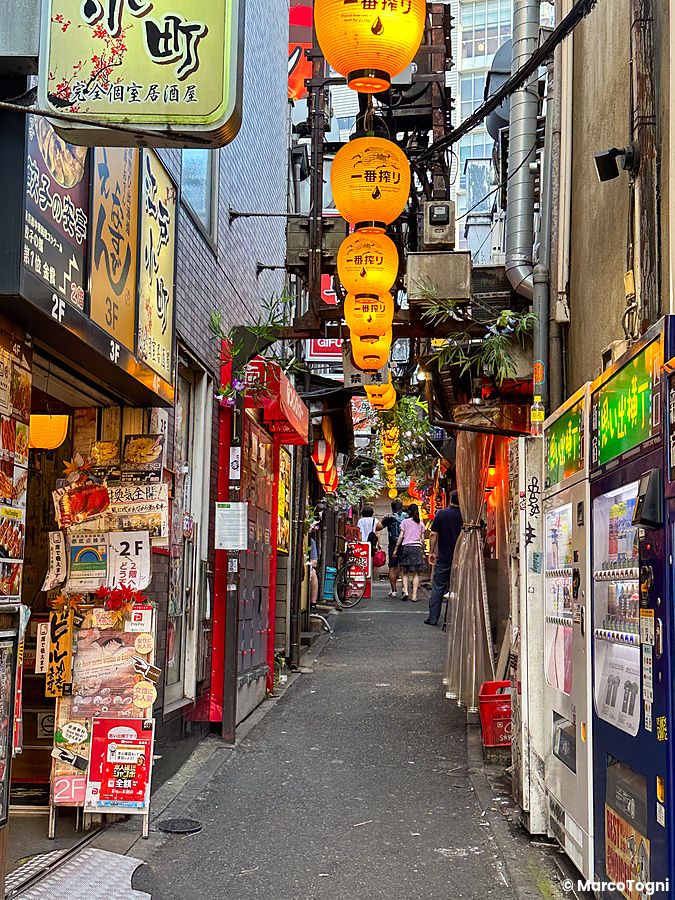
University exchanges
A university exchange works well if your university already has an active agreement with a Japanese one. It’s the most straightforward situation: your home university handles the selection, you get a list of partner schools, and there’s often an office to help you through it.

Something else practical: Japanese universities have a strong group culture, built around clubs, circles and after-class activities. Join a club (sports, music, photography, whatever you like) and the real Japan, the everyday one, opens up to you. If you only hang out with other international students, you’ll still have fun, but you’ll miss half the point.
Tutors and the international office
Many Japanese universities assign exchange students a tutor, a local student who helps you out when you first arrive. Your tutor isn’t a professor, and isn’t someone you have to be friends with either. Your tutor is someone who helps you figure out how course registration, forms and campus life work.
Make real use of them instead of leaving them as just another contact in your phone. Ask questions, even the obvious ones, and get them to explain whatever seems absurd to you. It’s the fastest way to stop feeling like a guest. The same goes for the university’s international office, which is where to go when something doesn’t add up. Ask right away rather than finding out halfway through the semester that you skipped a step.
Classes in English
A lot of people think, “I’ll go to Japan, but take classes in English.” You can, and at some universities it’s a real option. Honestly, though, I’d get one thing clear first: are you after an academic experience or a chance to live in the language?
If your goal is to improve your Japanese, doing everything in English holds you back more than you’d think. That’s not moralizing, it’s simple math. You learn a language in the hours when you’re forced to use it, and those hours go by fast.
If your goal is to earn your credits with no complications and go home without surprises, then classes in English can be the smartest choice. Just don’t sell it to yourself as “total immersion,” because it isn’t.
Language schools
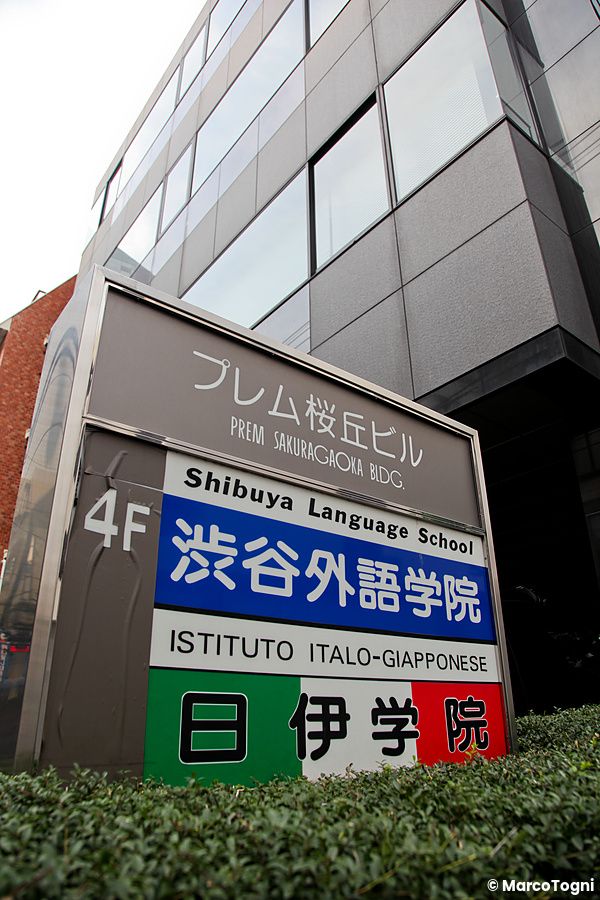
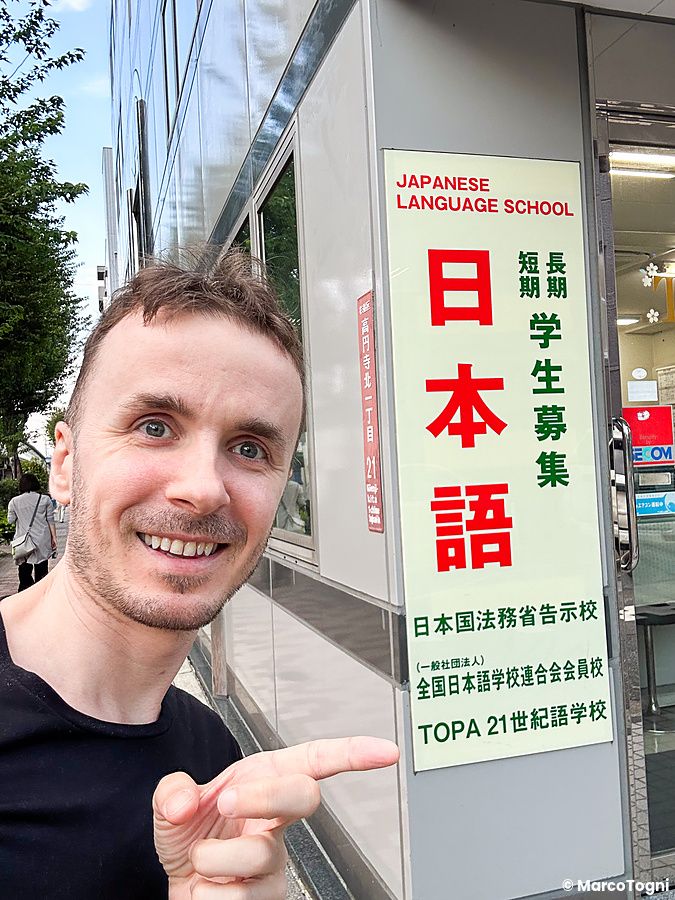
A language school is the easiest route if you want to come without depending on your university’s agreements. You choose a city and how long to stay, and you spend that time here however you like: serious study, a social life, weekend trips.
On the practical side, staying more than a short time usually means getting student status of residence, and the process goes through the school, which helps you with the paperwork. It doesn’t happen by itself, though, so you have to set it up well in advance.
Above all, language schools are not all the same. The pace, your classmates and the rules on attendance and progress all vary. Pick one based on how you like to study, not on the nice photos.
Choosing the right school
If you’re thinking about a language school, the tedious part is figuring out which one makes sense for you, how to handle the paperwork and what to prepare so you don’t go crazy at the last minute.
It’s easy to spend weeks comparing a thousand options without knowing what really matters. And when it comes to studying in Japan, the risk isn’t just spending too much. It’s choosing badly and ending up in a routine that drains you.
Scholarships
If you’re the type who wants to do things properly, scholarships change everything. The best known here are the Japanese government’s MEXT scholarships, but there are also support programs tied to university exchanges, like JASSO.
JASSO, for example, has a program for students who come through exchange agreements, with a monthly stipend (the stated amount is 80,000 yen a month).
MEXT is a different story. It’s a big scholarship, hugely sought after, with a longer list of requirements and procedures that take more time. If you’re interested, don’t wait for “the year I have time.” By the time that year comes around, you’ve often already missed the right window.
Timing
The most underrated part is the timeline. You can’t just leave on a whim, especially if you need a student visa or you’re going through a school that sponsors your paperwork.
Here’s a practical rule: if you want to start studying in a certain month, plan as if you had to be ready several months earlier, with your documents and decisions sorted. At many schools, the preparation, checks and paperwork can take a long time.
The most concrete advice I can give is to decide how long you’ll stay first. “I’ll go and see” sounds romantic, but with visas and enrollment it often doesn’t go that smoothly.
Visas and paperwork
For long stays, the key is “Student” status. It’s basically granted for studying, not for working.
You’ll usually need things like personal documents, proof of financial support and in many cases a Certificate of Eligibility (COE), which you get through the school or university in Japan.
I wouldn’t think of this stage as “evil bureaucracy.” It helps more to see it as a filter: if you prepare your documents well, you get to enjoy Japan with a clear head. If you wing it, you carry the anxiety around for months.
The academic calendar
One practical thing to sort out right away is the calendar. In Japan the academic year very often revolves around a spring start, and many universities divide the year into blocks that don’t match what a lot of people are used to. You can still come at other times, but it changes what you’ll find: which courses are available, how you’re slotted in, even how easy it is to join clubs or take part in certain activities without feeling out of step.
Don’t pick your dates based only on when you’re free. Check when semesters really start and how they fit with your exams and your return home, because that’s how you avoid arriving at the wrong time and missing the boat.

Language level
Language schools don’t expect you to know anything before you arrive. In fact, plenty of people show up knowing nothing at all and start on day one with the absolute basics. Honestly, though, I find it really helpful to arrive already knowing hiragana and katakana, even if you read and write them slowly. It’s not about being an overachiever. It just makes life easier in the first few weeks, when everything is new and you already have a thousand things to learn.
For universities, it depends a lot on the kind of classes you’ll take. In an English-taught program you can get by with a little Japanese at first, but you risk staying on the outside of everyday life more than you’d expect. If the classes are in Japanese or include activities with local students, a stronger level makes a real difference, because you won’t be stuck surviving on a translator app for every sentence.
So here’s how I’d put it: for a language school you can start from scratch, but with hiragana and katakana you’ll get more out of it from the start; for a university, don’t take anything for granted and find out beforehand what language the classes are taught in and what you can realistically expect.
One question I always get is whether you need the JLPT. For language schools, usually not: they give you a placement test and put you in a class. For universities it’s a different story, because Japanese-taught programs often ask for a certified level, while for English-taught ones English-language certificates count more. Check this requirement before you choose, because it alone opens or closes half your options.
What it really costs
I’ll be honest here. Studying in Japan can cost a lot or it can be manageable, depending on the city, your housing and how you live. What wrecks people’s plans isn’t Japan being “expensive” in general. It’s a pile of small bad choices that add up.
These are the costs I’d estimate before you leave:
- Housing: almost always your biggest expense, and it varies enormously depending on the area and the type of place.
- Transportation: if you live far from school, you pay for it every day, and it eats into both your budget and your time.
- Food: you can keep this low if you eat “normally,” but it doesn’t take much to push your food spending up without noticing.
- Upfront costs: deposit, living expenses for the first few weeks, things for the apartment, your phone, paperwork.
Honestly, I’d rather see a cautious budget and find out there’s money left over than get here and have to cut back on everything a month in.

Housing
Where you live changes your day-to-day life more than any other choice. It’s not just a roof over your head. It decides how much time you lose every day, how much energy you have left to study and how easy it is to socialize.
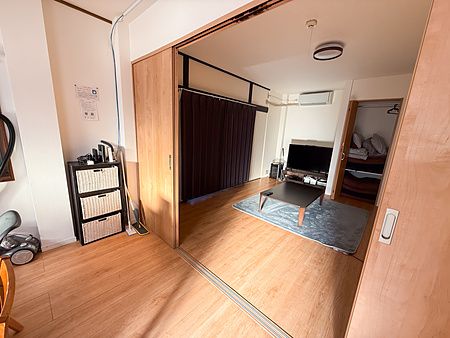
- Dorms and student houses: often make it easier to meet people and get started without going crazy over contracts.
- Apartment: more freedom, but also more paperwork and more responsibility.
- Share house: a good middle ground if you want a social life without the chaos of a dorm.
I think it makes sense to pick a convenient place even if it costs a bit more, especially in the first few months. If you have an hour-and-a-half commute every morning, it’ll seem fine at first. Three weeks in, it starts wearing you down.
Working part-time
A lot of people want a side job while they study. You can do it, but it has to be done the right way. Student status doesn’t automatically let you work: you need a specific permit, which in Japan often goes by the name shikakugai katsudo kyoka.
There’s also a cap on hours. As a rule it’s up to 28 hours a week, with different rules during the long school breaks.
My advice is not to build your finances around a part-time job. Think of it as a bonus, because finding the right job takes language skills, time and a bit of luck. And if you lock yourself into too many hours, the most important part falls apart: your studies.
If you do want to give it a shot, the easiest jobs to find are the ones where you don’t have to talk much: kitchens, warehouses, cleaning, some chains. If you want to wait tables, work a register or work in an office, they’ll expect real Japanese, not textbook Japanese. One more thing catches a lot of people off guard: many places want someone who’s available for months, so if you’re only here for a short stay, you’re already at a disadvantage.


Health insurance
A lot of people find this out late: if you’re staying in Japan for more than three months, you generally have to sign up for National Health Insurance (NHI). You do it at the city or ward office where you live.
It’s not just a requirement. It gives you peace of mind. Here, a doctor’s visit or a medical problem can turn into a real hassle if you’re uninsured. I see it as one of the first things to take care of once you’ve settled in, along with registering your address and the other basics of daily life.
Daily life
The hard parts aren’t the ones you see in movies. They’re the small things: the first time you have to ship a package, your first utility bill, your first phone plan change, figuring out how recycling works in your neighborhood.
The good news is that after two weeks, a lot of it becomes second nature. The bad news is that at the start you’ll feel like everything takes forever, even buying a pillow.
What I usually see is that the people who settle in best are the ones who set up a simple routine:
- studying at the same time every day, even if it’s not much, as long as it’s consistent
- shopping for just the basics instead of chasing a thousand weird products
- picking two or three regular spots: a supermarket, a cafeteria, a quiet café
It sounds obvious, but once you stop making decisions every minute, you have energy left to actually live.
Choosing a city
Everyone is drawn to Tokyo, and that’s normal. But I’d say choose a city based on the kind of life you want to live, not on the postcard version.
Tokyo is endless: opportunities, events, people, stimulation. But it can also be overwhelming, and if you live far out, the commute eats your time. In smaller cities it’s often easier to build lasting friendships and feel part of local life.
One very practical question I ask a lot: would you rather have everything close by and get around mostly on foot, or are you fine traveling a lot because you like having endless options? There’s no right answer. There’s only the right answer for the kind of person you are.
Credits and exams
If you’re coming through your university, this is the part to sort out before you go. Not after.
I’d get these things in writing:
- which courses you’ll take and in what language
- how you’ll be graded (attendance, written exams, presentations)
- how they’ll be converted when you get back
Above all, keep in mind that classes in Japan may be set up differently. Expect more ongoing work, more homework, more group presentations. If you’re used to cramming everything in the two weeks before an exam, you could have a hard time here.
Common mistakes
The mistakes I see most often aren’t “I don’t speak Japanese.” That one you can fix. They’re mistakes in how people set things up.
- arriving without even a basic study plan and losing momentum after ten days
- picking a place just because it’s cheap and then spending your life on trains
- thinking “I’ll just work part-time” and finding out you need more Japanese than you expected
- hanging out only with other international students and then wondering why Japan “feels far away”
Let’s face it, an experience like this goes by fast. If you get the first thirty days right, everything after that goes a lot more smoothly.
When it’s over
One question always comes up toward the end: can I stay? The honest answer is that student status is tied to the program you’re in, and when that ends, nothing carries over automatically. People who want to keep going usually move on to another program (a university, a vocational school) or try the job route. It’s not impossible, but it’s something to prepare for, not something to improvise in your last week.
The other part, the one people don’t talk about much, is going home. Coming back after months here throws you off quite a bit: it’ll feel like everyone else kept moving forward while you fell behind. My advice is to decide before you even leave what you want to bring back with you, whether it’s an exam squared away, a level of Japanese or simply a clearer idea of what you want to do.
My advice
If you’re dreaming of studying abroad in Japan, don’t get hung up on what the program is called. Call it whatever you want, but pick a concrete route: a university exchange, a language school, or a scholarship if you feel like aiming high.
Then do one simple thing: build a daily life that works. A convenient place to live, a routine you can keep up, regular study. That’s where Japan pays you back, on an ordinary day, not just on the amazing weekend trip.
Honestly, if I had to choose for you, I’d start with one question: do I want to come home with my credits in order, or do I want to come home speaking better Japanese and feeling like I’ve grown as a person? The two can go together, but one of them is usually your real priority.
And once you’re here, on some random evening, treat yourself to a walk with nowhere to go, city lights all around you, and the feeling that for a while the world has gotten bigger. What would you choose?
