Studying Japanese in Japan
Studying Japanese in Japan is a dream for a lot of people, and the good news is that it can actually happen. It takes less than you’d think. You pick the right city, find a school you feel good about, and budget for what the experience really costs in tuition, housing, and transportation. After that, it comes down to how long it makes sense to stay, what you need for a student visa, and whether you can work while you study. The connections you make once you’re there also matter as much as the classes, and I’ll explain why.
Contents
- Which city
- Choosing a school
- How long to stay
- When to enroll
- School costs
- Living costs
- What you need
- Do you need to know any Japanese first?
- What level you'll reach
- Is a job guaranteed?
- Working while you study
- Renting a place
- Social life and nightlife
- Video: Learning Japanese: is a little enough?
- Video: How long does it take to learn Japanese?
Which city
The first thing to decide is where you want to study. Obviously I recommend Tokyo, but let’s go through the options:
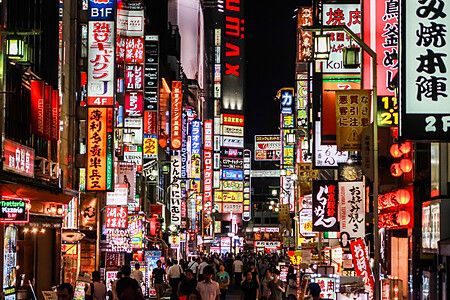
- Tokyo: the cost of living is a bit higher than in other cities, and there’s a reason for that. It’s the best city of them all, and it’s full of opportunities to work and, above all, to meet people. Those connections are what can get you into the job market in Japan. On the downside, competition in Tokyo is much fiercer than in other cities, but if I were you I’d pick Tokyo without a second thought.
- Yokohama: it’s about half an hour from Shibuya and it’s a nice, lively city. But living that close to Tokyo will leave you pretty frustrated, especially when you hear stories from people studying in Tokyo, less than 50 km away. You’ll end up spending a fortune on trains just to go see Tokyo. Not recommended.
- Osaka: if you really don’t want Tokyo, come to Osaka! It’s not expensive to live there, and it’s modern and lively. You can find work in Osaka itself and in Kyoto and Kobe, which are right next door. People in Osaka are also much more open and helpful than people in Tokyo, who can come across as cold.
- Kyoto: a beautiful city if you’re coming as a tourist for three days. As a place to live, though, I think it gets old after a while, and if you’re young it’s not just boring, it’s depressing.
- Other areas: there are good schools in plenty of cities, like Fukuoka, Hiroshima, Nagano, Sendai, and Sapporo. They’re nice places, but I’d give a firm NO to studying in those more out-of-the-way areas.

Choosing a school
My advice is to shortlist a few schools in the city you want to go to, then look up each school’s page on Facebook and privately message people who studied there to ask what they thought and what they’d recommend. It’s the best way to find out whether a Japanese language school is a good choice or not.
How long to stay
Most students go for six-month courses, because they strike a good balance between how much you learn and what the whole experience costs. People with a bigger budget stay a year. If you just want to try it out for a short time, maybe while you’re traveling, there are also courses of one month or less that don’t require a student visa. They’re the perfect option if you want to save money and pick up some Japanese, and maybe come back later for longer, tougher courses.
When to enroll
Schools won’t take you whenever you like. Long courses begin four times a year, in April, July, October, and January. The two big intakes are April and October, with the most classes running and the most students, while in July and January there’s less on offer and fewer levels to choose from.
What really matters is getting started early. For a student visa, the school has to apply for your Certificate of Eligibility with immigration, and that paperwork takes months. If you leave it too late you’ll be told all the spots are taken and you’ll have to wait for the next intake, so contact schools well in advance, even six months before you leave.
Short courses that don’t need a student visa work completely differently: you can often start any Monday, which is why they’re the easiest option if you want to study during a trip.

School costs
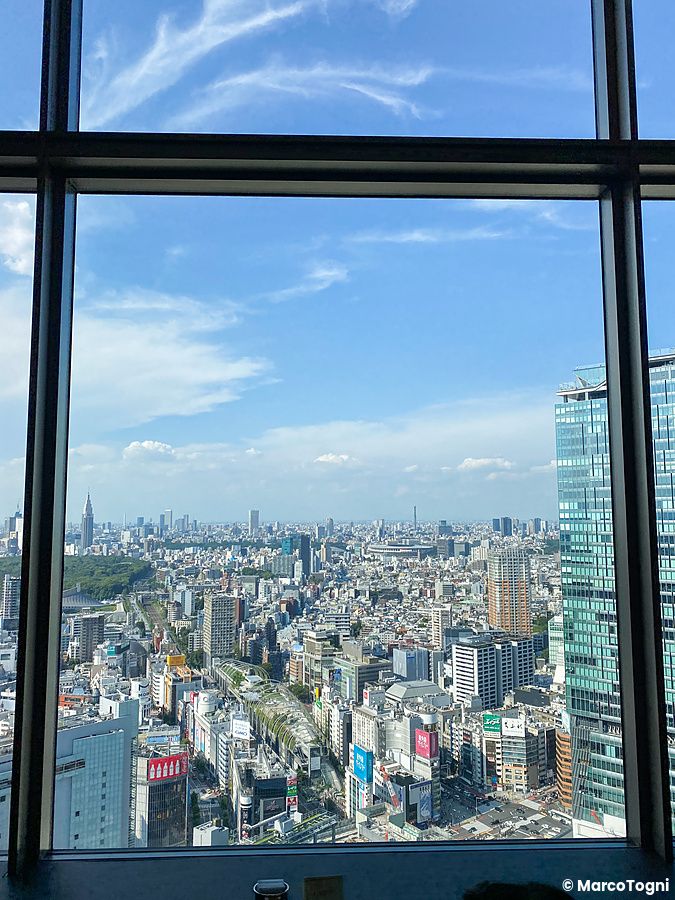
What you pay varies depending on the school, the services it offers, and the city. To give you an example, at Shibuya Gaigo Gakuin you pay 50,000 yen for the visa application and admission, plus 350,000 yen for a six-month course or 680,000 yen for a one-year course. That’s four 45-minute lessons a day, for a total of 400 hours over six months and 800 hours over a year. If you go for a shorter course, say one month, it costs about 80,000 yen, again with four 45-minute lessons a day. So for a year of study, the school alone will cost you over 700,000 yen.
Living costs
Tokyo is more expensive than other cities mainly because of housing and sometimes transportation, while the gap is smaller for food. Budget at least 30,000 yen a month for a dorm, plus transportation starting at 300 yen a day depending on where you’re staying, and food on top of that: as a rough guide, at least 1,500 yen a day if you only buy the bare essentials. Eating out might look like it saves you money and time, but I don’t recommend eating out every day. The ramen at cheap places is great, but living on Japanese fast food could eventually cause health problems, because it’s not a balanced diet. You’re much better off finding a supermarket and buying fresh stuff to cook at home.
What you need
In practical terms, all you need is the money to pay the school and a passport. If you want to stay in Japan longer than your country’s visa-free period allows, you need a student visa, and to get one many schools will also ask for your high school diploma.
Do you need to know any Japanese first?
You should at least be able to read hiragana and katakana. You can learn them on your own at home in a few weeks. Learning them is mostly about visual memory and you can’t do it overnight, so showing up in Japan to study without that foundation would be suicide: within a few days it would be very hard, if not impossible, to keep up with the lessons.
What level you’ll reach
Everyone asks me how far they’ll get by the end. A lot of it depends on you, but schools think in terms of JLPT levels. That’s the official Japanese exam, which goes from N5 for beginners up to N1, for people who can read the newspaper without breaking a sweat.
If you start from zero, six months will usually get you somewhere around N4, while a full year puts you in a position to aim for N3 and, if you also study seriously outside class, to try N2.
That difference matters more than it seems, because N2 is the level that opens doors when you’re looking for work, and N1 is what the most demanding companies ask for. That’s why so many students extend their stay instead of stopping after the first six months.
On your first day you’ll take a placement test to put you in the right class, so don’t panic if you arrive with only the basics. Just be honest about your level, because landing in a class that’s too advanced is the fastest way to get discouraged and give up.
Is a job guaranteed?
Nobody can guarantee you a job after attending a Japanese language school in Japan. If you do end up with one, it’s because you’re good and you’ve earned it. So count on your own drive to find work, and don’t rely only on the school’s promises: it has dozens of students constantly asking for help finding a job. The real catch is that speaking well isn’t enough to stay in Japan after the course. You need a company that hires you and gets your visa switched from a student visa to a work visa. For that step, immigration almost always requires a university degree or several years of experience in the field you’ll be working in.
If you have neither, a language school alone won’t open that door for you. Better to know this before you leave and plan accordingly than to find out in the last months of your course.

Working while you study
On a student visa you can work up to 28 hours a week in Japan. The pay isn’t high: you almost always start at the minimum hourly wage, which varies by prefecture and is now over 1,200 yen in Tokyo. Working on a student visa without first getting permission from the Japanese government is strictly prohibited. You can download the application form here.
You can apply for permission as soon as you land at the airport, when they hand you your residence card. It’s the fastest route and saves you a trip back to the immigration office later. Keep in mind that the 28-hour limit applies during term, and during the school’s long breaks you can work up to eight hours a day.
Also watch out for the kind of place you work at. Students aren’t allowed to work in businesses tied to the nightlife industry, and getting caught working in one means putting your visa at risk.
Renting a place
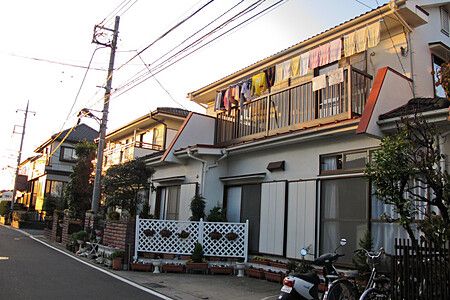
Many schools give you real help finding housing. The farther you are from the center, the less you pay, but think carefully about the area you’ll be living in. Staying too far from school could cost you a lot in transportation and, above all, wear you out, so look for a middle ground where you don’t pay too much but don’t have too many hassles either. Dorms usually cost 30,000 or 40,000 yen a month in very central areas, but you can find them for much less. An actual apartment is a different story. In Japan, renting one usually requires a Japanese guarantor and a mountain of upfront costs, including a deposit and nonrefundable fees paid to the landlord. As a newly arrived student with no job and no local references, it’s practically a dead end.
That’s why almost everyone stays in the school dorm for the first few months and then moves into a share house, where you can move in with very little paperwork and share the kitchen and bathroom with other young people. It’s also the fastest way to make friends.
Social life and nightlife
I recommended studying in Tokyo or Osaka partly because there’s so much to do for fun. I’ve never been into going out at night and hitting bars and clubs, but when you’re studying in Japan, I think it’s essential to have a night you’ll never forget every so often. Obviously you shouldn’t overdo it and forget about your studies.
I’m mostly talking to the very bright people who do nothing but study and lose sight of the fact that when you’re looking for a job, whether back home or in Japan, being likable and knowing people often help too. Even if you don’t end up finding work in Japan, you should go home with plenty of new experiences, and not just from school but from other activities too.