Sumida Hokusai Museum
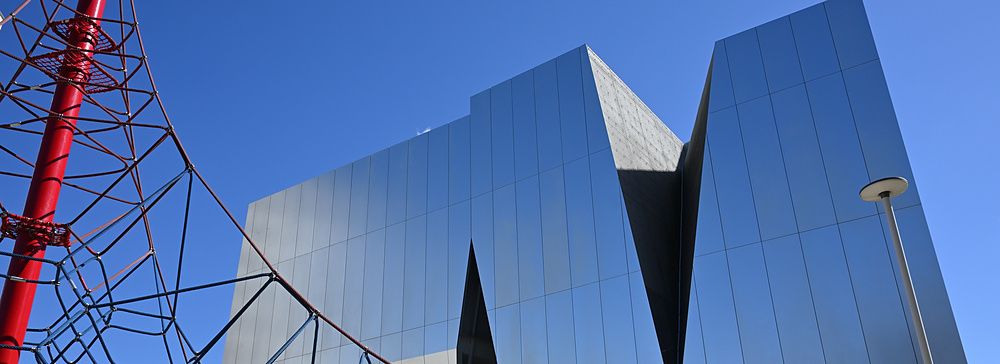
A museum devoted to a single painter in Ryogoku, the sumo district, where you walk into a block of mirror-finish aluminum that reflects the low houses around it and come out knowing what the work of a print designer actually involved.
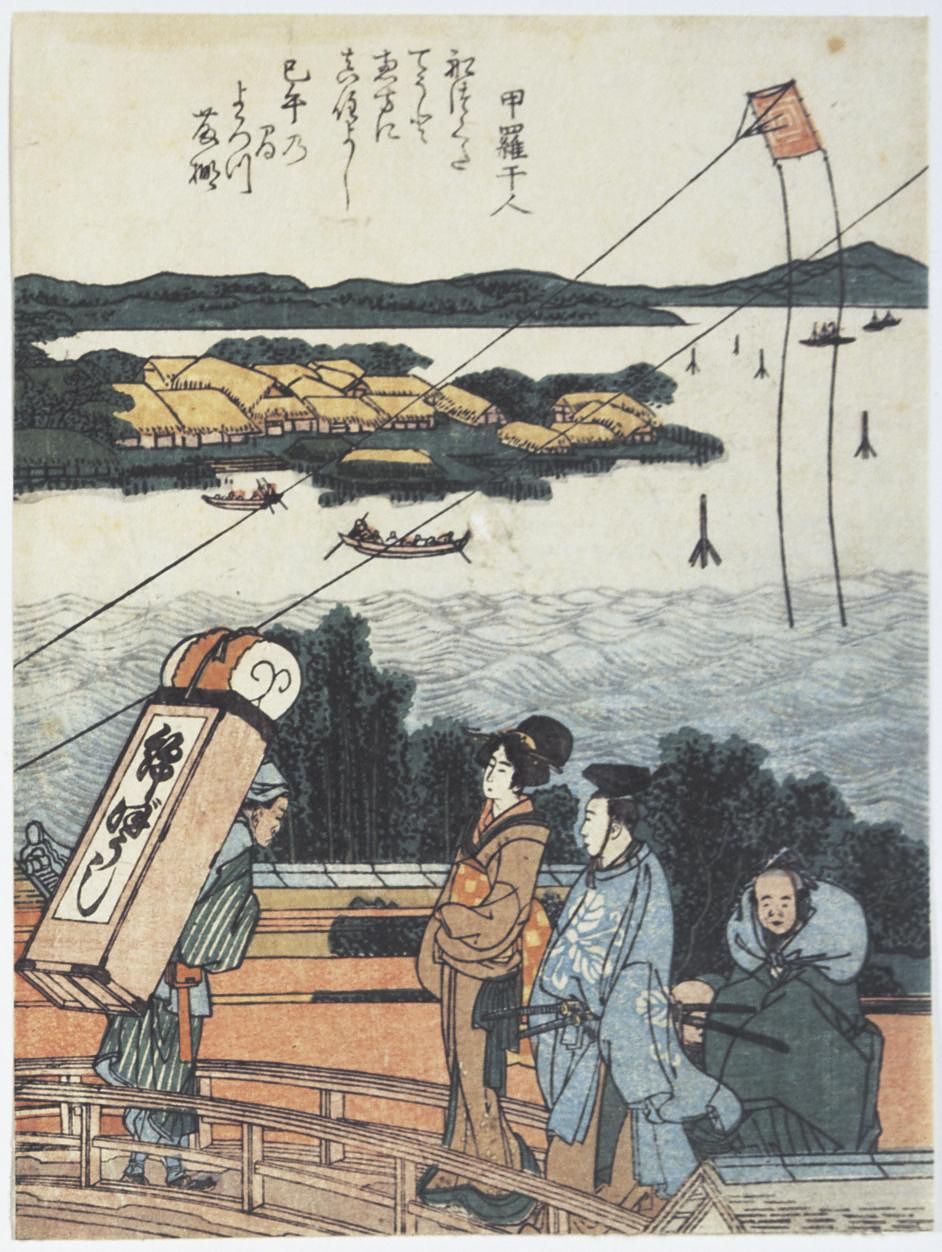
The Sumida Hokusai Museum is all about Katsushika Hokusai, the man behind The Great Wave. It has life-size reproductions, touchscreens, a painted scroll more than seven meters long and a model of the room where he worked with his daughter in his old age.
It’s the right place if Japanese prints have always intrigued you but nobody ever explained them properly, and it works with kids in tow too.
What you’ll see
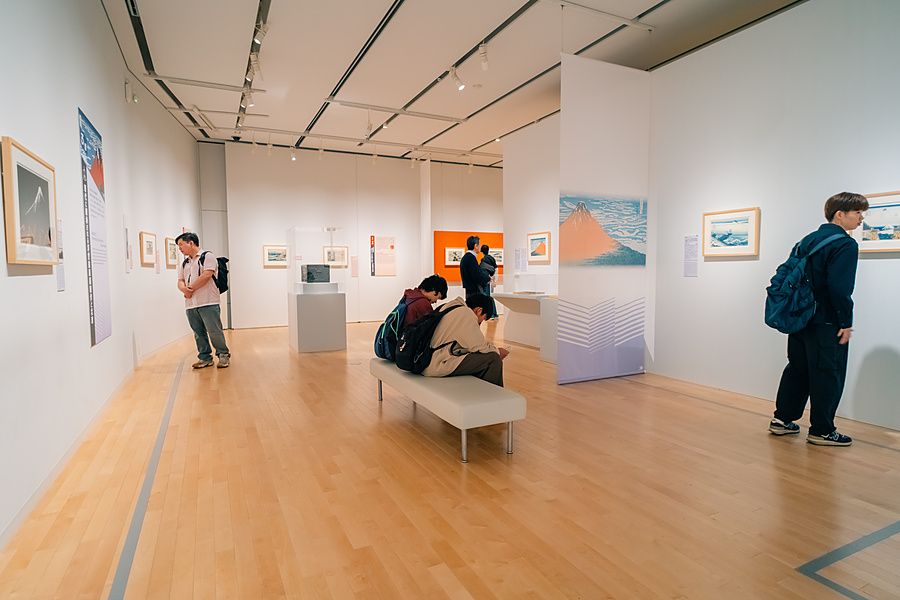
Everything that matters is on the top floor, in the permanent collection room, called Aurora. It’s a single room laid out chronologically, with seven sections that follow Hokusai from his twenties to the end of his life.
The other exhibition room is used for temporary exhibitions.
- Aurora, the permanent collection room: the most famous works, reproduced at full size and in full color, with panels in English next to each section.
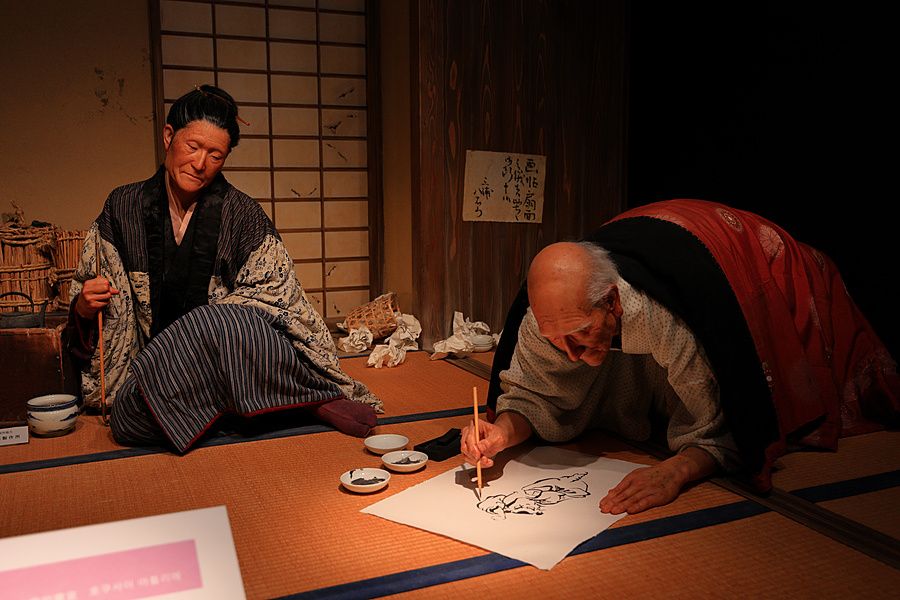
- The studio model: an elderly Hokusai sitting on the floor of his room with his daughter Oi, recreated from a drawing by one of his students. The figures move slowly, especially the hand holding the brush.
- The scroll showing both banks of the Sumida River: over seven meters of brush-painted landscape that follows a boat trip along the river, with both banks in view. It spent about a hundred years in France before coming back here.
- The big panel of Susanoo driving away the spirits of disease: at almost three meters, it was pieced back together on a computer from old black-and-white photographs, because the original, which had been donated to Ushijima Shrine, was lost in an earthquake.
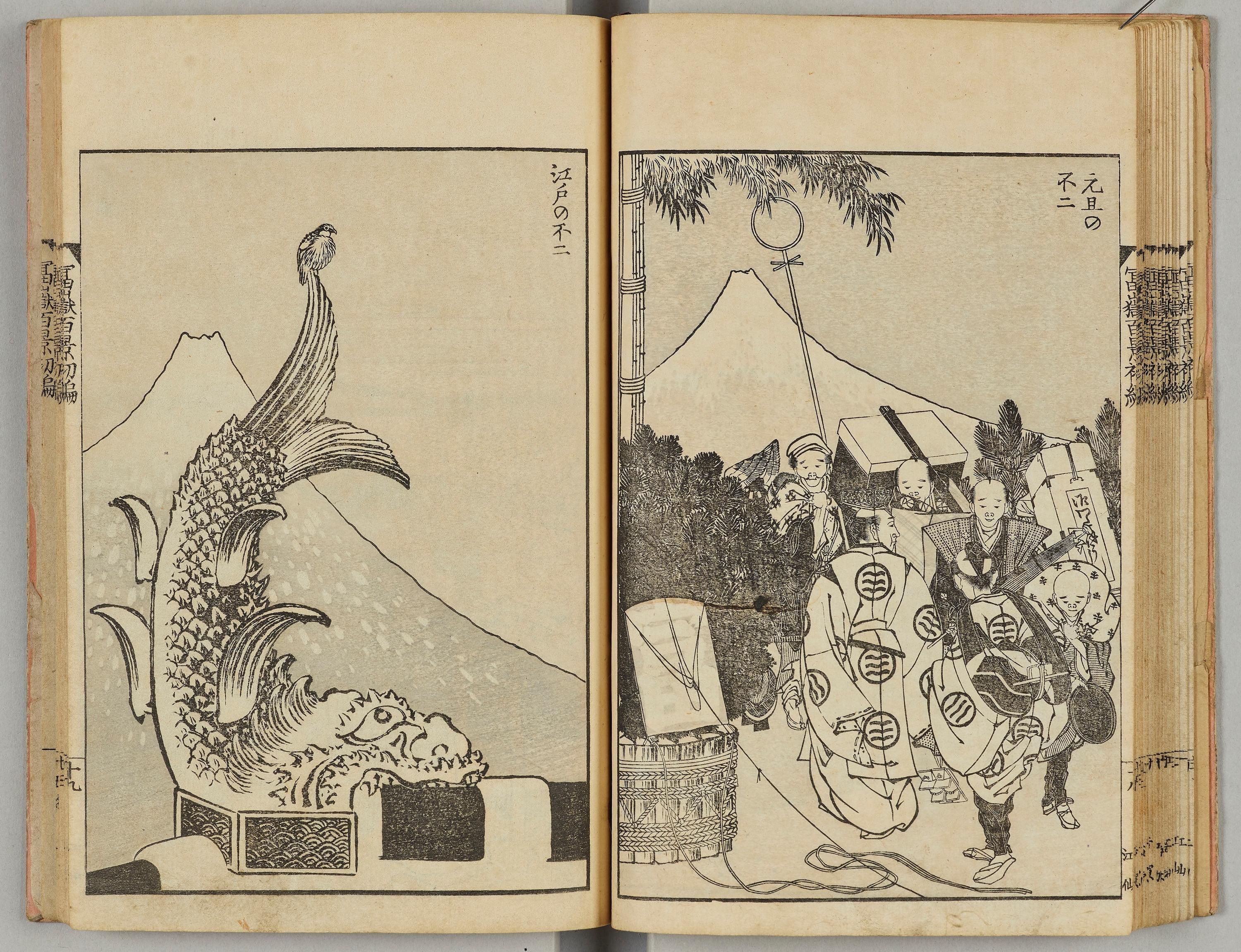
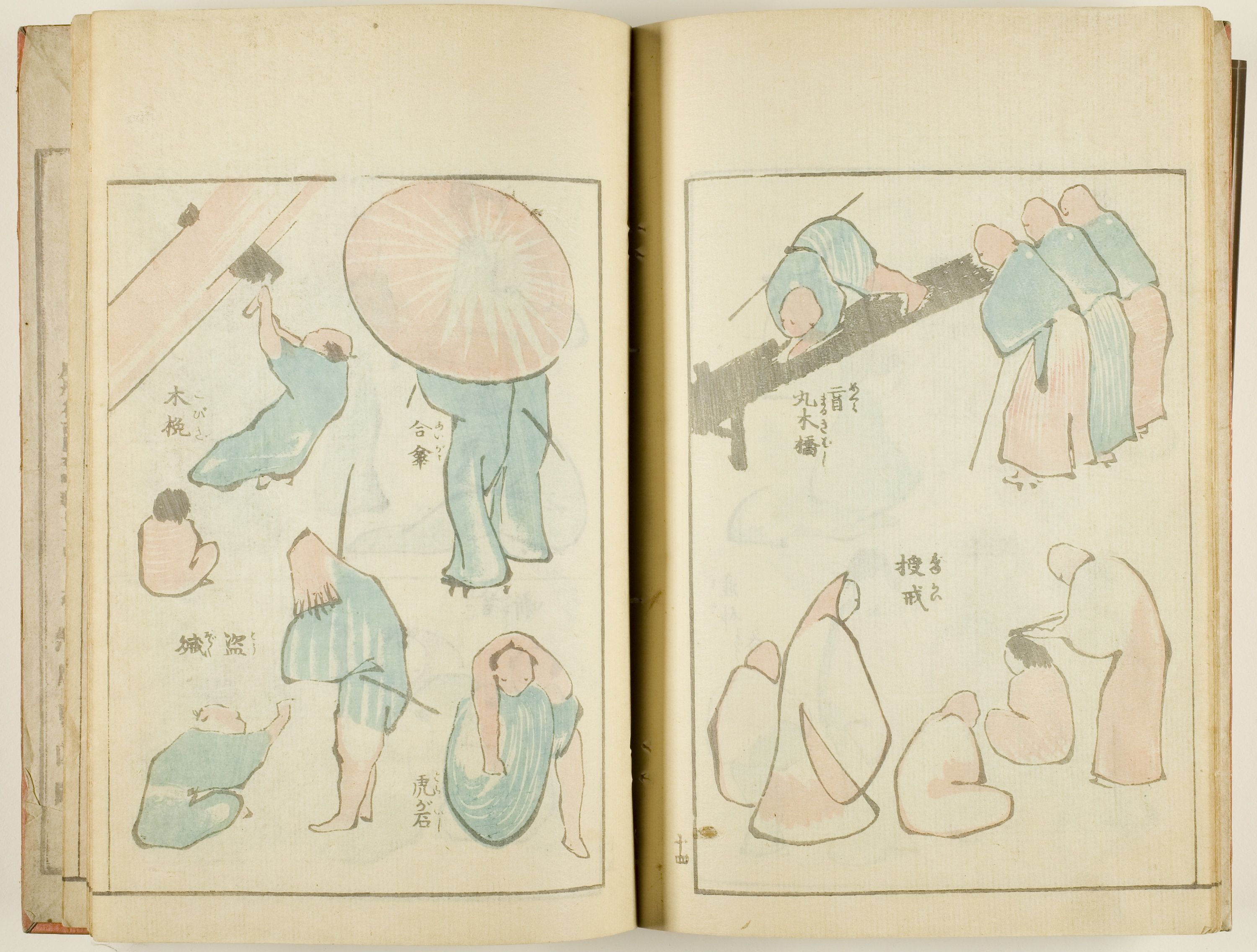
- Books you can pick up: copies of the Hokusai Manga drawing manuals that you can actually leaf through. Page after page of people stretching, wrestling and making faces, plus animals and waves.
- The wall screens: woodblock printing explained step by step using The Great Wave, from how many blocks it takes to get those colors to what the designer, the carver and the printer each do.
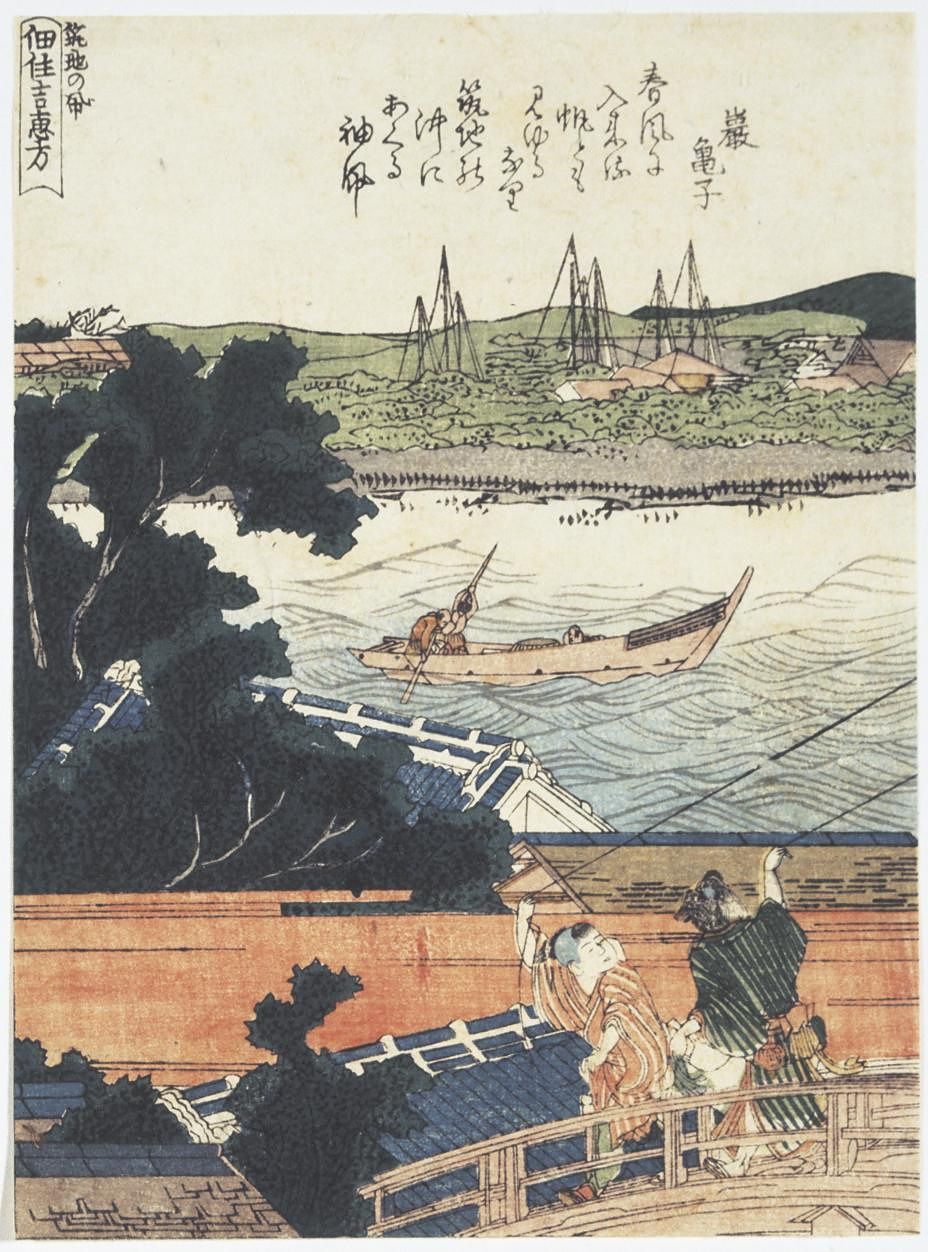
There’s almost nothing original in the permanent collection. The works are reproductions made with ultra-high-resolution printing. That sounds like a rip-off, but it’s exactly why this room beats all the others. Real prints are extremely fragile, so they’re kept in low light, and time has faded their colors. Here you see them the way they left the workshop, with rich blues and bright reds.
If you want to see the real thing, that’s what the rotating exhibitions are for, when the museum brings out pieces from its collection.
The studio model is where people linger the most, but plenty of them look at it for three seconds and move on without noticing that it moves. Stand still for half a minute and you’ll see the brush start to move.
The river scroll runs along one wall, and you take it in by walking alongside it from one end to the other. By the time you reach the end you’ve seen all of riverside Tokyo, with its embankments, boats, teahouses and brothels.
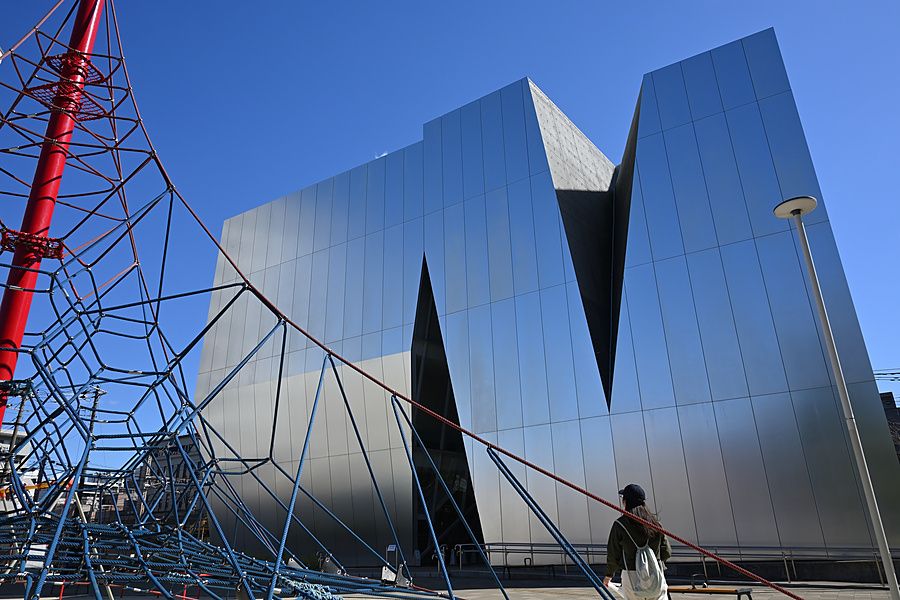
From the outside the building doesn’t even look like a museum. It has smooth aluminum walls and four slanting cuts that serve as entrances and also let the light in. It sits in a corner of Midoricho Park with a lawn in front, and from there you’ll spot the Skytree without even looking for it.
If you’re expecting something on the scale of a big national museum, you’ll be caught off guard, because the place is small: four narrow floors and just two exhibition rooms. That’s not a flaw as long as you know what you’re coming for. The building was designed by Kazuyo Sejima, the Japanese architect who won the Pritzker Prize with her firm SANAA, and it shows. There’s nothing monumental about it, just clean shapes slotted in among the neighborhood’s small houses.
The location wasn’t picked at random, either. Hokusai was born here, in this area across the river from Asakusa, and spent almost his whole life in these streets. He moved dozens of times but never strayed from the Sumida.
I come back every time the temporary exhibition changes, and when people come to visit me from Italy I bring them here before or after a walk around the neighborhood. It’s the only place where, in a single visit, you understand who Hokusai was, what he drew over sixty years of work and how a print was actually made. Everywhere else the prints just hang on the wall and nobody explains anything.
When to go
On weekdays you have room to breathe. You can stand comfortably in front of the panels, read at your own pace, and nobody pushes past you.
Weekends are a different story. There’s only one permanent collection room, and when two groups come in at once you move from panel to panel at a crawl, with lines forming at the studio model and the screens.
Early morning is the best time, when the room is nearly empty and all the screens are free.
Foreign visitors make up a bigger share of the crowd here than at almost any other museum in Tokyo, and you notice it. In line for the elevator, you might hear three different languages.
Seasons and weather hardly matter, since it’s all indoors and the light inside never changes. In fact, on a rainy day it’s one of my go-to places around here.
What really changes over the year are the temporary exhibitions, which rotate several times and fill the other room with different pieces. If you’ve already been once, you’ll find the permanent collection exactly the same.
Inside the museum
The visit starts at the top and works its way down, and that’s the weak spot. There’s only one elevator, and at busy times you wait for it both going up and coming back down. It’s not physically tiring, though. There are no staircases or slopes, the floors are smooth and the ground floor has plenty of space, so strollers and wheelchairs get around easily.
The permanent collection room is dim and as quiet as any museum, but kids don’t get bored. They can touch the screens, play games where they hunt for Mount Fuji in the prints or design their own kimono pattern, and leaf through the drawing books with their own hands.
On the ground floor there’s a reading room open to everyone, with books on Hokusai and on prints, and a shop selling reproductions and stationery. It’s one of the few places in Tokyo where souvenirs make sense, because they show the same images you’ve just been looking at.
There’s a dedicated photo spot, but the best shot isn’t inside, it’s outside. Stand on the lawn in front so the mirrored walls catch the sky and the houses around them. In the late afternoon, when the light comes in low from the side, the metal turns almost pink.
At a glance
- The highlight: the Aurora permanent collection room, with the works reprinted in their original colors and the model of the room where Hokusai worked.
- When to go: weekdays, early in the day. Avoid weekends. Any season works, and it’s great on rainy days.
- Best for: anyone who wants to understand Japanese prints instead of just looking at them, families with kids, modern architecture fans.
- Atmosphere: dim light, few rooms, lots of foreign visitors, museum silence broken only by people playing with the screens.
Final thoughts
You come here for the explanations, not for a masterpiece on the wall. The Great Wave in the permanent collection is a reproduction, and that reproduction is exactly what shows you the colors the original has lost. If all you want is authentic old prints and room after room of them, you’ll come away empty-handed, and the city has bigger museums for that.
But you’ll walk out of here able to read a print. You’ll recognize the woodblocks and understand what Hokusai saw from his window and why he kept drawing Fuji over and over. For me it’s one of the best museums in Tokyo, and I’d fit it into any day spent in this part of town.