22 m
Shin Marunouchi Building22 m
Skyscraper with shops and restaurants.
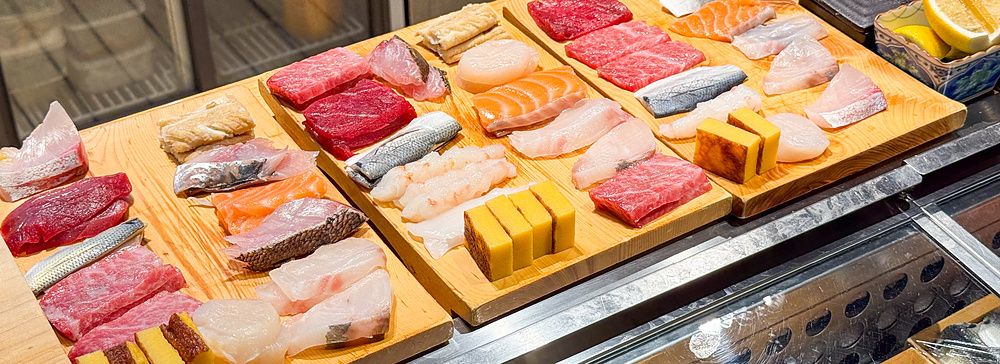
A top-notch sushi bar in Marunouchi where you sit down to a serious omakase without the show the snootier places put on. At Fujiro the sushi is edomae, with some cuts aged for a few days, and to go with it there are cocktails and a pretty long sake list.
It’s handy if you’ve got time to kill between trains, or if you want to eat well without making a whole evening of it. You come here for the fish, not the ceremony.
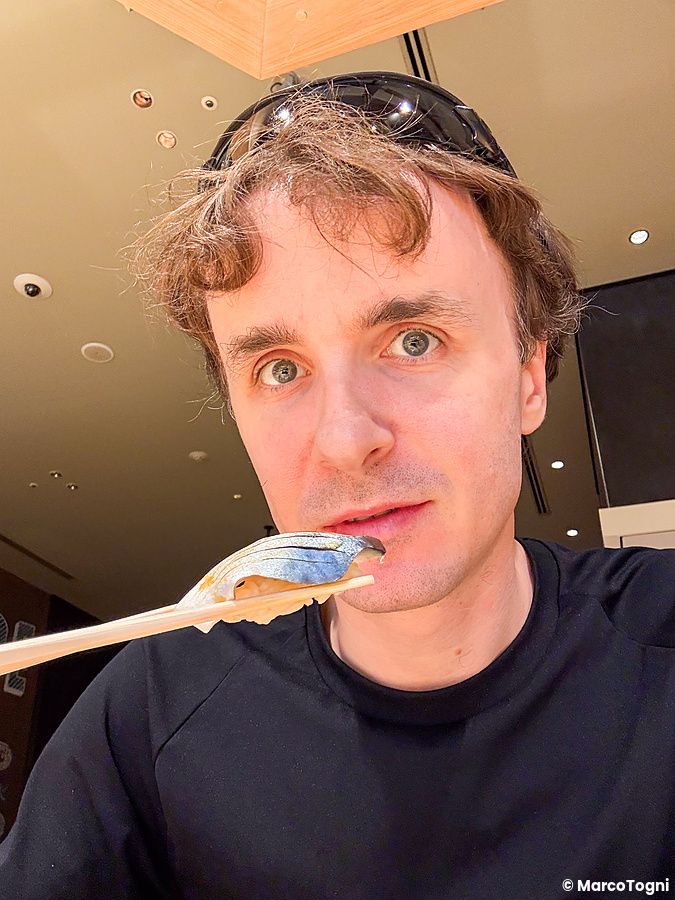
Fujiro does edomae sushi with a twist: some of the fish rests for a few days before it goes onto the rice. That gives it a fuller flavor and makes it less watery than fish that’s just been caught.
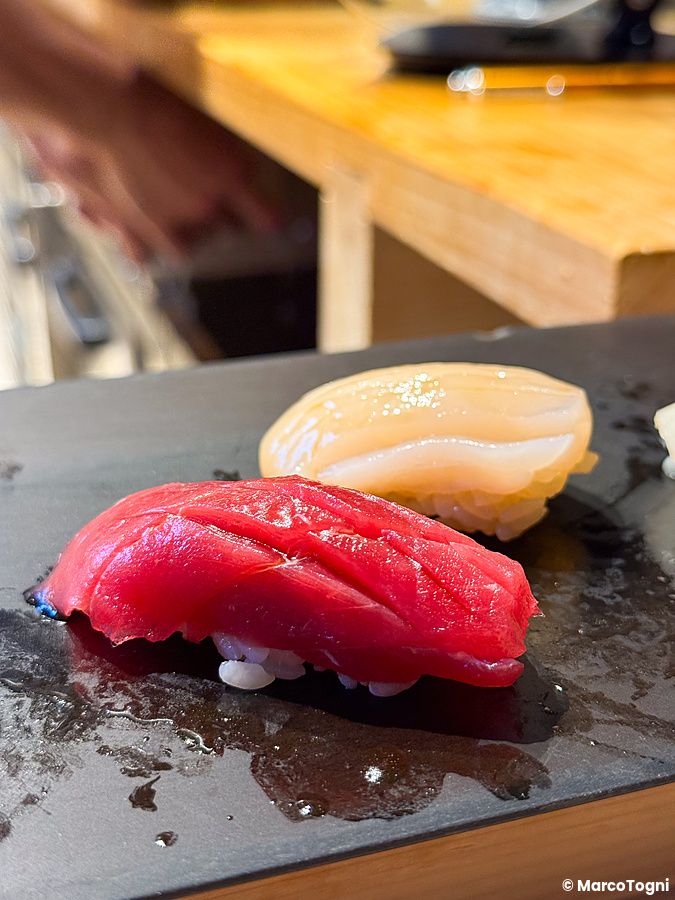
The main event is the omakase, where the chef decides what you eat and serves it one piece at a time. Here are some of the things you get during the course:
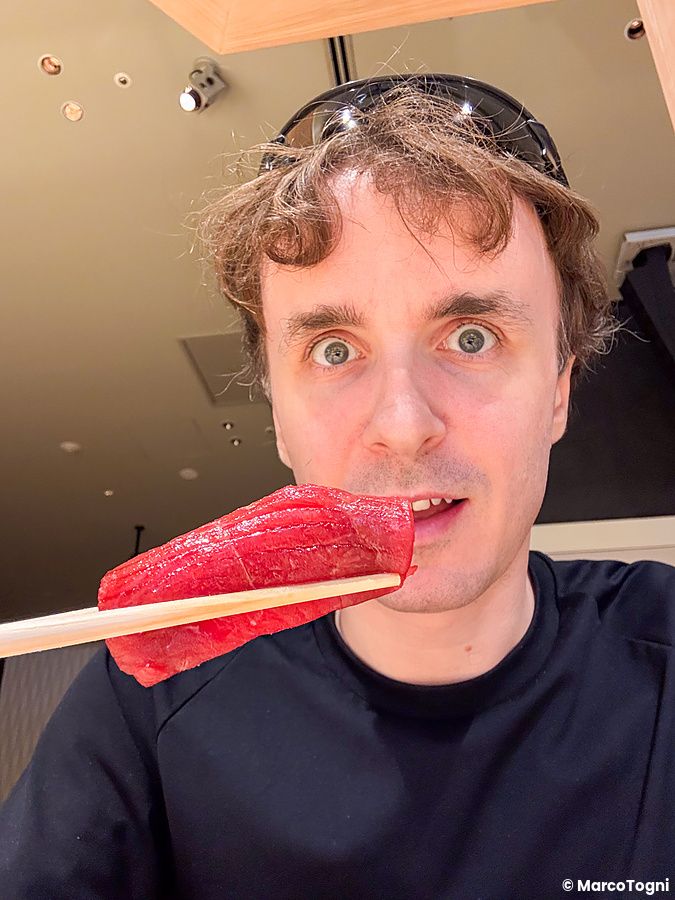
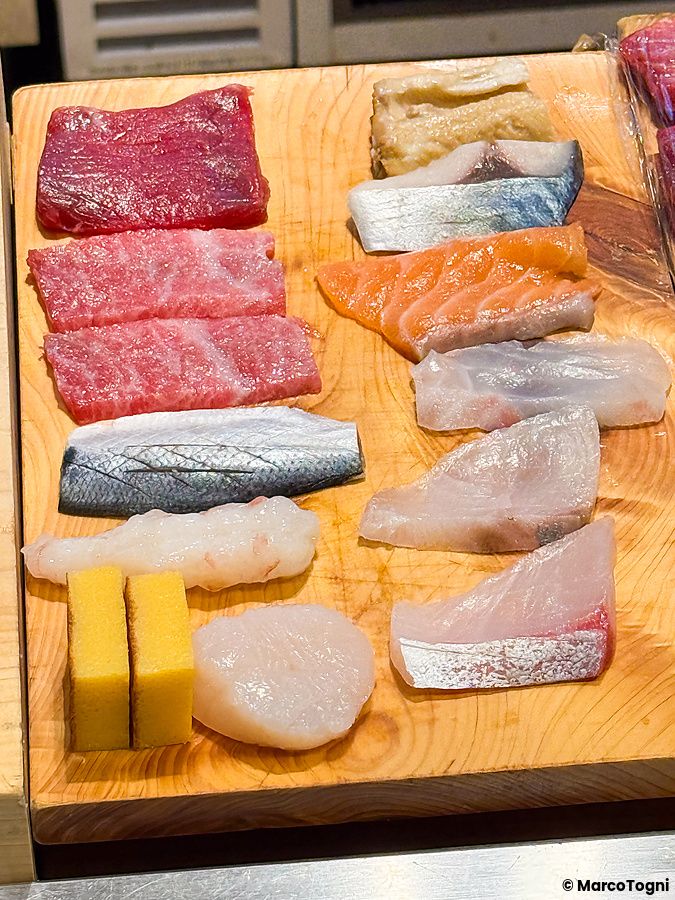
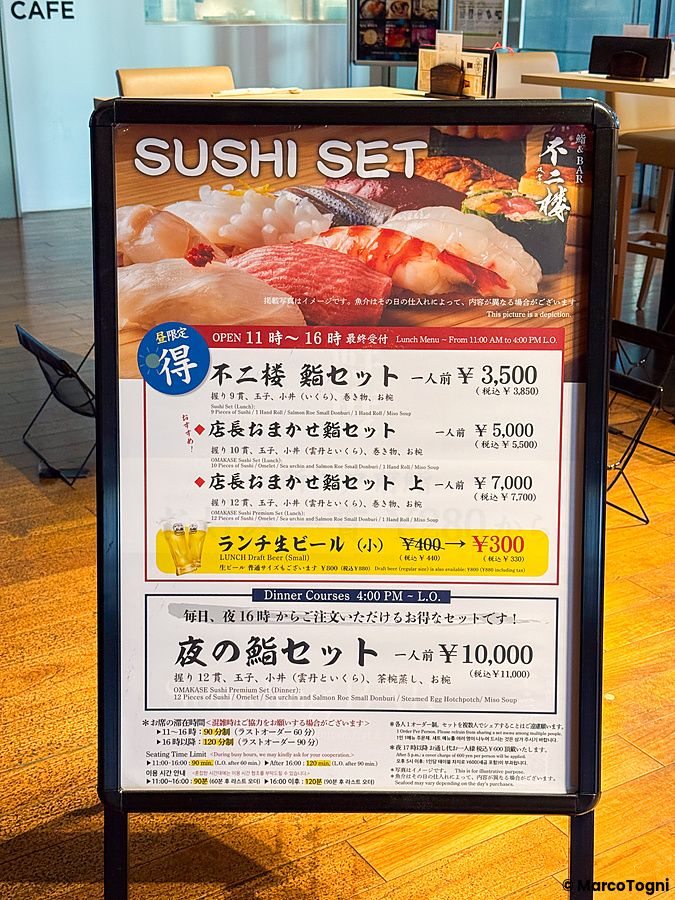
Along with the sushi you get a few small starters, something fried, a roll, tamagoyaki and a soup. You don’t have to go for the omakase, though: at the counter you can also order piece by piece, picking whatever you like from the menu.
That’s the way to go if you’re short on time or just want a couple of bites with a glass of sake.
Aged fish has a stronger flavor, so if you’re used to the neutral-tasting sushi at kaiten, you’ll notice the difference right away. The marinated kohada is strong too, and if oily fish isn’t your thing, just tell them and they’ll skip it, no fuss.
Lunch starts at around 3,500 yen per person and goes up toward 7,000–8,000 yen for the bigger omakase. At dinner, budget up to 10,000 yen for a full omakase, plus whatever you drink. It’s upper-mid range, but for fish this good the price is fair.
When I’m near the station and want real sushi without it eating up my whole evening, this is one of the first places I think of. A big-name sushi restaurant would charge me twice what I pay here at dinner for the same food on the plate.
The original counter is in Nihonbashi, and it’s members-only: without a membership card you’re not getting in. The Marunouchi branch is the version open to everyone, with the same setup but no membership required, which is why you find sushi this good inside an office building.
Their style blends the Fukuoka school, hakata-mae, with Tokyo’s edomae technique, and the aged pieces are their signature. If you’ve eaten at a traditional counter before, you’ll notice the difference from the first bite.
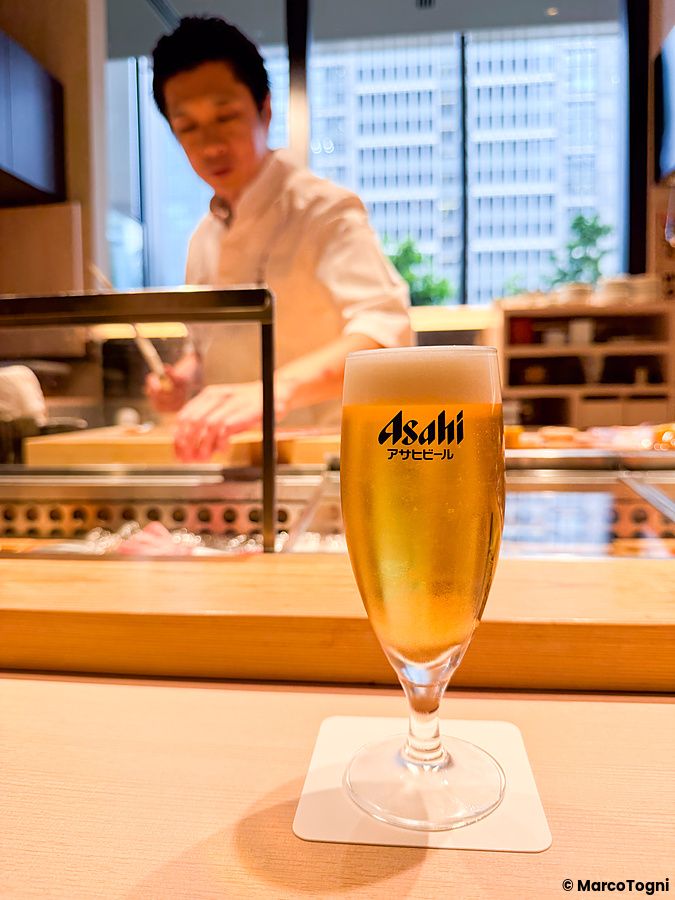
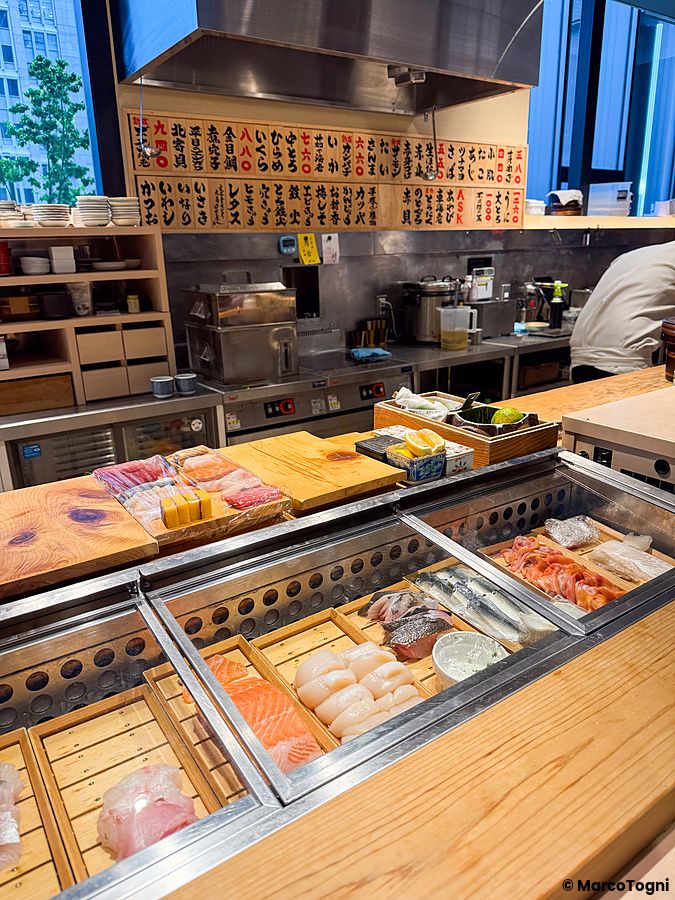
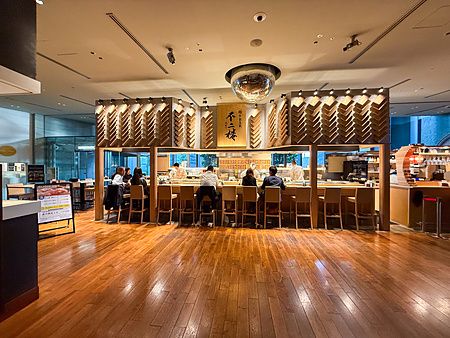
This isn’t a hushed, closed-off counter where the master puts on a little show. Fujiro is an open space right on the shopping concourse, with no walls or doors. There’s not much privacy, and the tables face the crowds coming and going on that floor.
At lunch it’s packed with people in jackets from the office towers nearby, all fairly well dressed, so you’d feel a bit out of place in flip-flops and shorts. The menu comes in English and the counter staff can handle basic requests, so you can order without worrying even if you don’t speak a word of Japanese.
You have more seating options than you’d think. There’s the sushi counter, which is small and fills up fast, there are tables on the terrace overlooking Tokyo Station, and there’s a standing bar for anyone who just wants a drink and a couple of pieces.
If you want to watch the hands of whoever’s cutting the fish, head straight for the counter. If there are two of you and you want to talk without being rushed, it’s much nicer outside.
Pros:
Cons:
Best for: people who want serious fish, fast, while they’re out and about, or a dinner without ceremony in Marunouchi.
Atmosphere: an open space in the shopping complex, a well-dressed office crowd, a brisk pace.
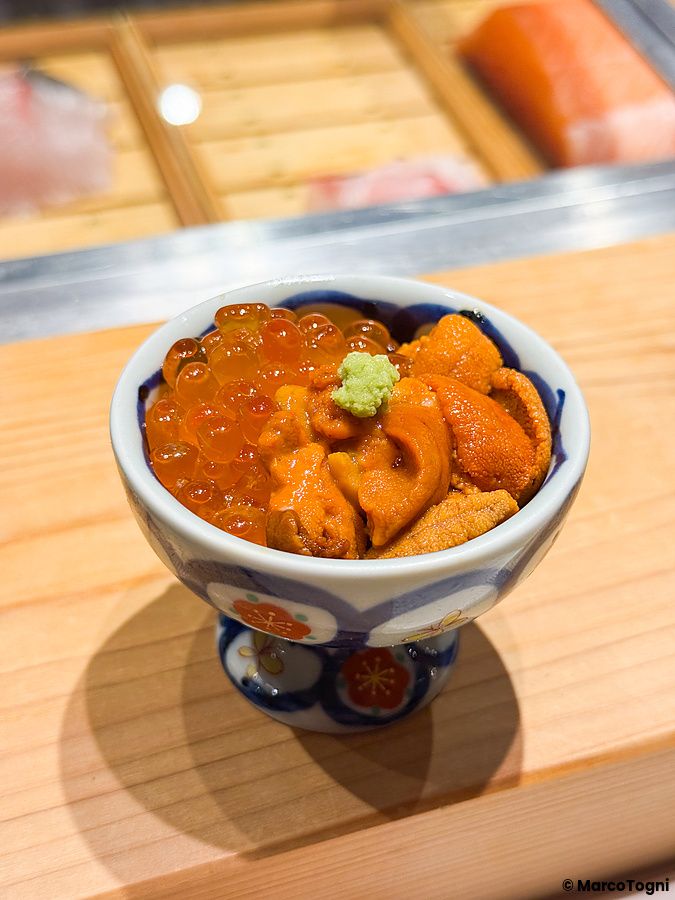
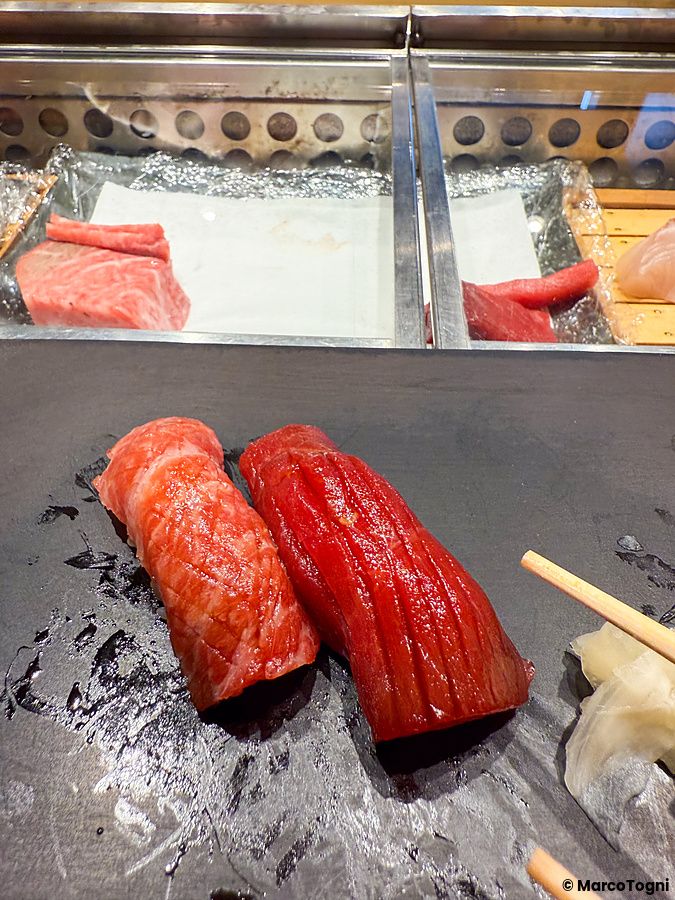
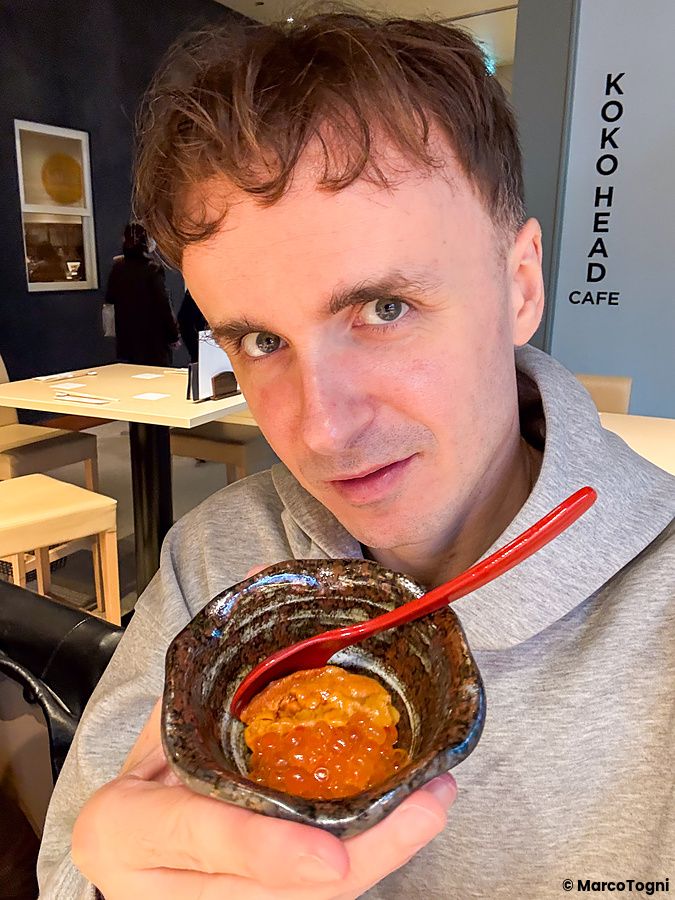
What sticks with me about Fujiro is the moment the little bowl of sea urchin, salmon roe and caviar arrives, all together, and you realize a dish like that can show up right next to people walking past with shopping bags. Get the omakase and let the chef decide. That’s where you see the skill of whoever’s working behind the counter, and the toro alone will win you over.
If you’re only going once, order the sake as well, because the counter staff know how to pair it with the aged fish. A meal here stays with you longer than plenty of far more celebrated dinners. Go, and grab a seat at the counter.
The restaurant is on the seventh floor of the Shin-Marunouchi Building, the tower right across from Tokyo Station on the Marunouchi side. From the Marunouchi Central Exit, cross the street and you'll be in the lobby in a couple of minutes, then ride the elevators up to the seventh floor, which is the restaurant floor.
If you come by subway, the Marunouchi Line lets you walk into the building without ever going outside.
From Otemachi and Nijubashimae it's a 4–5 minute walk, almost all of it through underground passages, which is handy if it's raining or you have a suitcase.
This place is on MarcoMaps
Sushi & Bar Fujiro
My map of Japan: over 4,000 places I've tried myself, each with photos, rating, and hours. Filter by category and rating, find veg-friendly spots and places near you with GPS. No sign-up, right from your phone.


Sushi & Bar Fujiro - nearby you will find: