A chain of top-quality edomaesushirestaurants that started in Ginza, Tokyo, where you sit at the counter and let the chef choose for the whole meal. Sushi Ginza Onodera grew from that first counter and now has restaurants in several Japanese cities, plus a few in the US and Bangkok, in formats that range from the classic counter to conveyor-belt sushi.
You eat one nigiri after another, with the fish sliced and each piece shaped right in front of you. I’d recommend it if you want real edomae omakase without having to go to the city’s big-name, stuffy counters.
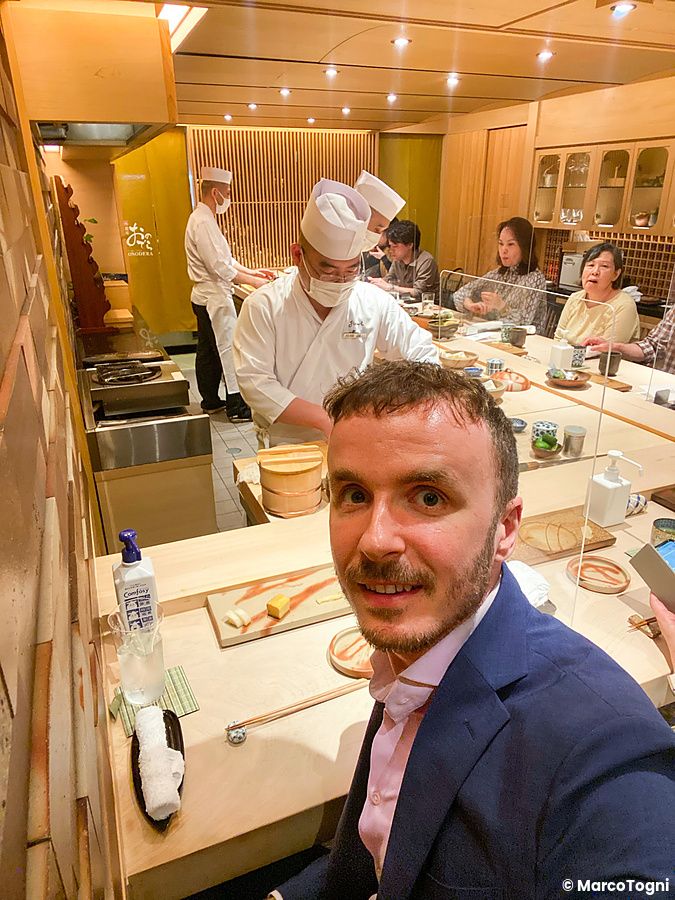
From the pale wood counter at the Souhonten in Ginza, you can watch every move the chefs make. The room is small, so book your seats weeks ahead.
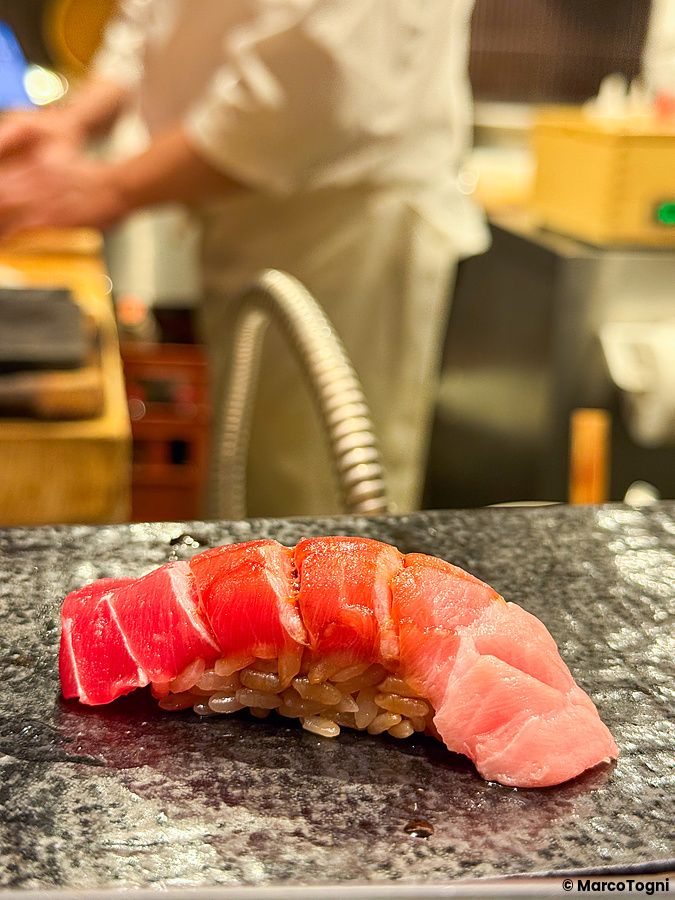
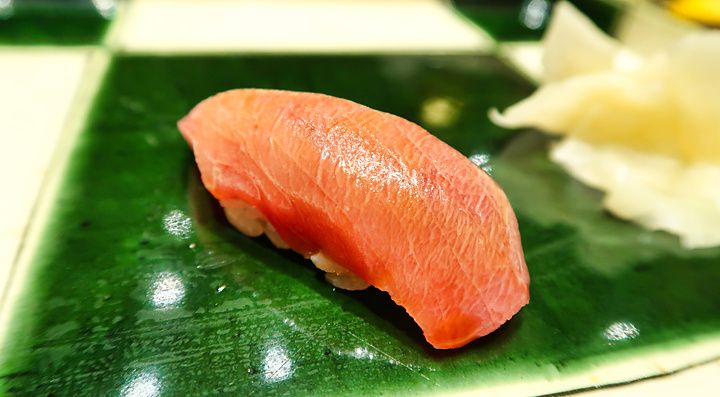
At the Shibuya location, the otoro comes on dark stone slabs that bring out the color of the fat. Watching the cooks work on the other side of the counter tells you right away how good the knife work is.
Food and prices
This is classic edomae without much fuss: red vinegar rice and fish prepared on the spot. At lunch the omakase is the easiest option, about fifteen nigiri with a starter first and a dessert to finish.
Here’s what ends up in front of you:
Toro nigiri (chutoro and otoro): melting fat, cut thick, over warm, slightly tart rice.
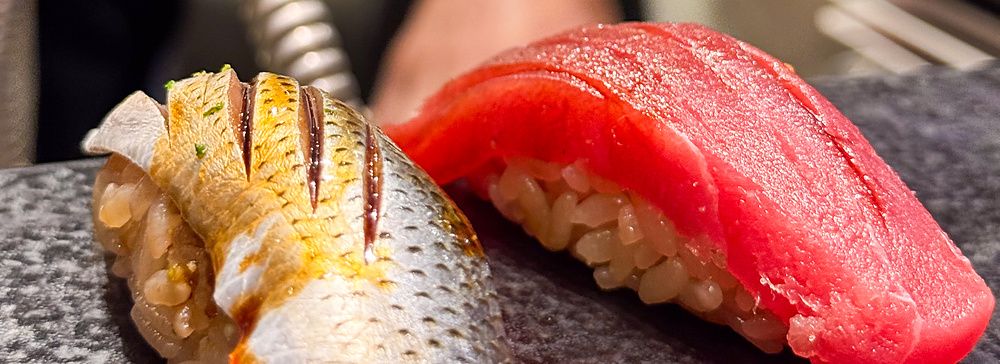
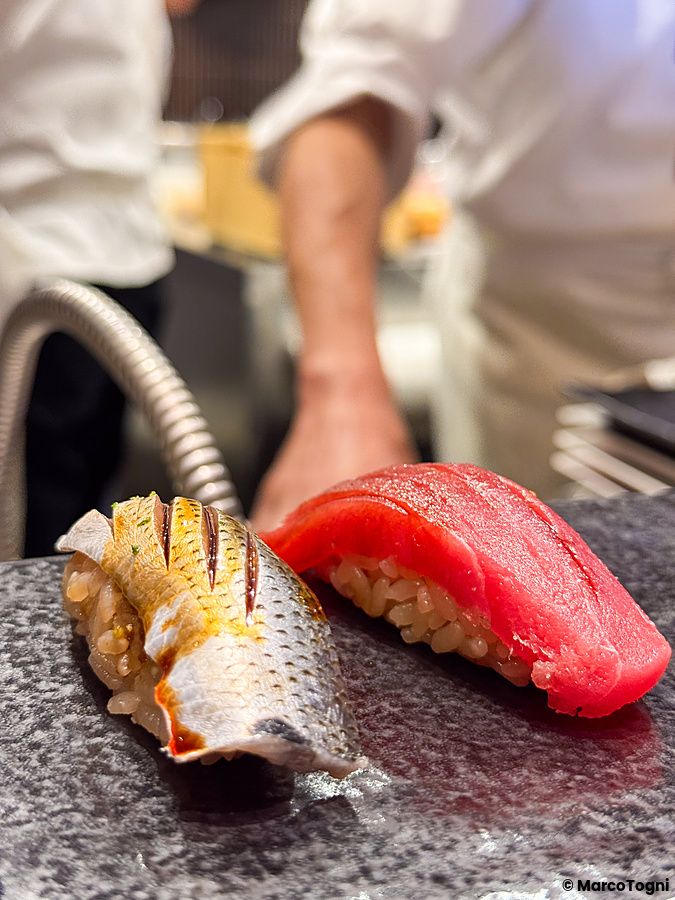
Kohada: gizzard shad marinated in vinegar, tangy and clean, one of the pieces that tells you whether a counter knows what it’s doing.
Cooked anago: incredibly soft, falls apart in your mouth, brushed with its own sauce.
Crab chawanmushi: the hot savory custard served between pieces, delicate.
Castella-style tamago: the dense, sweet omelet, almost like dessert.
The contrast between silvery kohada and lean tuna sets the tone. To get the textures at their best, eat each piece as soon as it lands on the rough surface.
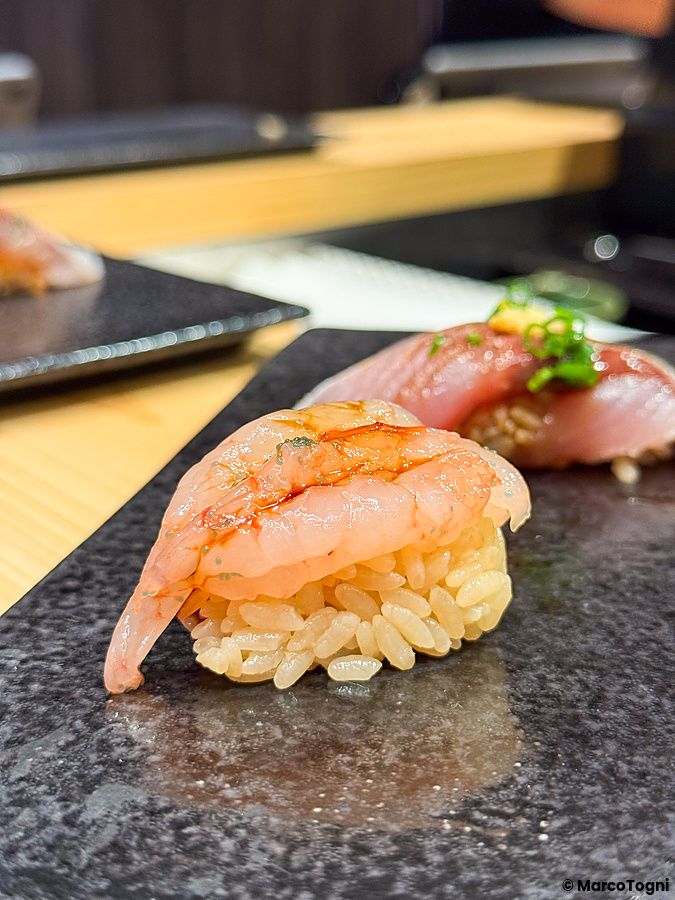
Raw shrimp also comes on slate at the casual location. The way the rice holds together shows it's perfectly balanced against the weight of the fish on top.
The red vinegar rice is bolder than usual. If you’re used to pale, neutral shari, you’ll notice a tangier, deeper flavor right away, and that’s exactly what I like about it. Pace matters a lot: the chef hands you the nigiri one at a time, and you should eat each one as soon as it’s made instead of letting it sit.
The room seats about twenty and several chefs work behind the counter, so service moves quickly, without any lulls.
Lunch starts at 11,000–12,000 yen per person for the simplest omakase. At dinner the price goes up quite a bit, and there’s a 10% service charge on top. It isn’t cheap, but for the quality of the fish, the bill isn’t as insane as at some of the big-name omakase places you see in magazines.
When I want serious edomae without breaking the bank, this is where I go: for the price of a lunch I walk out with fifteen pieces that would cost me three times as much if I ordered the same kinds at dinner somewhere else.
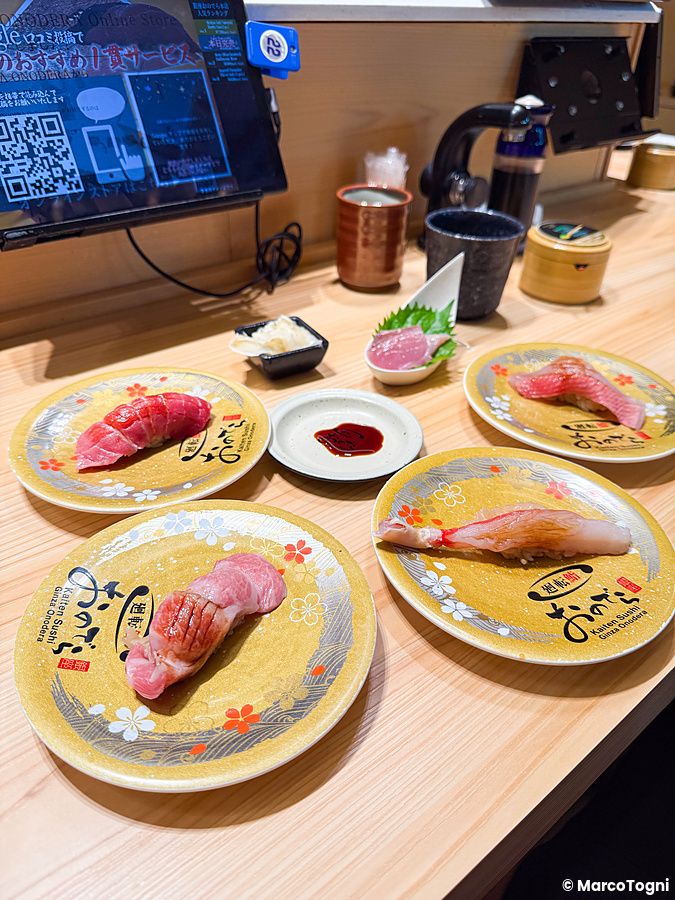
A fantastic spread of sushi ordered at the Omotesando kaiten restaurant.
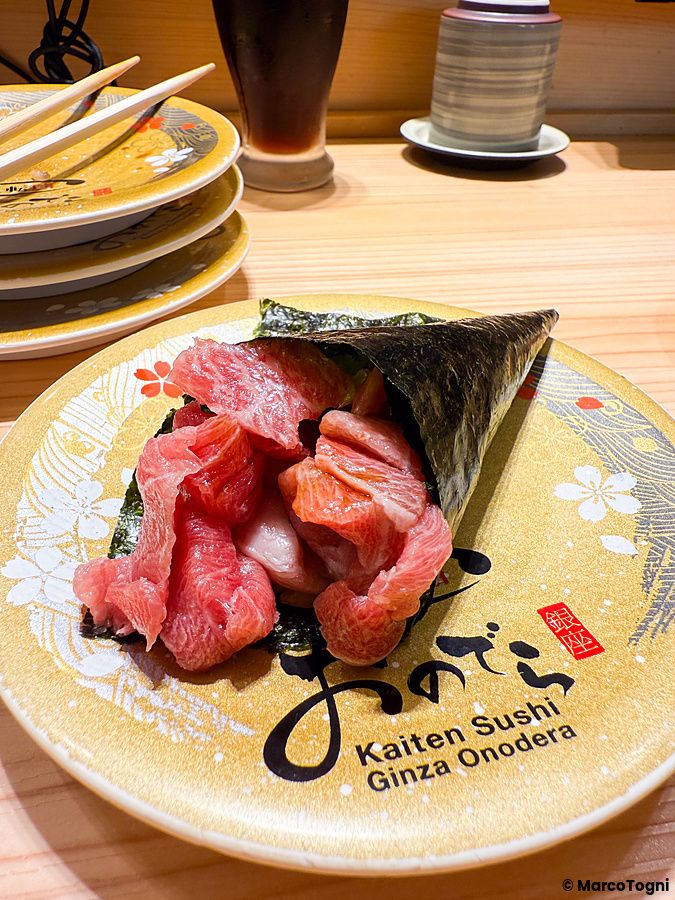
The tuna maki is wrapped in a sheet of crisp nori.
It all started here in Ginza, the neighborhood of department stores and luxury storefronts. This is the group’s original counter, the one the whole chain grew out of, right among the shopping streets.
You can usually get a seat at the counter, though sometimes you’ll have to wait a bit. If you’re already making your way around Ginza from shop to shop, fitting in lunch is easy, and when you get up from the counter you’re already in the middle of the area you came to walk around.
There’s another way to try this food without budgeting for the Ginza counter: their conveyor-belt sushi in Omotesando. It’s the same group and the same red vinegar rice, but here the fish comes around on a belt and you order from a tablet at your seat, with prices per piece.
You’ll spend much less, between 3,000 and 5,000 yen per person depending on how far you let yourself go. The tuna comes from Yamayuki, one of the most respected wholesalers at Toyosu Market, and from akami to otoro the per-piece prices stay low for fish like that.
At lunch there’s a line: you take a number and wait outside. If you want to skip the crowds, aim for mid-afternoon or the evening.
Every now and then they also break down a whole tuna in front of everyone, and it’s worth being there when they do.
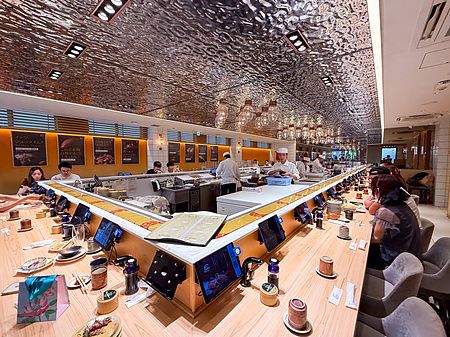
The Omotesando location has a horseshoe counter. Ordering on the screens lets you keep track of your bill in real time without having to call the staff.
Top-quality edomae, red vinegar rice, and fish prepared right in front of you
A lunch omakase that’s more affordable than at the city’s famous counters
The conveyor-belt version in Omotesando, with the same tuna at a fraction of the price
Cons:
At dinner the bill climbs fast, plus the 10% service charge
At lunchtime, you wait in line at the Omotesando kaiten
Best for: anyone who wants to try real omakase in Tokyo without paying what the most exclusive counters charge, or who wants the same fish in a quicker version that’s easy on the wallet.
Atmosphere: a pale wood counter with several chefs at work in Ginza; in Omotesando, a belt, tablets, and a steady stream of tourists.
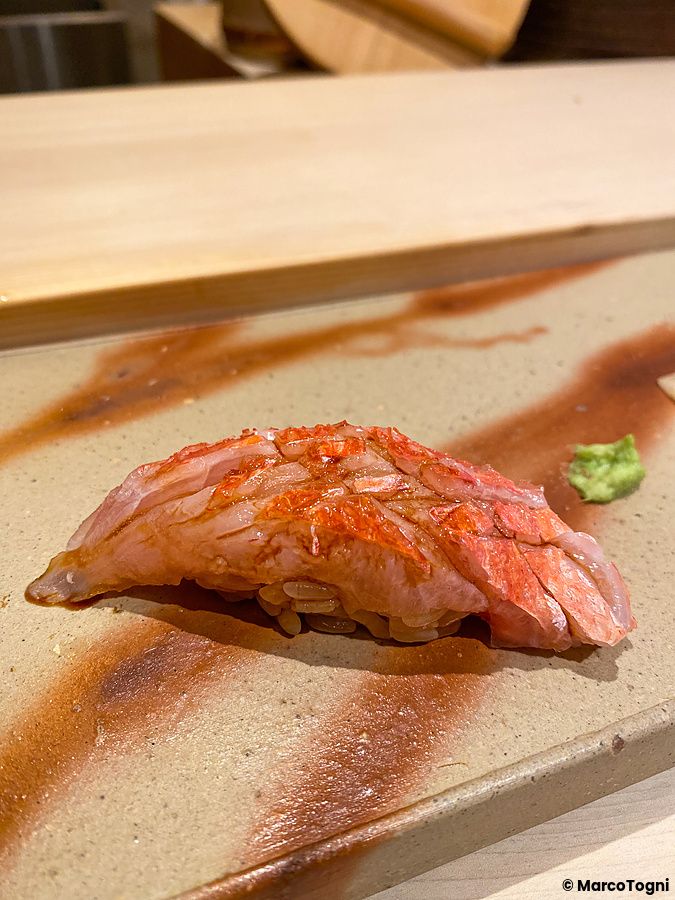
The kinmedai sits on handmade ceramics at the main restaurant. The rice is seasoned with red vinegar, which darkens the grains and balances the strong flavors.
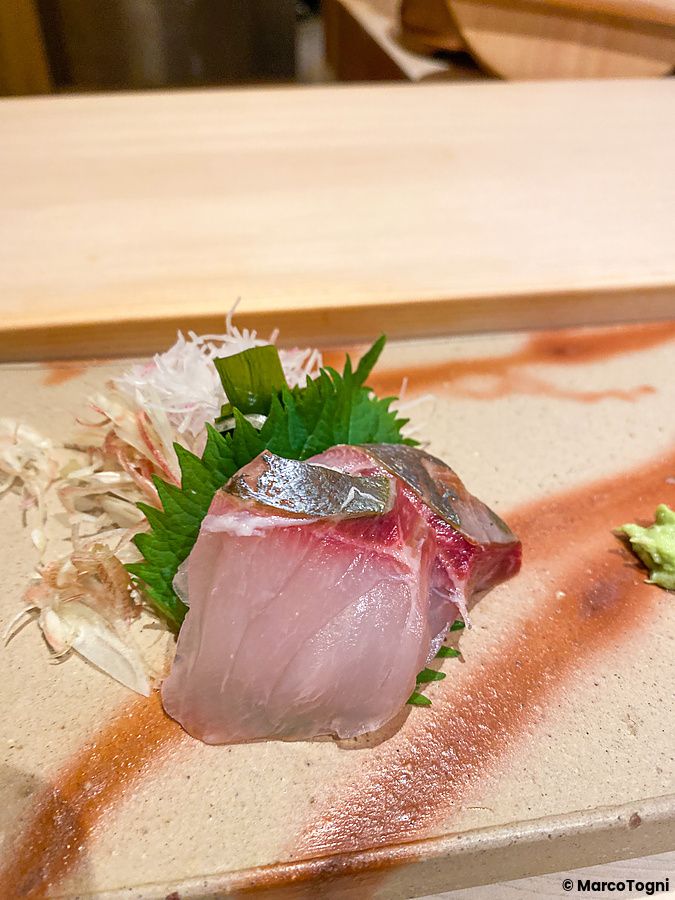
Sashimi always comes with daikon and fresh shiso leaves. Put the wasabi straight on the fish, never mixed into the soy sauce, so it doesn't drown out the flavors.
Final thoughts
What stays with me when I leave the Ginza counter isn’t any one piece. It’s the gesture: the chef pressing the rice, setting it down on the wood in front of you, and waiting for you to pick it up. You forget about your phone fast, because watching them work is half the meal.
If you only go once, sit at the counter and let them choose, but pay attention when the kohada comes. That’s the piece that shows how much skill is behind the counter, and here there’s plenty. Tokyo has other counters at this level, but few make you feel this at ease while you watch them work. Go.
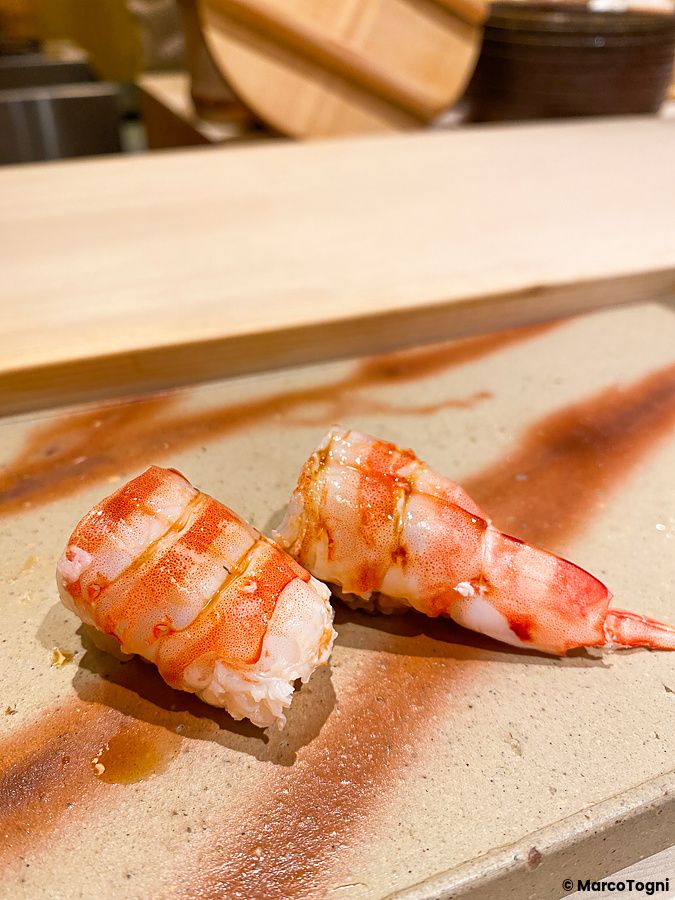
The two kuruma ebi nigiri show classic Edomae technique. The shrimp's cooking is timed to the second to keep the flesh firm and the colors sharp.
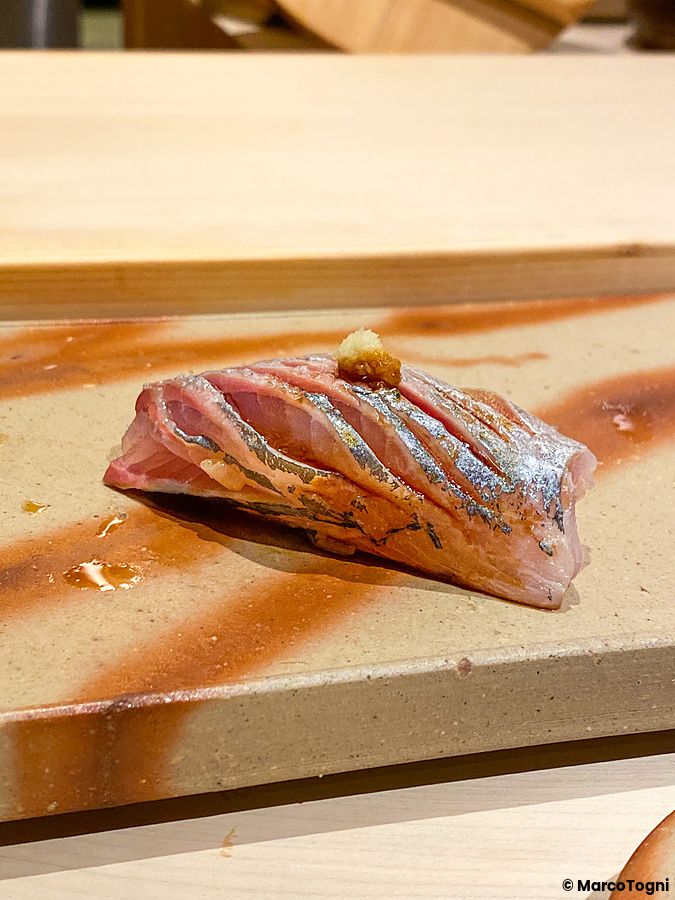
The horse mackerel, aji, is topped with a dab of ginger. Pick this one up with your fingers so you don't break apart what the chef put together.
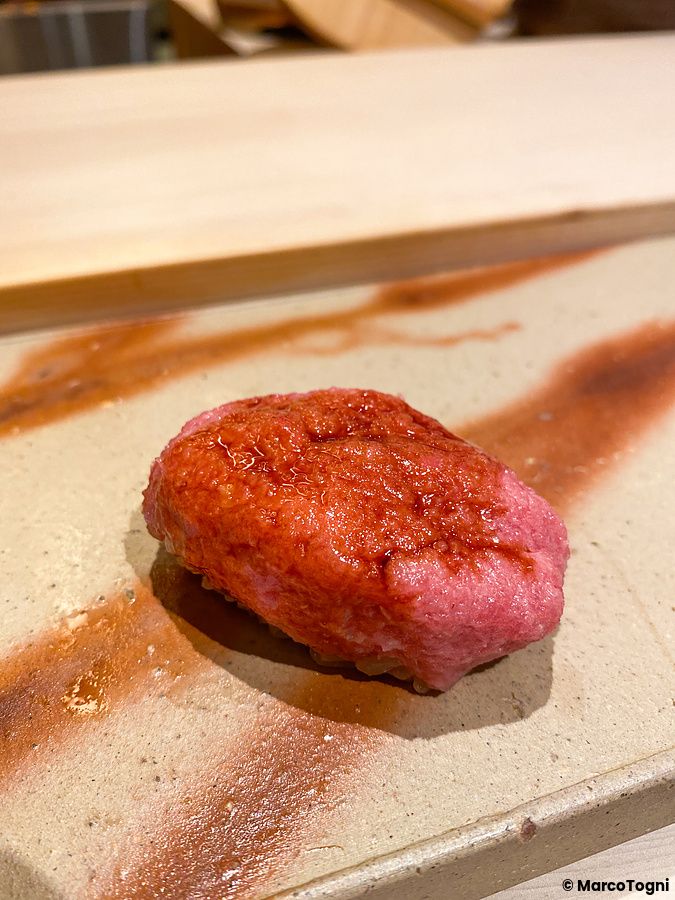
In the negitoro, the minced tuna almost completely covers the rice. The chef brushes on a dark sauce that makes any other seasoning unnecessary.
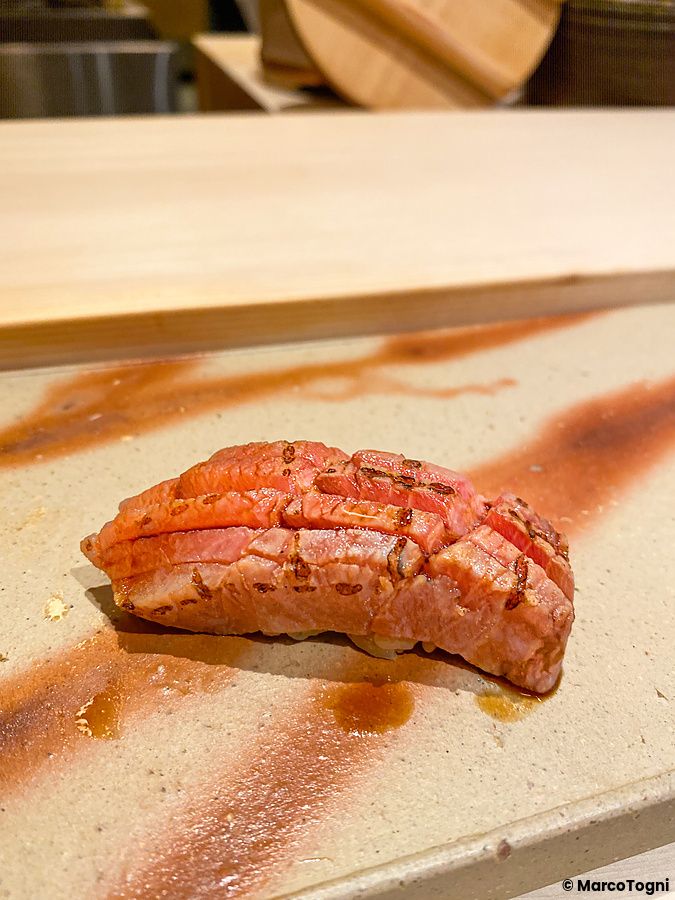
Searing the otoro partly melts the streaks of fat. Eat it in one bite to get the contrast between the warm surface and the cold center.
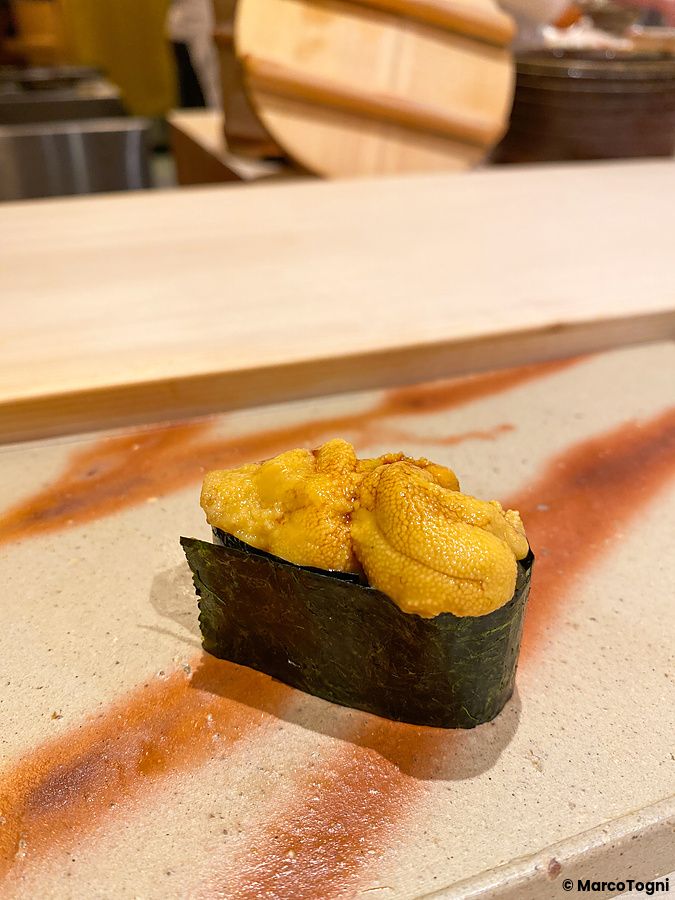
In the gunkan, the sea urchin is held in place by a thick sheet of nori. Eat it right away so the moisture from the topping doesn't take the crunch out of the dark wrapper.
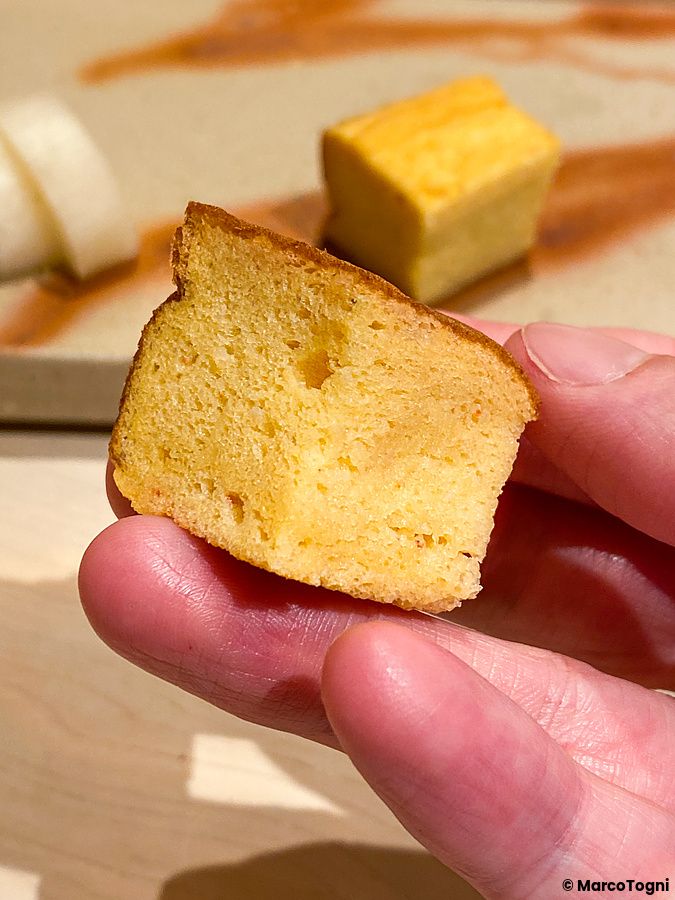
A meal at the Souhonten traditionally ends with a cube of tamagoyaki. I pick up this dense, sweet omelet with my fingers. It's perfect for clearing your palate at the end of the meal.
Useful Info
Name: Conveyor Kaiten Sushi Ginza Onodera HONTEN
Hours: Every day: 10:30–22:00
Address: Japan, 〒150-0001 Tokyo, Shibuya, Jingumae, 5-chome−1−6 イルパラッツィーノ表参道 1F
My map of Japan: over 4,000 places I've tried myself, each with photos, rating, and hours. Filter by category and rating, find veg-friendly spots and places near you with GPS. No sign-up, right from your phone.
 42 m