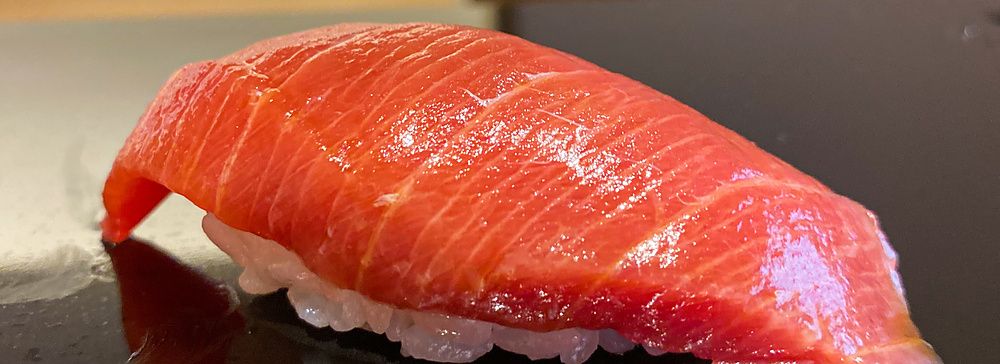
A chutoro nigiri sitting on a dark, glossy surface at Sushi Masashi in Tokyo.

Sushi Masashi

A serious omakase sushi restaurant in Kita-Aoyama, with one Michelin star and a kitchen that sticks to classic edomae tradition. Sushi Masashi is a small place, and the chef behind the counter learned his trade at luxury hotels in Tokyo and Kyoto.
There’s only a set menu, running from a warm appetizer all the way through the nigiri, and the fish changes with the seasons. It’s the right place if you already know your sushi and want an experience at the very top level, not a quick midweek dinner.
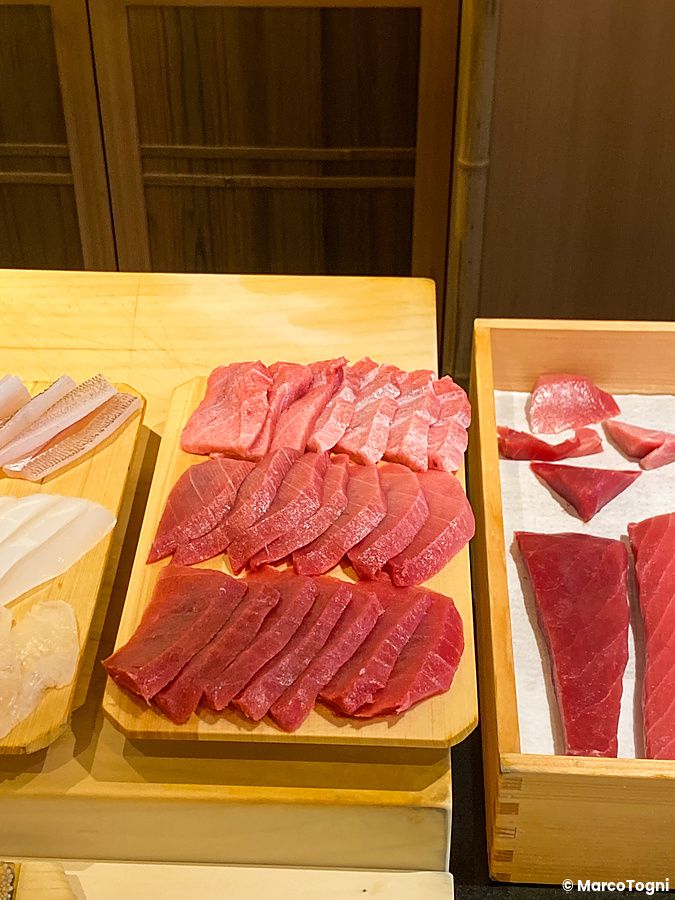
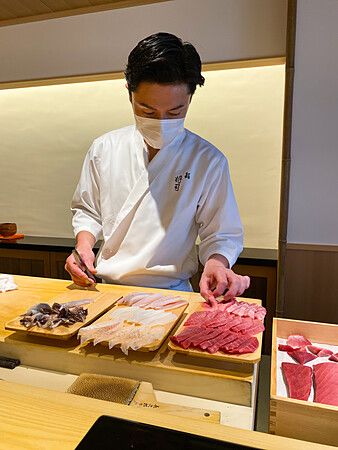
Cuts of tuna laid out on wooden cutting boards at Sushi Masashi in Tokyo.
I can't take my eyes off the chef preparing the different cuts at the start of the meal. Look at the shades of red, which tell you how much fat each one has.
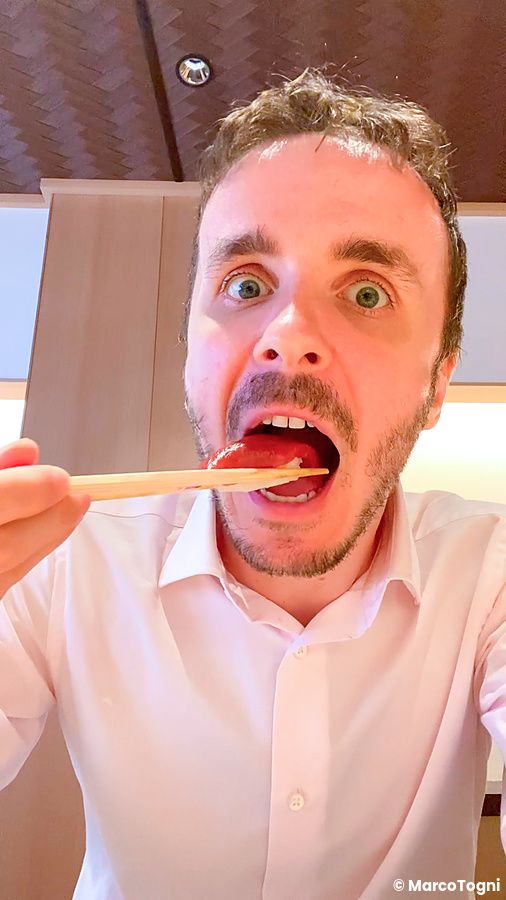
Marco Togni, in a light-colored shirt, lifts a piece of sushi to his mouth with chopsticks at Sushi Masashi in Tokyo.
I bite into the nigiri, trying to get it all in one mouthful. Spectacular.

Food and prices

There’s nothing to order. You get the omakase and nothing else, and the chef serves one piece at a time, explaining what you’re eating. The fish arrives on a glossy black tray, and that alone tells you what kind of place you’re in.

A few of the dishes you can expect:

  • Sake-steamed amadai (tilefish): the house specialty, with strong umami that carries into the broth at the bottom of the dish
  • Straw-seared amberjack with truffle soy sauce: you can taste the truffle, but it doesn’t drown out the smoke
  • Hairy crab and sea urchin roll: an intense little bite and a good way to open the meal
  • Shirako topped with a spoonful of caviar: creamy and salty at the same time
  • Toro sukiyaki: cooked gently, the fat of the tuna melts in your mouth
  • The final run of nigiri: cuttlefish cut so it crunches between your teeth, then chutoro, otoro, clam, and anago
A negitoro and sea urchin temaki held in a hand at Sushi Masashi in Tokyo.
Getting this little cone straight from the chef’s hands is a great welcome. The crisp nori holds a filling of chopped tuna and sea urchin.
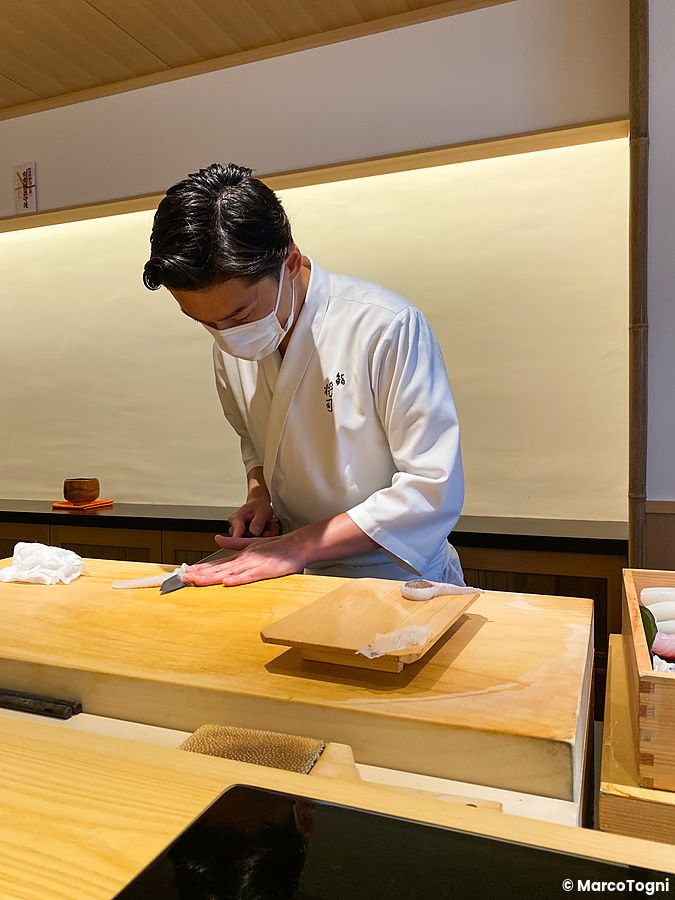
Chef Masashi Yamaguchi working with a knife at the wooden counter of Sushi Masashi in Tokyo.
Chef Masashi Yamaguchi at work behind the cypress wood counter. With nothing around to distract you, you can focus on his handwork and his knife work.

The shari is balanced to go with the fish without overpowering it, so if you’re used to piles of wasabi and rivers of soy sauce, it works differently here, and you should let it do its job. The rice is seasoned with rice vinegar plus some young red vinegar, akazu that hasn’t been aged long, which adds depth and a soft umami with no sharp acidity. Even so, the rice stays almost white, without the brownish tint red vinegar usually gives it.
Apart from the hot dishes on the menu, everything is raw, and if you really can’t stomach raw fish, there are no alternatives here. This isn’t the place to ask for a cooked piece instead of nigiri.
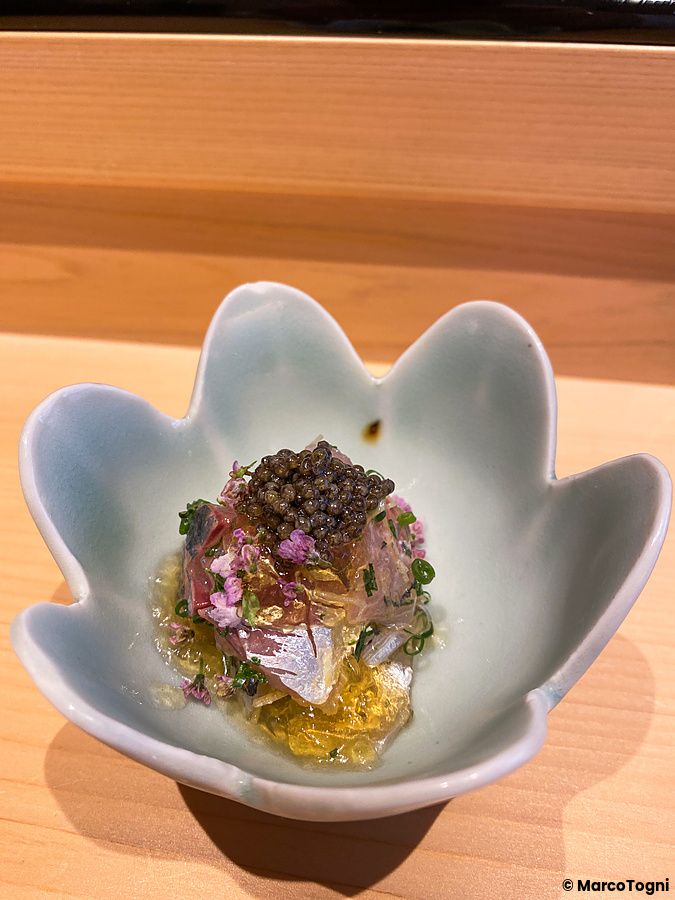
Oily fish, shiso flowers and caviar arranged in a flower-shaped bowl at Sushi Masashi.
The tasting moves on to the small opening dishes. This one pairs the saltiness of caviar with a clear jelly that wraps around the other ingredients.
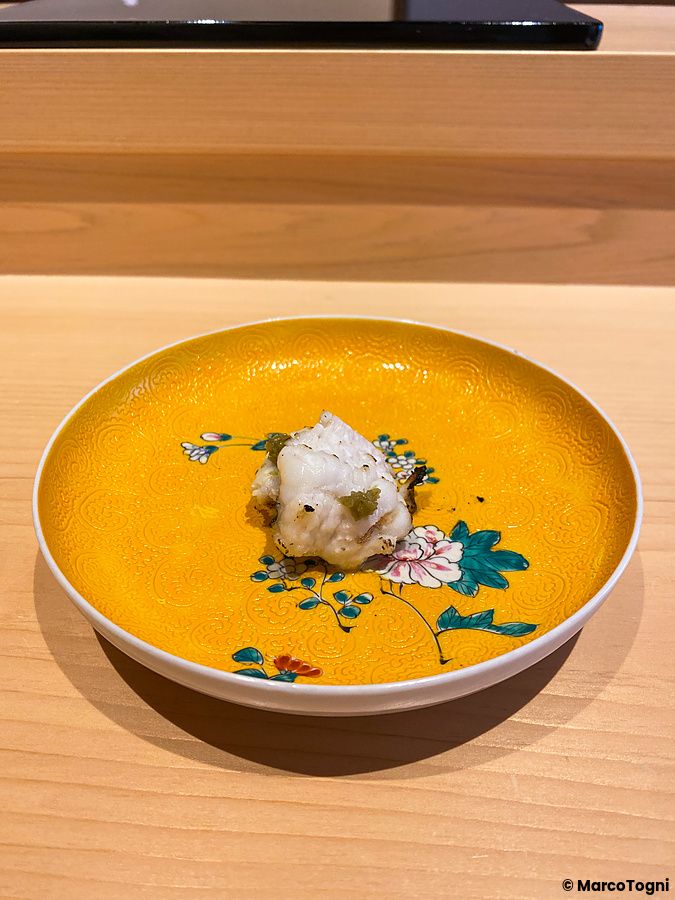
A bite of grilled anago with yuzu sauce on a small decorated yellow plate at Sushi Masashi in Tokyo.
The grilled conger eel stands out against the bright yellow container. A small dab of yuzu sauce cleanses your palate right away between bites.

There’s no getting around the price. The set dinner runs about 38,000–40,000 yen per person, and it climbs toward 50,000 if you add the sake pairing. It’s expensive, it’s not an everyday place, and you know that going in.
When there’s something to celebrate and I’m in the mood for a serious omakase, it’s one of the first names that come to mind. Every mouthful comes with its own explanation, you can tell which fish it is from the first bite, and you leave feeling you’ve eaten something genuinely rare.

Inside

There are thirteen seats in all, split between the counter in front of the chef and a private room for small groups. It has the traditional, slightly serious feel of sushi restaurants at this level, where people keep their voices down and whoever is behind the counter sets the pace.
The chef still puts you at ease, though, watching you eat, adjusting the next piece based on how you’re eating, and chatting just enough without making you feel like you’re taking a test.

The chef is Masashi Yamaguchi, who worked the counter at one of the Ritz-Carlton Tokyo’s restaurants, then set up the sushi kitchens at the Four Seasons Kyoto and The Peninsula Tokyo before going independent. That luxury-hotel training shows in the way he looks after you all through dinner.
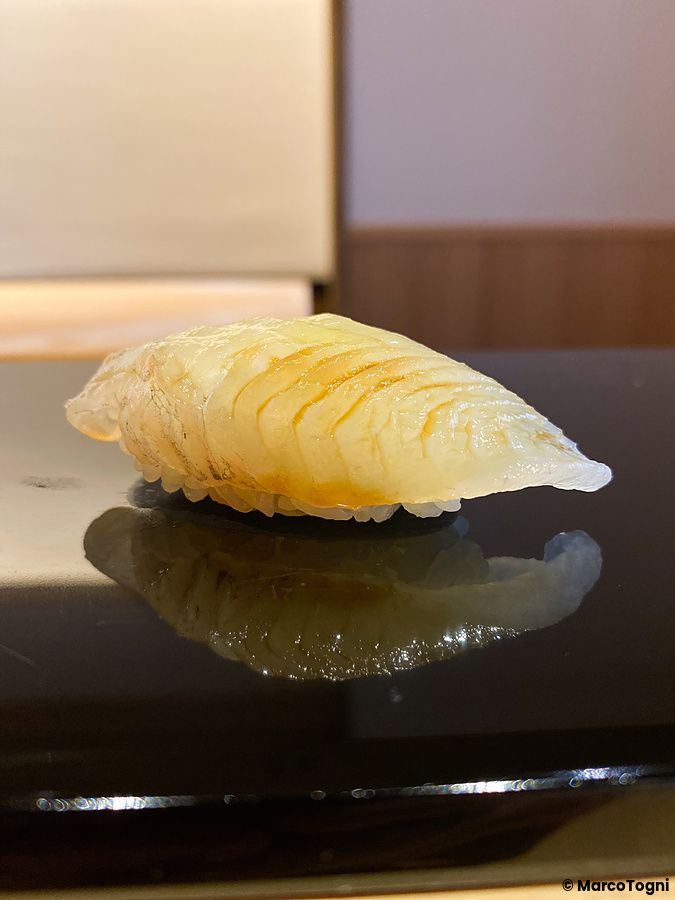
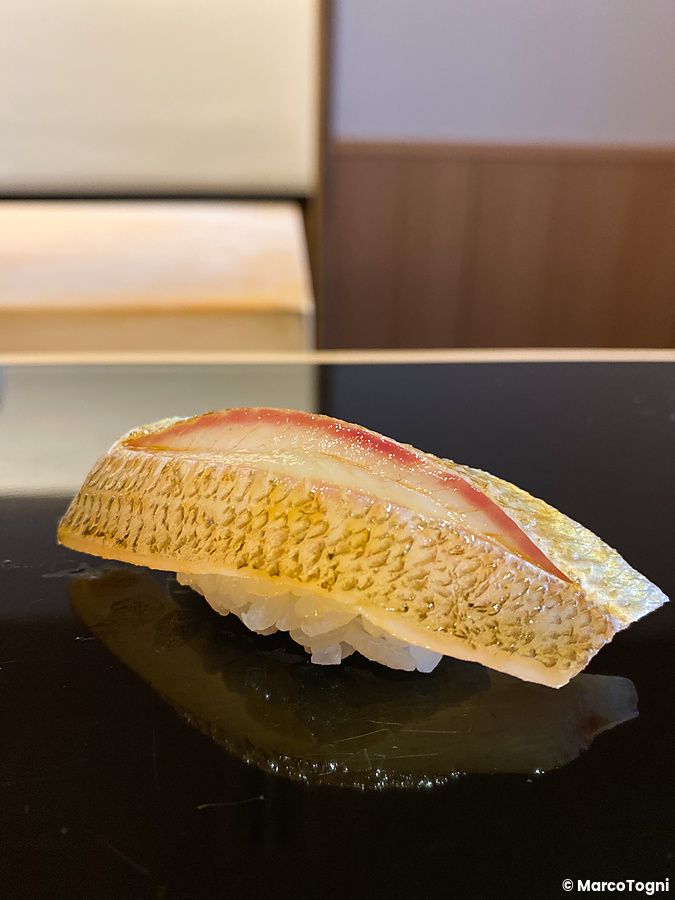
A sayori nigiri resting on a glossy black surface at Sushi Masashi in Tokyo.
At the counter, the shift to the sushi itself is clear. The sayori resting on the black lacquered tray is shaped with absolute precision.
A sayori nigiri served on a glossy black tray at Sushi Masashi in Tokyo.
From the side you can see the exact balance between the grain of the fish and the rice. Eat each piece as soon as it’s served, before its temperature changes.

House rules

A couple of things before you sit down. Don’t wear strong perfume, because it masks the delicate aromas of the fish, and children who have their own seat pay the same as adults.
If you have the choice, ask for the counter rather than the private room. Watching the chef work right in front of you is half the reason you’re there.

The short version

Pros:

  • Fish and technique worthy of a Michelin star, with the chef talking you through every piece
  • Luxury-hotel service that’s friendly despite the formal setting
  • Specialties you’ll have a hard time finding anywhere else, like the sake-steamed amadai

Cons:

  • It costs a lot, and you can easily go over 40,000 yen per person
  • Set menu only, with no cooked alternatives: if you don’t eat raw fish, there’s nothing for you here

Best for: people who already know their sushi, when it’s a special occasion, a dinner that matters, or a celebration.

Atmosphere: a small, intimate counter, a quiet and serious tone, and an approachable chef who looks after you piece by piece.
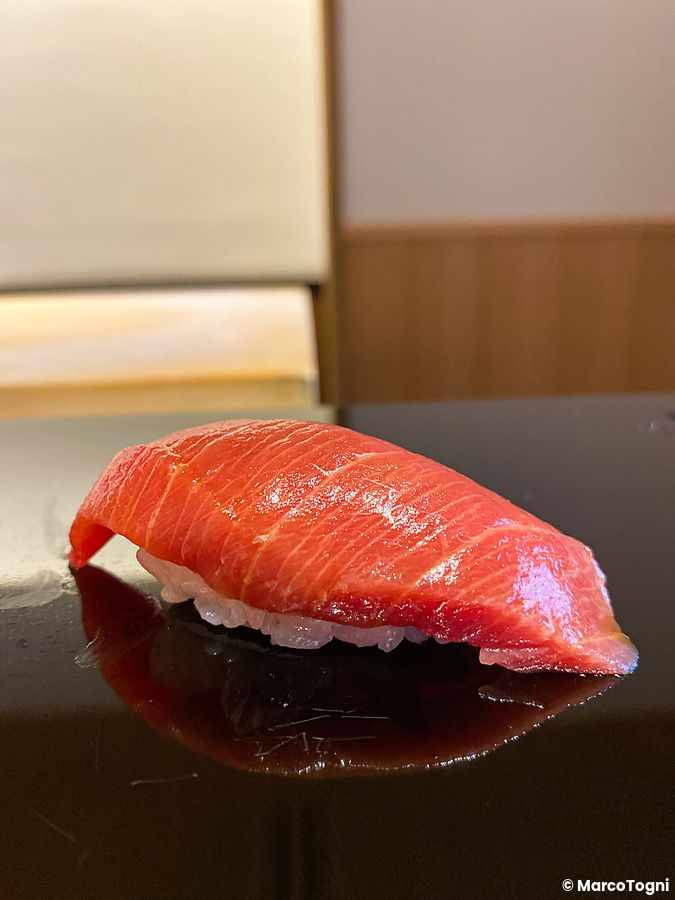
A chutoro nigiri sitting on a dark, glossy surface at Sushi Masashi in Tokyo.
The bright red chutoro has a medium fat content. The rice is packed just firmly enough to hold the fish without falling apart.
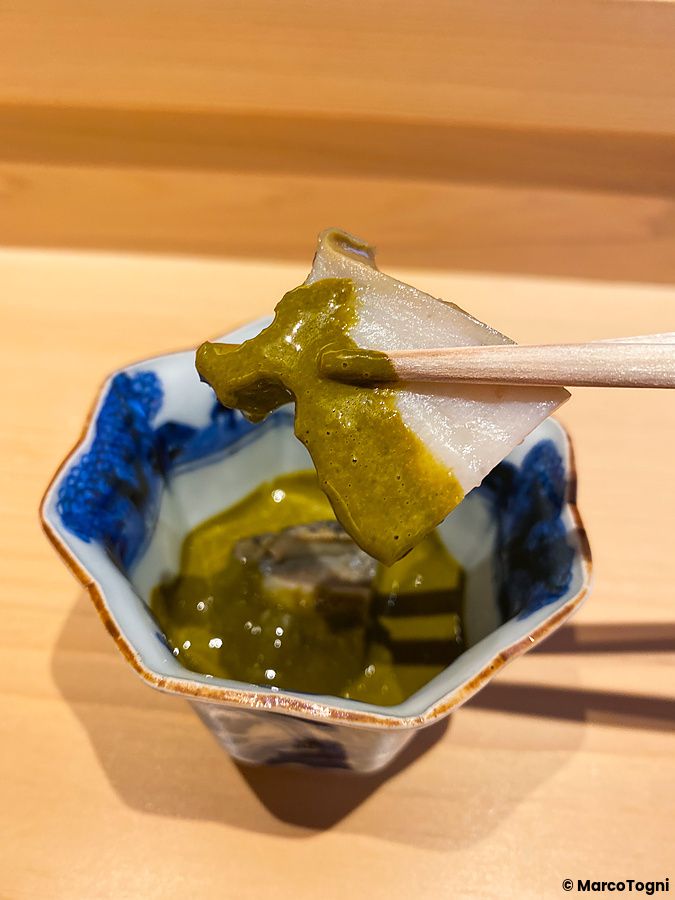
A pair of chopsticks holds a piece of awabi with a sauce made from its liver over a bowl at Sushi Masashi.
I pick up a thick slice of steamed abalone. The thick sauce is made from the abalone’s own liver, a classic preparation in edomae kitchens.

Final thoughts

If you can only pick one sushi dinner in Tokyo, make it this one. What stays with you when you leave isn’t any particular piece. It’s the rhythm: the chef sets the nigiri on the black tray, waits for you to pick it up with your fingers, watches your face, and only then moves on to the next one.
The sake-steamed amadai is what I recommend most of all, and make sure you drink the broth at the bottom down to the last drop. Keep a close eye on the chef cutting the cuttlefish: that one sharp, clean stroke is what gives it its crunch later. Go when you’re in no hurry at all. You won’t come across many counters like this in a lifetime.
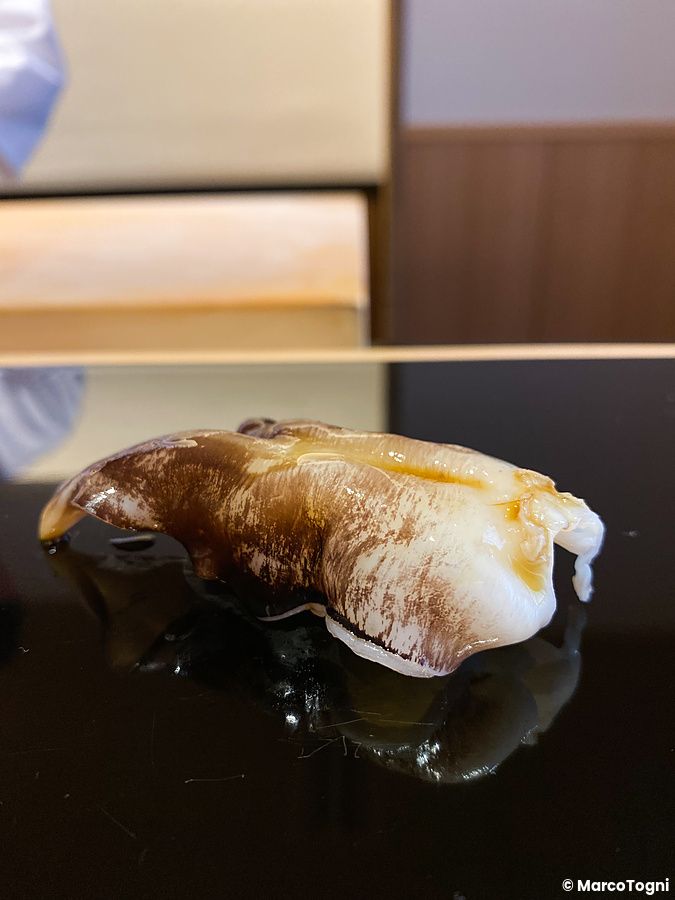
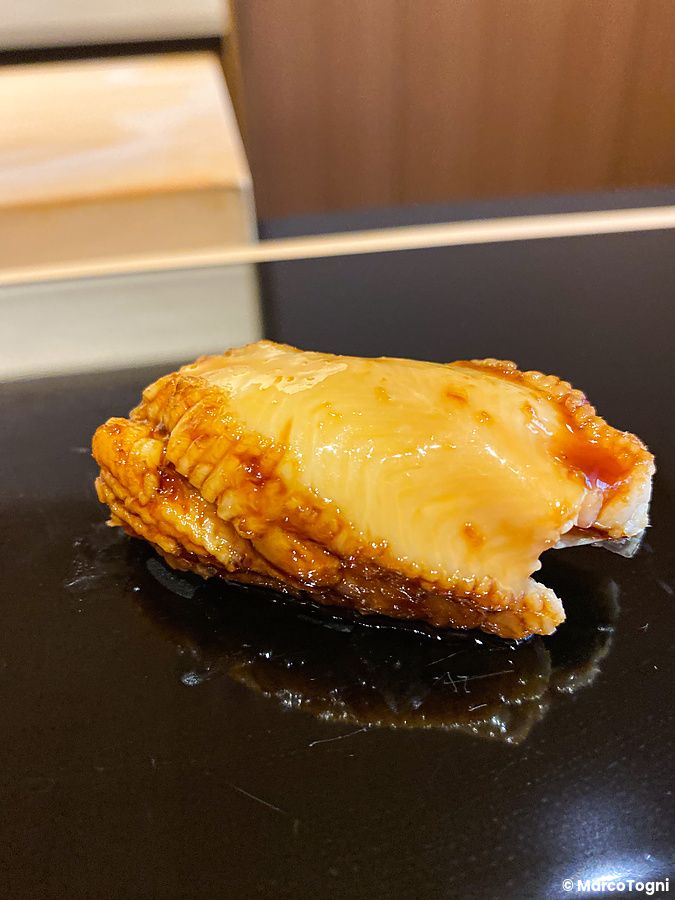
A hokkigai nigiri served on a dark, reflective surface at Sushi Masashi in Tokyo.
The hokkigai is set on the rice with just the right pressure. The lighting brings out how fresh and moist its surface is.
A glossy anago nigiri with tare sauce sitting on a dark base at Sushi Masashi.
The conger eel nigiri usually closes out the sushi. The thick glaze called tare is brushed onto the warm fillet at the very last second.
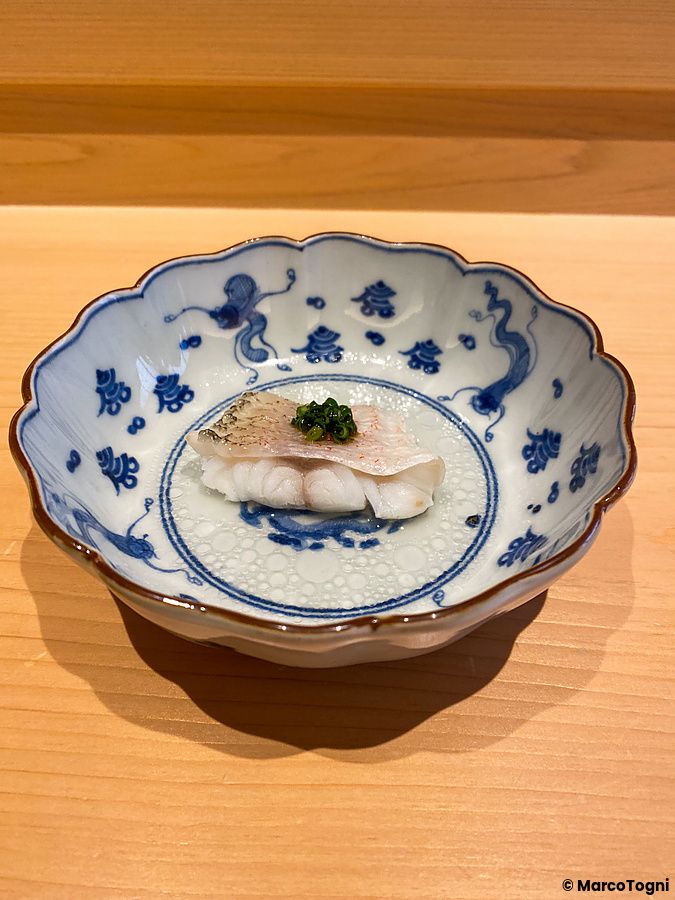
A fish fillet with a very light sauce served in a decorated ceramic bowl at Sushi Masashi.
The tableware changes from dish to dish. Here a translucent, firm cut rests on the smooth bottom of a small scalloped plate.
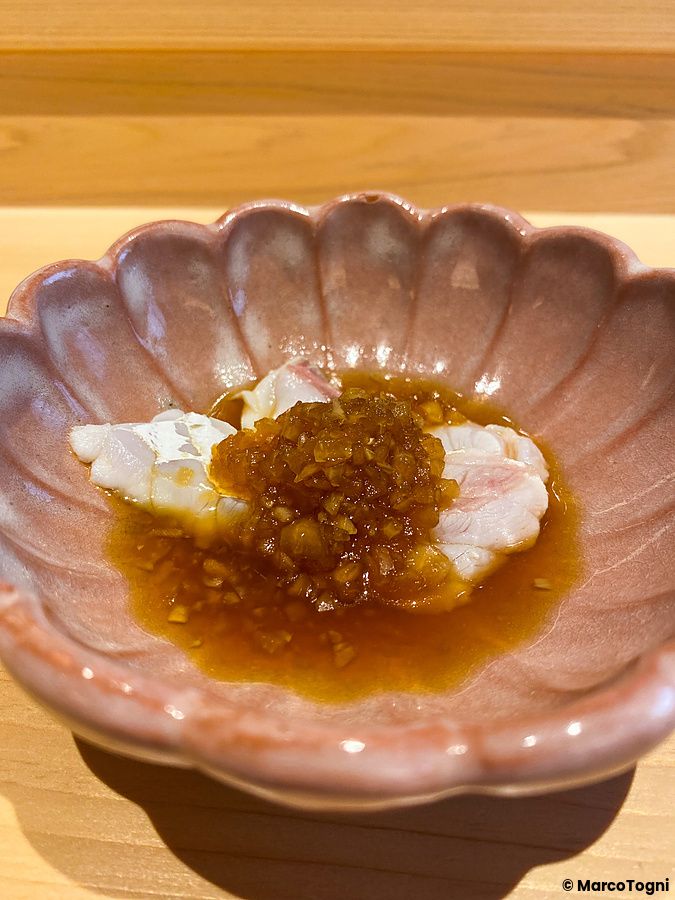
Grouper with a sweet and sour sauce served in a pink ceramic bowl at Sushi Masashi in Tokyo.
The grouper fillet sits in a small matte bowl. The sweet-and-sour sauce gives body to the white flesh while letting the fish’s natural texture come through.
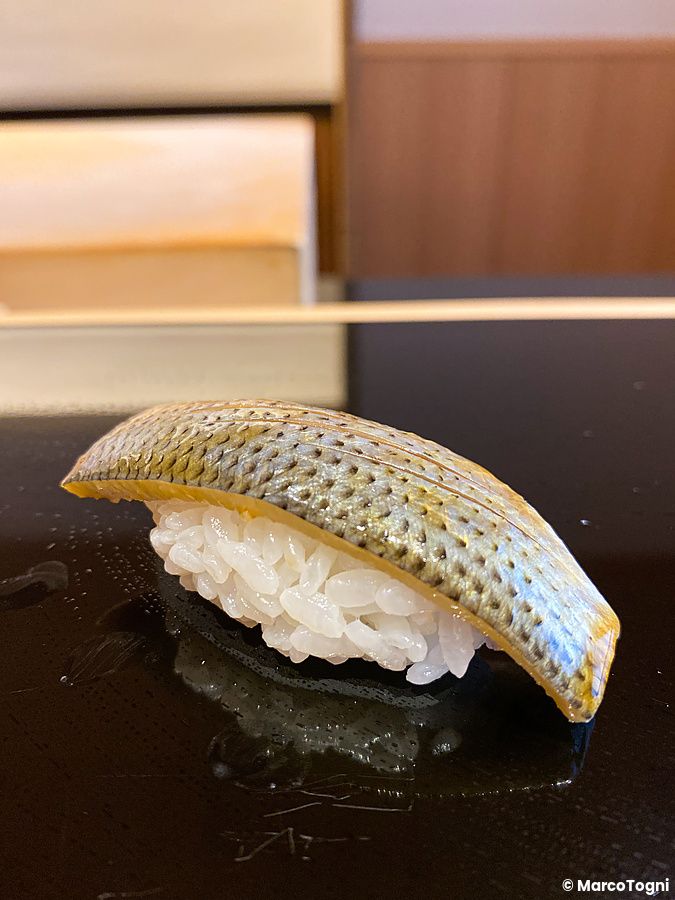
A kohada nigiri served on a black lacquered tray at Sushi Masashi in Tokyo.
The kohada’s skin gleams against the glossy surface. Curing it in vinegar and salt is a remarkable technique for softening the flesh.
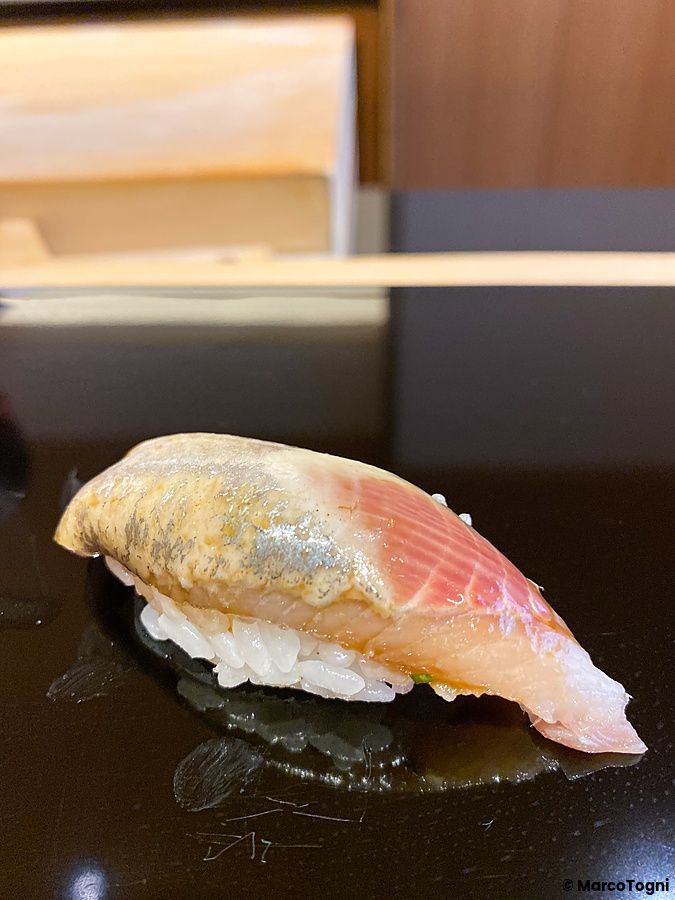
A shima aji nigiri sitting on a glossy black tray inside Sushi Masashi in Tokyo.
The shima aji shows bold pink and silver streaks. At restaurants of this caliber, controlled aging is key to making the cut tender.

Getting There

From Gaienmae Station on the Ginza Line, take the exit toward Aoyama-itchome, and after a three-minute walk you're in front of the building. The restaurant is on the seventh floor.
If you're coming from Omotesando or are already walking around Aoyama, it's about ten minutes along Aoyama-dori.
From Aoyama-itchome, handy if you're on the Hanzomon or Oedo line, it takes five or six minutes.

Useful Info

Name: Sushi Masashi
Hours: Monday–Tuesday: 12:00–14:00, 17:30–22:30; Wednesday: closed; Thursday–Saturday: 12:00–14:00, 17:30–22:30; Sunday: closed
Time needed: About 2.5 hours for the full omakase
Closed: Also closed on Japanese public holidays
Booking: Required: you book online and pay for the menu in advance, so don't just show up hoping a seat is free.
There are very few seats and the seatings are fixed, so book early, and when you reserve, ask for the counter rather than the private room.
Tips: Eat each nigiri as soon as it's handed to you, in a single bite and without dipping it in soy sauce: the shari is already balanced for the fish. And skip the strong perfume, which covers up the delicate aromas at the counter.
Getting there:
  • Gaienmae Station (Ginza Line): the closest, about 3 minutes
  • Aoyama-itchome Station (Ginza, Hanzomon, and Oedo lines)
  • From Omotesando you can get there on foot in about ten minutes
Address: Japan, 〒107-0061 Tokyo, Minato City, Kitaaoyama, 2-chome−9−9 外苑いちょうの杜 7階 7階
Website: Sushi Masashi
Open in Google Maps

Map

MarcoMaps100% free

This place is on MarcoMaps

Sushi Masashi

My map of Japan: over 4,000 places I've tried myself, each with photos, rating, and hours. Filter by category and rating, find veg-friendly spots and places near you with GPS. No sign-up, right from your phone.


  • 4,000+ places
  • Rating, photos, and hours
  • Veg friendly
  • Near me (GPS)
  • Favorites without login
  • Works offline
Open my map!
The MarcoMaps map of Japan with dozens of places markedThe map on a phone: a place's info card with photos, rating, hours and prices