422 m
Hands422 m
A store that sells everything. Great.
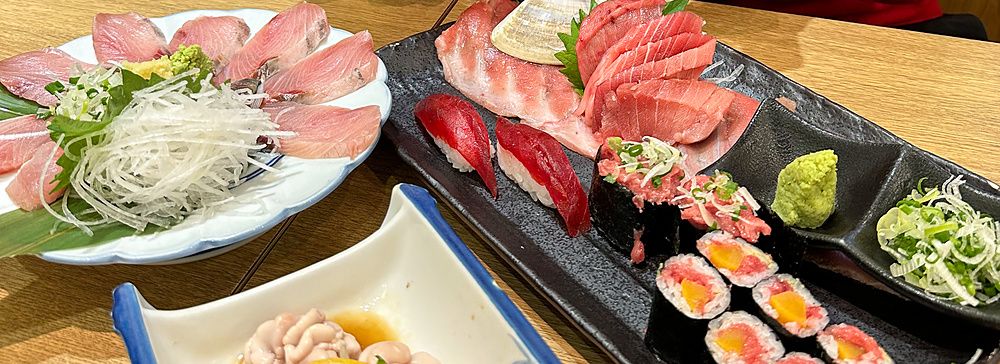
A small sushi restaurant between Shinjuku and Yoyogi that started out as a neighborhood fish shop and still has one foot in the trade. The fish is bought every day, and you can taste it. Sushi no Darihan has two locations, one in Yoyogi and one closer to Shinjuku, and for now most of the people eating there are locals. Better to say it now, before word gets out.
Tuna is the specialty, but they serve a bit of everything at the counter: sashimi, nigiri, grilled dishes, some fried food and plenty of sake. It’s the right place for a low-key dinner, whether you’re eating alone at the counter or sharing an unhurried meal for two.
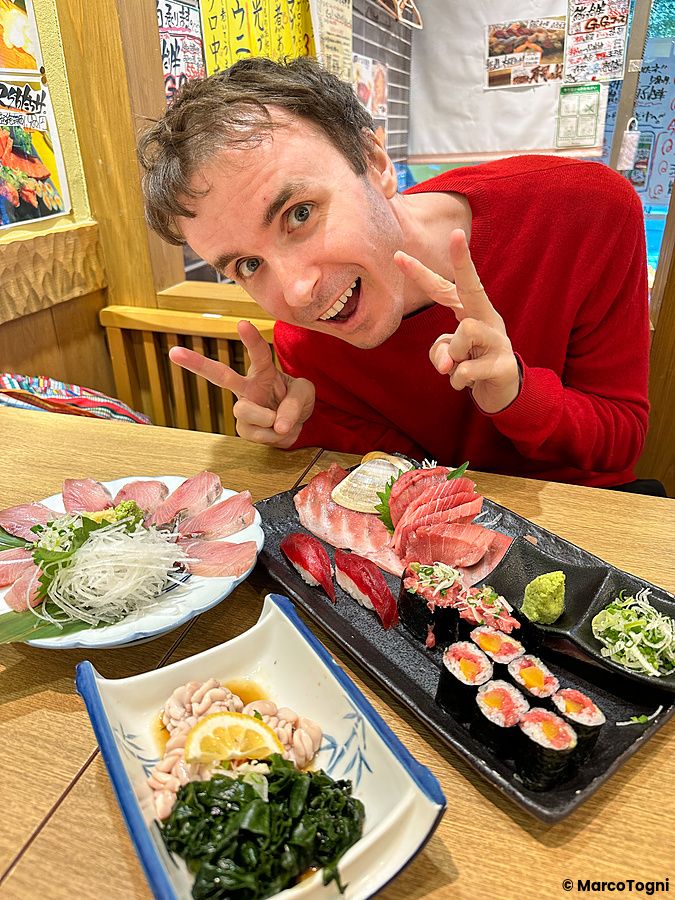
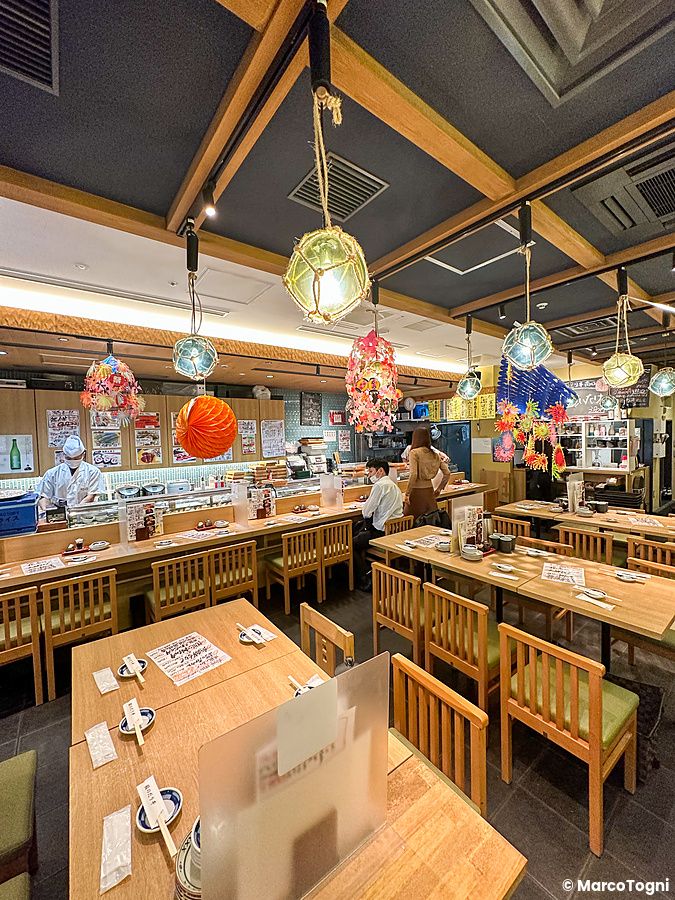
Don’t expect a fixed menu. As soon as you sit down, the staff tell you what’s good that day, and letting them steer you is the way to go. Tuna is the big draw, and alongside the classic cuts there are a few rarer, more prized ones.
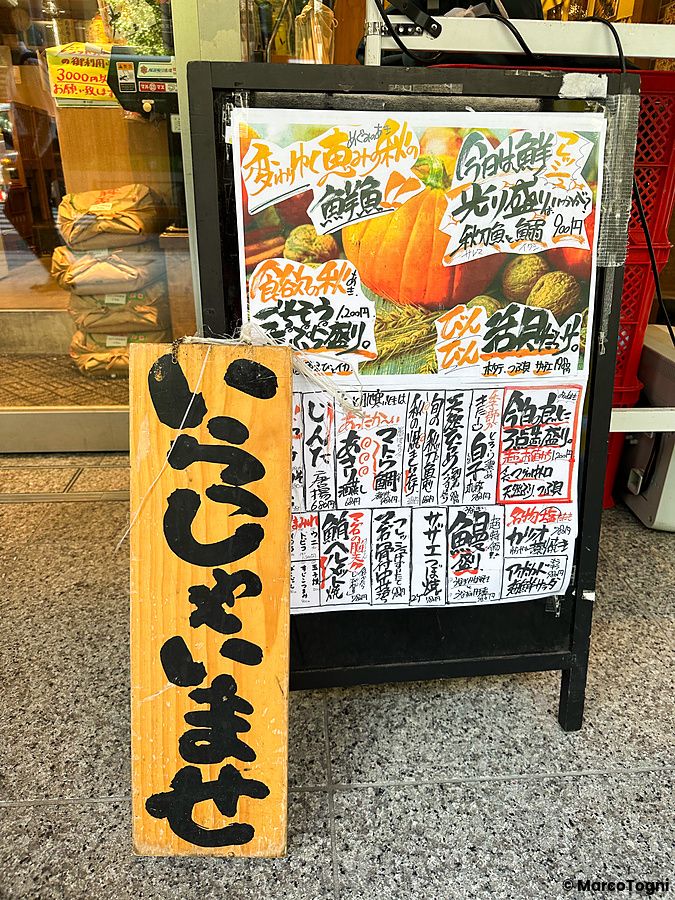
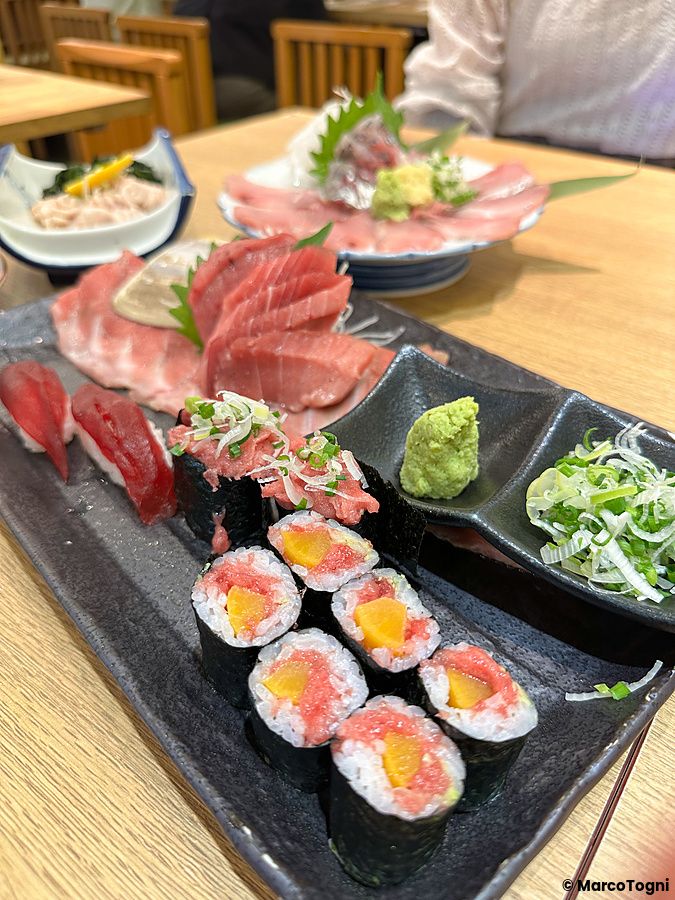
What to order:
The tuna here is bold. The slices are thick and the flavor is rich, so if you’re after a small, delicate bite, you’ll be disappointed. The most popular items go fast, especially certain cuts and certain bottles of sake, so if something catches your eye, order it at the start rather than halfway through dinner.
The day’s white fish, like kinmedai, tastes so fresh you notice it from the first bite, and that’s when you understand where the fish-shop reputation comes from.
The katsuo is seared over burning straw, which leaves the center raw and gives the fish a smoky aroma. The slices are thick and the flavor is rich, so eat it as soon as it arrives, while it’s still warm.
You’ll spend less than you’d expect: around 3,000–4,500 yen per person with a drink, which is low for fish this good in Shinjuku. It’s genuinely cheap, not cheap in name only.
That’s why I keep going back. When I’m craving tuna done right without paying high-end sushi prices, it’s one of the first places that come to mind, because for that money I get fish that costs twice as much elsewhere.
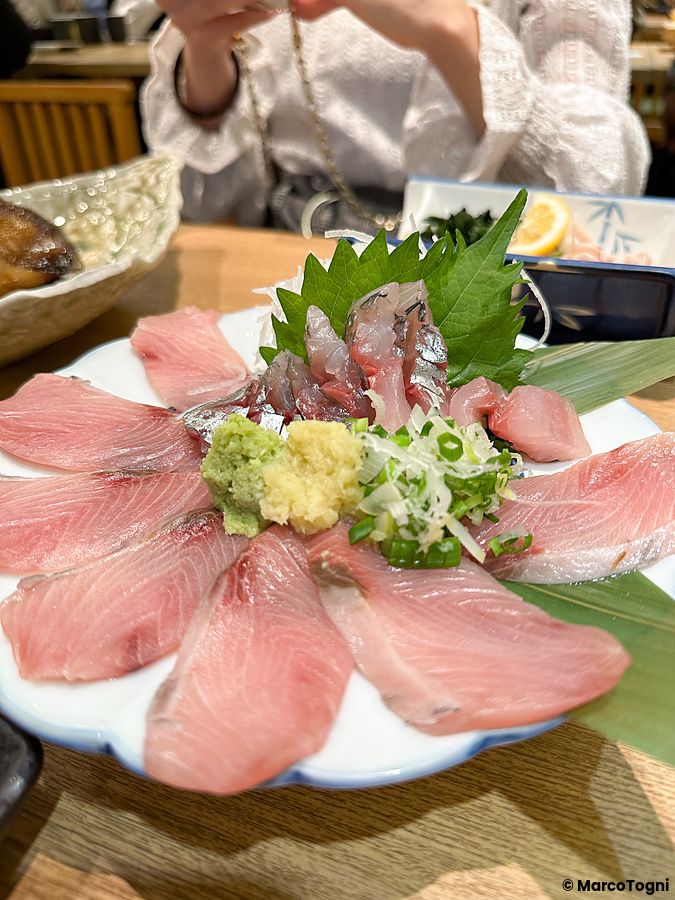
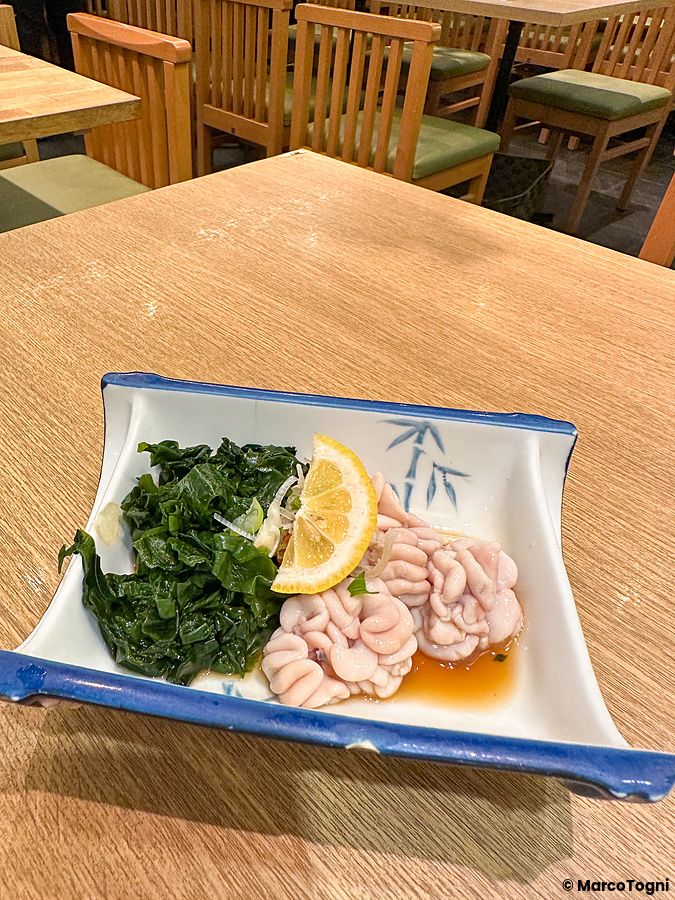
The food here is this good because of how they buy the fish, more than how they cook it. The place started as a neighborhood fish shop, and the work still starts there: the fish is bought every morning, a little at a time, depending on what’s good that day rather than on a list drawn up in advance.
Dozens of dishes change every day. Each morning the team decides what to do with what came in, and the same fish might end up as sashimi, on rice or on the grill.
For diners, that means you order based on what they tell you on the spot, not on what’s on the menu. Come back a second time and you probably won’t eat the same things.
There’s a counter facing the cooks and a few izakaya-style tables, and the mood is loud and lively, more casual seafood joint than hushed, formal sushi bar. At the counter you sit right in front of the knives and watch the fish being cut on the spot. If you’re eating alone, this is the place: you can chat with the staff and let them recommend things.
The crowd is mostly locals: lots of solo diners, couples, families and people just off work who stop for a drink and a few bites of fish. It isn’t a temple of sushi. It’s a place where you can relax, and to me that’s its real strength.
Besides the counter there are tables, and a group of four or five fits in fine. For groups there are also multi-course set menus with drinks included, which are handy if you don’t feel like ordering round after round. The trade-off is that you miss the best part, which is letting the staff steer you through the day’s catch.
Pros:
Cons:
Best for: high-quality fish on a modest budget, a solo dinner at the counter, or a relaxed night for two before the place gets trendy.
Atmosphere: lively and casual, with izakaya tables, a counter, a local crowd and not much of a tourist feel.
What sticks with me when I leave is the noise: the chatter from the tables, the cooks calling out orders, the knives on the counter. It feels less like a sushi restaurant than a fish shop that started pouring drinks, and that’s just fine by me.
If you’re only going once, don’t make it all tuna. Get a bit of everything, like the day’s sashimi, a couple of nigiri and the smoked katsuo, and let them talk you into whatever they suggest.
And since there are two locations, if one is full you can head to the other without missing out. Go now, before everyone starts talking about it.
This place is on MarcoMaps
Sushi-no-darihan
My map of Japan: over 4,000 places I've tried myself, each with photos, rating, and hours. Filter by category and rating, find veg-friendly spots and places near you with GPS. No sign-up, right from your phone.


Sushi no Darihan minamiguti - nearby you will find: