 308 m
Coconut Glen's308 m
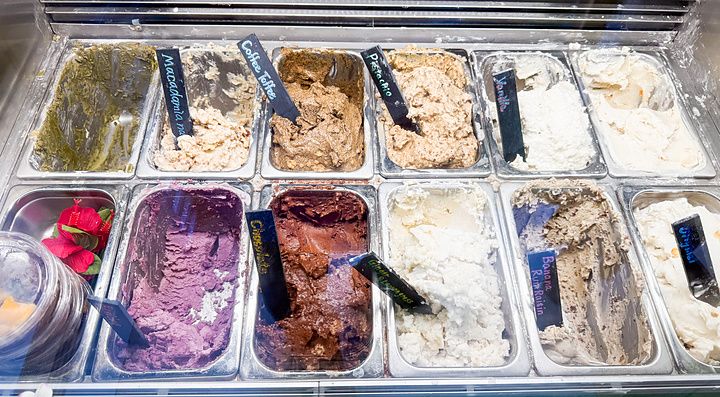
Organic coconut vegan gelato.
A small omakase sushi counter in Azabujuban, where the fish arrives every morning from Toyosu Market and the tuna is from one of Tokyo’s most highly regarded wholesalers.
Sasaki runs the counter, cutting and serving right in front of you. He has no trouble speaking English, so you’ll feel at ease even if you don’t speak Japanese.
Sushi Punch is on the seventh floor of a building, and people come here for a serious omakase at a lower price than most places in the area. It works for a shorter lunch or a long dinner if you want a proper sushi counter without paying fine-dining prices.
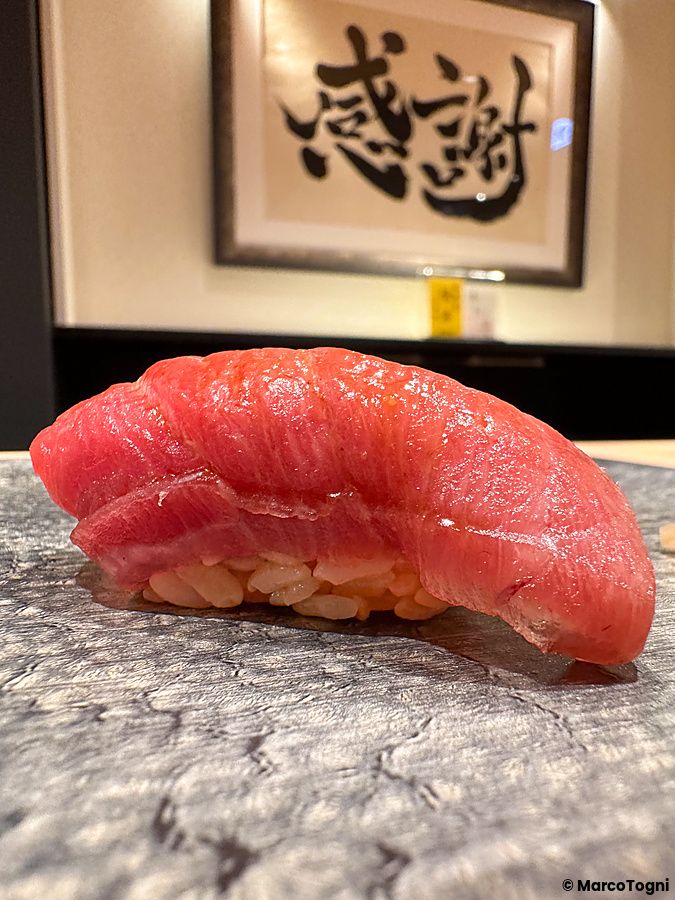
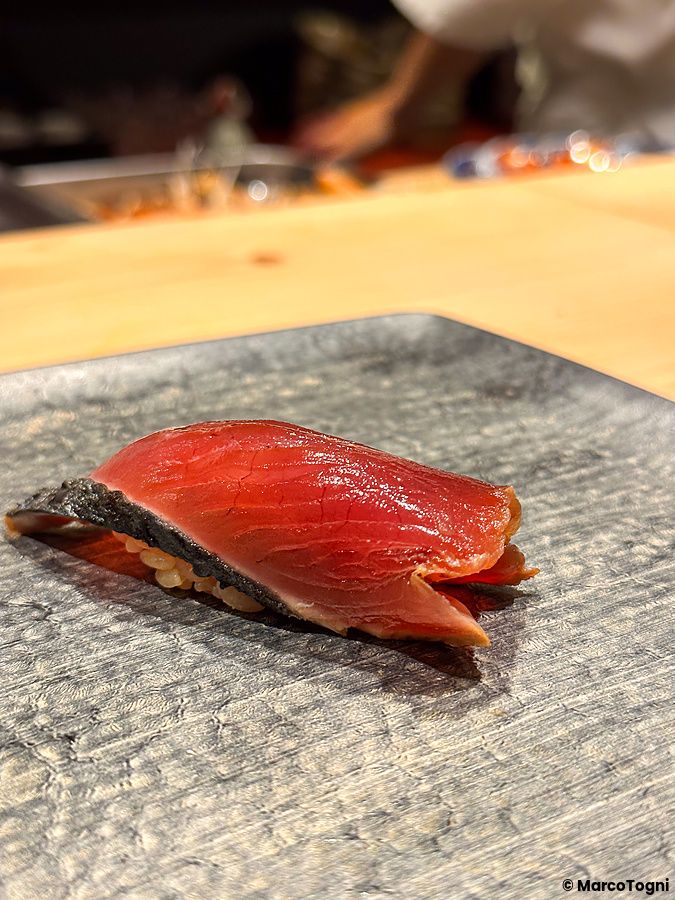
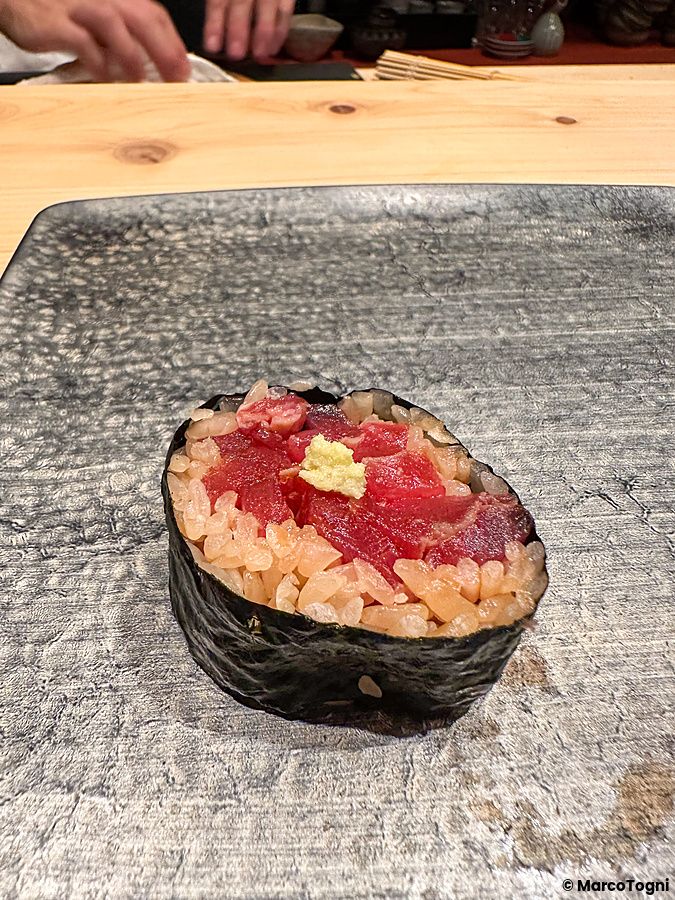
The omakase changes with whatever Sasaki finds at the market that morning, but tuna is the backbone of the meal. You taste it most in the fatty cut, the toro, which melts without ever getting cloying.
The rice is cooked on the firm side and has real bite, so if you’re expecting soft, sticky rice, this is a different school of sushi. It’s Nanatsuboshi from Hokkaido, seasoned with a red vinegar that goes for tartness over sweetness.
The result is rice that stands up to the fatty pieces and doesn’t fall apart under the toro.
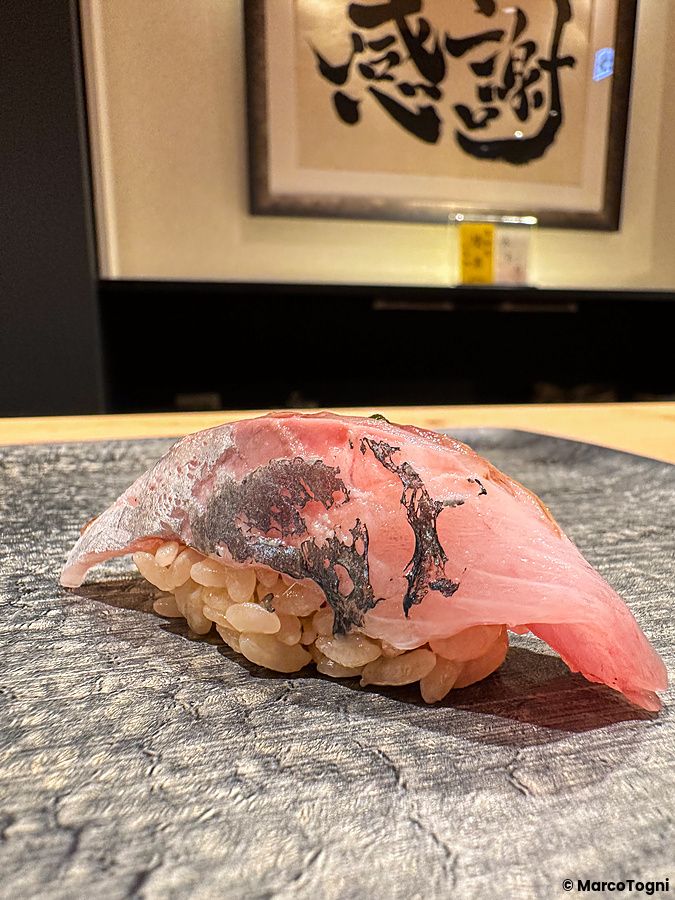
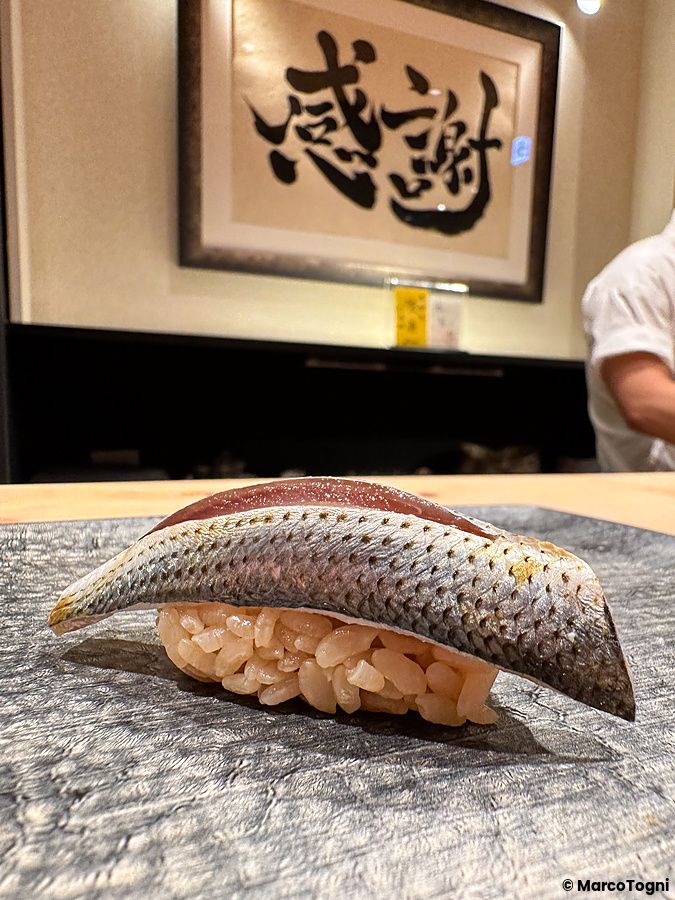
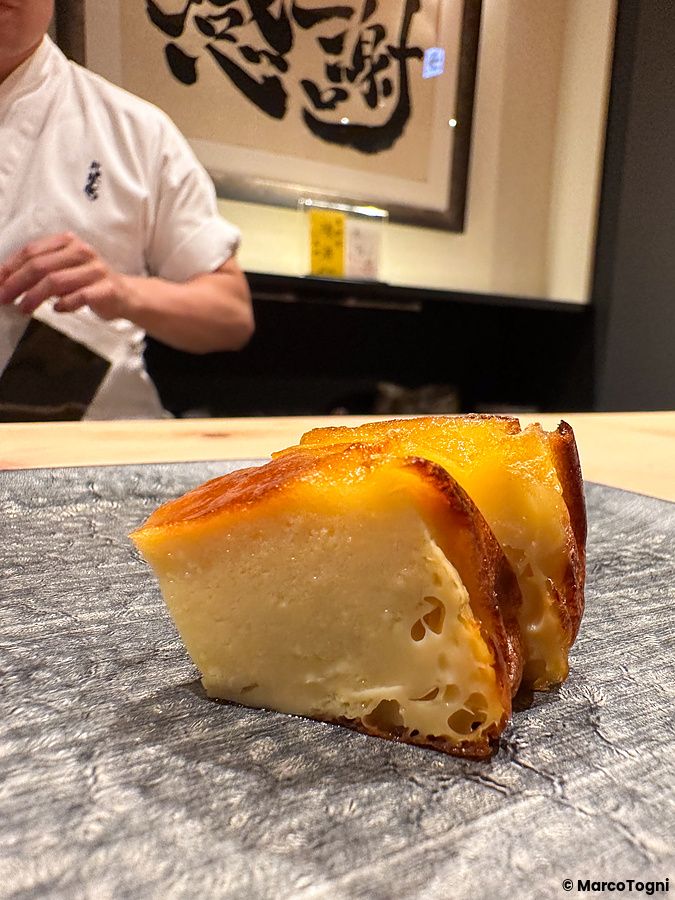
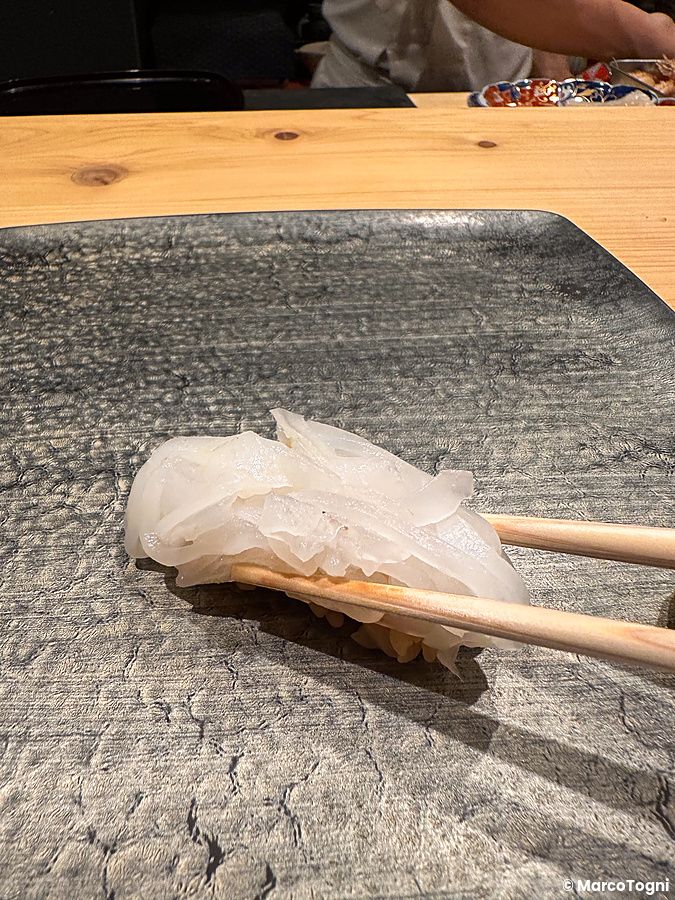
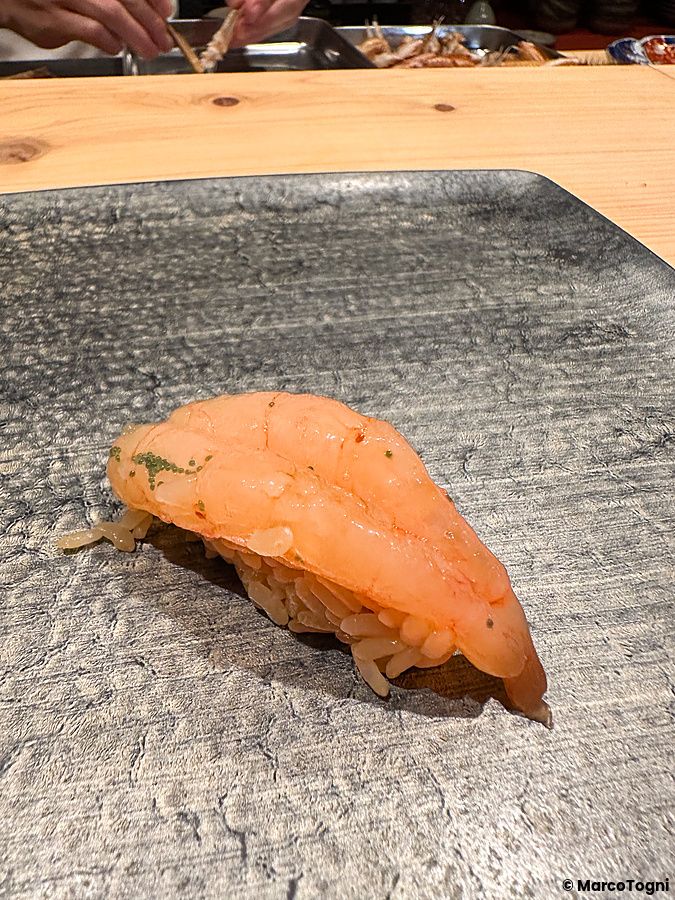
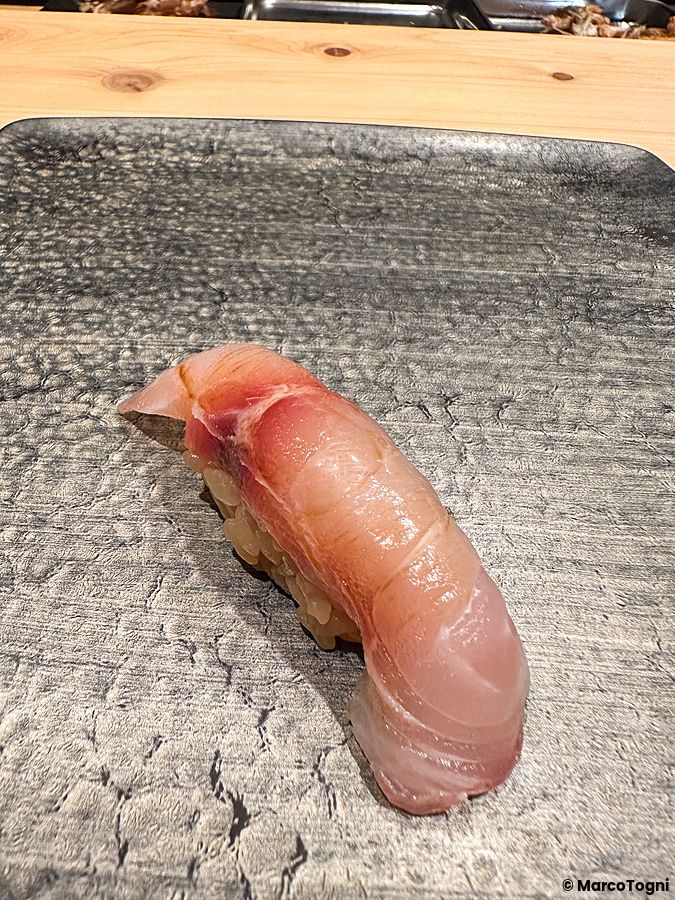
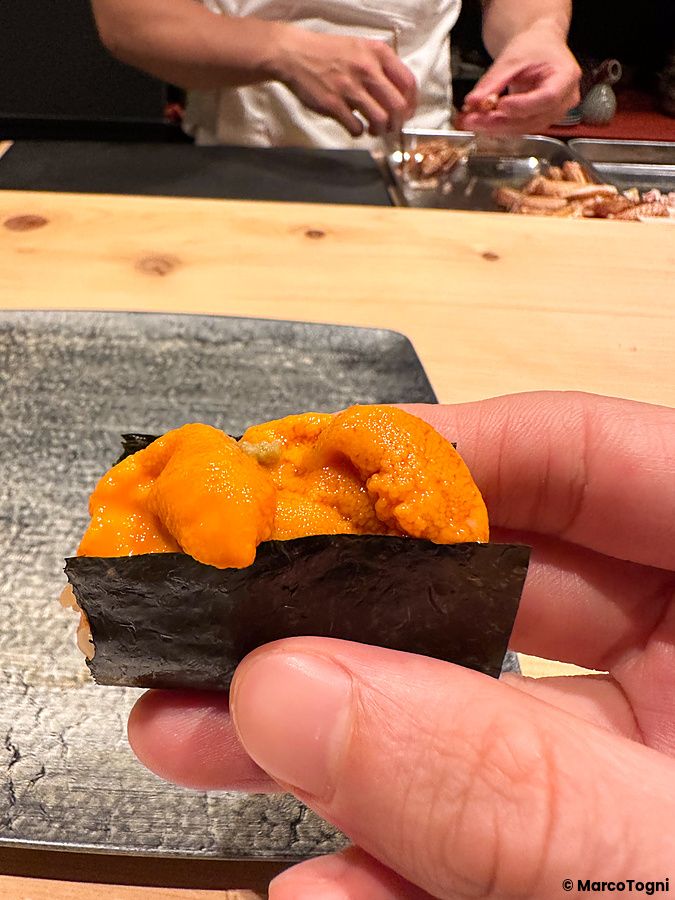
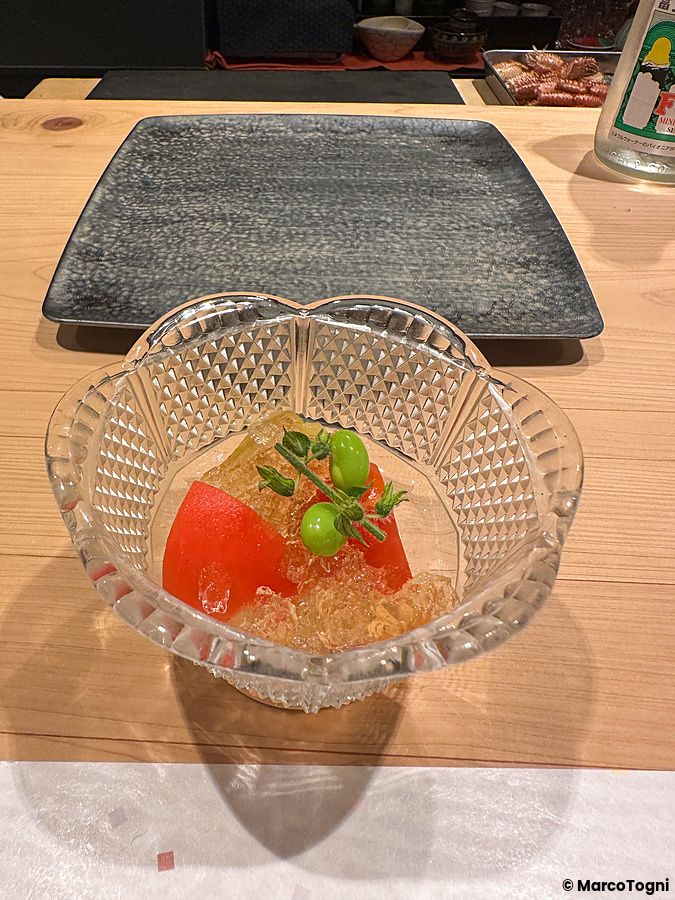
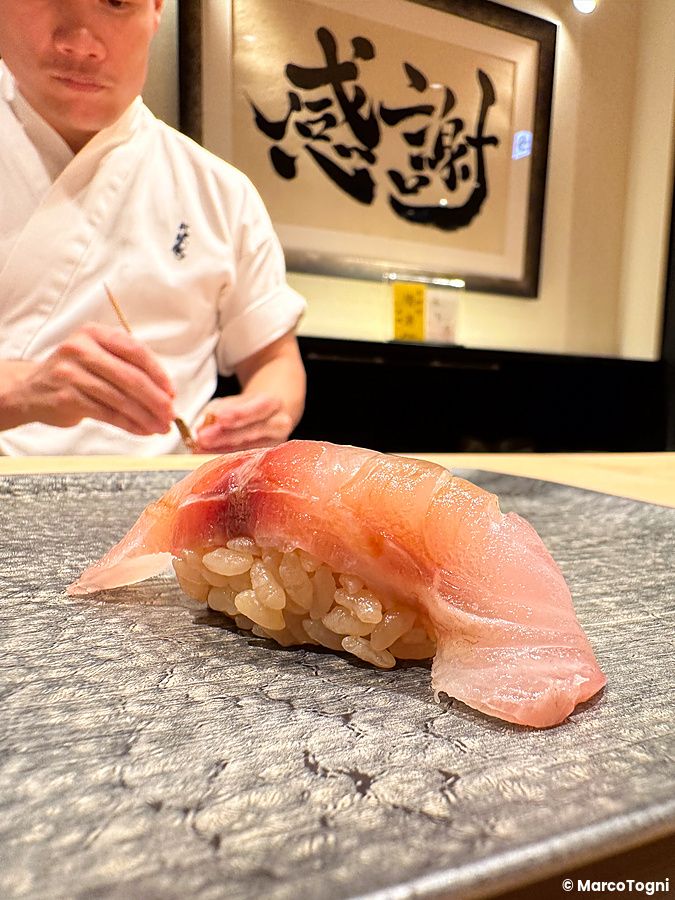
Some of the pieces in the lineup:
There’s a bit of showmanship too, since Sasaki likes to joke around with his customers now and then. Some people enjoy it, while others find it a bit much.
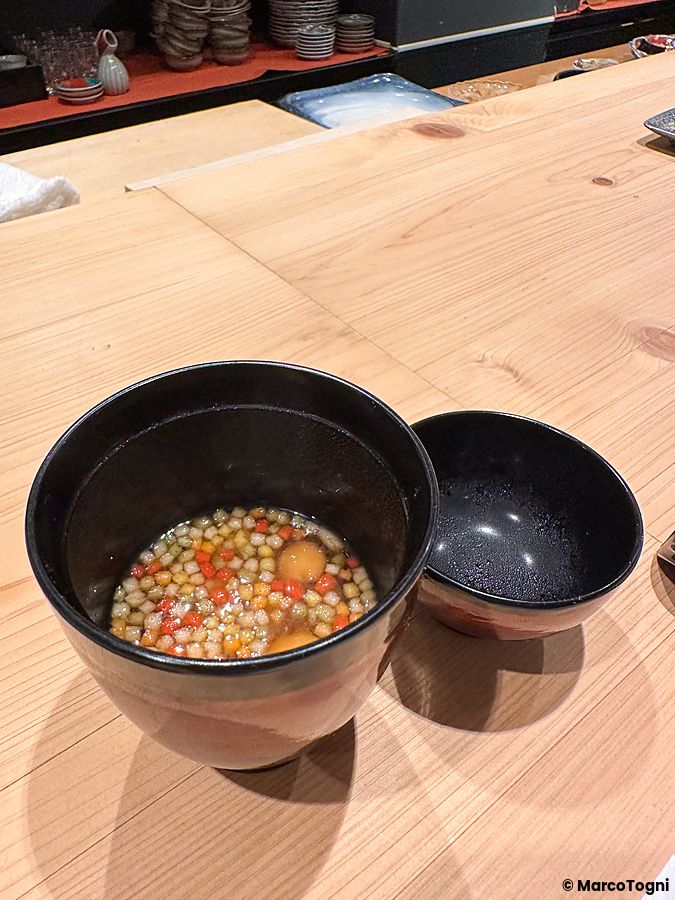
A couple of bites are strongly flavored, like the fish liver or the cod milt in the chawanmushi. Fans of those flavors look forward to them, but if intense flavors aren’t your thing, say so up front.
Lunch is shorter and runs about 13,000–14,000 yen per person, while dinner is around 18,000–20,000 yen. It’s not an everyday meal, but given the quality of the fish and the number of pieces, the price is fair.
When I’m in the mood for a serious omakase without paying what the big-name counters charge, this is one of the first places I think of. For what I pay for dinner here, plenty of other counters in the area would give me half as many pieces.
It’s small inside: a light wood counter, the customers seated in a row facing the chef, and not much else. You eat while watching Sasaki’s hands work the fish, and unlike plenty of stiff, formal counters, people talk here.
The staff speak English too, so you can ask what each piece is, get a sake recommendation or just chat a bit.
Most of the customers are foreigners and the place is well known on social media, so it has more of an international feel than an old-school neighborhood counter would. There are eight seats at the counter, plus a small, secluded table for four if you’re in a group.
With only a handful of people at the counter, the evening becomes something you all share, and Sasaki sets the pace. If you’re looking for a quiet corner where you can keep to yourself, this isn’t the place.
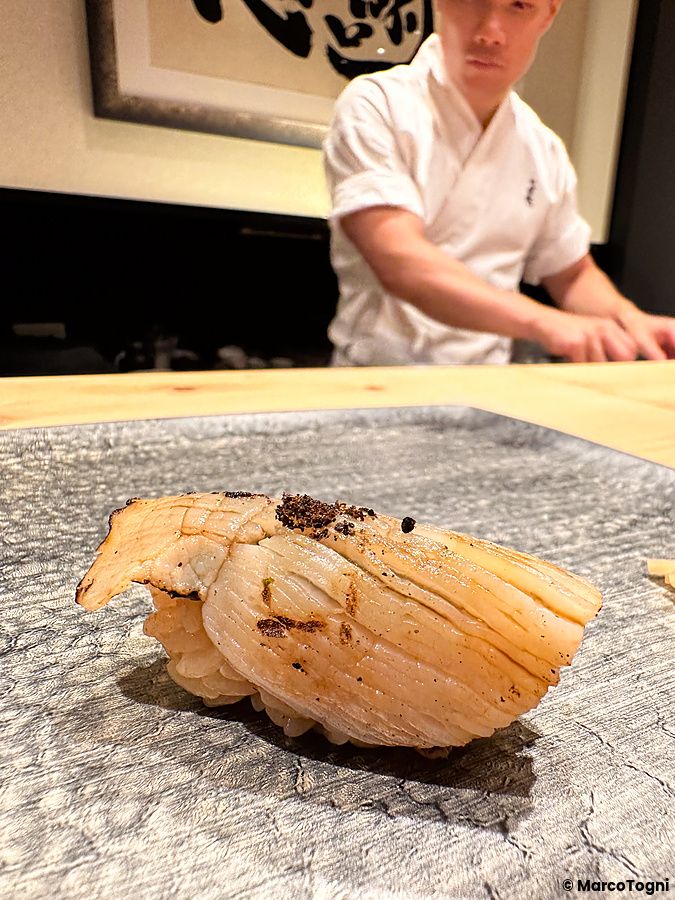
Sasaki doesn’t come from a sushi family. He used to be an office worker at a construction-related company, then switched careers and ended up cutting fish as far away as Mongolia before opening his own place in Tokyo.
He’s from Tomakomai, in Hokkaido, and his ties to the north show in quite a few of the ingredients, which he sources through his contacts on the island.
The other thing that sets him apart is his gym habit. His stated goal is to become the most muscular chef in Japan, and behind the counter his size is hard to miss.
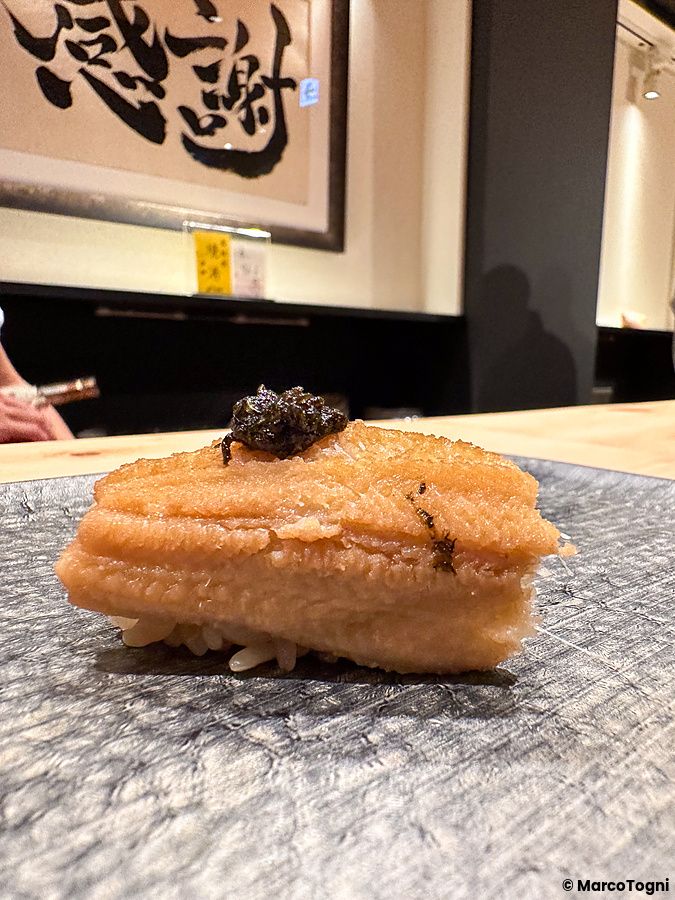
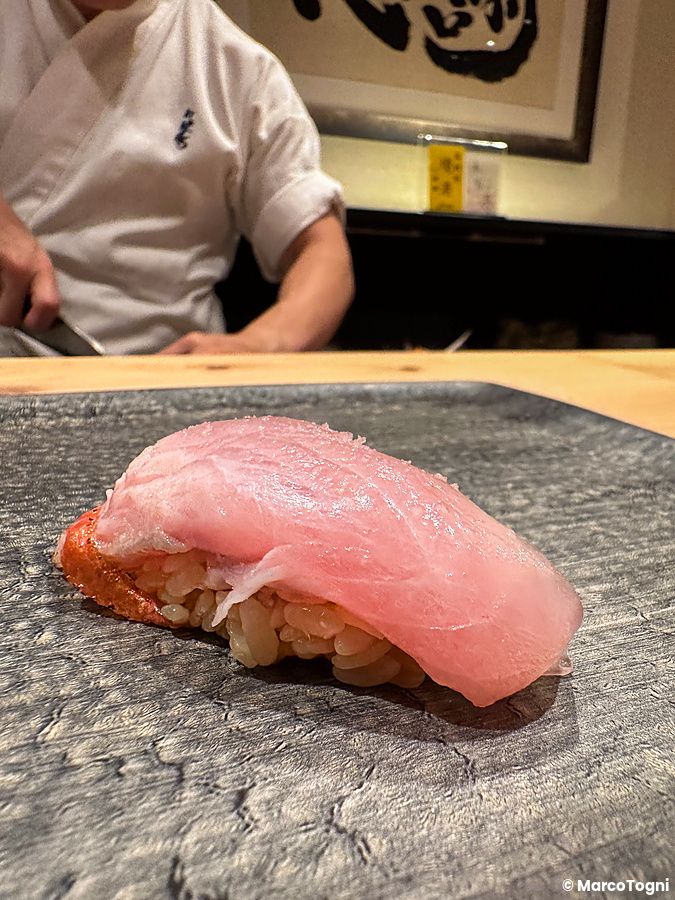
If you can, go for dinner instead of lunch. It costs more, but you get a lot more pieces and the meal has far more range.
Pros:
Cons:
Best for: anyone who wants a high-quality omakase in Tokyo without paying what the most famous counters charge, solo diners included.
Atmosphere: light wood on the seventh floor, only a few seats, and a chef who chats while he cuts.
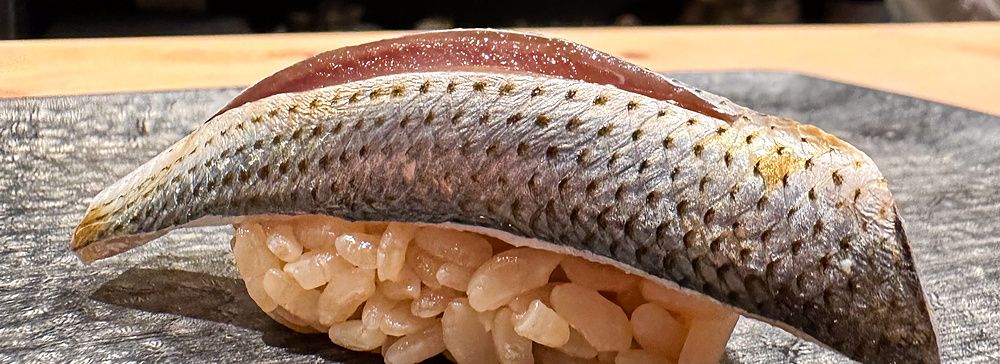
What sticks with you when you leave isn’t any one piece. It’s Sasaki watching you as he sets the nigiri down on the counter, waiting to see your reaction. The toro and the kohada are the two bites that tell you everything: one is fatty and soft, the other marinated and sharp, and between them you can see the skill of the man cutting the fish.
If you only go once, ask him what he liked at the market that morning and ask for that, because that’s where he has the most fun. Between the sushi and the jokes, two hours at the counter go by before you know it.
Take one of the middle seats at the counter, where you can watch his hands up close. It’s one of the sushi places in Tokyo I recommend most highly.
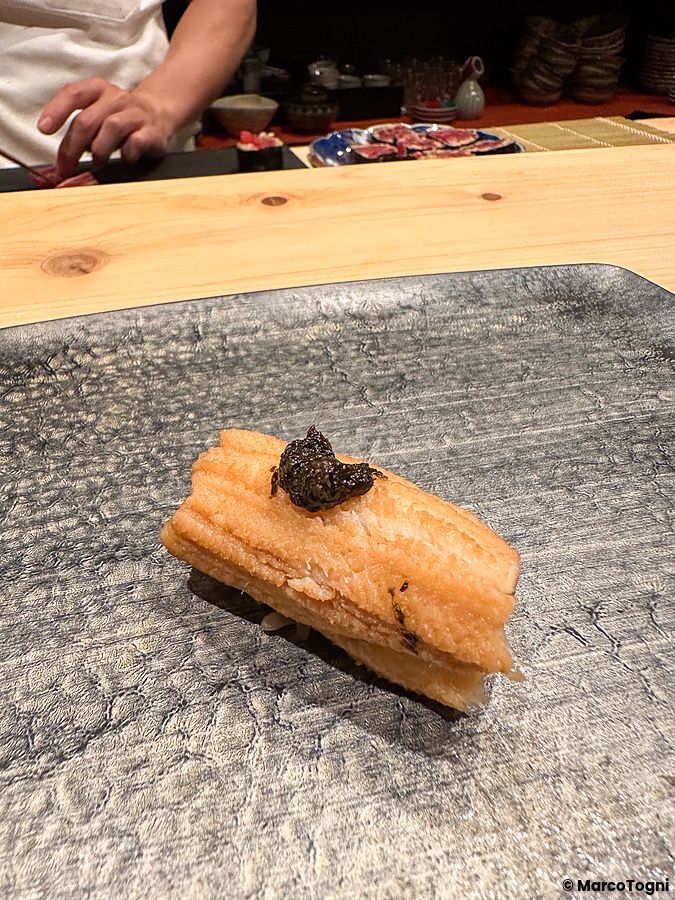
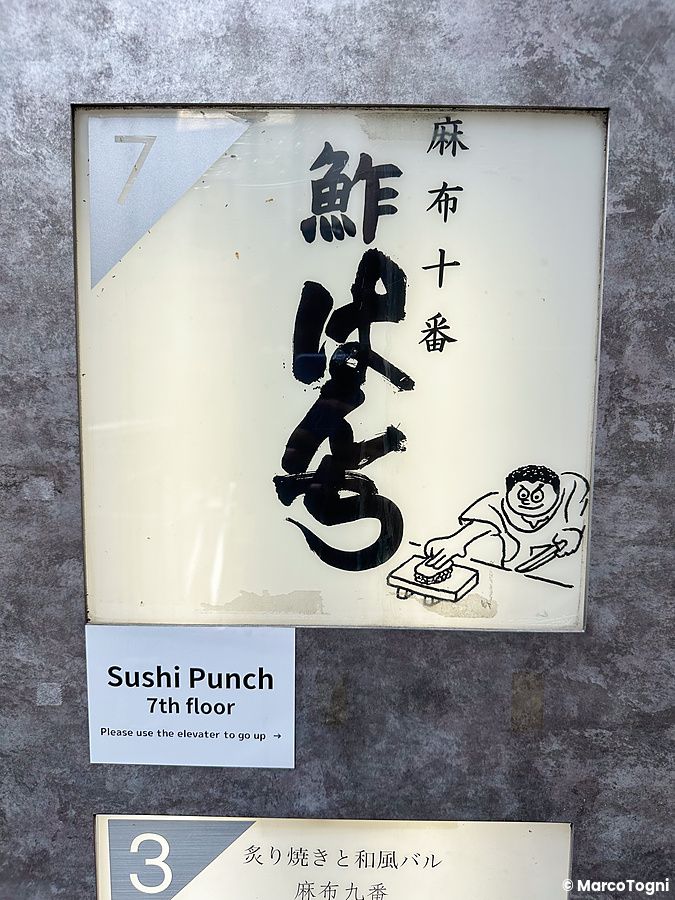
From Azabujuban Station it's a two-minute walk if you come on the Namboku Line and just under five from the Oedo Line. The counter is on the seventh floor of the VORT Azabujuban II building.
There's no storefront on the street, and on maps it's listed as Sushi Panchi, so search for that name, go into the building and take the elevator up.
If you're around Roppongi, it's also an easy walk: about fifteen minutes heading south.
This place is on MarcoMaps
Sushi Punch
My map of Japan: over 4,000 places I've tried myself, each with photos, rating, and hours. Filter by category and rating, find veg-friendly spots and places near you with GPS. No sign-up, right from your phone.


Sushi Punch - nearby you will find: