Swastika in Japan
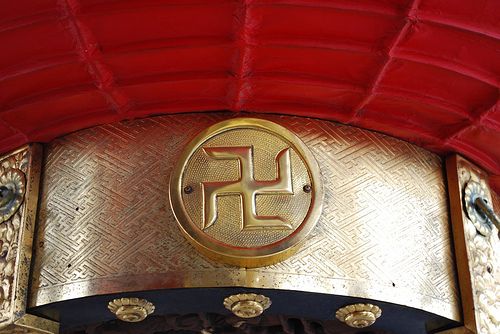
A proposal to replace the swastika used to mark temples on tourist maps with a pagoda symbol caused quite a stir in Japan. Here the swastika, called manji, is a religious symbol that has been used in Buddhism and Japanese art for many centuries. Many foreigners, though, wrongly associate it with Nazism and nothing else, and that’s what led to the idea of removing it from tourist maps. In the end the proposal didn’t go through. Japan’s national mapping agency decided to keep the manji as the symbol for temples and, if anything, add the word “Temple” next to it on foreign-language maps.
What the swastika means across cultures
The word swastika comes from Sanskrit and broadly means “good fortune” or “auspicious,” so it has a positive meaning and conveys a wish for happiness and well-being.
Most people know the swastika because of the rise of Nazism, but the symbol has actually been used by many different peoples in different forms, including Native Americans and the Chinese, who associate it with the sun.
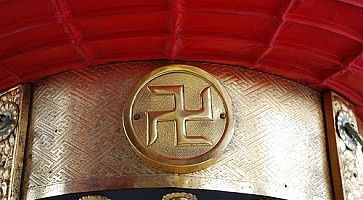
It’s a sacred symbol in several religions that originated in India, such as Hinduism, Buddhism and Jainism. In Buddhism the arms of the cross usually bend to the left, not to the right like the Nazi swastika, but it’s not unusual to see the right-facing version too, which is considered the mirror image of the manji.
The Japanese name manji comes from Chinese. Man means “10,000,” a number so large it stands for infinity, while ji just means “character.” In Buddhism, then, the swastika is a symbol of eternity.
Because the sign matters so much, it often appears at the beginning and end of Buddhist scriptures, on statues of the Buddha, usually on the chest, and in temples.
Where you’ll see the manji in Japan
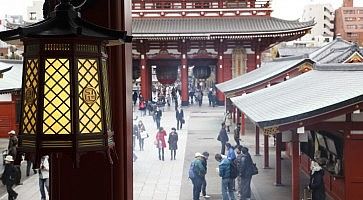
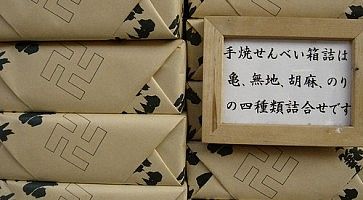
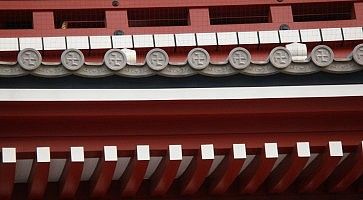
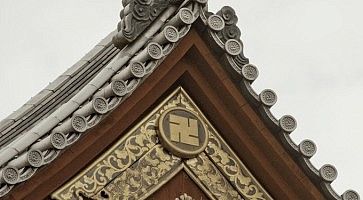
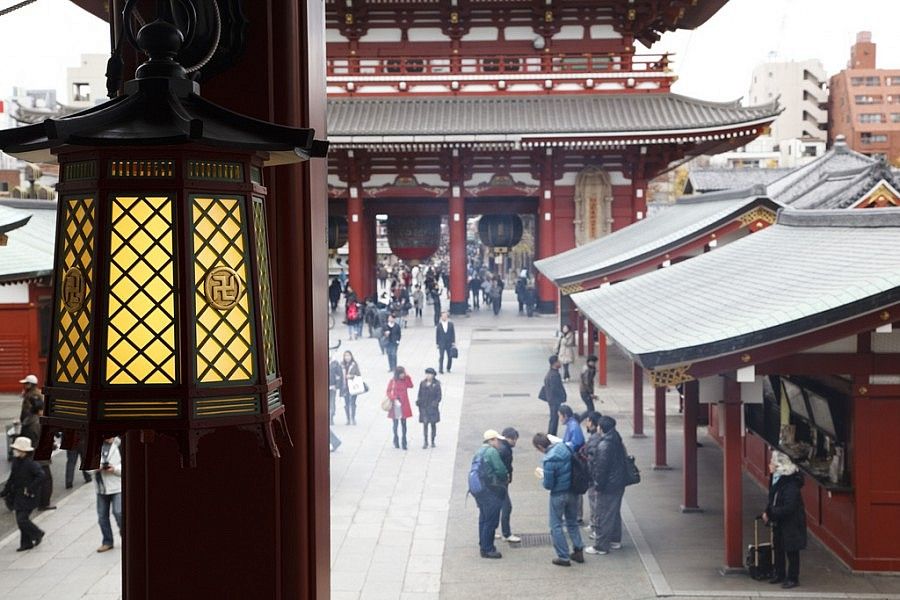
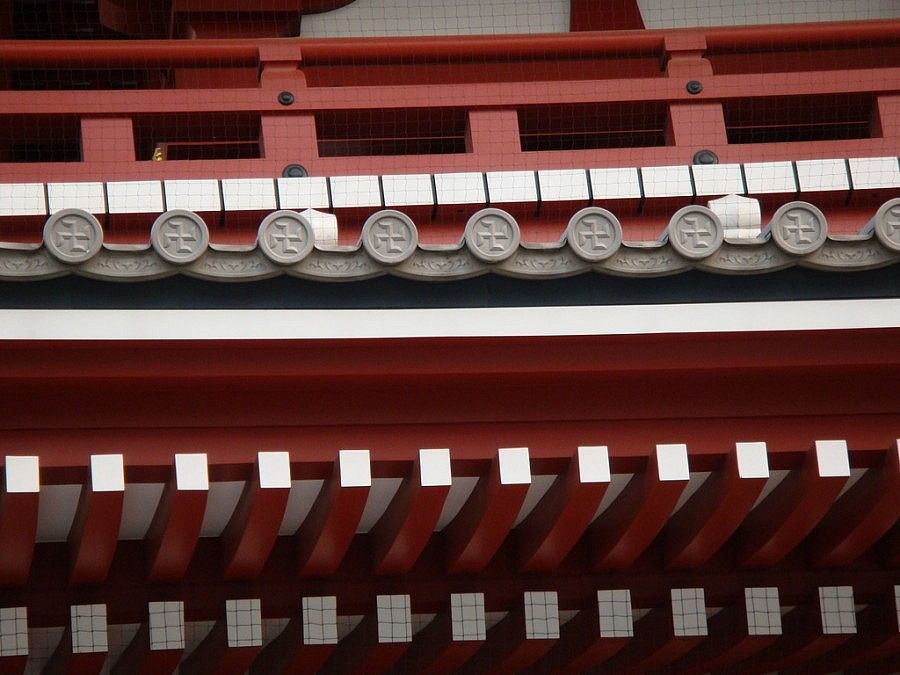
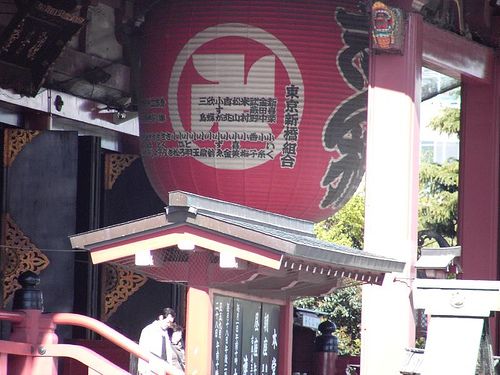
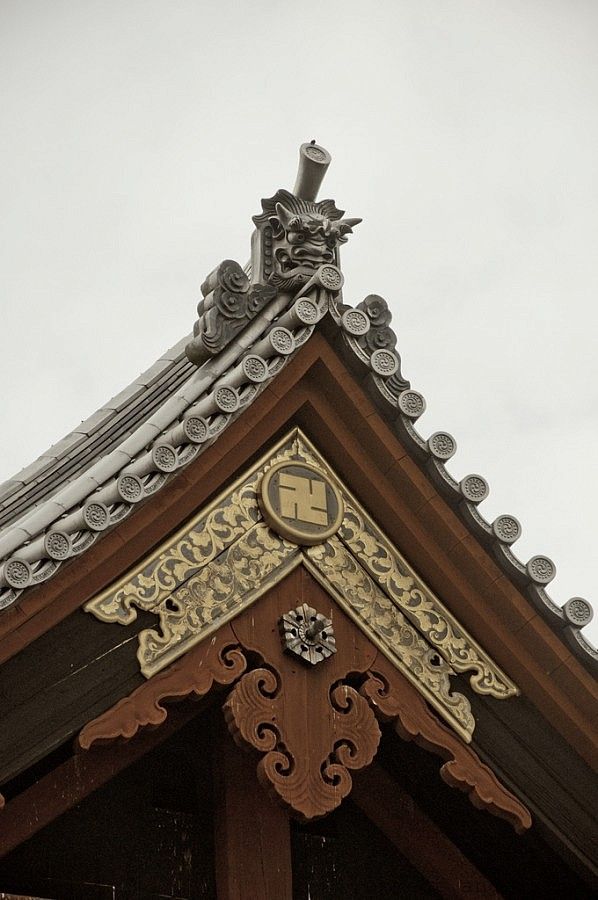
When you travel around Japan you’ll come across the manji all the time, often without noticing. You’ll find it on paper maps and on signs pointing to temples, stamped on roof tiles, and on the lanterns and curtains that hang at the entrance to main halls.
It also shows up on omamori, the good-luck charms sold at temples, and on banners and all kinds of ritual objects.
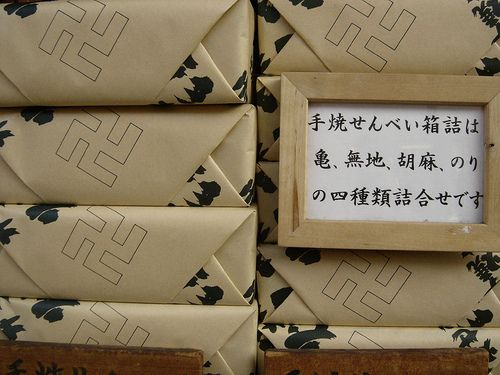
Where it stands out most, though, is Hirosaki, in Tohoku. The manji was the crest of the Tsugaru clan, the lords of the local castle, and it became the symbol of the city. You’ll see it pretty much everywhere, from signs to souvenirs, and for once it has nothing to do with a temple.