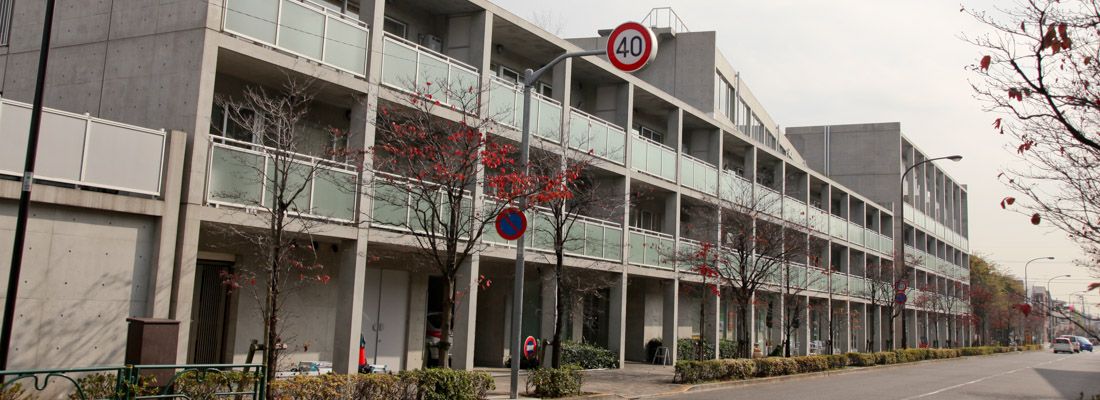
Tadao Ando Street
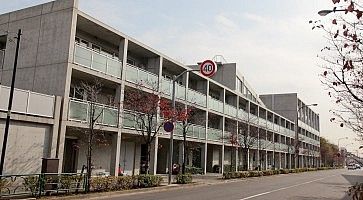
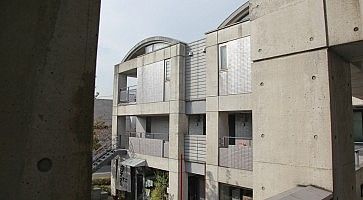
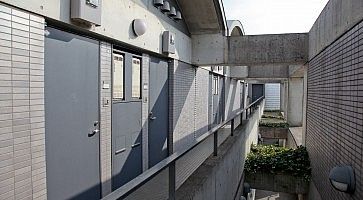
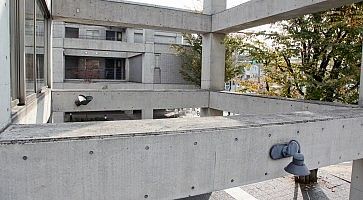
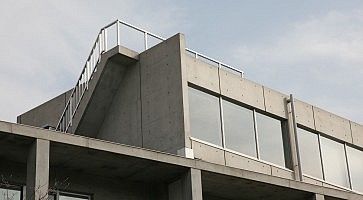
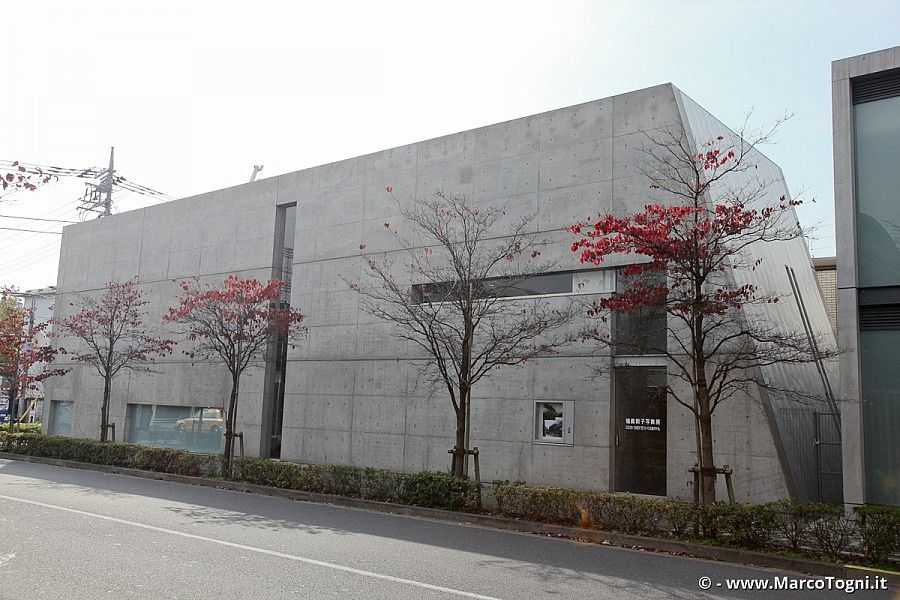
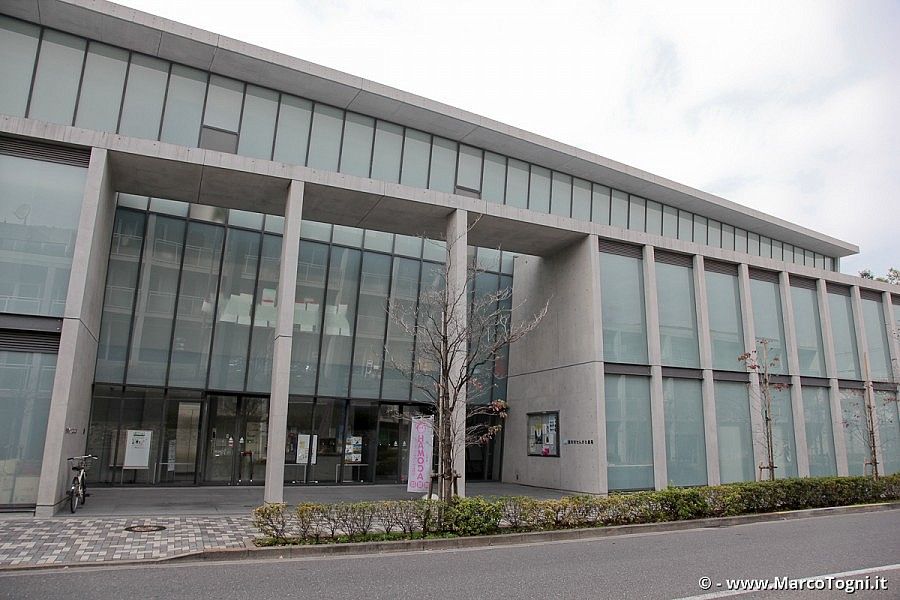
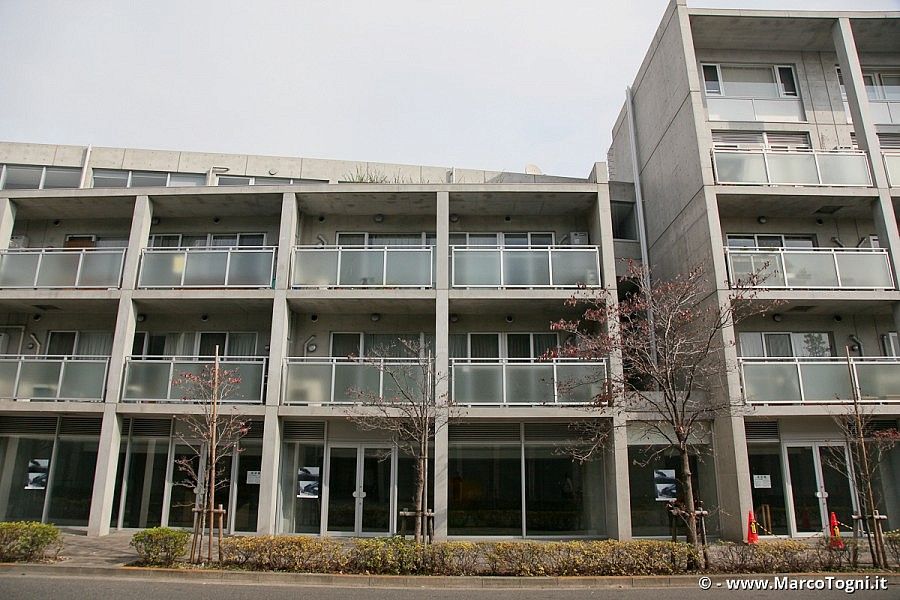
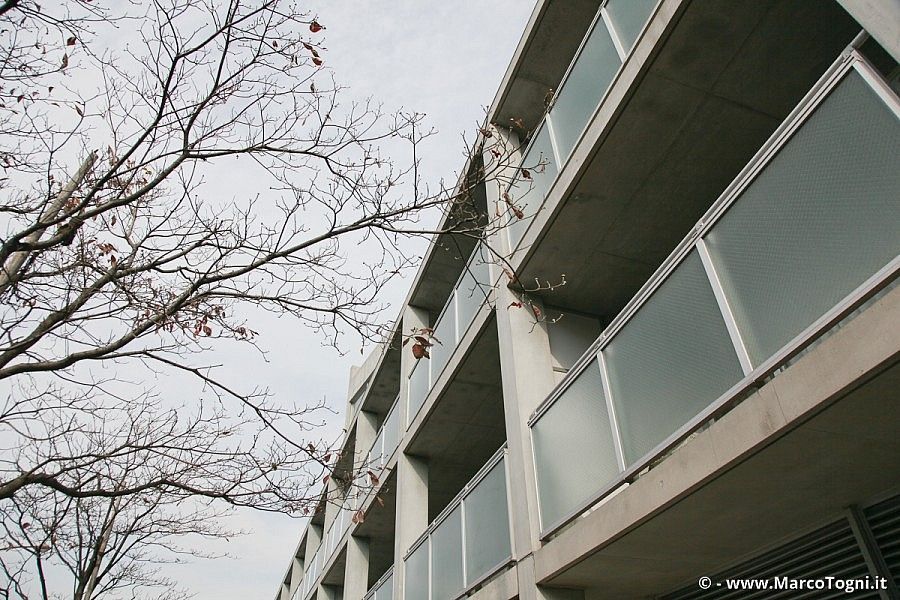
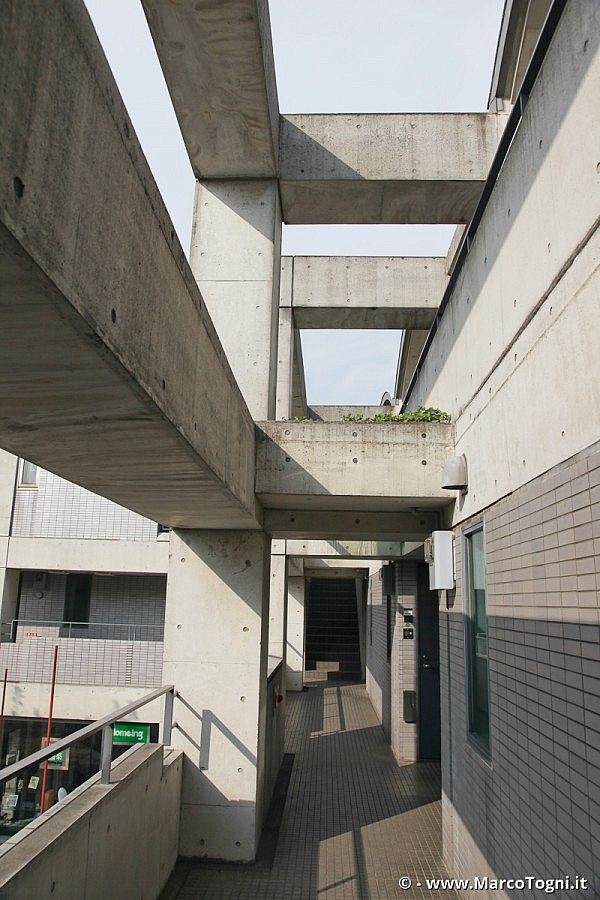
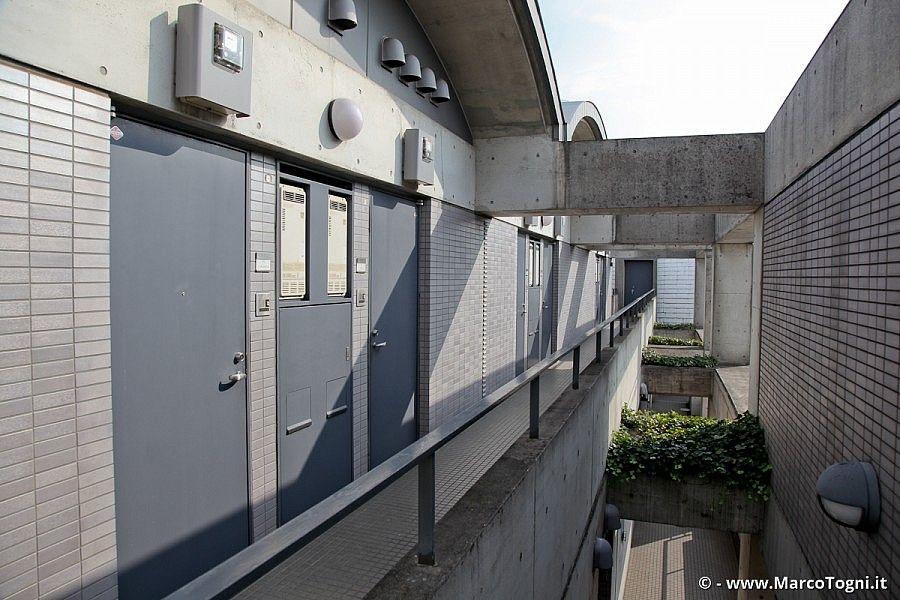
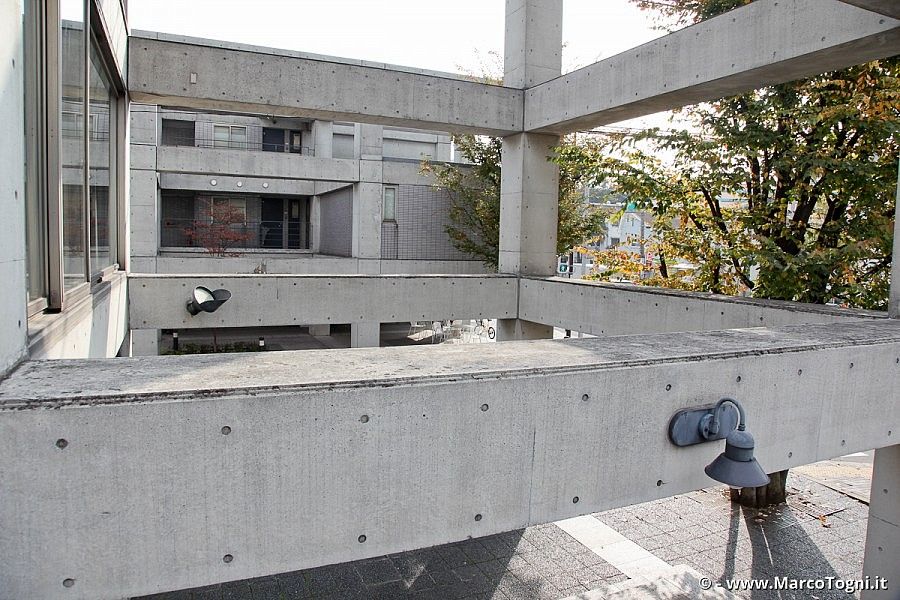
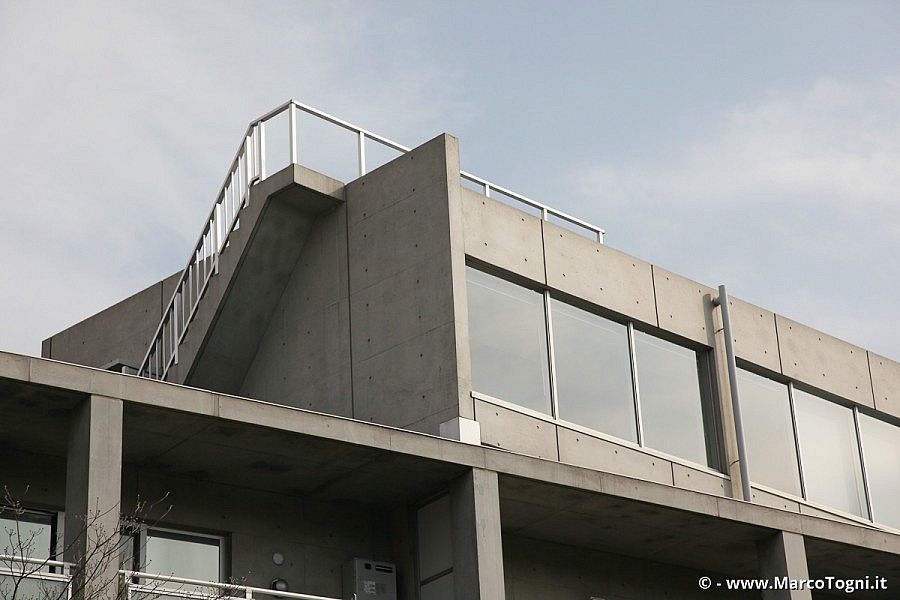
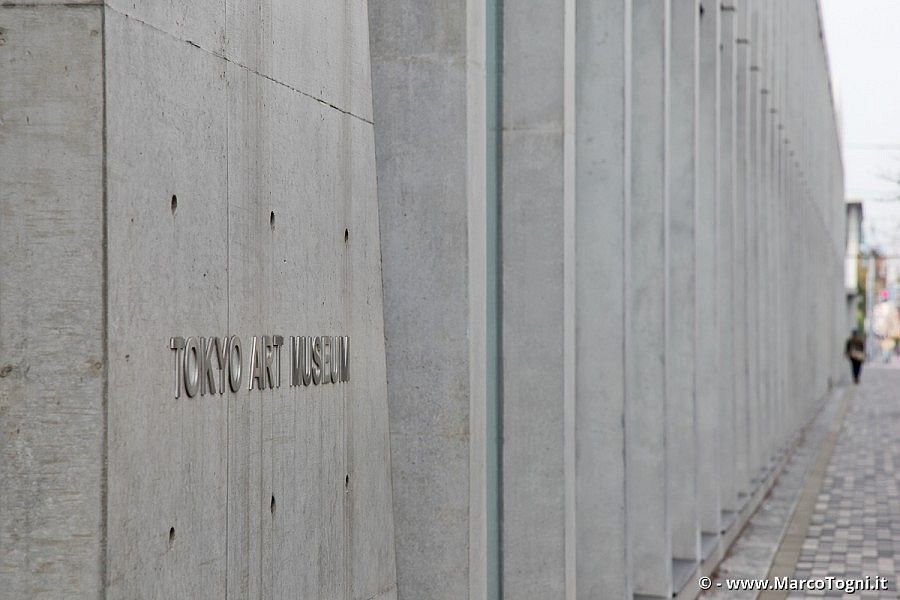
A street in Sengawa designed by Tadao Ando. It’s in a part of Tokyo that’s almost unknown to visitors, in the city of Chofu, and the famous architect designed six buildings along this one stretch: homes and shops, a municipal theater, a preschool and a small art museum, all in the exposed concrete that made Ando’s work recognizable around the world.
The walk only takes a few minutes, but there’s architecture everywhere you look and no crowds. You’re far from the tourist trail, surrounded by the everyday life of an ordinary residential neighborhood.
Photo Gallery

Contents
Getting There
From Shinjuku it takes under twenty minutes on the Keio Line to reach Sengawa, which is in the city of Chofu on the western outskirts of Tokyo.
Outside the station, head onto Matsubara-dori and Ando's first buildings start almost right away. At a slow pace you can walk the whole row in about ten minutes, and the Tokyo Art Museum, the last one in the series, is less than 5 minutes from the tracks.
Useful Info
- Sengawa Station (Keio Line): the only useful stop, and the street starts right outside
- Trains that stop: local, rapid and semi-express; express trains pass through without stopping
Map
This place is on MarcoMaps
Tadao Ando Street
My map of Japan: over 4,000 places I've tried myself, each with photos, rating, and hours. Filter by category and rating, find veg-friendly spots and places near you with GPS. No sign-up, right from your phone.
- 4,000+ places
- Rating, photos, and hours
- Veg friendly
- Near me (GPS)
- Favorites without login
- Works offline


How the street came to be
It all started with a planning problem. A new road cut through land belonging to a single owner and left narrow, oddly shaped lots on either side, triangles and trapezoids nobody would have wanted to build on. Instead of selling them off piece by piece, the owner brought in Tadao Ando and had him design the entire street frontage.
The buildings went up one at a time between 2004 and 2012, all in exposed concrete and each designed to respond to the one across the street. So today a stretch of street more than 400 meters long is the work of a single architect.
Building by building
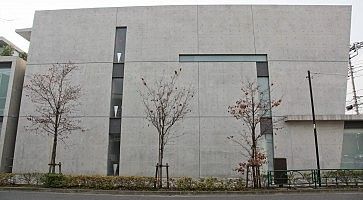
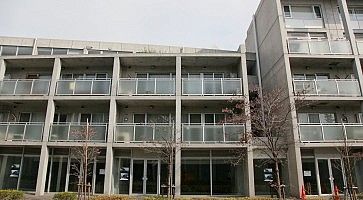
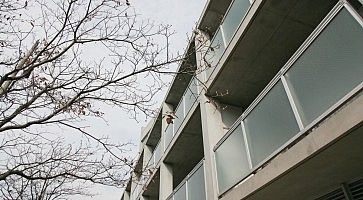
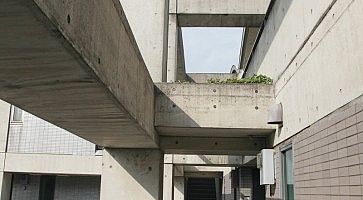
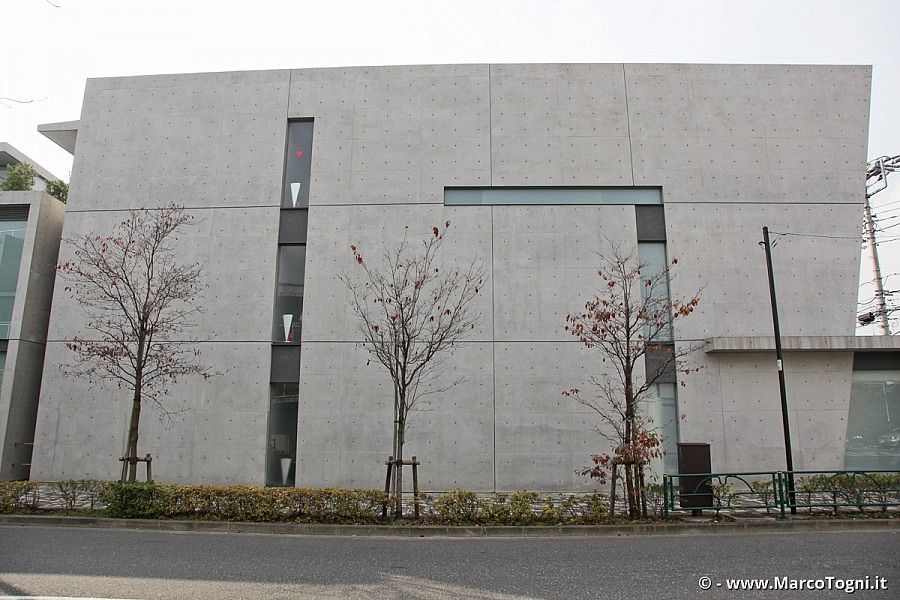
There are six, and you’ll recognize every one of them at first glance: smooth concrete, sharp corners, hardly any signs.
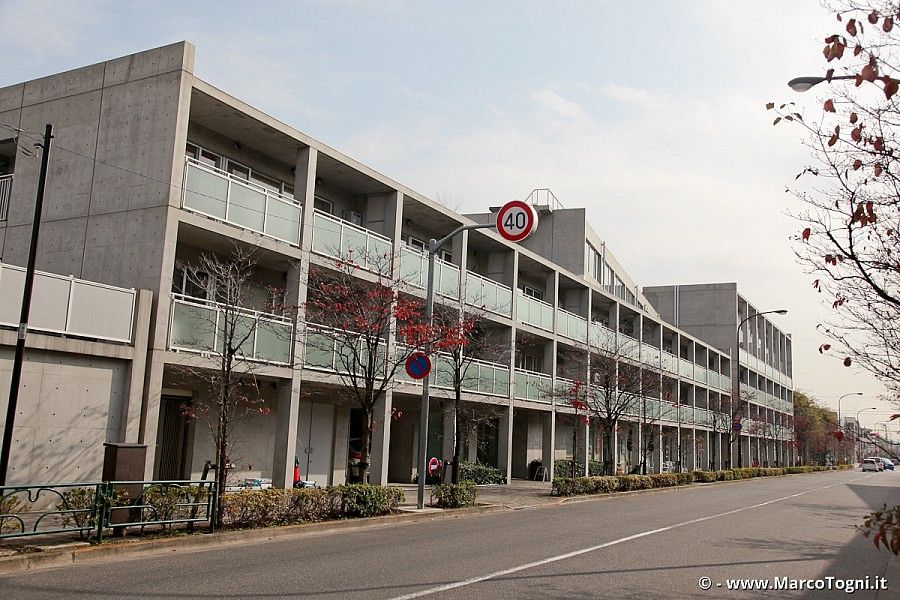
- City House Sengawa: the first of the group, apartments with shops on the ground floor
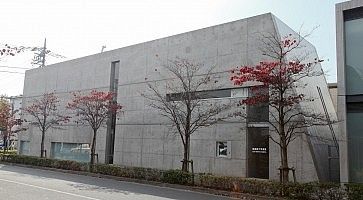
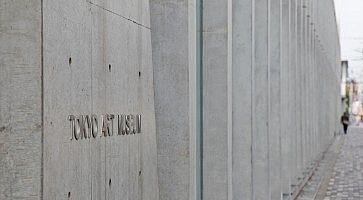
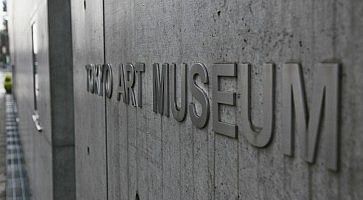
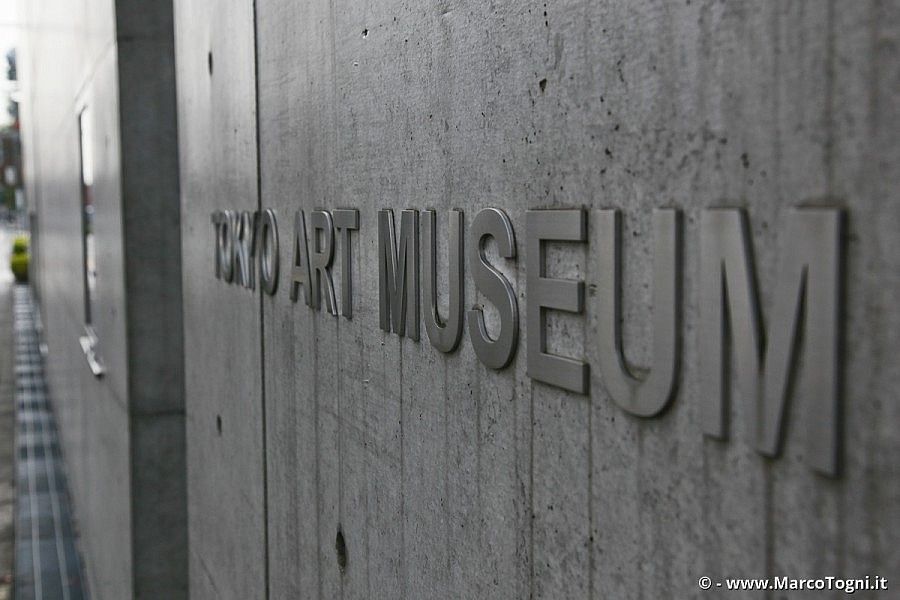
- Tokyo Art Museum: the small art museum at the end of the row, with vertical slits that let the light in
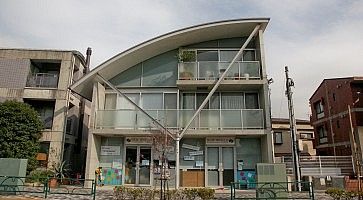
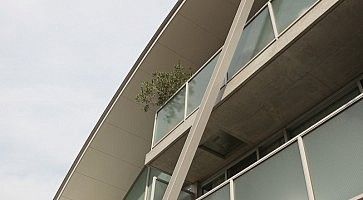
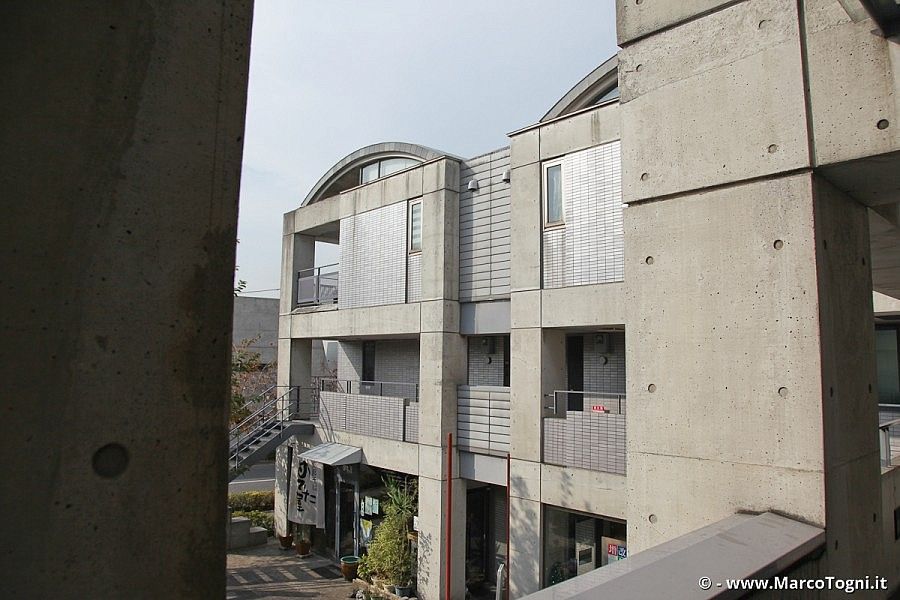
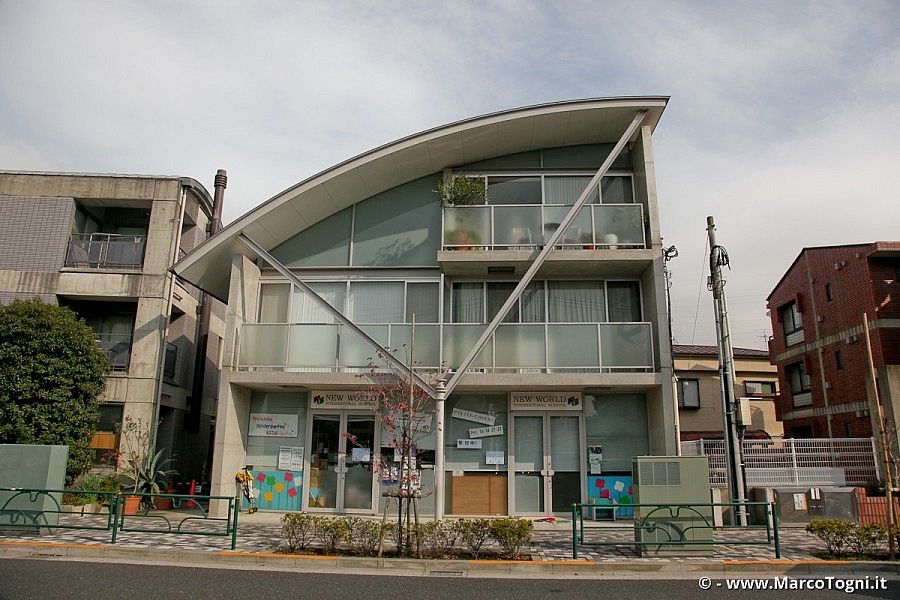
- Sengawa Avenue Annex II: a three-story building with a curved roof, with offices and spaces for rent
- Sengawa Delta Studio: the building with the triangular footprint, designed to fit one of the impossible lots
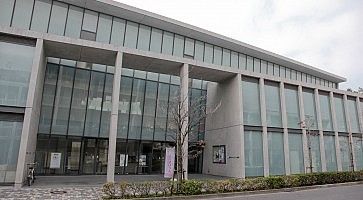
- Sengawa Theater: the biggest building, with the municipal theater, the community center and the preschool
- City House Sengawa Station Court: the newest one and the closest to the station, an apartment building with 91 units
The only two you can go inside
Almost everything you see is private: homes, offices, shops. The municipal theater and the Tokyo Art Museum are the only two buildings you can actually walk into.
The theater is an intimate hall, with the stage right up close to the seats and the concrete left bare inside too. The museum is even smaller, just a few rooms for temporary exhibitions by Japanese and international artists that change over the year, and the space itself is as much of a draw as the art.
Concrete in an ordinary neighborhood
Sengawa isn’t a tourist spot, and that’s half its charm. This is a part of Chofu where people live, do their grocery shopping and drop their kids off at preschool. On the ground floors of Ando’s buildings you’ll find bakeries, cafés and small neighborhood shops, with bicycles parked in front of the concrete walls.
It’s the contrast that gets you: on one side clean, austere shapes, on the other the low houses, utility poles and power lines of suburban Japan. On weekdays the street is almost deserted, and you’re left with the odd feeling of walking through an architecture museum that people actually live in.