Tateshina Teddy Bear Museum
A teddy bear museum up in the mountains by Lake Shirakaba, in Nagano’s Tateshina area, with more than ten thousand bears, and hardly any of them just sit on a shelf. The Tateshina Teddy Bear Museum is known for its collection, but for me the scenes are the reason to go in: bears posed in miniature cities, castles and forests, one room after another.
It’s the right place if you’re traveling with kids or need something to do on a rainy day or a snowy one in the area, and it works even for people who’d never look twice at a stuffed toy. Trust me on this one.
Contents
What’s inside
The museum is seriously big, and you can tell right away. The rooms take you through about fifteen countries, and almost every country gets its own setting, so moving from one scene to the next feels like a trip around the world in miniature.
The bears wear clothes, stand in groups and do things: they sit at tables, march in parades, go out in boats. That’s what sets this place apart from the usual toy museums.
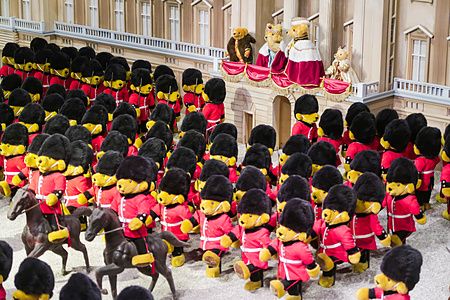
- The royal guard parade: dozens of bears in red tunics and black bearskin hats lined up on the gravel in front of a miniature palace, with the royal bears watching from the balcony and a crowd of bears in everyday clothes behind the black fence.
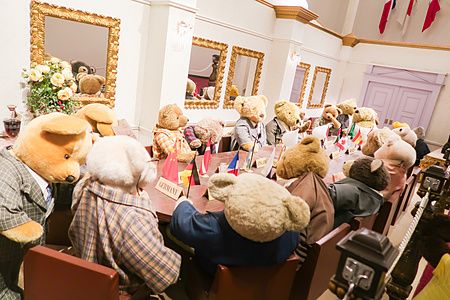
- The international summit: a conference table with little national flags, name cards and bears in suits wearing interpreter headsets, just like a meeting of heads of state.
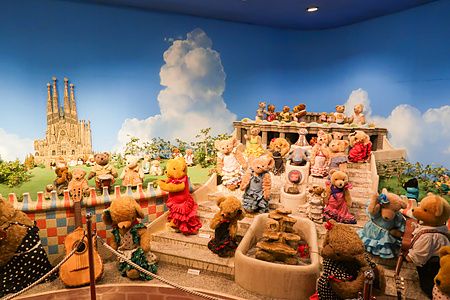
- Barcelona in miniature: Park Güell with its colorful mosaic benches and the Sagrada Familia in the background, with bears scattered across the stairs and terraces.
- Venice and the sailing ship: a canal with a little bridge full of bears out for a stroll and, a bit farther along, a crew of sailor bears on a ship rigged with real rope.
- The world’s smallest bears: the little glass domes hold tiny bears. The smallest one is under a millimeter, and you need the magnifying glass to see it.
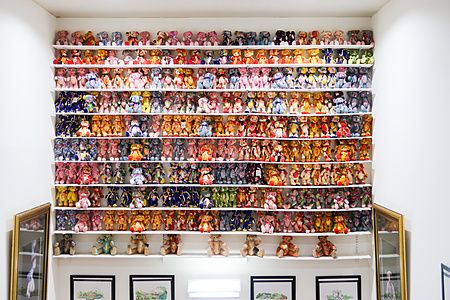
- The birth month room: wooden chairs on red carpeting, each with a sign for one month and that month’s bear sitting on it, plus walls of white shelves full of bears sorted by birth month.
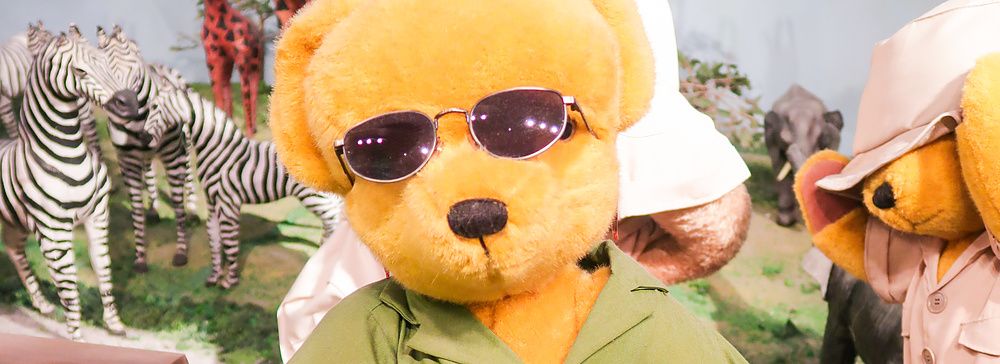
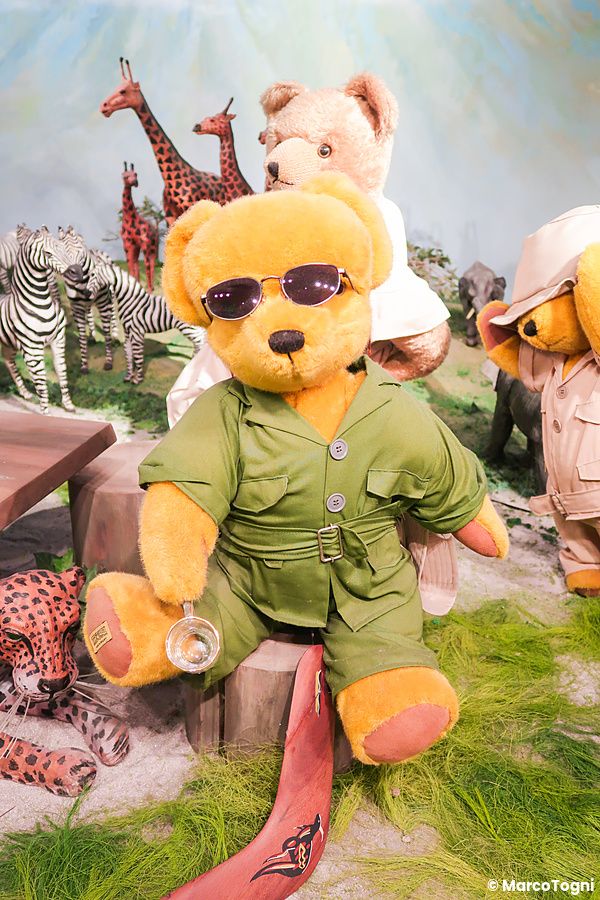
There’s also a fairy-tale forest with little houses, flowers and a castle in the background, a safari with an explorer bear in sunglasses among African animals, and a Christmas scene with a tree, a snowman and a sleigh.
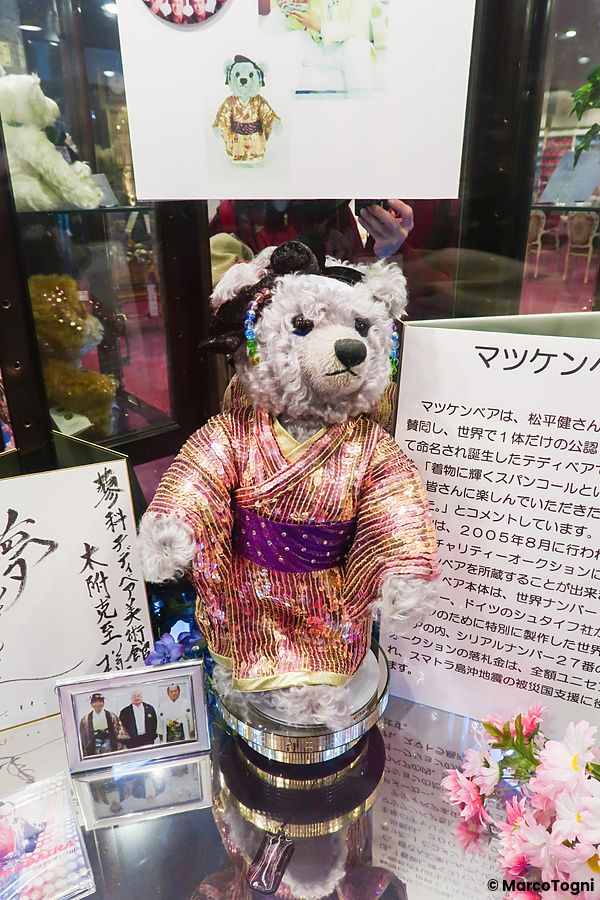
Then there are the display cases for collectors, with bears that still have their original boxes and certificates, and a few Japanese touches, like the bear dressed as the singer Matsuken in the gold kimono from his samba number. Japanese people recognize it instantly, and it gets a laugh.
You have to look at the scenes up close, not from the doorway. Every bear has its own outfit and its own expression, and there are tons of details: the flags on the table, the buttons on the jackets, the instruments held by the bears on the castle walls. If you rush through, you miss half the fun.
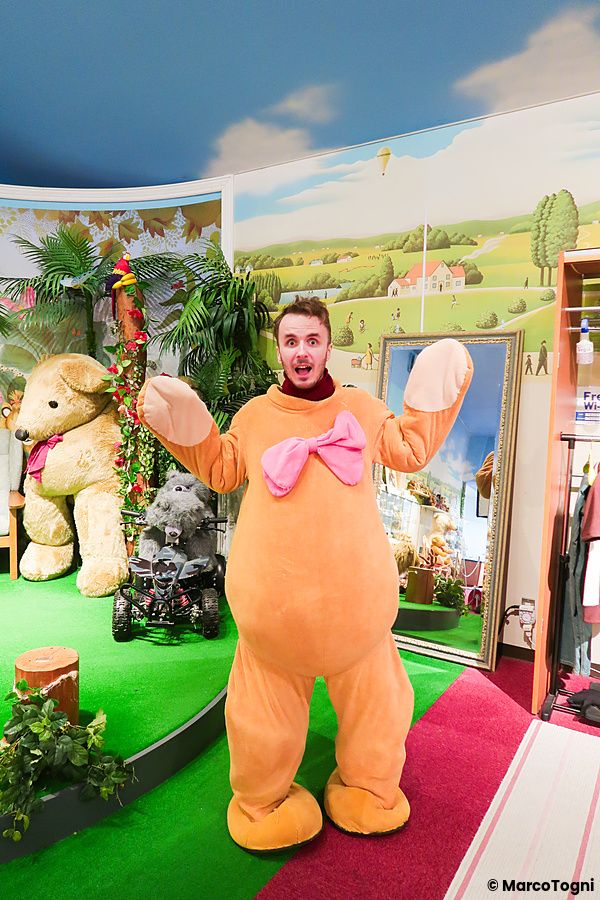
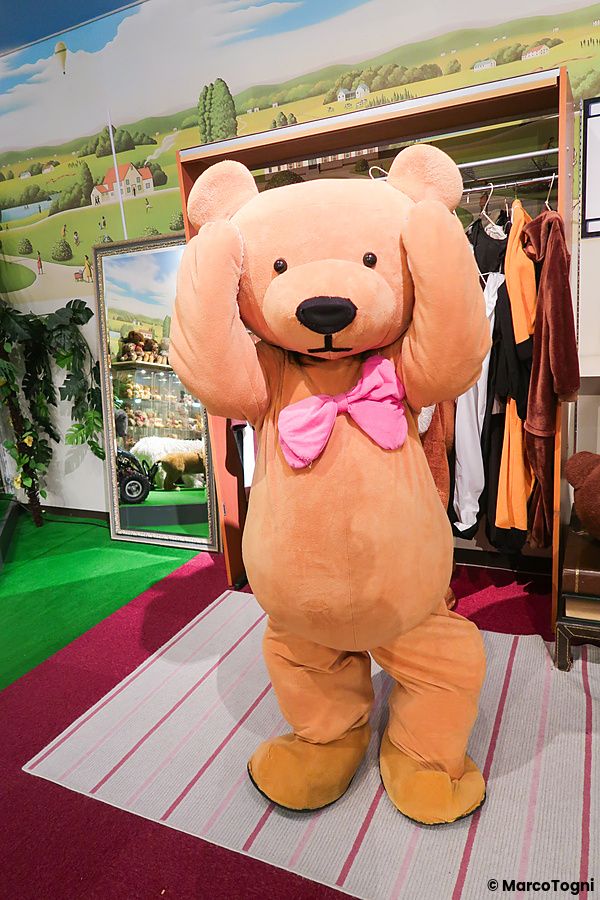
Upstairs there’s a plush animal zoo with life-size animals, giraffes and elephants included, where you can touch everything and take photos. Next to it is the bear costume corner, which looks like a kids’ thing, but parents end up in the costumes too.
Ten Guttys are hidden around the scenes. Gutty is the museum’s mascot, and each one is dressed to match its country. Finding them all is a game that keeps kids glued to the display cases for the whole visit, and I’ll admit it hooks the adults too.
The bear shop attached to the museum is separate from the exhibit, so you can browse it without going into the rooms. It has more than two thousand items, from keychains to bears as tall as a child, and there’s a good chance you’ll leave with one more bear than you came with.
If you’re after a museum with information panels, history and background on toys, you won’t find much of that here. You come to look at the scenes and have a good laugh.
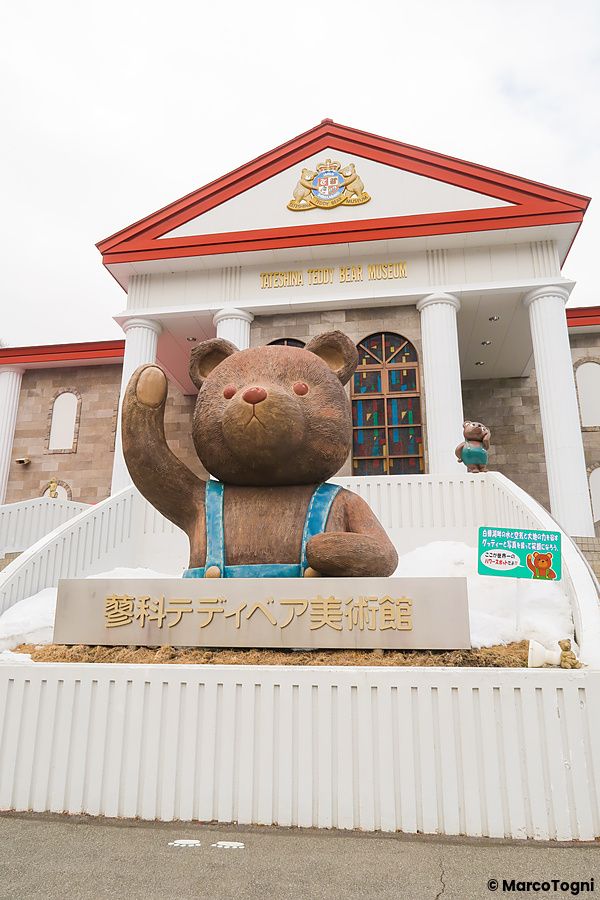
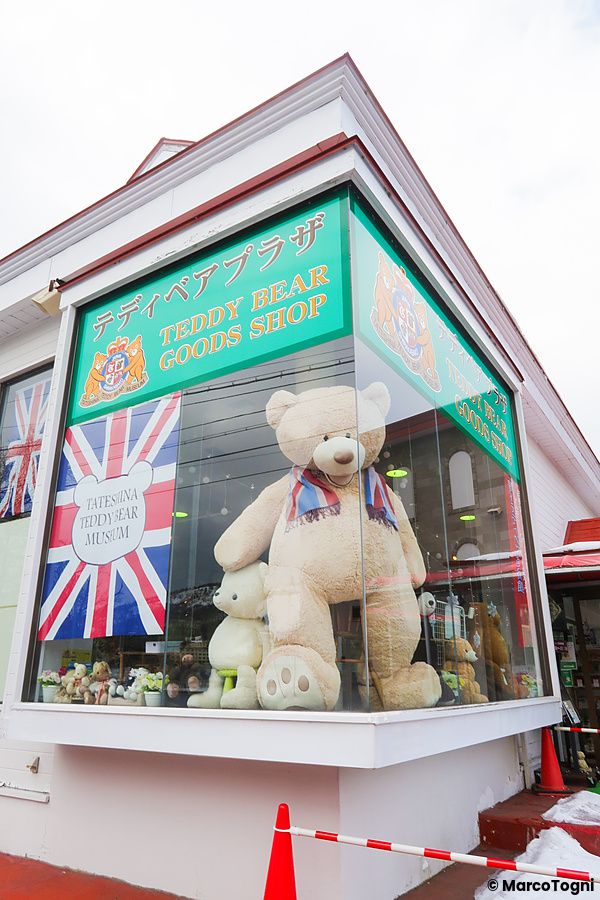
From the outside it looks like a typical themed museum for families, with a window full of stuffed animals and a statue of Gutty in blue overalls in front of the white columns at the entrance. Then you walk in and realize the displays were put together with a precision I’d never expect from a place like this.
When friends are heading to Tateshina or Lake Shirakaba, it’s the first place I mention, even to the ones who roll their eyes as soon as they hear “teddy bear.” Once inside, every one of them stops at the royal guard parade to hunt for the funniest bear.
When to go
In summer the Lake Shirakaba area fills up with families on vacation from the city, and on weekends in July and August and over long holiday weekends the museum gets crowded. You wait your turn to get close to the glass at the best scenes, and the shop turns into a crush of shopping carts and kids.
On weekdays, especially in the off-season, you can take your time and stand in front of each scene as long as you like.
In winter the plateau is under snow, and the museum is one of the few indoor places in the area where you can stay warm. The same goes for rainy summer days, when people who came for the lake need a plan B.
Early morning is the best time in any season. There aren’t many people in the rooms then, while from early afternoon the families who’ve finished at the lake start arriving.
With kids
If you’re traveling with kids, it’s hard to go wrong here. The display cases are low enough for even the littlest ones to see inside, the hunt for the hidden Guttys gives kids a goal for the visit, and in the zoo upstairs they can touch everything.
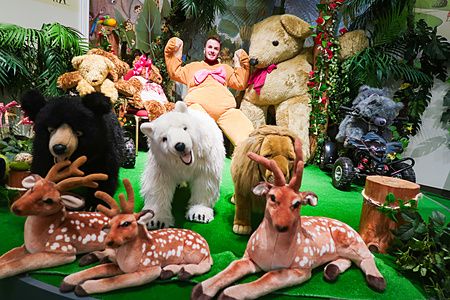
In the lobby, someone in a giant bear costume also walks around and poses with both paws on their head, and kids run straight over.
The whole visit is indoors, with no slopes or trails, just carpet and smooth floors. The zoo is one floor up, which is no effort at all.
Best photos
The best shots come from getting down to the bears’ eye level, almost up against the glass. The guard parade from the front, with the palace behind and the rows of bearskin hats stretching back in perspective, is the scene that looks best on camera.
For photos with kids, go to the birth month room, where everyone looks for the chair for their own birth month. Outside, everyone takes a souvenir photo with the Gutty statue at the entrance, and on busy days there’s a line to get a shot with nobody else in it.
Quick take
- The highlight: the scenes with posed bears, from the royal parade to the summit with the little flags.
- When to go: early morning and on weekdays. In winter or when it rains, it becomes the area’s go-to refuge.
- Best for: families with kids, bad-weather days at Lake Shirakaba and even people who don’t care for stuffed toys.
- Atmosphere: rooms full of color and detail, laughs in front of the display cases and kids hunting for Gutty.
Final thoughts
The collection alone wouldn’t be enough to bring me all the way up here. What makes the museum is the way the bears are staged, with a sense of humor and an attention to detail I don’t see anywhere else in Japan. If you’re around Tateshina or Lake Shirakaba, it’s worth the detour even without kids, and even if you’d never buy a teddy bear.
The only people who might walk out disappointed are the ones who came looking for a museum with plenty to read. Here you look and you smile, and that’s it.
Getting There
Without a car, you start from JR Chino Station on the Chuo Line (Azusa limited express trains come in from Shinjuku). From the west exit, take the Alpico bus bound for Lake Shirakaba and Kurumayama Kogen and get off at Nishi-Shirakabako after about 45-50 minutes. The museum is a 2-minute walk from the stop.
There are only a few buses a day, so check the return times before you go in.
By car it's about 35 minutes from the Suwa exit of the Chuo Expressway, and the museum has its own parking lot.
Useful Info
- Nishi-Shirakabako stop (Alpico bus, Shirakabako - Kurumayama Kogen line): 2-minute walk
- Chino Station (JR Chuo Line): where the bus starts, west exit
Map
This place is on MarcoMaps
Tateshina Teddy Bear Museum
My map of Japan: over 4,000 places I've tried myself, each with photos, rating, and hours. Filter by category and rating, find veg-friendly spots and places near you with GPS. No sign-up, right from your phone.
- 4,000+ places
- Rating, photos, and hours
- Veg friendly
- Near me (GPS)
- Favorites without login
- Works offline

