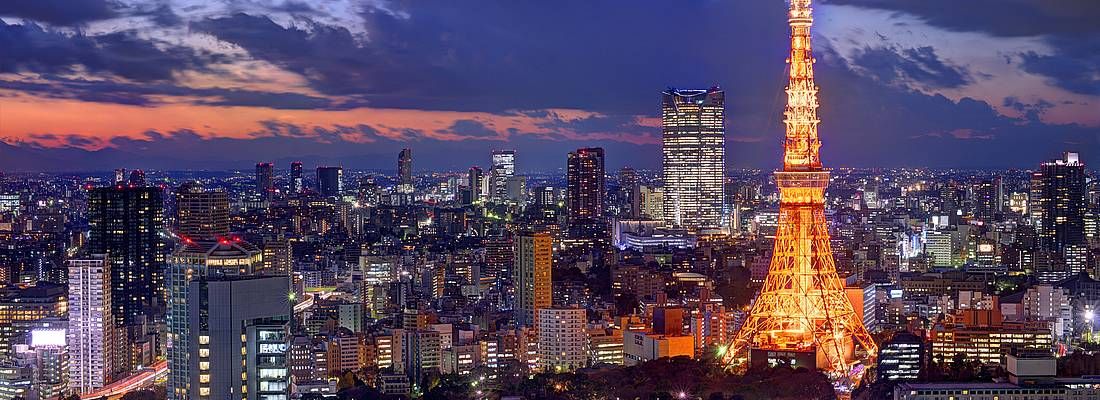
Things to Do in Tokyo at Night
In Tokyo I’d suggest not heading out too early in the morning, so you still have the energy for some good nights out. After sunset the city transforms into something magical, full of color and light. Salarymen go out with their coworkers to get drunk in izakaya, and the mood everywhere is cheerful and carefree.
Contents
Shinjuku
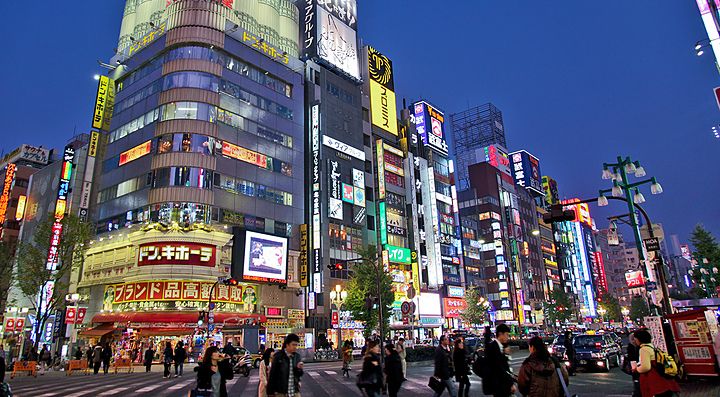
Once it gets dark, the east side of the neighborhood is the most colorful part of Tokyo. You can’t skip an evening walk here to see the brightly colored advertising signs on the buildings. You’ll also find tons of restaurants and bars, and lots to see. It feels like being inside Blade Runner.
Shibuya
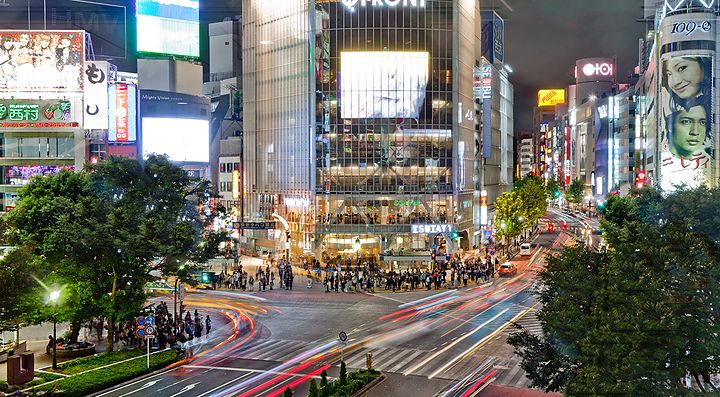
This is where you’ll find the busiest pedestrian crossing in the world, surrounded by giant screens that run ads 24 hours a day and light up the street like it’s daytime. There are lots of restaurants and small bars too.
If you’re young and want to catch DJ sets, some of them by big international names, I’d recommend Womb and Atom, but check what’s on at O-East and O-West as well.
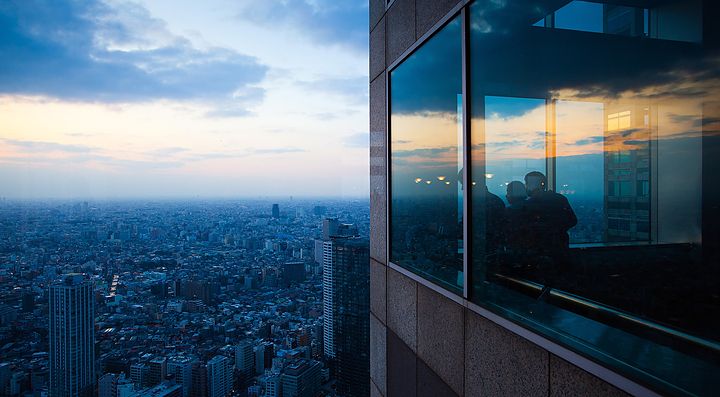
Don’t miss the night view from the top of a skyscraper. My pick is the Tokyo Metropolitan Government Building in Shinjuku, where you can go up to the 45th floor for free. It’s great because you can see far into the distance and also get a close look at the skyscrapers around you. It’s a view you really shouldn’t miss.
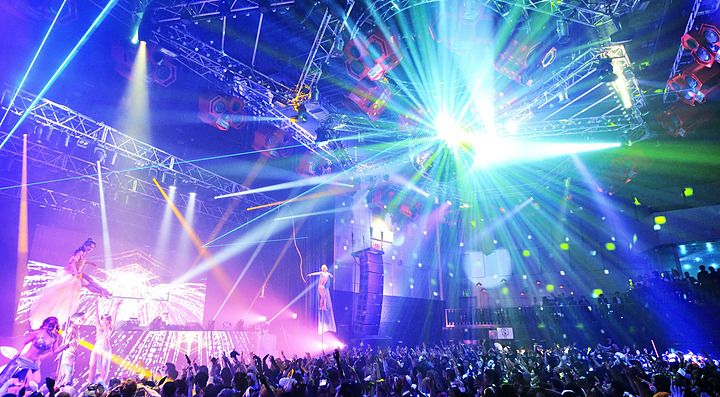
Besides the Shibuya places I mentioned, if you want to spend the evening or the whole night out somewhere else, Shinjuku is your best bet. Kabukicho has the city’s biggest concentration of nightspots, with the signs lit up and people out on the street until dawn. Roppongi is popular with foreigners and packed with bars and clubs where you can have a drink and listen to all kinds of music, whatever your taste. A short walk is all it takes to find the one that suits you.
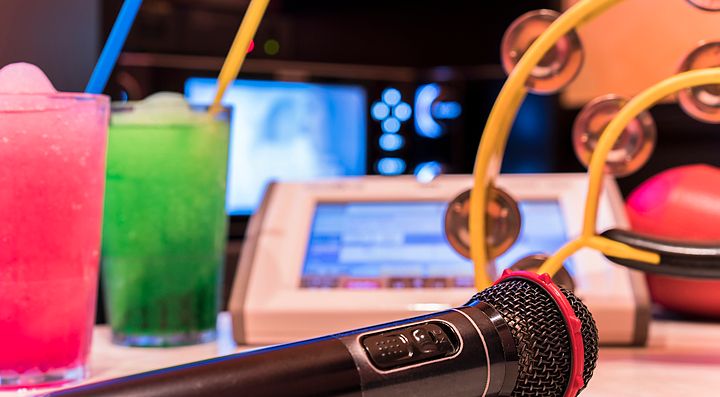
You go with friends, rent a small room and sing, drink and grab a bite, all in good fun. It’s a very Japanese experience, since Japanese people are crazy about karaoke. Pasela is probably the best chain, but the others are all good too. These days every place has songs in English as well. Don’t worry if you can’t sing. The whole point is to have fun.
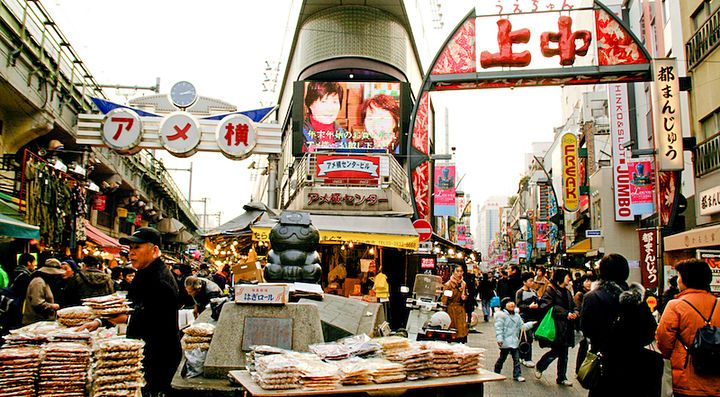
Around Ameyoko, under the railway tracks, there are loads of izakaya and tiny restaurants with a very Japanese feel. Sometimes you’ll also find the classic street carts selling bowls of ramen. It’s a nice area, but not as interesting as Shinjuku and Shibuya.
Asakusa
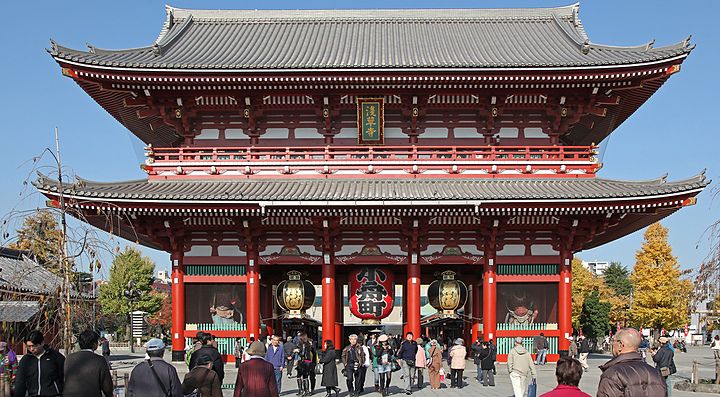
The whole area is fairly quiet. I don’t think it’s ideal for a “night out” and I wouldn’t come here just for that, but if you’re already in the area I’m absolutely sure you’ll fall in love with Hoppy Street, a street with a few colorful little places where Japanese people eat, drink and have a good time.
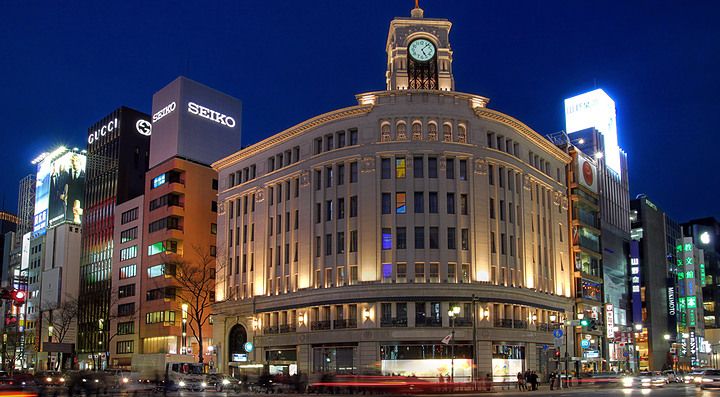
If you can, see this neighborhood around sunset, when the lights come on, the shops are still open and the people coming and going give you a real sense of what Ginza is about. It’s perfect for anyone into modern architecture, and the Tokyo International Forum is especially beautiful.
Drinking alleys
If you want the real feel of a Tokyo night out, forget the big venues and duck into the narrow alleys. Shinjuku has the two classics. Omoide Yokocho is the row of yakitori counters next to the tracks, where you eat practically standing up amid the smoke from the grills. Golden Gai is six little lanes with over two hundred tiny bars, each with its own theme and often with six or seven stools in all.
In Shibuya, right behind the station, there’s Nonbei Yokocho, much smaller but with the same spirit. In these places you sit shoulder to shoulder with strangers and might end up chatting with the owner. If you want a night you’ll be telling people about when you get home, this is where to go.
Neighborhoods for a Japanese crowd
Kanda and Shimbashi are very lively in the evening, but they’re mostly for Japanese office workers. Walking around and stopping somewhere for food or a drink can definitely be fun, but these aren’t tourist areas, so don’t necessarily expect menus in the Latin alphabet or the usual friendliness you might get elsewhere. In Shimbashi, the place to go is the area under the elevated tracks that people call gado-shita. It’s a row of yakitori joints with plastic stools out on the sidewalk, smoke from the grills and trains rumbling overhead. Kanda is more of a maze of little lanes with red lanterns hanging outside the doors. You pick a place more or less at random, walk in and order by pointing at what everyone else is eating.
Neighborhoods that go quiet
Akihabara starts winding down after 20:00 or 21:00, and then everything goes silent and it gets boring. The same goes for Harajuku: plenty of places stay open, but you won’t find anything like the carefree buzz it has during the day on weekends. Odaiba is somewhere in between. It’s very quiet in the evening (and during the day too), but the view of the Rainbow Bridge and the Tokyo skyline can be pretty romantic.
A night away from the crowds
If you’ve already seen the lights of Shinjuku and Shibuya and want a more relaxed evening, the neighborhoods to head for are Shimokitazawa, Koenji and Nakameguro. Shimokitazawa has pedestrian alleys full of izakaya, tiny bars and live music venues, with a young crowd that’s not touristy at all. Koenji is the grittier version of the same idea, with its tiny places under the tracks that only fit a handful of people.
Nakameguro is the quietest choice. You walk along the river, with lit-up bars and restaurants on both banks, and stop wherever you feel like it. There are no giant screens or huge signs here, but if you want to see how the people who actually live in Tokyo go out, that’s where you go.


