 91 m
Mameshiba Cafe91 m
Dog cafes with miniature shiba.
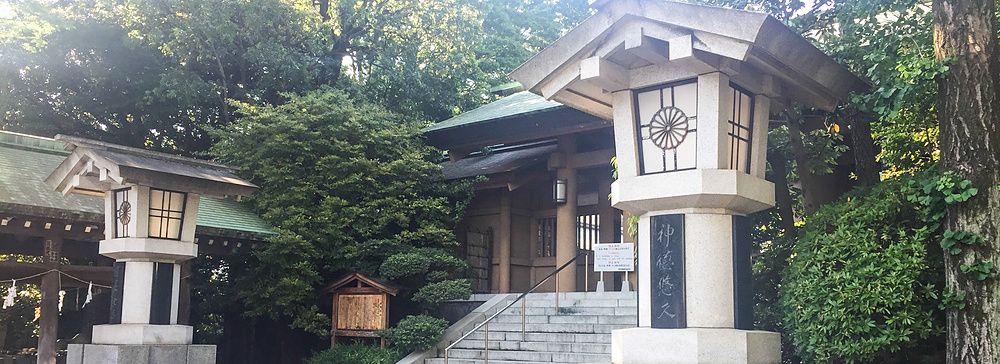
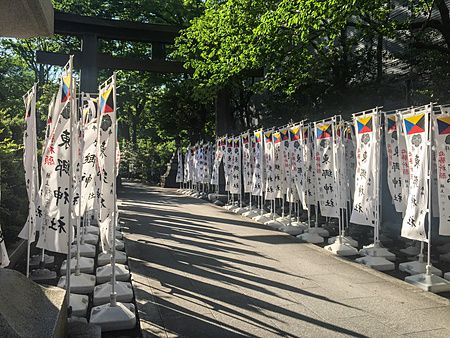
A shrine in Harajuku, right behind Takeshita dori, with a pond full of carp and turtles, a Japanese garden and lots of tall trees that block out the street noise. Togo Shrine is dedicated to the admiral who led Japan to victory at sea against Russia. That’s why there are flags in four colors along the path, and good-luck charms for victory.
Come here when you’re tired of shops and crêpes and just want to sit down for a bit. It also works if you’re short on time and want to see a real shrine without leaving the Harajuku area.
There are lots of different things to see, spread out along the path, at the main hall and in the garden.
The main hall isn’t an old wooden building. The original was lost and they rebuilt it in concrete, so if you’re hoping for dark beams and bark roofs, you’ll be disappointed.
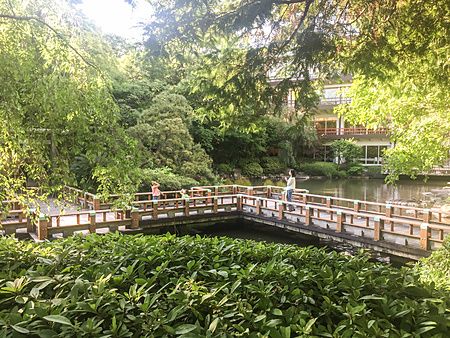
For me, the real highlight is lower down, at the edge of the pond. If you stand still for a few minutes, the carp all swim up at once with their mouths open and the turtles slide off the rocks. In spring you can spot a kingfisher on the branches over the water.
People cluster in two spots. One is the Sanrio charm counter, where you’ll find Japanese girls and tourists with their phones out. The other is the little bridge, where everyone stops for a photo of the carp.
Walk a few meters along the paths on the other side of the pond and there are only three or four people around: a woman reading on a bench, an office worker on a lunch break.
From outside it doesn’t look like much, just a gate and a tree-lined path. Once you’re inside, though, the contrast with Takeshita dori is the most striking thing in all of Harajuku. On one side you’ve got smoke from the crêpe shops, music from the stores and a wall of people inching along. Then you turn a corner and hear the waterfall and the cicadas.
When someone comes to visit me and asks to see Harajuku, I take them to Takeshita dori first and then straight here. Nothing explains Tokyo better than that five-minute walk.
The best time is a weekday morning. On the paths you’ll only meet older locals doing their slow loop, office workers stopping to pay their respects on the way to work and gardeners raking leaves, and there’s hardly anyone in front of the main hall.
On weekends it feels like a different shrine. Lots of traditional weddings are held here, so on Saturdays and Sundays you’ll see brides in white kimono posing for photos on the bridge while relatives dressed in black wait in line. The charm counter fills up with young people who’ve come specifically for the Sanrio characters.
That’s no reason to stay away. If you come across a wedding procession, stop and watch from a distance without getting in the way. But if you want the pond to yourself, pick another day.
In spring the cherry trees bloom near the entrance and petals drift down onto the pond. In summer what really matters is the shade: it’s noticeably cooler under the trees, and after half an hour in the sun on Omotesando you’ll feel the difference right away.
In light rain the pond turns dark and glossy and the paths empty out completely. All you need is an umbrella.
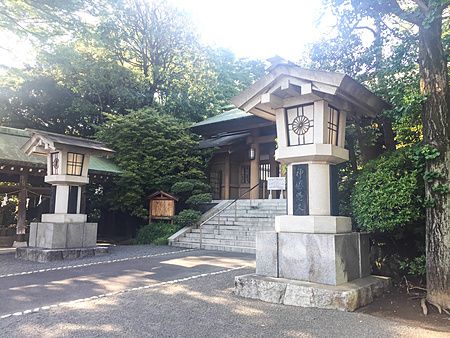
It’s an easy visit. The only climb is the short flight of steps up to the main hall, and the rest is flat and shaded. The main path is fine with a stroller, while the garden paths are narrow and have a few stone steps.
For kids, the best part is the pond. Feeding the carp and counting the turtles on the rocks keeps them busy far longer than any shop in Harajuku, and the square lions in front of the hall make them laugh.
Hold their hand near the water, because in some places there’s no railing.
You don’t come for the building, which is concrete and nothing special. You come for the switch from the crush of the shops to the quiet of the water in just a few steps, and for ten minutes at the edge of the pond watching the carp. If you’re in Harajuku, it’s worth the detour. It’s only a few meters away, and it shows you a side of Tokyo that Takeshita dori alone won’t.
If you’re after old architecture or a big complex you can explore for hours, go somewhere else. The pond and the garden around it are most of what’s here, but they’re done so well that they’re more than enough.
From JR Harajuku Station, take the Takeshita exit and walk down Takeshita dori. About halfway along, turn left onto a side street, and the entrance is 3-5 minutes away on foot.
If you're coming by subway to Meiji-jingumae, walk north up Meiji dori and go in through the main torii, about a 4-minute walk.
This place is on MarcoMaps
Togo Shrine
My map of Japan: over 4,000 places I've tried myself, each with photos, rating, and hours. Filter by category and rating, find veg-friendly spots and places near you with GPS. No sign-up, right from your phone.


Togo Shrine - nearby you will find:
91 mDog cafes with miniature shiba.
 93 m
The mini pig cafés.
 172 m
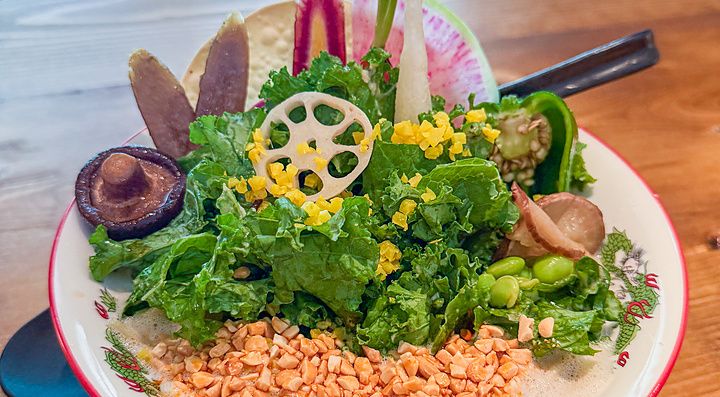
Vegan ramen, sushi, and gyoza.
 188 m
Café with a bear paw sticking out of the wall.
 246 m
Art gallery.
 246 m
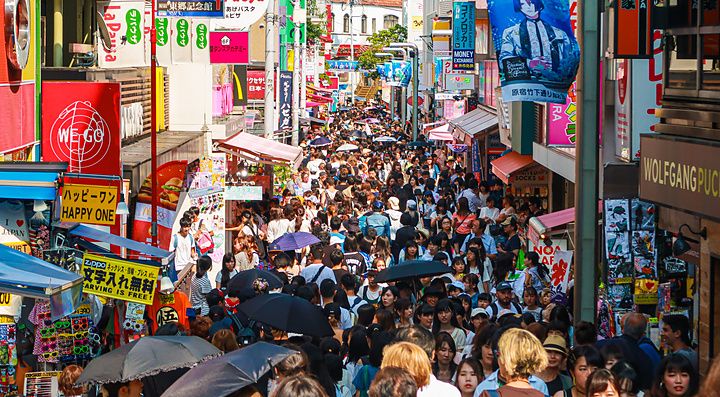
Harajuku's street for youth fashion shopping.