Toki Forest Park
A park on the plain in the middle of Sado Island, off the coast of Niigata, where you can get really close to toki, the white ibises with red faces that had completely vanished from the wild in Japan. Toki no Mori Koen sits right next to the center where they’re bred, and it comes in two parts. There’s a museum about how the toki were saved, and there’s a huge aviary with a glass corridor where the birds feed right in front of you.
I’d make it your first stop on Sado, whether you have kids with you or not, and even if you’ve never cared much about birds.
What you’ll see
The park has two buildings, a short walk apart. One is the museum and the other is the Toki Fureai Plaza, which is the aviary. You’ll see both, but they’re not equally worth your time, and it helps to know that going in.
- The Toki Fureai Plaza aviary: a gigantic cage, taller than a four-story building, with a patch of countryside recreated inside it, complete with water, branches and mud. The toki fly around, look for food and build nests just as they would outside.
- The ground-floor corridor of the aviary: a long one-way glass window, so you can see the birds but they can’t see you. When they come down to catch small fish in the water, they’re almost touching the glass.
- The upper floor of the same building: here the nest is at eye level, and in the right season you can watch the parents working on it.
- The museum: panels, videos, skeletons and, above all, Kin, stuffed and mounted. She was the last toki born in the wild in Japan and spent almost her whole life in captivity. When she died in 2003, the native Japanese toki died out.
- The museum corridor: a row of windows looking onto the breeding center’s cages. The toki are farther away, but there are lots of them together.
- The Kin memorial and the little shop by the entrance: the first is a small stone marker in the park, and the second sells Sado edamame ice cream, which everyone heads out to get.
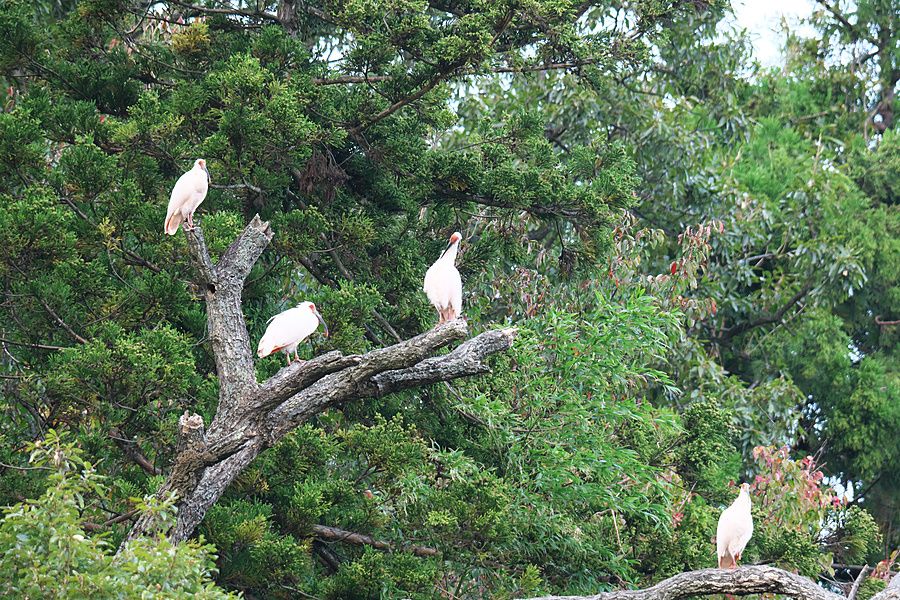
You’ll get through the museum quickly, and from its corridor the toki are just white specks at the back of the cages. If you’re short on patience, the aviary is the part that matters. Stand at the glass on the ground floor and wait.
The toki, though, do whatever they like. Sometimes they stay perched on the branches on the far side and don’t come down at all, and then you won’t see much. But when one comes over to the glass and dips its bill into the water to pull out a fish, the whole corridor goes quiet.
There’s nothing tiring about it: there’s hardly any walking.
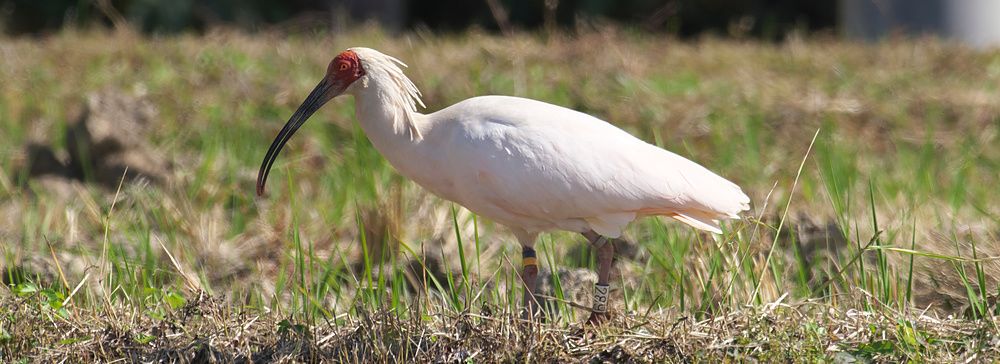
On paper it’s an educational museum about a rare bird, and the museum part is exactly that: straightforward, with a bit of a field-trip feel. What you don’t expect is seeing a toki’s face this close up. You can make out the wrinkled red skin, the long black bill with its red tip, and the ruffled feathers swept back on its head.
I bring everyone who comes to Sado with me here, because you’ll only ever see the wild toki in the surrounding rice paddies from a distance, through the car window. Here you get to see what the bird actually looks like, the bird that got the whole island to change the way it grows rice. The toki flying over Sado today are descended from pairs brought over from China and bred in the center right next door. They’ve been released in groups since 2008, and now there are a few hundred of them in the island’s countryside.
To make sure the birds had enough to eat, many farmers cut back on pesticides and chemical fertilizers and keep water in their paddies even in winter. The rice they grow this way is sold under a label dedicated to the toki.
When to go
The best time is feeding time, in the morning and toward evening. That’s when the toki come down in droves to the water by the glass and spend their time poking around in the mud. In the middle of the day they sit on the high branches, and you need some luck.
Early in the morning you’ll have the corridor pretty much to yourself: a few couples, a couple of men with cameras, and the water you can hear through the glass. The park never gets packed, not even during Japanese holidays. At most you’ll find a few more groups in front of the glass.
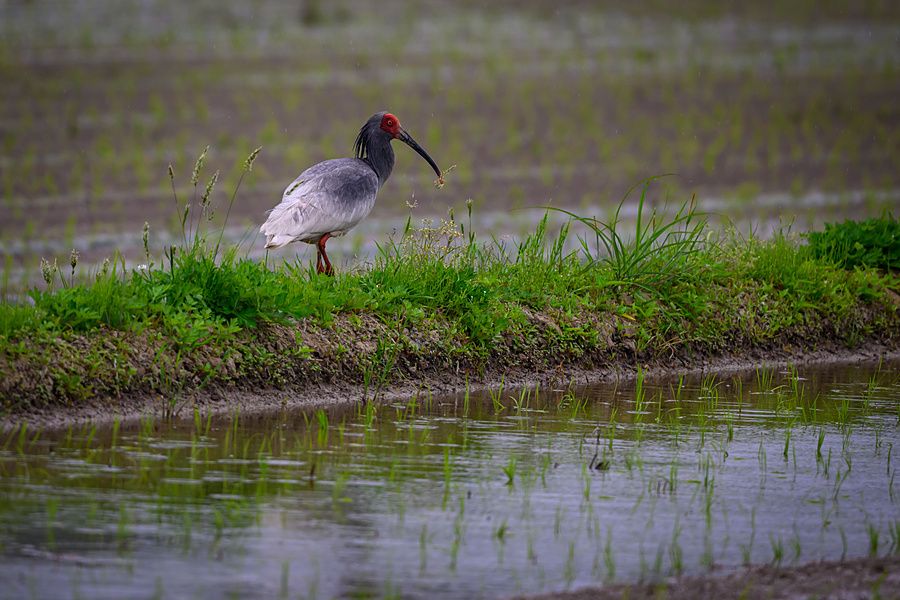
The season changes how the birds look. In spring, when they’re nesting, their heads and backs turn dark gray, almost black, a color they actually rub onto their own feathers. That’s the time to see an occupied nest from the upper floor.
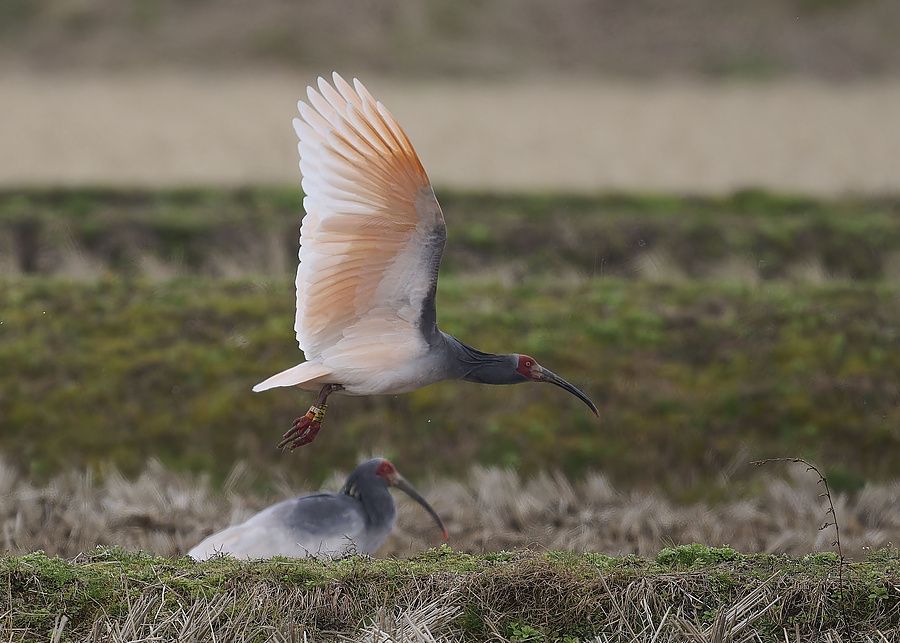
From late summer and all through fall they go back to white, and when they spread their wings you see the salmon pink of their underwing feathers. In Japan that color has its own name, toki-iro, “toki color.” If you can choose, this is the time I’d recommend, because the contrast between the white and the pink shows up clearly even through the glass.
Photos and binoculars
You’ll get the best shot from the ground-floor corridor when a toki comes over to the water. Press your lens against the glass so the reflection of the corridor behind you disappears, and don’t use the flash.
Bring binoculars for the museum and for the times when the birds stay up high in the cage. Even modest magnification makes the difference between a pale dot and a red face.
At a glance
- The highlight: toki fishing in the water just on the other side of the one-way glass.
- When to go: at feeding time, in the morning or toward evening; in fall for the pink under the wings, in spring for the nest.
- Best for: your first day on Sado, families with kids, anyone with a zoom lens.
- Atmosphere: few people, a dim corridor, running water and the occasional camera click.
The bottom line
On its own, the museum would be just another stop. You come for the aviary, and if you get lucky with feeding time, it’s one of the closest encounters with an animal you can have in Japan. If you’re on Sado, it’s worth planning your day so you start here. If you don’t have the patience to wait for the birds to make up their minds and come down, or you’re looking for a park to walk around in, you’ll be disappointed.