 420 m
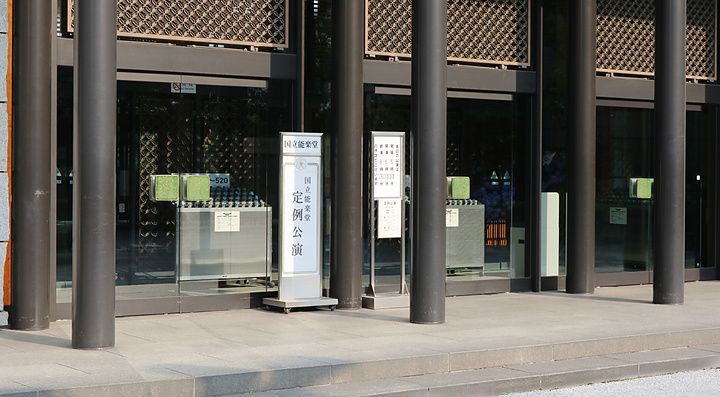
National Noh Theatre420 m
Public venue for noh and kyogen.
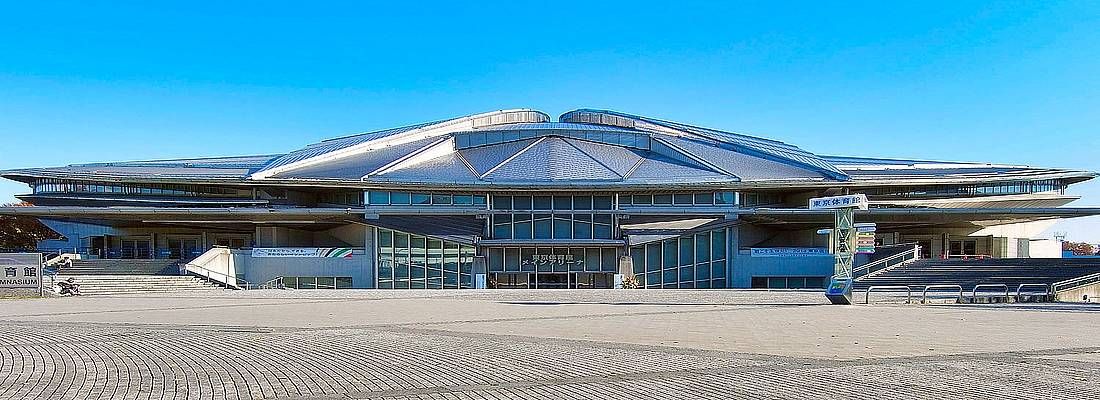
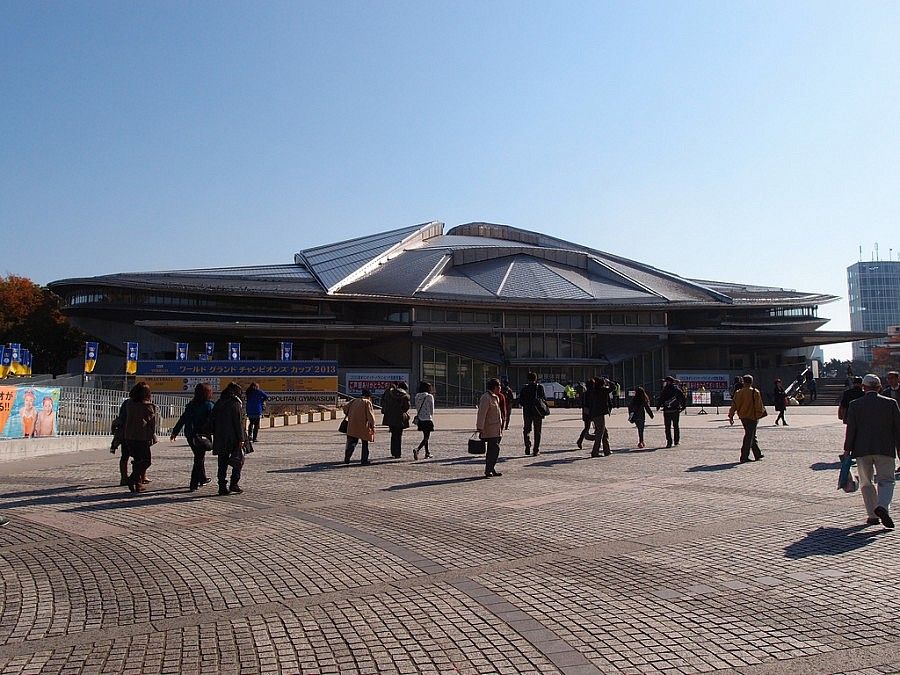
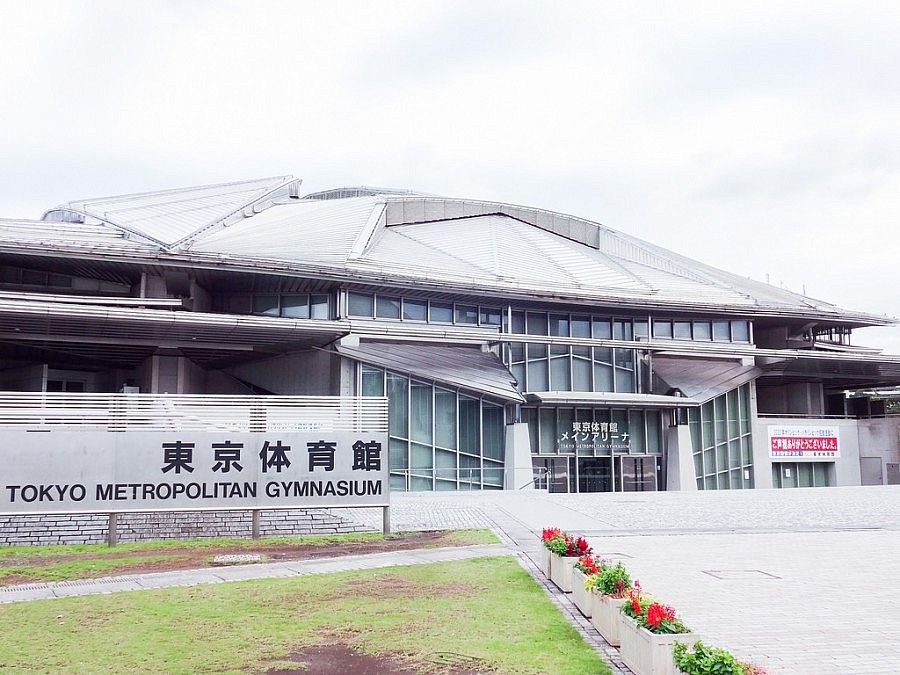
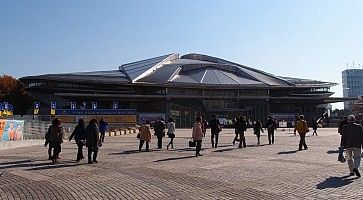
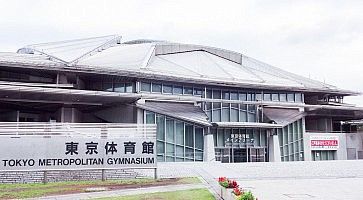
Just steps from Sendagaya Station, the Tokyo Metropolitan Gymnasium is a sports complex built in 1954 for the World Wrestling Championships and later renovated to host some of the events at the 1964 Olympics. It was also the venue for the table tennis tournament at the Tokyo 2020 Olympics.
Surrounded by greenery, this futuristic complex sits right by Meiji Shrine. Having the old and the new side by side like this says a lot about a city that blends tradition and modernity perfectly. The Tokyo Metropolitan Gymnasium is made up of three buildings: the main arena, the sub arena and the indoor pool building. Each has its own architectural style, so together they make an eclectic, quirky mix.
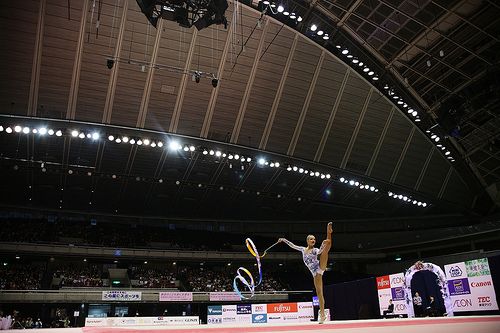
The complex has hosted many national and international events in swimming, tennis, volleyball, artistic gymnastics and other sports. Competitions aside, the Tokyo Metropolitan Gymnasium has a range of facilities for anyone who wants to stay in shape and work out, whatever their level, including a gym, a pool, a running track and a soccer field.
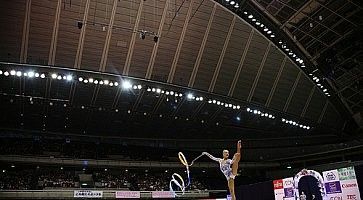
The main arena holds up to 10,000 spectators and hosts the biggest events. The sub arena is more compact, and it’s used for smaller competitions and events, or as extra space for the main arena when needed.
The gym is open to the public (except during special events) and has several rooms with modern, high-tech equipment that suits beginners and experienced athletes alike. Besides the gym, there are several studios offering 50 different fitness classes for adults and kids, from aerobics and yoga to martial arts and dance. You can choose from different types of passes, from day passes to monthly plans, including a combined pass that covers both the gym and the pool. The pool building has two pools of different sizes, where you can swim on your own or sign up for one of the scheduled classes.
Outside there are two sports fields. One is for track and field, with a track that’s open all year and works well if you want to go for a run on your own. The other is a soccer field that schools and individuals can use if they book ahead.
The building you see today isn’t the 1954 one. Between 1986 and 1990 the complex was completely rebuilt to a design by Fumihiko Maki, one of the big names in 20th-century Japanese architecture and winner of the Pritzker Prize in 1993.
His design is what gives it the spaceship look that hits you the moment you step out of the station. The main arena’s huge metal roof looks like the upturned hull of a ship, while the sub arena sits under a more compact, lower dome.
The clever part is that much of the complex is underground. That’s how a 10,000-seat arena manages to look much smaller from the outside than it really is, so it doesn’t overwhelm the neighborhood around it.
If you can, walk all the way around it. It looks different from every side, and the stairways and ramps connecting the different levels are as much part of the design as the roofs.
The easiest way is Sendagaya Station on the JR Chuo-Sobu Line. Walk out and it's right in front of you, with no street to cross.
If you're coming by subway, Exit A4 of Kokuritsu-Kyogijo Station on the Oedo Line also comes out steps from the entrance.
If you're exploring Harajuku and Omotesando, you can walk there in just under 15 minutes, passing the National Stadium on the way.
This place is on MarcoMaps
Tokyo Metropolitan Gymnasium
My map of Japan: over 4,000 places I've tried myself, each with photos, rating, and hours. Filter by category and rating, find veg-friendly spots and places near you with GPS. No sign-up, right from your phone.


Tokyo Metropolitan Gymnasium - nearby you will find: