Tutu
A stuffed focaccia shop in Gakugei Daigaku, a part of Tokyo where people actually live and tourists don’t often go, with bread that goes back in the oven when you order and is still hot when it’s handed to you. It’s called Tutu, and it’s small, with a little standing room inside and some tables out on the street.
Stuffed focaccia is the specialty. There are six or seven kinds, some on the menu year-round and some seasonal, filled with prosciutto, mortadella, porchetta, roast meat and even fruit. You come here for a quick lunch that’s still a real meal, or for a glass of natural wine with something good to eat.
Contents
Focaccia and prices
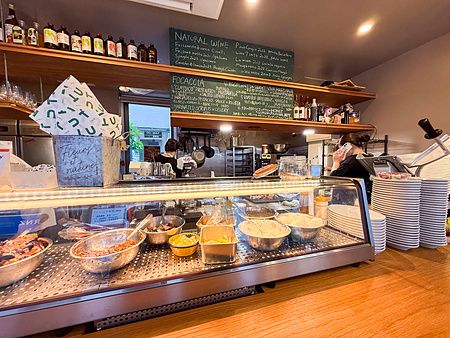
You pick from the chalkboard and order at the counter, and from there you can see right away what sets the place apart. They put the bread back in the oven and fill it on the spot, one at a time, so what you get is never a lukewarm sandwich pulled out of a display case.
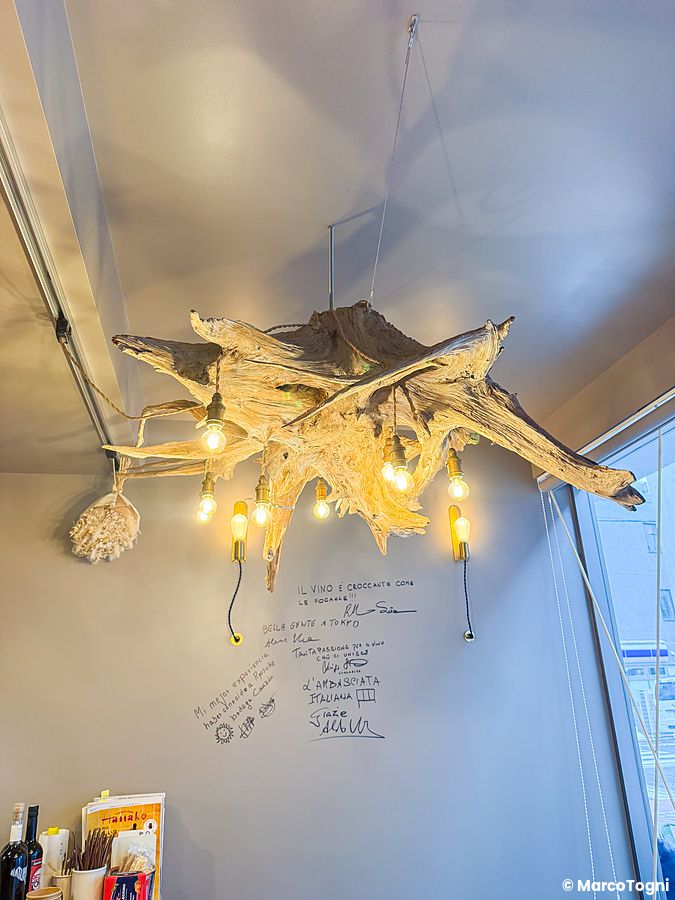
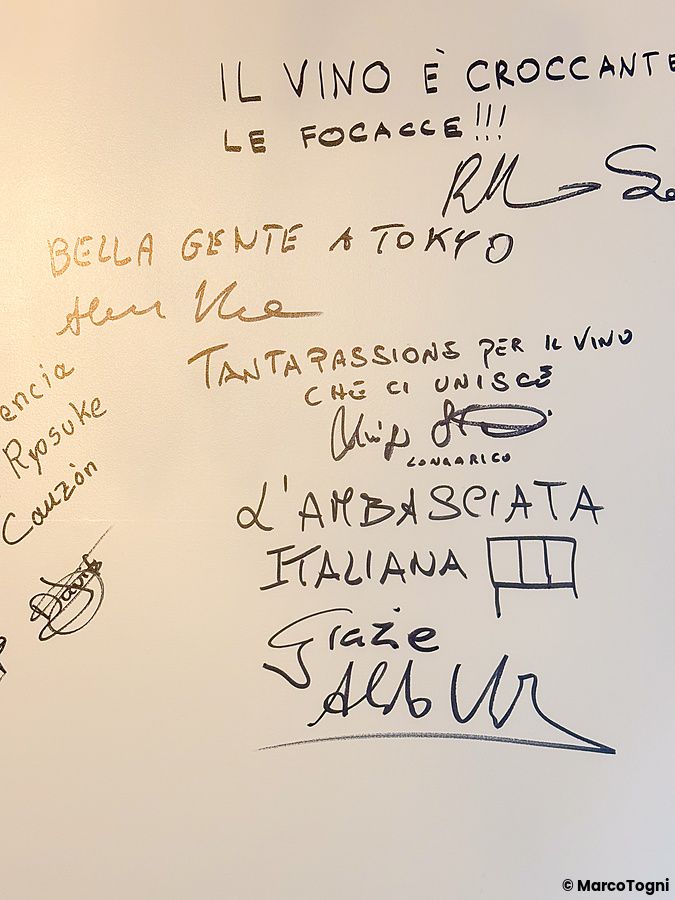
The combinations change with the season, but the idea stays the same: an Italian restaurant that decided to put its own food inside bread. The restaurant behind it is Ri-Carica, chef Ryosuke Tsutsumi’s Italian place in the same neighborhood and one of the most highly regarded in Tokyo. Tutu is its quick-bite offshoot, and you can taste the same chef’s touch at the counter.
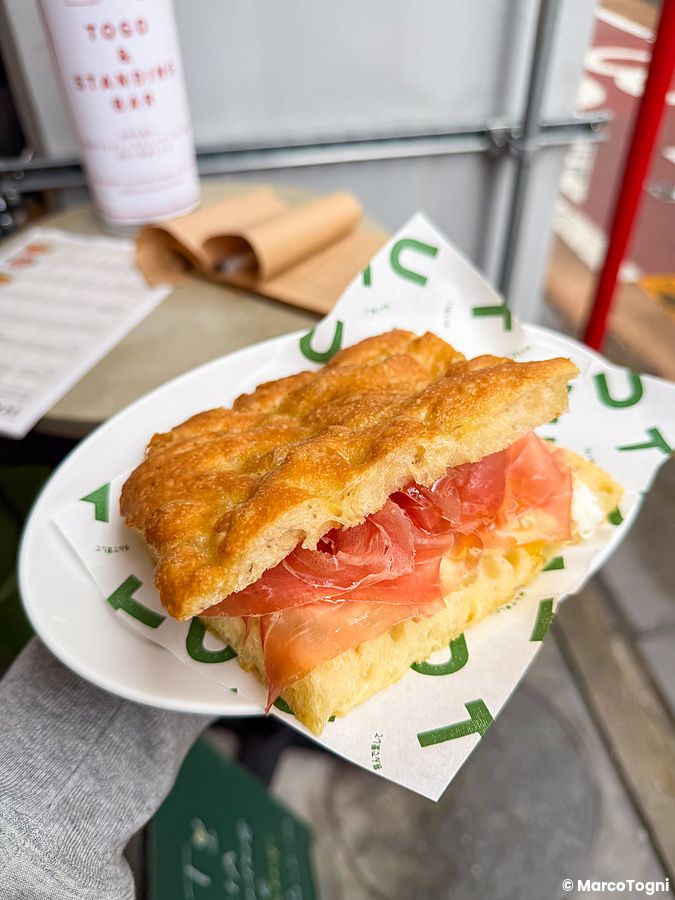
- Classic: prosciutto, buffalo mozzarella, salted lemon and olive oil, nothing else
- Mortadella with pistachio sauce and house-made ricotta: fatty and sweet, with the lemon cutting through it
- Roast beef brisket with sauerkraut, red onion and mango-jalapeño sauce: the most unusual one, and the one that gives you the biggest mouthful
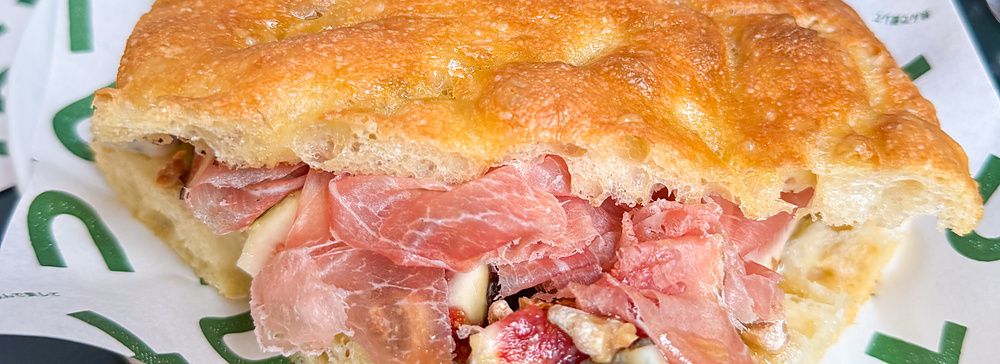
- Seasonal fruit with gorgonzola and prosciutto: figs, walnuts and honey at one time of year, strawberries at another
- Porchetta: pork rolled and slow-cooked with herbs, sliced thick
- Roasted mushrooms: the only one without cured meat, for anyone who’d rather skip meat
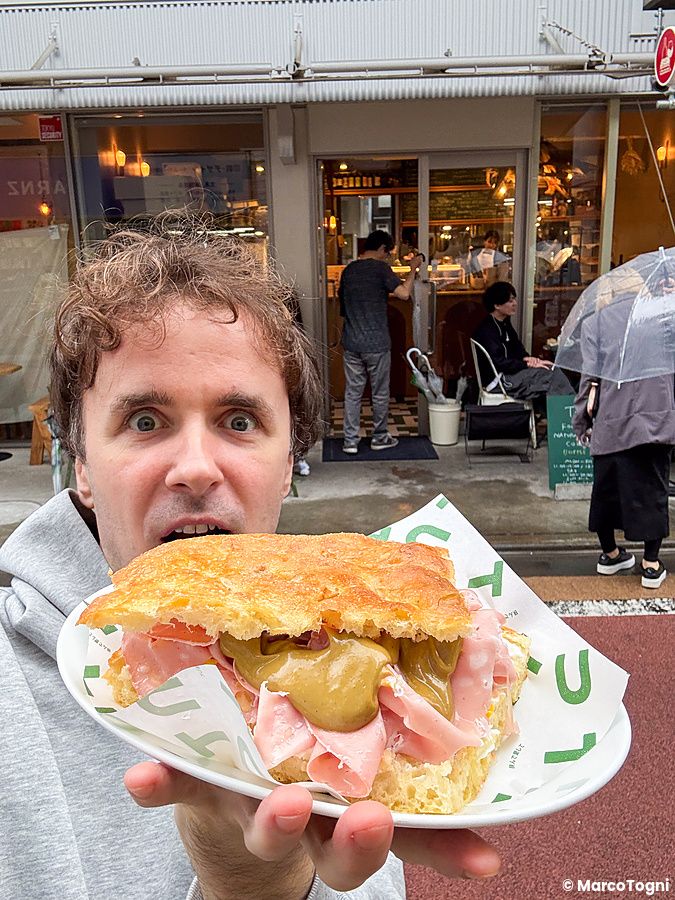
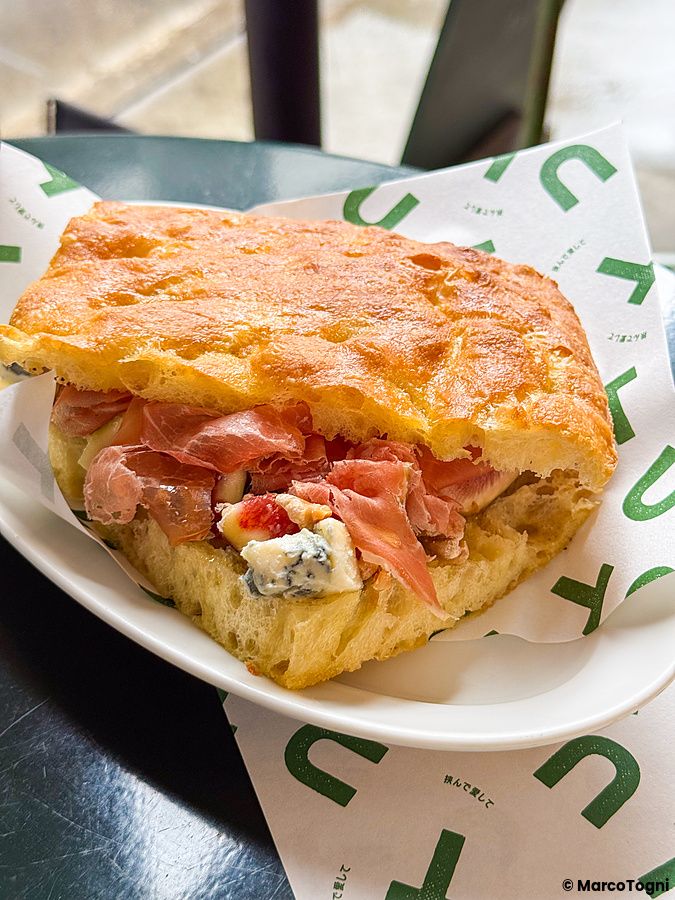
The prosciutto here isn’t a single slice laid on top for show. They cut it so thin it sticks to your fingers and pile it in layer after layer, to the point where the bread is almost just there to hold it. The mortadella with pistachio is the most popular, and it’s easy to see why, but it’s also the heaviest of the six. If you’re only getting one and want to walk away feeling light, the Classico is the simpler choice.
The fruit one isn’t a dessert, even though some people expect it to be. The gorgonzola is strong and really comes through, so if you don’t like sweet and savory together, steer clear.
If you get it to go, the crust gets soft within ten minutes and you lose half the reason you came. Eat it there, standing up, as soon as they hand it to you.
A stuffed focaccia costs around 1,400–1,700 yen. Add a soft drink and you’re looking at about 1,900–2,300 yen per person, and a glass of natural wine brings it up to around 2,500–3,000 yen. There’s no getting around it, that’s a lot for a sandwich: prices are on the high side, and this isn’t an everyday lunch spot.
That said, you’re getting real buffalo mozzarella, house-made ricotta and prosciutto that would cost you that much on its own in a restaurant, so the price is fully justified.
When I want something quick that’s still good food, this is one of the first places I think of. For around 2,000 yen I get ingredients you’d normally pay twice as much for at a sit-down restaurant with cloth napkins.
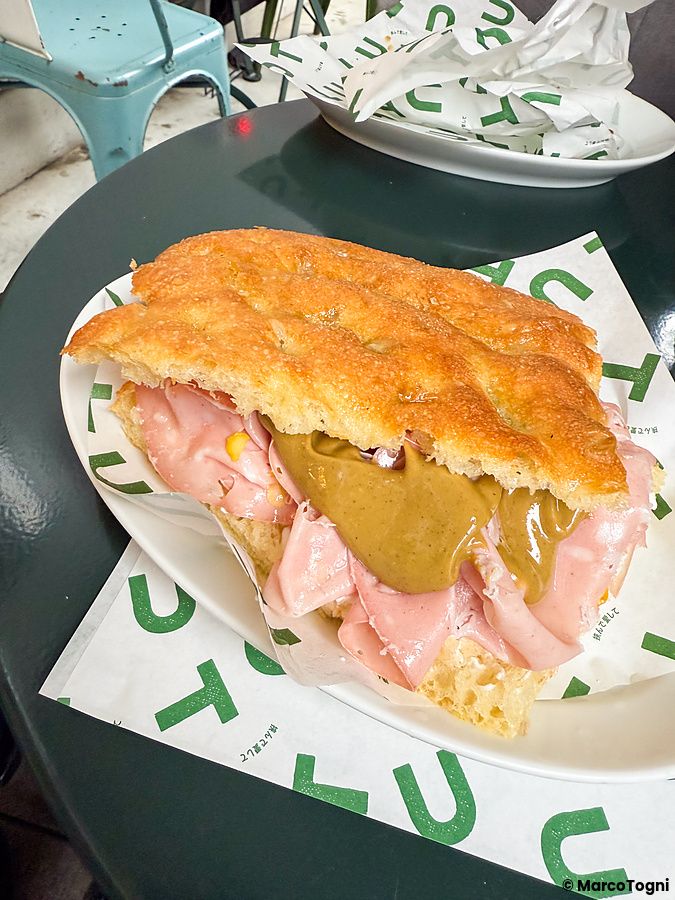
The bread
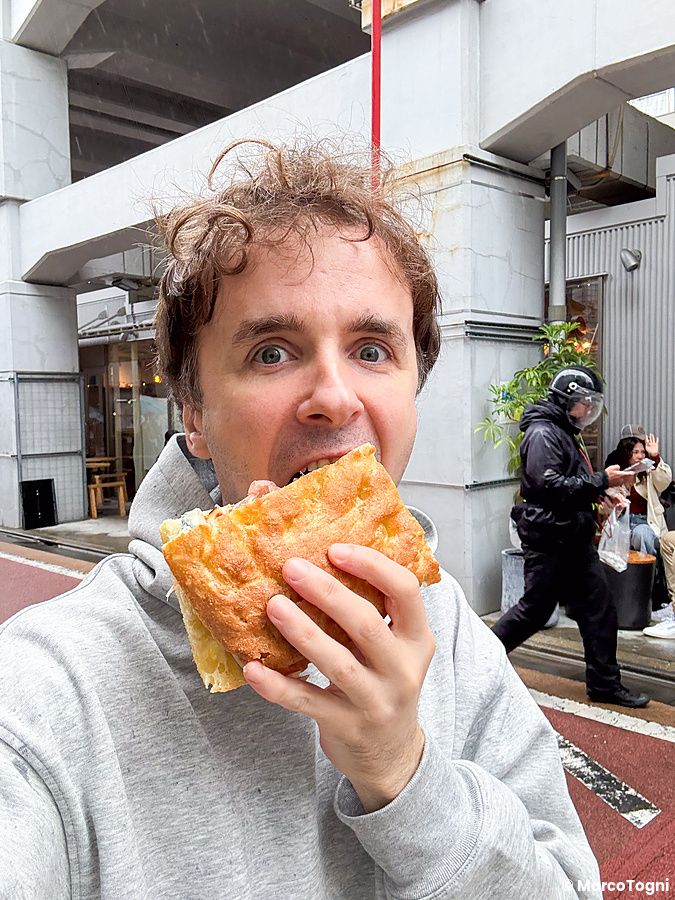
The dough is the real reason this place is a cut above the rest. They use Japanese flour and plenty of water, and they work the dough as little as possible on purpose, so the gluten network doesn’t develop. Then they give it a long rise.
You notice the result with your teeth before your tongue. The outside crunches loudly and crumbles a little as you bite, while the inside is full of big holes, with almost nothing to chew.
It’s nothing like the greasy, heavy focaccia you might be picturing. It’s a thick slice that weighs very little, so a sandwich with almost 200 grams of filling won’t weigh you down for the rest of the afternoon.
You can tell from the wait, too. Several minutes go by between paying and hearing your order called, because every piece goes through the oven before they fill it in front of you. If you’re in a real hurry, keep that in mind.
Inside
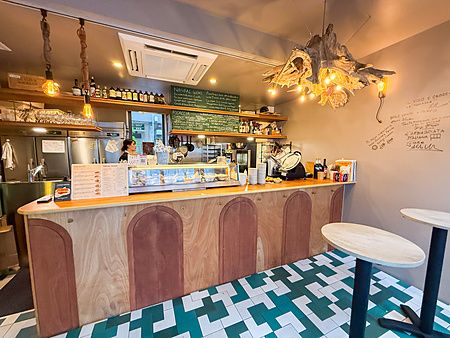
Inside there are two high tables where you eat standing up, a counter with the cured meats and bottles on display, and a glass front facing the street that keeps the whole place bright. The colors are green and white, Italian café style, and it all feels like a sandwich shop in a northern Italian city.
The real seats are outside, about ten chairs at small tables on the sidewalk, and dogs are allowed out there.
On weekends it’s always the same scene: a line at the counter, every outside table taken by mid-morning, and people leaning against the wall eating their sandwiches out of their paper wrappers. You wait twice, first to order and then to pick up, and nobody complains because they can watch the oven at work.
On weekdays things slow down and you can walk right in, with locals stopping by to grab something to go.
The crowd is mostly young women and couples in their twenties to forties, many with a camera in hand, plus people out walking their dogs who stop at the tables outside. The staff are quick and friendly in a natural way, without the put-on politeness you get at some places in Tokyo.
One thing to know before you get in line: they don’t take cash. You can only pay by card or phone.
Wine and the downsides
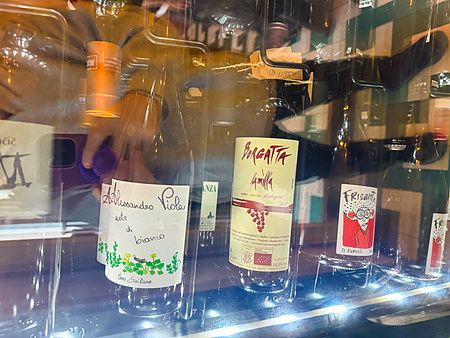
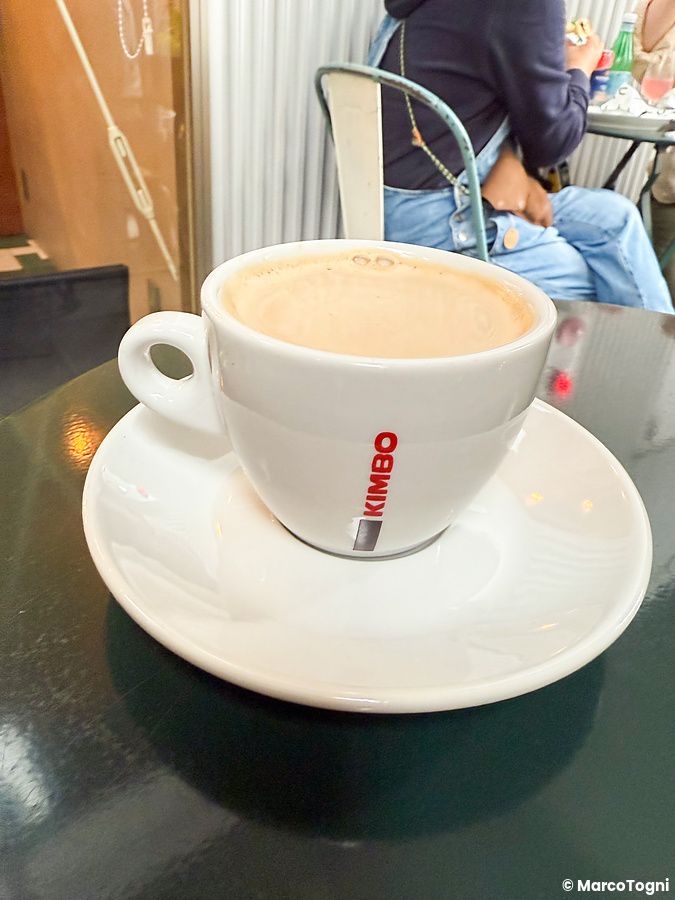
In the evening the counter switches gears and becomes a wine spot, with glasses of Italian natural wine, beer, and boards of cured meats and cheese. The focaccia is still on the menu, with snacks alongside it, and there’s also a brioche filled with gelato if you want to end on something sweet.
It’s one of those places where having a glass of wine standing up and staying for twenty minutes isn’t strange, since half the room is standing anyway.
It does have its limits, and I’ll be upfront about them. It’s not a place for a big group: even counting inside and outside there aren’t many seats, and with four or five of you you’ll end up split up.
In winter the outdoor tables are cold and eating outside becomes an endurance test, while inside it’s cramped and there’s nowhere to sit. If you want a quiet sit-down lunch, go somewhere else.
In short
Pros:
- bread that’s crunchy outside and very light inside, put back in the oven and filled to order
- restaurant ingredients in a sandwich: buffalo mozzarella, house-made ricotta, paper-thin prosciutto
- six or seven fillings that change with the season, including versions with fruit
Cons:
- you eat almost entirely standing up, and there’s a wait on weekends
- no cash, electronic payments only
Best for: a quick but top-quality lunch or a glass of wine with real food
Atmosphere: bright Italian café in green and white, with people standing at the counter and small tables on the sidewalk
Final thoughts
What sticks with you when you leave Tutu isn’t any one filling. It’s the sound: the first bite crunches so loudly you can hear it over the traffic on the street.
If you’re only going once, get the Classico. With just four ingredients you can tell right away how good the person making that bread is, and the prosciutto comes through better than it does under heavier fillings.
I don’t find many places where the bread is the best thing on the plate, and this is one of them. It’s worth the detour to Gakugei Daigaku even if you have no other reason to go out there. Go hungry.
Getting There
From Gakugei Daigaku Station, take the East Exit and walk about 3 minutes along the tracks. The shop is under the elevated railway, in the row of shops on Gakudai Park Street.
From Shibuya it's about ten minutes on the Tokyu Toyoko Line, but make sure you get on a local train, because express trains don't stop at Gakugei Daigaku.
Useful Info
- Gakugei Daigaku Station (Tokyu Toyoko Line, local trains only): East Exit
Map
This place is on MarcoMaps
Tutu
My map of Japan: over 4,000 places I've tried myself, each with photos, rating, and hours. Filter by category and rating, find veg-friendly spots and places near you with GPS. No sign-up, right from your phone.
- 4,000+ places
- Rating, photos, and hours
- Veg friendly
- Near me (GPS)
- Favorites without login
- Works offline

