766 m
Hands766 m
A store that sells everything. Great.
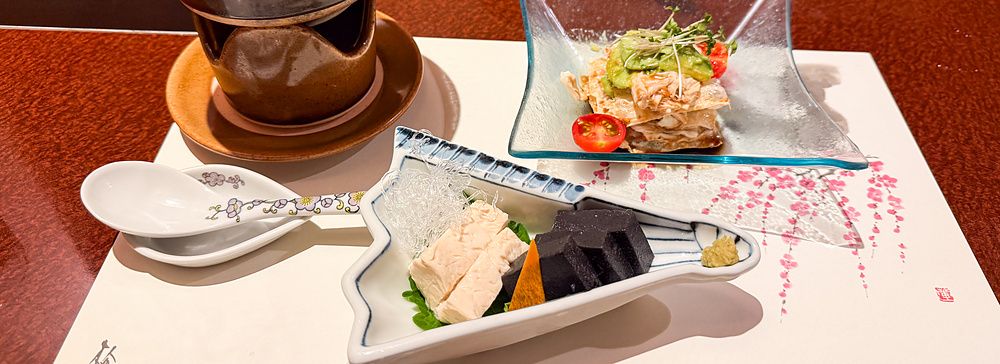
A Japanese restaurant chain built entirely around tofu and yuba, the thin skin that forms on soy milk when you heat it, with branches all over Japan and one in Ginza. Ume no Hana’s specialty is serving it all as kaiseki, a long series of small dishes brought out one after another, from tofu shumai all the way to dessert.
The restaurants are very traditional inside, with tatami and private rooms, and you’ll be at the table for a couple of hours.
To me it’s the right choice if you want to try real Japanese food without paying high-end restaurant prices. There’s also a full vegan menu, twelve courses with no meat, no fish and no fish stock, for anyone who often ends up just watching everyone else eat at restaurants in Japan.
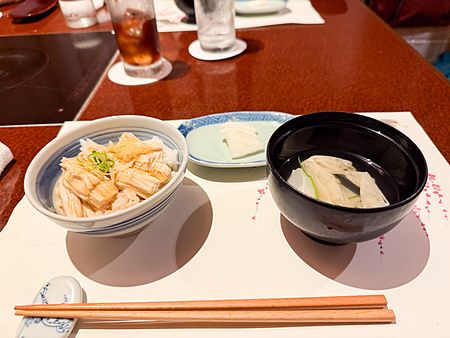
The set menus change with the seasons, but the backbone never does: soy in every form you can think of, with a few fish or meat courses slipped into the longer menus.
They make their tofu and yuba with soybeans grown in Hokkaido, and you notice the difference most in the dishes served without any seasoning, where there’s nothing to hide behind.
Here’s what you’ll find across the different set menus:
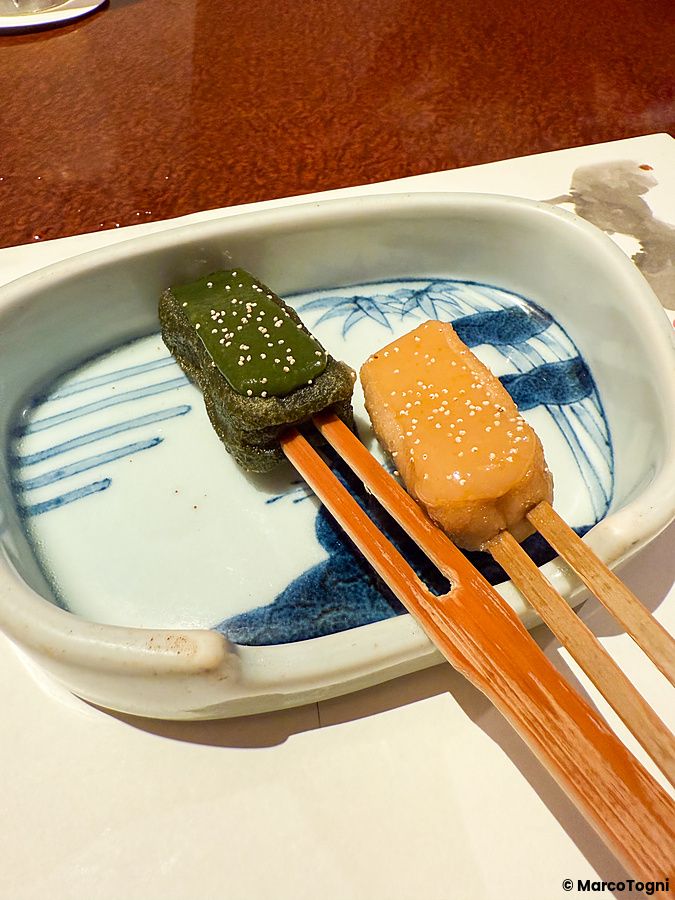
Fair warning: if you’re expecting bold flavors, that’s not what you’ll get here. The whole meal is built around the subtleties of soy, and what sets one dish apart from the next is texture more than seasoning.
Their chawanmushi, the savory steamed egg custard, is runnier than usual, and you eat it with a spoon like soup. Toward the end soy comes back in too many dishes in a row, and if you’re not especially fond of it, the long set menu can start to drag.
Prices are mid-range. Lunch set menus run from 2,500 to a bit over 4,000 yen per person, the longer evening kaiseki menus go from 5,000 to 7,500 yen, and the ones with beef or premium fish climb a little higher. For ten or twelve courses served one at a time in a private room, it’s money well spent.
It’s not somewhere you’d eat every day, but for what they put on the table it costs less than you’d expect when you see the word kaiseki. Whenever I want someone to try a long Japanese meal without ending up in a formal special-occasion restaurant, I come back here without a second thought: for under 5,000 yen each you get ten courses that would cost twice as much elsewhere.
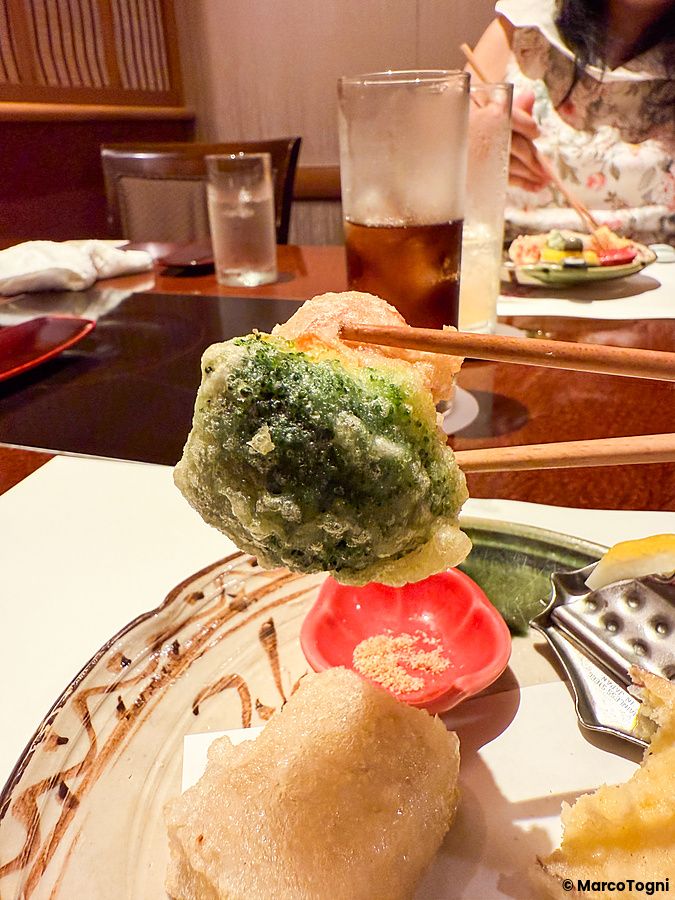
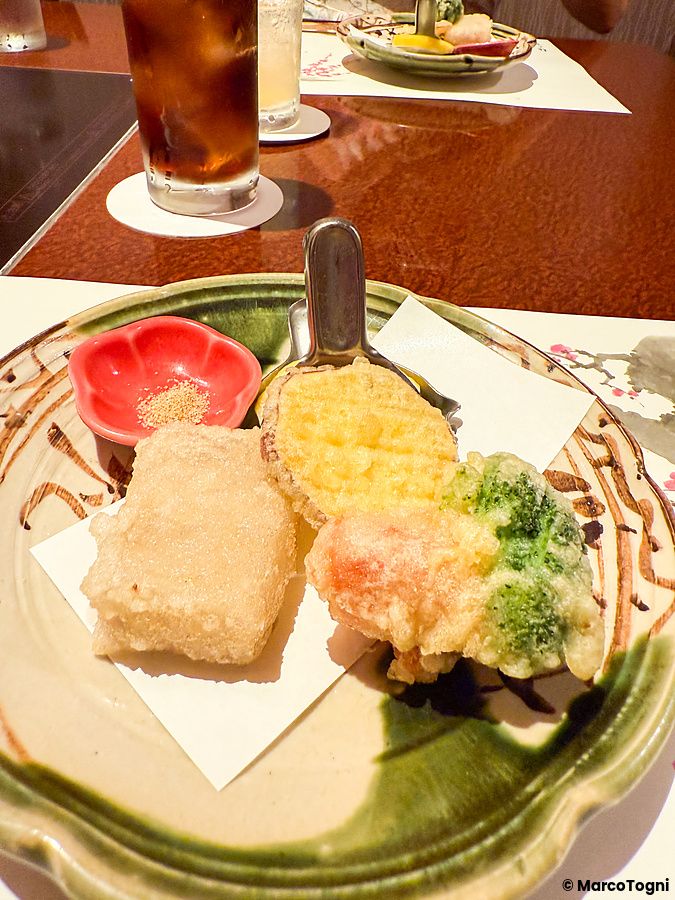
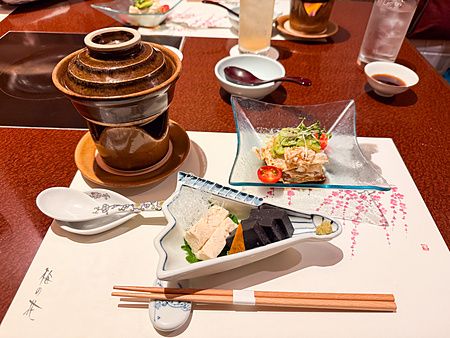
What you’ll remember most isn’t a dish, it’s a little pot. They put it in front of you with soy milk simmering gently over a small burner, and after a couple of minutes a thin skin forms on the surface. You lift it off yourself with your chopsticks and eat it right away, dipped in broth or a drop of soy sauce.
It takes patience. Grab it too early and it comes up in pieces; wait too long and it turns rubbery. Getting the hang of it takes two or three tries.
The flavor is mild and milky, with a sweet undertone. You do it five or six times over the course of the meal, while the other dishes keep arriving.
Kids love doing it, and it takes the edge off the formality of the kaiseki: everyone leans over the pot to check whether the skin is ready.
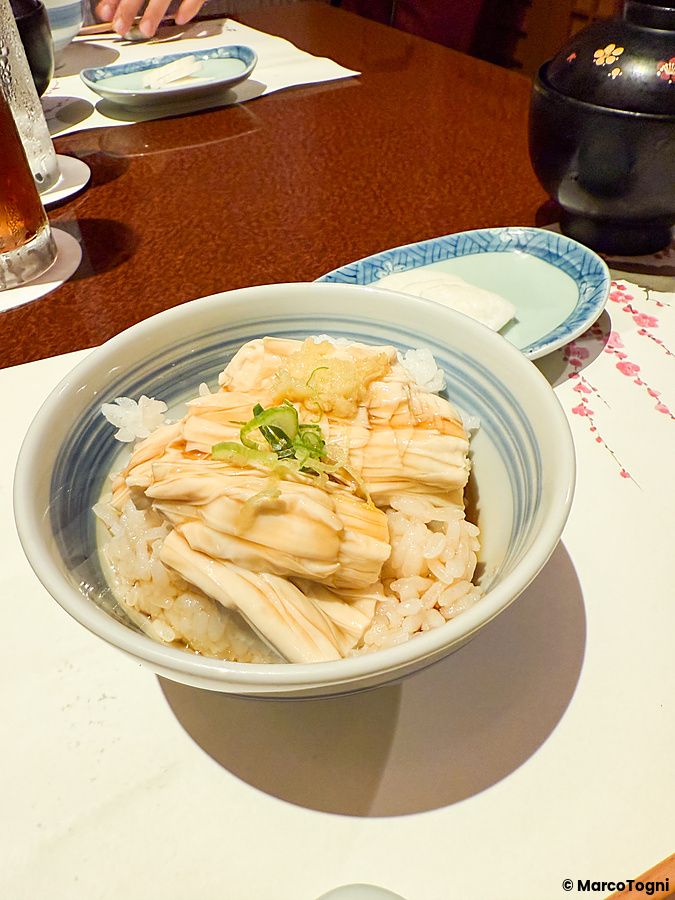
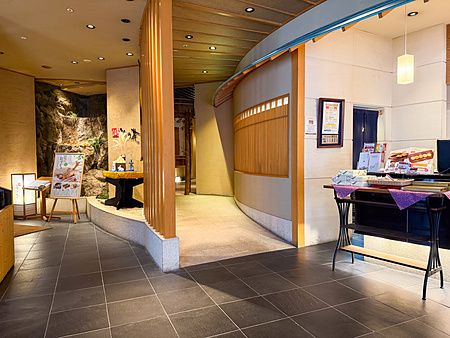
The chain’s restaurants are Japanese through and through: tatami corridors, sliding paper walls, low lighting, and private rooms instead of one big dining room. At many branches the tables are the sunken kind, where you sit on the floor but keep your legs stretched out, which is a lifesaver for Westerners.
There are plenty of private rooms, lined up side by side, and from the corridor you can hardly hear anything going on inside.
The service is old school: the staff kneel at the door, bring in a dish, tell you what it is and disappear. Nobody rushes you, and nobody refills your glass without asking.
The crowd says a lot about the place: families with grandparents, business lunches with everyone still in buttoned-up shirts, big groups celebrating birthdays and graduations.
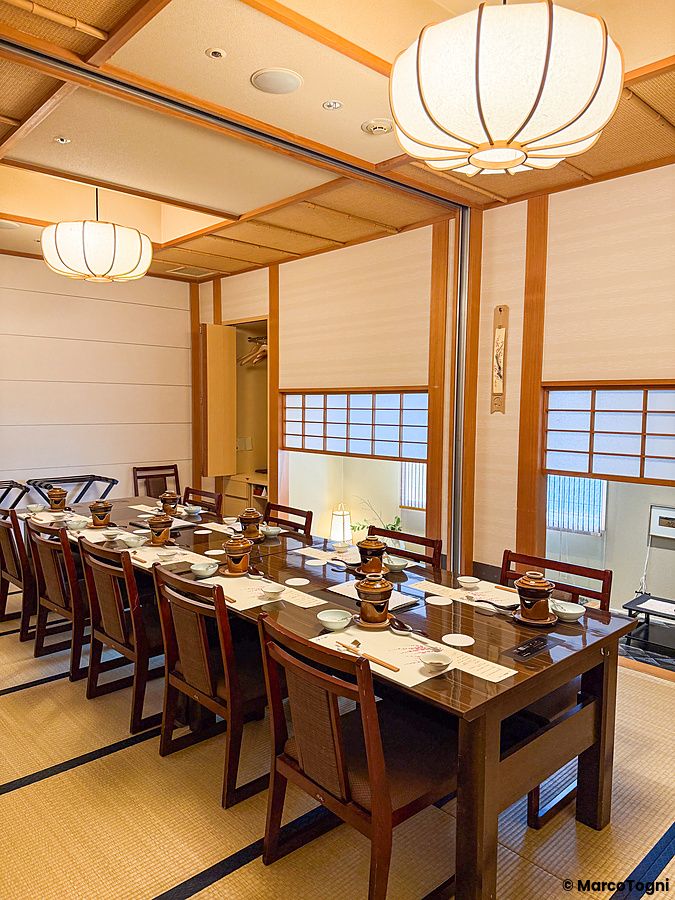
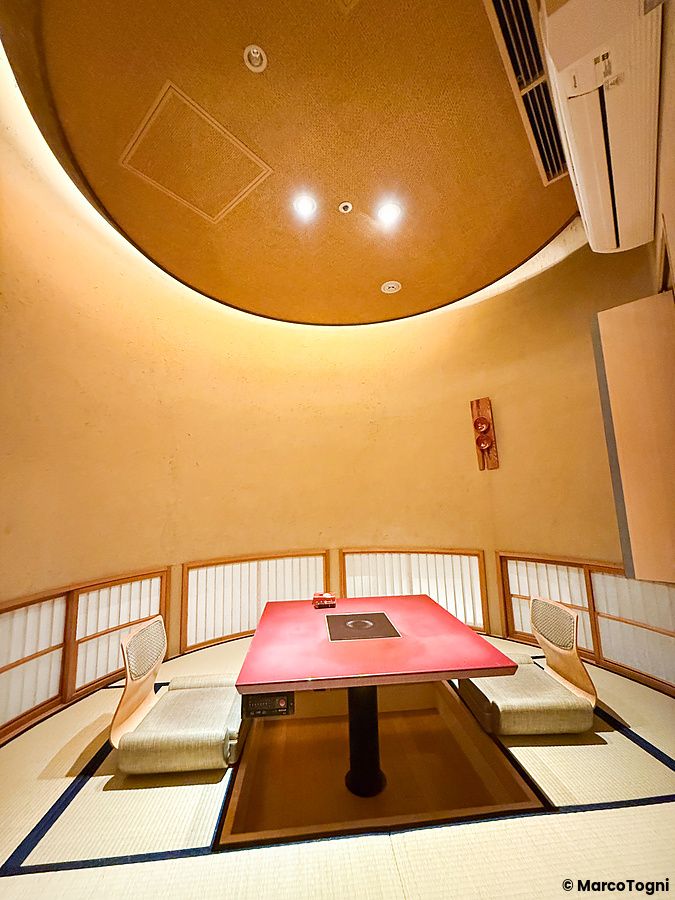
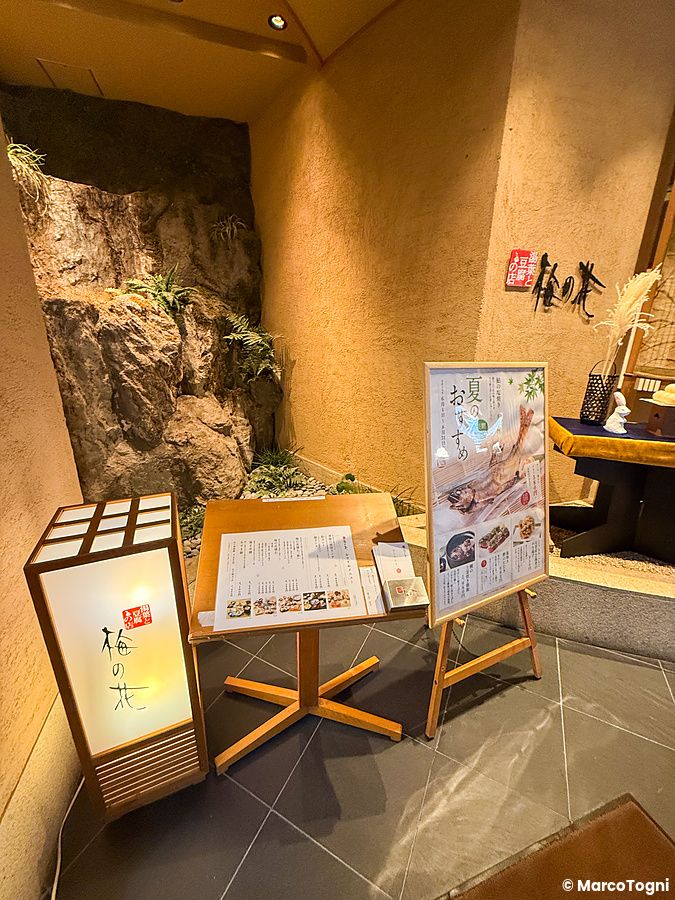
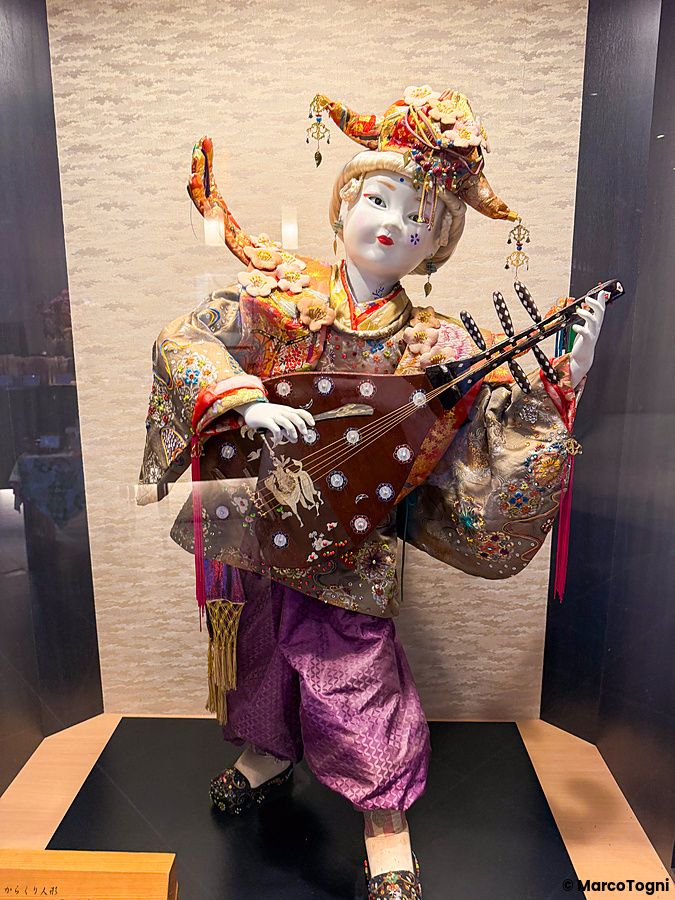
It’s worth going out of your way mainly for the tofu, because in a single dinner you get it raw, warmed in broth, fried, lifted off as yuba and worked into dessert, and its texture changes every time. It’s also one of the few places where you can have one of those long Japanese meals with kids at the table without feeling out of place, because you have the room to yourselves.
If you’re traveling with someone who doesn’t eat meat or fish, that’s a whole evening taken care of, and for me that’s the biggest reason more people should know about this chain. The vegan menu is a proper kaiseki, twelve courses served at the same pace as the regular one, so nobody sits in front of a salad while everyone else gets the good menu.
No fish, no eggs, no dairy and above all no fish-based dashi, which is the sticking point for almost every restaurant in Japan. Here the flavor base comes from vegetables and a clear, fully plant-based broth, and that broth actually tastes like something, not like water.
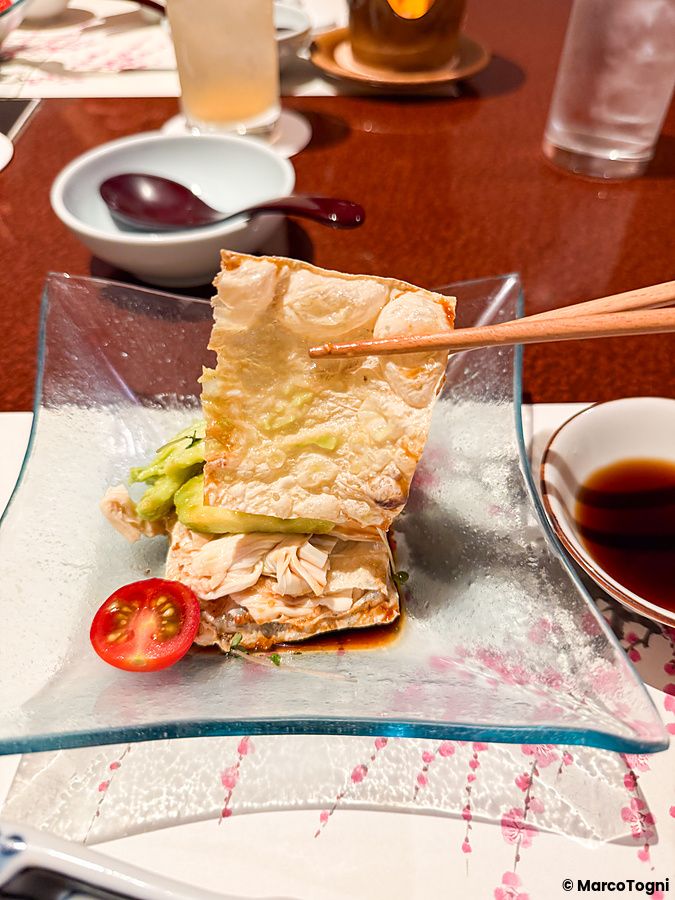
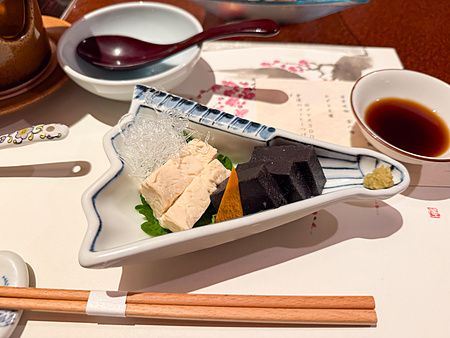
The menu includes a Chinese-style yuba and avocado salad, soy milk mochi in a vegetable sauce, mapo made with soy meat, yuba made to look like eel, and to finish, soup and rice topped with yuba. You also get the sliced raw tofu and the wheat gluten skewers, which are vegan to begin with.
The price falls within the range of the evening set menus, around 6,000–6,500 yen per person.
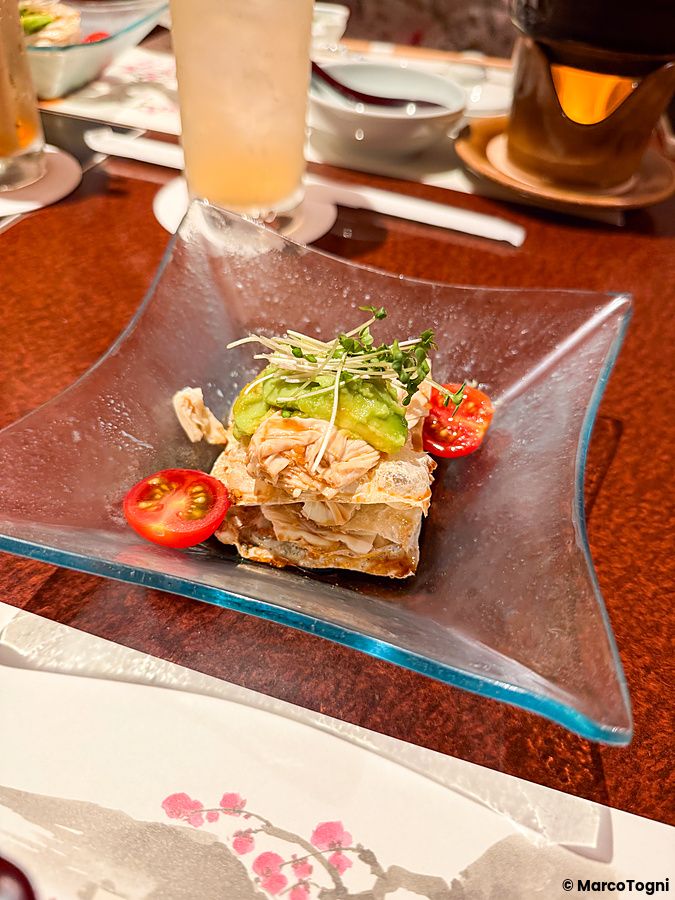
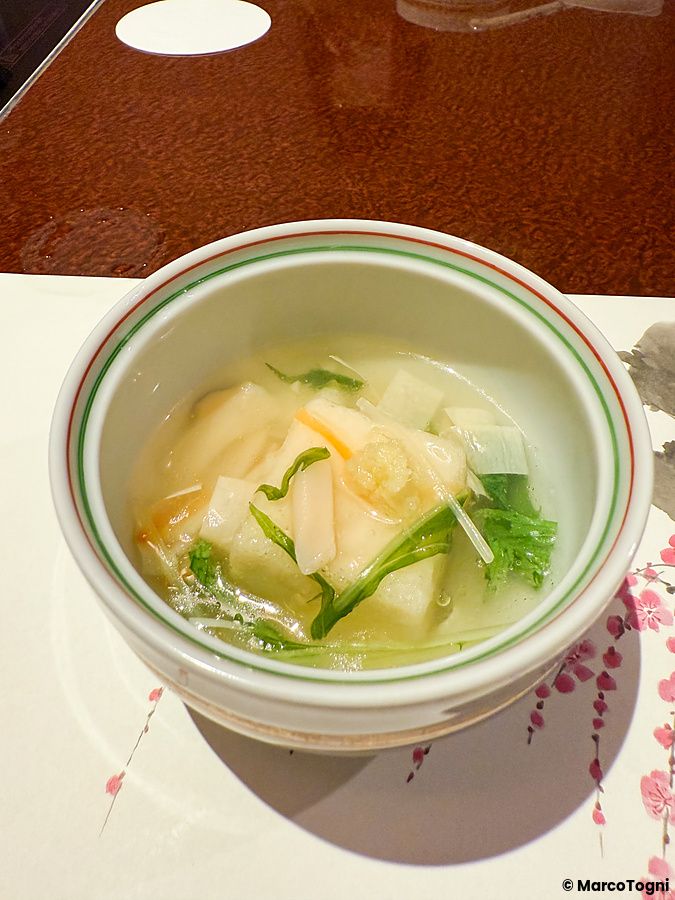
It’s not for you if you’ve got half an hour and just want to get a meal out of the way: the courses come at their own pace, and you can’t hurry them. If soy doesn’t agree with you, you’re better off sticking to the short set menu.
They also sell tofu to go, for lunch back at your hotel.
Pros:
Cons:
Best for: family dinners with elderly relatives or kids, and anyone who doesn’t eat meat or fish but still wants a full Japanese meal
Atmosphere: tatami, paper walls, quiet voices, family gatherings and business lunches
What to order: the long set menu if you have time, the short one if you’re going in the middle of the day
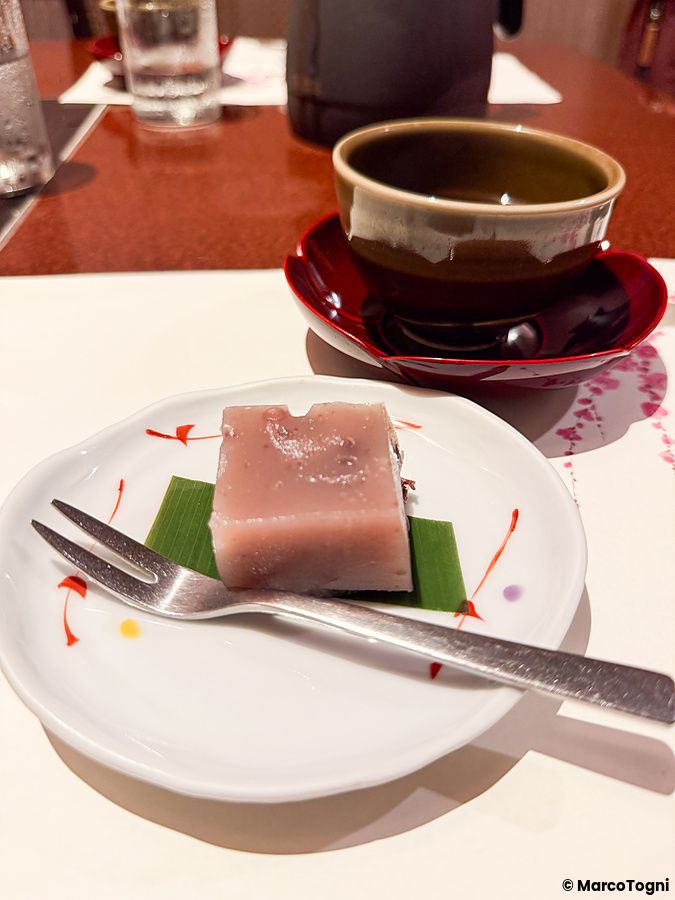
What stays with me when I walk out of Ume no Hana is the silence: two hours in a tatami room with the sliding door shut, in a city where you often eat elbow to elbow with strangers. If you only go once, get the long set menu and don’t skip dessert, because the azuki tofu pudding comes out cold after so many hot dishes and rounds off the meal nicely.
It’s where I send anyone who wants to understand what a Japanese meal served one dish at a time is like. Go.
This place is on MarcoMaps
Umenohana Tachikawa shop
My map of Japan: over 4,000 places I've tried myself, each with photos, rating, and hours. Filter by category and rating, find veg-friendly spots and places near you with GPS. No sign-up, right from your phone.


Umenohana Kokubunji - nearby you will find:
Ume no Hana Machida - nearby you will find:
Ume no Hana Ginza Namiki-dori - nearby you will find:
58 mA store that sells everything. Great.
 67 m
The lavish buildings of the man who invented pearl farming.
 145 m
Good, cheap standing sushi.
 166 m
Amazing LED facade.
 175 m
Very well-stocked stationery store.
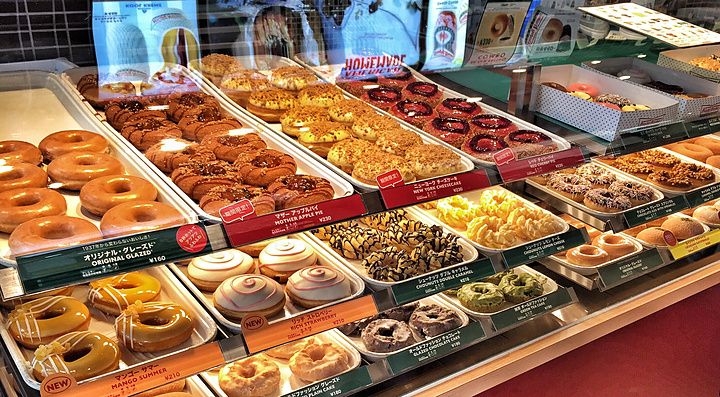 207 m
American glazed doughnut chain.
Ume no Hana Uenohirokoji - nearby you will find:
 164 m
Open 24 hours, and you can find anything.
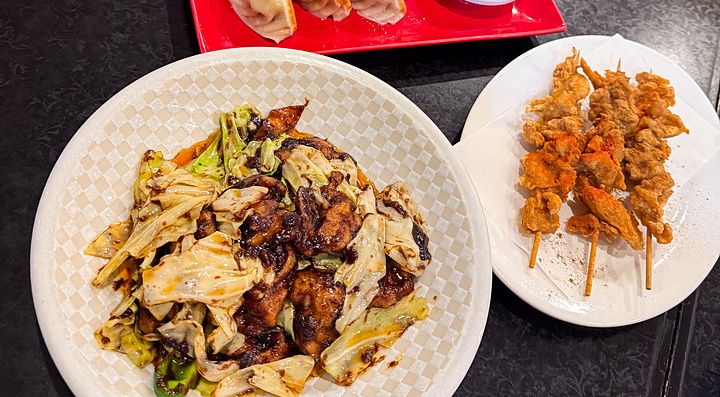 188 m
Chinese restaurant with vegan options.
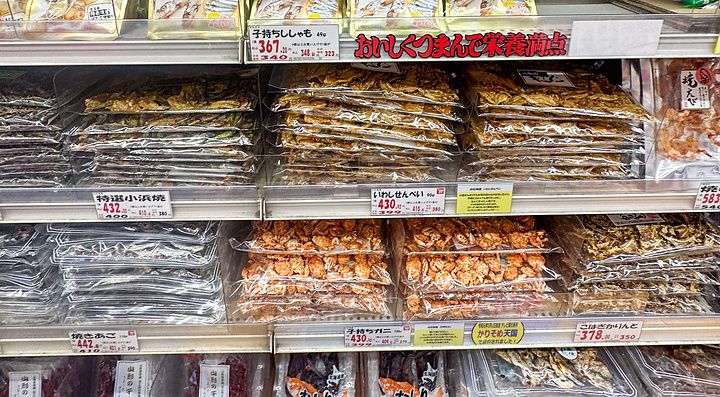 192 m
Snack and candy shop.
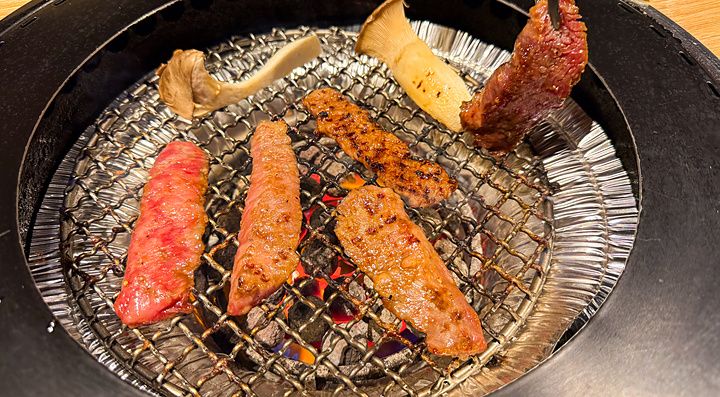 280 m
Upscale yakiniku.
 334 m
All kinds of stalls, in Ueno.
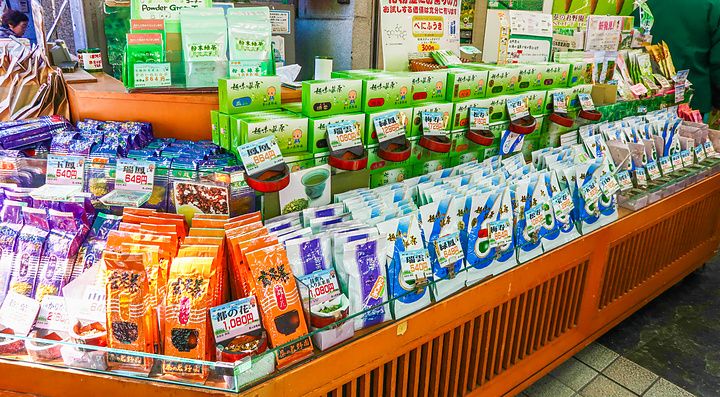 338 m
Green tea, teapots, and ice cream.
Umenohana Kichijoji Store - nearby you will find:
Ume no Hana Yokohama Sky Building Store - nearby you will find:
Umenohana Kyoto - nearby you will find:
Umenohana Tokyo Skytree Town Soramachiten - nearby you will find:
Umenohana Plus Atre Kichijoji - nearby you will find:
Umenohana Honmachi - nearby you will find:
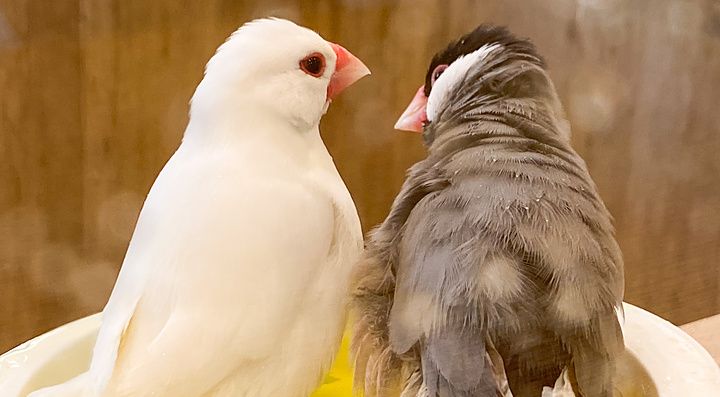 285 m
A café with birds you can pet.
294 mAmerican glazed doughnut chain.
488 mA store that sells everything. Great.
 491 m
Great ramen chain.
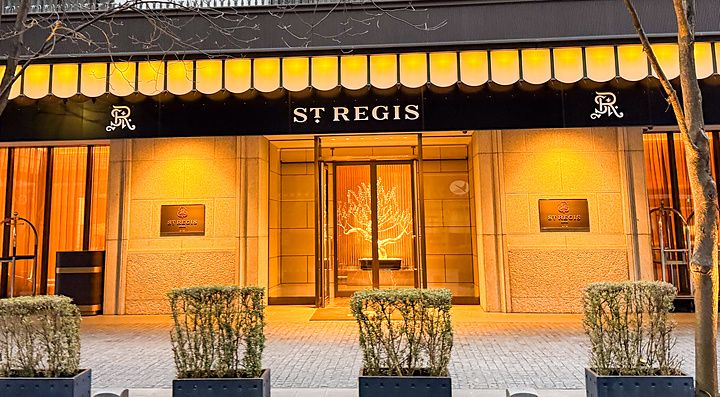 526 m
A butler, champagne and tubs with a view.
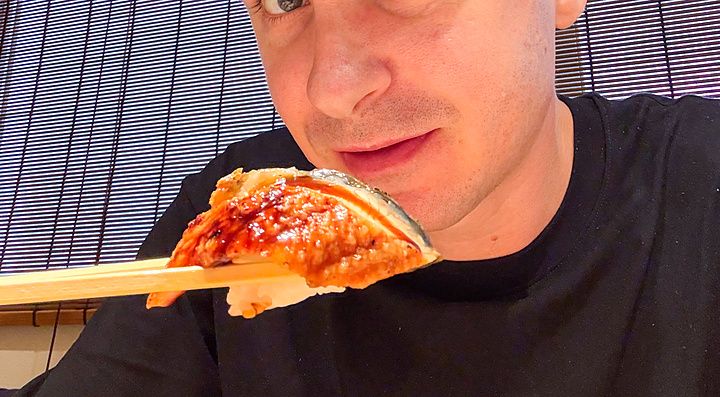 532 m
Cheap sushi and izakaya dishes.
Umenohana Sakae - nearby you will find:
 176 m
One of the best-known electronics chains.
183 mA store that sells everything. Great.
 207 m
For hardcore fans.
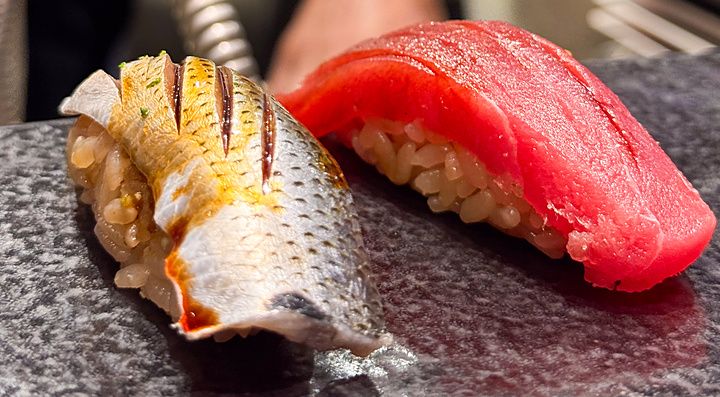 398 m
Chain with excellent sushi.
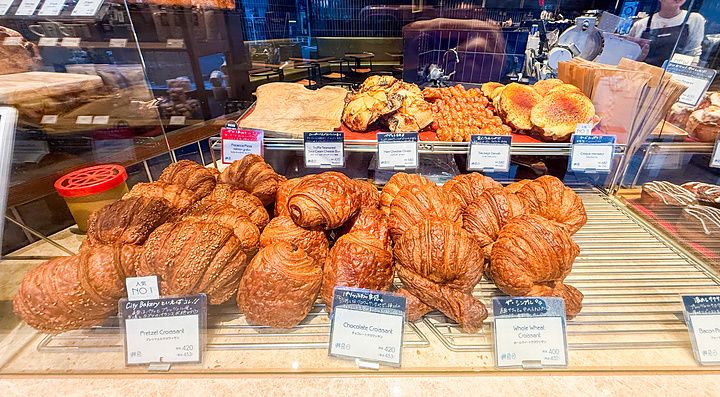 440 m
Hearty breakfasts.
 726 m
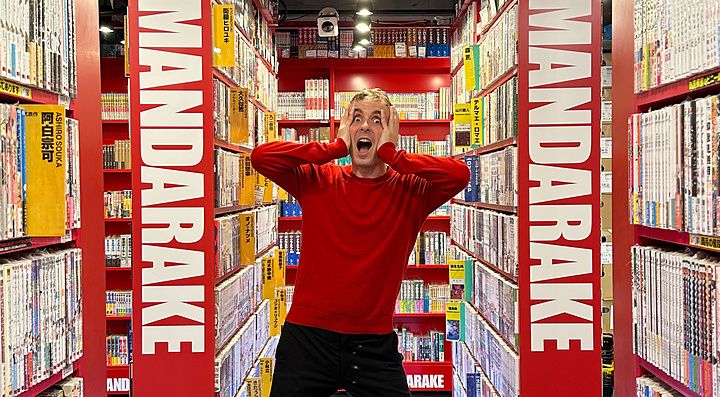
Used anime and manga.
Umenohana Hiroshima - nearby you will find:
Umenohana Kobe-motomachi - nearby you will find:
Umenohana Shizuku Hanshin Umeda - nearby you will find:
Umenohana Tennoji - nearby you will find: