Universities in Japan
Studying in Japan is one of the things people ask me about most, and the answer is never a short one.
The university system here looks like the Western one only on the surface. The calendar is different, the way you get in is different, and so is how much a university’s name shapes the rest of a person’s life. There are almost 800 universities across the country, from huge national research universities to small private universities outside the big cities, and the rules are stricter than most people imagine.
The year starts in April. You get in through an exam or a recommendation, it costs little at a national university and quite a lot at a private one, and the four years are taken up by student clubs, part-time jobs and the scramble for a first job.
Contents
How the system works
Japanese universities fall into three groups, and the difference matters a lot. The national ones are funded by the national government, and there are just under 90 of them. The public ones, about a hundred, are run by a prefecture or a city. Then come the private universities, more than 600 of them, which make up the vast majority and take in most of the students.
A bachelor’s degree takes four years and is already a full degree on its own: there’s no split into a three-year bachelor’s and a two-year master’s like the one many people are used to. Medicine, dentistry and veterinary science take six years, a master’s two, and a doctorate another three.
You need about 120 credits to graduate, built up course by course. The system is organized by department: you go straight into law, economics or engineering, and you stay there.


If you come from abroad, what strikes you is how rigid the pecking order among universities is. It’s not just an unofficial ranking. There’s an actual number, the hensachi, that measures how hard it is to get into a given department at a given university, and everyone uses it as a yardstick.
That number matters when companies hire, it shapes how a young person is seen by their family, and sometimes it even affects friendships. I’ll be honest with you: it’s the part of the system I like least, but if you ignore it you won’t understand how Japanese students think.
The academic year
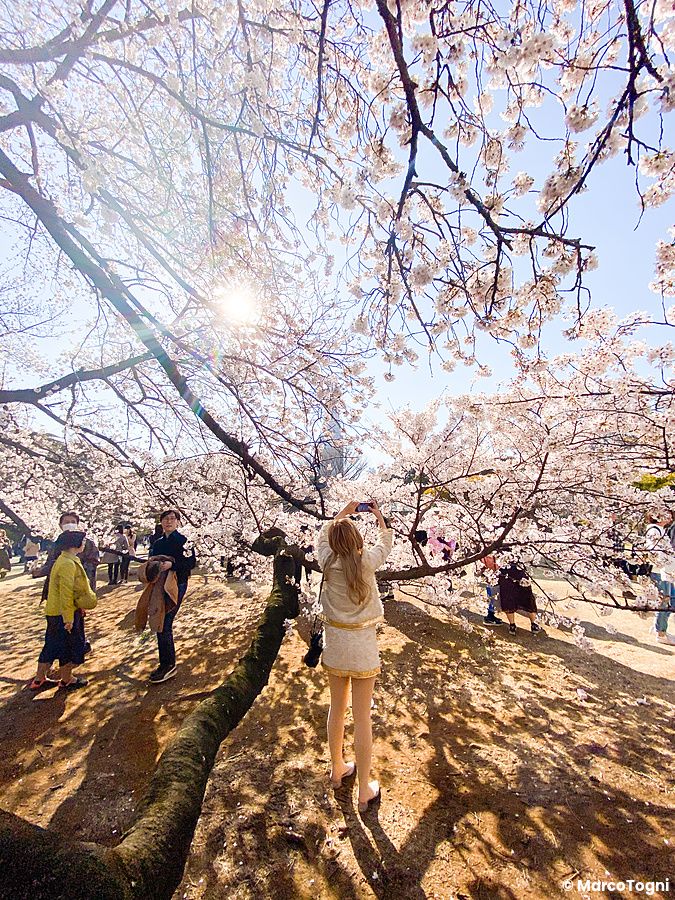
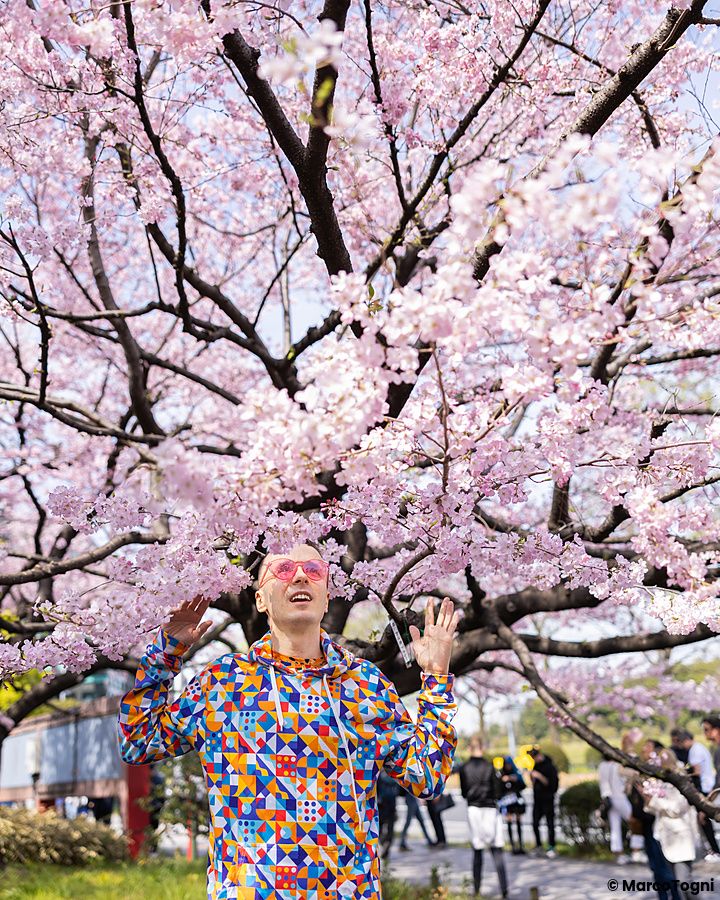
Classes start in April, not September. That’s when the cherry trees bloom, and photos of entrance ceremonies, with parents in dark suits under the trees, are one of the most recognizable images of Japan.
The year is split into two semesters: the first runs from April to early August, the second from late September to January or February. The long breaks come in summer, covering August and a good part of September, and at the end of winter, when the break is often longer than you’d expect.
Some universities also have a September intake, almost always tied to programs taught in English, but it’s still the exception. As far as Japanese universities are concerned, the year really starts in April.
This has a practical consequence that many people find out too late. If you finish high school in a country where the school year ends in June, you’re left with several empty months before you can start, and you have to fill them with something: a language school, a preparatory course, a few months of studying back home.
My advice is to plan for it from the start, because putting something together at the last minute gets expensive.
Entrance exams
The classic path for a Japanese student goes through a national exam held in mid-January, on the same weekend all over the country. Students aiming for a national or public university have no choice but to take it, and it covers a wide range of subjects: Japanese, math, English, science, history and civics. Depending on the combination, they can easily end up sitting eight tests.
That score is then added to the one from the university’s own written exam, held in late February for the main round and in March for the second round. The dates are set nationally, so students can take the exam at only one national or public university per round.
Private universities work the opposite way. Each one sets its own dates and subjects, usually three, and as long as the days don’t overlap you can apply to as many as you like. Some students try eight or ten, paying an application fee for each one.
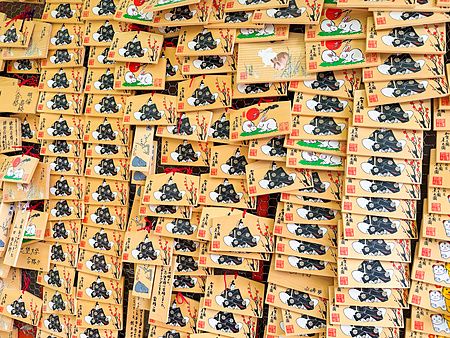
A huge number of students who don’t get in take the same route: they spend a year at a specialized prep school and try again the following year. These students are called ronin, after the masterless samurai, and nobody looks down on them. It’s seen as a normal step, not a failure.
Getting in without an exam
The idea that in Japan everything hinges on one brutal exam is only half true, and at private universities it’s actually the smaller part of the picture. There are two parallel routes that matter enormously.
The first is a school recommendation. The high school recommends the student, often for places that a university sets aside for that specific school, and the student has an interview and writes an essay. The second route looks at the student’s overall profile: motivation, extracurricular activities, certifications, a personal project and a long interview all count.
Together, these two routes account for more than half of all new students at private universities. All of this is wrapped up by December, before the real exam season has even started.
Several of these routes are open to students with a foreign school background too, and they look at things a multiple-choice test can’t see:
- Language certifications really matter, both for Japanese and for English, and you should have them in hand well in advance.
- Applicants with an international diploma or a high school education abroad are often assessed separately, with different criteria from those used for Japanese applicants.
- The interview in Japanese is the real hurdle. You don’t need to speak perfectly, but you do need to make the case for why you want that department and not another.
- Applications are due many months before classes start, so your planning begins more than a year ahead.
The best-known universities
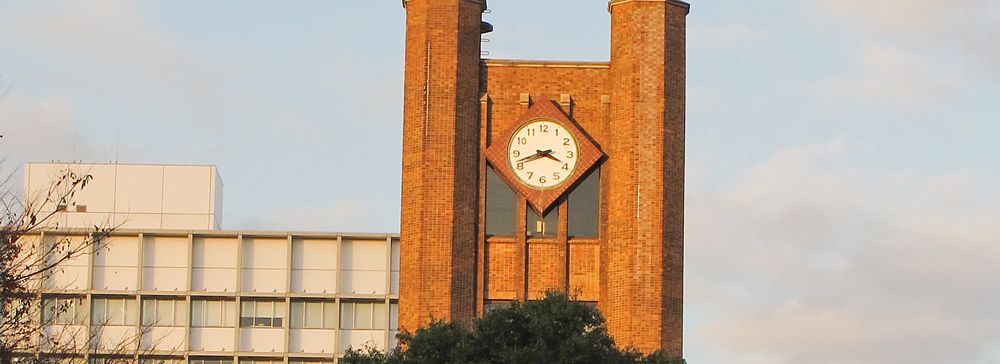
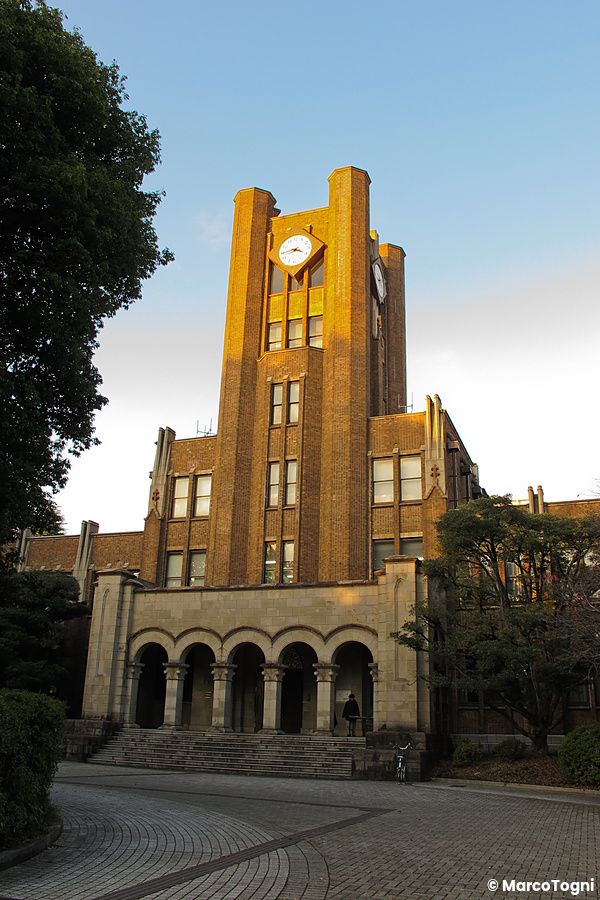
At the top of the pyramid are the two big national universities, the University of Tokyo and Kyoto University. The University of Tokyo, founded in the late 1800s, has one feature I really like. Students spend their first two years at the Komaba campus, in the Shibuya area, taking a broad range of general courses, and only then choose their department and move to the historic Hongo campus with its famous red gate. When you get in, you don’t have to decide right away what you’ll do with your life, and that softens a system that’s otherwise very rigid.
Kyoto University has a different reputation, more anarchic and more focused on pure research, and it’s the Japanese university that has produced the most Nobel Prize winners.
Below them is the group of former imperial universities, the big regional national universities founded before the war, spread across Sapporo, Sendai, Nagoya, Osaka and Fukuoka. They’re the leading universities in their regions and cost exactly the same as the University of Tokyo, which makes them a sensible choice if you don’t want to live in the capital.
Among the specialized national universities, at least two deserve a mention: Hitotsubashi, which is tiny and very strong in economics and the social sciences, and the Institute of Science Tokyo, a large science university created by merging the city’s institute of technology with its medical university.
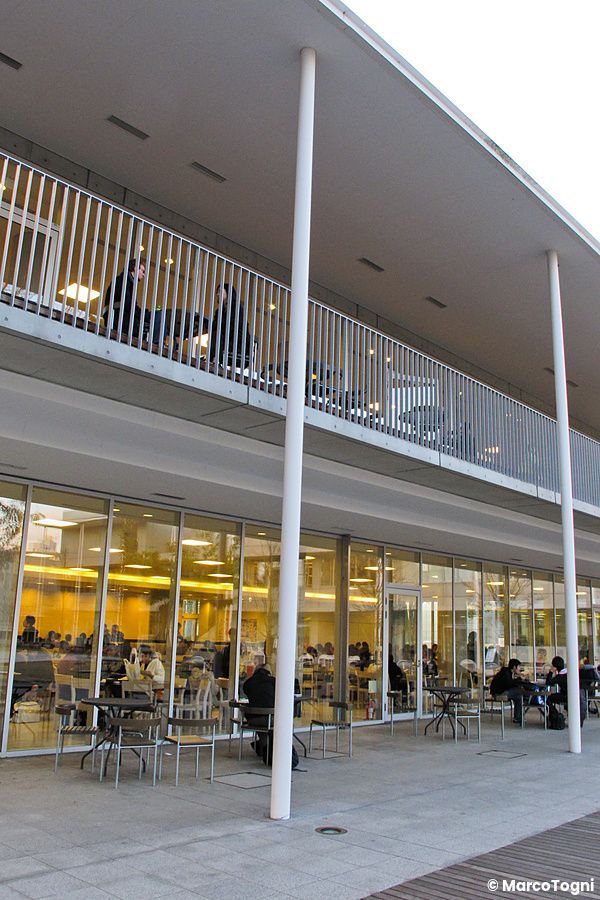
On the private side, the long-standing rivalry is between two Tokyo universities. Waseda, founded by a politician who served twice as prime minister, is huge and diverse. It has more international students than any other university in Japan and a strong tradition in political science and literature.
Keio grew out of a private school opened by an intellectual who was on the old 10,000 yen bill. It has a more practical bent and an alumni network in the business world that carries a lot of weight in hiring.
Close behind them are Sophia, which is very international and Jesuit in origin, and ICU, a small school with a liberal arts model that’s rare here. In the Kyoto and Osaka area, the names you’ll hear most are Kansai, Kwansei Gakuin, Doshisha and Ritsumeikan. In Tokyo, the group known as MARCH brings together Meiji, Aoyama Gakuin, Rikkyo, Chuo and Hosei, a step below Waseda and Keio but with excellent job prospects.
What it costs
Tuition at national universities is set by the government and is almost the same everywhere: around 500,000 yen a year, plus a one-time admission fee of nearly 300,000 yen paid when you enroll. By Japanese standards that’s an affordable amount, and it’s the reason national universities stay so competitive.
At private universities it’s a different story. Average tuition is close to a million yen a year, and once you add the admission fee and facility charges, the first year goes over 1.5 million yen. Science programs cost more than humanities ones, and medicine at a private university is in a category of its own, out of reach for most families.
Costs change over time, so always check the current figures on the university’s website before you sit down and run the numbers.
On top of that there’s the cost of living. A room in a student dorm run by the university costs a fraction of normal rent, and it’s what I recommend to everyone for the first year. It also solves the guarantor problem, which in Japan gets a lot of rental applications turned down.
Outside Tokyo the cost of living drops sharply, and at a national university outside the big cities you can study for much less, with the same quality of teaching.
Getting in as an international student
If you didn’t go to high school in Japan, you don’t take the national exam. Instead you take a test designed specifically for international students. It’s held twice a year, in June and November, both in Japan and in several Asian countries. The subjects are Japanese, math, science and general knowledge, which covers geography, history and economics. You can choose to have the questions in Japanese or English, except, of course, for the language test.
Universities look at that score and then almost always add an interview and an exam of their own. Some also accept applications from abroad and decide on admission before you leave, but they’re a minority and you have to look for them one by one. To enroll as a first-year student, universities normally ask for twelve years of schooling across elementary, middle and high school.
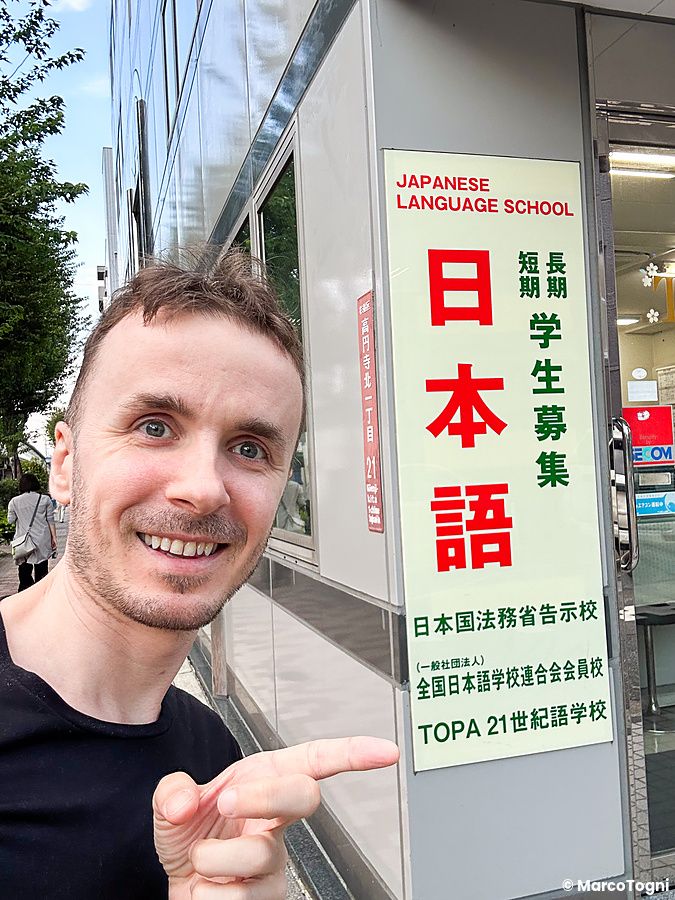
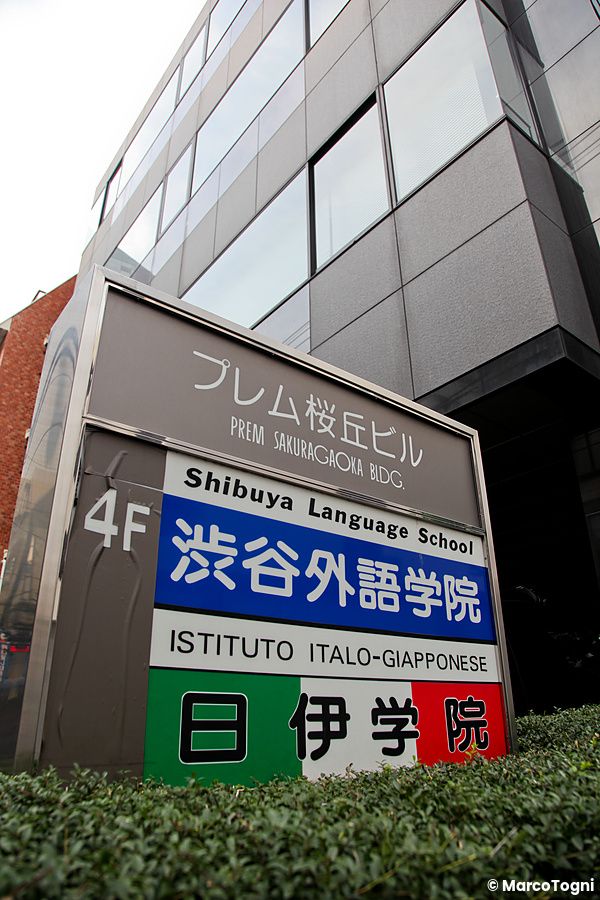
The most common route, though, is a different one. You come on a student visa, attend a Japanese language school for anywhere from six months to two years, and prepare for admission from there. To follow university lectures in Japanese, you need a solid command of the language, around the second-highest level of the official proficiency test, and below that you’ll struggle quite a bit.
Some universities also run in-house preparatory courses. They last a year and are designed for international students who need to close the language gap before enrolling in the actual degree program.
Degrees taught in English
You don’t necessarily need Japanese, and for a lot of people that news changes their plans. Thanks to a ministry program to internationalize universities, about forty universities offer degrees taught entirely in English, from freshman year to graduation.
The best known include liberal arts programs, international faculties with courses in both the sciences and the humanities, and several programs at the universities I mentioned earlier. Ritsumeikan Asia Pacific University, on the island of Kyushu, is in a category of its own: about half the students come from abroad and classes are taught in two languages.
Before you jump in, keep in mind two things I’ve seen happen a lot. First, studying in English doesn’t teach you Japanese. If you don’t study it on the side, after four years you end up with a Japanese degree and no Japanese, and at that point finding a job here gets complicated.
Second, the students in these programs tend to stay separate from the rest of campus, so you have to go looking for ways to integrate by joining clubs or taking a few classes in the regular program.
A semester on exchange
Not everyone wants a full degree in Japan, and for many people the easier route is going while still enrolled at a university back home. If your university has a bilateral agreement with a Japanese one, you can spend a semester or a year there without paying Japanese tuition, and your exams count toward your degree when you get back.
Spots are limited and awarded through an internal selection process, so ask your university’s international office well in advance which agreements it has.
It’s also a great way to see firsthand what Japanese university life is like before committing to four years. The courses for exchange students are often in English, with separate Japanese classes.
Scholarships
The most generous option is the Ministry of Education scholarship, which covers tuition, travel and a monthly allowance that’s enough to live on. There are two ways to apply: through the Japanese embassy in your country, with a selection process that starts about a year before you leave, or through a direct recommendation from the university, usually tied to an agreement between universities.
It’s a highly sought-after scholarship and the competition is stiff, but it isn’t as out of reach as people make it sound. The selection rewards your study plan more than perfect language skills.
Then there’s a whole middle tier of funding that really helps but rarely gets talked about:
- The public student services agency pays a monthly allowance of about 50,000 yen to students with strong academic results, and some of these allowances are awarded on the strength of your international student test score.
- Many universities reduce or waive tuition for low-income international students, and you apply directly to the university every semester.
- Dozens of private foundations and some local governments offer their own scholarships, often barely advertised, that you’ll only find on the international student office’s bulletin board.
- Some cities also offer rent subsidies or below-market housing reserved for people studying there.
Master’s and PhD
If you already have a degree, the path is completely different, and I think it’s the most sensible way in for an adult. You don’t get into a program, you get into a professor’s lab. The first step is to write directly to the professor you want to work with, attach a serious research proposal and get their approval in principle.
Only then do you take the entrance exam. In the sciences it’s technical, while in the humanities it focuses on discussing your proposal.
There’s also a very useful in-between status, the research student. You register under a professor’s supervision without being enrolled in a degree program, spend six months or a year in the lab, improve your language skills and prepare for the entrance exam while you’re there. It doesn’t get you a degree, but it gets you a visa and, above all, time.
My advice is to write to professors well in advance and be specific. A generic email sent to ten labs gets no reply, while one that shows you’ve read their work almost always does.
Student life
What surprises newcomers most is that once you’re in, a Japanese university is less demanding than you’d expect. Getting in is brutally hard, staying in much less so. Attendance counts and so do midterms, but the pressure drops, and the four years of a degree are seen as a time of freedom before working life.
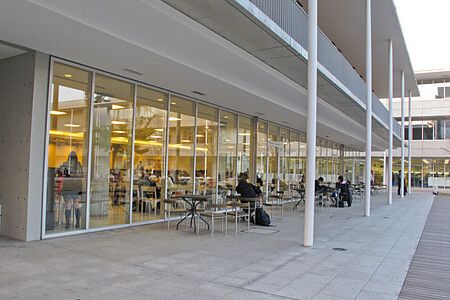
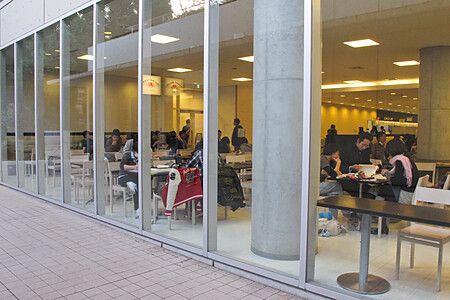
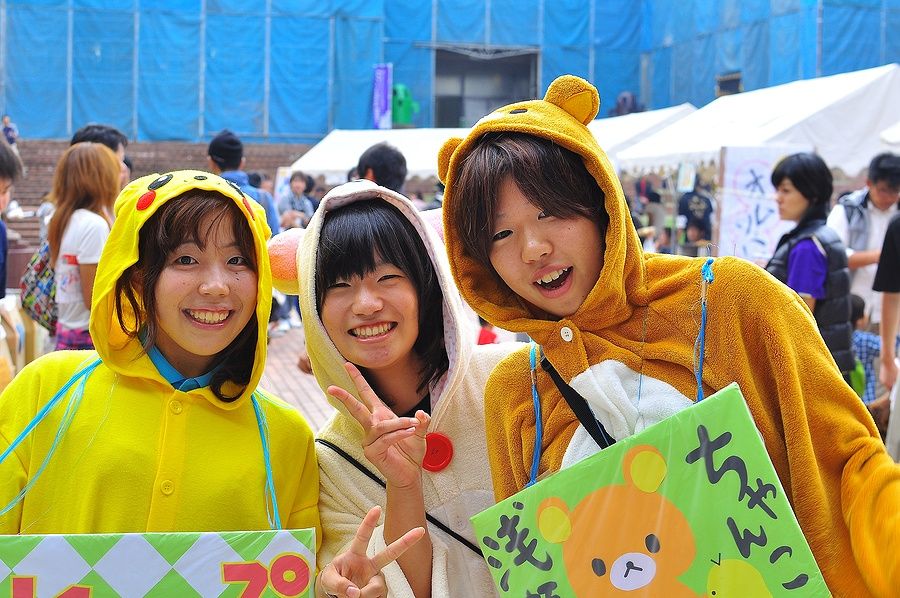
Social life revolves around clubs, sports clubs and everything else, from soccer to astronomy to the tea ceremony. Some are as demanding as a professional team, with practice every day and strict hierarchies between class years, while others meet once a week and end up at an izakaya. If you study here, join one: it’s the fastest way to make real friends and use the language every day.
From the third year on, students join a seminar, a small group of about ten students who work with a single professor on a specific topic. It often becomes your main point of reference for your thesis and for future contacts.
Almost everyone works part-time, at convenience stores and restaurants or as tutors. On a student visa you need specific permission from the immigration office, and you can’t work more than 28 hours a week, with a higher limit during the long vacations. The limit is actually enforced, and going over it puts your residence status at risk, so don’t take this rule lightly.
Job hunting
The toughest stretch of Japanese university life has a name, shukatsu: the hunt for a first job. It kicks off during the third year with summer internships and company information sessions, gets going in earnest in March when applications officially open, and peaks the following summer with interviews and the first offers.
For months, students in the same dark suit, with the same bag and the same haircut, go from one company to the next, and if you visit Tokyo in spring you’ll see them all over the stations.
If you’re an international student, all of this applies to you too. Japanese companies hire new graduates in one big batch once a year, often without looking at what they majored in. If you graduate in Japan and find a company willing to hire you, you can switch from a student visa to a work visa without leaving the country, and it’s one of the most straightforward ways to stay here long-term.
At that point Japanese makes the difference again. Jobs for people who only speak English do exist, but they’re concentrated in a few companies and a few industries.

Is it worth it?
If I were choosing today, I’d go for a public university outside Tokyo for the balance between cost and quality, and I’d give myself a full year of language study before starting. The degree matters, but what really changes your life here is how much Japanese you can actually speak when you walk out of the classroom.
Some people arrive picturing a country where people study day and night, and instead they find campuses full of students playing music, practicing sports and putting on festivals. The two exist side by side, and that’s maybe the most surprising part.
What would you choose, a program in English and four relaxed years, or the long road in Japanese?