What Is Omakase?
If you’re at a restaurant in Japan and can’t decide what to order, or the menu is only in Japanese, or the chef and staff only speak Japanese, there’s one magic word you should learn: omakase.
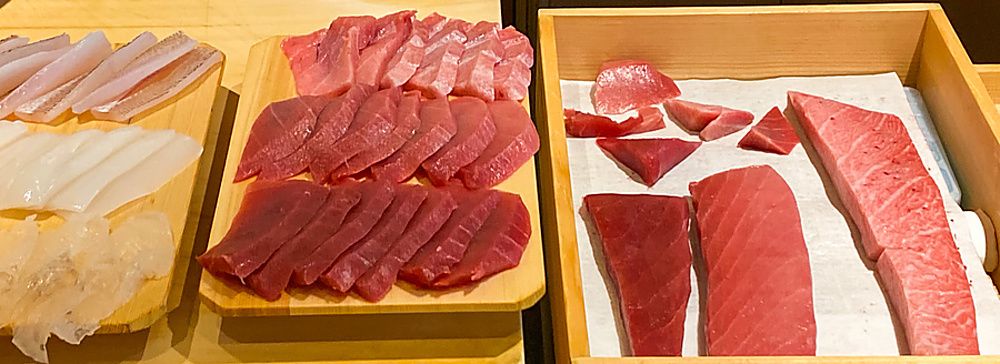
Omakase is a Japanese word that means “I’ll leave it up to you” or “I trust you.” You’ll often hear it at sushi bars and Japanese restaurants in Japan, but it’s also very common outside the country, especially in America. When you order omakase, the chef decides what to serve and uses their own creativity to put together a tasting menu just for you, so you get to try a bit of everything. It isn’t only sushi and raw fish. You get lots of dishes prepared in different ways: cooked in a pot, steamed, grilled, made into tempura and so on.
The flavors vary a lot too. Traditionally the meal starts with simple, more delicate dishes and works up to more elaborate dishes with bolder, richer flavors.
Omakase can be a great way to try the restaurant’s best dishes. Chefs do enjoy surprising their customers with unusual and creative combinations, though, so you might get something that isn’t to your taste. On the whole, people who order omakase get high-quality courses for less than they’d pay ordering from the menu.
Contents
How to order omakase
You really just have to say it. Walk in, sit down and say omakase de onegaishimasu, which roughly means “up to you, please.” Nobody expects you to speak Japanese, and at most places just saying it is enough to get things going.
Before the chef starts, though, mention any allergies and foods you just won’t eat. The chef will often ask, but if nobody does, you need to bring it up yourself, because once the meal is under way there’s no going back.
The other thing to sort out up front is how much you want to spend. At sushi counters the omakase price isn’t always listed, and it can change quite a bit depending on what came in from the market that day. Asking beforehand isn’t rude at all. It’s a perfectly normal question, and it means no surprises when the bill comes.
What to expect at the counter
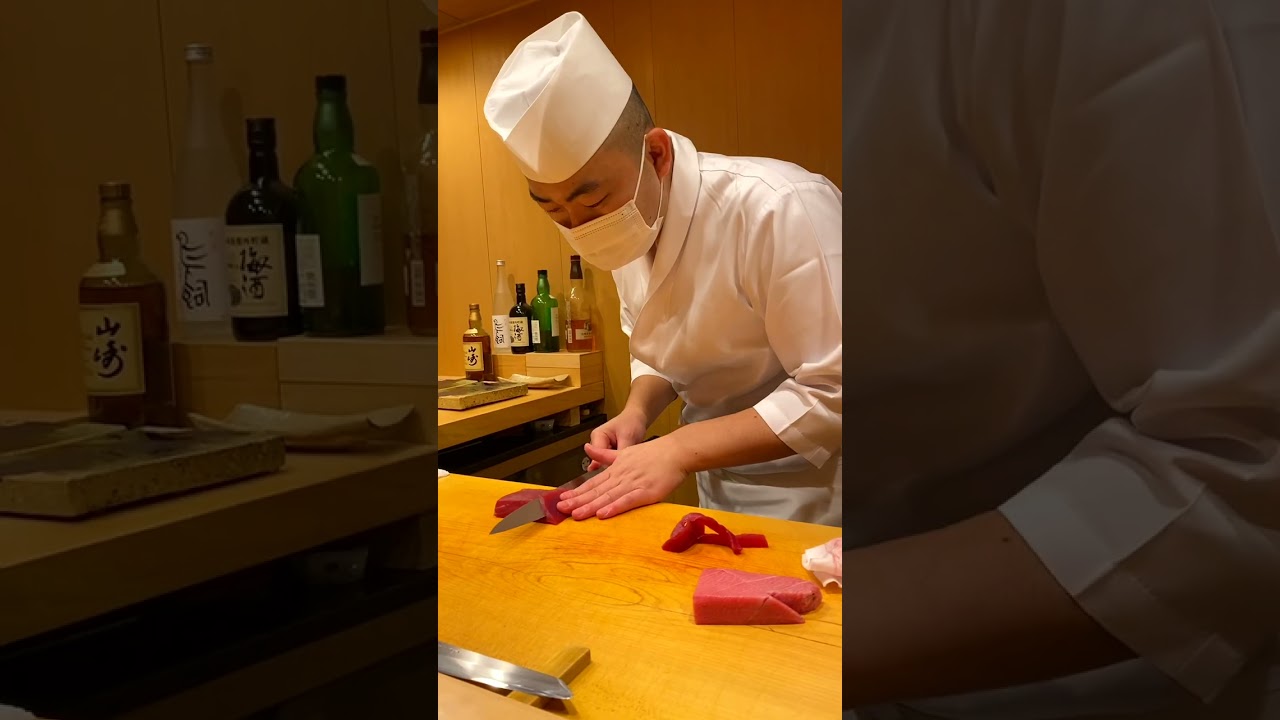
Omakase is at its best at the counter, right in front of the chef. That’s where the chef places each piece straight onto the wooden counter and explains how to eat it, with gestures or in English. The chef sets the pace, one bite at a time, and you eat each piece right away, because a nigiri that’s just been put down only stays at the right temperature for a few seconds.
The fish almost always comes already seasoned with sauce or salt, so there’s no need to dip it in soy sauce as well. If a piece really isn’t for you, just say so and the chef will replace it without any fuss.
The number of courses is almost never announced at the start, and the meal usually ends with the fattiest pieces, tamago or a maki, which is your signal that it’s wrapping up. If you’re still hungry, you can order a few more pieces and pick them yourself. That’s completely normal, and it’s part of how omakase works.