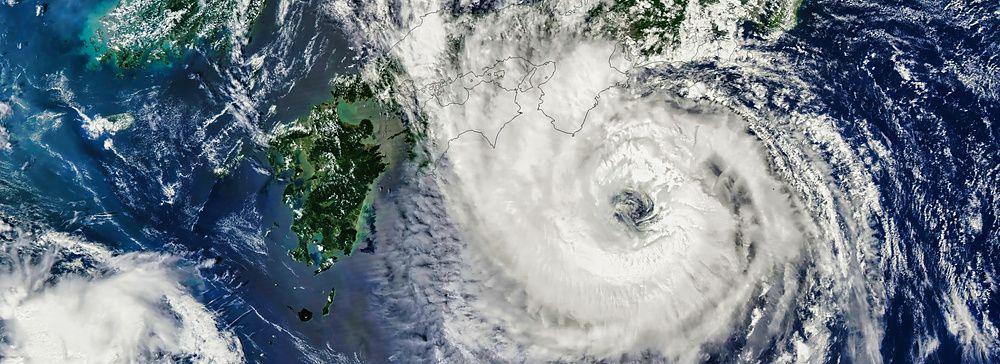
What to Do During a Typhoon in Japan
Typhoons are part of summer in Japan, and in the vast majority of cases they won’t ruin your trip. They’re tropical storms that usually occur between May and November. Japan is particularly exposed between August and October, and it’s no stranger to frequent flooding, gales and strong winds. That’s exactly why many cities keep their roads well maintained and have other measures in place to keep the damage down.
Below you’ll find what to actually do when a typhoon hits, indoors and outdoors, and which areas to avoid.
Contents
Typhoons and your trip
You can travel in Japan during typhoon season without worrying. Typhoons don’t happen every day. They usually form around the islands south of Japan or out in the ocean, and by the time they reach the main tourist areas like Tokyo and Kyoto, they’ve often lost much of their strength.
If you’re in Japan and hear that a typhoon is on its way, don’t treat it like the end of the world. Often all you’ll get is the biggest downpour you’ve ever seen, and nothing else. The one thing to do is watch what Japanese people do. If everyone is rushing inside for cover, you’re probably better off not playing the hero and heading out. The typhoon itself isn’t really the danger; what’s dangerous is the stuff that can fall from above. Really, though, don’t panic. Everything is under control.
Tip: many Japanese cities have covered shopping streets, where a typhoon isn’t a problem. In Hiroshima, for example, there’s Hondori, which runs from Hatchobori all the way to the Peace Memorial Park. In Osaka the whole Shinsaibashi area is covered (plus the huge Namba Walk), and in Kyoto many downtown streets are covered too. The two to remember in Kyoto are Teramachi and Shinkyogoku, which run parallel, are covered from end to end and are packed with every kind of shop, so you can walk a good long way without ever getting wet. At one end of Teramachi you can also slip into Nishiki Market, which is covered as well and becomes the perfect place to spend an hour eating when it rains.
In Tokyo, on the other hand, covered streets aren’t common in the main neighborhoods. One of the best known (though it’s small compared to the ones in Osaka, for example) is in Koenji, but I wouldn’t recommend it if you’re only in Japan for a few days, because there isn’t much there. Tokyo does have one big advantage: you can get around the whole city by train and through endless underground passageways that take you everywhere. So if you’re in Tokyo during a strong typhoon, check a few maps and plan a route that takes you to some shops without spending too much time out in the open. With exceptionally heavy rain and a risk of flooding, though, underground is the worst place to be. In that case you’re better off staying above ground, indoors.
My experience with typhoons
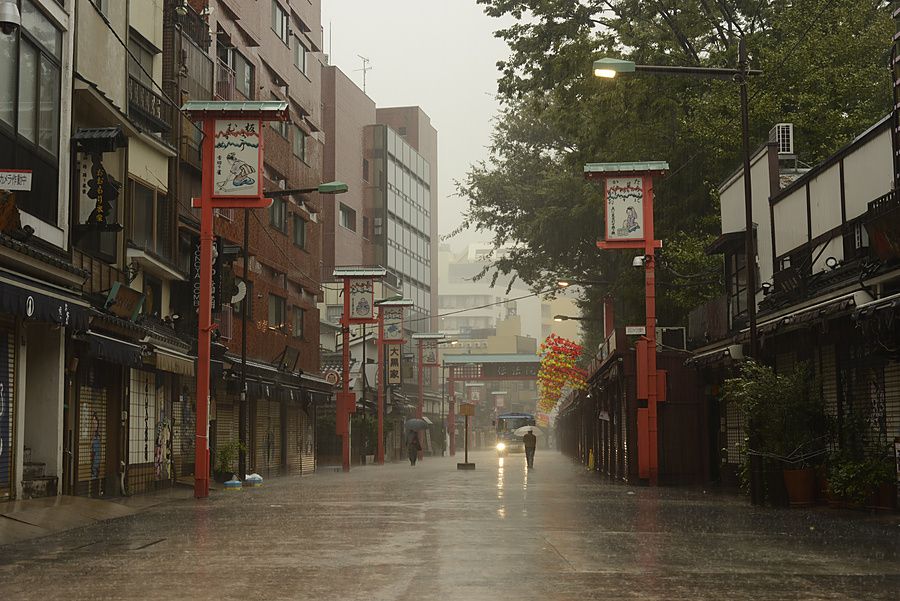
I’ve been through a lot of typhoons in Japan. I honestly couldn’t tell you how many, because I’ve lost count. The first time, I read online that a typhoon was coming and got a bit scared, imagining all sorts of things. But unless you get caught in a typhoon at its strongest, all you’ll see is nature putting on a show.
How to tell a typhoon is coming
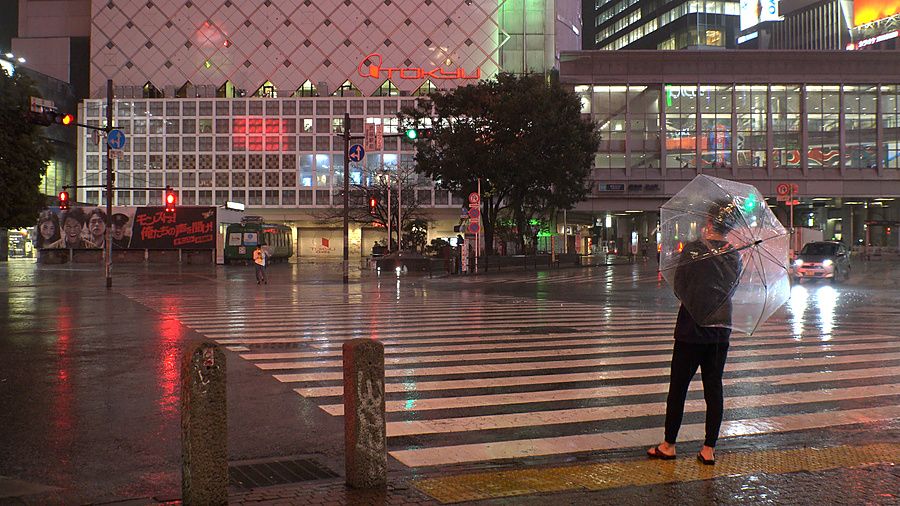
In Japan, typhoons don’t have names. Each one gets a number, and the count starts again from one every year, so you’ll hear about Typhoon No. 10 or No. 14 rather than a name. The good news is that everything is known in advance. Forecasters follow the track day by day, and two or three days ahead it’s already clear whether and when the typhoon will pass near you.
The Japan Meteorological Agency website has an English version with a map of the forecast track and warnings area by area, and local weather apps send you a notification as soon as a warning goes out for the prefecture you’re in. If you don’t feel like keeping up with websites and apps, ask at the front desk. Hotel staff always know what’s coming and are happy to explain it to you.
What a typhoon is
Typhoons are areas of very low atmospheric pressure that can stretch over many kilometers. They form only over the sea, when the warm, humid air of summer and fall creates low-pressure systems, which in turn bring heavy rain and strong winds. A typhoon comes with torrential rain, strong winds and thunder, usually concentrated over a well-defined area, and it can go on for several hours without a break. In some areas typhoons can also bring floods and landslides, so you need to be even more careful if you live near rivers or the sea, or in geologically unstable areas. As with other large-scale natural events, there’s nothing anyone can do to stop them, but you can take steps to limit the damage as much as possible.
Safety tips
At home
- Close doors, windows and shutters, and secure them as well as you can so the rain and strong wind don’t force them open.
- Bring in flowerpots and other loose objects from balconies and terraces.
- Keep up with the warnings issued by weather agencies, radio and TV.
- Don’t take shelter in basements or cellars, because they can flood.
- Stay away from glass and windows.
Outdoors and in public places
- Stay somewhere covered and enclosed until the storm is over.
- Avoid using elevators.
- Stay away from flooded streets and places where water is flowing fast.
- Stay away from power lines, electrical equipment and electrical panels, because the risk of a fatal shock is very high.
- Follow the authorities’ instructions and go to emergency shelters and assembly points.
- Don’t stand under eaves, because the risk of falling objects and roof tiles is high.
- If you’re outside, cover your head with clothing or whatever you have on you.
- If you’re walking through floodwater, move carefully and watch out for holes or open manholes.
- Avoid going off on your own and, if possible, stay with other people.
High-risk places
The places most prone to flooding are, naturally, the ones underground. Be very careful if you’re in the subway, on underground levels or in underground parking garages, cellars and basements, and get out as quickly as you can as soon as you notice heavy rain or other signs that a typhoon is on its way. If you’re away from home when a typhoon hits and you can’t get back quickly, take shelter inside a properly equipped building, a store or a shopping mall. Always make sure to avoid the underground levels, and keep away from electrical appliances and elevators.
Trains and flights during a typhoon
This is the part that can actually change your plans. When a strong typhoon is on its way, the railways announce a planned suspension of service, usually a day in advance, telling you which lines will stop and during which hours, shinkansen included. It isn’t a last-minute disruption; it’s a safety decision, and almost always everything is running again the next day.
If you have a reserved seat on a train that gets canceled, you can get a refund with no cancellation fee at the station ticket counter, and the same goes for canceled domestic flights. The best advice, though, is not to squeeze a long journey into the day the typhoon is expected to pass. Travel the day before or the day after, and spend that day exploring the city.
Preparing your home
Keeping your home in good repair can also make a difference when a typhoon hits.
Here’s what to keep an eye on:
- Check the roof for problems with tiles, metal sheeting and TV antennas.
- Look for any cracks in the walls.
- Check the condition of window and door frames and how they close, and reinforce them with panels or something similar as soon as the first signs of a typhoon appear.
- Check ditches, gutters and storm drains to make sure nothing is blocking them.
Video
A video I found online of a strong typhoon in Tokyo. Obviously, they’re not all like this!

